

Updated
The Banyankole are the people of Ankole in south-western Uganda, around Mbarara, Bushenyi, Ntungamo and Ibanda, and one of Uganda’s largest ethnic groups. They speak Runyankore. Historically, society was divided between the Bahima, cattle-keeping pastoralists famous for their long-horned Ankole cattle, and the Bairu, who farmed crops, under a king called the Omugabe. Today most Banyankole are farmers, traders and professionals, and the region is Uganda’s dairy and matoke heartland, crossed by every road trip to the gorillas.
The Ankole kingdom
Ankole grew from the earlier kingdom of Nkore, ruled by the Omugabe with a court dominated by Bahima cattle-owning families. Under British rule it was expanded by adding neighbouring areas through an agreement in 1901. Like Uganda’s other kingdoms it was abolished in 1967, but unlike Buganda, Bunyoro and Tooro, it has not been restored, and the question remains politically sensitive. See our guide to Uganda’s kingdoms.
Cattle, milk and matoke
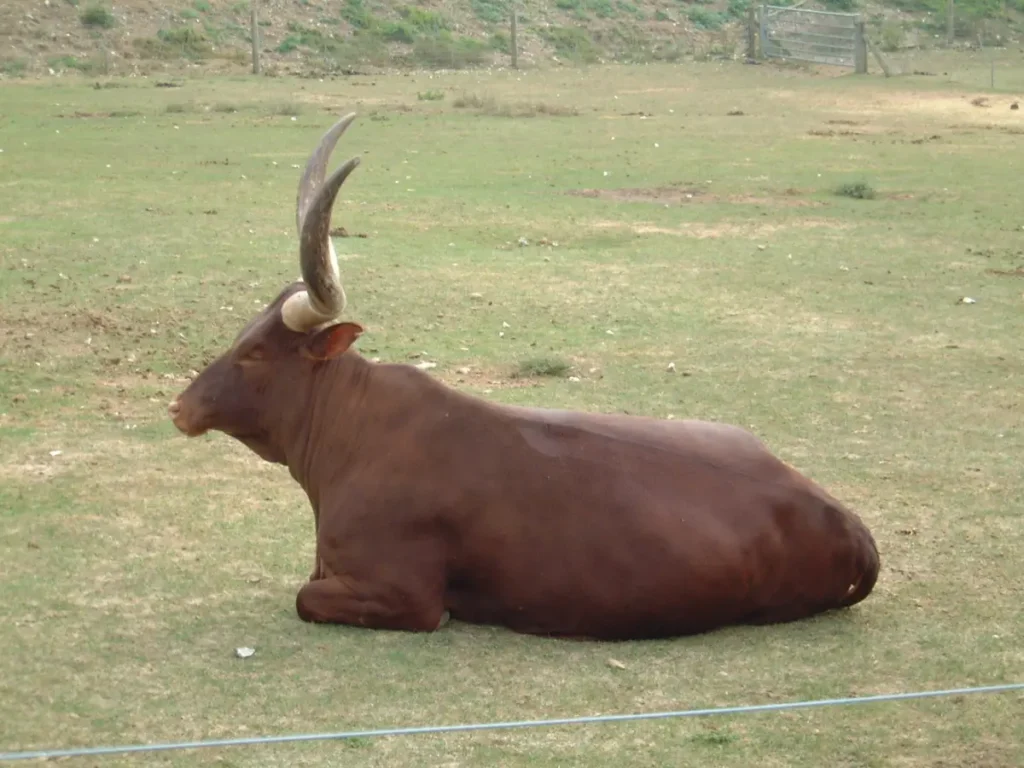
Cattle remain central to Ankole identity. Long-horned Ankole cows are still kept, though many have been crossbred for more milk, and Mbarara is the centre of Uganda’s dairy industry. Milk, ghee and fermented milk are traditional foods, and cows feature in songs, poetry and bride wealth. The wetter parts of Ankole, such as Bushenyi, grow matoke and tea. See our guide to Ankole cattle.

Customs
Weddings involve an introduction ceremony, where the groom’s family visits the bride’s to agree bride wealth, often counted partly in cattle, followed by a giveaway ceremony and the church wedding. Elders are greeted respectfully, and visitors are offered milk or tea as hospitality. Traditional dances imitate the movements of cattle and the swing of their horns. The Igongo Cultural Centre near Mbarara has a museum on Ankole history and culture. See our guide to cultural sites in Uganda.
On the way to the gorillas
Most road trips from Kampala to Bwindi pass through Mbarara, a good lunch stop, and Lake Mburo National Park lies in Ankole country, where some lodges arrange visits to Bahima cattle keepers. The gorilla permit costs US$800, or US$600 in April, May and November. See our guide to a Lake Mburo cycling safari.
Frequently asked questions
The people of Ankole in south-western Uganda, speaking Runyankore.
The traditionally cattle-keeping section of Banyankole society.
No. The kingdom was abolished in 1967 and has not been restored.
At the Igongo Cultural Centre near Mbarara.










