Updated
When the COVID-19 pandemic stopped international travel in 2020, African parks lost most of the income that pays for rangers, patrols and community programmes. In several countries, conservation groups reported more bushmeat snaring as rural incomes collapsed, and in Uganda the silverback Rafiki, leader of Bwindi’s Nkuringo gorilla family, was killed by a poacher in June 2020. The period showed how much protection depends on visitors, and how quickly it can weaken when they stop coming.
Why tourism money matters
In much of Africa, government budgets cover only part of what parks cost. Gate fees, activity permits and lodge concession fees make up much of the rest. In Uganda, the Uganda Wildlife Authority funds its parks largely from its own revenue, and gorilla permits, now US$800, or US$600 in April, May and November, are among the biggest sources. A share of park entry fees is also passed to communities around the parks under a revenue-sharing scheme. See our guide to how permit revenue is spent.
What happened in 2020
Uganda, Rwanda and Congo suspended gorilla trekking in March 2020, both because tourism stopped and to protect gorillas from a new human virus. Uganda reopened its parks to visitors within a few months, with masks, health checks and the distance rule increased to ten metres for a period, but international arrivals stayed very low until 2021–22. Lodges closed or cut staff, and guides, porters and craft sellers lost most of their income.
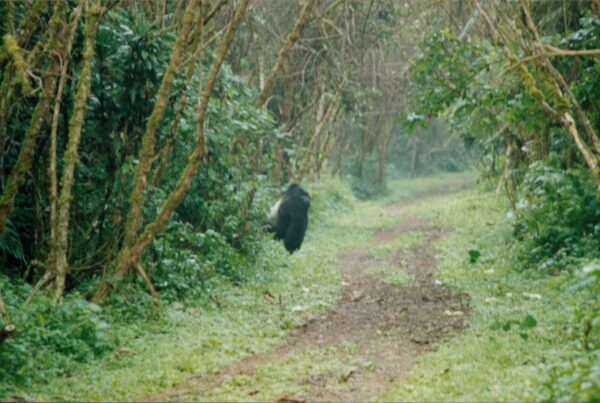
With fewer visitors and many people out of work, rangers across East Africa reported more snares and more illegal entry into parks, mostly for bushmeat. On 1 June 2020, Rafiki, the silverback of the Nkuringo family, was speared by a man hunting in Bwindi. The poacher was caught, pleaded guilty and was sentenced to 11 years in prison. The case drew worldwide attention because Rafiki’s family was one of Bwindi’s best-known groups.
The impact on communities
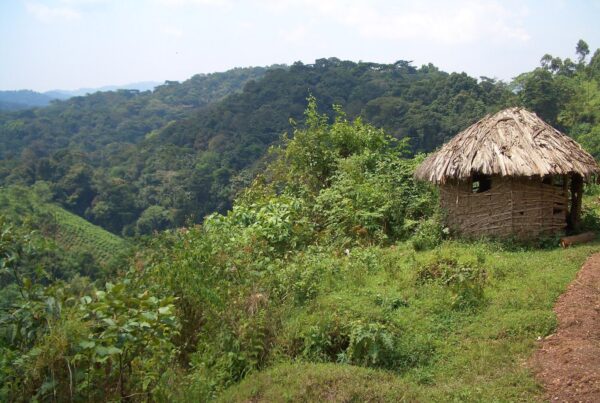
Communities around Bwindi depend on tourism in many ways: lodge jobs, porter and guide fees, sales of crafts and food, and revenue-sharing projects such as schools, clinics and roads. When this stopped, families fell back on farming and, for some, on forest resources. Conservation groups and lodges ran emergency food and seed programmes, and some porters and guides were supported through donor funds. The experience strengthened the argument that conservation only works if neighbours benefit. See our guide to the impact of gorilla tourism on local communities.
How the gorillas fared
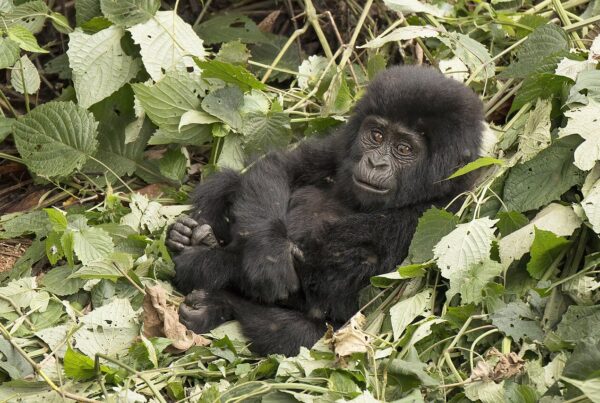
Despite the losses, the mountain gorilla population did not collapse. Rangers kept monitoring habituated families throughout, and there was a notable baby boom among Bwindi’s gorillas in 2020. No COVID-19 infection was reported in wild mountain gorillas, though captive gorillas elsewhere caught the virus, which is one reason masks are still recommended on treks today. See our guides to anti-poaching in Uganda and gorilla trekking after COVID-19.
What it means for visitors
The lesson is straightforward: well-managed tourism pays for much of the protection that gorillas and other wildlife depend on, and it gives people living next to parks a reason to support them. Visiting with licensed operators, hiring a porter, buying local crafts and following the health rules on the trek all keep that system working. It also shows the need for backup funding, such as conservation trust funds, so protection does not depend on visitors alone.
Frequently asked questions
Rangers reported more snaring and illegal entry, mostly for bushmeat, as incomes collapsed.
The Nkuringo silverback was killed by a poacher in June 2020; the man was jailed for 11 years.
No infection was reported in wild mountain gorillas, but captive gorillas elsewhere were infected.
Permit and park fees fund rangers and monitoring, and a share supports neighbouring communities.