Uganda E-Visa: Complete Step-by-Step Application Guide for 2026
Obtaining a Ugandan visa is a straightforward process that almost all visitors can complete online before departure. The e-visa system, introduced in 2016, has eliminated the need for embassy visits and reduced processing times from weeks to days. However, the application requires attention to detail, and mistakes can delay approval or even result in denial. This comprehensive guide walks you through every step of the Uganda e-visa application, explains the different visa types available, covers common pitfalls, provides tips for ensuring your visa is approved without complications, and explains what to expect when you arrive at Entebbe with your e-visa in hand.
Understanding Uganda’s Visa Types
Before starting your application, determine which visa type suits your travel plans. Uganda offers several options for tourists:
Single Entry Tourist Visa
The standard visa for most leisure travellers visiting Uganda for safari, tourism, or family visits. Valid for 90 days from the date of issue, allowing one entry into Uganda. Once you exit, the visa becomes invalid even if the 90-day period has not expired. Cost is $50 plus a small service fee. This is the most common choice for travellers on a single-country safari.
Multiple Entry Visa
Valid for six to 24 months depending on the option selected, allowing unlimited entries during the validity period. Suitable for frequent visitors, business travellers, or those combining Uganda with neighbouring countries and returning multiple times. Cost ranges from $100 to $200 depending on duration. If your itinerary includes side trips to Kenya, Tanzania, or Rwanda with return to Uganda, this visa is essential.
East African Tourist Visa
The best option for travellers visiting Uganda, Kenya, and Rwanda in a single trip. Valid for 90 days, it allows multiple entries to all three countries on a single document. Cost is $100. This visa must be applied for through the first country you enter. If flying into Nairobi first, apply through Kenya. If flying into Entebbe first, apply through Uganda. The East African Tourist Visa saves money and simplifies logistics compared to obtaining separate visas for each country.
Transit Visa
For travellers passing through Uganda for up to seven days without intending to engage in tourism activities. Cost is $50. Most safari travellers do not need this option, as the tourist visa is more flexible and only marginally more expensive.
Step-by-Step Application Process
Step 1: Access the Official Portal
Visit the official Uganda immigration portal at visas.immigration.go.ug. Beware of third-party websites that charge additional fees without adding value. The official site is the only authorised channel for e-visa applications.
Step 2: Create Your Account
Create an account with a valid email address. You will receive a verification link to activate your account. Use an email address you check regularly, as all communications about your visa will be sent there.
Step 3: Complete the Application Form
Required information includes full name, date of birth, nationality, passport number and expiry date, travel dates, accommodation details, purpose of visit, and contact information. Ensure all information matches your passport exactly; even minor discrepancies in spelling or dates can cause processing delays or rejection.
Step 4: Upload Supporting Documents
Typically required documents include: a scanned copy of your passport biodata page (must be valid for at least six months), a recent passport-sized photograph with white background, yellow fever vaccination certificate, and proof of travel such as flight confirmation or detailed tour itinerary. Some applications may also request accommodation bookings or tour operator confirmation letters.
Step 5: Pay the Visa Fee
Pay the visa fee using a credit or debit card. The system accepts Visa, Mastercard, and some other major cards. Keep your payment confirmation email as proof of payment. If your payment fails, do not submit a second application immediately; check whether the first payment actually processed to avoid duplicate charges.
Step 6: Submit and Wait for Processing
Most applications are processed within three to five working days, though it can take longer during peak periods or holidays. You will receive email notifications at each stage of processing.
Step 7: Download and Print Your Approval
Once approved, download and print your visa approval letter. Present this at immigration on arrival in Uganda. You must also present the passport used for the application and your yellow fever certificate.
Required Documents Checklist
Have the following ready before starting your application:
- Passport valid for at least six months with at least two blank pages
- Digital passport photo meeting specifications (white background, neutral expression, no glasses, recent)
- Scanned passport biodata page in PDF or JPEG format, clearly legible
- Yellow fever vaccination certificate (International Certificate of Vaccination)
- Confirmed return flight booking or detailed travel itinerary
- Accommodation bookings or letter from tour operator
Common Mistakes to Avoid
Inaccurate information: Ensure your name, passport number, and dates match your passport exactly. Even minor discrepancies can cause delays.
Incorrect photo: Photos must meet passport specifications. Selfies, photos with coloured backgrounds, or photos where your face is obscured are rejected.
Expired passport: Your passport must be valid for at least six months from your planned entry date. Renew your passport before applying if it expires soon.
Incomplete applications: Submit all required documents. Missing documents result in processing delays or rejection.
Wrong visa type: Applying for a single entry visa when you need multiple entries will cause problems at the border. Choose the correct visa type for your itinerary.
Processing Times and Planning
Standard processing takes three to five working days. During peak periods, such as before major holidays or during high tourist season, processing can extend to two weeks. Apply at least three weeks before travel to allow for any complications or requests for additional documentation.
Some third-party services offer expedited processing for additional fees. Use these cautiously; the official system is generally reliable, and paying extra does not guarantee faster approval.
Arrival in Uganda with Your E-Visa
At Entebbe International Airport, proceed to the immigration counter with your printed visa approval letter, passport, and yellow fever certificate. Immigration officers scan the barcode on your approval letter and stamp your passport. The process typically takes five to fifteen minutes if your documents are in order.
Keep your visa approval letter with your passport throughout your trip. You may need to present it when checking into hotels or if asked by officials during domestic travel.
Visa Extensions and Overstays
If you wish to extend your stay beyond the visa validity, apply at the Immigration Office in Kampala before your current visa expires. Extensions are granted at the discretion of immigration officials and require payment of a fee. Overstaying your visa without extension can result in fines, detention, or denial of future entry. Do not assume you can simply pay a fine at departure; enforcement is unpredictable.
Special Circumstances
Children: Minors require their own visas and must have parental consent documentation if travelling with only one parent or without parents.
Diplomatic and official passport holders: Different rules may apply. Check with the Uganda immigration portal for specific requirements.
Journalists and media workers: Special permits are required in addition to tourist visas. Apply well in advance through the appropriate channels.
Final Thoughts
The Uganda e-visa system is straightforward and efficient when approached correctly. Complete your application accurately, provide all required documents, and apply well in advance of your travel date. With your visa secured, you can focus entirely on planning the extraordinary wildlife experiences that await in the Pearl of Africa, from the mountain gorillas of Bwindi to the savannah wildlife of Queen Elizabeth and the thundering Nile at Murchison Falls.
Frequently Asked Questions
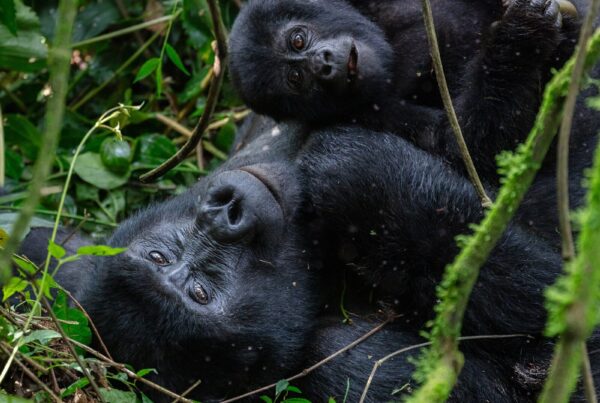
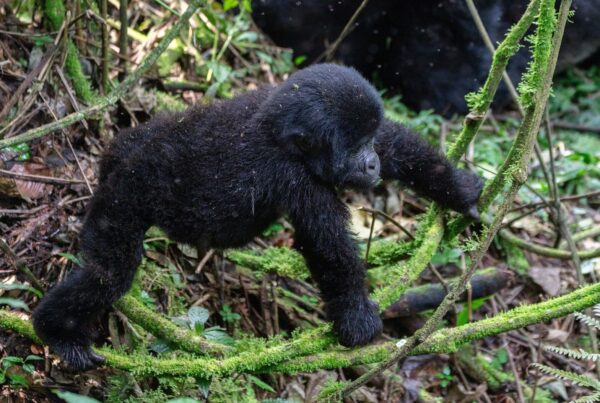
Uganda is home to the mountain gorilla (Gorilla beringei beringei). They live only in the Virunga volcanic highlands (Uganda/Rwanda/DRC) and Bwindi Impenetrable Forest (Uganda only). Mountain gorillas cannot survive in captivity — every individual you trek is a wild animal.
The standard gorilla trekking permit gives you exactly 1 hour with the gorilla family. The walk to find the gorillas can take 30 minutes to 5 hours depending on where the family has moved overnight.
Stay calm, crouch down slowly, avoid direct eye contact, and remain quiet. Do not run. Habituated gorillas almost never make contact; a charging silverback is managed by following ranger instructions immediately.
A maximum of 8 visitors per habituated gorilla family per day for standard trekking. The Gorilla Habituation Experience has a maximum of 4 visitors per family per day.
The standard permit costs $800 per person (foreign non-residents). EAC foreign residents pay $700. Low season (April, May, November) permits are $600. The Gorilla Habituation Experience costs $1,800.