Updated
Idi Amin’s rule of Uganda from 1971 to 1979 was one of the most destructive regimes in post-independence African history. Approximately 300,000 Ugandans were killed or disappeared during his rule. The economy was demolished by the expulsion of the Asian business community in 1972. The country’s institutions — the judiciary, the civil service, the universities — were gutted. And Uganda’s wildlife, which had been developing as an international tourism asset under the earlier administrations, was systematically destroyed. The wildlife recovery story that has followed is one of the most dramatic conservation recoveries in East Africa.
The Destruction of Uganda’s Wildlife
The Amin years devastated Uganda’s national park wildlife through a combination of deliberate military poaching and the collapse of the park protection infrastructure. The Uganda Wildlife Authority’s predecessors — the Game Department and the Uganda National Parks — lost the funding, personnel, and political protection that park management requires. Ranger forces were reduced, outgunned by army units engaged in commercial poaching, or simply abandoned their posts in the general collapse of government function.
Murchison Falls National Park suffered some of the worst losses. Elephant populations that had numbered in the thousands were reduced by military poaching to a fraction of their pre-Amin levels. The ivory trade, controlled by military networks with direct access to export channels, removed a significant proportion of the park’s large elephant bulls. Hippopotamus populations were similarly decimated in some areas. Buffalo, which had been abundant, were hunted for meat by military units operating with impunity throughout the country.
The State After Amin
When Amin was deposed in 1979 — by Tanzanian forces and Ugandan exiles — the country’s wildlife estate was in a state of near-collapse. Murchison Falls National Park had lost the majority of its large mammals. Queen Elizabeth National Park had been similarly reduced. Kidepo Valley National Park in the remote north-east, which had been one of East Africa’s most spectacular wildlife destinations, was essentially abandoned and inaccessible. The Uganda Wildlife Authority did not yet exist in its current form, and the institutional capacity to manage parks had been dispersed or destroyed.
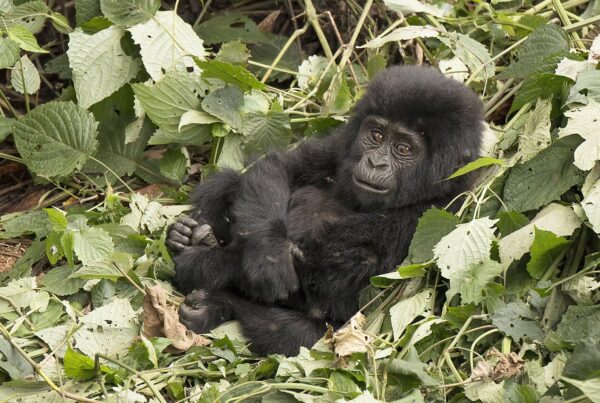
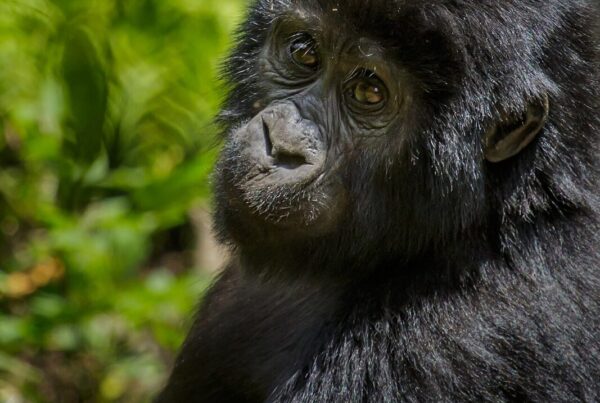
The gorillas of Bwindi had, perhaps fortunately, been largely protected by the forest’s inaccessibility and remoteness. Military poaching operations that could range easily through open savannah parks were less effective in Bwindi’s dense, steep terrain. The gorilla population during the Amin years was not systematically censused, but the major declines in the mountain gorilla population recorded in this period came primarily from the Virunga Massif rather than from Bwindi — a reflection both of the relative accessibility of the Virungas and of the specific pressures on the Rwanda side of the border.
The Recovery
Uganda’s wildlife recovery began in earnest under the National Resistance Movement government that took power in 1986. The Uganda Wildlife Authority was established in 1996, consolidating responsibility for national parks under a single professional agency. International conservation organisations — including World Wildlife Fund, African Wildlife Foundation, and the Wildlife Conservation Society — provided funding and technical support for the rebuilding of the ranger force and the restoration of park infrastructure.
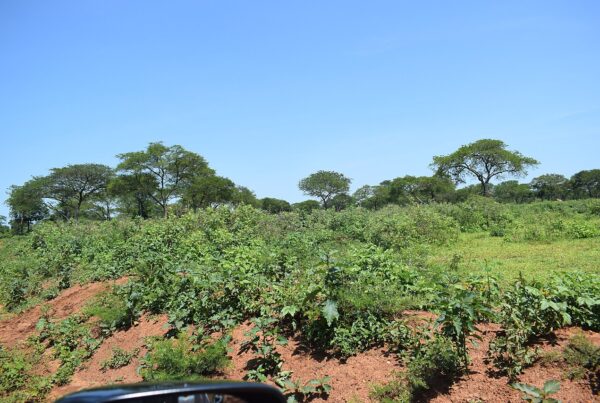
The recovery has been remarkable. Murchison Falls National Park now holds one of Uganda’s largest elephant populations — estimated at over 1,500 animals — along with healthy buffalo, lion, giraffe, and hippo populations. Queen Elizabeth National Park has recovered its elephant and buffalo populations and maintains the tree-climbing lion population of the Ishasha sector that has made it famous. Kidepo Valley National Park, the most remote and once most devastated, has been partially rehabilitated and is now considered one of East Africa’s most spectacular and under-visited wildlife destinations.
The Lesson
Uganda’s wildlife story — the destruction of the Amin years and the recovery that followed — is among the clearest demonstrations available of the relationship between political stability, institutional capacity, and conservation outcomes. The wildlife declined when government collapsed. It recovered when government was restored and institutions were rebuilt with adequate funding. The gorilla permit that international visitors pay in 2027 contributes to the funding of those institutions — the Uganda Wildlife Authority — that make the continued recovery possible. The animals in Uganda’s parks today are the descendants of populations that survived a decade of destruction. Their continued survival depends on the infrastructure that is funded, in part, by the visitors who come to see them.
Wildlife recovery in Uganda following the Amin years illustrates a pattern observed across African conservation history: that political stability is a prerequisite for effective park management, and that the damage done to wildlife populations during instability can be partially reversed when conditions improve. Uganda’s recovery was faster than many predicted, driven partly by the resilience of Bwindi’s forest ecosystem and partly by the rapid expansion of the gorilla tourism economy, which gave communities an immediate financial reason to support rather than undermine park protection.