Updated
If your mother is someone who has always wanted to go to Africa, who has been watching nature documentaries for decades, or who has quietly mentioned gorillas in a way that suggests she is serious about seeing them — this is the guide for you. Gorilla trekking in Uganda is not a conventional Mother’s Day gift. It is the kind of experience that mothers who receive it tend to describe as the best gift they have ever been given. Here is what you need to know to make it happen.
Why Gorilla Trekking Works for Mothers
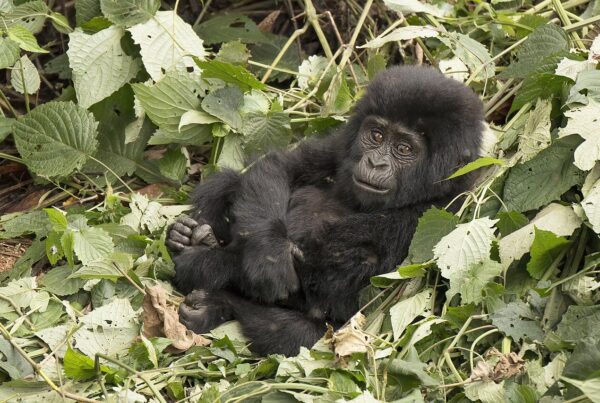
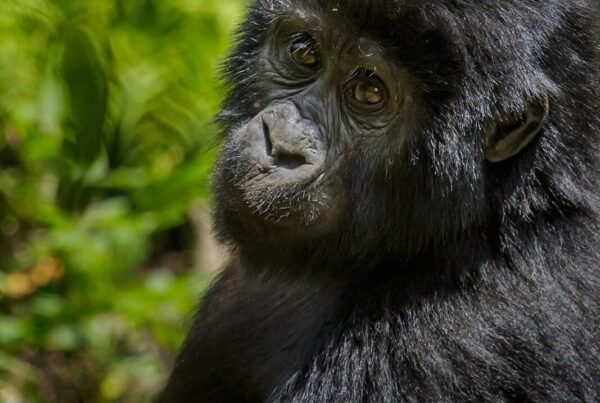
The hour spent with a wild gorilla family in Bwindi resonates particularly strongly with anyone who has been a parent. The nursing mothers, the protective silverback, the juveniles testing limits and being called back — the gorilla family’s social dynamics are recognisable and moving in a way that other wildlife encounters are not. Many visitors describe the moment of watching a gorilla mother with her infant as one of the most emotionally affecting they have ever experienced in any travel context. For mothers, the recognition is direct and profound.
The physical demands of the trek are real but manageable for fit adults of most ages. Porter services are available to carry bags and provide physical support on difficult terrain. Many lodges near Bwindi offer a comfortable level of accommodation that makes the surrounding luxury a complement to the forest experience. The combination of a genuine adventure with a high level of comfort and service is something that many mothers — who may not self-select for challenging travel — find more appealing than the framing of the trek as a strenuous expedition.
The Permit and What to Book
The gorilla permit costs $800 USD for international visitors in 2027. Mother’s Day falls in different months in different countries — typically March in the UK and May in the United States. Both periods have reasonable trekking conditions in Uganda, though May is at the start of the long rains. The short dry season (December-February) or dry season (June-September) are generally preferred for first-time trekkers.
If you are planning a Mother’s Day gorilla trek for 2027, whether in March, May, or at another time, permits should be booked three to four months in advance. Contact us to plan the trip — we work with you to create an itinerary that matches your mother’s physical level, travel preferences, and interests alongside the core gorilla trekking experience.
Going Together
Many of the most meaningful gorilla treks are shared experiences — a child taking a parent into the forest, experiencing together something that neither will ever forget. If you are considering a Mother’s Day gorilla trek, going together rather than booking it as a solo gift changes the experience entirely. The walk, the encounter, and the conversation afterwards are richer for being shared. Two permits at $800 each is $1,600 — a significant gift, but one whose value, for both of you, will be measured in decades of memory rather than months of enjoyment.
Planning a Mother’s Day Gorilla Trek
A Mother’s Day gorilla trekking trip to Uganda requires booking approximately 6 months in advance for the late-May dates that correspond to the UK and US Mother’s Day calendar — which falls in the long rainy season rather than the peak dry season. The practical trade-off is between the timing’s symbolic resonance and the rainy season’s physical demands: wet trails, humidity, and the possibility of rain during the trek itself. Some mothers and daughters who specifically time the trip to Mother’s Day describe the rainy season conditions as enhancing rather than detracting from the experience — the forest’s intensity and the sense of shared challenge add a dimension to the shared memory that dry season visits do not always produce. Operators who manage Mother’s Day group bookings have refined the communication about rainy season trekking to set realistic expectations while framing the conditions as part of what makes this timing distinctive.
The practical gift logistics for a Mother’s Day gorilla trekking trip are most efficiently managed through a gift voucher rather than a specific date booking — the timing flexibility that a voucher provides allows the mother to choose a date that fits her own travel preferences rather than the giver’s planning assumptions about availability. Operators who issue properly documented vouchers specify the package’s exact scope, the redemption window, and the booking process clearly enough that the recipient can convert the voucher to a confirmed trip without the giver’s further involvement. This independence is often cited by recipients as an additional dimension of the gift’s meaning.