Staying Connected in Gorilla Country
For many travellers, the idea of being disconnected from mobile networks during their gorilla trek is either a terrifying prospect or a welcome liberation. The reality in Bwindi is more nuanced than either extreme. Mobile phone coverage exists in the region but is patchy, unreliable, and highly dependent on your specific location, network provider, and the whims of mountain topography that block signals as effectively as they block sunshine. Understanding what to expect helps you plan communication, manage expectations, and perhaps embrace the partial disconnection that Bwindi’s remote location imposes.
This guide examines mobile network coverage around Bwindi and Mgahinga, identifies which providers offer the best service, explains where you can expect signal and where you cannot, and offers practical strategies for staying connected without allowing technology to intrude on the wilderness experience that brought you to Uganda.
The Major Networks in Uganda
Uganda’s telecommunications market is dominated by three major providers: MTN Uganda, Airtel Uganda, and Africell. MTN holds the largest market share and generally offers the most extensive coverage, including in rural and remote areas. Airtel provides comparable coverage in many regions and competitive data packages. Africell is smaller but offers reliable service in major towns.
For gorilla trekking visitors, MTN is generally the recommended network. MTN has invested significantly in infrastructure around Bwindi and Mgahinga, and their towers provide coverage to the main trekking trailheads and many lodges. Airtel also works in the region but with slightly less comprehensive coverage outside the immediate vicinity of towns and main roads.
International roaming works on all three networks if your home provider has agreements with Ugandan carriers. However, roaming charges can be expensive, and many travellers prefer to purchase local SIM cards for more affordable rates.
Where Signal Exists and Where It Disappears
Mobile coverage around Bwindi follows a predictable pattern related to infrastructure and topography. The towns of Buhoma, Ruhija, Rushaga, and Nkuringo, the main gorilla trekking hubs, generally have mobile signal, though strength varies. Lodges within or near these settlements often have sufficient coverage for calls and text messages, though data speeds may be slow.
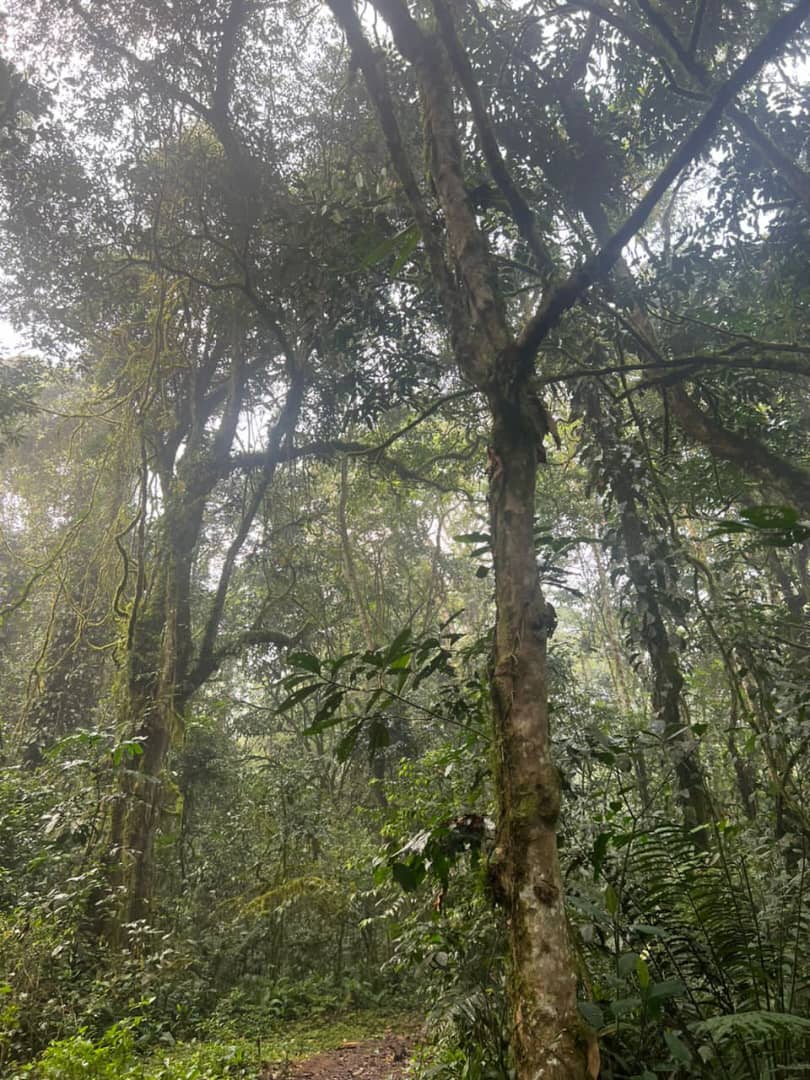
The main roads connecting these towns to Kabale and Kisoro typically have intermittent signal, with coverage improving near villages and disappearing in valleys and dense forest sections. Once you leave the road and enter the forest for your gorilla trek, signal disappears almost entirely. Bwindi’s dense vegetation and steep topography create a natural Faraday cage that blocks radio waves effectively.
During the trek itself, expect no mobile coverage from the trailhead departure until your return. Guides carry radio communication with park headquarters, but personal mobile phones will be offline throughout the forest portion of the day. This disconnection lasts approximately four to eight hours depending on trek duration.
Internet and Data Connectivity
Mobile data is available in the Bwindi region but operates at significantly slower speeds than urban Uganda. 3G coverage exists in the main trekking hubs, but 4G is limited and inconsistent. Many lodges offer Wi-Fi, though speeds are typically slow, unreliable, and shared among all guests.
If you need reliable internet access for work or communication, consider purchasing a local SIM card with a data bundle. MTN and Airtel both offer tourist SIM packages at Entebbe Airport and shops in Kampala. Registration requires your passport, and activation is usually immediate.
Data bundles are affordable by international standards. A package providing several gigabytes of data for a month typically costs less than ten dollars. Top-up vouchers are available in shops throughout Uganda, including small towns near Bwindi.
Lodge Wi-Fi: Expectations and Reality
Most lodges near Bwindi advertise Wi-Fi, but the quality varies dramatically. Budget lodges may have Wi-Fi limited to reception areas with speeds sufficient only for text messaging. Mid-range properties often extend Wi-Fi to rooms but with bandwidth shared among many guests, resulting in slow speeds during peak evening hours. Luxury lodges generally offer the best connectivity but even these cannot overcome the fundamental limitations of remote location and limited backhaul infrastructure.
Wi-Fi is typically sufficient for checking email, sending messages, and light web browsing. Video calls, streaming, and large file uploads are generally impractical or impossible. Power outages, which occur regularly in rural Uganda, frequently interrupt Wi-Fi service regardless of lodge category.
Some lodges charge for Wi-Fi access, particularly in more remote locations where data costs are higher. Others include it in the room rate. Check when booking if internet access is important to you.
Strategies for Managing Connectivity
Rather than fighting Bwindi’s limited connectivity, many travellers choose to embrace partial disconnection. Inform family and colleagues that you will be offline during trekking days. Set up out-of-office messages. Download maps, entertainment, and reading material before travelling. This preparation transforms limited connectivity from frustration into liberation.
For essential communication, the hours before and after your trek, when you are at your lodge, provide the best opportunity for connectivity. Morning signal is often clearer than evening, when network congestion peaks. Position yourself near windows or outdoor areas for stronger reception.
If you must remain reachable for emergencies, provide your lodge’s contact number to family rather than relying on your mobile. Lodges have landlines or satellite phones that work regardless of mobile coverage, and staff can relay messages if urgent contact is necessary.
Satellite Phones and Emergency Communication
For travellers who genuinely cannot afford to be out of contact, satellite phones provide coverage anywhere with a view of the sky. However, satellite phones are expensive to purchase and operate, and the necessity rarely justifies the cost for standard tourism. Tour operators and guides carry radios for emergency communication, making personal satellite phones unnecessary for safety.
Personal locator beacons, PLBs, and satellite messengers such as Garmin inReach offer a middle ground. These devices can send emergency signals and basic text messages via satellite, independent of mobile networks. They are useful for adventure travellers visiting truly remote areas but are generally excessive for standard gorilla trekking.
Final Thoughts
Mobile connectivity in Bwindi is a privilege, not a right. The forest owes you no signal, and the mountains that block radio waves are the same mountains that create the extraordinary landscape you have come to experience. Rather than resenting the dead zones, consider them invitations to be present, to notice the sounds and smells and textures that smartphone use obscures.
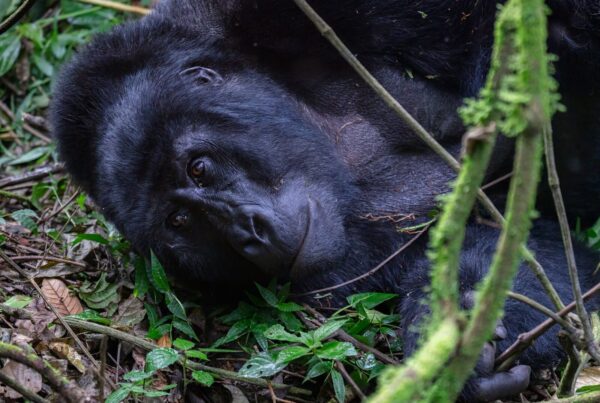
Prepare your communications before travelling. Inform contacts of your limited availability. Download what you need. Then, when you enter the forest and your signal bars disappear, recognise the gift that disconnection offers. The gorillas have no smartphones. They do not check email or post updates. For the hours you share their world, you have the opportunity to join them in unmediated presence. That opportunity is increasingly rare in modern life. Treasure it.