Kampala to Kabale: All Ways to Travel to Gorilla Country
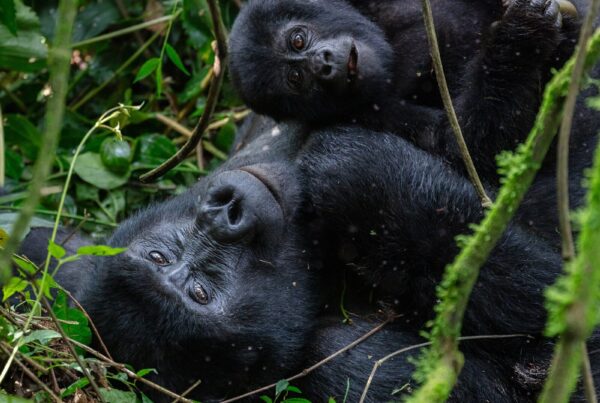
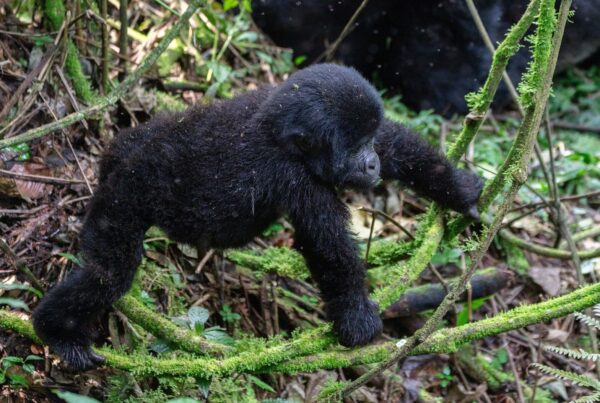
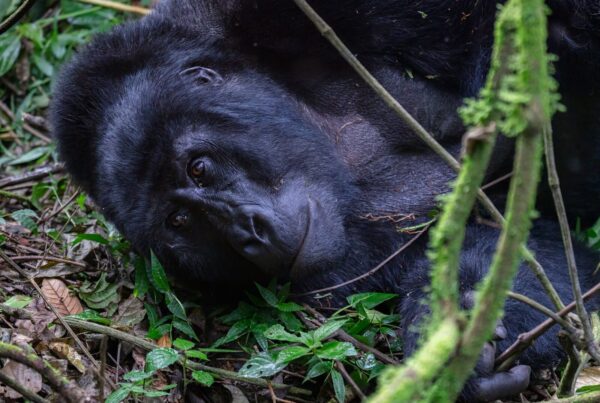
Kabale is the last major town before Bwindi Impenetrable National Park, the gateway through which almost every gorilla trekker passes en route to the forest. Perched at approximately 2,000 metres above sea level in Uganda’s southwestern highlands, Kabale serves as the administrative and commercial hub of the Kigezi region, an area so spectacularly terraced and mountainous that early colonial visitors nicknamed it the “Switzerland of Africa.” Understanding how to reach Kabale from Kampala, what the town offers, and why breaking your journey here can enhance your safari, transforms a necessary transit stop into a genuine travel experience.
By Private Vehicle with Driver
The most comfortable and reliable option for reaching Kabale is hiring a private four-wheel-drive vehicle with an experienced driver. The drive from Kampala takes approximately six to seven hours on paved roads that are generally in good condition, though potholes develop during rainy seasons. Your driver handles navigation, manages rest stops, and provides local knowledge that enriches the journey.
The route follows the Kampala-Masaka-Mbarara highway, a major transport corridor that passes through some of Uganda’s most productive agricultural land. Beyond Mbarara, the road climbs steadily into the Kigezi highlands, with each bend in the road revealing increasingly dramatic views of terraced hillsides, deep valleys, and volcanic peaks in the distance. The final hour into Kabale is particularly spectacular, as the road winds through tea plantations and eucalyptus forests before reaching the town.
Cost for a one-way private transfer ranges from $200 to $400 depending on vehicle type and operator. This price typically includes fuel and the driver’s accommodation if an overnight is required. For travellers continuing to Bwindi, the same vehicle and driver can continue the following day.
By Bus
Multiple bus companies operate scheduled services from Kampala to Kabale, offering an affordable alternative to private hire. Link Bus, Horizon Bus, and Gateway Bus all serve this route with departures from Kampala’s main bus park between 6:00 AM and 8:00 AM.
The journey takes six to eight hours depending on traffic and stops. Fares range from $10 to $20, making this the most budget-friendly option. Coaches are generally comfortable, with air conditioning on the more modern vehicles. The journey includes rest stops for toilet breaks and meals at roadside restaurants.
The bus experience is more than mere transport; it is an immersion in Ugandan daily life. You will share the journey with students, traders, farmers, and families visiting relatives. The conversations, the music, and the passing scenery create a travel experience that private vehicles cannot replicate. However, buses lack flexibility, and the crowded conditions may not suit all travellers.
By Self-Drive
For confident drivers familiar with African road conditions, self-driving to Kabale is a viable option. Vehicle rental costs approximately $70 to $150 per day plus fuel. An international driving permit is required, and your rental agreement should explicitly permit travel to southwestern Uganda.
The main highway is well-signposted and navigable with GPS or offline maps. However, traffic around Kampala and Masaka requires concentration, and the mountain roads beyond Mbarara demand careful driving. Ensure your vehicle is a four-wheel-drive with good ground clearance, as you will need these capabilities for the onward journey to Bwindi.
About Kabale Town
Kabale sits in a bowl-shaped valley surrounded by terraced hills that climb steeply in every direction. The town’s elevation, approximately 2,000 metres, makes it noticeably cooler than Kampala, with temperatures rarely exceeding 25 degrees Celsius even at midday. Pack a warm layer if you are staying overnight.
The town centre is compact and walkable, with a central market that operates daily. The market sells fresh produce from the surrounding hills: potatoes, beans, bananas, avocados, and the distinctive Kigezi garlic that is prized throughout Uganda. Craft shops sell hand-woven baskets, traditional fabrics, and woodcarvings made by local artisans.
Kabale has several accommodation options. The White Horse Inn, a colonial-era establishment, offers characterful rooms with views over the surrounding hills. More modern options include the Kabale Safari Lodge and various mid-range hotels. Restaurants serve both Ugandan staples and international dishes, with the locally grown vegetables particularly fresh and flavourful.
Why Break Your Journey in Kabale
Breaking the Kampala-Bwindi journey in Kabale reduces fatigue and allows you to arrive at Bwindi refreshed rather than exhausted after a full day of driving. An overnight in Kabale also provides insurance against delays; if you encounter traffic around Kampala or road works near Mbarara, you still reach Bwindi on schedule the following morning.
Kabale’s cooler climate and relaxed atmosphere offer a pleasant contrast to Kampala’s bustle. The town provides an opportunity to stretch your legs, explore local markets, and adjust to the highland environment before the physical demands of gorilla trekking. For photographers, the terraced hills around Kabale create stunning landscape compositions, particularly at sunrise and sunset.
From Kabale to Bwindi
From Kabale, Bwindi’s sectors are approximately one to two and a half hours by road:
- To Buhoma: One to one and a half hours on rough but scenic roads through local communities.
- To Ruhija: One and a half to two hours, climbing to higher altitude through bamboo forest.
- To Rushaga: Two to two and a half hours via Kisoro, passing through dramatic mountain scenery.
- To Nkuringo: Two to two and a half hours via Kisoro, with views of the Virunga volcanoes.
Nearby Attractions
Lake Bunyonyi, one of Uganda’s most beautiful lakes, lies just 20 kilometres from Kabale. The lake’s 29 islands, terraced hillsides, and crystal-clear waters make it an ideal extension to your gorilla trekking itinerary. If time permits, spend a night at Lake Bunyonyi before or after your trek. Canoe trips, island visits, and hiking trails offer gentle activities that complement the intensity of gorilla trekking.
Final Thoughts
Kabale is far more than a transit point; it is a destination that offers insight into highland Ugandan life and culture. Whether you pause for lunch, stay overnight, or simply pass through, understanding this gateway town enriches your journey to the gorillas. The Switzerland of Africa may not have alpine peaks, but its terraced hills, friendly people, and cool mountain air create an atmosphere that prepares you perfectly for the extraordinary wildlife encounter that awaits in Bwindi.