How Many Days Should You Spend in Uganda? Finding Your Perfect Trip Length
Planning a safari to Uganda raises a question that every traveller must answer: how many days are enough? The truth is that Uganda packs an extraordinary diversity of experiences into a compact country no larger than the United Kingdom, but each of those experiences deserves adequate time. Rush through too many parks in too few days, and you will spend more time in a vehicle than engaging with the wildlife. Stay too long in one place, and you may miss the remarkable variety that earned Uganda its nickname, the Pearl of Africa. This guide breaks down trip lengths from the bare minimum to the comprehensive expedition, helping you match your itinerary to your interests, budget, and available time.
Three to Four Days: The Gorilla Essential
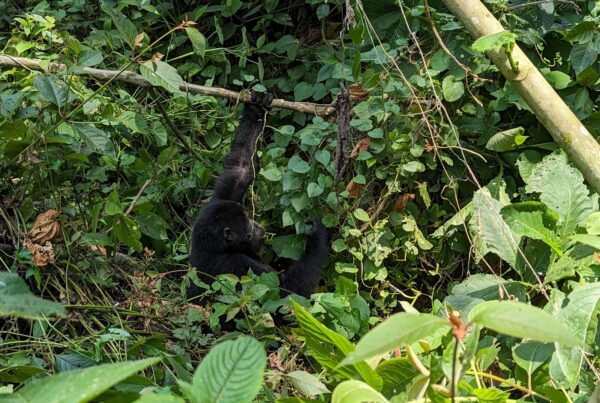
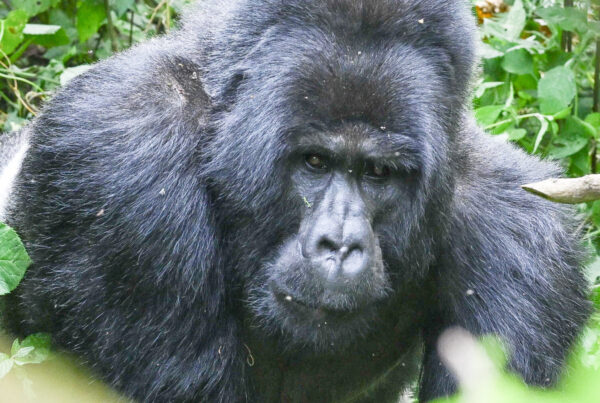
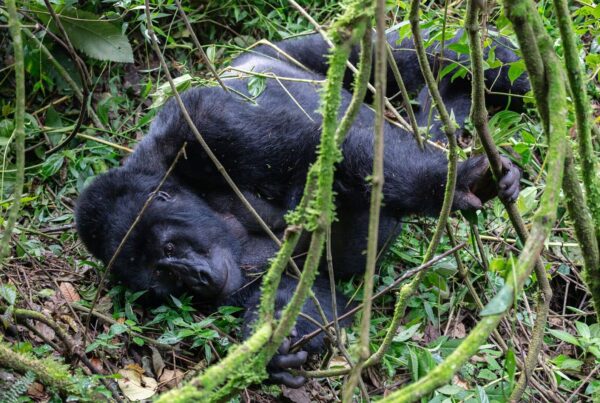
If your primary goal is mountain gorilla trekking and your time is severely limited, a three to four-day itinerary is feasible. Day one involves arrival at Entebbe and the long drive or flight to Bwindi Impenetrable National Park. Day two is your gorilla trek, the centrepiece of the journey. Day three allows either a second gorilla trek, a community visit, or recovery at Lake Bunyonyi before the return journey on day four.
This compressed itinerary works, but it is exhausting. The drive from Entebbe to Bwindi takes eight to ten hours each way, meaning two of your four days are consumed by road travel. Domestic flights to Kihihi or Kisoro airstrips reduce this burden but add significant cost. If you choose this option, book accommodation as close as possible to your assigned trekking sector to minimise early morning transfers.
Best suited for: Travellers with inflexible schedules who prioritise the gorilla encounter above all else. Not recommended for first-time visitors to Africa, as the pace leaves no room for adjustment if flights are delayed or weather disrupts trekking.
Five to Seven Days: Classic Uganda
A five to seven-day trip allows a more balanced experience, combining gorilla trekking with one other major destination. The most popular combination is Bwindi and Queen Elizabeth National Park, which adds classic savannah game viewing to your primate encounter. Alternatively, pair Bwindi with Murchison Falls National Park for a north-south circuit that showcases Uganda’s dramatic geographic range.
Sample itinerary: Day one, arrival and transfer to Bwindi. Day two, gorilla trekking. Day three, travel to Queen Elizabeth via Ishasha for tree-climbing lions. Day four, Kazinga Channel boat cruise and game drives. Day five, chimpanzee trekking in Kyambura Gorge or Kalinzu Forest. Day six, return to Entebbe with a stop at the equator. Day seven, departure.
This duration strikes a balance between comprehensiveness and sustainability. You experience Uganda’s signature wildlife without excessive driving, and you have contingency time if weather or logistics cause delays. It is the duration most commonly recommended by tour operators for first-time visitors.
Eight to Ten Days: The Explorer’s Circuit
Eight to ten days opens Uganda’s western circuit fully. You can visit Murchison Falls in the north, Kibale Forest for chimpanzees, Queen Elizabeth for savannah wildlife, and Bwindi for gorillas, with Lake Bunyonyi providing a peaceful interlude between the intensity of trekking and the final journey home.
Sample itinerary: Day one, arrival and transfer to Murchison Falls. Days two to three, game drives, Nile boat cruise, and delta exploration. Day four, drive south to Kibale Forest. Day five, chimpanzee trekking and Bigodi Wetland Sanctuary walk. Day six, transfer to Queen Elizabeth, afternoon boat cruise. Day seven, morning game drive, afternoon Ishasha tree-climbing lions. Day eight, drive to Bwindi, evening at the lodge. Day nine, gorilla trekking. Day ten, return to Entebbe via Lake Bunyonyi and the equator.
This itinerary covers Uganda’s four most popular national parks and introduces you to three great ape species: chimpanzees, mountain gorillas, and the golden monkeys optionally available in Mgahinga. It requires reasonable fitness, as consecutive days of forest trekking can be demanding, but the rewards are extraordinary.
Twelve to Fourteen Days: The Comprehensive Safari
Two weeks in Uganda allows you to explore at a relaxed pace, adding less-visited parks and cultural experiences to the standard circuit. With this duration, you can include Kidepo Valley National Park, Uganda’s most remote and spectacular wilderness, accessible by air from Entebbe.
Sample extended itinerary: Add three days in Kidepo after Murchison Falls, flying from Pakuba airstrip to Kidepo’s Apoka airstrip. Kidepo’s vast plains, framed by the Morungole Mountains, offer predator densities and wilderness atmosphere that rival anywhere in Africa. The park receives fewer than 10,000 visitors annually, meaning you will have the landscapes and wildlife largely to yourself.
Alternatively, extend your cultural engagement with longer stays in community tourism projects. The Batwa Experience near Bwindi, the Kasubi Tombs in Kampala, and the Ndere Troupe cultural performances all reward extended time. With 14 days, you can also add a second gorilla trek with a different family, an experience many travellers find even more rewarding than the first.
Three Weeks or More: The East Africa Grand Tour
For travellers with the time and budget, a three-week itinerary combines Uganda with neighbouring Kenya, Rwanda, or Tanzania. The classic combination adds Rwanda’s Volcanoes National Park for a second gorilla trekking experience, Kenya’s Masai Mara for the great migration, or Tanzania’s Serengeti and Ngorongoro Crater for the ultimate savannah safari.
Crossing borders adds logistical complexity but multiplies the rewards. The East African Tourist Visa simplifies entry to Uganda, Kenya, and Rwanda on a single 90-day document. Flights between Entebbe and Nairobi take approximately one hour, while the drive from Kigali to Bwindi is just four to five hours.
Factors That Should Influence Your Decision
Budget: Uganda is not a cheap destination. Gorilla permits cost $800 per person, park entry fees add $40 to $50 per day, and quality accommodation ranges from $150 to $1,000 per night. Each additional day increases your total cost significantly. A realistic daily budget, excluding international flights and gorilla permits, is $200 to $400 for mid-range travel and $500 to $1,000 for luxury.
Physical fitness: Gorilla trekking is strenuous. Chimpanzee trekking is equally demanding. Even savannah game drives involve early mornings and long hours in vehicles. If you are not in good physical condition, limit intensive activities and build rest days into your itinerary. Multiple gorilla treks back-to-back exhaust even fit travellers.
Photography priorities: Wildlife photographers need time. Light conditions change throughout the day, and animal behaviour is unpredictable. A photographer’s itinerary should include multiple game drives at each location and extended stays to allow for repetition. Consider 10 to 14 days minimum if photography is a primary goal.
Season and weather: Uganda’s dry seasons, June to September and December to February, offer the best conditions for trekking and game viewing. During rainy seasons, March to May and October to November, roads deteriorate and trekking becomes more challenging. If travelling in rainy season, add an extra day or two as contingency for weather delays.
Interests beyond wildlife: Uganda offers white-water rafting on the Nile, hiking in the Rwenzori Mountains, birdwatching with over 1,000 species, and vibrant cultural experiences. If these appeal to you, extend your trip accordingly. Jinja’s adventure activities alone deserve two to three days.
The Sweet Spot for Most Travellers
For the majority of first-time visitors to Uganda, eight to ten days represents the ideal balance. This duration allows you to experience the country’s headline attractions, gorillas, chimpanzees, savannah wildlife, and scenic landscapes, without rushing or exhausting yourself. You will return home with a comprehensive understanding of what makes Uganda special, and almost certainly with a desire to return for a longer exploration.
Final Thoughts
There is no universally correct answer to how many days you should spend in Uganda. A determined traveller can see mountain gorillas in three days. A dedicated explorer can fill three weeks and still leave experiences on the table. The key is to match your itinerary to your priorities, your physical capacity, and your budget. Uganda rewards time and depth over speed and breadth. However many days you have, use them wisely, and the Pearl of Africa will exceed your expectations.