Updated
Gorilla trekking in Uganda and visiting Machu Picchu in Peru are two of the most reliably transformative travel experiences available to global travellers in 2027. Both involve reaching remote, high-altitude destinations through significant physical effort. Both reward that effort with encounters — with ancient human civilisation in one case, with non-human great apes in the other — that permanently expand the sense of what the world contains. Both have become so symbolic of adventurous travel that their name recognition alone carries meaning. But which should you do first? And more importantly, which is actually the better experience for you? This comparison breaks down the two honestly.
The Nature of Each Experience
Machu Picchu is a human achievement — a 15th-century Inca citadel built at 2,430 metres above sea level on a narrow ridge above the Sacred Valley in the Andes. Its combination of dramatic landscape, archaeological complexity, and the mystery of why it was built and abandoned makes it one of the most intellectually compelling archaeological sites on earth. The experience is fundamentally about human history and human ingenuity. The landscape is spectacular; the structures are humbling; the view from the Sun Gate at dawn is among the most photographed on earth for good reason.
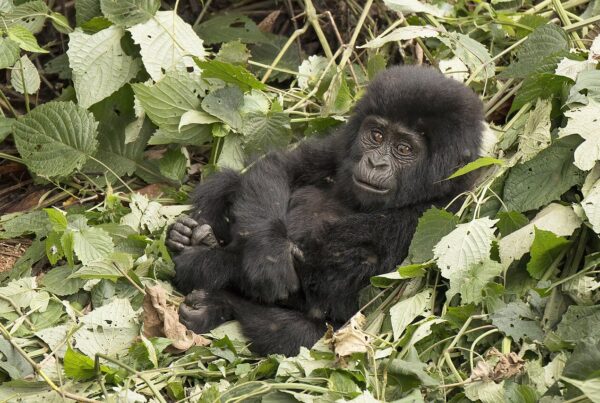
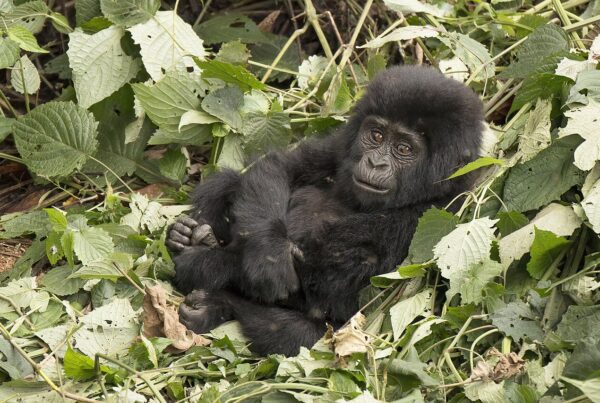
Gorilla trekking in Uganda is a natural achievement — the conservation of an endangered species that now numbers over 1,000 individuals after near-extinction three decades ago. The encounter is with individuals: gorillas whose family relationships, personalities, and lives in the forest are as complex and particular as those of any human community. The landscape is dense and immersive rather than panoramic. The experience is about the boundary between human and non-human intelligence, and about what it feels like to be in the presence of a being that is 98 percent genetically identical to you and yet entirely other.
Physical Demands: Which Is Harder?
The classic Inca Trail to Machu Picchu (four days, three nights, 42 kilometres) is a serious hiking challenge at altitude — the trail crosses passes above 4,200 metres, and altitude sickness is a genuine concern for travellers arriving from sea level. The bus route to Machu Picchu, used by the majority of visitors, is physically undemanding but arrives without the sense of achievement that the trail provides.
Gorilla trekking ranges from 45 minutes to seven hours depending on family location, through dense tropical forest at altitudes between 1,160 and 2,600 metres. The shorter treks are less physically demanding than the Inca Trail; the longer treks are broadly comparable. The key difference is that gorilla trekking is a single day of physical effort with a guaranteed encounter as the reward, whereas the Inca Trail is four days of sustained effort with a historic site as the destination. Both reward their physical cost in different ways.
Crowds and Exclusivity
Machu Picchu has a visitor limit of 4,000 people per day (as of 2023 regulations), which sounds large but still results in significant crowding at the most photographed viewpoints during peak hours. The experience of having the site to yourself, as photographs from the 1990s suggested was possible, is now largely unavailable. The site is managed to prevent the worst crowding, but shared discovery with hundreds of other visitors is the norm.
Gorilla trekking permits are strictly limited: each habituated gorilla family can be visited by a maximum of eight trekkers per day. This cap is the most significant logistical constraint in gorilla tourism — permits sell out for peak dates months in advance — but it also guarantees an exclusivity that Machu Picchu cannot offer. Your hour with a gorilla family is shared with seven other people at most. In low season, it may be shared with three or four. The intimacy this creates is fundamentally different from the shared experience of a large archaeological site.
Which Should You Do First?
Both experiences are appropriate for travellers with moderate physical fitness and a genuine interest in the world beyond tourist infrastructure. The practical question of which to do first often reduces to geography: if you are already planning a South America trip, add Machu Picchu; if you are planning an Africa trip, add gorilla trekking. Doing them on separate trips is more efficient than attempting a combined journey.
If you must choose based on experience quality alone: Machu Picchu is magnificent but increasingly crowded and managed. The emotional peak of the experience is the first sight of the site. Gorilla trekking is intimate, unpredictable, and physically engaged. The emotional peak is the entire hour with the gorillas, which is different every time. For travellers who want the experience that continues to expand in memory rather than shrinking to a single Instagram moment, gorilla trekking makes the stronger case. Contact us to plan your 2027 Uganda gorilla expedition.