Updated
gorilla trekking Uganda introverts is one of Africa’s most extraordinary wildlife experiences, connecting travellers with mountain gorillas in their natural forest habitat. If you find large crowds exhausting, prefer quiet over noise, and do your best thinking in solitude, gorilla trekking in Uganda might be the most perfectly designed adventure for you. It is not a theme park or a stadium experience. It is a slow, deliberate journey into one of the world’s last wild forests, where the reward is intimate and the atmosphere is hushed by nature itself.
Gorilla Trekking Uganda for Introverts
Why Introverts Are Built for This
Gorilla trekking is inherently an introvert’s activity. Groups are capped at eight people per gorilla family. You walk in a small, quiet formation through the forest, speaking in low voices when you speak at all. The guide reads tracks and vegetation without commentary that demands your attention. By the time you reach the gorillas, you are already in a calm, focused state — exactly the mental space introverts tend to inhabit most comfortably.
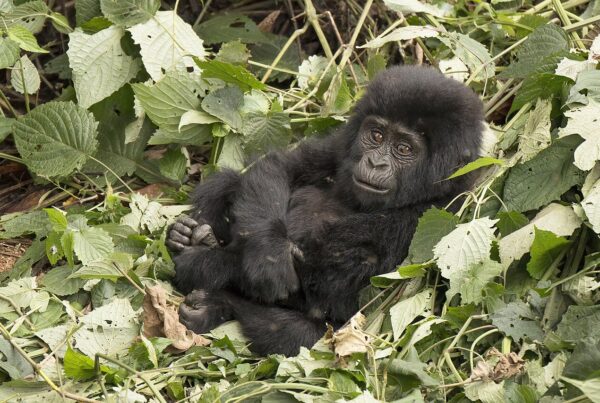
The hour you spend with the gorillas requires no performance. You do not need to be enthusiastic out loud, make conversation with strangers, or match anyone else’s energy. You watch. You absorb. You take photographs or simply look with your eyes. The gorillas do not care about your social presentation. They get on with their morning — feeding, nursing, napping, playing — and you are a quiet witness.
Small Groups, Big Space
Uganda’s regulations keep gorilla trekking groups small by law. A maximum of eight visitors per gorilla family per day is strictly enforced by the Uganda Wildlife Authority. This is not a tour where you are shuffled through in a crowd of forty people. You will likely trek with seven strangers at most, and the forest has a way of making even seven people feel very far from one another.
Bwindi Impenetrable National Park is a genuinely wild place. There are no paved pathways, no audio guides, no queuing systems. You are in dense African rainforest following your guide and rangers. The intensity of the environment naturally encourages quiet and attention rather than chatter and group bonding exercises.
The Permit System Works in Your Favour
The gorilla permit costs $800 USD per person for international visitors in 2027. That price point, while significant, means the overall visitor numbers are naturally limited. You will not encounter the kind of tourist saturation common at more accessible attractions. The lodges near Bwindi cater to small numbers of guests and typically offer a calm, spacious atmosphere rather than a busy resort feel.
Many visitors book solo or in couples rather than in large tour groups. If you are travelling alone, you will not be the odd one out. Solo travellers are a normal part of the guest list at Bwindi. You can request a single room, eat at your own pace, and spend evenings on your own without anyone expecting otherwise.
The Trek Itself Suits Your Pace
Gorilla trekking is not a race. Your guide sets the pace based on terrain and animal location, not a schedule. If the gorillas are close to the park boundary, the trek might last two hours. If they have moved deeper into the forest, it might take five or six hours. Either way, the pace is measured. There are rest stops. Nobody is sprinting or competing.
The physical effort of the trek gives introverts something valuable: a reason not to talk. When you are concentrating on steep, muddy slopes, ducking under branches, and watching your footing, conversation drops away naturally. The trek is an absorbing physical activity that provides cover for your natural preference to be in your own head.
Time to Decompress Before and After
The lodges around Bwindi — places like Gorilla Forest Camp, Mahogany Springs, or Buhoma Lodge — are designed for sitting quietly on a verandah and watching the forest. There are no nightclubs, no busy bars, no activities that demand participation. Evenings are dark, the sounds are entirely natural, and nobody expects you to be social.
Many travellers build in extra nights simply to recover from the trek and read, journal, or watch the birds from their room. This is not wasted time. It is exactly how introverts recharge after an intense experience, and the environment makes it easy.
What You Will Take Away
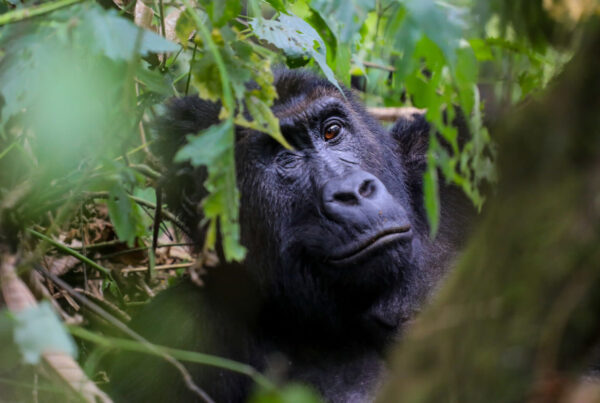
Introverts often have a richer internal experience of significant events than they let on. The hour with the gorillas will give you material to process for a long time. The way a silverback moved through the undergrowth. The sound of leaves being stripped from a branch. The eye contact that lasted two seconds but felt like a conversation. These are the details you will remember in five years, not the names of the people you trekked with.
Gorilla trekking is one of those experiences where being a quiet observer is not a disadvantage. It is a superpower. You will notice things that others miss because you are not busy filling the silence. The gorillas will not reward you for being loud, but they will reward you for being present.
Practical Notes for Solo Introverts
Book your permit early — availability is limited. The Uganda Wildlife Authority allocates permits months in advance, especially for the more popular gorilla families. Your tour operator handles the booking process and will assign you to a group on the day. You will know your trek group number the evening before and can plan your morning accordingly.
Lodges near Bwindi are typically small and owner-run. The staff are attentive but not intrusive. If you prefer to eat alone, you can. If you want to skip the pre-trek briefing drink and go to bed early, that is perfectly normal. Nobody will pressure you to socialise.
Uganda in 2027 remains one of East Africa’s less-visited destinations compared to Kenya or Tanzania. That means fewer tourists, shorter queues at park gates, and a more genuine sense of being somewhere off the beaten track. For introverts who have always wanted to experience Africa without the theme-park version of it, Uganda is an honest and quiet place to do it.
The gorillas are waiting. They do not care whether you are an introvert or an extrovert. They care about leaves and rain and each other. And somehow, that is exactly the right audience for someone who has always preferred to watch rather than perform.