Updated
The combination of gorilla trekking in Uganda with diving in Zanzibar or along the East African coast is an itinerary pairing that satisfies the two most distinctive wildlife experiences available in the region — one terrestrial, one marine, separated by a flight that is shorter than the flight from most of Europe. For divers who want to combine their annual diving trip with something genuinely extraordinary above the water, and for gorilla trekking visitors who want to extend the East Africa experience to the Indian Ocean coast, the Uganda-Zanzibar itinerary represents one of the most complete wildlife combinations available anywhere on the planet. This guide addresses the combined itinerary.
The Two Ecosystems
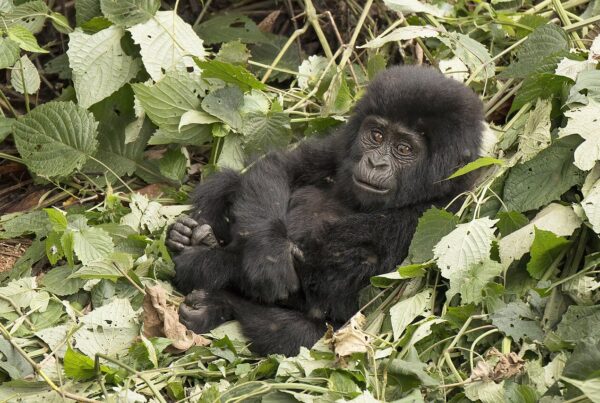
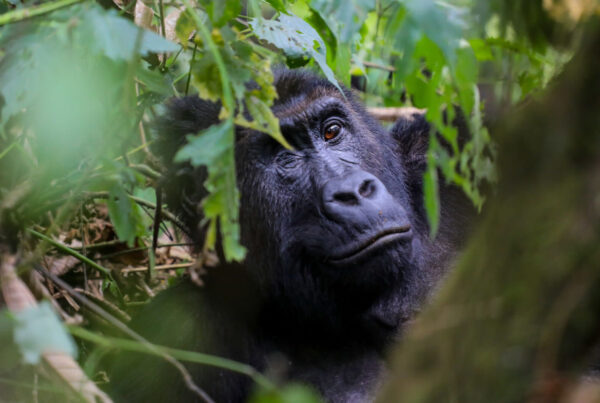
Bwindi Impenetrable National Park is one of the most biologically diverse forest ecosystems on Earth — 25,000 years old, home to mountain gorillas, 350 bird species, and more tree species than the whole of East Africa. The waters off Zanzibar and the Tanzanian coast are part of the Western Indian Ocean biodiversity hotspot — warm, clear, reef-rich waters with whale sharks, dolphins, hawksbill turtles, and the specific coral diversity of the Indo-Pacific zone. The ecological contrast between the two experiences is as complete as it is possible to achieve within a two-week itinerary.
The gorilla permit is $800. Diving costs in Zanzibar range from $50 to $80 per dive for recreational dives to $150+ for specialist dives (whale shark encounters at Mafia Island, technical diving at Pemba). The combined permit and diving investment is comparable to a European diving week when flights and accommodation are factored in, but the experiential range is incomparably greater.
The Itinerary
The logical sequence is Uganda first, Zanzibar second — forest before ocean, altitude before sea level, the physical demands of the gorilla trek completed before the relaxation of the diving holiday. Fly into Entebbe, spend four to five days in Uganda (gorilla trek at Bwindi, possible chimp trekking at Kibale or game viewing at Queen Elizabeth), fly Entebbe to Zanzibar via Nairobi or Dar es Salaam, spend five to six days diving. Return from Zanzibar or Dar es Salaam direct.
The flight between Entebbe and Zanzibar is typically two to three hours with one stop. Several airlines connect the two directly via daily services. Operators that handle Uganda gorilla trekking can typically recommend Zanzibar diving operators and assist with the overall itinerary coordination. Contact us to plan your 2027 gorilla trekking Uganda and Zanzibar diving combined trip. The gorilla permit is $800. The whale sharks are free.
Planning the Gorilla and Dive Combination
The Bwindi gorilla trekking and Zanzibar diving combination serves a visitor segment whose outdoor activity interests span both forest and marine environments — a broader profile than either destination alone serves. The practical logistics work on either sequence: gorilla trekking first (Uganda, then Zanzibar) allows the physical intensity of the forest trek to be completed while the body is fresh and then the diving to follow in the warm Indian Ocean water that the dive activity requires. Alternatively, diving first (Zanzibar, then Uganda) positions the gorilla encounter as the trip’s emotional culmination rather than its opening chapter. The diving conditions around Zanzibar’s eastern shores — particularly Mnemba Atoll, which is accessible from Nungwi — provide reef ecosystems that are among the Indian Ocean’s healthiest, with visibility frequently exceeding 20 metres and the whale shark and dolphin encounters that the northern Zanzibar waters support through the October-to-March season.
The diving logistics for the Zanzibar component of the combination trip require early pre-booking — the best dive operators at Mnemba Atoll (the PADI dive sites at the atoll’s outer reef) book out weeks in advance for the peak seasons, and a dive trip that has not confirmed its operator before arrival risks finding the best sites already fully allocated. The specific dive sites that justify the Zanzibar combination for serious divers are concentrated on the northern and eastern coasts — the Mnemba Conservation Area dive sites and the Tumbatu Island drift sites — rather than the west coast’s more sheltered and less visually dramatic sites. For visiting divers whose certification level includes advanced open water or above, the channel drift dives in the current between Mnemba and the Zanzibar mainland provide a current-diving experience that the comparably priced dive destinations of the Red Sea and Thailand do not replicate in this specific combination of visibility, biodiversity, and current character.
The whale shark encounters that Mafia Island, two hours’ flight from Zanzibar, adds to the diving component of the East Africa combination represent a bucket-list marine experience that makes the Tanzania south coast extension worth the additional travel day.