Updated
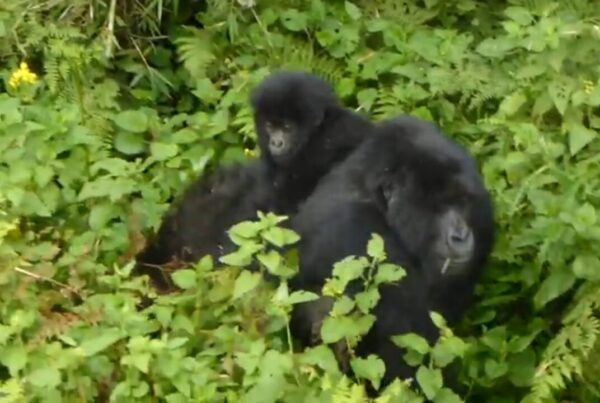
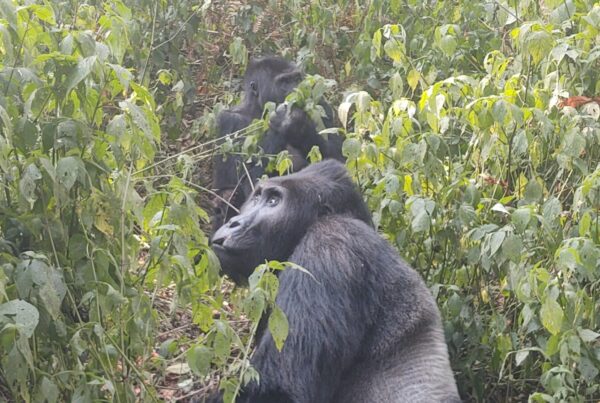
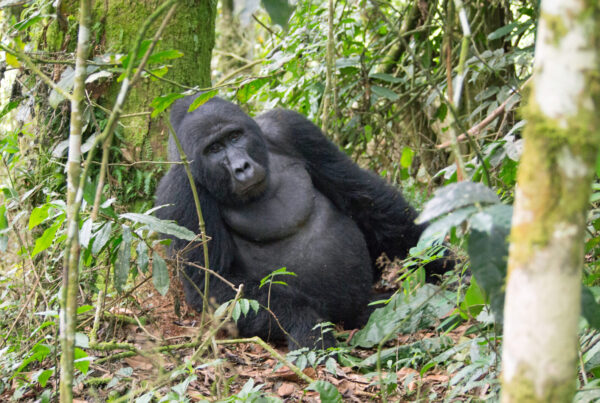
Mountain gorillas in Bwindi and chimpanzees in Kibale Forest: two of Africa’s greatest primate experiences, in one country, on one trip. The Uganda primate double is the most compelling argument for Uganda as the continent’s premier wildlife destination for primate enthusiasts. Here is how to do it in 2027.
Why Uganda Owns the Primate Experience
Uganda has more primate species per square kilometre than any other country in Africa — 13 primate species in a country smaller than the UK. Mountain gorillas are found only in Uganda, Rwanda, and the DRC. Chimpanzees live across equatorial Africa, but the habituation programme in Kibale Forest has produced some of the most accessible and reliably encountered chimpanzees anywhere on earth. Combining both on a single trip gives you encounters with humanity’s two closest living relatives — gorillas sharing 98.3% of our DNA, chimpanzees sharing 98.7% — in their natural forest habitats, within a week’s journey of each other. There is nowhere else on earth where this combination is available at the quality Uganda delivers.
Kibale Forest National Park: The Chimpanzee Capital
Kibale Forest National Park in western Uganda is home to approximately 1,450 chimpanzees across the forest, with multiple habituated communities available for trekking. The flagship chimpanzee trek in Kibale starts at Kanyanchu visitor centre and follows habituated chimpanzees through the forest for one hour, closely paralleling the gorilla trekking format. The chimpanzee permit costs 200 USD per person — a fraction of the gorilla permit price. Kibale also offers the Chimpanzee Habituation Experience (CHEX) — a full-day eight-hour version of chimp tracking for visitors who want extended observation time (200 USD). Beyond chimpanzees, Kibale has 13 primate species including the red colobus monkey, L’Hoest’s monkey, and the grey-cheeked mangabey, as well as excellent birding and elephant in the forest margins.
The Geography of the Primate Double
Bwindi Impenetrable National Park and Kibale Forest National Park are approximately 150 kilometres apart by road — a drive of approximately 3.5 to 4.5 hours depending on the specific lodges and route taken. Most travellers drive directly between the parks on the same day, using Queen Elizabeth National Park as a midway route option. An alternative is to break the drive with a morning game drive in Queen Elizabeth, converting the primate double into an unofficial primate triple plus savanna wildlife. The geography of Uganda’s western wildlife circuit makes all three parks natural partners on a single itinerary.
Suggested Primate Double Itinerary (6-7 Days)
Day 1: Arrive Entebbe. Transfer or charter to Bwindi. Day 2: Gorilla trek in Bwindi. Day 3: Second gorilla trek (optional) or morning forest walk. Early afternoon departure for Kibale (approximately 4 hours via the western road). Day 4: Chimpanzee trekking in Kibale Forest (morning). Afternoon forest walk or L’Hoest’s monkey tracking. Day 5: Optional CHEX chimpanzee habituation experience (full day, 200 USD) or morning Queen Elizabeth game drive. Afternoon transfer toward Entebbe. Day 6: Arrive Entebbe area. Optional afternoon at Entebbe Botanical Gardens (wild chimpanzees are sometimes seen here — an unplanned third chimpanzee encounter to close the loop). Day 7: Departure. This six to seven day trip gives you mountain gorillas, habituated chimpanzees, and the beautiful western Uganda landscape in a comfortable, logical circuit.
Primate Double Total Costs 2027
Gorilla permit (Bwindi): 800 USD. Chimpanzee permit (Kibale): 200 USD. Accommodation five nights: 500 USD. Ground transport circuit: 450 USD. Charter flight Entebbe-Bwindi if used: 400 USD. Meals and incidentals: 300 USD. Total per person: approximately 2,500 USD (excluding international flights). Adding the CHEX for a full chimpanzee day: additional 200 USD. The primate double — two of Africa’s most extraordinary wildlife encounters in one week — for under 2,500 USD in-country costs is unmatched value in the African wildlife travel market.
The primate double — Bwindi gorilla trekking combined with Kibale chimpanzee tracking — produces what many wildlife biologists describe as the most comprehensive primate encounter available anywhere in Africa in a single itinerary. The two experiences are complementary rather than repetitive: gorilla trekking is intimate and ground-level, with the encounter focused on a specific family group; chimp tracking in Kibale is more dynamic, with the community ranging over larger distances and producing more varied social behaviour above and below the forest canopy. Visitors who complete both in a single trip invariably describe each experience as enhanced by the comparison with the other.
The primate double itinerary — gorilla trekking at Bwindi followed by chimpanzee tracking at Kibale — is the core of Uganda’s most distinctive and widely recommended wildlife tourism product, and the two encounters’ complementary character is consistently cited by repeat visitors as the reason Uganda became their most-returned-to wildlife destination.