Updated
Gorilla trekking permit price Uganda — the history and what to expect next
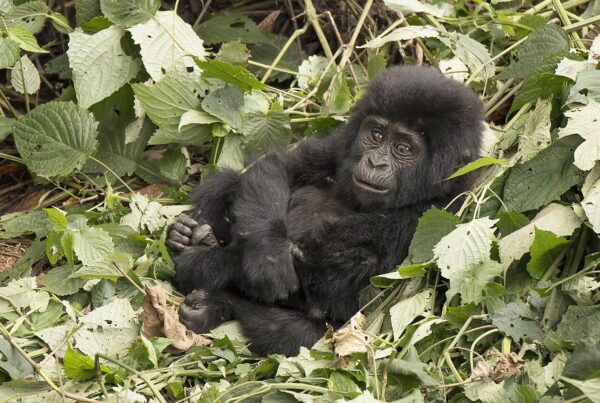
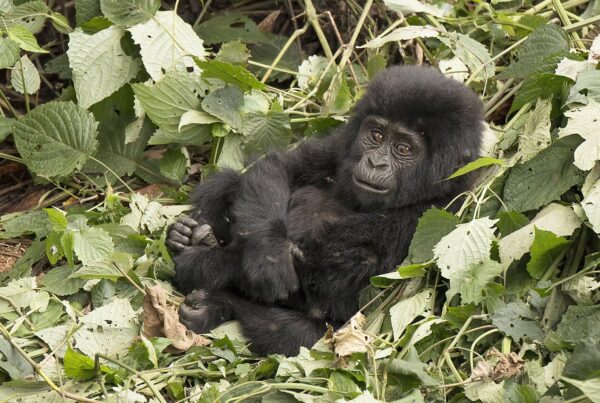
The gorilla trekking permit price in Uganda has risen steadily since the programme began in 1991, and the trajectory — reviewed periodically by Uganda Wildlife Authority in response to demand, conservation costs, and regional pricing comparisons — shows no sign of reversing. Understanding this price history, and the reasoning behind the increases, is useful context for anyone considering a gorilla trekking trip in 2026 or planning for a future visit. The fundamental message is straightforward: the permit price will continue to rise, and the best time to book is before the next increase takes effect.
The price history: from $150 to $800
Uganda’s gorilla trekking permit was priced at $150 in the early 1990s, when the programme was new and visitor numbers were low. As the habituated family population grew, demand increased, and international recognition of gorilla trekking as a premium wildlife experience developed, the price was raised in stages: to $250 in the late 1990s, to $400 in the early 2000s, to $500 by 2009, to $600 in 2016, and to $700 — then briefly reduced to $600 during the COVID-19 pandemic recovery period — before settling at the current $800 in 2022. Each increase was preceded by a period of strong demand relative to supply, and each increase was accompanied by debate about the optimal pricing point for balancing accessibility with conservation revenue generation.
Rwanda’s $1,500 benchmark
Uganda’s permit pricing is frequently discussed in the context of Rwanda, which charges $1,500 per gorilla trekking permit — nearly double the Uganda price. Rwanda’s pricing reflects a deliberate strategy of positioning gorilla trekking as an ultra-premium experience, targeting a high-spending, low-volume visitor market and maximising revenue per permit rather than volume. Uganda has historically maintained a lower price to remain accessible to a broader market, but the gap between the two countries’ pricing has narrowed over successive increases, and some operators anticipate that Uganda’s price will move closer to Rwanda’s in the medium term.
Why prices are expected to continue rising
The fundamental economics of gorilla trekking permit pricing create consistent upward pressure on prices. The number of permits available per day is fixed by the number of habituated family groups — and while new groups are being habituated, this process takes years and cannot be accelerated significantly. Demand, driven by population growth in the middle-class traveller market, the increasing visibility of gorilla trekking in global travel media, and the growing ethical travel trend, is increasing faster than supply. In the face of this supply-demand imbalance, Uganda Wildlife Authority has the option of rationing by price — raising the permit price to bring demand into balance with supply. This is the same logic that drives permit price increases in every constrained-supply wildlife experience market in the world.
Conservation costs are also rising
Beyond the supply-demand dynamics, the actual cost of maintaining the gorilla conservation system — the ranger corps, the anti-poaching operations, the veterinary programme, the community development work — is rising with inflation and with the increasing ambition of the conservation programme. Uganda Wildlife Authority’s budget requirements have grown substantially as the programme has matured, and permit revenue is the primary funding source. Increases in permit prices are partly driven by the need to fund a conservation infrastructure that is, by any measure, delivering results: the mountain gorilla population is growing, and the cost of that growth is real and ongoing.
What to do now
If you are considering gorilla trekking in Uganda in 2026 or 2027, the straightforward advice is: book sooner rather than later. The permit price is unlikely to decrease, and the probability of a further increase in the 2026-2028 period is real. Booking your permit now locks in the current price and secures your preferred dates before the increasing demand — driven by social media coverage, documentary releases, and growing word-of-mouth — reduces availability further. Our team can confirm current permit availability for your preferred dates and sectors, provide an accurate breakdown of the full cost of a gorilla trekking safari, and arrange your booking before the next price review cycle begins.
The experience waiting for you in Bwindi is worth every dollar of the permit price at any level it reaches — but there is no reason to pay more than you need to. Contact us today to arrange your 2026 gorilla trekking permit at the current price.
Booking early for gorilla trekking is not merely about permit availability — it is about the full trip cost. Early-booking rates from operators, accommodation at preferred lodges near the trekking sectors, and charter flights to Bwindi’s airstrips all carry significant premiums when booked close to travel dates. The financial case for early booking is as strong as the availability case.