

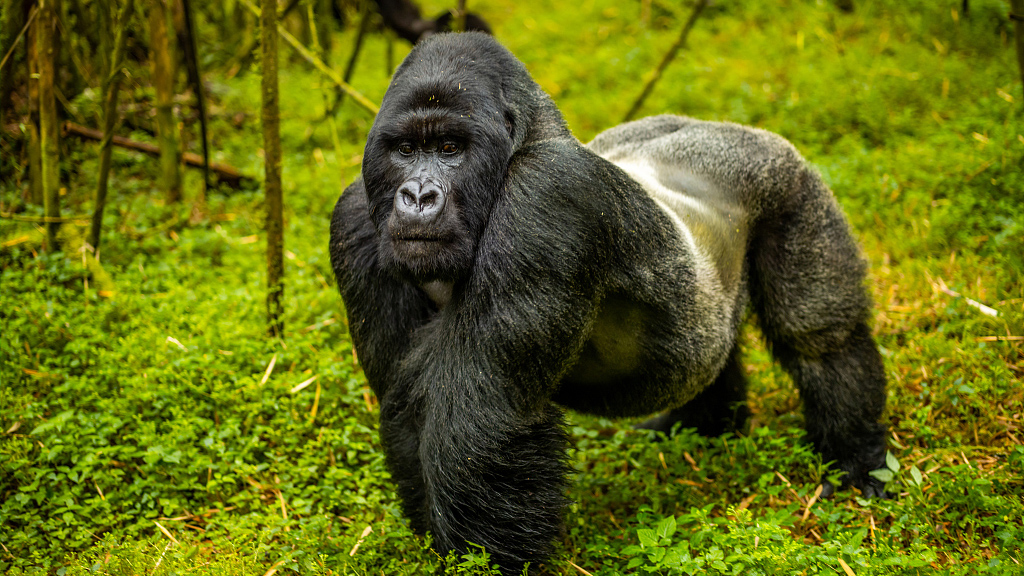
Geographic Setting and Scenic Landscape
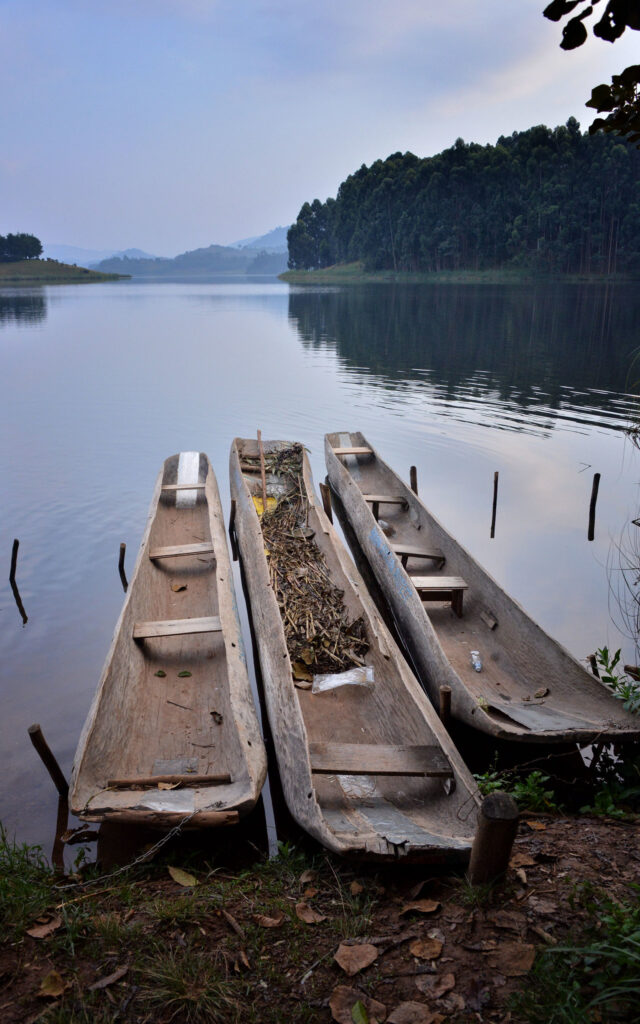
Kisoro is located within the Albertine Rift region, one of Africa’s most biodiverse ecological zones, surrounded by the Virunga Volcanoes and numerous crater lakes. The volcanic peaks of Muhabura, Gahinga, and Sabyinyo dominate the skyline, creating a breathtaking backdrop that immediately distinguishes the region from other parts of Uganda. The fertile volcanic soils support dense agriculture, with terraced farms covering hillsides in a mosaic of green fields.The scenic beauty of the area enhances its appeal for tourism beyond gorilla trekking. Travelers often explore nearby lakes such as Mutanda and Mulehe, which offer canoeing, birdwatching, and relaxation opportunities with panoramic mountain views. The combination of volcanic landscapes and tranquil water bodies contributes to Kisoro’s reputation as one of Uganda’s most picturesque regions.
Accessibility and Transportation Connections
Kisoro’s accessibility has improved significantly due to both road infrastructure and the presence of an airstrip, making it convenient for domestic and international travelers. Road journeys from Kampala or Entebbe pass through rolling hills, tea plantations, and rural communities, providing a scenic introduction to southwestern Uganda. Although the drive can be long, it is often combined with visits to other national parks such as Queen Elizabeth.Kisoro Airstrip plays a crucial role in tourism logistics. Scheduled domestic flights connect the town to Entebbe, reducing travel time to approximately one to two hours compared to a full-day road journey. This accessibility has encouraged luxury tourism growth, allowing high-end travelers to reach gorilla trekking destinations efficiently.
Gateway to Gorilla Trekking Experiences
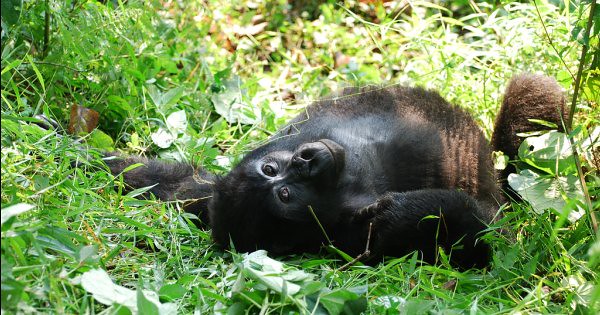
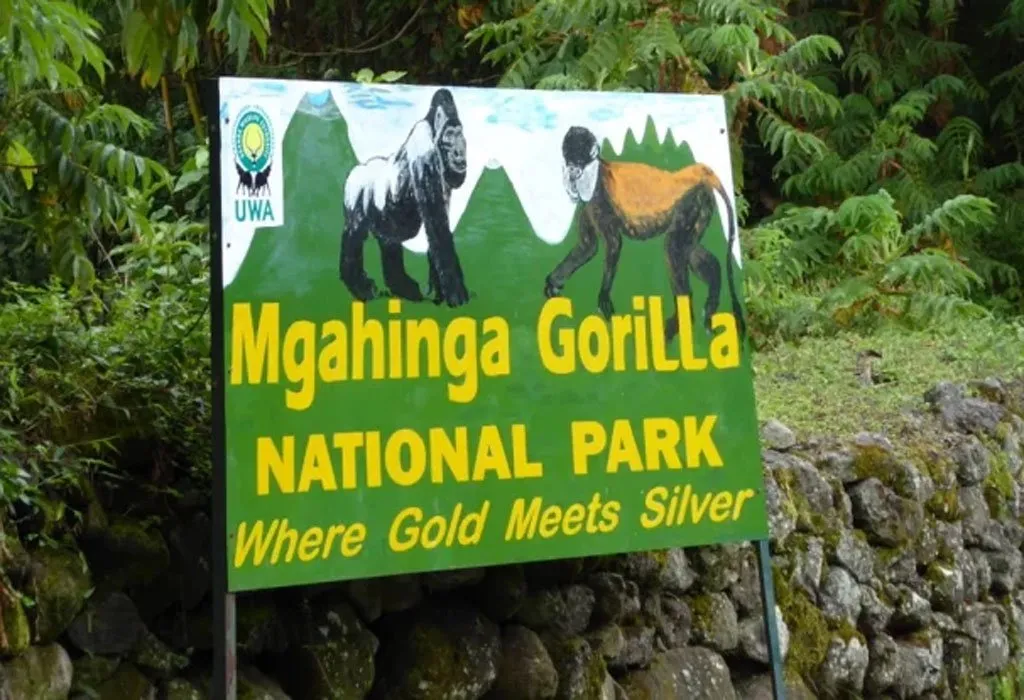
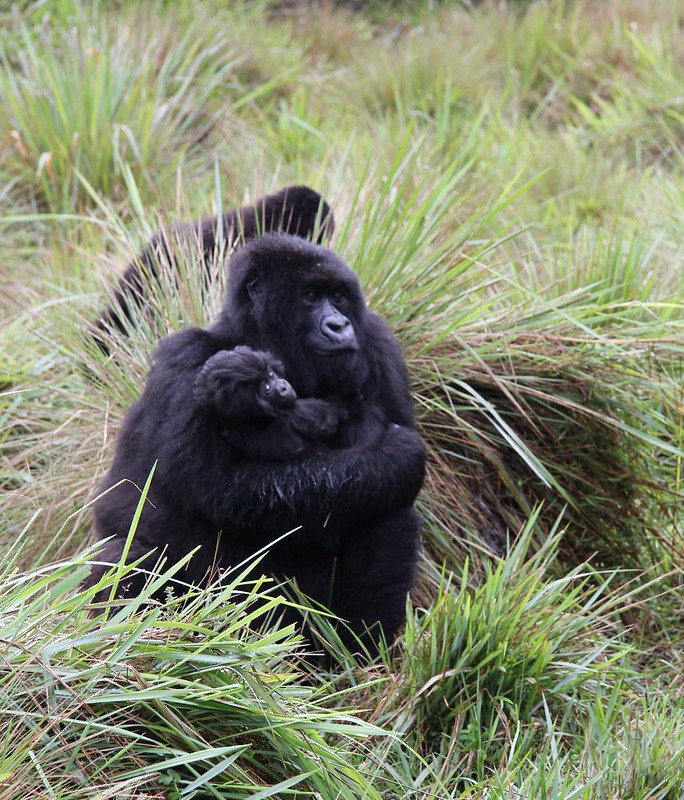
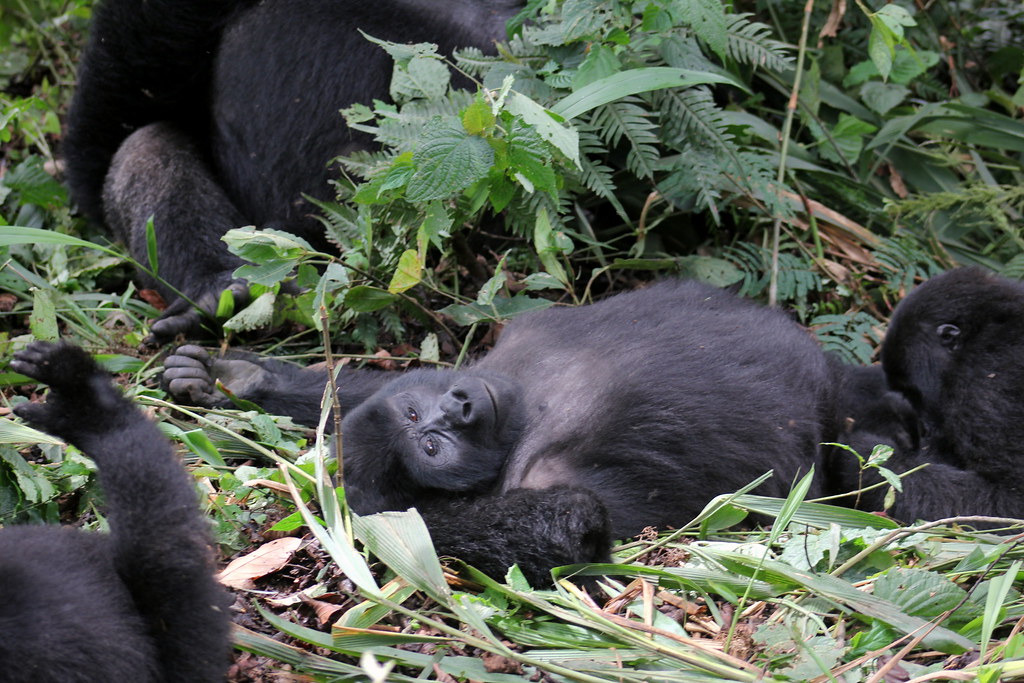
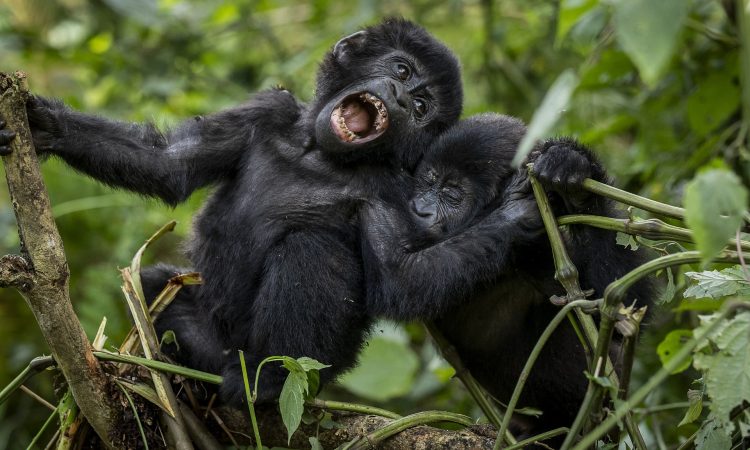
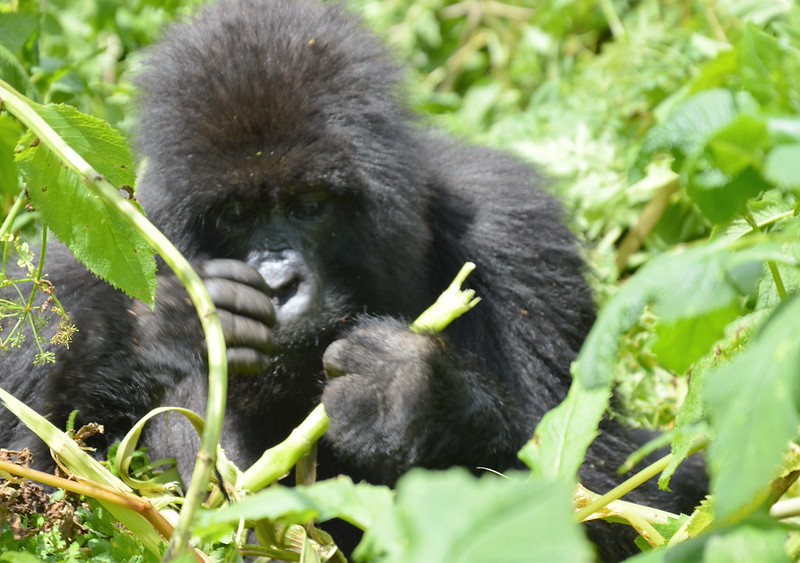
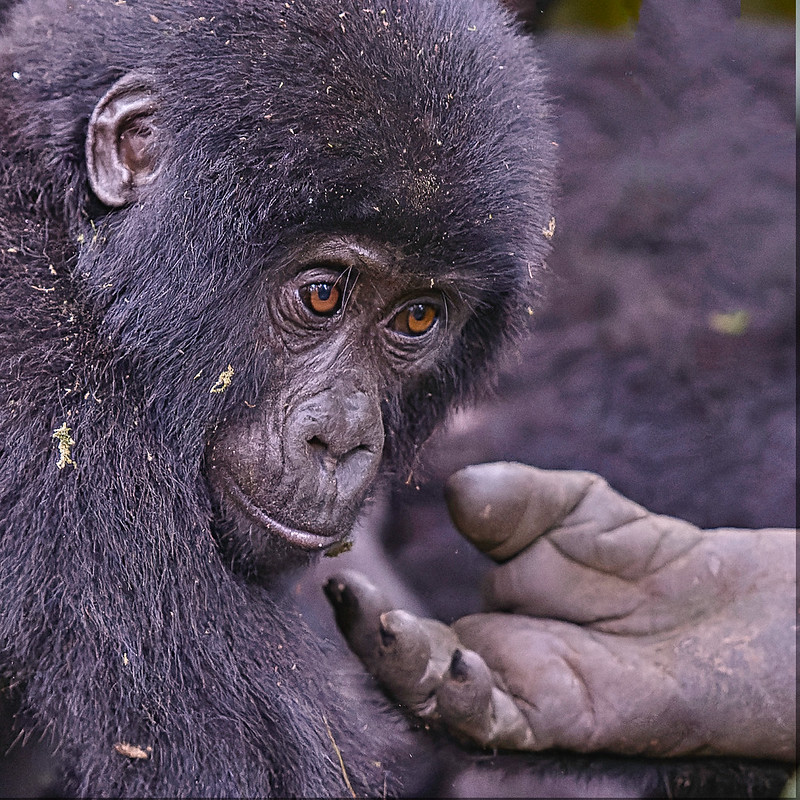
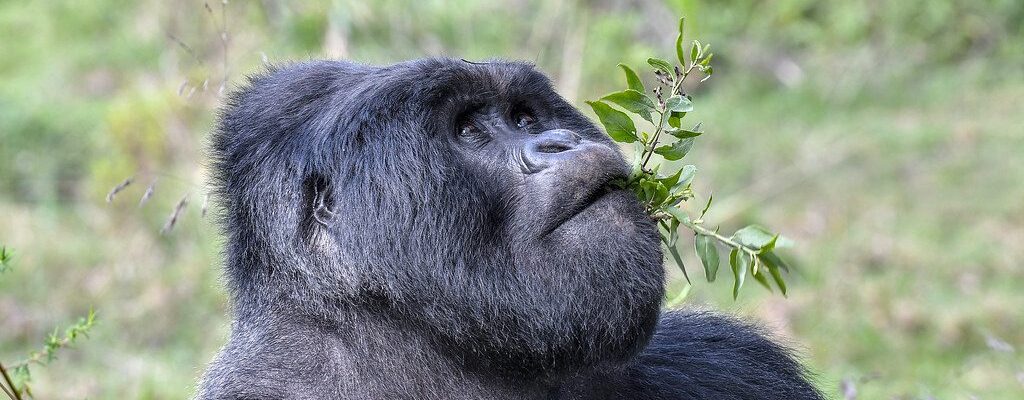
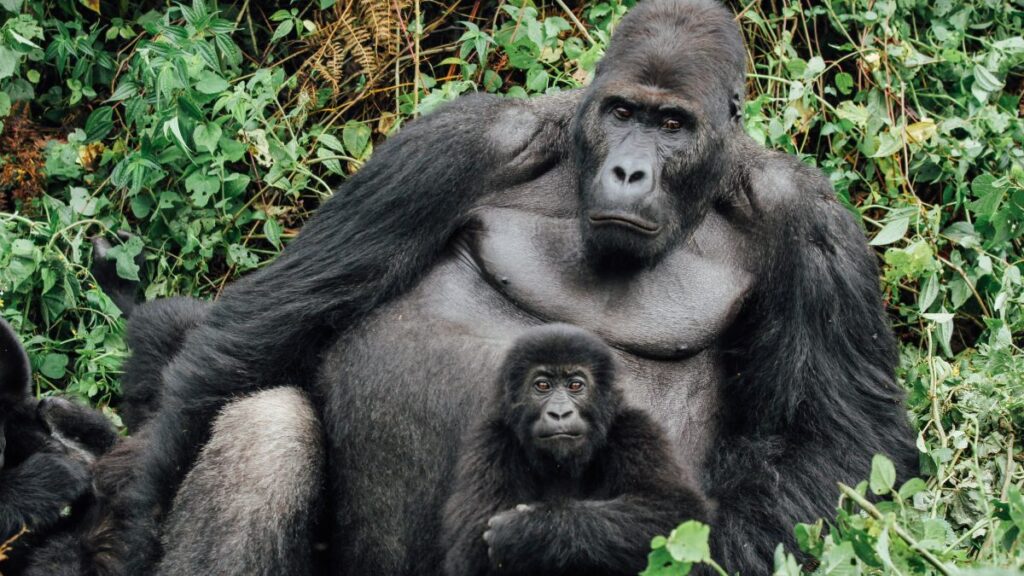
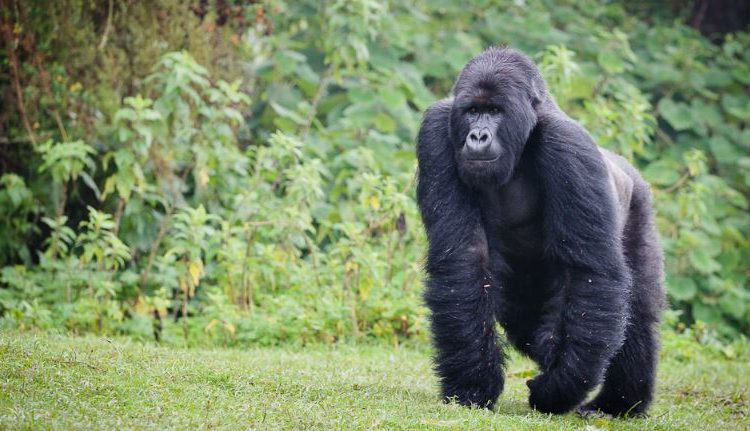
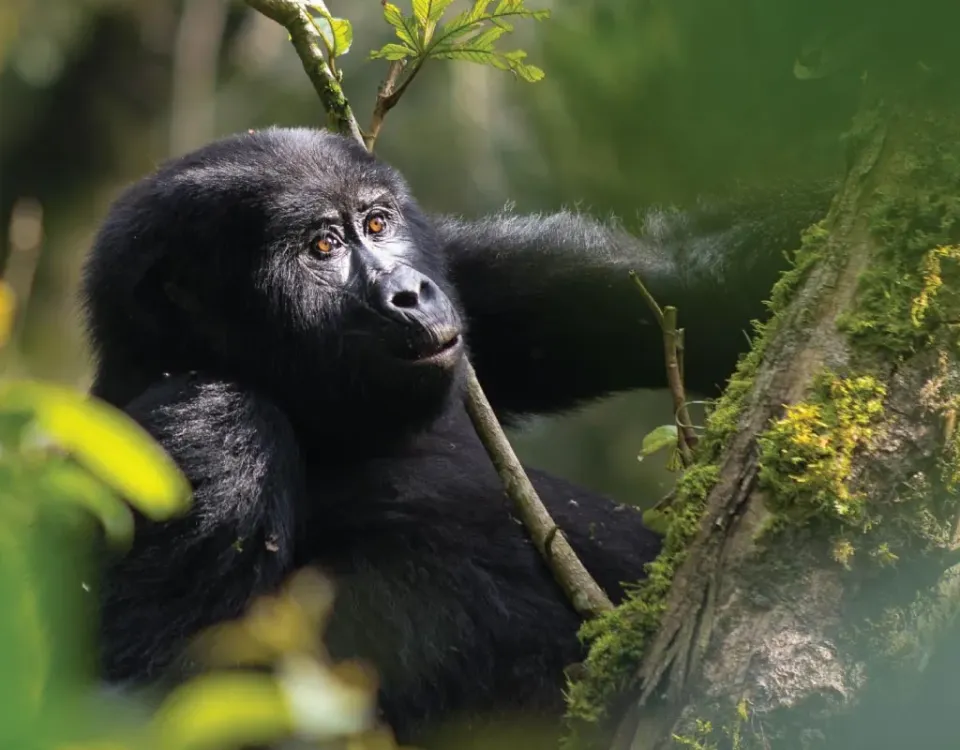
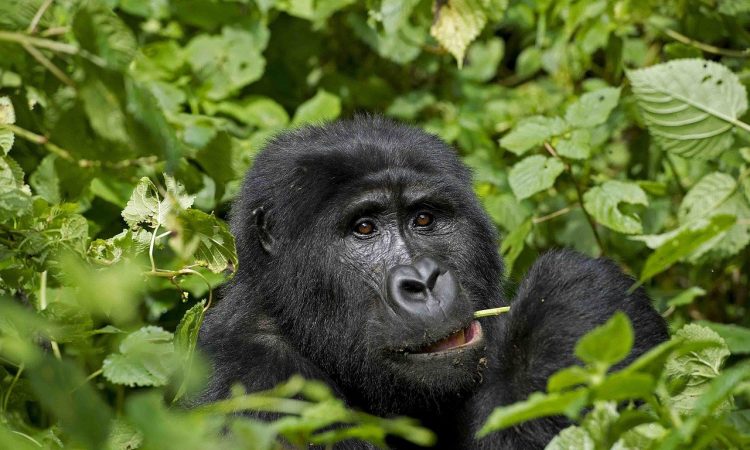
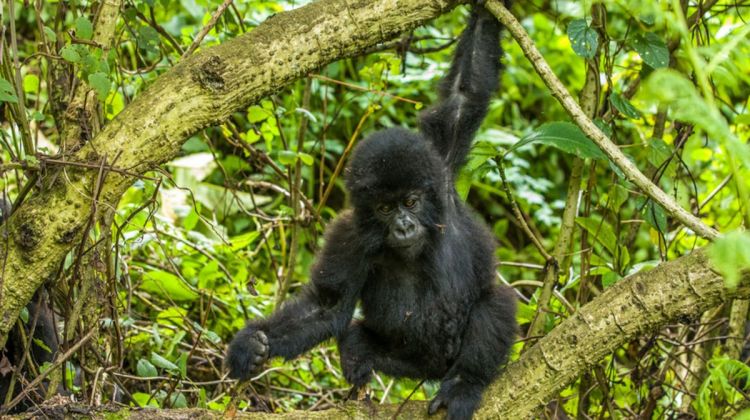
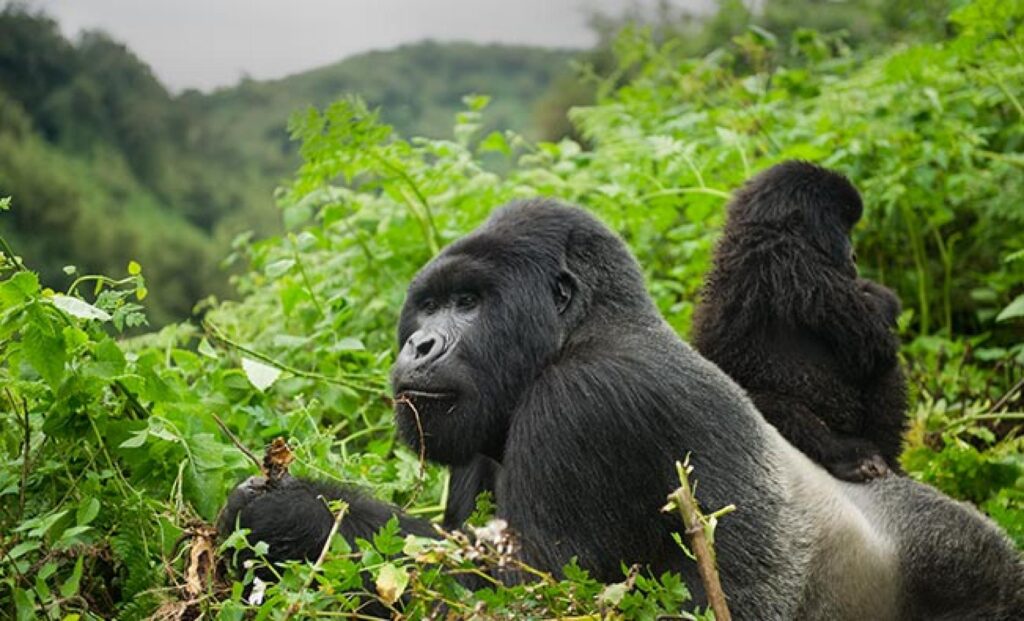
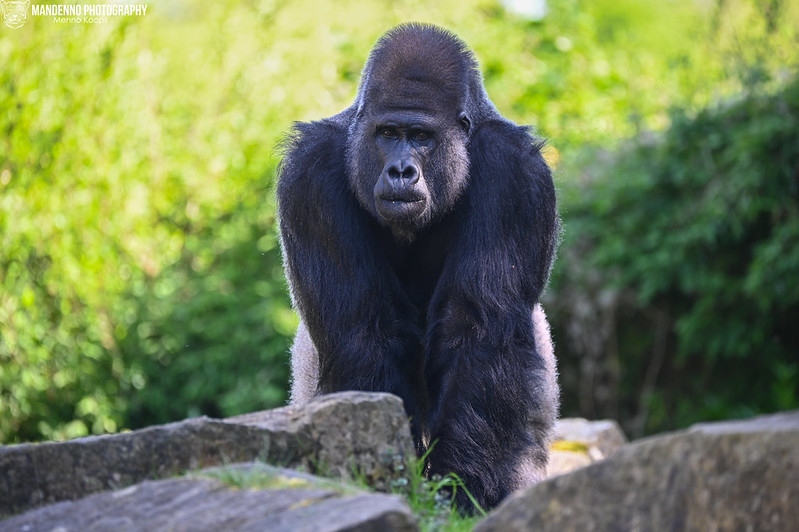
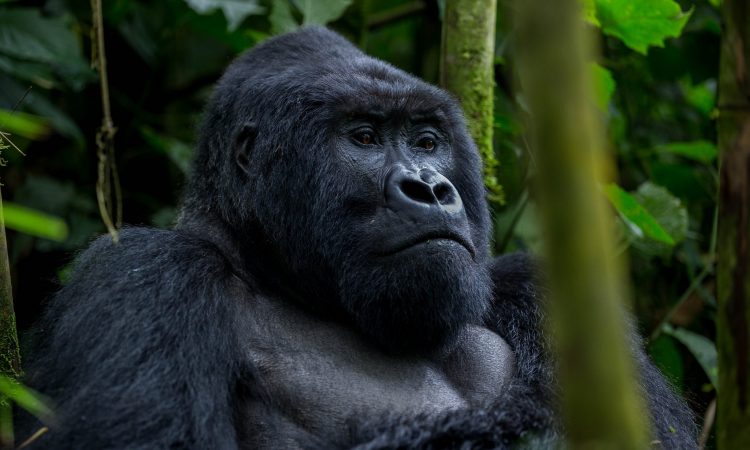
Kisoro’s greatest significance lies in its role as a gateway to gorilla trekking adventures in southwestern Uganda. Travelers staying in or near the town can easily access Mgahinga Gorilla National Park as well as the Rushaga and Nkuringo sectors of Bwindi. This strategic positioning offers flexibility in itinerary planning and increases opportunities for securing gorilla permits.Mgahinga Gorilla National Park provides a unique trekking environment compared to Bwindi. The park’s bamboo forests and volcanic terrain create distinct scenery, while its gorilla population shares the transboundary Virunga ecosystem with Rwanda and the Democratic Republic of Congo. Visitors trekking from Kisoro often appreciate the dramatic mountain landscapes and relatively open vegetation compared to Bwindi’s dense forest.
Cultural Diversity and Community Life
Kisoro is culturally rich, inhabited primarily by the Bakiga and Bafumbira communities whose traditions are shaped by the mountainous environment. Agriculture remains the backbone of local livelihoods, with crops such as Irish potatoes, sorghum, beans, and bananas grown on terraced hillsides. Markets in Kisoro town offer vibrant displays of fresh produce, crafts, and everyday goods, providing visitors with authentic cultural experiences.The region also holds historical connections to indigenous Batwa communities. The Batwa, once forest dwellers, now participate in cultural tourism initiatives that share their traditional knowledge, music, dance, and survival skills. These experiences allow visitors to understand the human history of the forest while supporting community livelihoods.
Accommodation and Tourism Services
Kisoro offers a wide range of accommodation options catering to different traveler preferences and budgets. Budget guesthouses, mid-range lodges, and luxury eco-lodges are available both within the town and around nearby lakes and mountains. High-end properties often feature panoramic views, fine dining, and personalized services, providing comfort after physically demanding gorilla treks.Tourism services in Kisoro continue to expand due to increasing visitor demand. Tour operators, transportation providers, guides, and craft markets contribute to the town’s growing reputation as a tourism hub. This development reflects the broader economic impact of gorilla trekking on regional communities.
Additional Activities Around Kisoro
Beyond gorilla trekking, Kisoro offers diverse activities that enrich travel itineraries. Hiking volcanoes within Mgahinga, canoeing on Lake Mutanda, birdwatching, nature walks, and cultural village visits provide alternative experiences for visitors spending multiple days in the region. The dramatic landscapes create excellent photography opportunities, particularly during sunrise and sunset when mist moves across valleys and mountains.The region’s tranquility also appeals to travelers seeking relaxation. Lakeside lodges and scenic viewpoints offer peaceful environments for rest after adventurous trekking activities, balancing physical exploration with moments of reflection.
The Role of Kisoro in Conservation and Sustainable Tourism
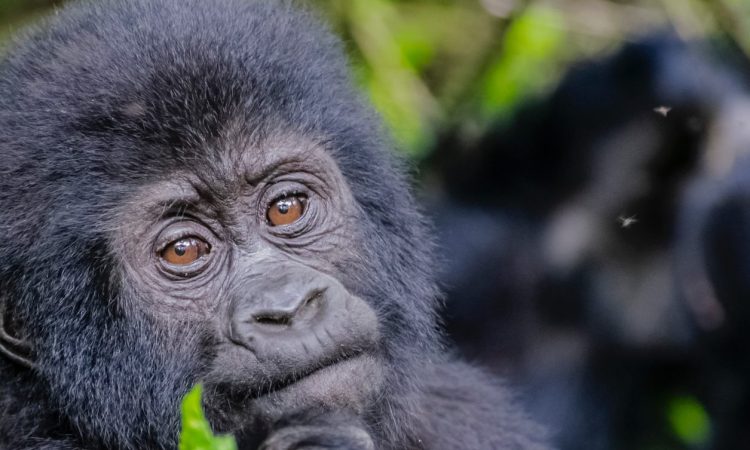
Kisoro plays a vital role in conservation success by connecting tourism revenue with local development and wildlife protection. Employment opportunities generated by lodges, guiding services, and transportation reduce pressure on forest resources while providing sustainable livelihoods. Revenue-sharing programs funded by tourism support schools, healthcare facilities, and infrastructure projects in surrounding communities.The town exemplifies how conservation and community development can coexist. Visitors observing the relationship between local residents and protected areas gain a deeper appreciation for sustainable tourism practices and the importance of preserving endangered species such as mountain gorillas.
Kisoro as the Heart of Uganda’s Gorilla Region
Kisoro is far more than a transit town; it is the heart of Uganda’s Virunga gorilla region, offering stunning landscapes, cultural richness, and essential access to world-famous wildlife experiences. Its strategic location near multiple national parks, combined with growing tourism infrastructure, makes it one of the most important destinations in southwestern Uganda.
For travelers embarking on gorilla trekking adventures, Kisoro represents both the beginning of an unforgettable journey and an opportunity to experience authentic Ugandan highland culture. The town’s blend of natural beauty, community life, and conservation significance ensures that it remains a central part of Uganda’s wildlife tourism story.