

Where the soul of the forest whispers in the mist
Towns surrounding Uganda’s gorilla trekking regions serve as important gateways for travelers heading into the rainforest parks. These towns provide accommodation, transportation links, cultural experiences, and logistical support for visitors preparing to explore mountain gorilla habitats. Many of them are located in southwestern Uganda near the borders of Rwanda and the Democratic Republic of Congo, forming part of the greater Virunga conservation landscape.
Most gorilla trekking activities take place within or near protected areas such as Bwindi Impenetrable National Park and Mgahinga Gorilla National Park, making nearby towns essential staging points for safaris. These communities have grown alongside tourism, offering lodges, restaurants, markets, and cultural encounters that enrich the overall travel experience.
So lace up your boots, grab your camera, and prepare to meet the wild — this is where your gorilla trekking dreams and unforgettable safari adventures truly begin.
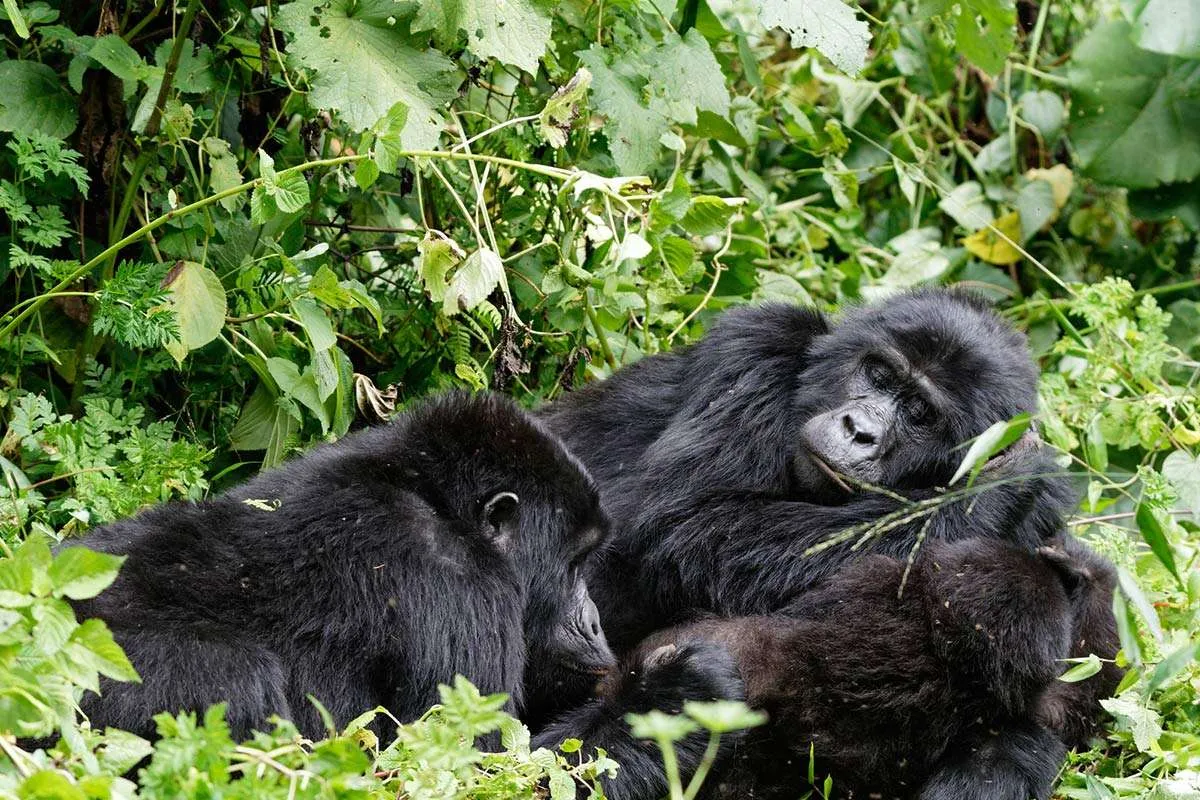
Truly Iconic Highlights in Uganda

Trek through Bwindi’s mystical rainforest and meet the endangered mountain gorillas in their breathtaking natural home.
Encounter mountain gorillas and golden monkeys on Mgahinga’s misty volcanic trails, where culture and alpine wildlife thrive together.
Unwind after your trek with a peaceful canoe ride across Lake Bunyonyi, Uganda’s most tranquil and scenic highland lake.
Enhance your gorilla trekking safari with an optional chimpanzee encounter in Uganda’s lush forests, adding depth and diversity to your primate adventure
Gorilla Trekking Tours in Uganda – Our Most Popular Itineraries.
Explore our gorilla trekking safaris for every traveler—solo, family, budget, or luxury. All tours include permits, transport, accommodation, meals, and park fees. Whether for a quick trip or a deeper adventure, we’ve got you covered.
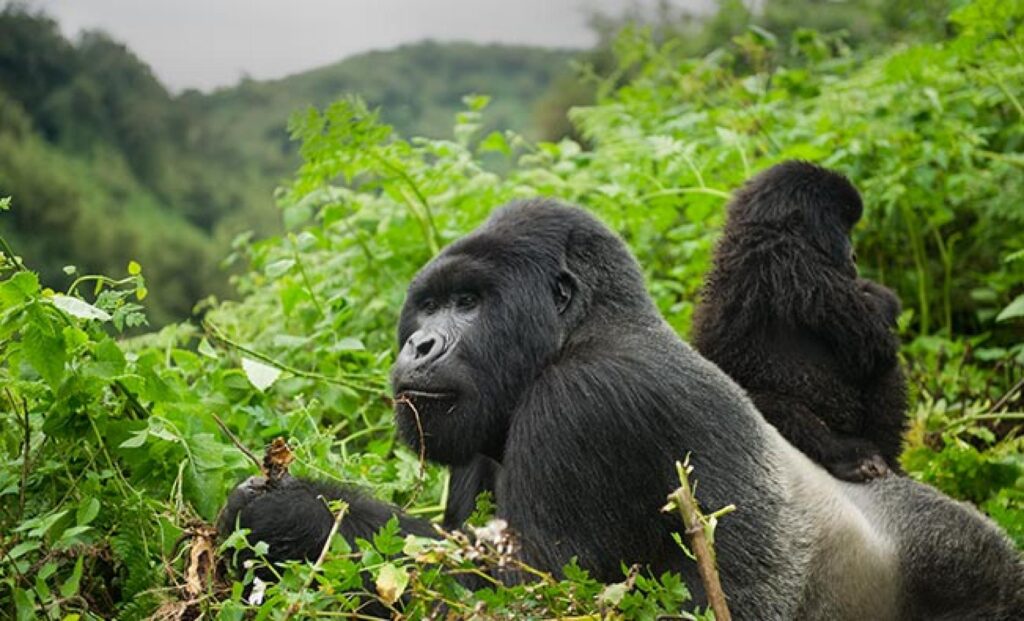
3-Day Bwindi Gorilla Trekking Safari
3-Day Bwindi Gorilla Trekking Safari
4-Day Uganda Gorilla Trekking Safari
4-Day Uganda Gorilla Trekking Safari
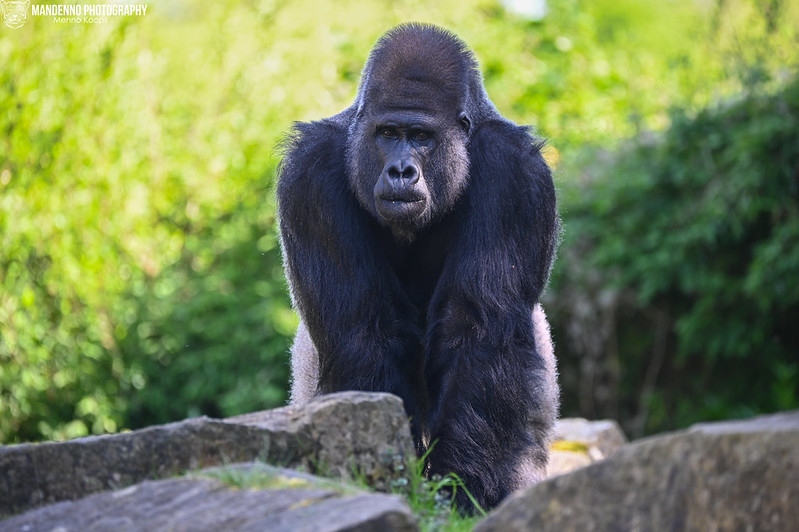
5-Day Gorilla Tracking and Wildlife Safari
5-Day Gorilla Tracking and Wildlife Safari
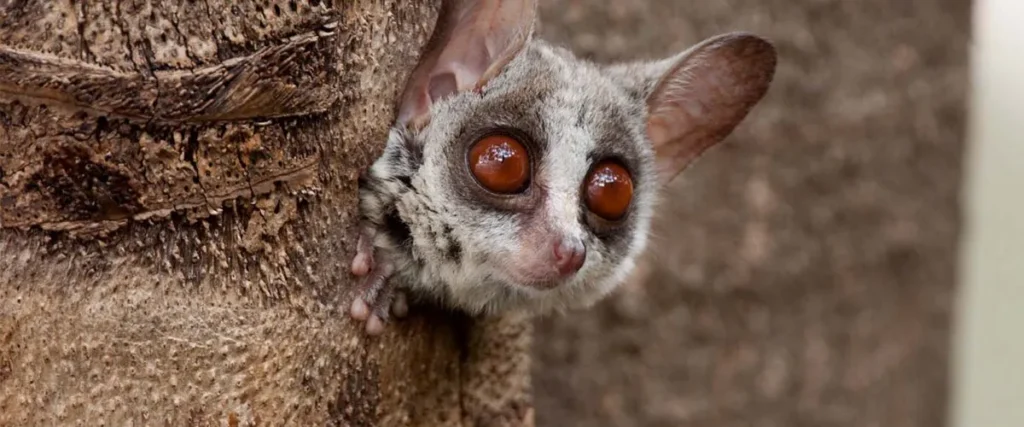
7-Day Uganda Primate Adventure & Wildlife Safari
7-Day Uganda Primate Adventure & Wildlife Safari
10-Day Gorilla Trekking & Big Five Safari in Uganda
10-Day Gorilla Trekking & Big Five Safari in Uganda
12-Day Uganda Gorilla Trekking, Chimp Tracking & Cultural Safari
12-Day Uganda Gorilla Trekking, Chimp Tracking & Cultural Safari
14-Day Best of Uganda Safari – Gorillas, Wildlife, Cultures
14-Day Best of Uganda Safari – Gorillas, Wildlife, Cultures
A Detailed Study of Key Towns Near Gorilla Trekking Areas
Kisoro Town – The Strategic Gateway to Gorilla Country
Kisoro stands as one of the most strategically located towns for gorilla trekking in Uganda, positioned near the borders of Rwanda and the Democratic Republic of Congo within the greater Virunga ecosystem. Its location provides convenient access to Mgahinga Gorilla National Park and the southern sectors of Bwindi, particularly Rushaga and Nkuringo. The surrounding landscape is visually striking, dominated by volcanic peaks, crater lakes, and terraced farmland that stretches across steep hillsides.The town serves as an important logistical center for tourism and cross-border trade. Visitors find banks, supermarkets, local markets, restaurants, and accommodation options ranging from simple guesthouses to comfortable safari lodges. Kisoro also has an airstrip used for domestic charter flights, allowing travelers to bypass the long road journey from Entebbe or Kampala. The presence of aviation access has significantly boosted tourism growth in the region, making gorilla trekking more accessible to international visitors seeking shorter travel times.
Kabale Town – The Highland Tourism Hub
Kabale is often referred to as the “Switzerland of Africa” due to its rolling green hills, cool climate, and scenic lake landscapes, making it one of the most attractive towns in southwestern Uganda. Located slightly farther from the gorilla parks than Kisoro, Kabale primarily serves visitors trekking in the Ruhija sector of Bwindi. The town’s elevated position provides refreshing temperatures compared to lowland regions, offering a comfortable stopover before or after trekking expeditions.The tourism infrastructure in Kabale is relatively developed compared to smaller surrounding towns. Travelers can access hotels, restaurants, transportation services, tour operators, and cultural attractions within the town. Kabale also acts as a cultural center for the Bakiga people, whose traditions, farming methods, and social practices are deeply connected to the mountainous environment. Visiting local markets or engaging with community tours allows travelers to experience the daily rhythms of life in Uganda’s highlands.
Buhoma – Living on the Edge of the Forest
Buhoma is more than a village; it is one of the most historically significant gorilla trekking sectors within Bwindi itself, offering visitors the rare opportunity to stay directly beside the rainforest. It was the first area where mountain gorillas were habituated for tourism in Uganda, marking the beginning of the country’s globally recognized gorilla trekking industry. This historical importance makes Buhoma a symbolic center of conservation success.The atmosphere in Buhoma is distinctly immersive and tranquil. Many lodges overlook the forest canopy, and wildlife sounds often accompany mornings and evenings. Cultural experiences such as traditional dance performances, community walks, and visits to local schools or craft markets provide meaningful engagement with residents. Travelers staying in Buhoma often feel closely connected to both the natural and human environments surrounding gorilla conservation.
Nkuringo – Remote Beauty and Elevated Perspectives
Nkuringo is one of the most scenic and remote communities near Bwindi, perched high on ridges overlooking the rainforest and the Virunga volcano chain. The dramatic topography creates breathtaking panoramic views, particularly during sunrise and sunset when mist drifts across the valleys. This region appeals to travelers seeking exclusivity, tranquility, and a deeper wilderness atmosphere compared to busier sectors.Tourism development in Nkuringo has been closely linked to community empowerment and conservation initiatives. Local projects funded by gorilla tourism revenue support education, healthcare, and sustainable livelihoods. Lodges often incorporate eco-friendly designs and community partnerships, emphasizing responsible tourism practices. Visitors frequently participate in village walks, coffee tours, and cultural exchanges, gaining insight into how conservation supports local development.
Rushaga – Diversity of Gorilla Families and Experiences
Rushaga, located in southern Bwindi, is renowned for having the highest number of habituated gorilla families in Uganda, making it one of the most popular trekking areas. The concentration of gorilla groups increases the likelihood of permit availability and provides flexibility for travelers planning their itineraries. Rushaga is also notable for offering the gorilla habituation experience, which allows visitors to spend extended time with gorillas under the guidance of researchers and rangers.The surrounding communities reflect a strong connection between conservation and livelihood improvement. Tourism has introduced employment opportunities in guiding, hospitality, handicrafts, and agriculture. Cultural activities such as traditional dance, storytelling, and homestead visits enrich the visitor experience while generating income for residents. The landscape around Rushaga, characterized by rolling hills and forested valleys, adds visual beauty to the trekking adventure.
Ruhija – A Quiet and Biodiverse Sector
Ruhija is often considered the quieter sector of Bwindi, located in the eastern region of the park and accessible from Kabale. Its relatively remote location means fewer visitors, offering a more peaceful and intimate trekking environment. The altitude is higher compared to other sectors, resulting in cooler temperatures and distinct vegetation zones.The area is also a hotspot for birdwatching and biodiversity. Forest trails around Ruhija host numerous Albertine Rift endemic bird species, making it particularly attractive for bird enthusiasts combining gorilla trekking with ornithological interests. Community initiatives here include cultural walks and handicraft projects that contribute to conservation awareness and economic sustainability.
The Role of Towns in Conservation and Sustainable Tourism
The towns surrounding Uganda’s gorilla trekking regions play a fundamental role in conservation success by linking tourism revenue to community development. Employment opportunities created by lodges, guiding services, transportation, and crafts reduce reliance on forest resources, helping protect gorilla habitats. Revenue-sharing programs funded by tourism contribute to schools, clinics, and infrastructure, strengthening community support for wildlife conservation.These towns also demonstrate the balance between traditional lifestyles and modern tourism economies. Agricultural practices such as terraced farming coexist with conservation initiatives, reflecting adaptive strategies developed by local communities over generations. Travelers witnessing this relationship gain a deeper appreciation of how sustainable tourism can positively influence both environmental protection and human wellbeing.
Cultural Encounters and Authentic Experiences
Visiting towns near gorilla trekking destinations offers opportunities to engage with local cultures in meaningful ways. Traditional music, dance, storytelling, and craft-making provide insight into the heritage of communities that have lived alongside forests for centuries. Indigenous groups such as the Batwa share knowledge about forest survival, medicinal plants, and ancestral traditions, enriching visitors’ understanding of the region.Food experiences also contribute to cultural immersion. Travelers may taste local dishes prepared from fresh agricultural produce grown on hillside farms. These culinary encounters highlight the agricultural diversity of the highlands while supporting local economies.
Gateway Communities Enhancing the Gorilla Trekking Experience
The towns near Uganda’s gorilla trekking destinations are far more than simple entry points to national parks; they are vibrant communities that shape the entire safari experience. From the bustling gateway of Kisoro to the scenic highlands of Kabale and the forest-edge tranquility of Buhoma, each town contributes unique perspectives and opportunities for cultural engagement.Exploring these towns allows travelers to understand the broader story of conservation, community development, and sustainable tourism that surrounds mountain gorilla protection. The combination of breathtaking landscapes, welcoming communities, and extraordinary wildlife encounters creates a holistic journey that extends well beyond the moment of meeting gorillas in the forest.
More Gorilla Trekking Information to Know.
Gorilla trekking goes far beyond just the hike — it’s a deep, emotional journey into the heart of Africa’s last wild rainforests. Knowing the right timing, permits, fitness tips, and park details can turn your experience from good to unforgettable.
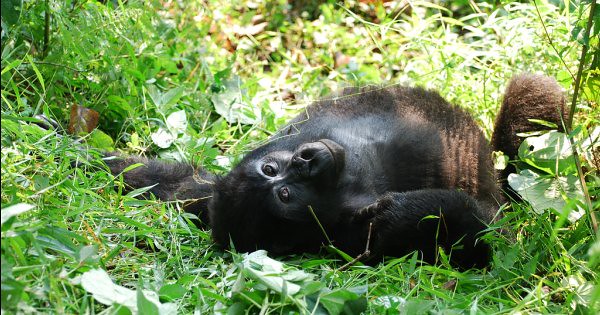
Gorilla Trekking in Bwindi Impenetrable Forest
Gorilla Trekking in Bwindi Impenetrable Forest
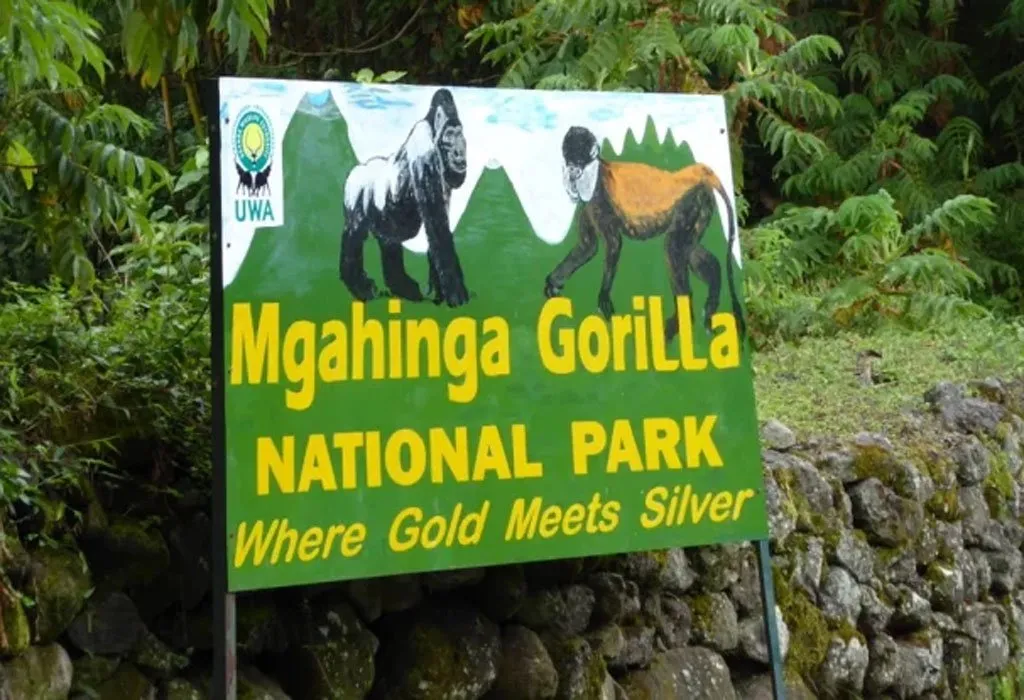
Trekking Gorillas in Mgahinga National Park
Trekking Gorillas in Mgahinga National Park
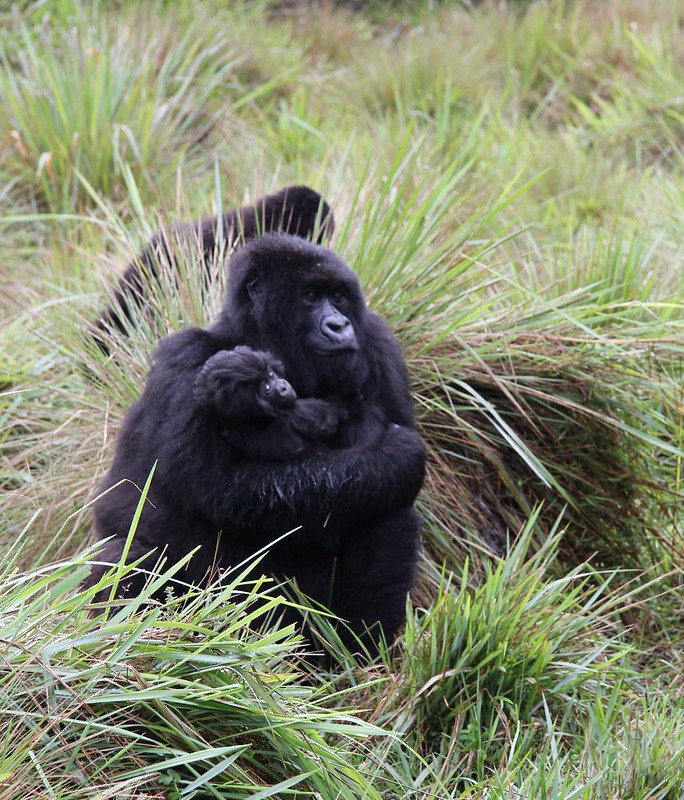
Uganda Gorilla Trekking Permits – Prices, Booking, & Travel Tips
Uganda Gorilla Trekking Permits – Prices, Booking, & Travel Tips
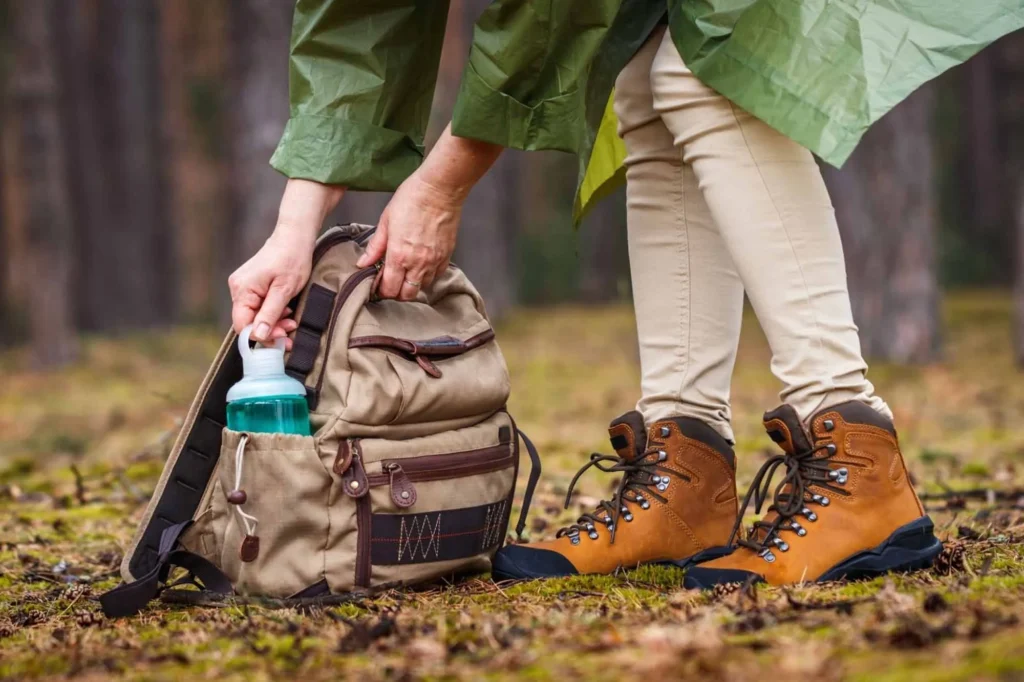
What to Pack for Gorilla Trekking in Uganda – Expert Checklist
What to Pack for Gorilla Trekking in Uganda – Expert Checklist
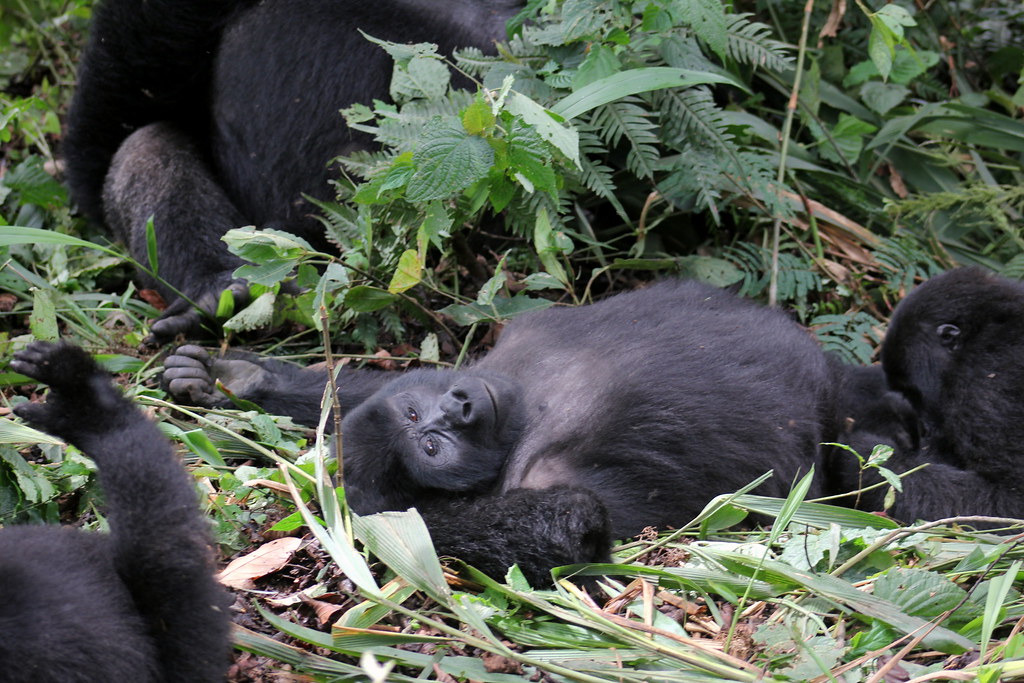
Best Time to Go Gorilla Trekking in Uganda – Weather & Seasons
Best Time to Go Gorilla Trekking in Uganda – Weather & Seasons
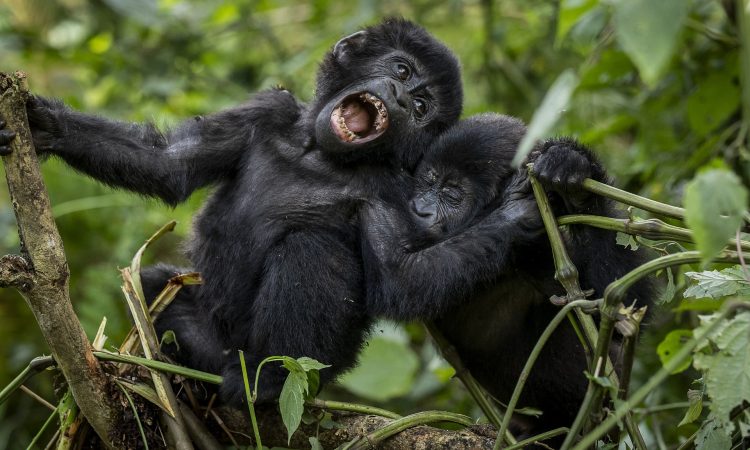
Gorilla Trekking Difficulty in Uganda – Fitness & Trail Guide
Gorilla Trekking Difficulty in Uganda – Fitness & Trail Guide
Gorilla Trekking Rules in Uganda – Safety, Respect & Ethics
Gorilla Trekking Rules in Uganda – Safety, Respect & Ethics
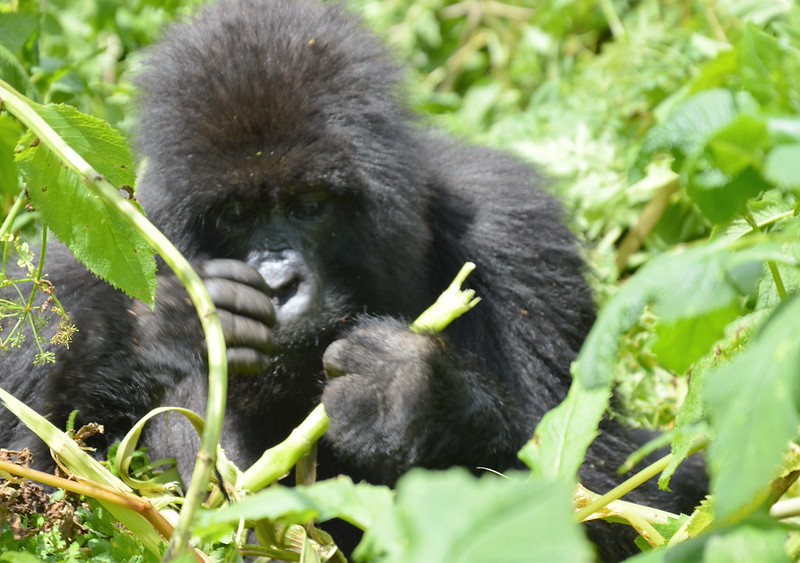
Gorilla Conservation in Uganda – Protecting the Mountain Giants
Gorilla Conservation in Uganda – Protecting the Mountain Giants
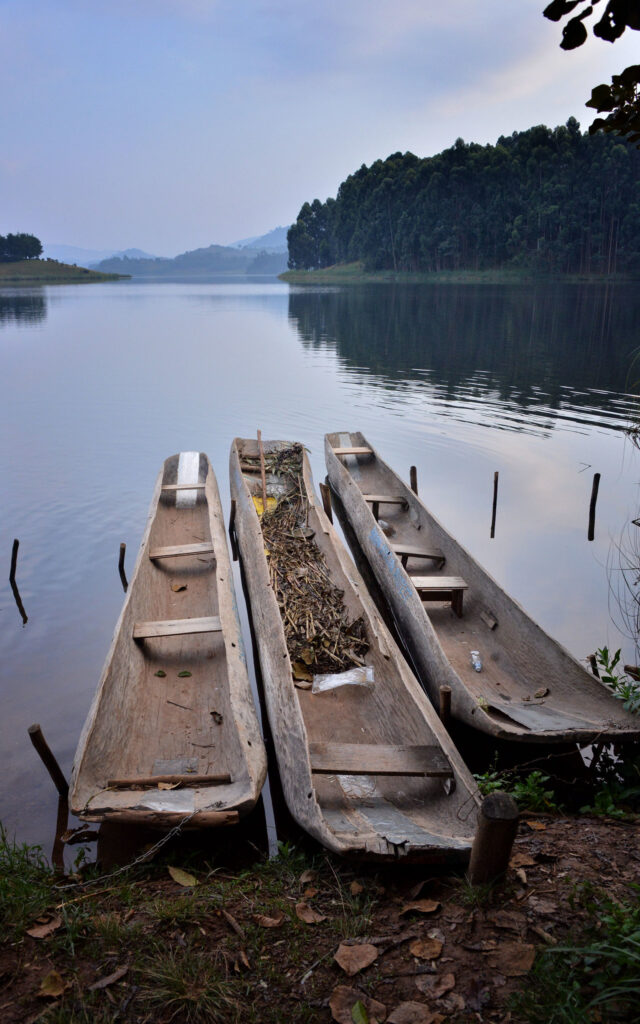
Bwindi vs. Mgahinga – Which One to Choose For Gorilla Trekking?
Bwindi vs. Mgahinga – Which One to Choose For Gorilla Trekking?
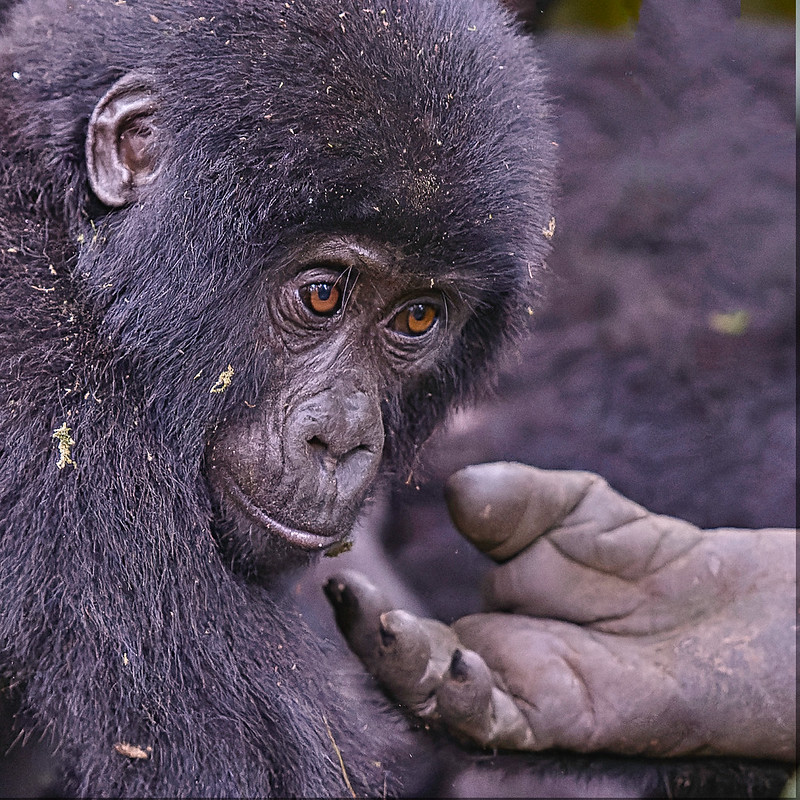
How to Stay Safe and Healthy While Traveling in Uganda
How to Stay Safe and Healthy While Traveling in Uganda
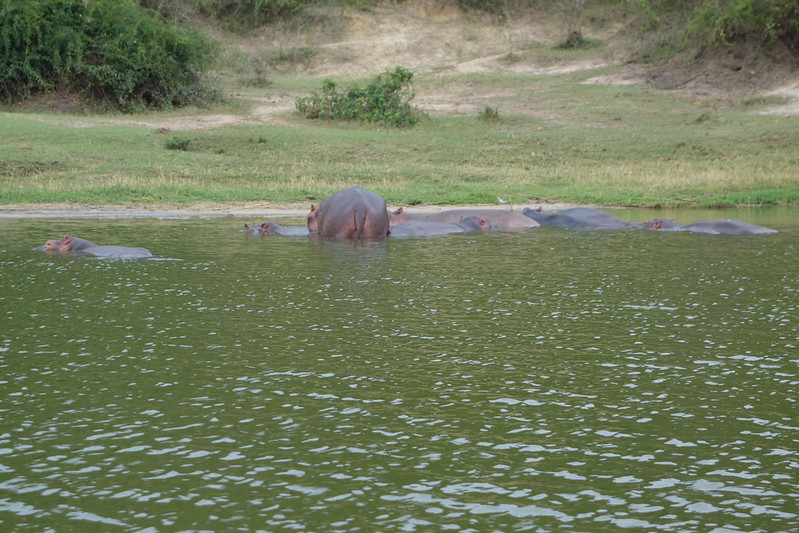
Routes, Tips & Travel Wisdom for Getting to Bwindi or Mgahinga
Routes, Tips & Travel Wisdom for Getting to Bwindi or Mgahinga
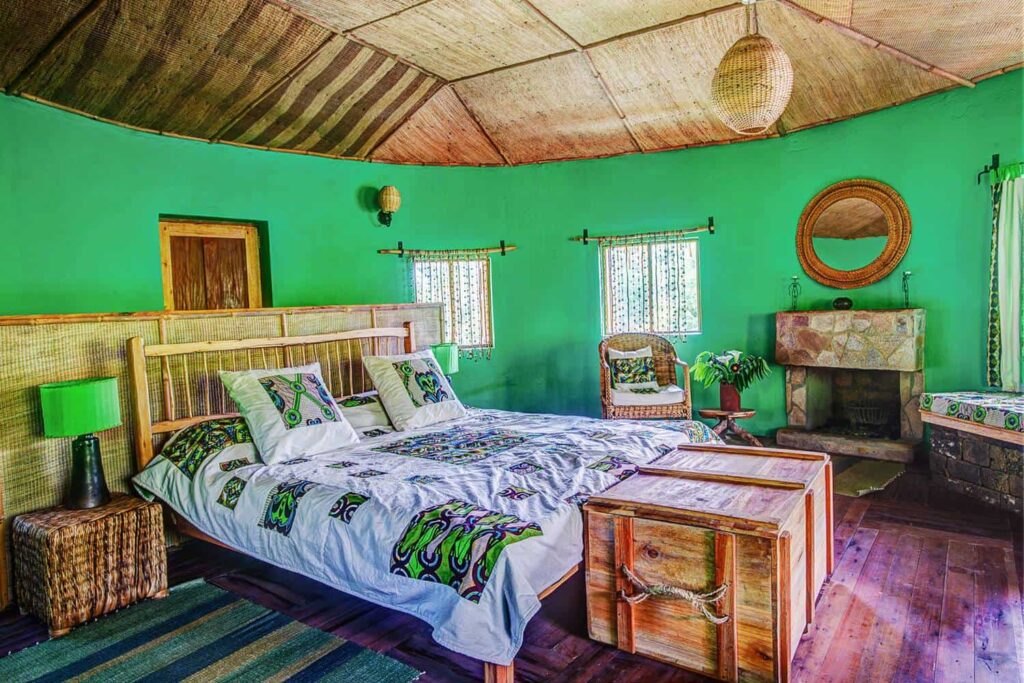
Accommodation Options: Lodges & Camps in Bwindi and Mgahinga
Accommodation Options: Lodges & Camps in Bwindi and Mgahinga
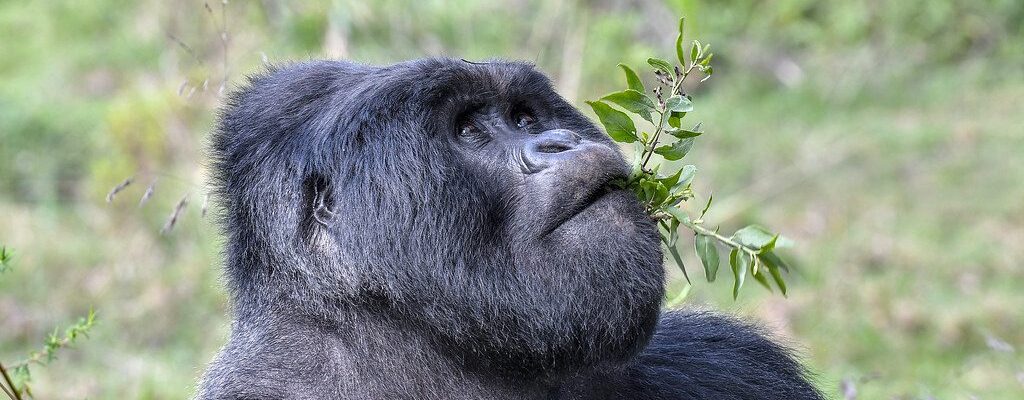
Protecting What You Came to See: Gorilla Conservation & Ethics
Protecting What You Came to See: Gorilla Conservation & Ethics
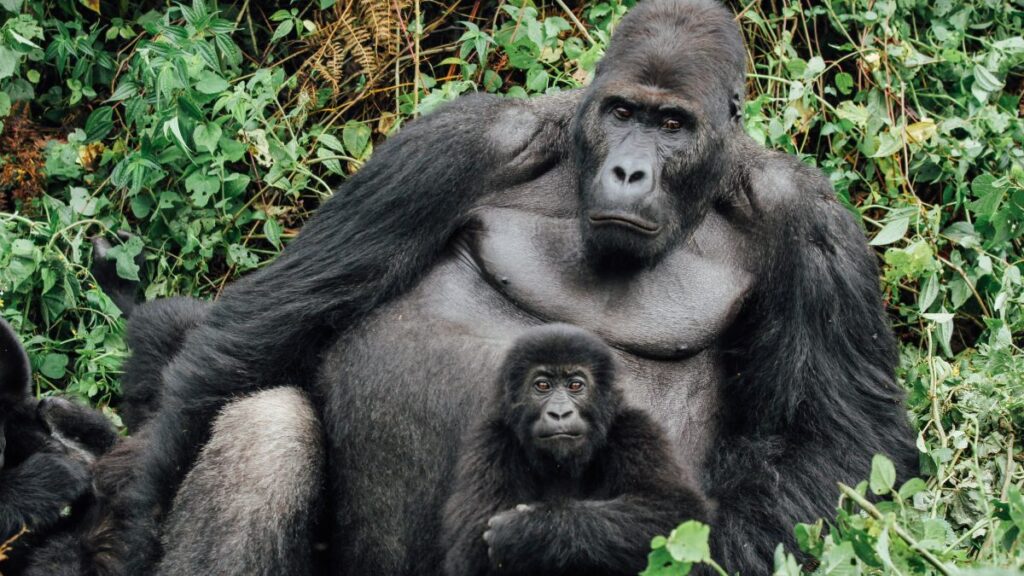
Travel Insurance for Gorilla Treks: Before You Go
Travel Insurance for Gorilla Treks: Before You Go
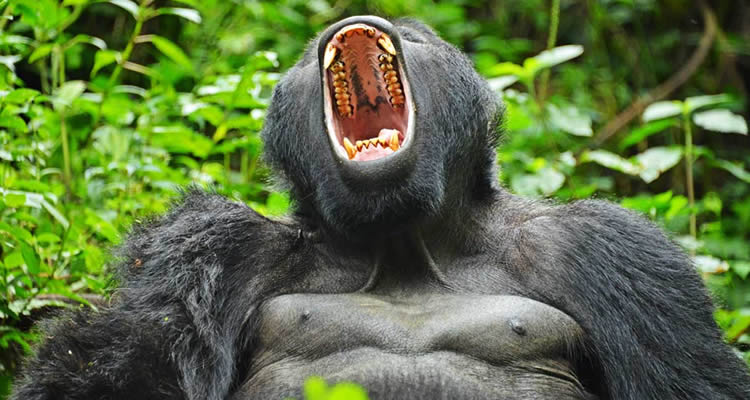
First Time Gorilla Trekking? Here’s Everything I Wish I Knew
First Time Gorilla Trekking? Here’s Everything I Wish I Knew
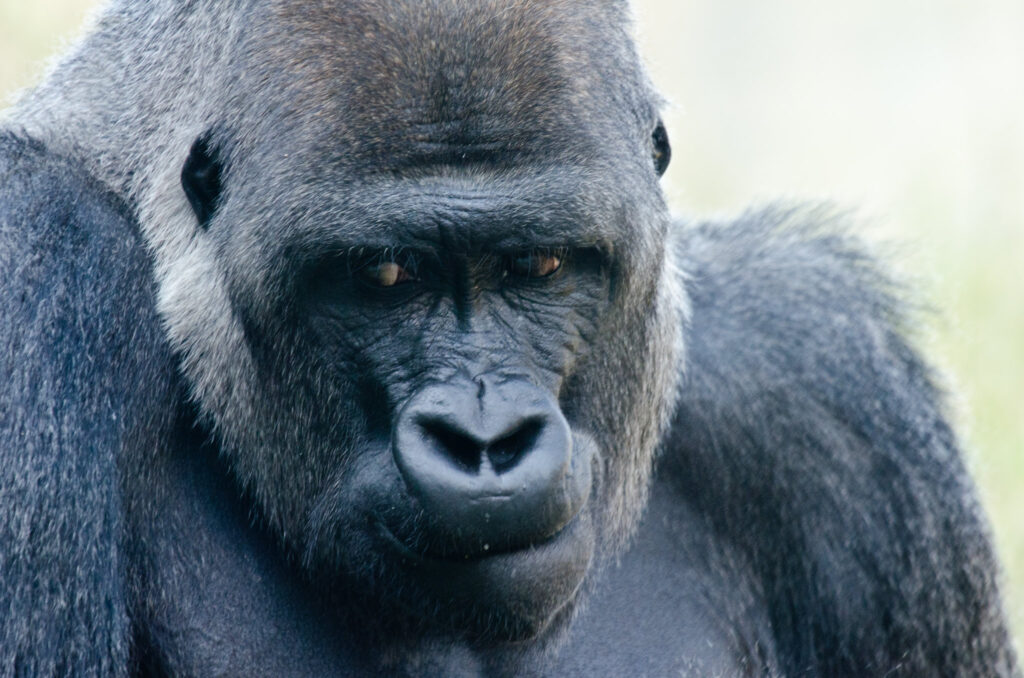
Step by Step: What Happens During a Gorilla Trekking Day
Step by Step: What Happens During a Gorilla Trekking Day
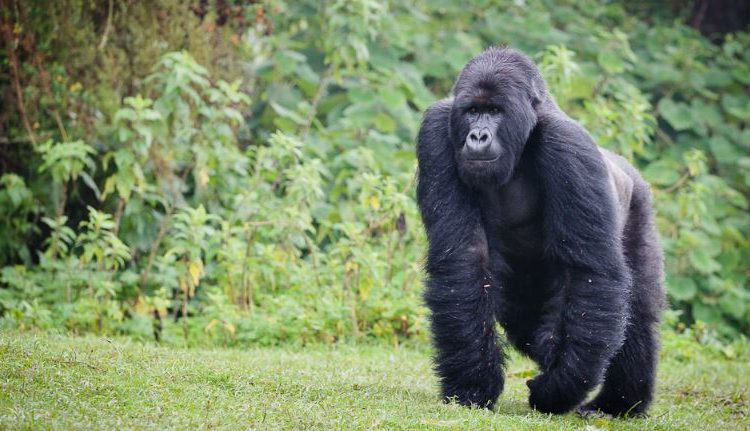
Gorilla Trekking vs. Gorilla Tracking – What’s the Real Difference?
Gorilla Trekking vs. Gorilla Tracking – What’s the Real Difference?
Beyond Gorillas: Other Wildlife You Can See During Your Trek
Beyond Gorillas: Other Wildlife You Can See During Your Trek
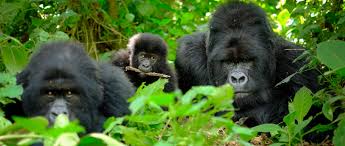
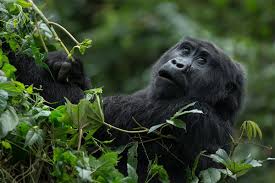
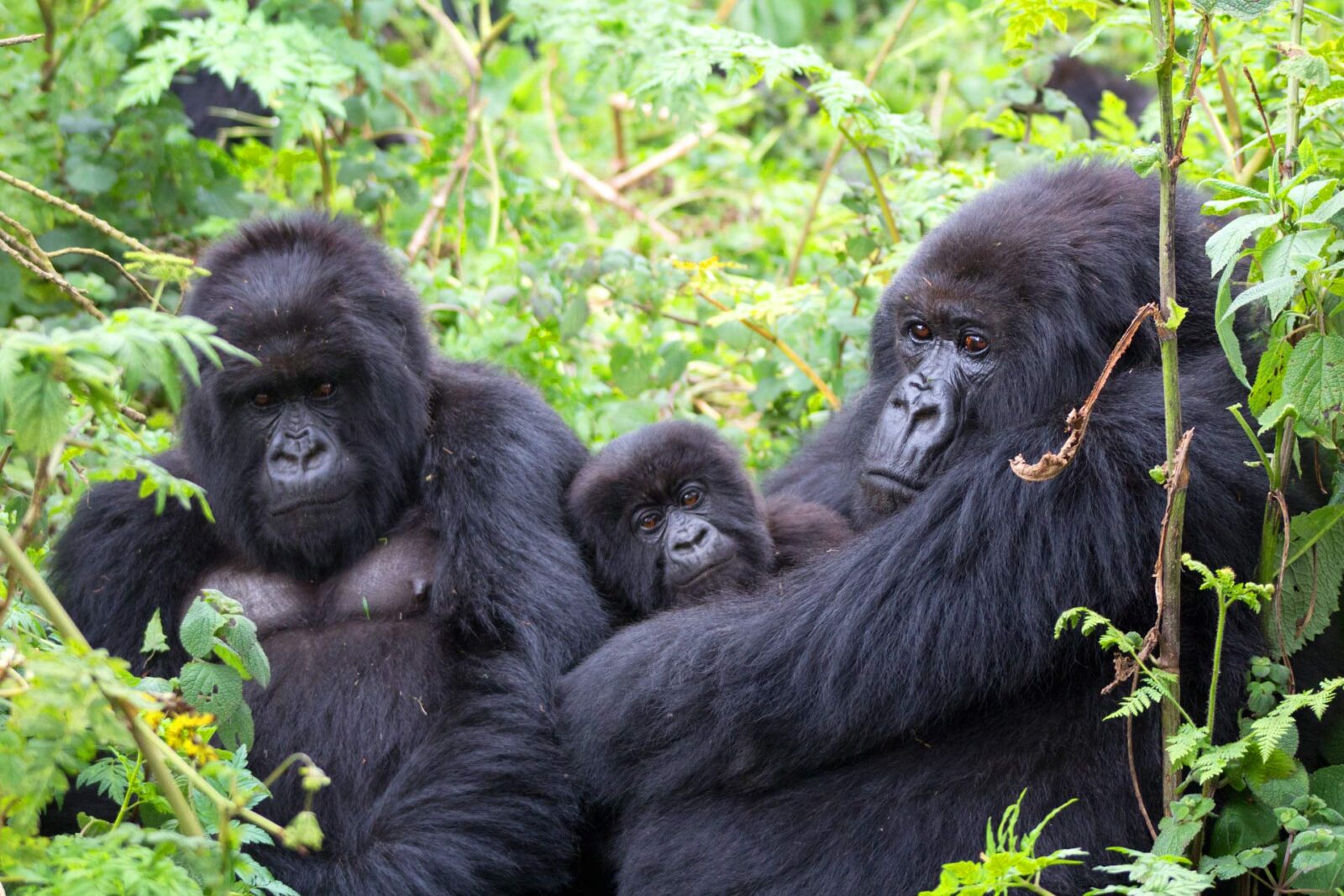
In the Realm of Giants – Bwindi & Mgahinga in Frames.
Wander through an elegant gallery capturing Uganda’s most exclusive gorilla sanctuaries, where ancient forests cradle the last mountain gorillas in a world of mist, mystery, and majesty.
Essential Planning Tips for Visiting Uganda’s National Parks.
Get ready for the wild heart of Africa with expert travel tips on when to visit, what to pack, where to go, and how to make the most of your safari across Uganda’s breathtaking national parks.
Why Uganda for Gorilla Trekking?
Uganda is not just a destination — it's the very soul of gorilla trekking. With over half of the world’s remaining mountain gorillas calling its misty forests home, Uganda offers the rarest encounters in their most authentic setting. Here, your journey is not rushed or crowded. Instead, you’re guided by experienced rangers through pristine jungles where gorillas live as they always have — wild, free, and magnificent
From insider travel insights to unforgettable trekking guides, our blog is your trusted path into Uganda’s wild heart — connecting you with mountain gorillas, breathtaking landscapes, and the soul-stirring adventures that make this land unlike any other.