What Happens If It Rains During the Gorilla Trek in Uganda? Complete Guide to Trekking in Wet Weather
Rain is not just a possibility during gorilla trekking in Uganda; it is an almost certainty. Bwindi Impenetrable National Park is a rainforest, and the name itself hints at the mist, drizzle, and downpours that characterise this ancient ecosystem. Many first-time trekkers worry that rain will ruin their experience, but seasoned guides and repeat visitors know that gorilla trekking in the rain can be just as magical, and sometimes even more atmospheric, than trekking in dry conditions. Understanding how rain affects the trek, what gear you need, how gorilla behaviour changes in wet weather, and how to stay comfortable will transform your anxiety about rain into readiness and even excitement.
How Rain Affects Trekking Conditions
Rain transforms the forest trails from firm paths into slippery, muddy routes that require extra care and slower movement. Water streams down the steep slopes, creating small waterfalls across the trails. Vegetation becomes wet and heavy, brushing against trekkers and soaking clothing. Visibility decreases as mist settles between the trees. Trekking times may increase as guides select safer routes and the group moves more cautiously. However, experienced guides are thoroughly prepared for wet conditions and know how to navigate the forest safely in all weather.
Gorilla Behaviour in the Rain
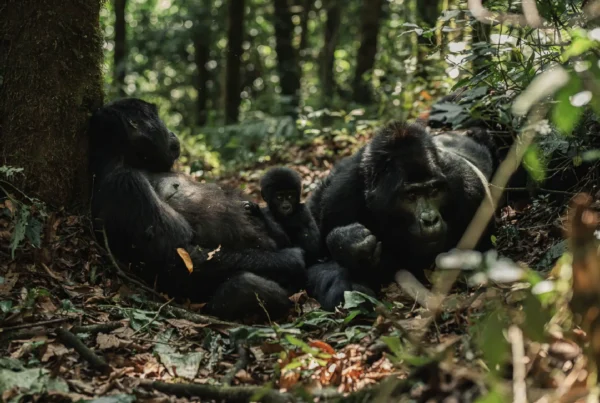
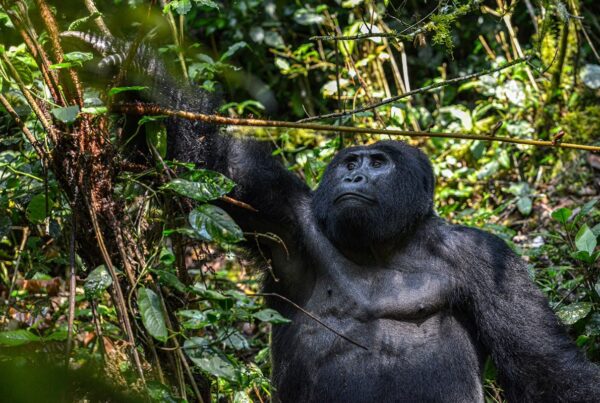
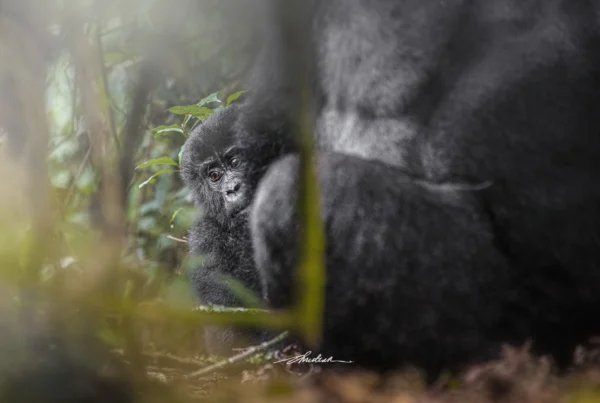
Gorillas do not hide from the rain; they simply continue their daily activities beneath the forest canopy, which provides natural shelter from the heaviest downpours. Silverbacks sit stoically as rain drips from the leaves above. Mothers cradle infants close to their chests for warmth. Juveniles may play more energetically in the cooler temperatures. The gorillas’ thick fur provides excellent insulation and water resistance. In fact, gorillas are often more settled and less likely to move long distances during rain, which can actually result in shorter treks on wet days.
Essential Rain Gear for Gorilla Trekking
Proper rain gear is essential for comfort and safety. A high-quality waterproof jacket with a hood is non-negotiable. Waterproof trousers or gaiters protect your legs from wet vegetation. Sturdy, waterproof hiking boots with aggressive tread prevent slips on muddy trails. Waterproof covers for your camera and daypack protect your equipment. Gardening gloves protect your hands from stinging nettles and provide grip on wet vegetation. Your lodge will typically provide walking sticks, which are invaluable for balance on slippery terrain.
Tips for Staying Comfortable in the Rain
Dress in moisture-wicking layers rather than cotton, which stays wet and cold. Bring a change of dry clothes to leave in your vehicle for after the trek. Pack your camera in a waterproof bag with silica gel packets to absorb moisture. Embrace the rain as part of the authentic rainforest experience rather than fighting against it. The misty atmosphere creates ethereal photographs that sunny days cannot match.
Final Thoughts
Rain during gorilla trekking is not a disaster; it is simply part of the rainforest experience. With the right gear, the right attitude, and experienced guides who know the forest in all conditions, a rainy trek can be just as rewarding and memorable as a dry one. The gorillas do not cancel their appointments because of rain, and neither should you.
Frequently Asked Questions
The two dry seasons offer the easiest trekking: June to September (the main peak) and December to February. Trails are firmer, rain gear is less critical, and visibility in the forest is better. April, May, and November are wet but beautiful — lush, green, fewer visitors, and UWA offers discounted permits ($600 FNR) during these months.
Rain makes forest trails muddy and the ascent/descent more physical, but gorilla trekking is not cancelled due to rain. Gorillas are present year-round — in fact, wet season gorillas are often less mobile and stay lower in the forest, which can make sightings easier. Waterproof hiking boots and a rain jacket are essential regardless of season.
Bwindi sits at 1,600–2,600m altitude, giving it a cool, mist-shrouded climate year-round. Daytime temperatures during the trek: 15°C–22°C. Evening temperatures at the lodges: 8°C–14°C. It can feel cold after dark, especially at Ruhija sector (2,300m+). Pack warm layers for evenings regardless of season.
No. Bwindi’s altitude keeps temperatures comfortably cool year-round. The forest canopy provides shade throughout the trek. Heat and dehydration are not typical concerns — carrying sufficient water (1.5–2 litres) matters more for hydration than temperature management.
Uganda is home to the mountain gorilla (Gorilla beringei beringei), one of two subspecies of eastern gorilla. They live exclusively in the Virunga volcanic highlands (Uganda/Rwanda/DRC) and Bwindi Impenetrable Forest (Uganda only). Mountain gorillas are the only gorilla subspecies that cannot survive in captivity — every individual you can trek is a wild animal.