Updated
What Do Gorillas Actually Do During Your One Hour With Them?
What Do Gorillas Actually Do During Your One Hour With Them?
The moment you finally stand face-to-face with a mountain gorilla family, time shifts. The one-hour rule feels strict on paper, but in reality, that hour unfolds in layers—quiet observation, subtle movements, and powerful social interactions. Travelers often expect constant action, yet the truth is far more intimate and revealing. Understanding what do gorillas do during trekking hour helps set realistic expectations and transforms the experience from a “sighting” into a deep wildlife encounter.
The First 5 Minutes: Stillness, Orientation, and Silent Observation
Settling Into Their World
The first moments rarely involve dramatic movement. Rangers guide you into position, and suddenly you are inside the gorillas’ space. The family does not perform or react dramatically—they continue as they were.
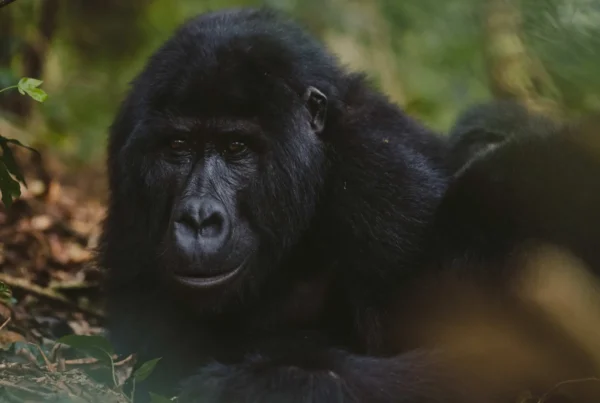
Gorillas look at you, briefly, then return to their routine. You may hear chewing before you see movement. Leaves rustle softly. A juvenile might pause and stare longer, curious but calm. This is the phase where you adjust your breathing, your distance, and your expectations.
The forest feels dense, and the silence carries weight. Many travelers realize here that what do gorillas do during trekking hour is not about action—it is about coexistence.
Minutes 5–15: Feeding Takes Over the Scene
Constant, Methodical Eating
Feeding dominates much of a gorilla’s day, and your hour often reflects that. Adults, especially females, focus on stripping leaves, breaking stems, and chewing slowly.
You will notice precision. Gorillas select specific parts of plants, discard others, and move only a few steps between bites. Their diet includes bamboo shoots, wild celery, roots, and fruits depending on the habitat.
The soundscape becomes rhythmic—tearing, chewing, shifting. It may seem repetitive, but it reveals survival in motion. This is one of the most consistent answers to what do gorillas do during trekking hour—they eat, and they eat with purpose.
Minutes 15–25: Juvenile Energy and Playful Chaos
The Most Dynamic Part of the Experience
While adults remain focused, juveniles often shift the atmosphere entirely. Young gorillas climb, chase, tumble, and wrestle with each other.
You might see one swing from a low branch and miss, landing in a clumsy roll. Another might jump onto a sibling’s back, triggering a playful scuffle. Their energy is unpredictable, and this is when many travelers capture their most memorable moments.
This playful behavior highlights the social fabric of the group. It also adds contrast to the otherwise calm rhythm. When people ask what do gorillas do during trekking hour, this is the part they imagine—but it usually comes in short, spontaneous bursts.
Minutes 25–35: Grooming and Social Bonding
Quiet Communication Without Words
As the group settles again, grooming begins. One gorilla picks through another’s fur, removing debris or insects. It is slow, deliberate, and deeply social.
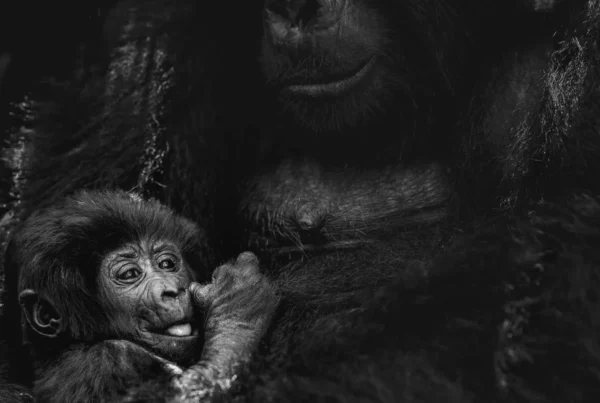
Mothers groom infants. Sub-adults groom each other. This behavior reinforces trust and hierarchy within the family. There is no rush—just steady interaction.
You begin to notice how similar their gestures feel. A hand placed gently on another’s shoulder, a glance exchanged, a calm presence. This phase answers what do gorillas do during trekking hour in a more emotional way—they connect.
Minutes 35–45: The Silverback’s Authority and Resting Phase
Calm Leadership at the Center
At some point, your attention shifts to the silverback. He often sits slightly apart or at the center, observing everything without obvious movement.
He may be feeding slowly, lying back, or simply watching. His presence controls the group without constant action. Occasionally, he shifts position, and the group subtly adjusts around him.
If a juvenile gets too close or unruly, a quiet gesture or low sound restores order. This calm authority defines the group’s stability.
Understanding this moment is essential when thinking about what do gorillas do during trekking hour—dominance is rarely loud; it is controlled and steady.
Minutes 45–55: Movement and Micro-Relocation
The Forest Begins to Shift
Gorilla families rarely stay completely still for long. As feeding areas change, the group may begin to move slowly through the forest.
Movement is not a dramatic migration. It happens in short, deliberate steps—feeding, pausing, then shifting again. Rangers guide you carefully to maintain distance without disrupting the group.
You might follow them a few meters, navigating vines, mud, and thick vegetation. This movement phase adds a sense of immersion, reminding you that you are inside their living habitat.
This subtle relocation is another key part of what do gorillas do during trekking hour—they continue their natural rhythm, not a staged encounter.
Minutes 55–60: Tension, Displays, or Unexpected Moments
The Unpredictable Final Minutes
Not every trek includes dramatic behavior, but this is often when something unexpected can happen.
A silverback may perform a brief charge bluff—a sudden movement forward, chest beat, or vocalization. It is not aggression; it is communication and dominance display. Rangers will guide you to stay calm and still.
Other times, the final minutes remain peaceful. An infant may wander closer. A female may pass within a few meters, completely unfazed.
This unpredictability is what makes each trek unique. When travelers ask what do gorillas do during trekking hour, the honest answer includes this uncertainty—no two encounters unfold the same way.
The Reality: More Stillness Than Action, More Depth Than Drama
Resetting Expectations
The biggest misconception about gorilla trekking is constant activity. In reality, much of your hour involves quiet observation, slow movement, and subtle behavior.
That is exactly what makes it powerful. You are not watching a performance—you are witnessing life as it happens.
You will remember the details: the way a gorilla grips a branch, the sound of leaves tearing, the stillness of the silverback, the sudden burst of juvenile laughter-like play.
Why This One Hour Feels Much Longer
Emotional and Sensory Impact
Although limited to sixty minutes, the experience feels extended because of its intensity. Every movement holds meaning. Every second feels deliberate.
You are fully present—watching, listening, adjusting. There are no distractions, no artificial elements. Just forest, wildlife, and raw interaction.
This is the deeper answer to what do gorillas do during trekking hour—they allow you into their world, briefly, without changing it for you.
- Uganda Gorilla Trekking on a 24-Hour Transit Stop: Is It Actually Possible?
- Why You Actually Need 4 Days for a 1-Day Gorilla Trek in Mgahinga
- How Long Do You Spend With Gorillas During the Trek? The One-Hour Rule Explained
- The One Hour Rule Gorilla Trekking: Why It Exists and Why It Matters
- Insect Repellent for Gorilla Trekking: What Actually Works in Uganda
- What to Expect on Gorilla Trek Day: A Hour-by-Hour Guide
- Insect Repellent for Gorilla Trekking: What Actually Works
- African Primate Tourism: Gorillas, Chimps, Bonobos and Where to See Them
- Can You Hear Gorillas Before You See Them on a Trek?
- Is Uganda Safe to Visit Right Now? Here’s What the Data Actually Says