

Where the soul of the forest whispers in the mist
Primate parks are specialized wildlife reserves dedicated to the protection, study, and sustainable viewing of Africa’s diverse primate species, ranging from playful monkeys to critically endangered great apes. These protected areas are carefully managed to conserve fragile ecosystems while allowing visitors to experience the richness of primate life in environments that closely mirror their natural habitats. Towering forests, dense canopies, riverine woodlands, and lush undergrowth provide safe refuge for species whose survival increasingly depends on structured conservation efforts. Beyond tourism, primate parks play a vital role in research, environmental education, and community engagement. They offer a rare and meaningful opportunity to observe primates displaying natural behaviors such as grooming, feeding, nesting, and complex social interactions.
The significance of primate parks extends far beyond tourism and recreational wildlife viewing. These protected areas function as essential conservation strongholds, providing sanctuary for species whose survival is increasingly threatened by habitat destruction, illegal poaching, human encroachment, and the growing pressures of climate change. As forests shrink and ecosystems become fragmented, primate parks offer secure habitats where vulnerable populations can stabilize, reproduce, and maintain their natural social structures without constant disturbance.
In addition to habitat protection, primate parks serve as centers for long term scientific research and environmental monitoring. Conservationists gather critical data on population trends, disease prevention, genetic diversity, and behavioral patterns, all of which inform broader wildlife management strategies.
So lace up your boots, grab your camera, and prepare to meet the wild — this is where your gorilla trekking dreams and unforgettable safari adventures truly begin.
Truly Iconic Highlights in Uganda

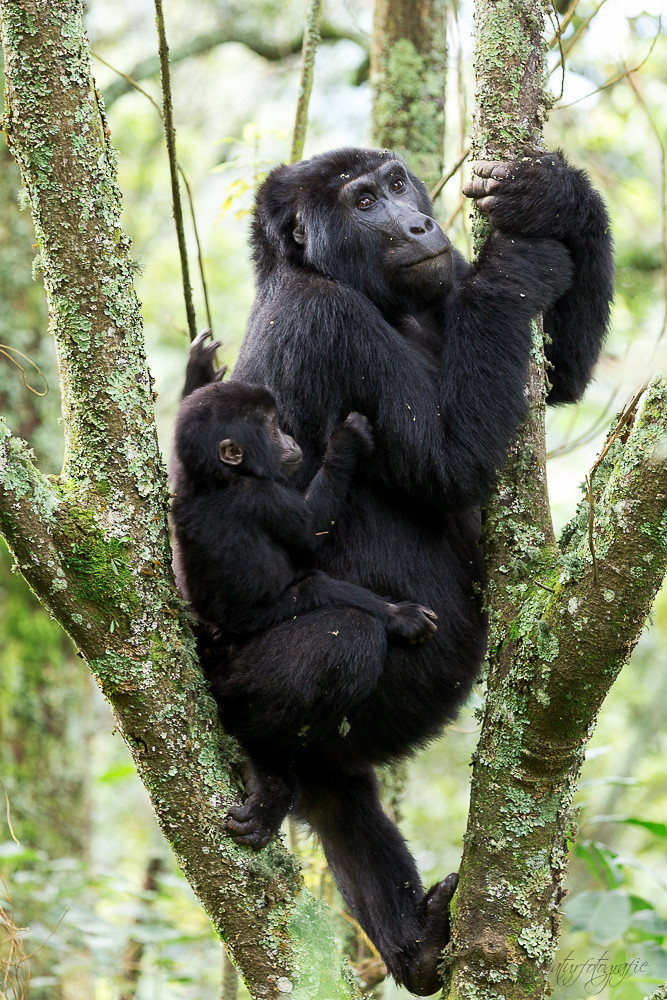
Trek through Bwindi’s mystical rainforest and meet the endangered mountain gorillas in their breathtaking natural home.
Encounter mountain gorillas and golden monkeys on Mgahinga’s misty volcanic trails, where culture and alpine wildlife thrive together.
Unwind after your trek with a peaceful canoe ride across Lake Bunyonyi, Uganda’s most tranquil and scenic highland lake.
Enhance your gorilla trekking safari with an optional chimpanzee encounter in Uganda’s lush forests, adding depth and diversity to your primate adventure
Gorilla Trekking Tours in Uganda – Our Most Popular Itineraries.
Explore our gorilla trekking safaris for every traveler—solo, family, budget, or luxury. All tours include permits, transport, accommodation, meals, and park fees. Whether for a quick trip or a deeper adventure, we’ve got you covered.
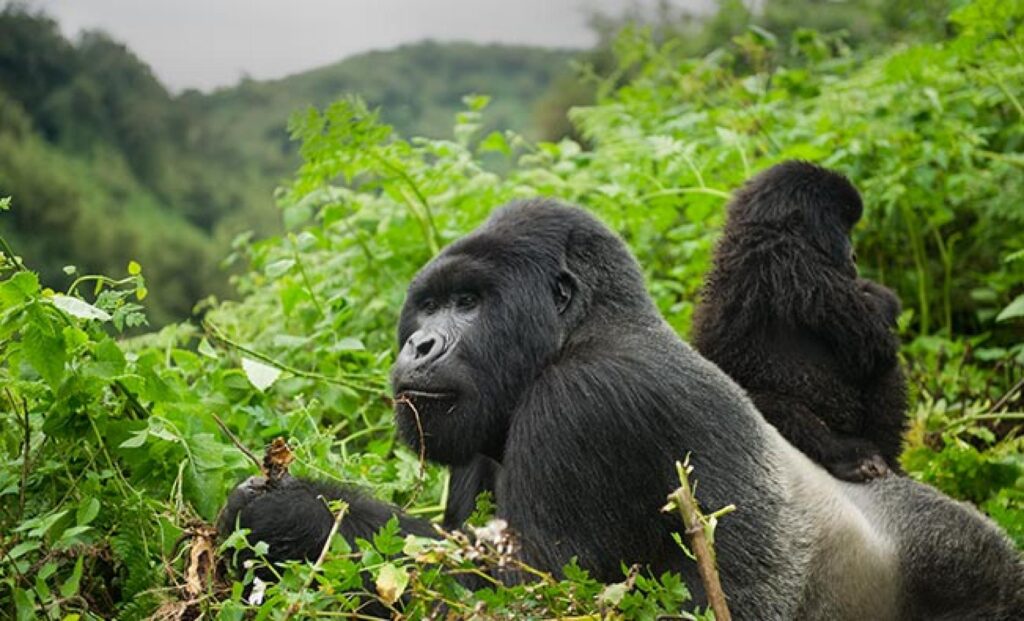
3-Day Bwindi Gorilla Trekking Safari
3-Day Bwindi Gorilla Trekking Safari
4-Day Uganda Gorilla Trekking Safari
4-Day Uganda Gorilla Trekking Safari
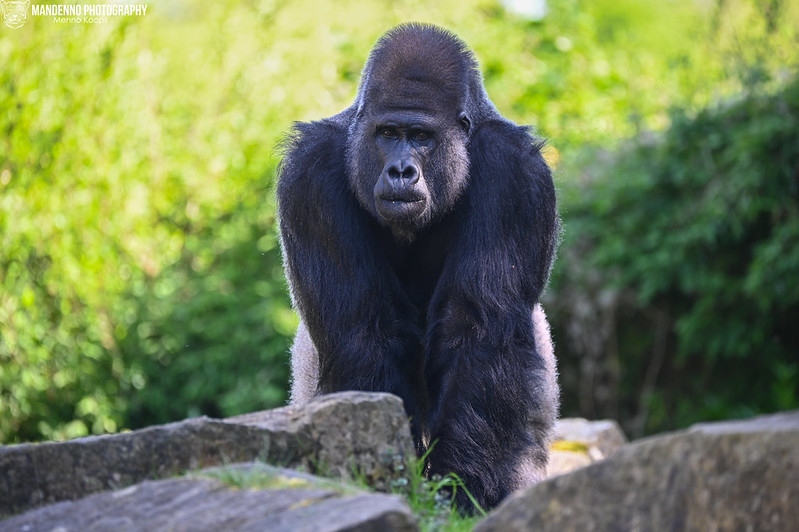
5-Day Gorilla Tracking and Wildlife Safari
5-Day Gorilla Tracking and Wildlife Safari
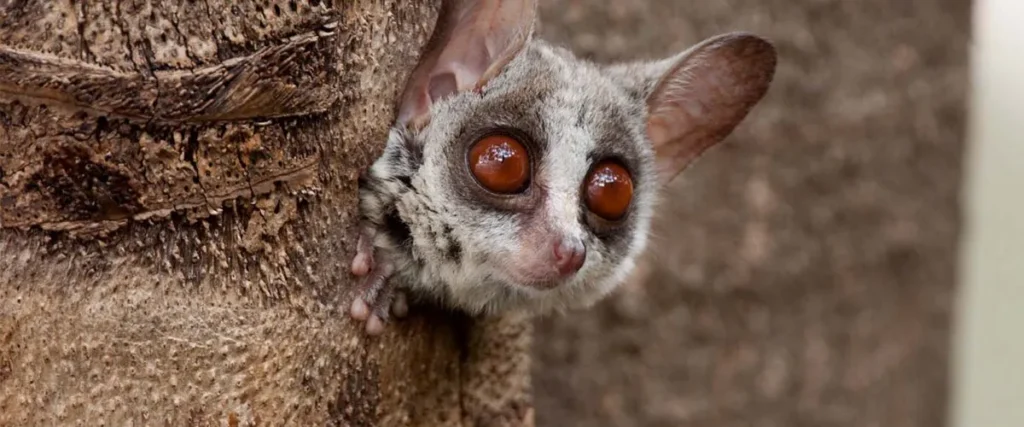
7-Day Uganda Primate Adventure & Wildlife Safari
7-Day Uganda Primate Adventure & Wildlife Safari
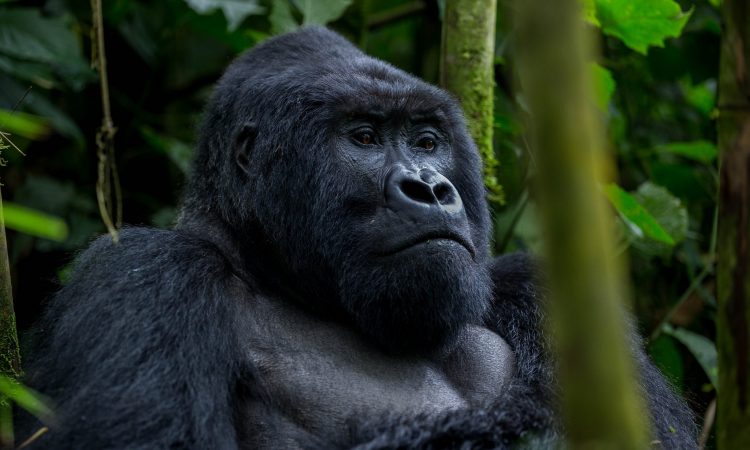
10-Day Gorilla Trekking & Big Five Safari in Uganda
10-Day Gorilla Trekking & Big Five Safari in Uganda
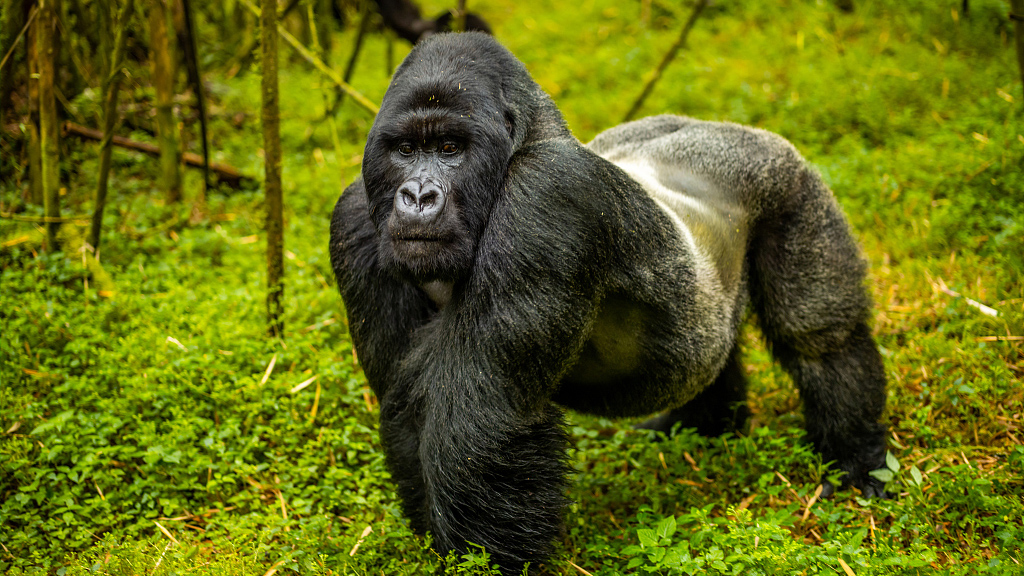
12-Day Uganda Gorilla Trekking, Chimp Tracking & Cultural Safari
12-Day Uganda Gorilla Trekking, Chimp Tracking & Cultural Safari
14-Day Best of Uganda Safari – Gorillas, Wildlife, Cultures
14-Day Best of Uganda Safari – Gorillas, Wildlife, Cultures
Exploring Primate Parks and Their Role in Conservation
What Are Primate Parks?
Primate parks are protected conservation areas dedicated to safeguarding primates and the ecosystems they depend on. Unlike traditional zoological facilities, these parks prioritize large, natural habitats where animals live in environments that closely resemble their wild homes. Dense forests, open clearings, wetlands, and riverine systems are preserved or restored to allow primates to forage, nest, travel, and socialize according to their natural rhythms. Human presence is carefully managed through guided trails, observation platforms, and strict visitor regulations to ensure that wildlife remains undisturbed and behavior remains authentic.
Within these protected landscapes, visitors may encounter a remarkable diversity of species. Agile monkeys leap through the canopy, mangabeys forage along the forest floor, and great apes such as chimpanzees and mountain gorillas move in tightly bonded family groups. Each species is supported with habitat conditions tailored to its dietary patterns, territorial range, and social structure. The goal is not display, but preservation, creating ecosystems where primates can thrive with minimal interference.
Conservation and Scientific Research
Primate parks function as living laboratories for conservation science. Long term monitoring programs allow researchers to study feeding ecology, social hierarchies, reproductive success, and health trends across generations. By understanding these patterns, conservationists can identify threats early and design targeted interventions.
Many parks also engage in breeding initiatives for endangered species, habitat restoration projects to expand viable forest corridors, and anti-poaching patrols that protect vulnerable populations. Veterinary teams may conduct health assessments or respond to injuries and disease outbreaks, especially in species susceptible to human transmitted illnesses.
Equally vital is collaboration with surrounding communities. Employment opportunities, ranger training, craft initiatives, and revenue sharing from eco tourism create tangible benefits for local residents. Education programs raise awareness about the ecological importance of primates and the long term value of intact forests. When communities see direct advantages from conservation, protection efforts become stronger and more sustainable.
The Visitor Experience
Visiting a primate park is often described as immersive and transformative. Rather than viewing animals behind barriers, guests step into functioning ecosystems. Guided forest walks reveal primates feeding on fruits and leaves, grooming one another, or caring for their young. Observing these behaviors in natural settings highlights the intelligence, emotional awareness, and complex communication systems that define primate societies.
Interpretive programs deepen understanding of forest ecology, explaining how primates contribute to seed dispersal, forest regeneration, and biodiversity balance. Rangers and guides share insights into conservation challenges such as habitat fragmentation, climate change, and illegal wildlife trade. The experience often sparks a deeper appreciation for the delicate interdependence between humans and the natural world.
Broader Importance of Primate Parks
Beyond individual wildlife encounters, primate parks play a critical role in global biodiversity protection. They secure vital habitats, maintain genetic diversity, and serve as refuges for species facing extinction pressures. By protecting forests, they also conserve countless other plants and animals that share the same ecosystems.
Responsible tourism within these parks generates funding that sustains research, strengthens anti-poaching operations, and supports community development. In this way, every visit contributes to a broader conservation framework. Primate parks stand as models of how ecological preservation, scientific research, and sustainable livelihoods can coexist. Through careful stewardship, they ensure that future generations will continue to witness primates living freely within thriving natural landscapes.
More Gorilla Trekking Information to Know.
Gorilla trekking goes far beyond just the hike — it’s a deep, emotional journey into the heart of Africa’s last wild rainforests. Knowing the right timing, permits, fitness tips, and park details can turn your experience from good to unforgettable.
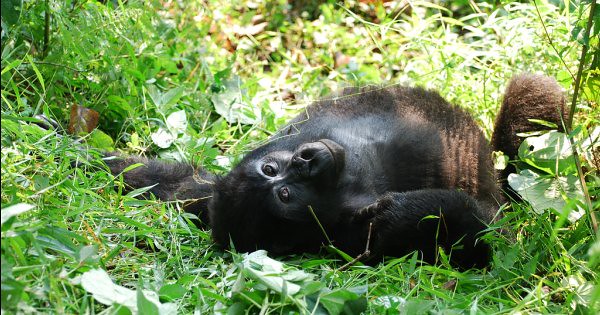
Gorilla Trekking in Bwindi Impenetrable Forest
Gorilla Trekking in Bwindi Impenetrable Forest
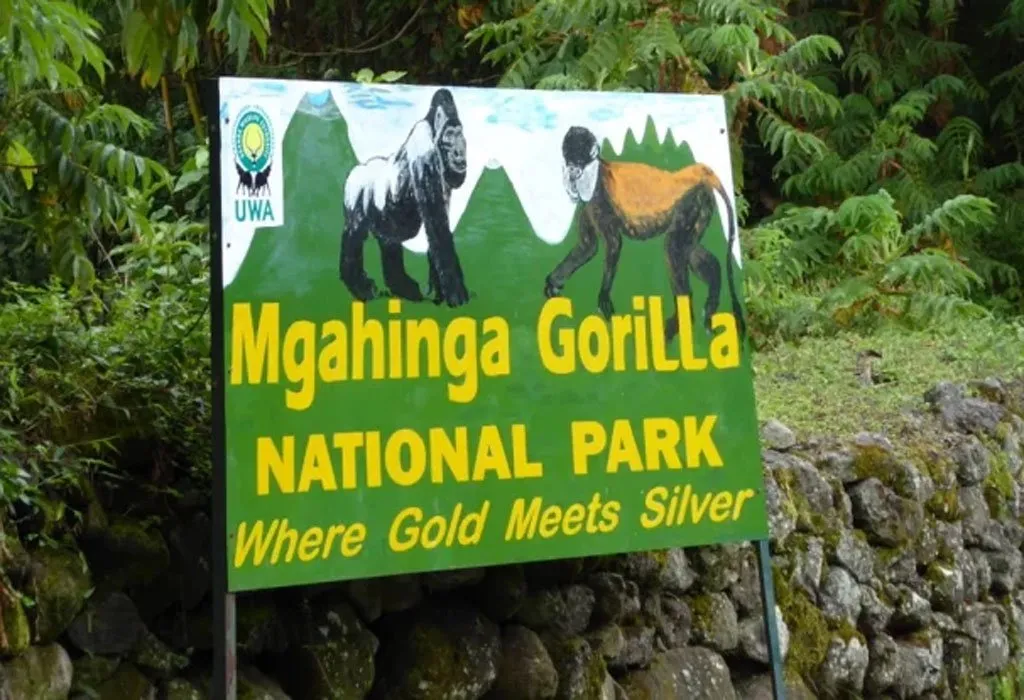
Trekking Gorillas in Mgahinga National Park
Trekking Gorillas in Mgahinga National Park
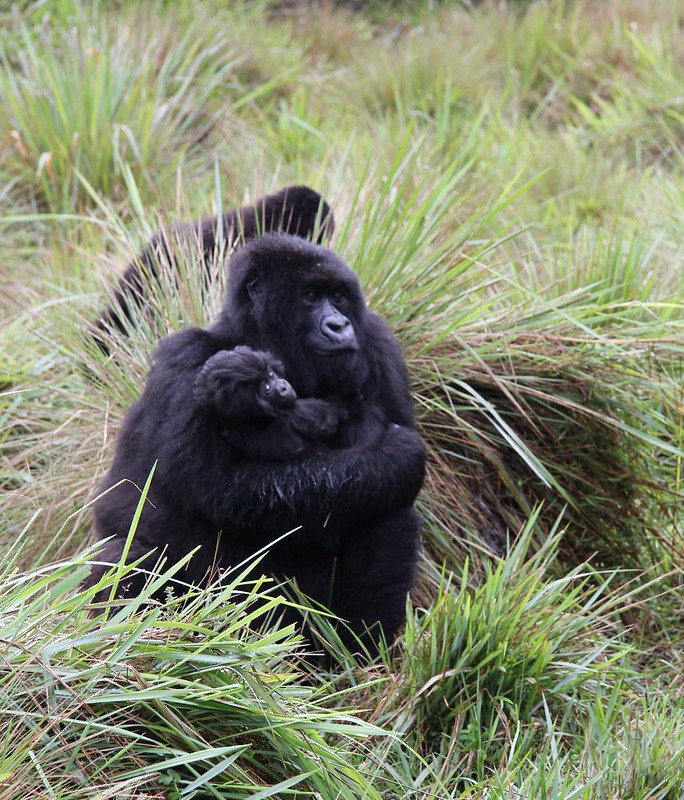
Uganda Gorilla Trekking Permits – Prices, Booking, & Travel Tips
Uganda Gorilla Trekking Permits – Prices, Booking, & Travel Tips

What to Pack for Gorilla Trekking in Uganda – Expert Checklist
What to Pack for Gorilla Trekking in Uganda – Expert Checklist
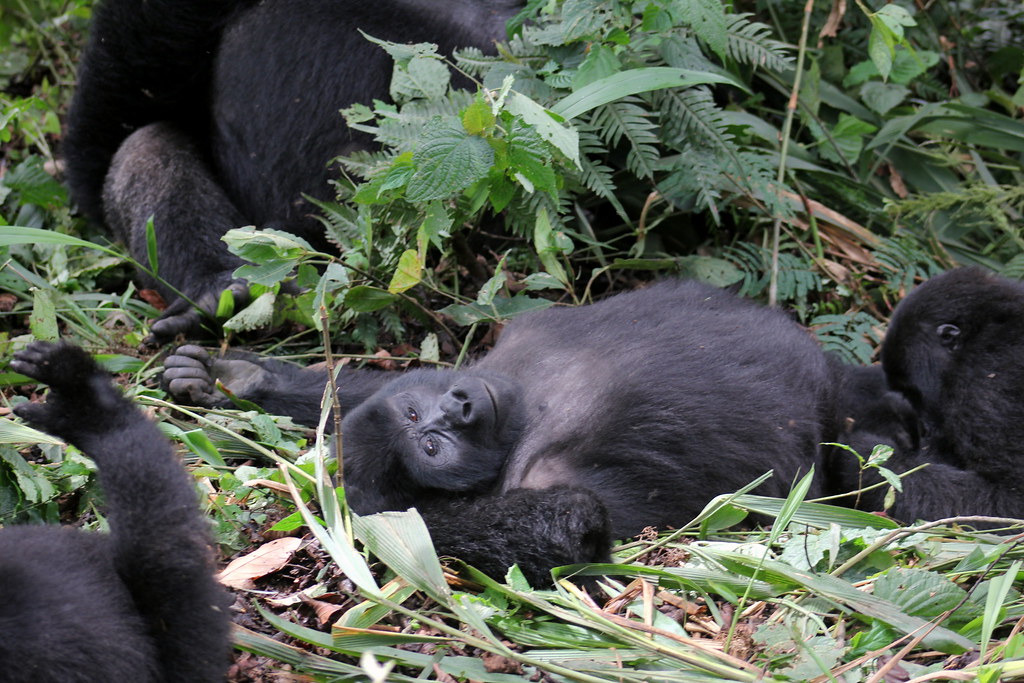
Best Time to Go Gorilla Trekking in Uganda – Weather & Seasons
Best Time to Go Gorilla Trekking in Uganda – Weather & Seasons
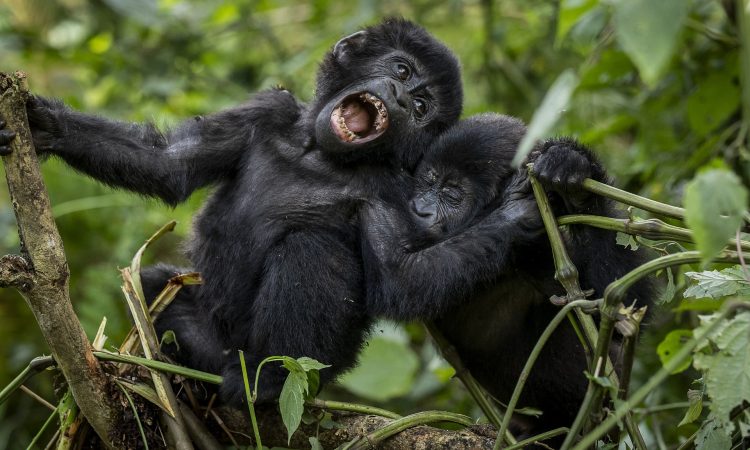
Gorilla Trekking Difficulty in Uganda – Fitness & Trail Guide
Gorilla Trekking Difficulty in Uganda – Fitness & Trail Guide
Gorilla Trekking Rules in Uganda – Safety, Respect & Ethics
Gorilla Trekking Rules in Uganda – Safety, Respect & Ethics
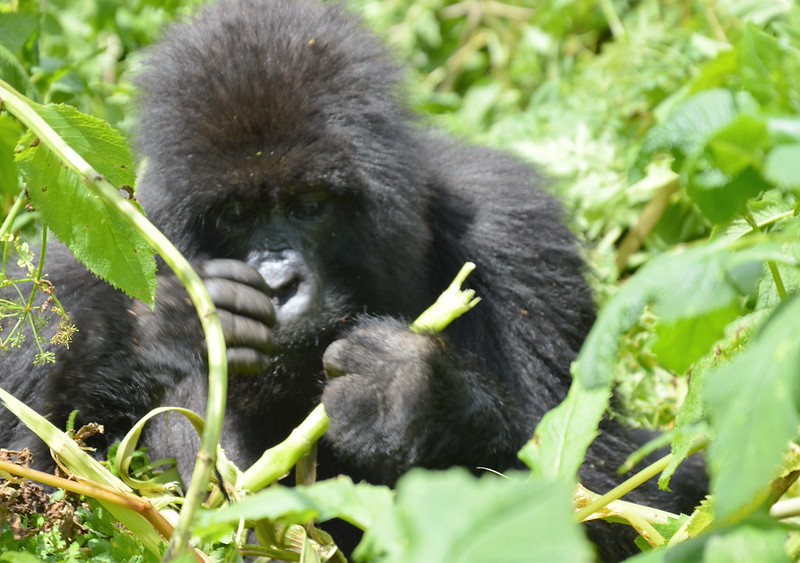
Gorilla Conservation in Uganda – Protecting the Mountain Giants
Gorilla Conservation in Uganda – Protecting the Mountain Giants
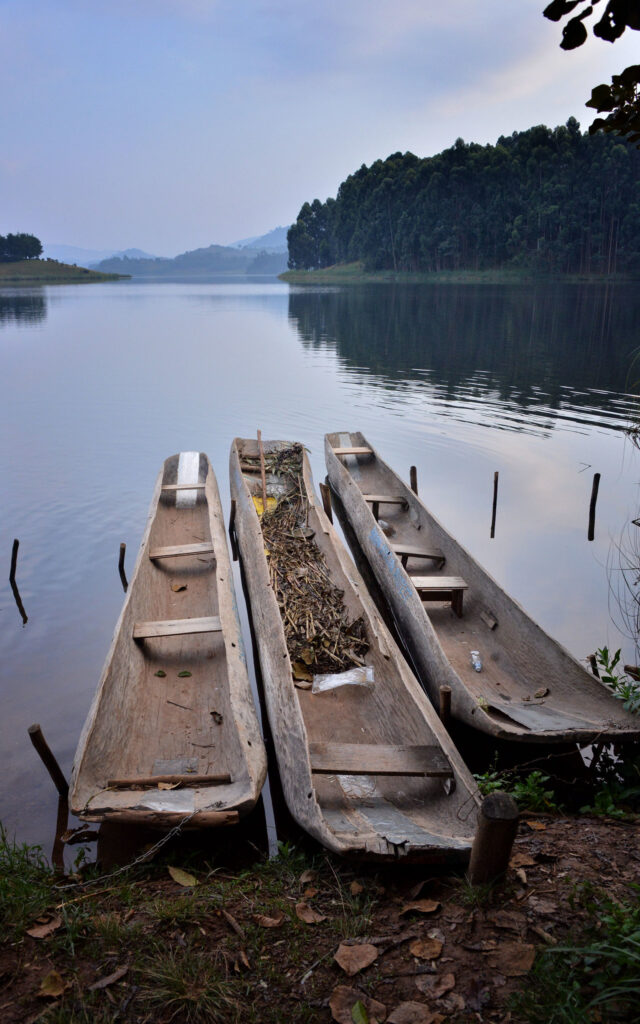
Bwindi vs. Mgahinga – Which One to Choose For Gorilla Trekking?
Bwindi vs. Mgahinga – Which One to Choose For Gorilla Trekking?
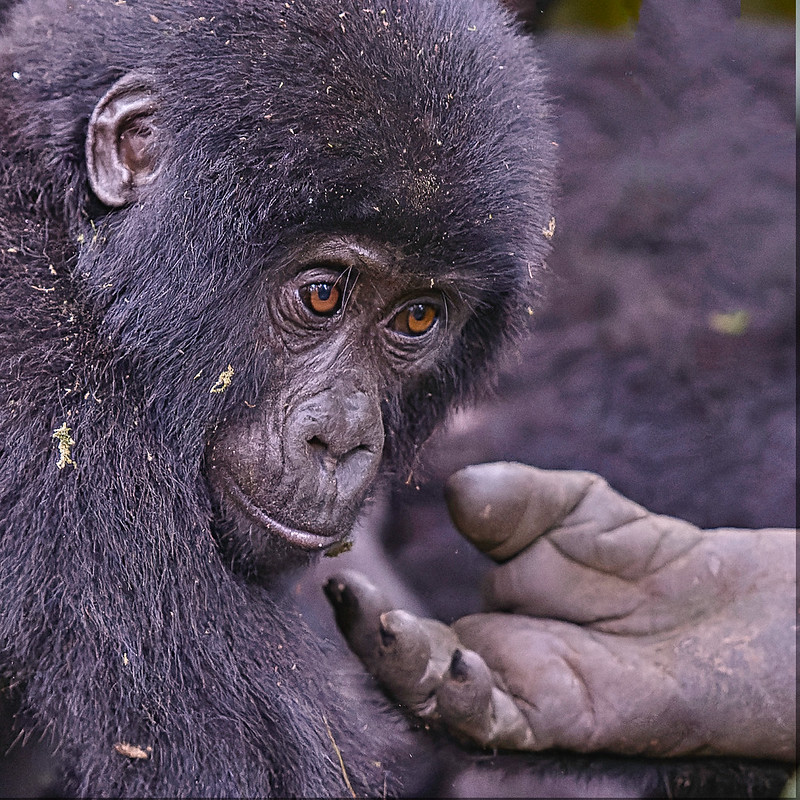
How to Stay Safe and Healthy While Traveling in Uganda
How to Stay Safe and Healthy While Traveling in Uganda
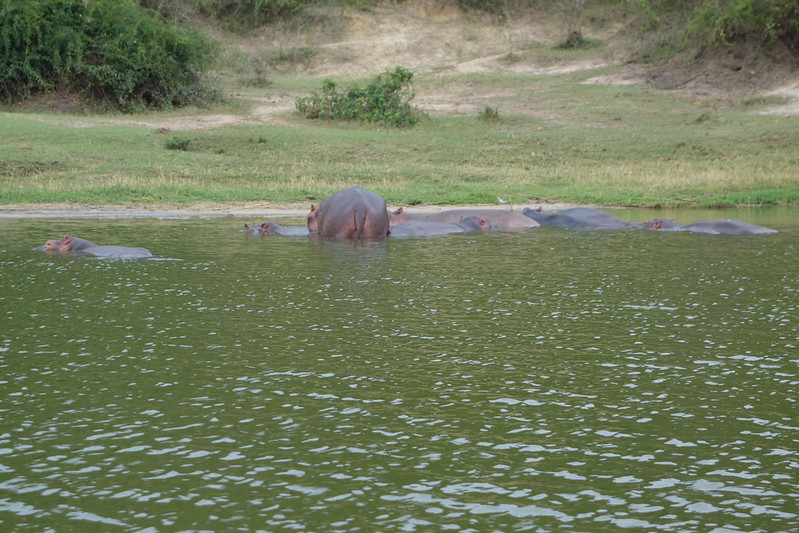
Routes, Tips & Travel Wisdom for Getting to Bwindi or Mgahinga
Routes, Tips & Travel Wisdom for Getting to Bwindi or Mgahinga

Accommodation Options: Lodges & Camps in Bwindi and Mgahinga
Accommodation Options: Lodges & Camps in Bwindi and Mgahinga
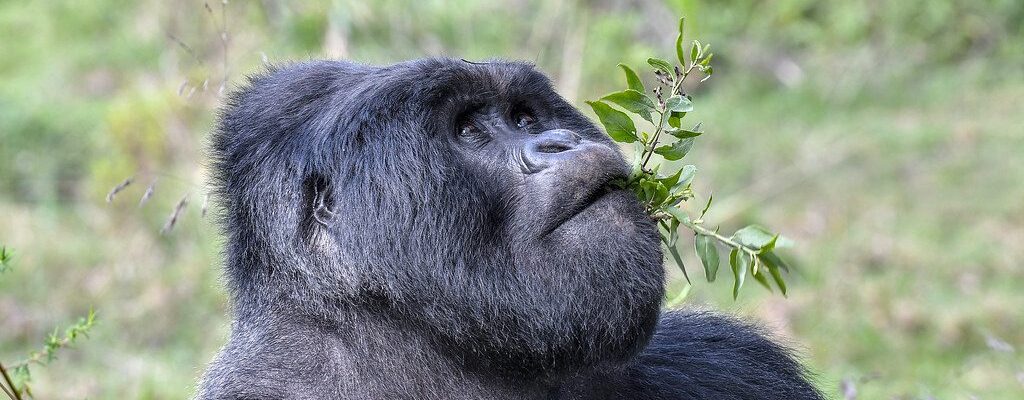
Protecting What You Came to See: Gorilla Conservation & Ethics
Protecting What You Came to See: Gorilla Conservation & Ethics
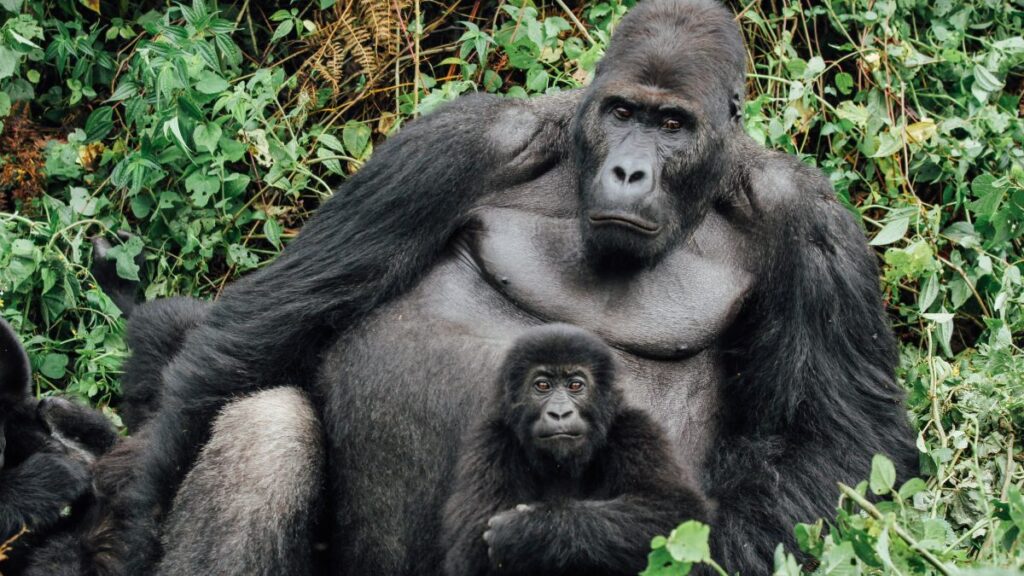
Travel Insurance for Gorilla Treks: Before You Go
Travel Insurance for Gorilla Treks: Before You Go
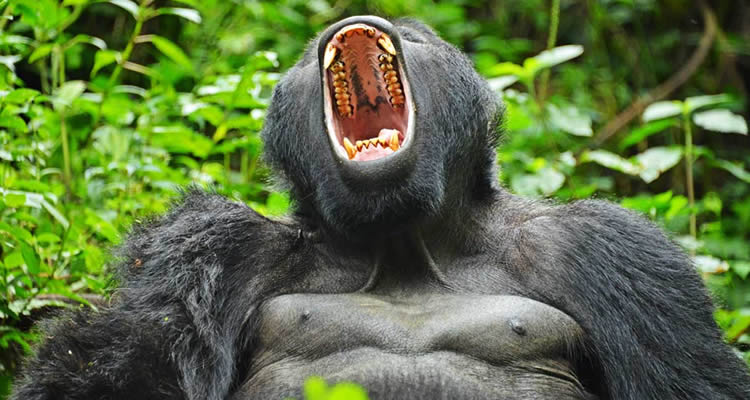
First Time Gorilla Trekking? Here’s Everything I Wish I Knew
First Time Gorilla Trekking? Here’s Everything I Wish I Knew
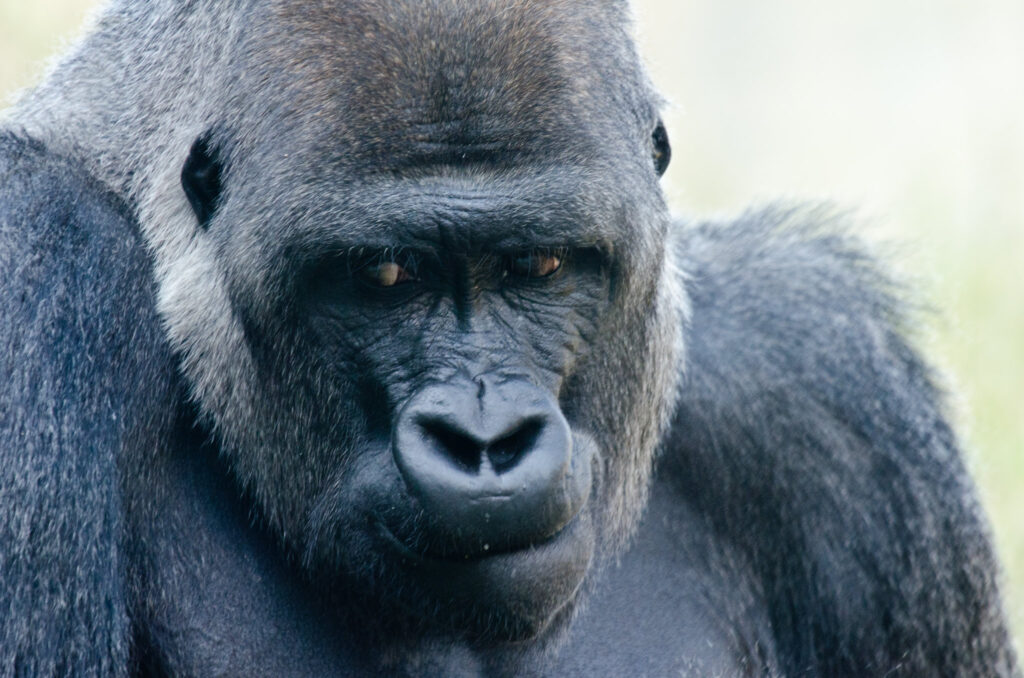
Step by Step: What Happens During a Gorilla Trekking Day
Step by Step: What Happens During a Gorilla Trekking Day
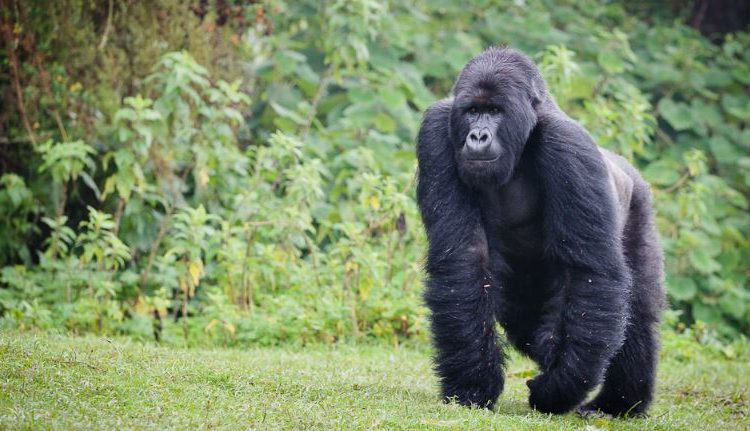
Gorilla Trekking vs. Gorilla Tracking – What’s the Real Difference?
Gorilla Trekking vs. Gorilla Tracking – What’s the Real Difference?
Beyond Gorillas: Other Wildlife You Can See During Your Trek
Beyond Gorillas: Other Wildlife You Can See During Your Trek
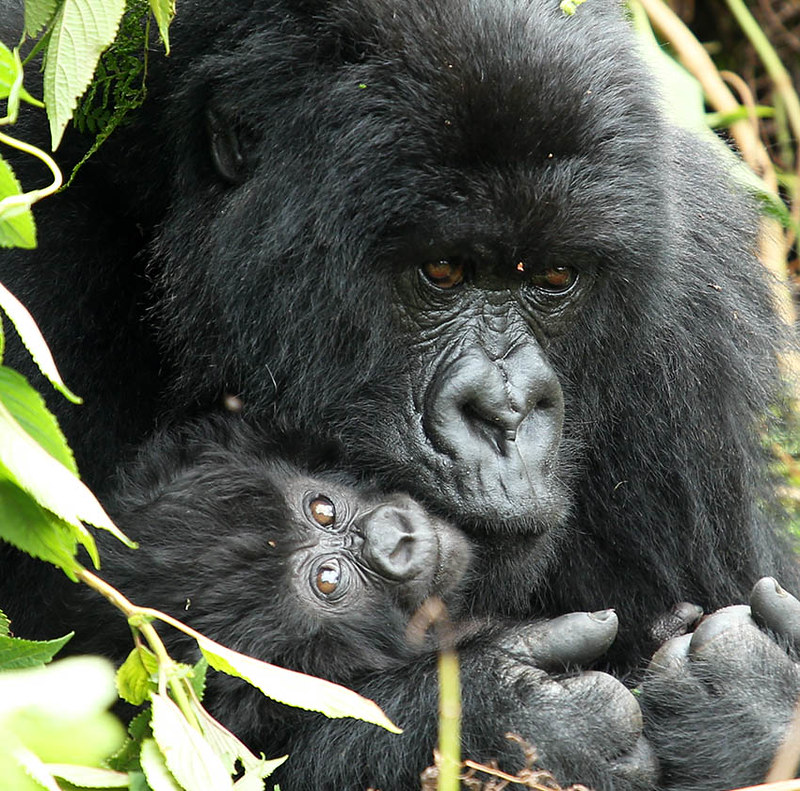
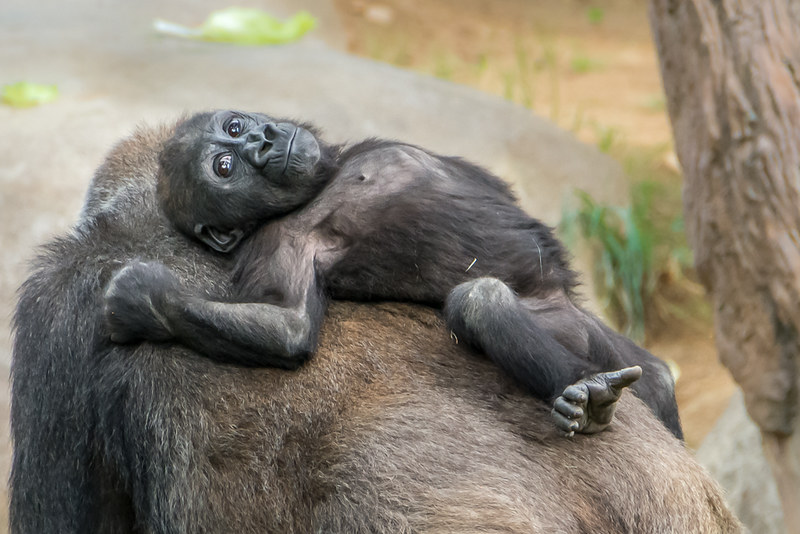
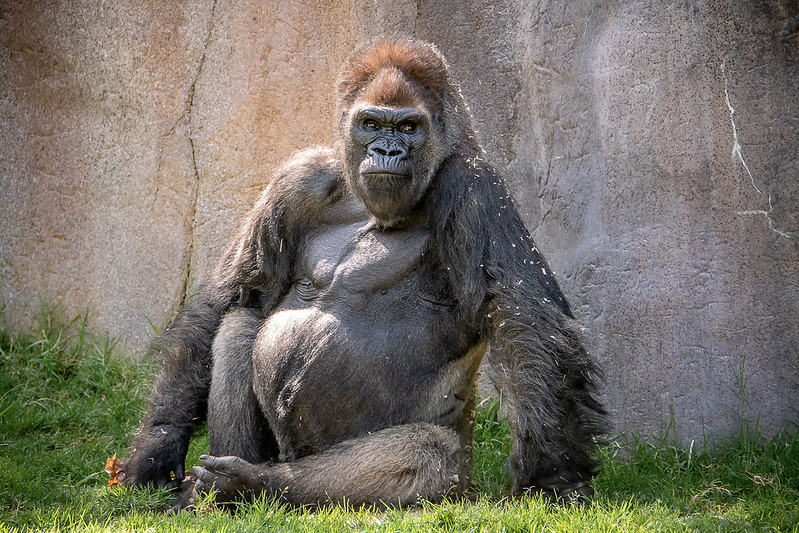
In the Realm of Giants – Bwindi & Mgahinga in Frames.
Wander through an elegant gallery capturing Uganda’s most exclusive gorilla sanctuaries, where ancient forests cradle the last mountain gorillas in a world of mist, mystery, and majesty.
Essential Planning Tips for Visiting Uganda’s National Parks.
Get ready for the wild heart of Africa with expert travel tips on when to visit, what to pack, where to go, and how to make the most of your safari across Uganda’s breathtaking national parks.
Why Uganda for Gorilla Trekking?
Uganda is not just a destination — it's the very soul of gorilla trekking. With over half of the world’s remaining mountain gorillas calling its misty forests home, Uganda offers the rarest encounters in their most authentic setting. Here, your journey is not rushed or crowded. Instead, you’re guided by experienced rangers through pristine jungles where gorillas live as they always have — wild, free, and magnificent
From insider travel insights to unforgettable trekking guides, our blog is your trusted path into Uganda’s wild heart — connecting you with mountain gorillas, breathtaking landscapes, and the soul-stirring adventures that make this land unlike any other.