

Where the soul of the forest whispers in the mist
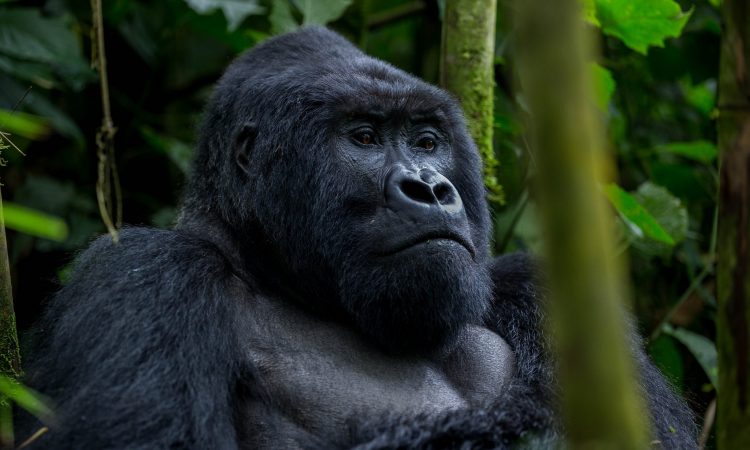
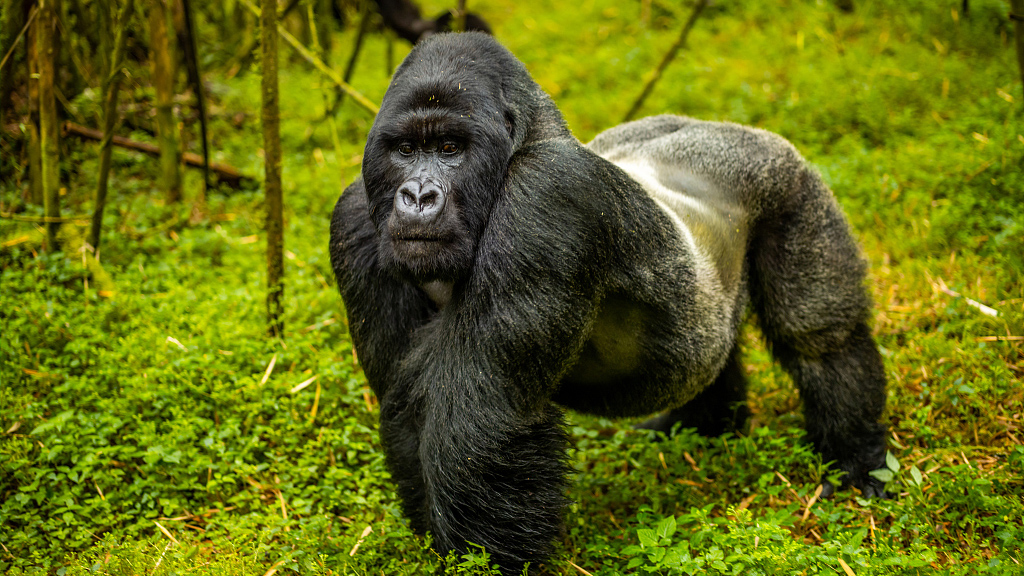
Non-habituated gorilla groups represent the purest and most undisturbed expression of gorilla life in the forests of Central and East Africa. These families have not undergone the careful process of habituation to human presence and continue to live entirely according to their own natural rhythms. Unlike habituated groups that are regularly visited by researchers or tourists, non-habituated gorillas actively avoid human contact, moving unpredictably through dense forest, often over rugged terrain, and responding solely to the demands of survival, social interactions, and environmental conditions. Their behaviors—from foraging and nesting to play and group dynamics—remain entirely instinctive, shaped by the forest and their social structures rather than human observation.
Understanding non-habituated gorilla groups is key to appreciating the full scope of gorilla conservation in Central and East Africa. While habituated groups play an important role in generating tourism revenue, funding research, and raising global awareness, non-habituated gorillas serve a critical ecological function by maintaining genetic diversity, natural behaviors, and the balance of their forest ecosystems. These untouched families move freely through dense forests, make instinct-driven decisions, and interact in ways that are entirely undisturbed by human presence, ensuring that gorillas remain wild animals first, not merely attractions. Their continued existence highlights the ethical and ecological dimensions of conservation, reminding us that protecting a species involves more than observation and tourism—it requires preserving the integrity, autonomy, and natural life of the animals themselves.
So lace up your boots, grab your camera, and prepare to meet the wild — this is where your gorilla trekking dreams and unforgettable safari adventures truly begin.
Truly Iconic Highlights in Uganda

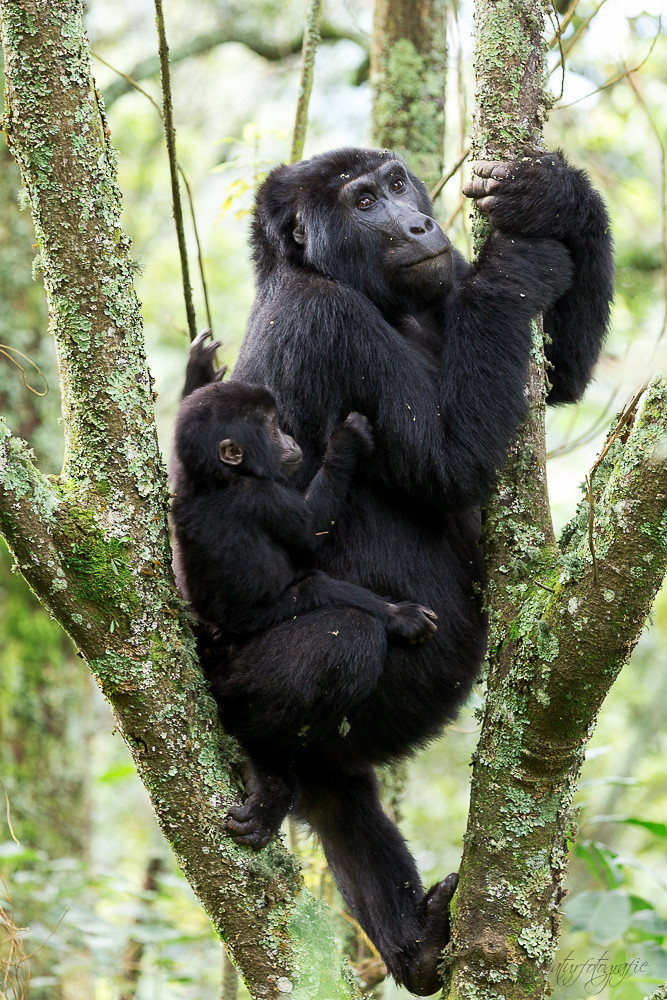
Trek through Bwindi’s mystical rainforest and meet the endangered mountain gorillas in their breathtaking natural home.
Encounter mountain gorillas and golden monkeys on Mgahinga’s misty volcanic trails, where culture and alpine wildlife thrive together.
Unwind after your trek with a peaceful canoe ride across Lake Bunyonyi, Uganda’s most tranquil and scenic highland lake.
Enhance your gorilla trekking safari with an optional chimpanzee encounter in Uganda’s lush forests, adding depth and diversity to your primate adventure
Gorilla Trekking Tours in Uganda – Our Most Popular Itineraries.
Explore our gorilla trekking safaris for every traveler—solo, family, budget, or luxury. All tours include permits, transport, accommodation, meals, and park fees. Whether for a quick trip or a deeper adventure, we’ve got you covered.
3-Day Bwindi Gorilla Trekking Safari
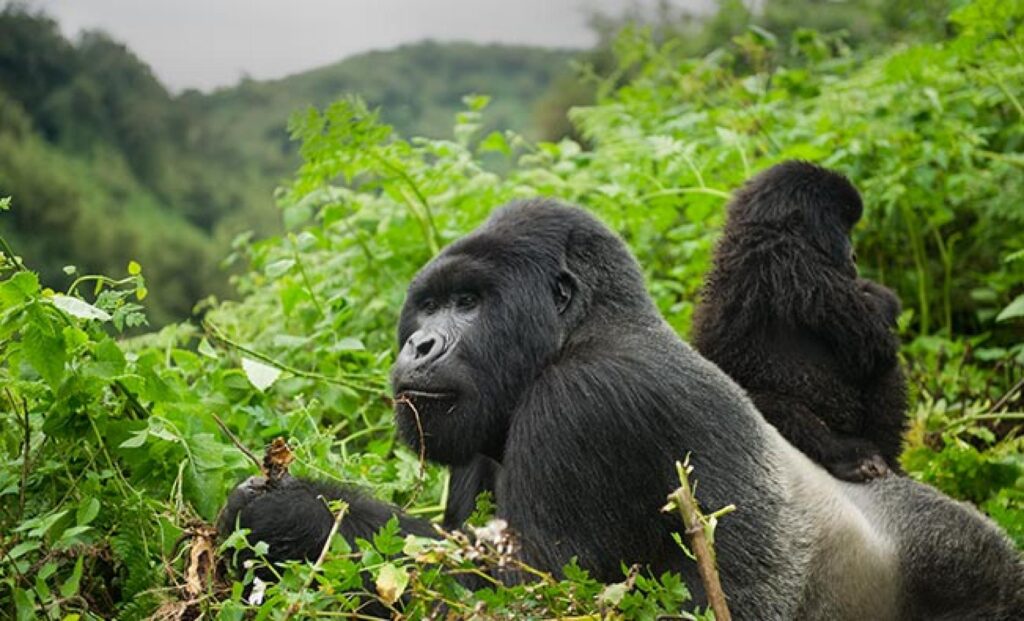
3-Day Bwindi Gorilla Trekking Safari
4-Day Uganda Gorilla Trekking Safari
4-Day Uganda Gorilla Trekking Safari
5-Day Gorilla Tracking and Wildlife Safari
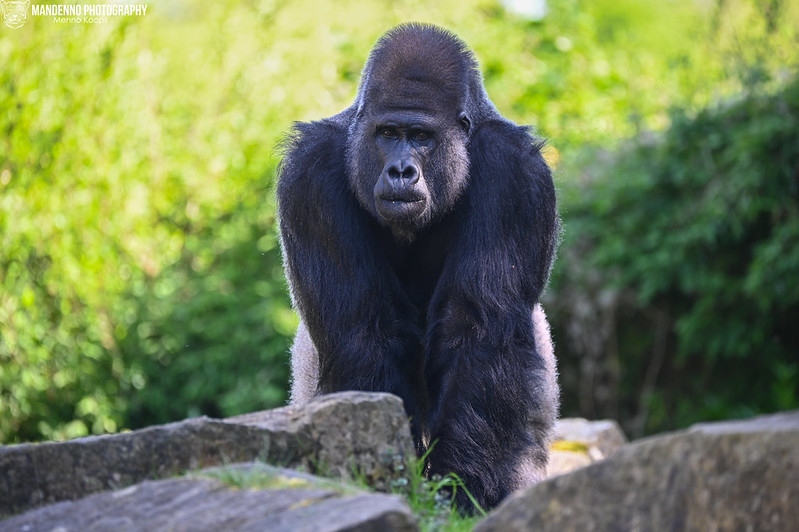
5-Day Gorilla Tracking and Wildlife Safari
7-Day Uganda Primate Adventure & Wildlife Safari
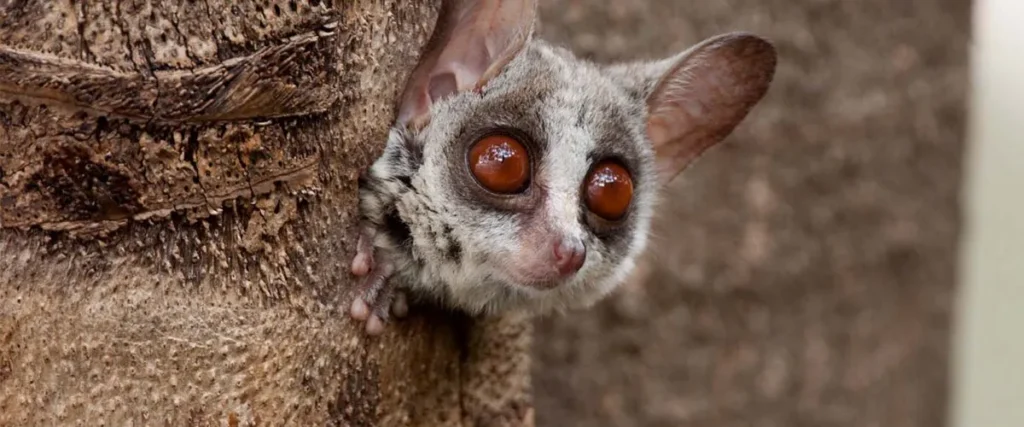
7-Day Uganda Primate Adventure & Wildlife Safari
10-Day Gorilla Trekking & Big Five Safari in Uganda
10-Day Gorilla Trekking & Big Five Safari in Uganda
12-Day Uganda Gorilla Trekking, Chimp Tracking & Cultural Safari
12-Day Uganda Gorilla Trekking, Chimp Tracking & Cultural Safari
14-Day Best of Uganda Safari – Gorillas, Wildlife, Cultures
14-Day Best of Uganda Safari – Gorillas, Wildlife, Cultures
Inside the Wild Lives of Non-Habituated Mountain Gorillas
Understanding Non-Habituated Gorilla Groups
Non-Habituated Gorilla Groups are families of gorillas that have never been exposed to human presence in a controlled or guided manner. Unlike habituated groups, these gorillas live entirely beyond the reach of tourists, researchers, and trackers, moving freely through dense forests according to ancient, instinct-driven patterns. Their lives remain untouched by tourism, allowing them to behave in ways that are entirely natural, unconditioned, and reflective of their wild instincts.
These gorillas are exceptionally cautious. They detect humans quickly and flee at the first sign of intrusion, often relocating their nesting sites frequently to avoid any potential threat. Every movement, every interaction within the family, is shaped by centuries of survival strategies, making them highly vigilant and responsive to the environment around them. Observing their behavior indirectly provides scientists with a baseline of natural gorilla life, uninfluenced by habituation or human interaction.
Distribution of Non-Habituated Gorilla Groups
Non-habituated gorilla families are found across the major mountain gorilla habitats of Central and East Africa. In Uganda, Bwindi Impenetrable National Park hosts several of these untouched groups, particularly in remote sectors where trekking infrastructure is limited. Rwanda’s Volcanoes National Park and the Democratic Republic of Congo’s Virunga National Park also harbor non-habituated gorillas, often in areas that are rugged, densely forested, or challenging to access. Even within regions that are heavily monitored for tourism, park authorities deliberately leave certain families undisturbed to maintain genetic diversity, preserve natural behaviors, and minimize human impact.
Reasons for Remaining Non-Habituated
The decision not to habituate certain gorilla families is deliberate and rooted in conservation priorities. Some gorillas inhabit extremely difficult terrain that makes guided trekking impractical or unsafe. Others may have particularly dominant or aggressive silverbacks, whose temperament makes interaction risky. In other cases, limited staff and resources mean that only select groups can be monitored closely for tourism. Above all, leaving some groups unhabituated maintains a wild population that acts as a reservoir of natural behavior and genetic diversity, ensuring that tourism does not compromise the species’ long-term survival.
Behavior and Social Dynamics
Non-habituated gorillas exhibit a striking contrast to their habituated counterparts. Their social interactions, foraging routines, and territorial movements are entirely dictated by natural pressures rather than human presence. They remain wary, retreating quickly when perceiving threats, and demonstrate heightened protectiveness of their infants. Their communication—through vocalizations, body language, and subtle gestures—remains entirely instinctive, unmediated by exposure to humans. This natural caution makes them largely invisible to casual visitors but invaluable to scientific understanding of gorilla ecology.
Interaction with Humans and Tourism
Tourists are strictly prohibited from approaching non-habituated gorilla groups. Attempting to do so would not only stress the animals but also increase the risk of disease transmission and provoke defensive or aggressive behavior. Only specialized park trackers may monitor these families, typically from a distance, to assess population health, reproductive rates, and habitat use. Even these interventions are minimal, carefully designed to maintain the gorillas’ wildness while gathering critical data for conservation management.
Conservation Significance
The role of Non-Habituated Gorilla Groups in conservation cannot be overstated. They serve as living archives of natural gorilla behavior, preserving the instincts, movement patterns, and social structures that would otherwise be altered through habituation. These untouched groups also act as genetic reservoirs, reducing the risk of inbreeding and enhancing the species’ resilience against disease and environmental change. By maintaining a portion of the population beyond tourism zones, conservationists ensure that gorilla survival is not entirely dependent on human-managed interactions, safeguarding the species for future generations.
Ethical Considerations
Modern gorilla trekking relies on a careful balance between accessibility and restraint. Habituated groups allow tourists to connect with gorillas, generating revenue for parks and local communities, but non-habituated groups remind us of the boundaries that must be respected. They embody the principle that true conservation is not about maximizing encounters for profit, but about protecting the ecological and behavioral integrity of a species. By safeguarding non-habituated gorillas, parks maintain a critical ethical standard, ensuring that gorilla tourism supports long-term ecological responsibility rather than short-term spectacle.
More Gorilla Trekking Information to Know.
Gorilla trekking goes far beyond just the hike — it’s a deep, emotional journey into the heart of Africa’s last wild rainforests. Knowing the right timing, permits, fitness tips, and park details can turn your experience from good to unforgettable.
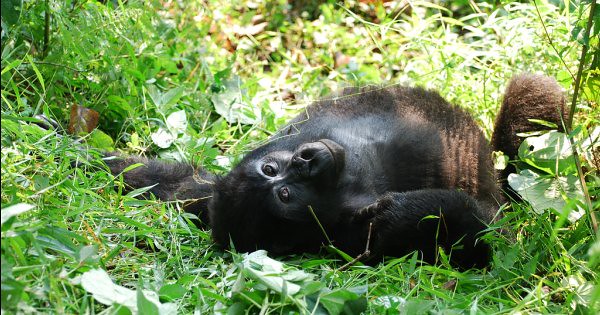
Gorilla Trekking in Bwindi Impenetrable Forest
Gorilla Trekking in Bwindi Impenetrable Forest
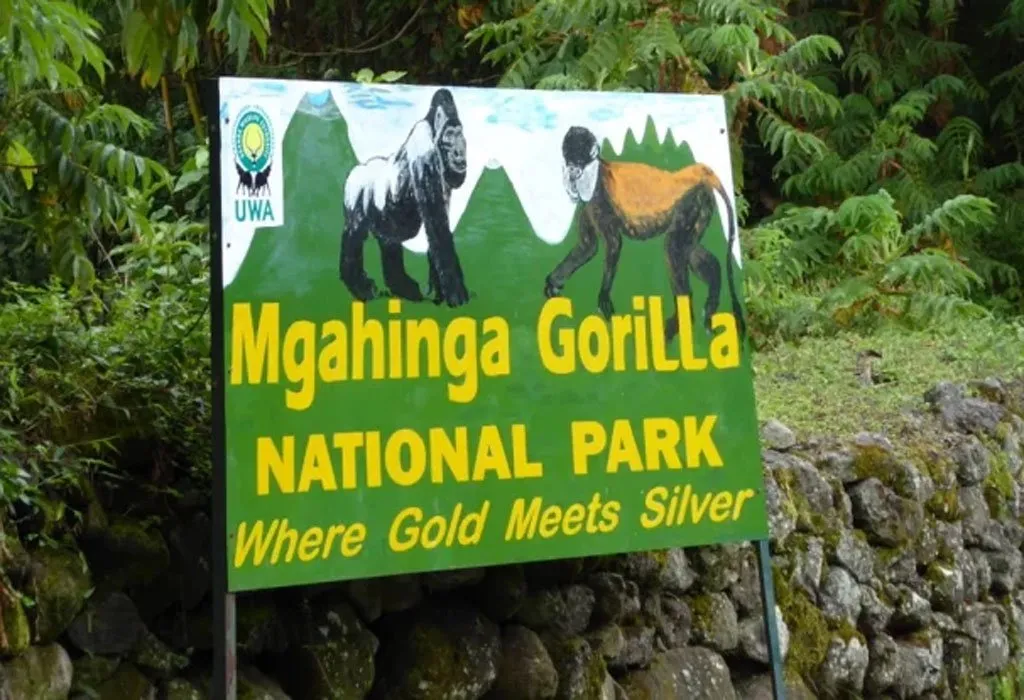
Trekking Gorillas in Mgahinga National Park
Trekking Gorillas in Mgahinga National Park
Uganda Gorilla Trekking Permits – Prices, Booking, & Travel Tips
Uganda Gorilla Trekking Permits – Prices, Booking, & Travel Tips

What to Pack for Gorilla Trekking in Uganda – Expert Checklist
What to Pack for Gorilla Trekking in Uganda – Expert Checklist
Best Time to Go Gorilla Trekking in Uganda – Weather & Seasons
Best Time to Go Gorilla Trekking in Uganda – Weather & Seasons
Gorilla Trekking Difficulty in Uganda – Fitness & Trail Guide
Gorilla Trekking Difficulty in Uganda – Fitness & Trail Guide
Gorilla Trekking Rules in Uganda – Safety, Respect & Ethics
Gorilla Trekking Rules in Uganda – Safety, Respect & Ethics
Gorilla Conservation in Uganda – Protecting the Mountain Giants
Gorilla Conservation in Uganda – Protecting the Mountain Giants

Bwindi vs. Mgahinga – Which One to Choose For Gorilla Trekking?
Bwindi vs. Mgahinga – Which One to Choose For Gorilla Trekking?
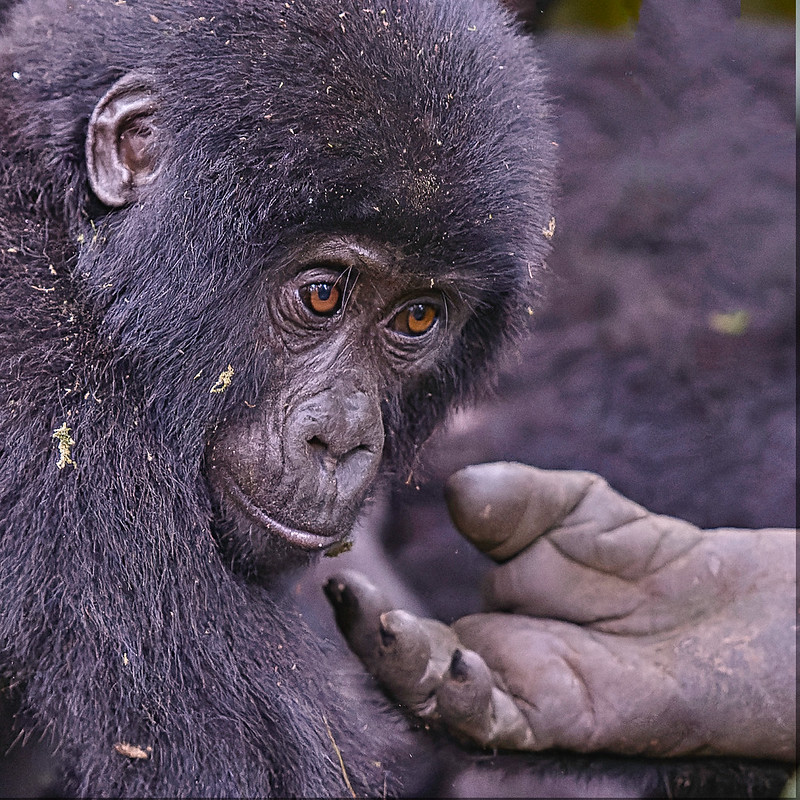
How to Stay Safe and Healthy While Traveling in Uganda
How to Stay Safe and Healthy While Traveling in Uganda
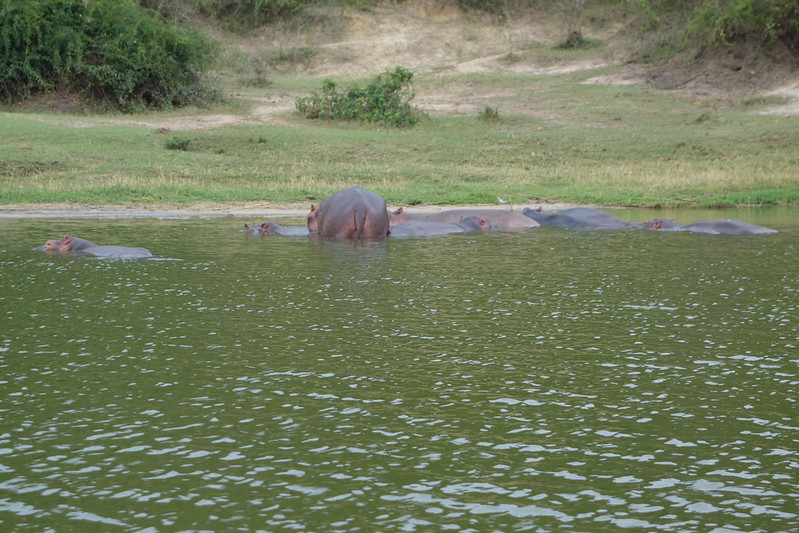
Routes, Tips & Travel Wisdom for Getting to Bwindi or Mgahinga
Routes, Tips & Travel Wisdom for Getting to Bwindi or Mgahinga

Accommodation Options: Lodges & Camps in Bwindi and Mgahinga
Accommodation Options: Lodges & Camps in Bwindi and Mgahinga
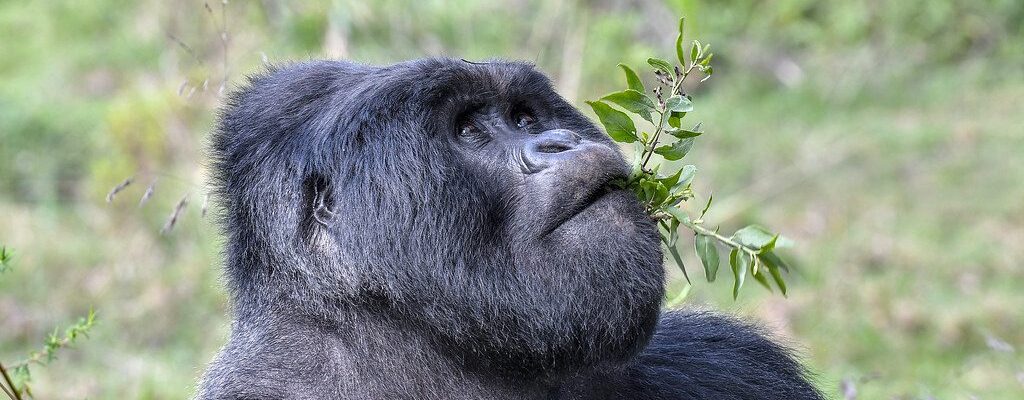
Protecting What You Came to See: Gorilla Conservation & Ethics
Protecting What You Came to See: Gorilla Conservation & Ethics
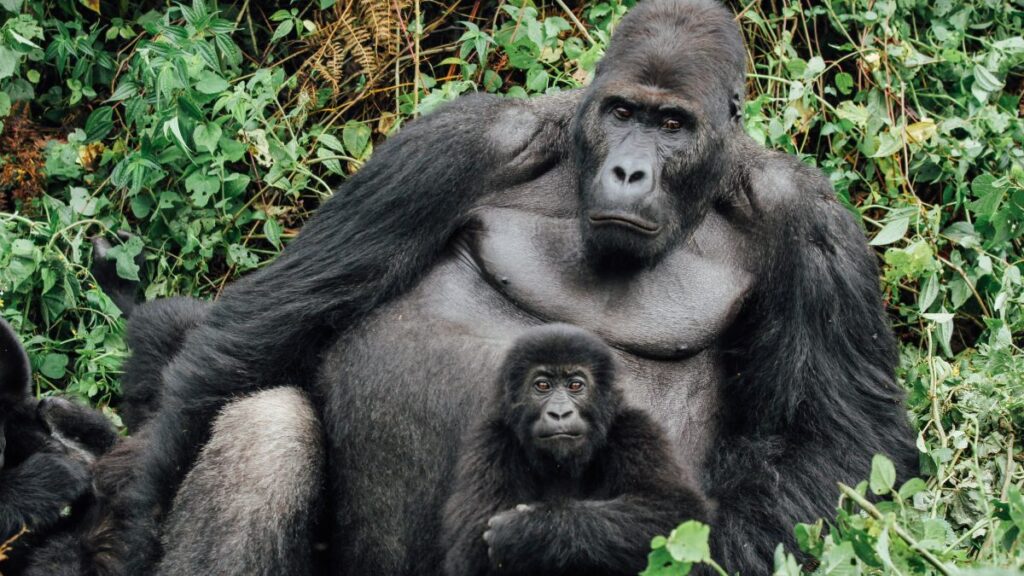
Travel Insurance for Gorilla Treks: Before You Go
Travel Insurance for Gorilla Treks: Before You Go
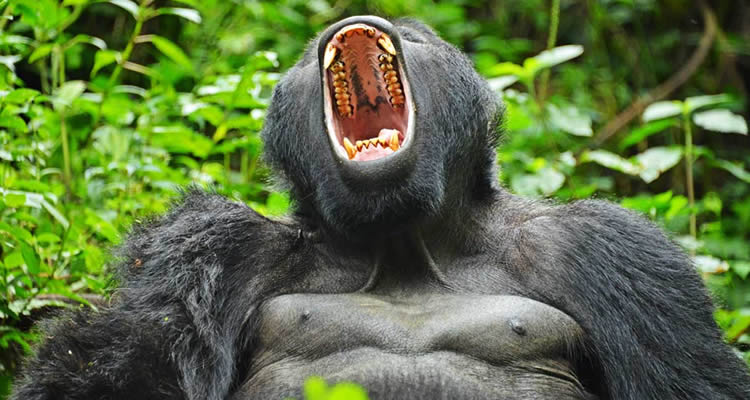
First Time Gorilla Trekking? Here’s Everything I Wish I Knew
First Time Gorilla Trekking? Here’s Everything I Wish I Knew
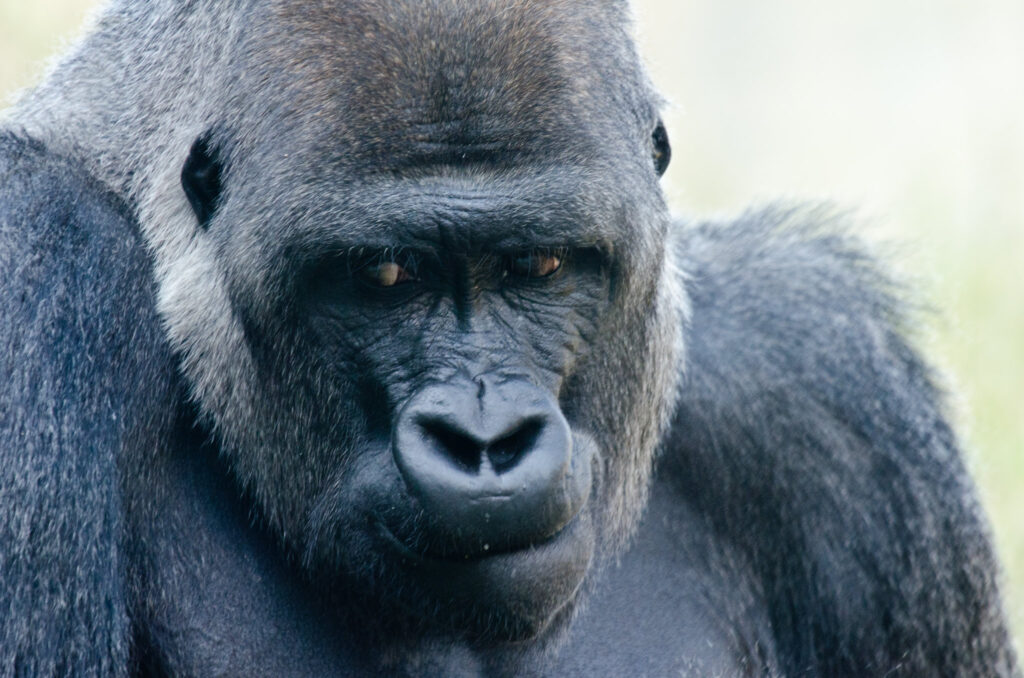
Step by Step: What Happens During a Gorilla Trekking Day
Step by Step: What Happens During a Gorilla Trekking Day
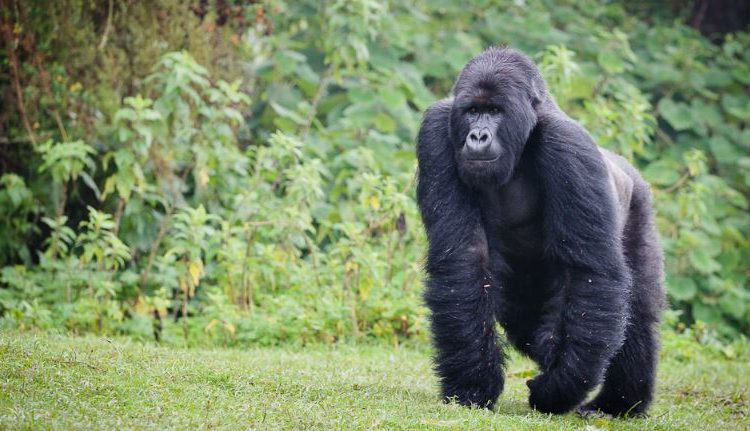
Gorilla Trekking vs. Gorilla Tracking – What’s the Real Difference?
Gorilla Trekking vs. Gorilla Tracking – What’s the Real Difference?
Beyond Gorillas: Other Wildlife You Can See During Your Trek
Beyond Gorillas: Other Wildlife You Can See During Your Trek
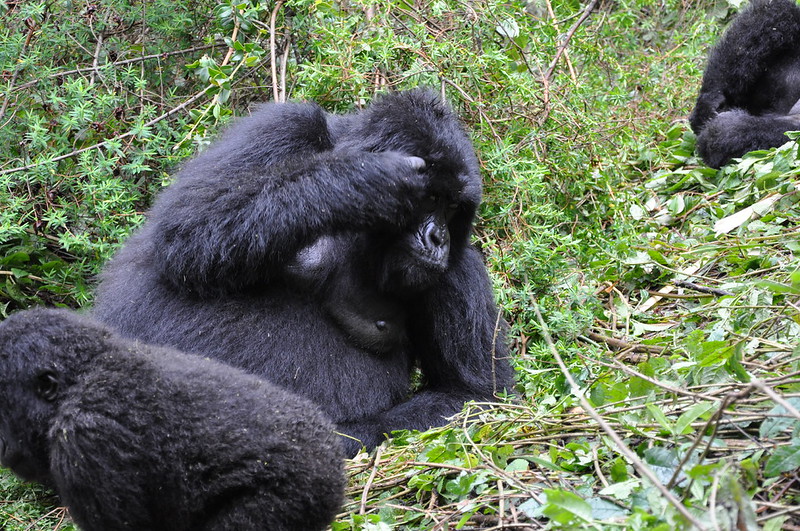
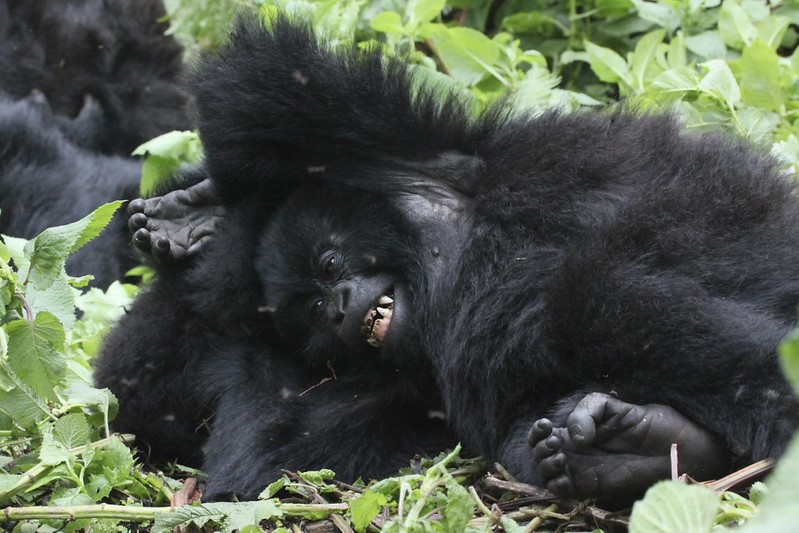
In the Realm of Giants – Bwindi & Mgahinga in Frames.
Wander through an elegant gallery capturing Uganda’s most exclusive gorilla sanctuaries, where ancient forests cradle the last mountain gorillas in a world of mist, mystery, and majesty.
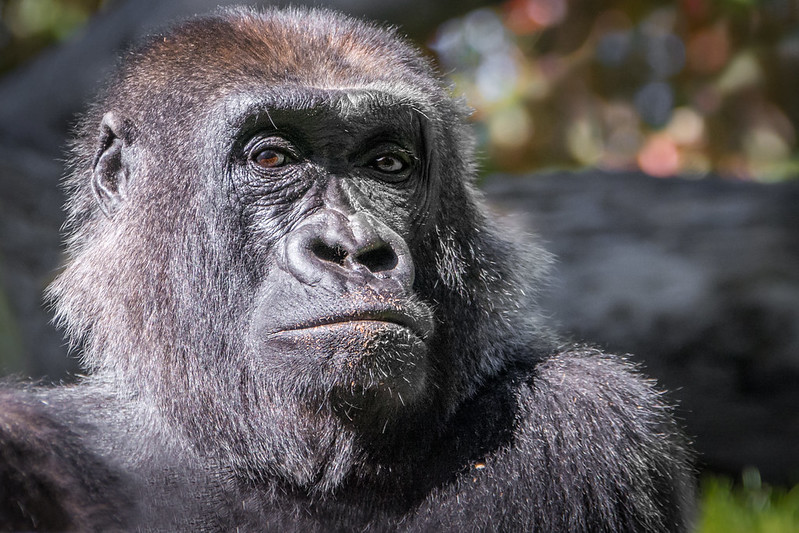
Essential Planning Tips for Visiting Uganda’s National Parks.
Get ready for the wild heart of Africa with expert travel tips on when to visit, what to pack, where to go, and how to make the most of your safari across Uganda’s breathtaking national parks.
Why Uganda for Gorilla Trekking?
Uganda is not just a destination — it's the very soul of gorilla trekking. With over half of the world’s remaining mountain gorillas calling its misty forests home, Uganda offers the rarest encounters in their most authentic setting. Here, your journey is not rushed or crowded. Instead, you’re guided by experienced rangers through pristine jungles where gorillas live as they always have — wild, free, and magnificent
From insider travel insights to unforgettable trekking guides, our blog is your trusted path into Uganda’s wild heart — connecting you with mountain gorillas, breathtaking landscapes, and the soul-stirring adventures that make this land unlike any other.