

Where the soul of the forest whispers in the mist
Queen Elizabeth National Park, situated in western Uganda along the Albertine Rift Valley, is one of the country’s most celebrated and ecologically diverse protected areas. Established in 1952 and later renamed in honor of Queen Elizabeth II’s visit, the park is renowned for its dramatic landscapes, vast wildlife populations, and remarkable ecological variety. It stretches from the Rwenzori foothills in the north to the Ishasha plains in the south, encompassing savannahs, wetlands, crater lakes, forests, and river systems. This rich tapestry of habitats makes the park a focal point for conservation, research, and tourism in East Africa.
The park is internationally recognized for its tree-climbing lions, extensive elephant and buffalo herds, prolific birdlife, and the Kazinga Channel, a natural waterway connecting Lake Edward and Lake George. Beyond its wildlife attractions, Queen Elizabeth National Park plays a pivotal role in ecological research, community-based tourism, and sustainable development initiatives. Its accessibility, combined with diverse ecosystems, has established the park as a flagship destination for Uganda’s tourism industry and a model for integrated conservation management.
So lace up your boots, grab your camera, and prepare to meet the wild — this is where your gorilla trekking dreams and unforgettable safari adventures truly begin.
Truly Iconic Highlights in Uganda

Trek through Bwindi’s mystical rainforest and meet the endangered mountain gorillas in their breathtaking natural home.
Encounter mountain gorillas and golden monkeys on Mgahinga’s misty volcanic trails, where culture and alpine wildlife thrive together.
Unwind after your trek with a peaceful canoe ride across Lake Bunyonyi, Uganda’s most tranquil and scenic highland lake.
Enhance your gorilla trekking safari with an optional chimpanzee encounter in Uganda’s lush forests, adding depth and diversity to your primate adventure
Gorilla Trekking Tours in Uganda – Our Most Popular Itineraries.
Explore our gorilla trekking safaris for every traveler—solo, family, budget, or luxury. All tours include permits, transport, accommodation, meals, and park fees. Whether for a quick trip or a deeper adventure, we’ve got you covered.
3-Day Bwindi Gorilla Trekking Safari
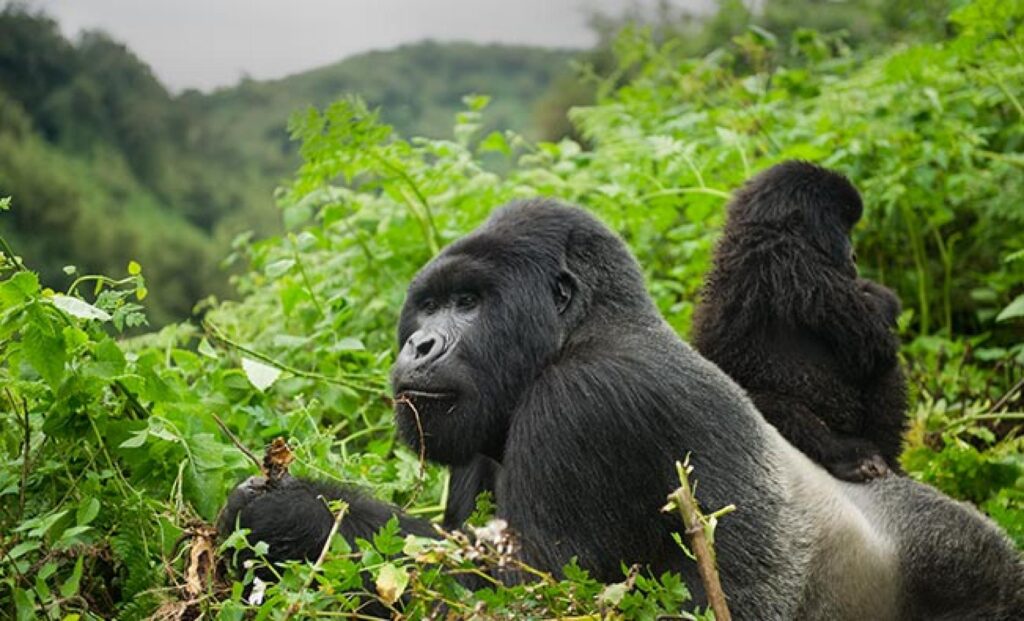
3-Day Bwindi Gorilla Trekking Safari
4-Day Uganda Gorilla Trekking Safari
4-Day Uganda Gorilla Trekking Safari
5-Day Gorilla Tracking and Wildlife Safari
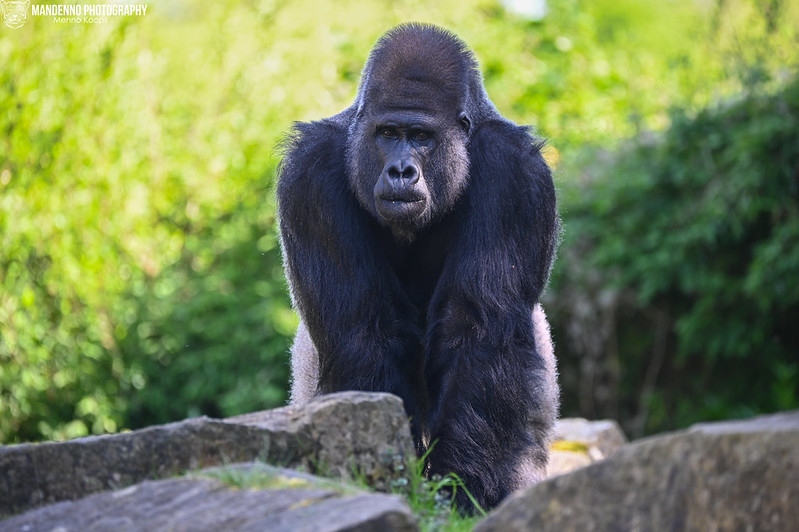
5-Day Gorilla Tracking and Wildlife Safari
7-Day Uganda Primate Adventure & Wildlife Safari
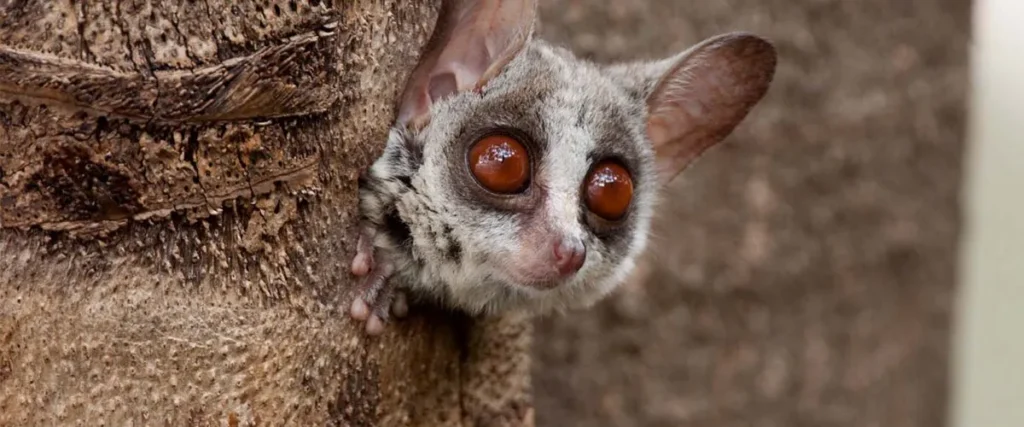
7-Day Uganda Primate Adventure & Wildlife Safari
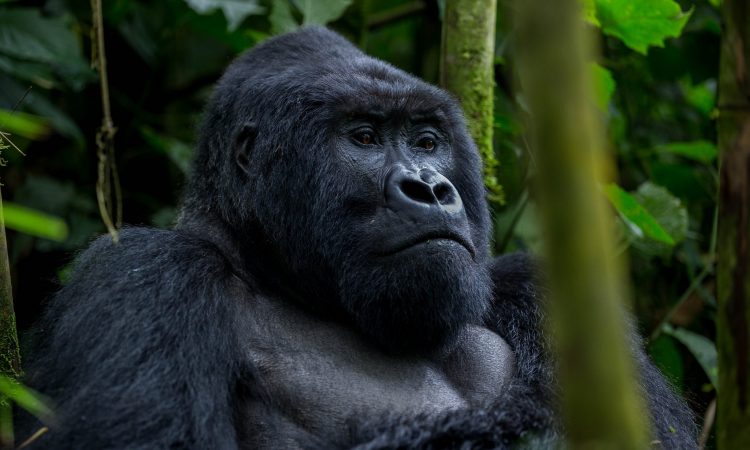
10-Day Gorilla Trekking & Big Five Safari in Uganda
10-Day Gorilla Trekking & Big Five Safari in Uganda
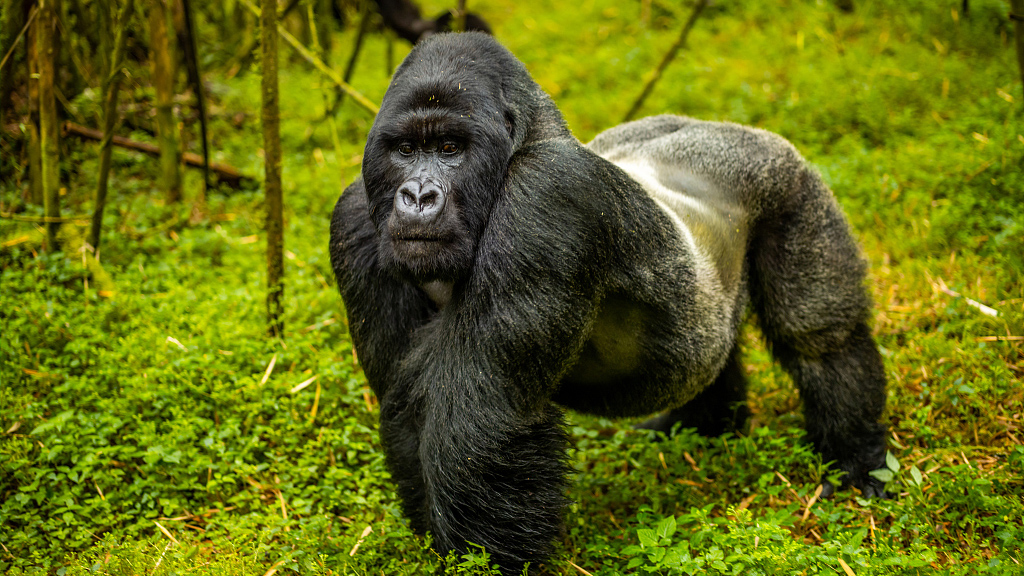
12-Day Uganda Gorilla Trekking, Chimp Tracking & Cultural Safari
12-Day Uganda Gorilla Trekking, Chimp Tracking & Cultural Safari
14-Day Best of Uganda Safari – Gorillas, Wildlife, Cultures
14-Day Best of Uganda Safari – Gorillas, Wildlife, Cultures
A DETAILED STUDY OF QUEEN ELIZABETH NATIONAL PARK
Geographical Location and Landscape
Queen Elizabeth National Park occupies an area of approximately 1,978 square kilometers within the western branch of the East African Rift System. The park’s landscape has been shaped by ancient volcanic activity, resulting in a mixture of fertile plains, volcanic cones, and deep rift valleys. Lake Edward borders the park to the west, while Lake George lies to the northeast, with the Kazinga Channel linking the two. This positioning creates a variety of topographical features, from low-lying savannah plains to elevated escarpments, producing diverse ecological zones and striking scenery.The combination of savannahs, acacia woodlands, wetlands, and forested gorges such as Kyambura Gorge provides a range of habitats for numerous species. This variety enables coexistence of large mammals, primates, birds, and aquatic organisms, making Queen Elizabeth National Park one of Uganda’s most biologically rich areas.
Climate and Ecological Conditions
The park experiences a tropical climate moderated by altitude and the presence of lakes. Average temperatures range between 18°C and 30°C, with cooler conditions near crater lakes, forested areas, and escarpments. Rainfall is seasonal, occurring primarily from March to May and September to November, and supports lush vegetation, wetland maintenance, and high primary productivity across the park. These climatic patterns influence wildlife behavior, including migration, feeding, and breeding cycles. Rainfall also determines vegetation growth and water availability, affecting both terrestrial and aquatic ecosystems. Ecological monitoring and adaptive management are essential to maintain balance within these dynamic systems.
Wildlife Diversity and Mammal Populations
Queen Elizabeth National Park hosts over 95 mammal species, making it one of Uganda’s richest wildlife areas. Large herbivores include African elephants, Cape buffalo, Uganda kob, topi, and waterbuck. Carnivores such as lions, leopards, spotted hyenas, and side-striped jackals play critical roles in maintaining ecological equilibrium.The Ishasha sector is world-famous for tree-climbing lions, which rest in acacia and fig trees to avoid heat and biting insects. This unique behavior has made Ishasha an international wildlife attraction, offering visitors exceptional safari experiences.
Birdlife and Avian Significance
With over 600 recorded bird species, Queen Elizabeth National Park is a prime destination for birdwatchers. Wetlands, lakeshores, forests, and savannahs support a mix of resident and migratory birds, including the African skimmer, shoebill, flamingos, saddle-billed stork, martial eagle, and papyrus gonolek.Birdlife is especially abundant along the Kazinga Channel and in wetlands surrounding Lake George. The park lies within the Albertine Rift Endemic Bird Area, underscoring its significance for avian conservation and attracting researchers and enthusiasts globally.
The Kazinga Channel Ecosystem
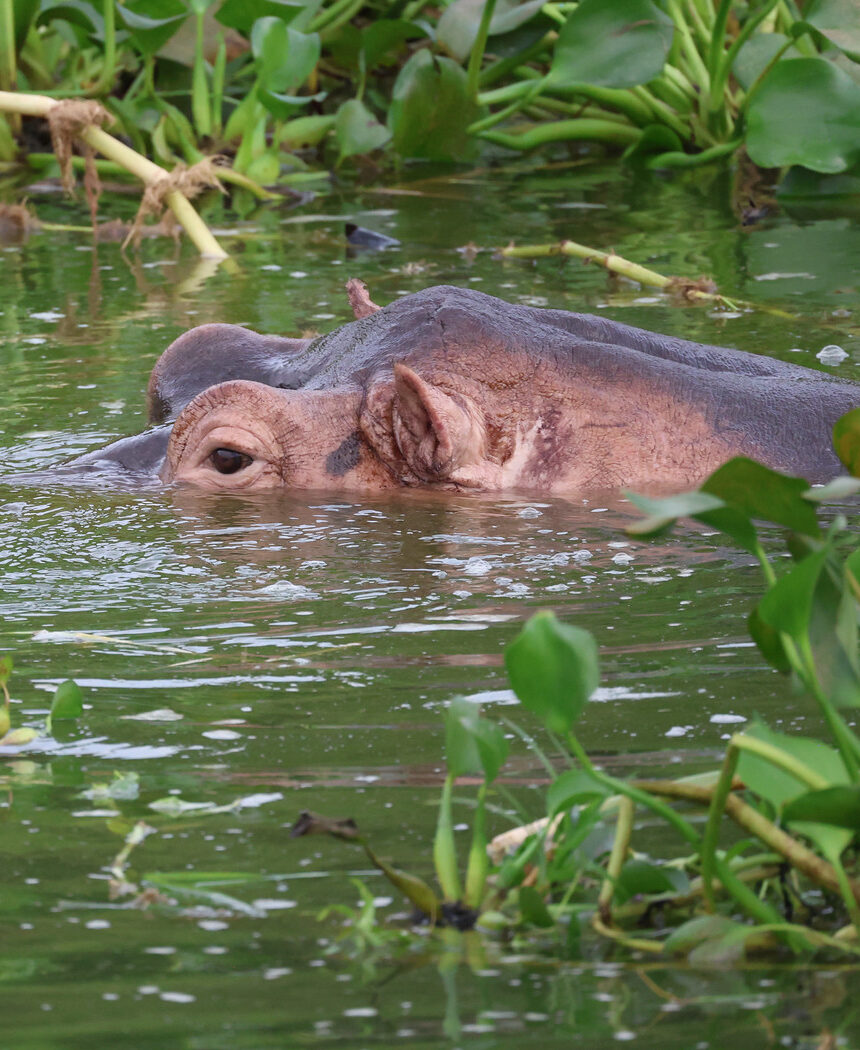
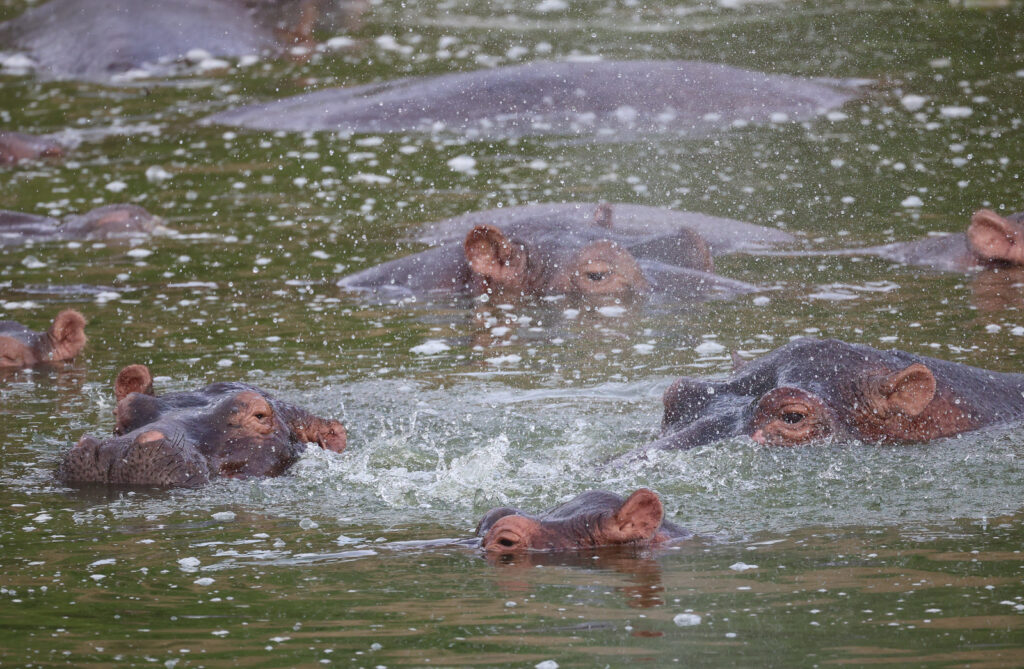
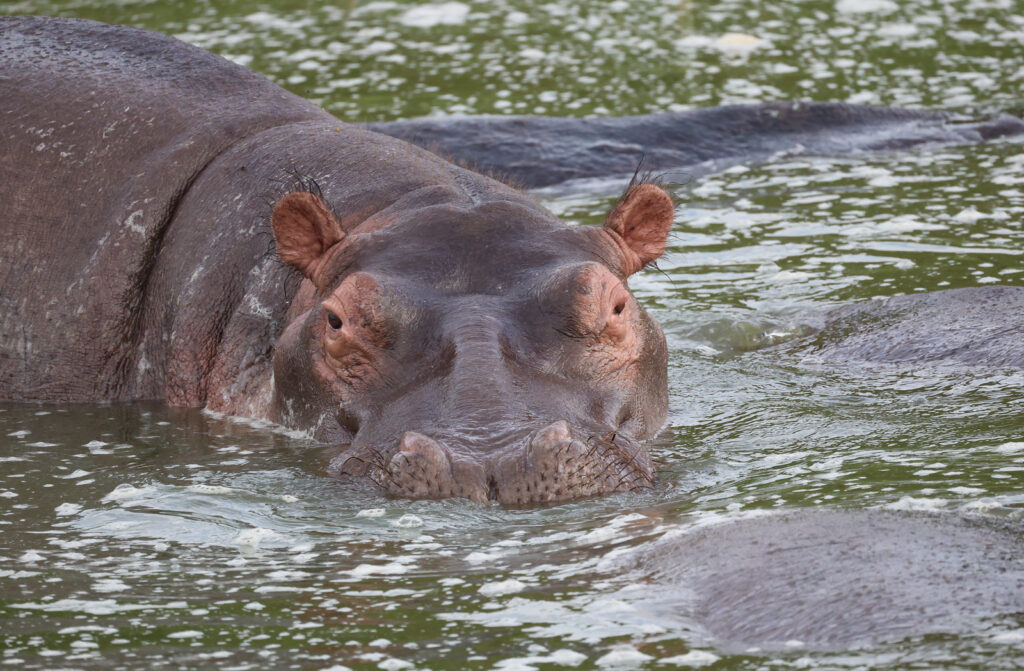
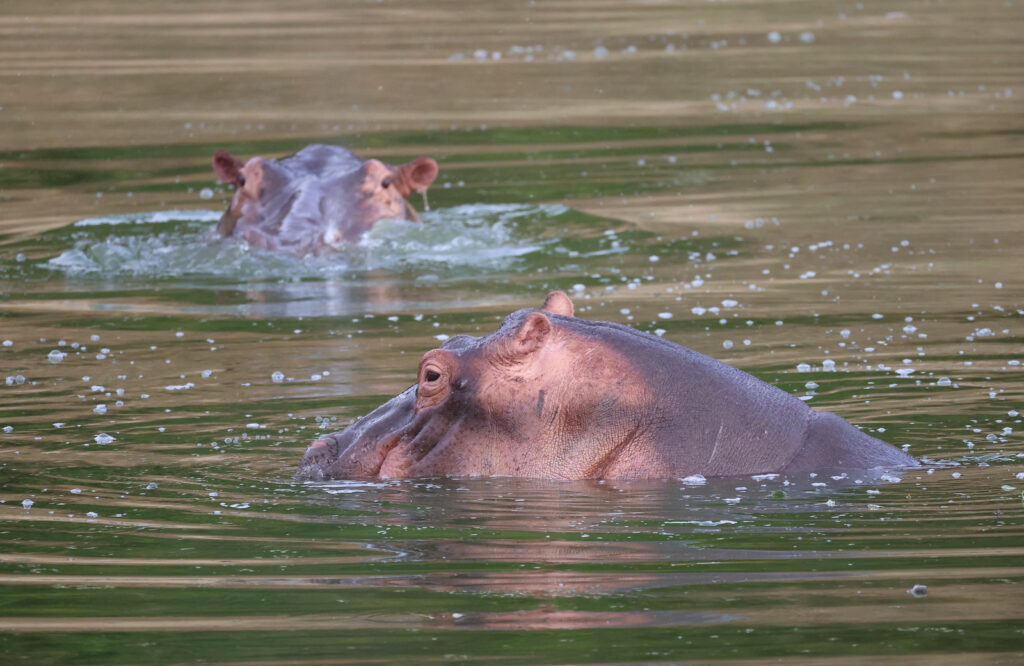
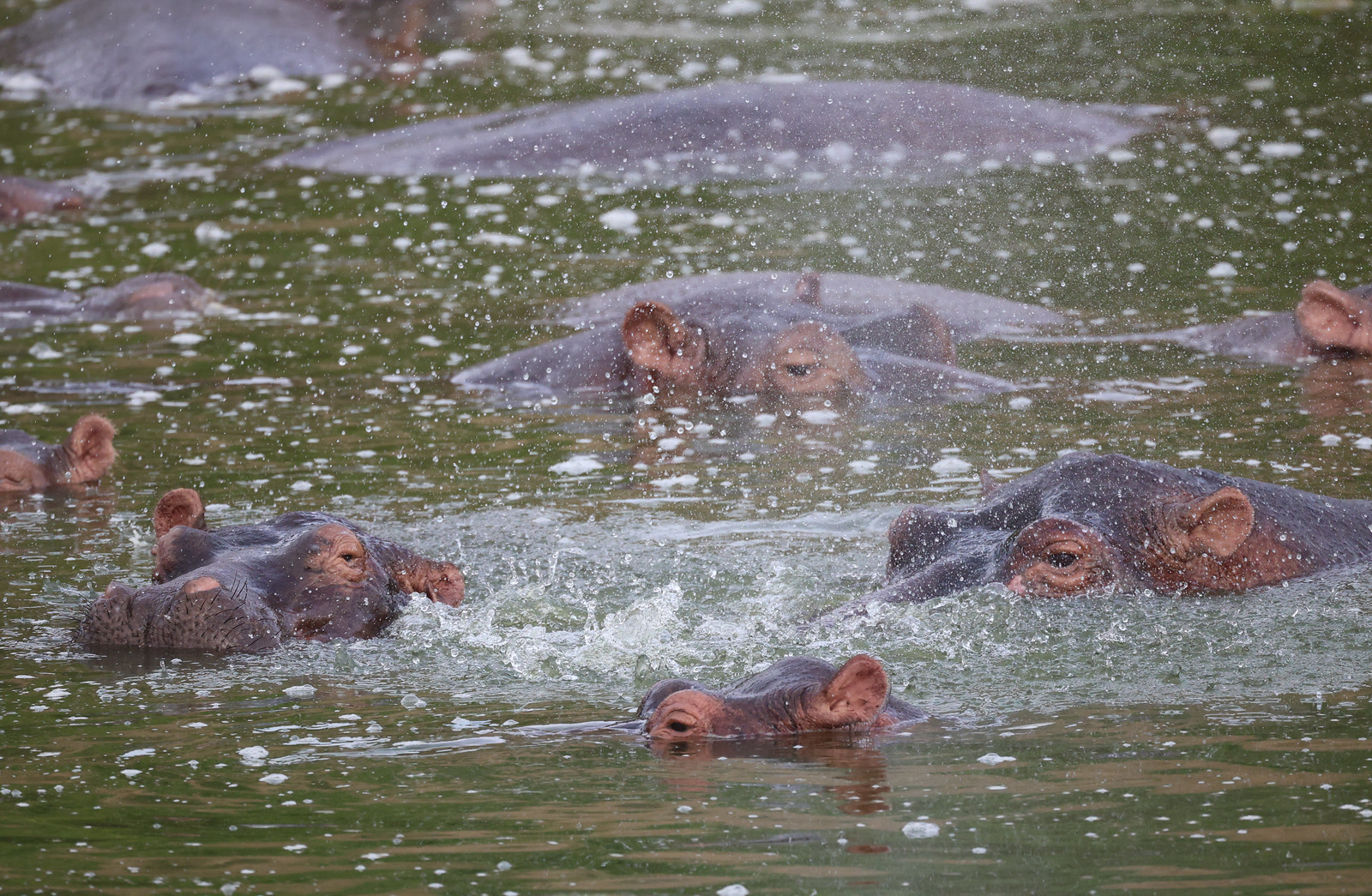
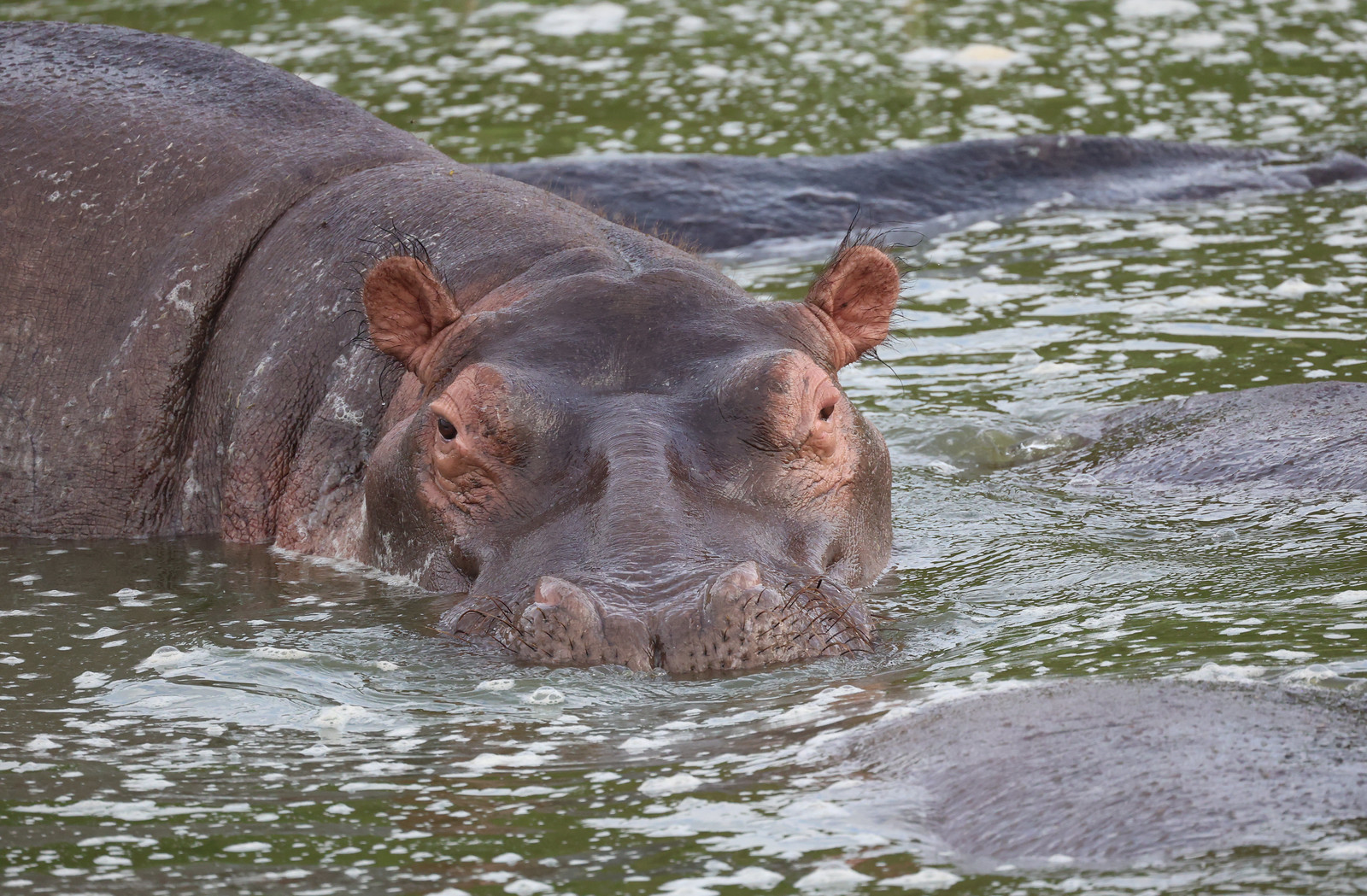
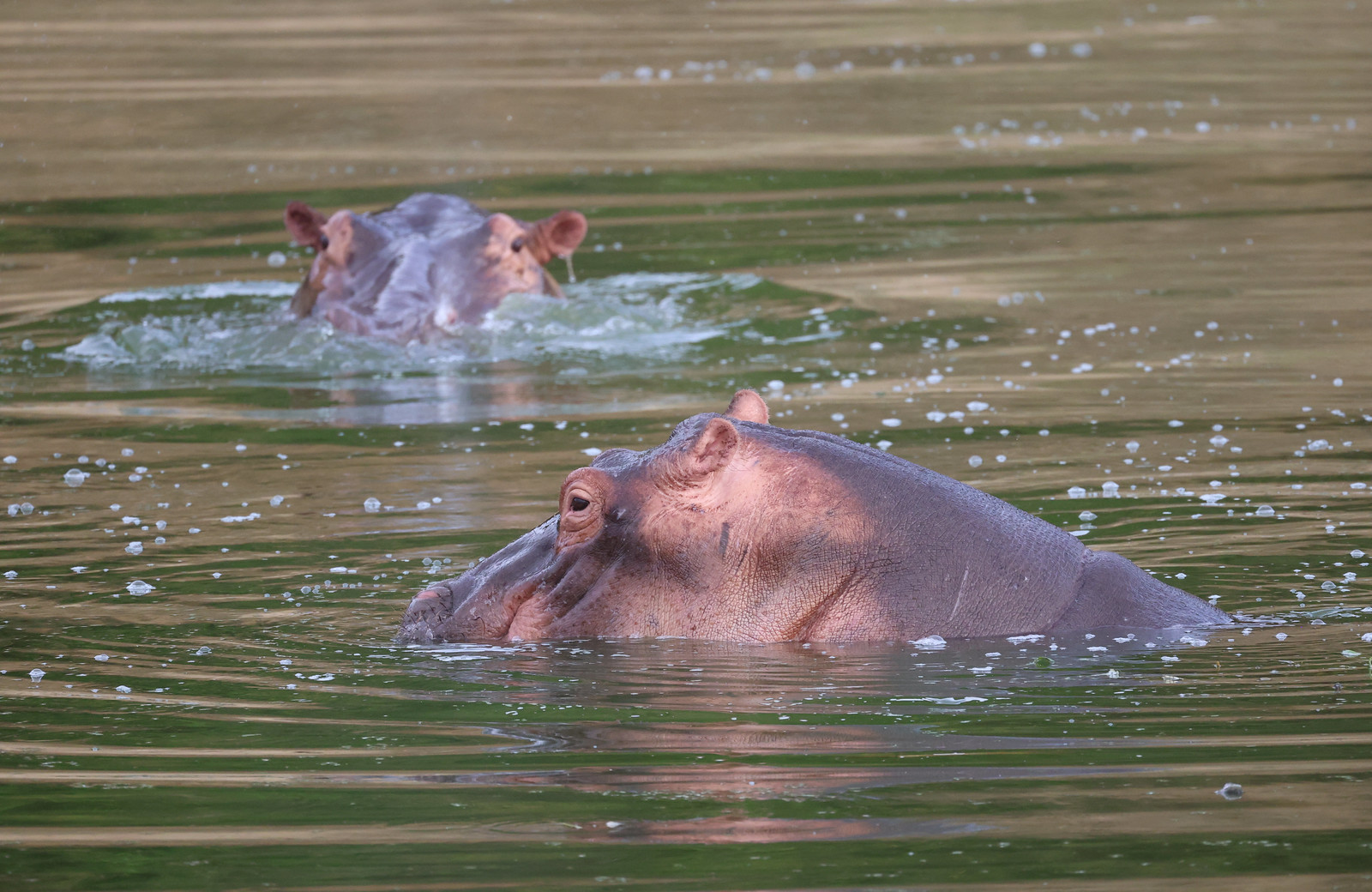
The Kazinga Channel, approximately 32 kilometers long, connects Lake George to Lake Edward and supports dense populations of hippos, Nile crocodiles, elephants, and diverse waterfowl. This channel is vital for water regulation, nutrient transfer, and sustaining aquatic and terrestrial species.During the dry season, the Kazinga Channel acts as a wildlife magnet, attracting animals from across the park. Its ecological health is monitored closely to maintain biodiversity and ensure sustainable tourism and research activities.
Vegetation Zones and Habitats
Queen Elizabeth National Park features a mosaic of vegetation types driven by altitude, soils, and water availability. Central savannahs support grazing herbivores and predators, while acacia woodlands provide shelter and forage. Wetlands and papyrus swamps serve as breeding grounds for birds and aquatic species. Forested areas like Maramagambo Forest and Kyambura Gorge host primates, including chimpanzees, and support rich plant diversity adapted to shaded, moist conditions. This ecological variety contributes to the park’s resilience and sustains biodiversity year-round.
Human History and Community Interaction
The park region has long been inhabited by farming and pastoral communities. Establishing Queen Elizabeth National Park required careful integration of conservation objectives with community livelihoods. Collaborative management strategies now incorporate resource access agreements, conservation education programs, and community-based tourism initiatives.These strategies help mitigate human-wildlife conflicts, promote sustainable land use, and ensure that local communities benefit economically from conservation and tourism.
Tourism and Visitor Experience
Queen Elizabeth National Park offers diverse tourism opportunities, including game drives, Kazinga Channel boat safaris, chimpanzee tracking in Kyambura Gorge, birdwatching, and guided nature walks. Visitors experience a variety of landscapes, from open plains to crater lakes and forested gorges, enhancing appreciation for ecological and cultural diversity.Professional guides interpret animal behavior, ecological interactions, and conservation challenges, ensuring an enriching and informative visitor experience.
Conservation Importance and Ongoing Research
The park is a critical stronghold within the Albertine Rift, safeguarding endangered species, regulating water systems, storing carbon, and preserving soil quality. Research focuses on wildlife monitoring, climate impact assessment, disease surveillance, and habitat restoration.Queen Elizabeth National Park also functions as a training and research hub, demonstrating how conservation, scientific inquiry, and community development can be integrated effectively.
Regional and Global Significance
Queen Elizabeth National Park holds ecological and socio-economic importance at both regional and global levels. It preserves Albertine Rift biodiversity, contributes to Uganda’s tourism economy, and serves as a model for sustainable protected area management. The park illustrates how conservation can balance ecological integrity with community livelihoods and tourism development. Queen Elizabeth National Park represents one of Africa’s most remarkable conservation landscapes. Its wildlife, habitats, cultural context, and conservation efforts make it a central pillar of Uganda’s natural heritage and an essential destination for understanding the complexity of East African ecosystems.
More Gorilla Trekking Information to Know.
Gorilla trekking goes far beyond just the hike — it’s a deep, emotional journey into the heart of Africa’s last wild rainforests. Knowing the right timing, permits, fitness tips, and park details can turn your experience from good to unforgettable.
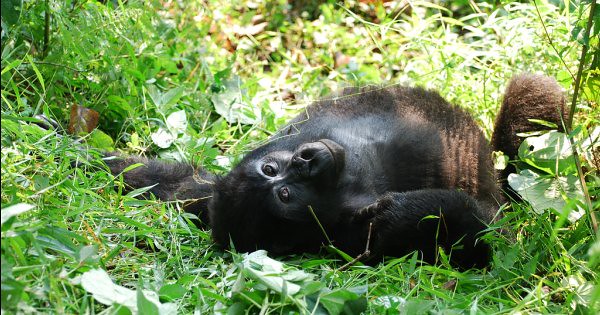
Gorilla Trekking in Bwindi Impenetrable Forest
Gorilla Trekking in Bwindi Impenetrable Forest
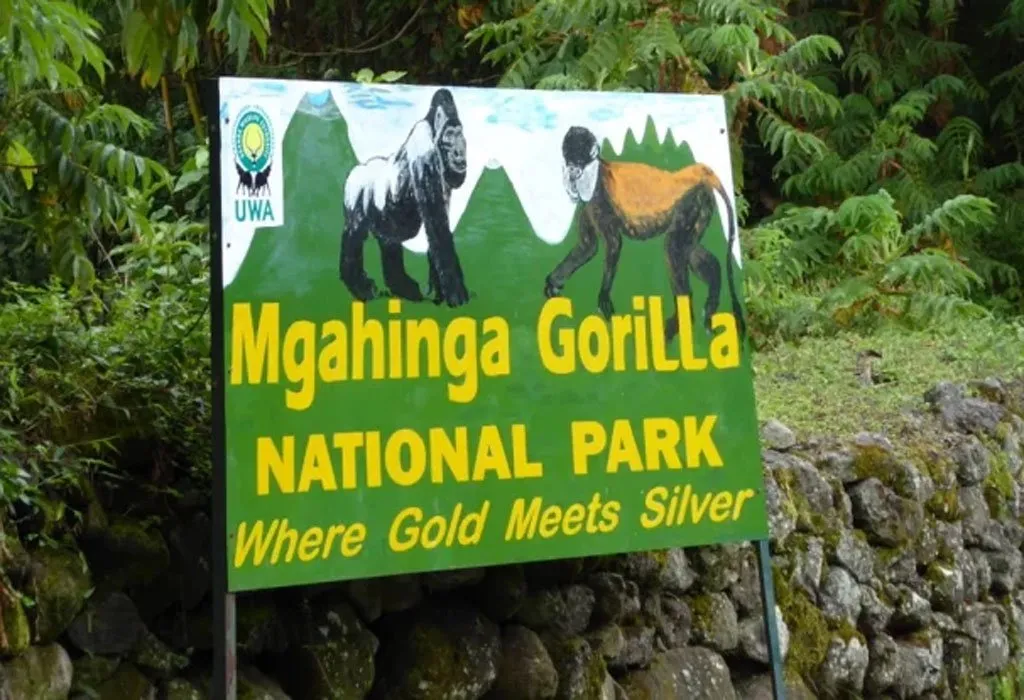
Trekking Gorillas in Mgahinga National Park
Trekking Gorillas in Mgahinga National Park
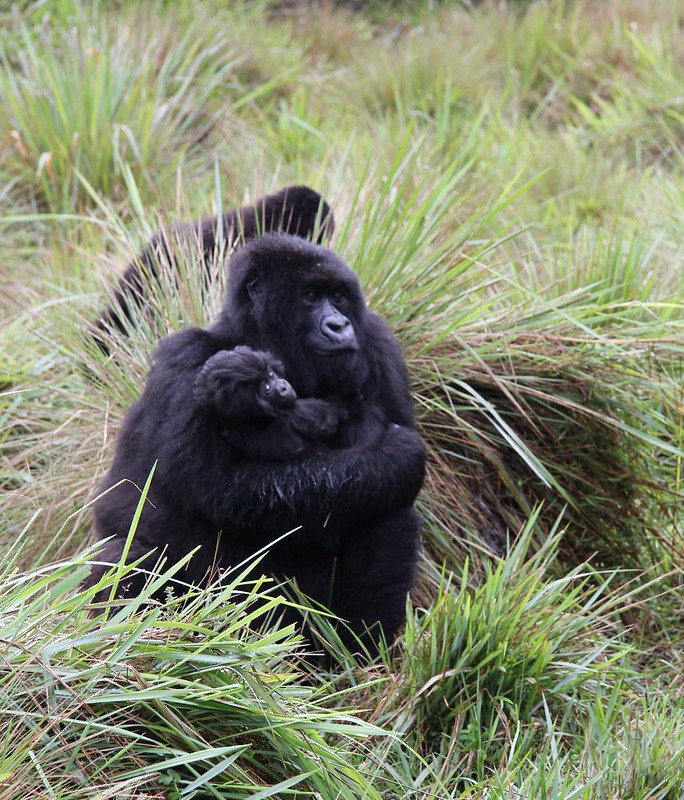
Uganda Gorilla Trekking Permits – Prices, Booking, & Travel Tips
Uganda Gorilla Trekking Permits – Prices, Booking, & Travel Tips

What to Pack for Gorilla Trekking in Uganda – Expert Checklist
What to Pack for Gorilla Trekking in Uganda – Expert Checklist
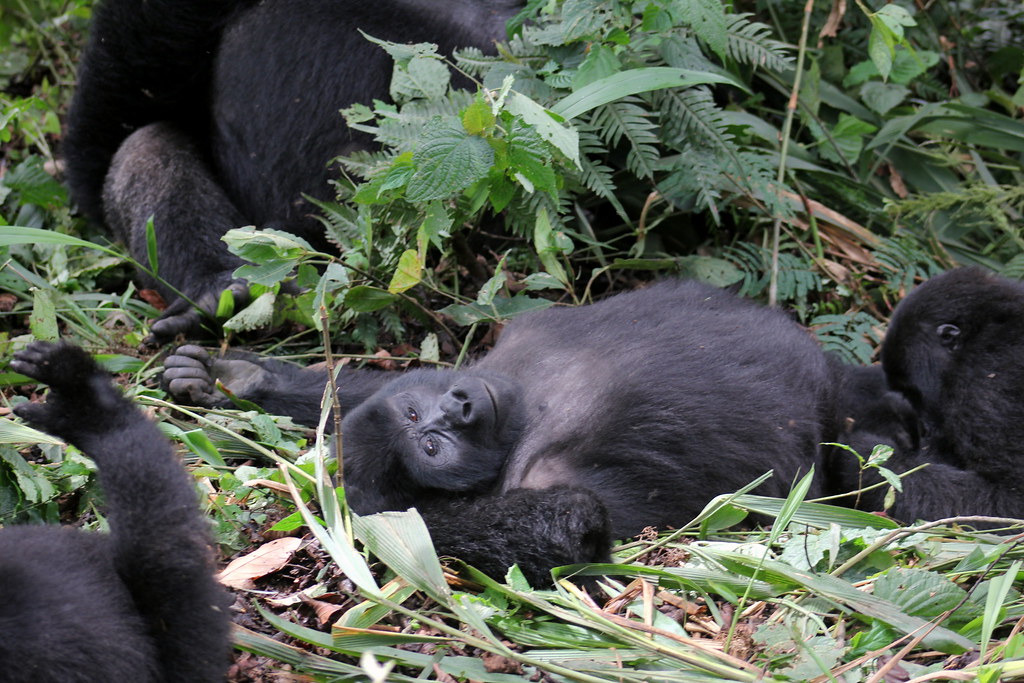
Best Time to Go Gorilla Trekking in Uganda – Weather & Seasons
Best Time to Go Gorilla Trekking in Uganda – Weather & Seasons
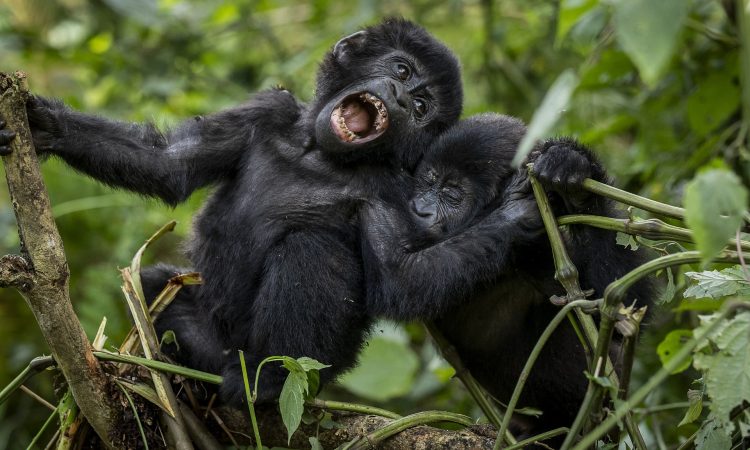
Gorilla Trekking Difficulty in Uganda – Fitness & Trail Guide
Gorilla Trekking Difficulty in Uganda – Fitness & Trail Guide
Gorilla Trekking Rules in Uganda – Safety, Respect & Ethics
Gorilla Trekking Rules in Uganda – Safety, Respect & Ethics
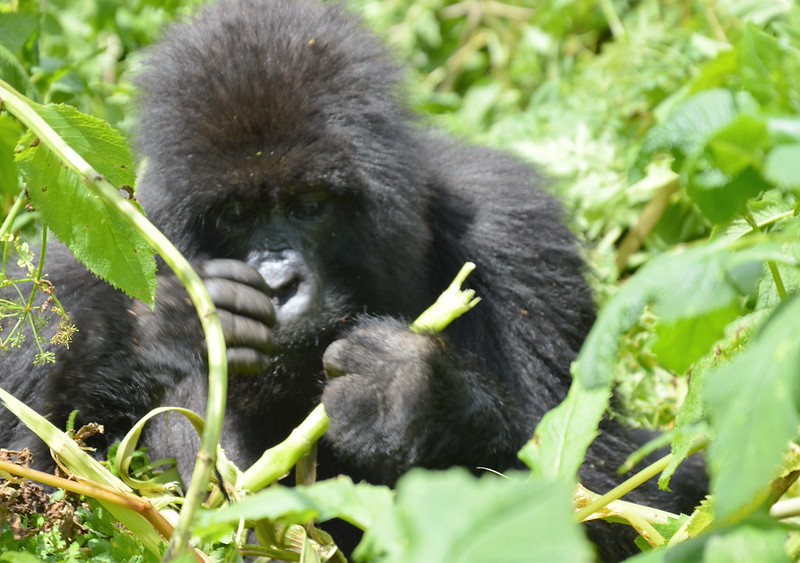
Gorilla Conservation in Uganda – Protecting the Mountain Giants
Gorilla Conservation in Uganda – Protecting the Mountain Giants
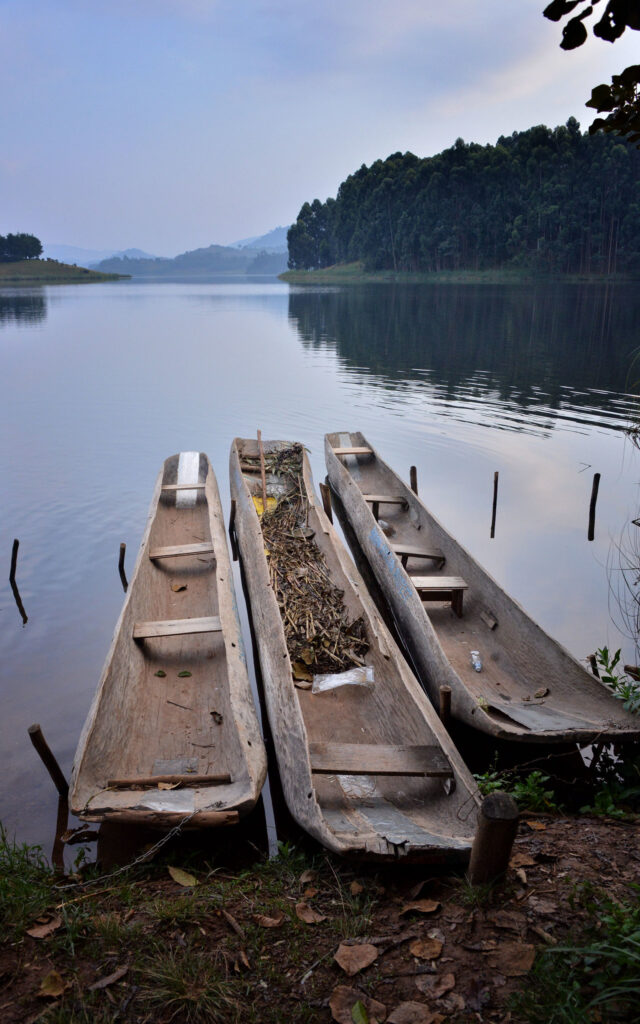
Bwindi vs. Mgahinga – Which One to Choose For Gorilla Trekking?
Bwindi vs. Mgahinga – Which One to Choose For Gorilla Trekking?
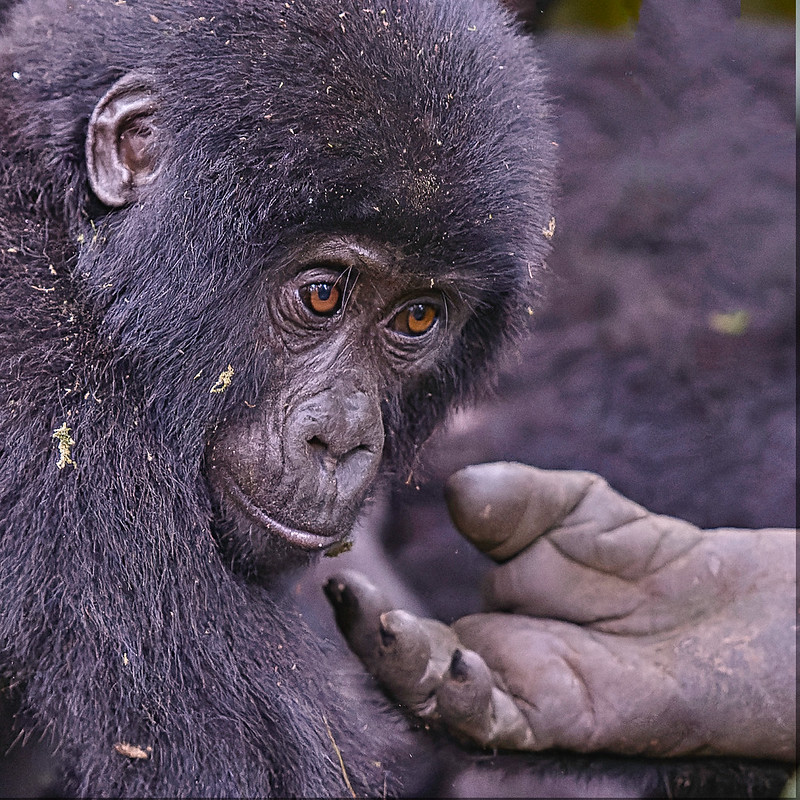
How to Stay Safe and Healthy While Traveling in Uganda
How to Stay Safe and Healthy While Traveling in Uganda
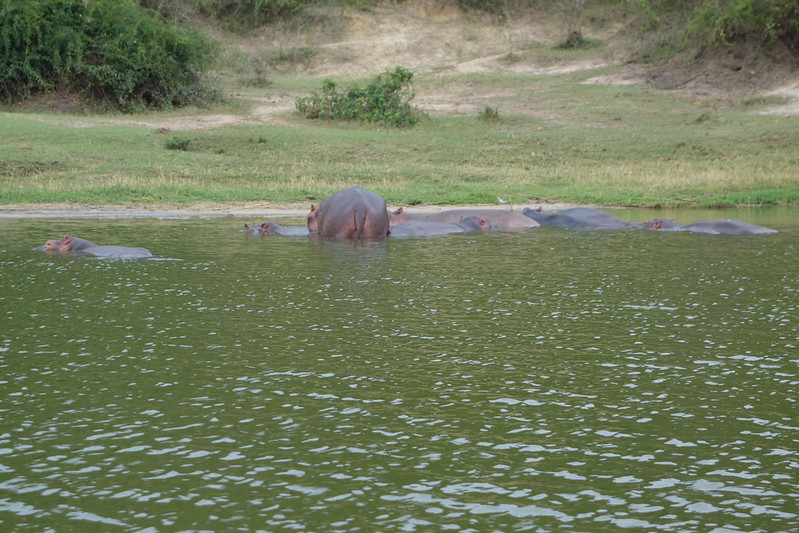
Routes, Tips & Travel Wisdom for Getting to Bwindi or Mgahinga
Routes, Tips & Travel Wisdom for Getting to Bwindi or Mgahinga
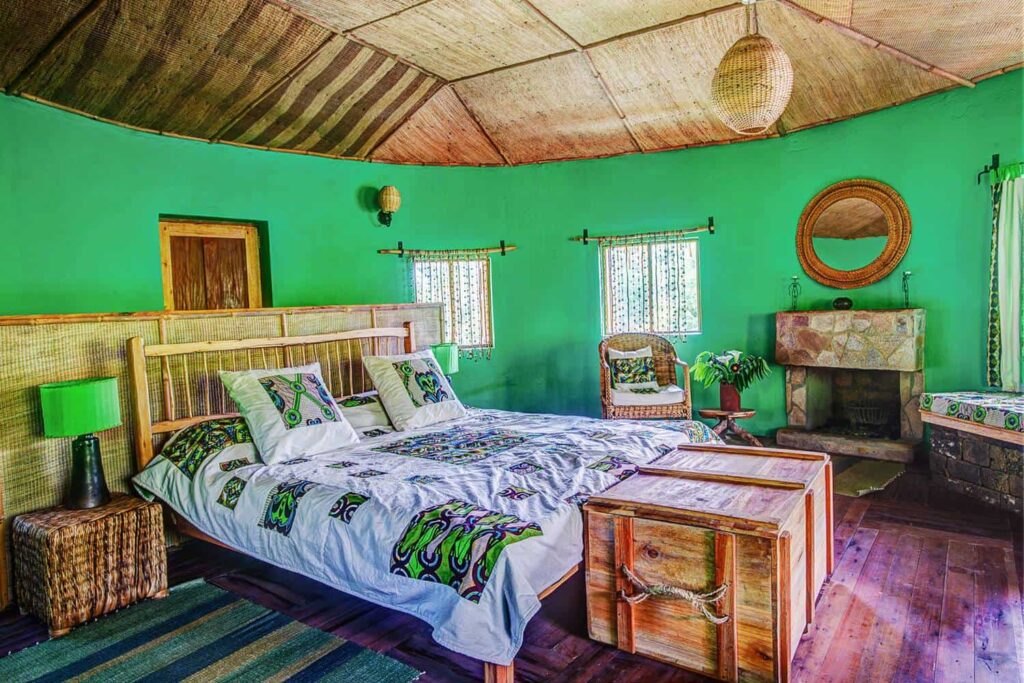
Accommodation Options: Lodges & Camps in Bwindi and Mgahinga
Accommodation Options: Lodges & Camps in Bwindi and Mgahinga
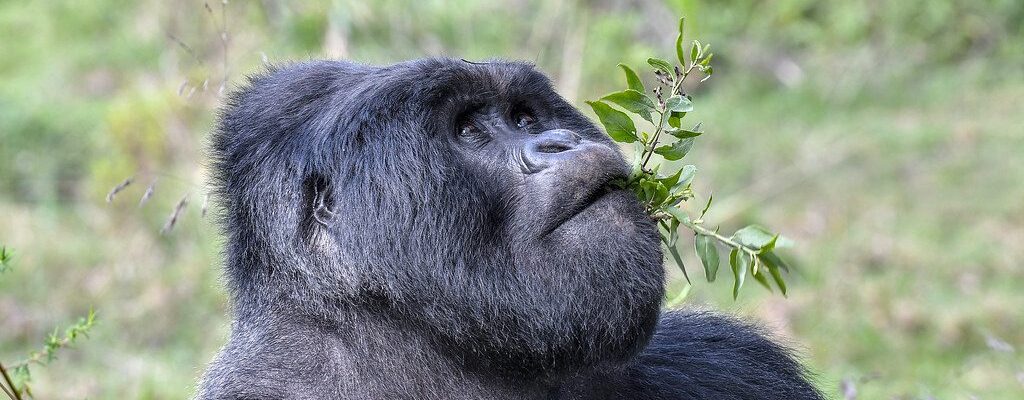
Protecting What You Came to See: Gorilla Conservation & Ethics
Protecting What You Came to See: Gorilla Conservation & Ethics
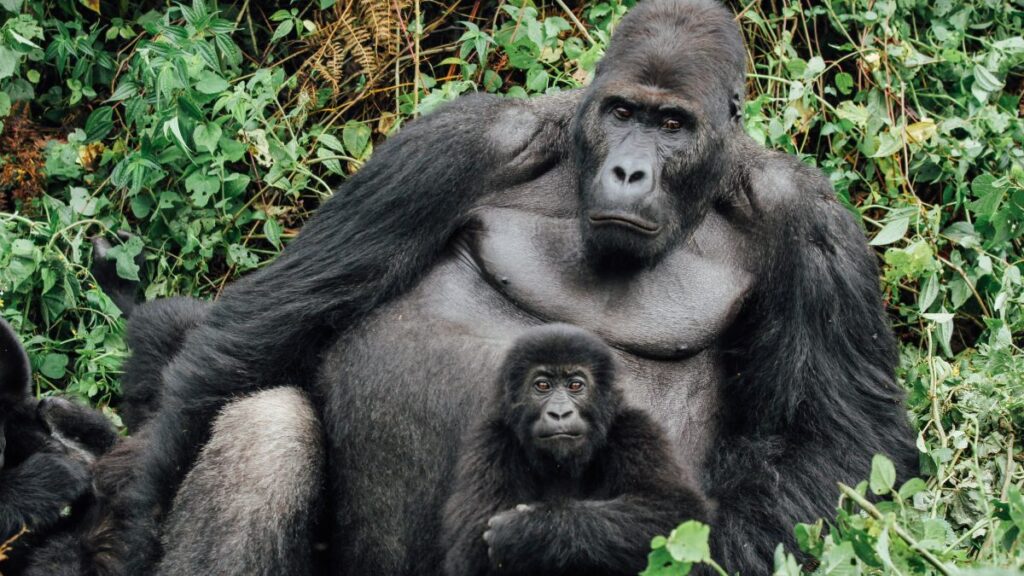
Travel Insurance for Gorilla Treks: Before You Go
Travel Insurance for Gorilla Treks: Before You Go
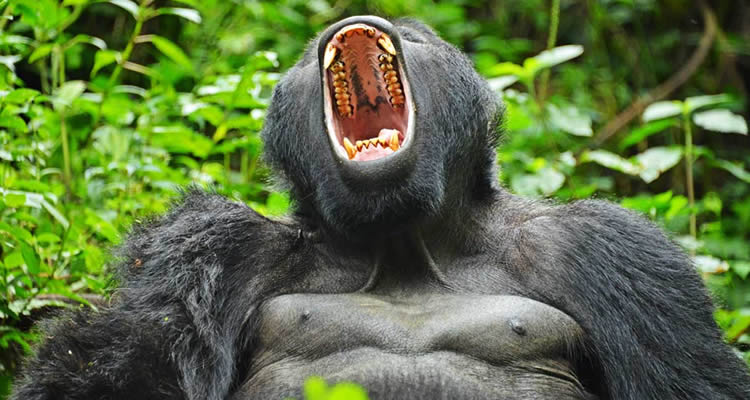
First Time Gorilla Trekking? Here’s Everything I Wish I Knew
First Time Gorilla Trekking? Here’s Everything I Wish I Knew
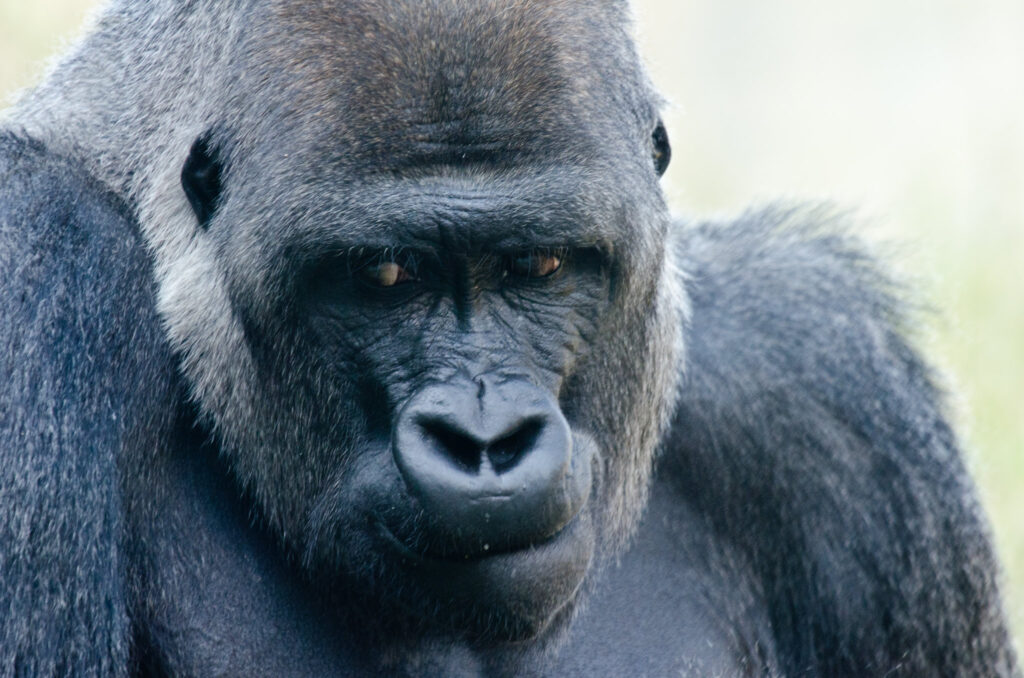
Step by Step: What Happens During a Gorilla Trekking Day
Step by Step: What Happens During a Gorilla Trekking Day
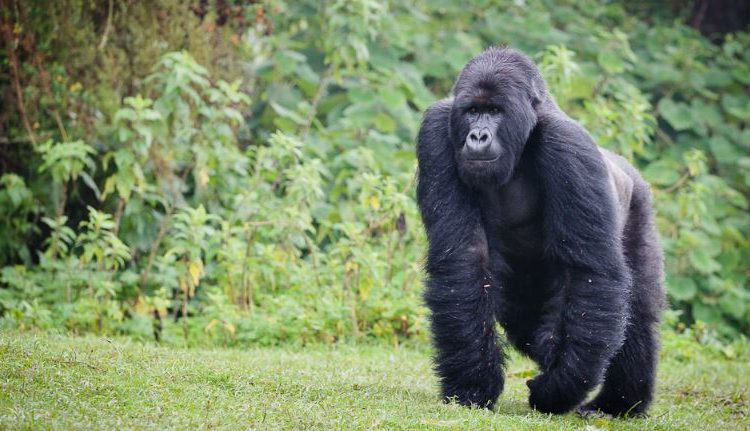
Gorilla Trekking vs. Gorilla Tracking – What’s the Real Difference?
Gorilla Trekking vs. Gorilla Tracking – What’s the Real Difference?
Beyond Gorillas: Other Wildlife You Can See During Your Trek
Beyond Gorillas: Other Wildlife You Can See During Your Trek
In the Realm of Giants – Bwindi & Mgahinga in Frames.
Wander through an elegant gallery capturing Uganda’s most exclusive gorilla sanctuaries, where ancient forests cradle the last mountain gorillas in a world of mist, mystery, and majesty.
Essential Planning Tips for Visiting Uganda’s National Parks.
Get ready for the wild heart of Africa with expert travel tips on when to visit, what to pack, where to go, and how to make the most of your safari across Uganda’s breathtaking national parks.
Why Uganda for Gorilla Trekking?
Uganda is not just a destination — it's the very soul of gorilla trekking. With over half of the world’s remaining mountain gorillas calling its misty forests home, Uganda offers the rarest encounters in their most authentic setting. Here, your journey is not rushed or crowded. Instead, you’re guided by experienced rangers through pristine jungles where gorillas live as they always have — wild, free, and magnificent
From insider travel insights to unforgettable trekking guides, our blog is your trusted path into Uganda’s wild heart — connecting you with mountain gorillas, breathtaking landscapes, and the soul-stirring adventures that make this land unlike any other.