TALK TO AN EXPERT +256 716 068 279 WHATSAPP OPEN NOW.
Where the soul of the forest whispers in the mist

KIDEPO VALLEY NATIONAL PARK – UGANDA’S MOST REMOTE AND UNTAMED SAFARI WILDERNESS

Kidepo Valley National Park stands as Uganda’s most isolated and dramatically scenic protected wilderness. Located in the extreme northeastern corner of the country, bordering South Sudan and Kenya, this vast savannah ecosystem offers one of Africa’s last truly wild safari experiences. Its remoteness has preserved both its ecological integrity and its raw authenticity, making it a destination for travelers seeking solitude, rugged landscapes, and rare wildlife encounters.

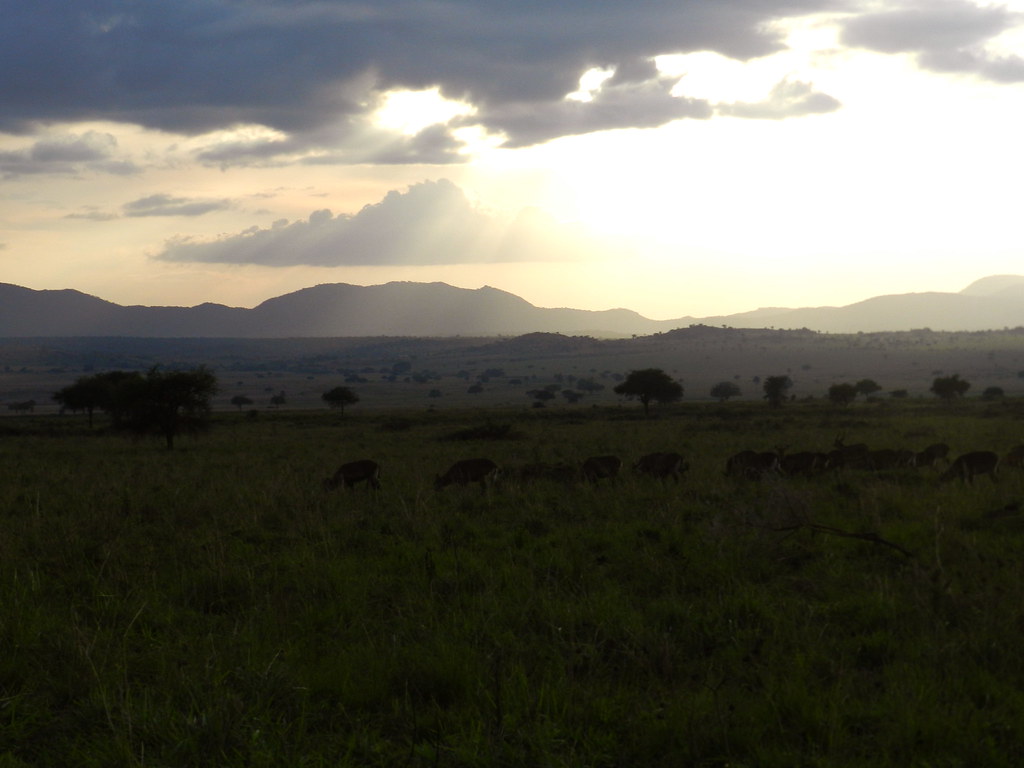
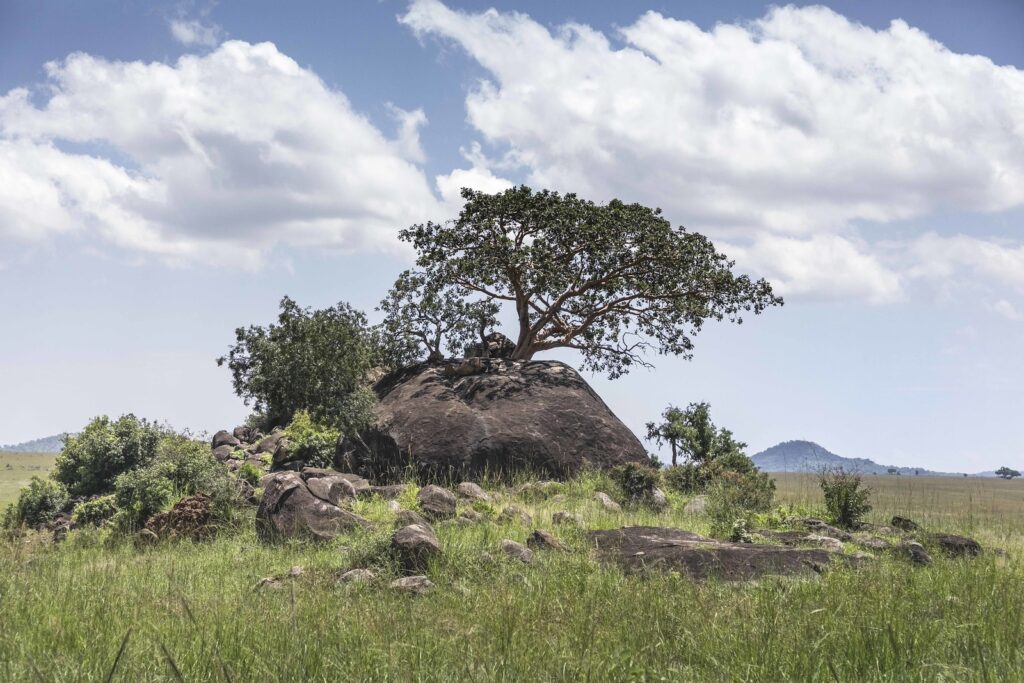
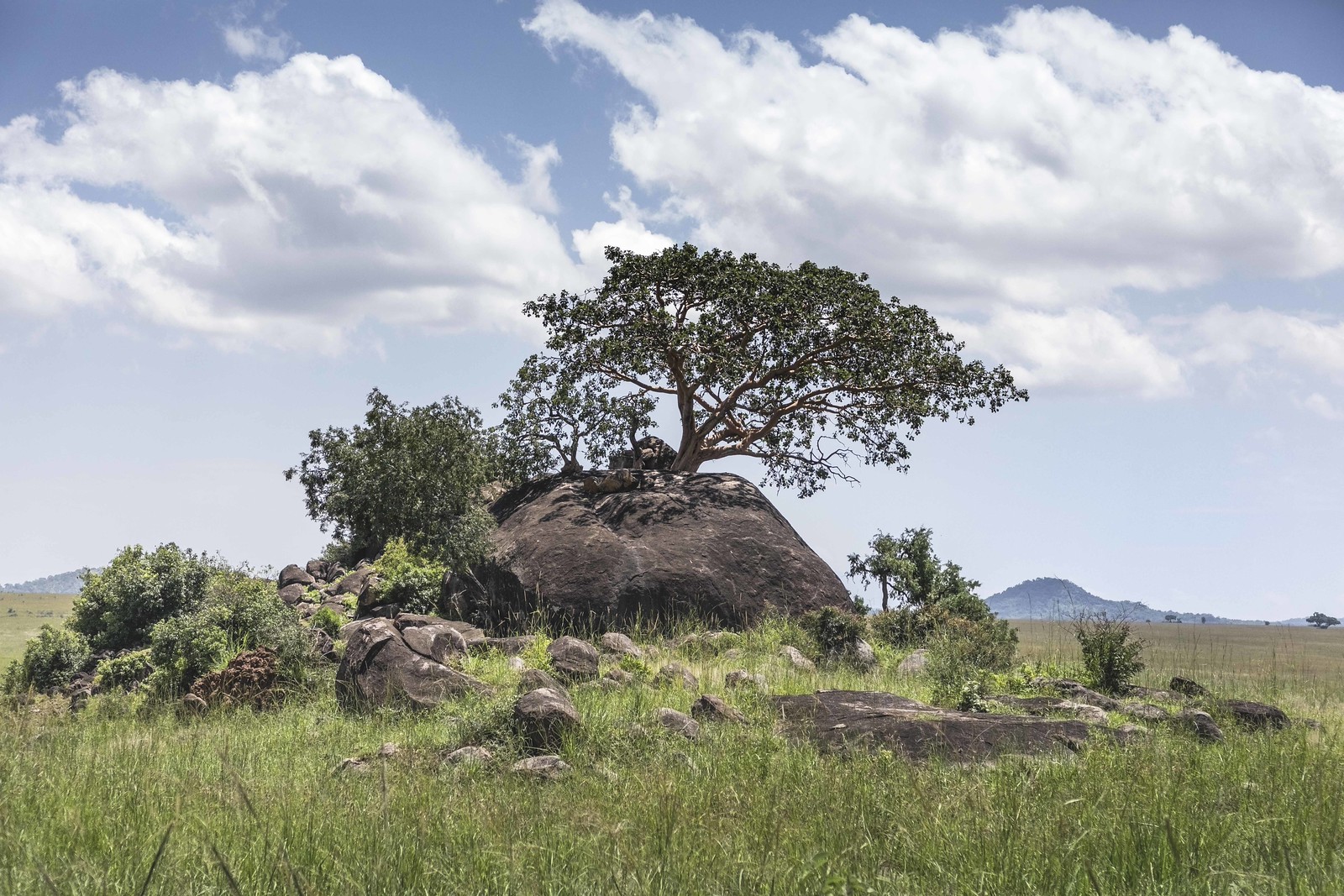
Gazetted as a national park in 1962, Kidepo Valley National Park covers approximately 1,442 square kilometers of semi-arid savannah, acacia woodland, rocky outcrops, and seasonal river valleys. The park lies within the Karamoja sub-region and is dominated by the dramatic backdrop of the Morungole Mountains. Unlike the more frequently visited savannah parks in southern Uganda, Kidepo offers expansive golden plains reminiscent of East Africa’s classic wilderness frontiers, yet with far fewer visitors.

So lace up your boots, grab your camera, and prepare to meet the wild — this is where your gorilla trekking dreams and unforgettable safari adventures truly begin.

Kidepo Valley National Park
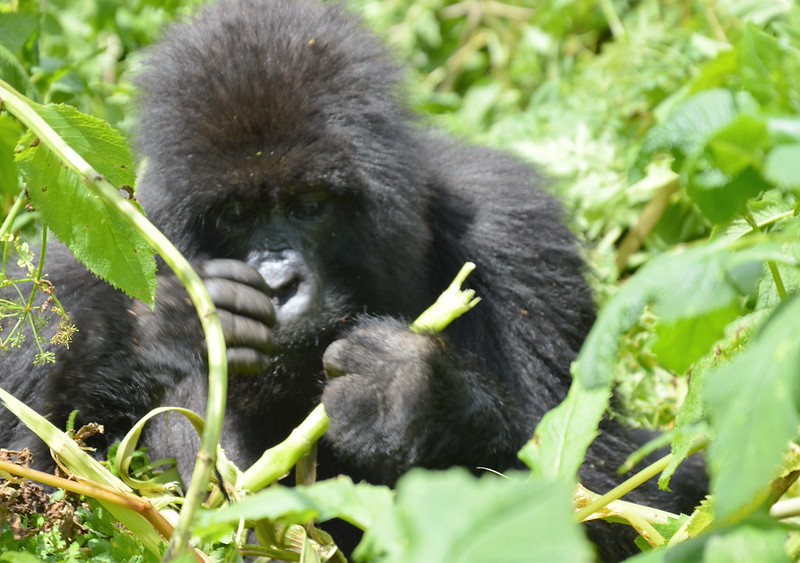
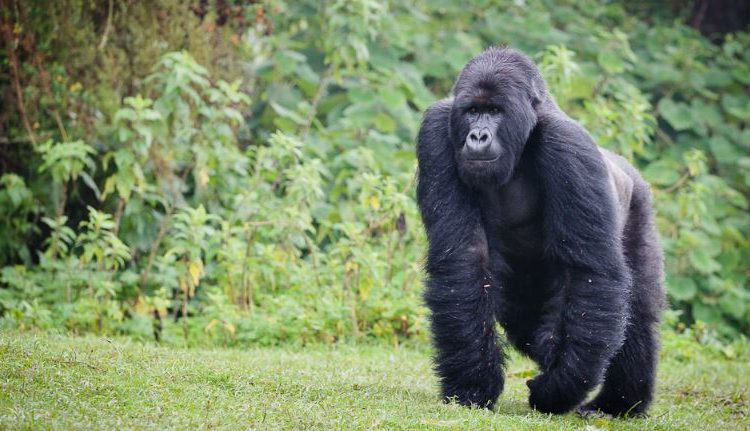
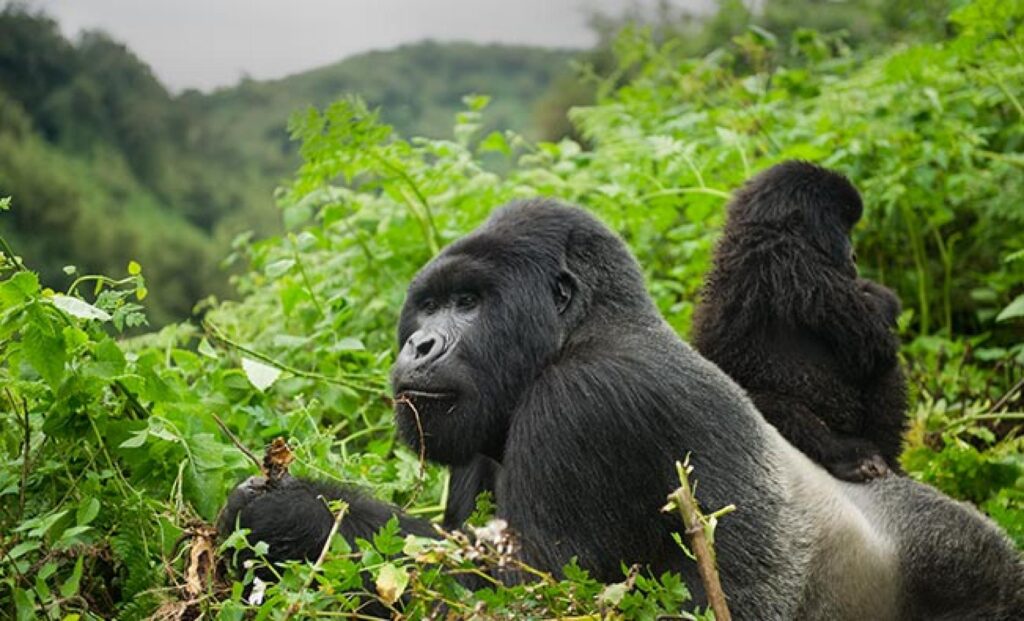
Trek through Bwindi’s mystical rainforest and meet the endangered mountain gorillas in their breathtaking natural home.
Kidepo Valley National Park
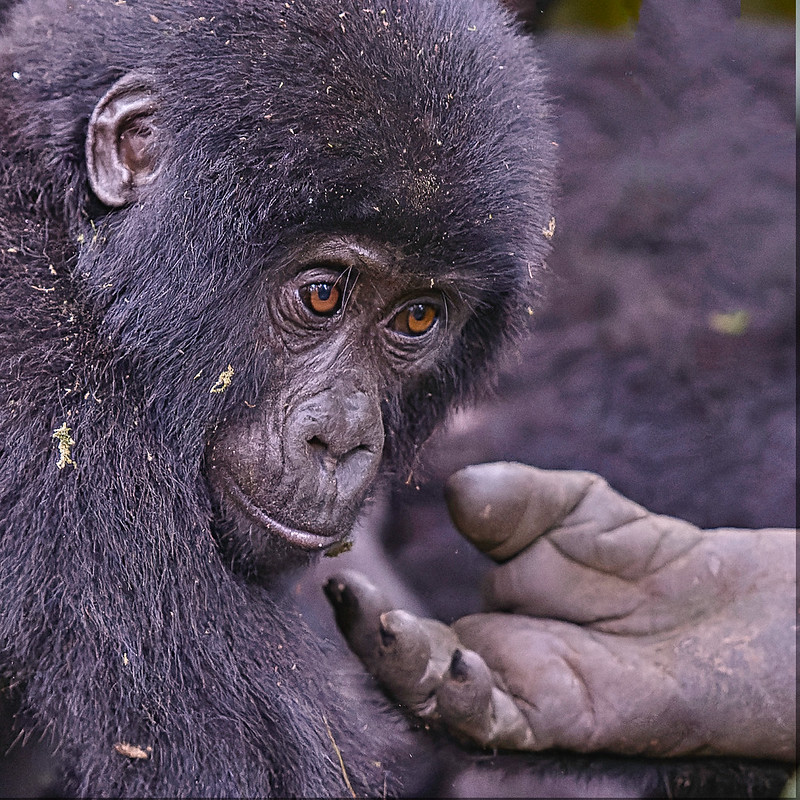
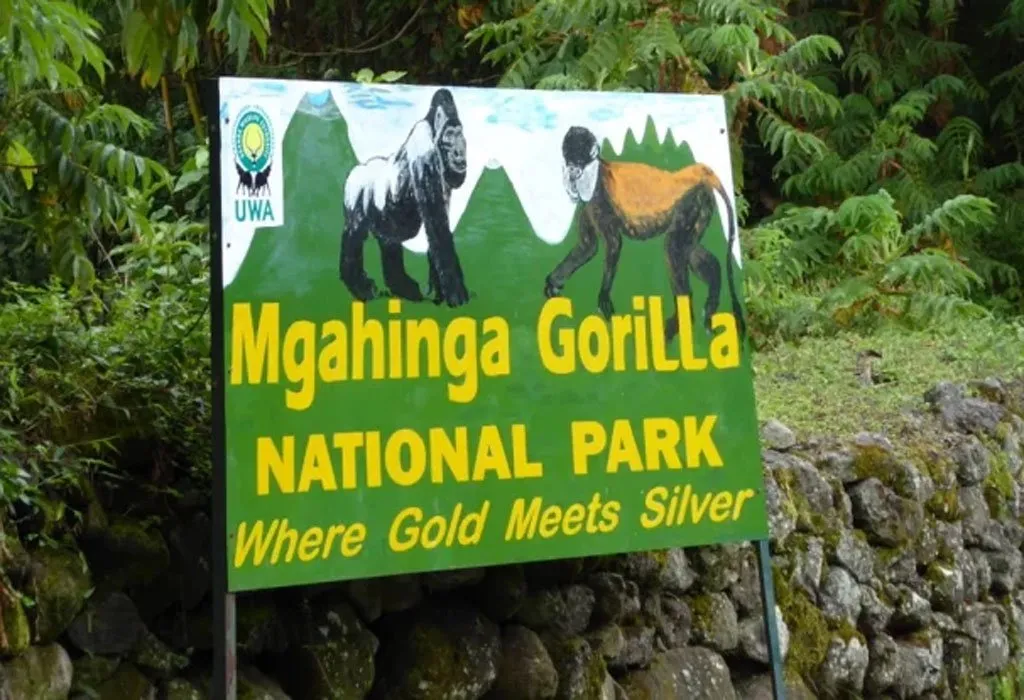
Encounter mountain gorillas and golden monkeys on Mgahinga’s misty volcanic trails, where culture and alpine wildlife thrive together.
Kidepo Valley National Park
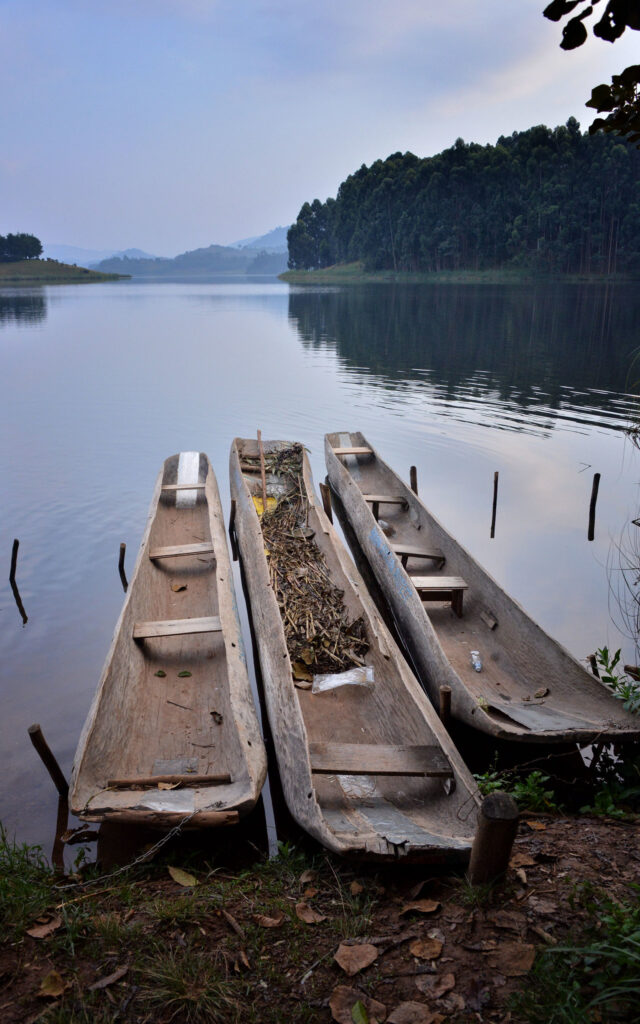
Unwind after your trek with a peaceful canoe ride across Lake Bunyonyi, Uganda’s most tranquil and scenic highland lake.
Kidepo Valley National Park
Enhance your gorilla trekking safari with an optional chimpanzee encounter in Uganda’s lush forests, adding depth and diversity to your primate adventure

Gorilla Trekking Tours in Uganda – Our Most Popular Itineraries.

Explore our gorilla trekking safaris for every traveler—solo, family, budget, or luxury. All tours include permits, transport, accommodation, meals, and park fees. Whether for a quick trip or a deeper adventure, we’ve got you covered.
Kidepo Valley National Park
3-Day Bwindi Gorilla Trekking Safari

3-Day Bwindi Gorilla Trekking Safari

4-Day Uganda Gorilla Trekking Safari

4-Day Uganda Gorilla Trekking Safari

Kidepo Valley National Park
5-Day Gorilla Tracking and Wildlife Safari

5-Day Gorilla Tracking and Wildlife Safari

Kidepo Valley National Park
7-Day Uganda Primate Adventure & Wildlife Safari

7-Day Uganda Primate Adventure & Wildlife Safari

Kidepo Valley National Park
10-Day Gorilla Trekking & Big Five Safari in Uganda

10-Day Gorilla Trekking & Big Five Safari in Uganda

Kidepo Valley National Park
12-Day Uganda Gorilla Trekking, Chimp Tracking & Cultural Safari

12-Day Uganda Gorilla Trekking, Chimp Tracking & Cultural Safari

14-Day Best of Uganda Safari – Gorillas, Wildlife, Cultures

14-Day Best of Uganda Safari – Gorillas, Wildlife, Cultures

Detailed Study of Kidepo Valley National Park

Geographic Location and Landscape Character

The park’s geographic isolation is central to its identity. Situated over 500 kilometers from Kampala, Kidepo is one of the most remote national parks in East Africa. Access typically involves a long overland journey through the Karamoja plains or a domestic flight to Apoka Airstrip, reinforcing the sense of expedition and discovery.Two major river systems define the park’s ecological structure. The Kidepo River and the Narus River shape the terrain, though both are seasonal. During the dry months, wildlife congregates around the Narus Valley’s permanent water sources, creating exceptional game-viewing conditions. The landscape alternates between open savannah grasslands, Borassus palm-dotted valleys, and rugged mountain ranges that create dramatic photographic compositions.

Wildlife Diversity and Unique Species

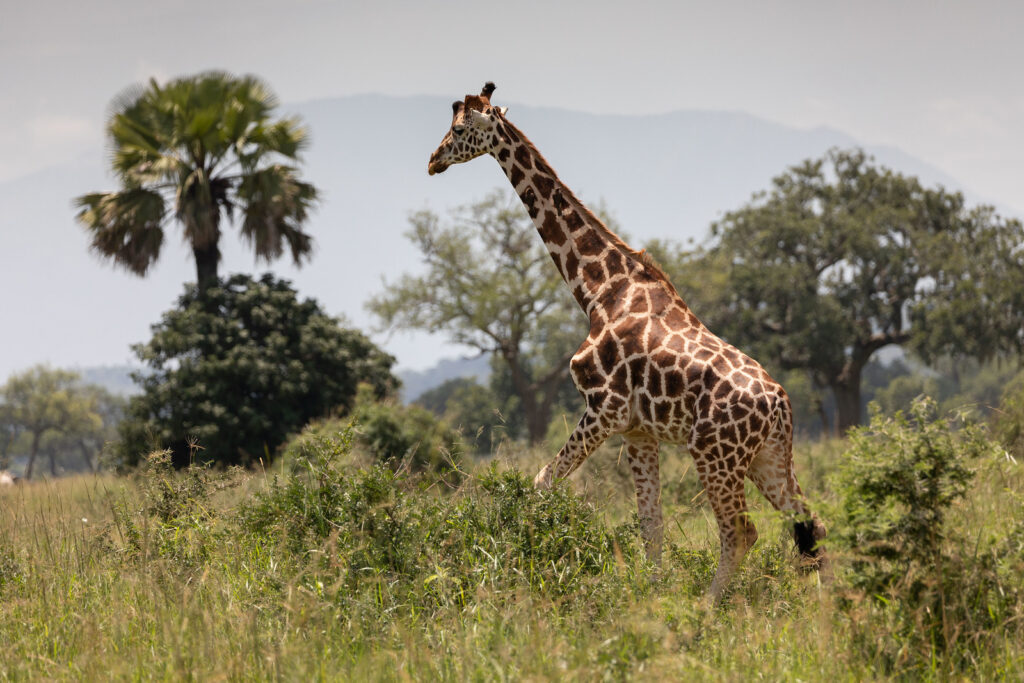
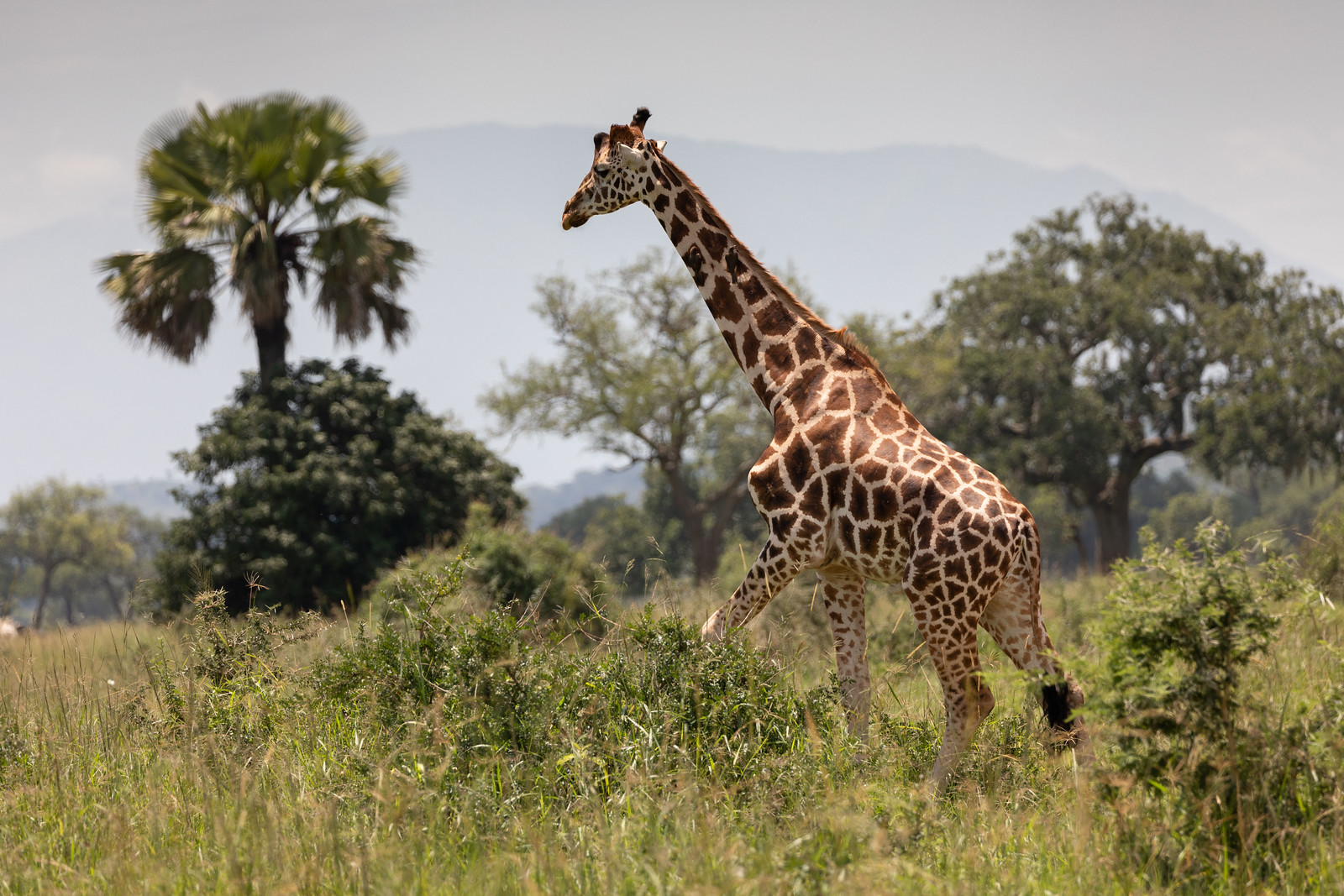
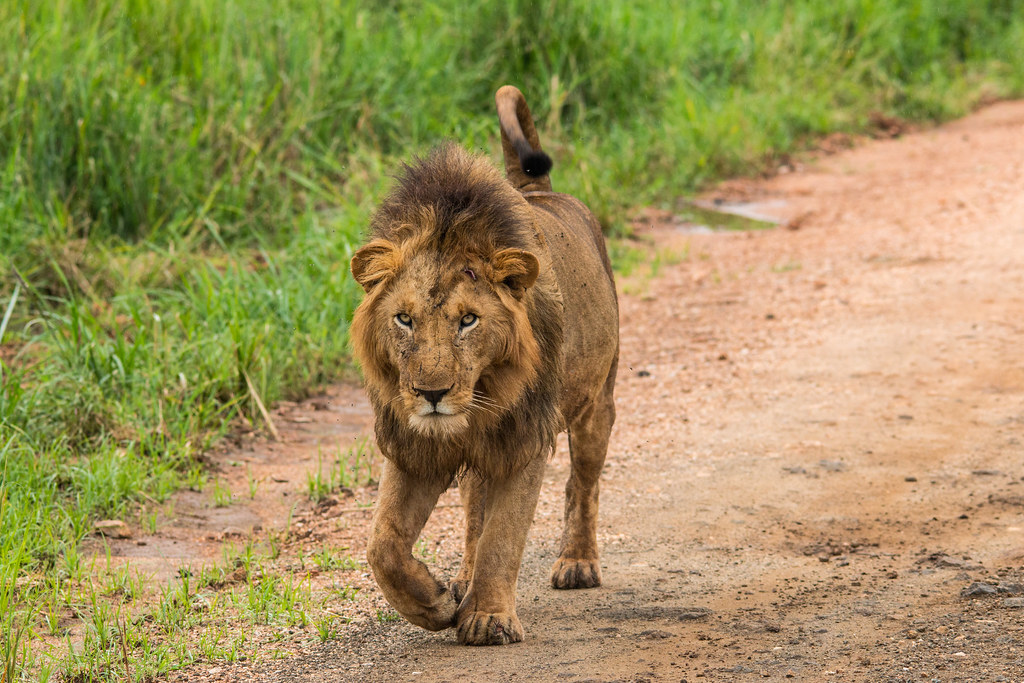
Kidepo Valley National Park hosts one of Uganda’s richest assemblages of large mammals. The park is home to lions, elephants, buffaloes, giraffes, leopards, and cheetahs, along with several species rarely seen elsewhere in Uganda. The presence of cheetahs alone distinguishes Kidepo from parks such as Bwindi Impenetrable National Park or Queen Elizabeth National Park, where dense forest or mixed ecosystems dominate.Several dry-country species reach their only Ugandan range within Kidepo. These include the ostrich, bat-eared fox, caracal, and greater kudu. The Rothschild’s giraffe population roams freely across the plains, while large herds of buffalo often exceed numbers seen in other Ugandan parks. Predator-prey dynamics are particularly intense during the dry season when concentrations of wildlife increase around remaining water sources.

Birdlife and Avian Significance

Kidepo is a major birding destination with over 470 recorded species. Its semi-arid ecosystem supports species that are absent from Uganda’s wetter regions. The park is especially significant for birders seeking dry savannah and Sahelian species.Notable avifauna include the Karamoja apalis, Abyssinian roller, and secretary bird. Raptors dominate the skies, and ostriches stride across open plains, reinforcing the park’s East African character. Birding in Kidepo is enhanced by its low visitor density, allowing uninterrupted observation and photography.

Cultural Heritage and Indigenous Communities

The cultural landscape surrounding Kidepo is as compelling as its wildlife. The park lies within the traditional territory of the Karamojong people, semi-nomadic pastoralists known for their distinctive attire, beadwork, and cattle-centered culture.Mount Morungole holds cultural significance for the Ik people. The Ik community, one of Uganda’s smallest ethnic groups, inhabits the mountain slopes. Cultural visits provide insight into traditional lifestyles, indigenous knowledge systems, and the challenges of adapting to modern socioeconomic pressures while preserving heritage.

Climate and Seasonal Variation

Kidepo’s climate is semi-arid, characterized by distinct wet and dry seasons. The dry season, typically from September to March, offers optimal wildlife viewing as animals gather near water sources. Temperatures can be high during the day but cooler at night due to elevation.The wet season transforms the landscape into lush green plains. Although wildlife disperses during this period, the scenery becomes dramatically photogenic, and bird activity increases. Road access can become challenging after heavy rains, reinforcing the importance of logistical planning.

Safari Activities and Experiences

Game drives in the Narus Valley form the core safari experience. Early morning and late afternoon drives maximize sightings of predators and grazing herds. The open terrain allows for extended visibility, enhancing both wildlife observation and photographic opportunities.Guided nature walks and hiking excursions provide immersive exploration. Walking safaris around the Narus Valley allow visitors to interpret tracks, vegetation patterns, and smaller fauna often overlooked during vehicle-based drives. Hiking Mount Morungole offers panoramic views across Uganda, South Sudan, and Kenya, underscoring the transboundary ecological importance of the region.

Conservation Challenges and Strategic Importance

The park’s remote location presents both advantages and conservation challenges. Limited infrastructure has historically constrained visitor numbers, preserving ecological authenticity but restricting revenue generation. Anti-poaching efforts and community engagement initiatives are central to maintaining wildlife populations.Cross-border dynamics influence conservation strategies. Given its proximity to South Sudan and Kenya, collaborative regional approaches are essential for wildlife migration corridors and security management. Ongoing conservation programs focus on habitat preservation, ranger capacity building, and sustainable tourism development.

Accommodation and Visitor Infrastructure

Accommodation within Kidepo ranges from luxury safari lodges to budget campsites. Apoka Safari Lodge offers high-end facilities overlooking wildlife-rich plains, while mid-range and budget options cater to diverse traveler profiles. The limited number of lodges ensures exclusivity and tranquility.Infrastructure improvements have gradually enhanced accessibility. Upgraded roads and scheduled domestic flights have reduced travel barriers, yet the park retains its expeditionary character. This balance between accessibility and wilderness integrity remains central to its appeal.

Why Kidepo Valley National Park Represents Uganda’s True Wilderness Frontier

Kidepo Valley National Park embodies the archetype of untouched African savannah. Its sweeping plains, minimal tourist traffic, and abundance of rare species create a safari experience defined by authenticity rather than commercial density. Travelers often describe it as Uganda’s equivalent of the Serengeti, yet with far fewer vehicles and uninterrupted horizons.For conservationists, photographers, and seasoned safari enthusiasts, Kidepo offers rare ecological purity. The convergence of dramatic landscapes, predator-rich ecosystems, and cultural depth positions it as one of Africa’s most compelling wilderness destinations. In Kidepo, the silence of open plains, punctuated only by distant lion roars or the movement of grazing herds, defines an experience that is both elemental and profound.
More Gorilla Trekking Information to Know.

Gorilla trekking goes far beyond just the hike — it’s a deep, emotional journey into the heart of Africa’s last wild rainforests. Knowing the right timing, permits, fitness tips, and park details can turn your experience from good to unforgettable.
Kidepo Valley National Park
Gorilla Trekking in Bwindi Impenetrable Forest

Gorilla Trekking in Bwindi Impenetrable Forest

Kidepo Valley National Park
Trekking Gorillas in Mgahinga National Park

Trekking Gorillas in Mgahinga National Park

Kidepo Valley National Park
Uganda Gorilla Trekking Permits – Prices, Booking, & Travel Tips

Uganda Gorilla Trekking Permits – Prices, Booking, & Travel Tips

Gorilla Trekking Packing List for Uganda
What to Pack for Gorilla Trekking in Uganda – Expert Checklist

What to Pack for Gorilla Trekking in Uganda – Expert Checklist

Kidepo Valley National Park
Best Time to Go Gorilla Trekking in Uganda – Weather & Seasons

Best Time to Go Gorilla Trekking in Uganda – Weather & Seasons

Kidepo Valley National Park
Gorilla Trekking Difficulty in Uganda – Fitness & Trail Guide

Gorilla Trekking Difficulty in Uganda – Fitness & Trail Guide

Gorilla Trekking Rules in Uganda – Safety, Respect & Ethics

Gorilla Trekking Rules in Uganda – Safety, Respect & Ethics

Kidepo Valley National Park
Gorilla Conservation in Uganda – Protecting the Mountain Giants

Gorilla Conservation in Uganda – Protecting the Mountain Giants

Kidepo Valley National Park
Bwindi vs. Mgahinga – Which One to Choose For Gorilla Trekking?

Bwindi vs. Mgahinga – Which One to Choose For Gorilla Trekking?

Kidepo Valley National Park
How to Stay Safe and Healthy While Traveling in Uganda

How to Stay Safe and Healthy While Traveling in Uganda

Kidepo Valley National Park
Routes, Tips & Travel Wisdom for Getting to Bwindi or Mgahinga

Routes, Tips & Travel Wisdom for Getting to Bwindi or Mgahinga

Kidepo Valley National Park
Accommodation Options: Lodges & Camps in Bwindi and Mgahinga

Accommodation Options: Lodges & Camps in Bwindi and Mgahinga

Kidepo Valley National Park
Protecting What You Came to See: Gorilla Conservation & Ethics

Protecting What You Came to See: Gorilla Conservation & Ethics

Kidepo Valley National Park
Travel Insurance for Gorilla Treks: Before You Go

Travel Insurance for Gorilla Treks: Before You Go

Kidepo Valley National Park
First Time Gorilla Trekking? Here’s Everything I Wish I Knew

First Time Gorilla Trekking? Here’s Everything I Wish I Knew

Kidepo Valley National Park
Step by Step: What Happens During a Gorilla Trekking Day

Step by Step: What Happens During a Gorilla Trekking Day

Kidepo Valley National Park
Gorilla Trekking vs. Gorilla Tracking – What’s the Real Difference?

Gorilla Trekking vs. Gorilla Tracking – What’s the Real Difference?

Kidepo Valley National Park
Beyond Gorillas: Other Wildlife You Can See During Your Trek

Beyond Gorillas: Other Wildlife You Can See During Your Trek

Essential Planning Tips for Visiting Uganda’s National Parks.

Get ready for the wild heart of Africa with expert travel tips on when to visit, what to pack, where to go, and how to make the most of your safari across Uganda’s breathtaking national parks.

Why Uganda for Gorilla Trekking?

Uganda is not just a destination — it's the very soul of gorilla trekking. With over half of the world’s remaining mountain gorillas calling its misty forests home, Uganda offers the rarest encounters in their most authentic setting. Here, your journey is not rushed or crowded. Instead, you’re guided by experienced rangers through pristine jungles where gorillas live as they always have — wild, free, and magnificent

Gorilla Trekking: Fascinating Topics Every Traveller Should Know

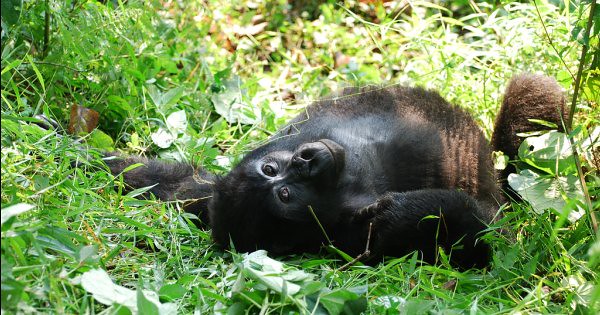
Gorilla Families In Uganda

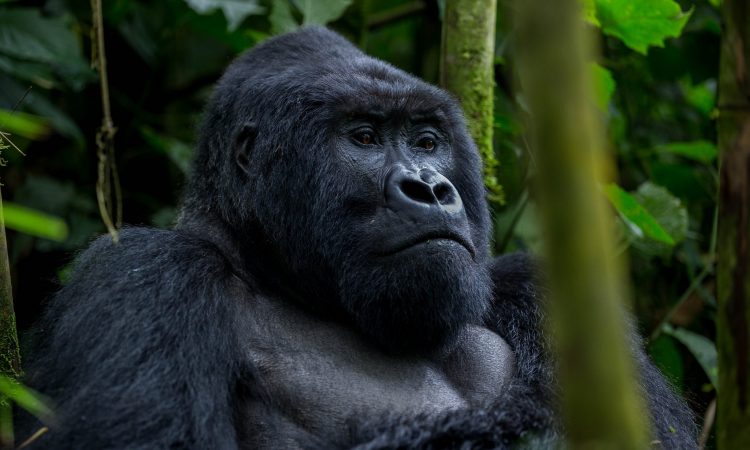
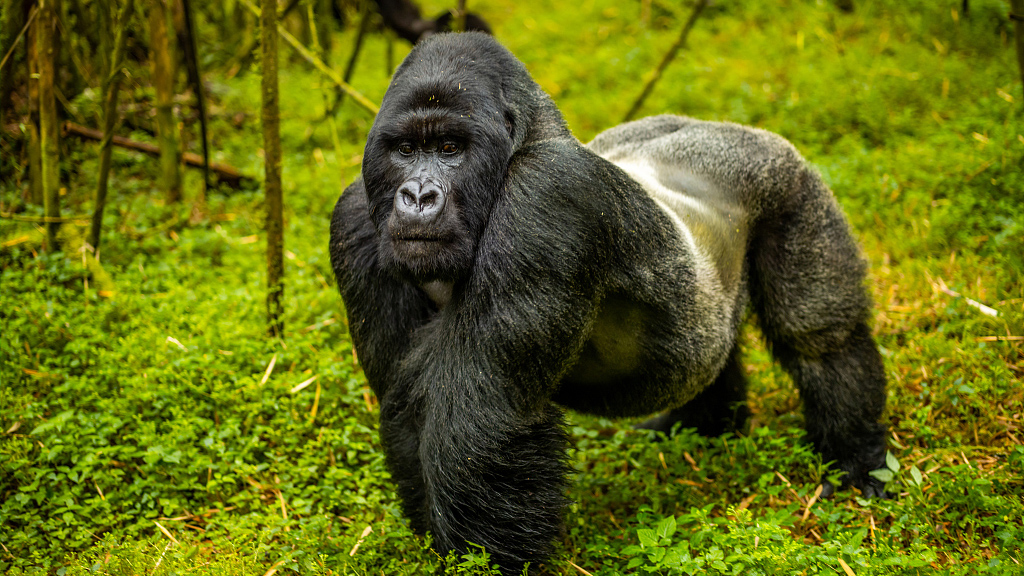
Silverback Gorillas