

Where the soul of the forest whispers in the mist
Kibale National Park plays a vital role in Uganda’s ecological and tourism landscape due to its strategic location within the Albertine Rift, one of Africa’s most biologically rich regions. The park acts as an important wildlife corridor, linking several protected areas and helping maintain healthy ecosystems across western Uganda. Its well managed trails, experienced guides, and research facilities make it one of the best organized national parks in the country, suitable for both first time visitors and experienced nature enthusiasts.
Beyond tourism, Kibale serves as a living classroom for conservation, environmental education, and scientific study. The park attracts researchers, students, and conservationists from around the world who come to study primates, forest ecology, and climate interactions. This strong foundation of research and education has contributed to effective conservation practices, ensuring that Kibale remains protected for future generations while continuing to benefit surrounding communities.
So lace up your boots, grab your camera, and prepare to meet the wild — this is where your gorilla trekking dreams and unforgettable safari adventures truly begin.
Truly Iconic Highlights in Uganda

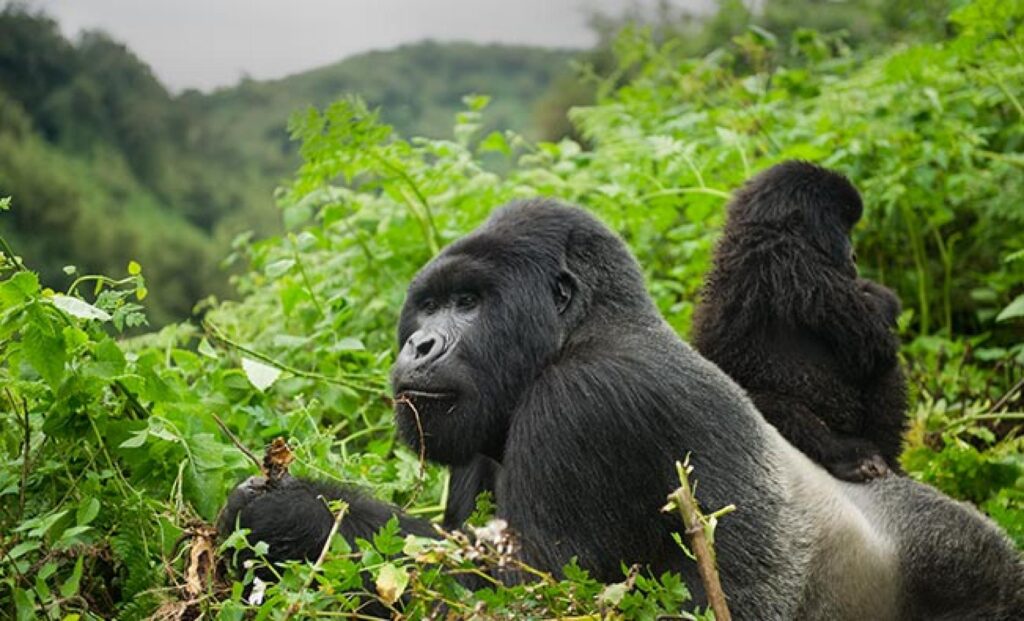
Trek through Bwindi’s mystical rainforest and meet the endangered mountain gorillas in their breathtaking natural home.
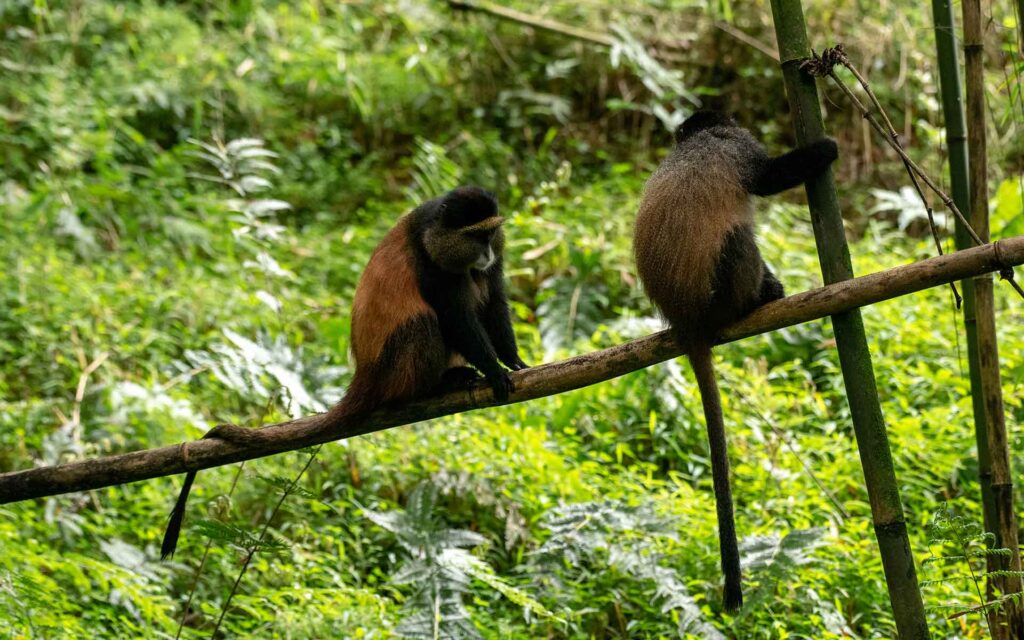
Encounter mountain gorillas and golden monkeys on Mgahinga’s misty volcanic trails, where culture and alpine wildlife thrive together.
Unwind after your trek with a peaceful canoe ride across Lake Bunyonyi, Uganda’s most tranquil and scenic highland lake.
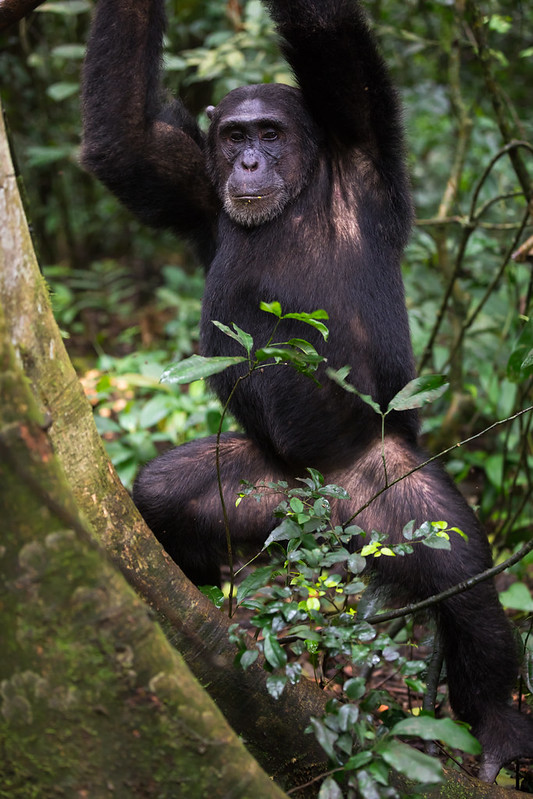
Enhance your gorilla trekking safari with an optional chimpanzee encounter in Uganda’s lush forests, adding depth and diversity to your primate adventure
Gorilla Trekking Tours in Uganda – Our Most Popular Itineraries.
Explore our gorilla trekking safaris for every traveler—solo, family, budget, or luxury. All tours include permits, transport, accommodation, meals, and park fees. Whether for a quick trip or a deeper adventure, we’ve got you covered.
3-Day Bwindi Gorilla Trekking Safari
3-Day Bwindi Gorilla Trekking Safari
4-Day Uganda Gorilla Trekking Safari
4-Day Uganda Gorilla Trekking Safari
5-Day Gorilla Tracking and Wildlife Safari
5-Day Gorilla Tracking and Wildlife Safari
7-Day Uganda Primate Adventure & Wildlife Safari
7-Day Uganda Primate Adventure & Wildlife Safari
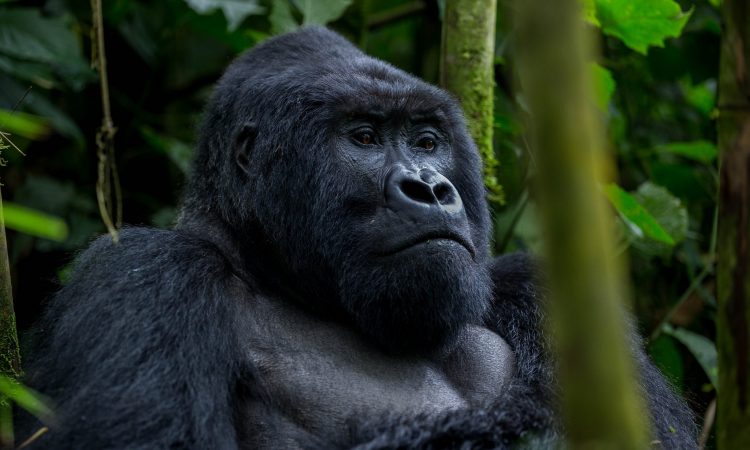
10-Day Gorilla Trekking & Big Five Safari in Uganda
10-Day Gorilla Trekking & Big Five Safari in Uganda
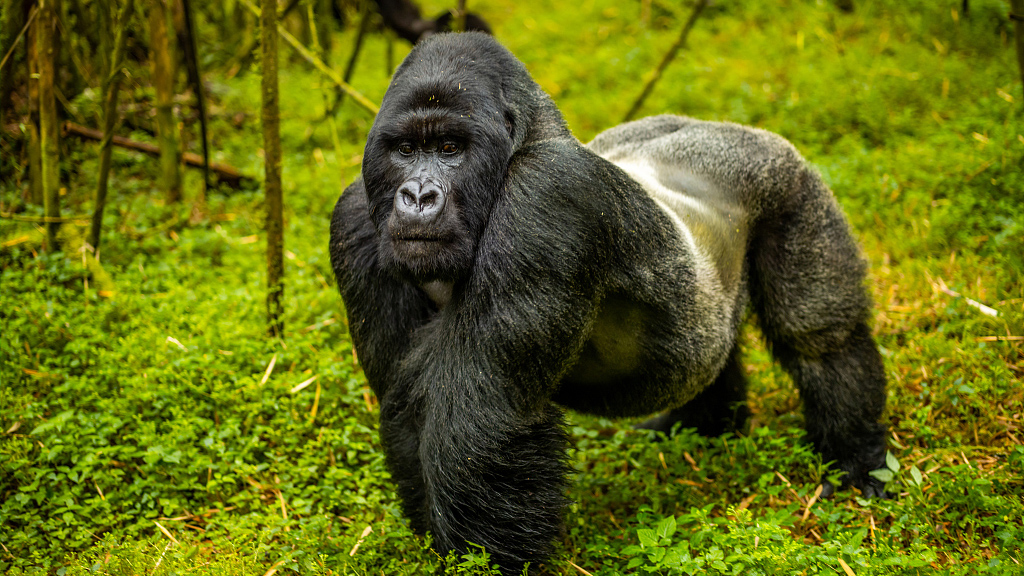
12-Day Uganda Gorilla Trekking, Chimp Tracking & Cultural Safari
12-Day Uganda Gorilla Trekking, Chimp Tracking & Cultural Safari
14-Day Best of Uganda Safari – Gorillas, Wildlife, Cultures
14-Day Best of Uganda Safari – Gorillas, Wildlife, Cultures
Kibale National Park, The Heart of Primate Diversity in Uganda
Location and Accessibility
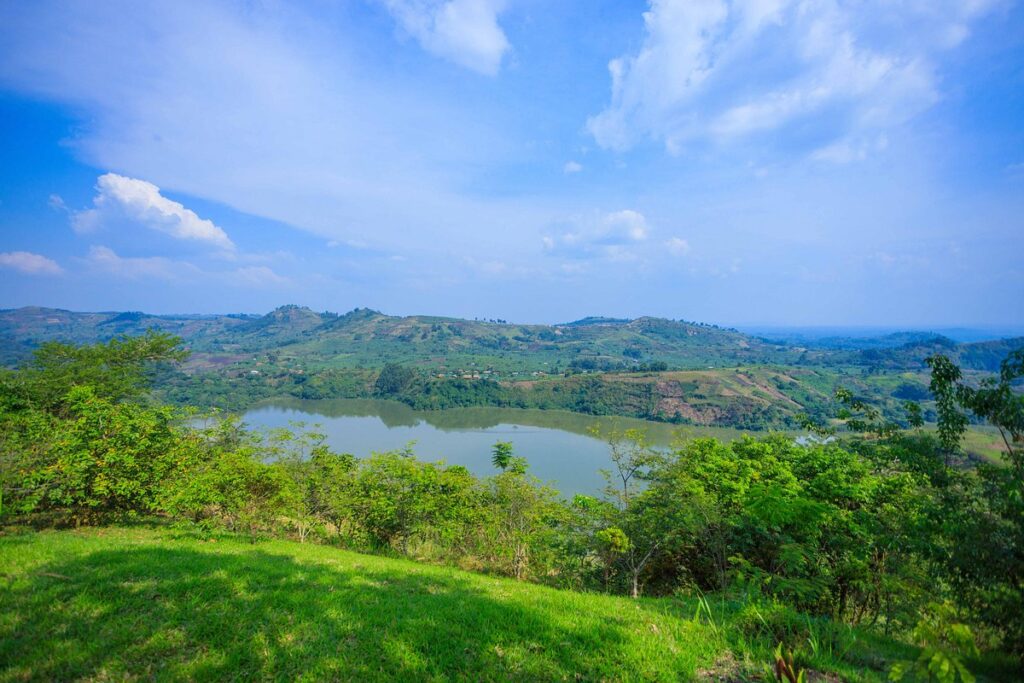
Kibale National Park is situated approximately 320 kilometers west of Kampala and about 26 kilometers southeast of Fort Portal City. The journey to the park is scenic, passing through rolling hills, tea plantations, crater lakes, and vibrant rural communities that reflect the beauty of western Uganda.
The park is accessible by road via the Kampala–Mubende–Fort Portal route or through the Kampala–Kasese highway. For travelers who prefer flying, domestic flights operate from Entebbe International Airport to Kasese or Semuliki airstrips, followed by a short drive to the park. Kibale’s location near Queen Elizabeth National Park, the Rwenzori Mountains, and Semuliki National Park makes it a key stop on western Uganda safari circuits.
Park Size, Landscape, and Ecosystem
Kibale National Park covers approximately 795 square kilometers and protects one of the largest remaining tracts of tropical rainforest in East Africa. The park lies at an altitude ranging from about 1,100 to 1,600 meters above sea level, creating a cool and moist climate that supports lush vegetation throughout the year.
The ecosystem is diverse, combining evergreen rainforest, moist deciduous forest, grasslands, and swamp systems. Tall hardwood trees form a dense canopy, while thick undergrowth, vines, and mosses give the forest its rich and layered appearance. This complex habitat supports an extraordinary variety of wildlife and plant species, making Kibale a vital ecological zone.
Primate Diversity, The Soul of Kibale
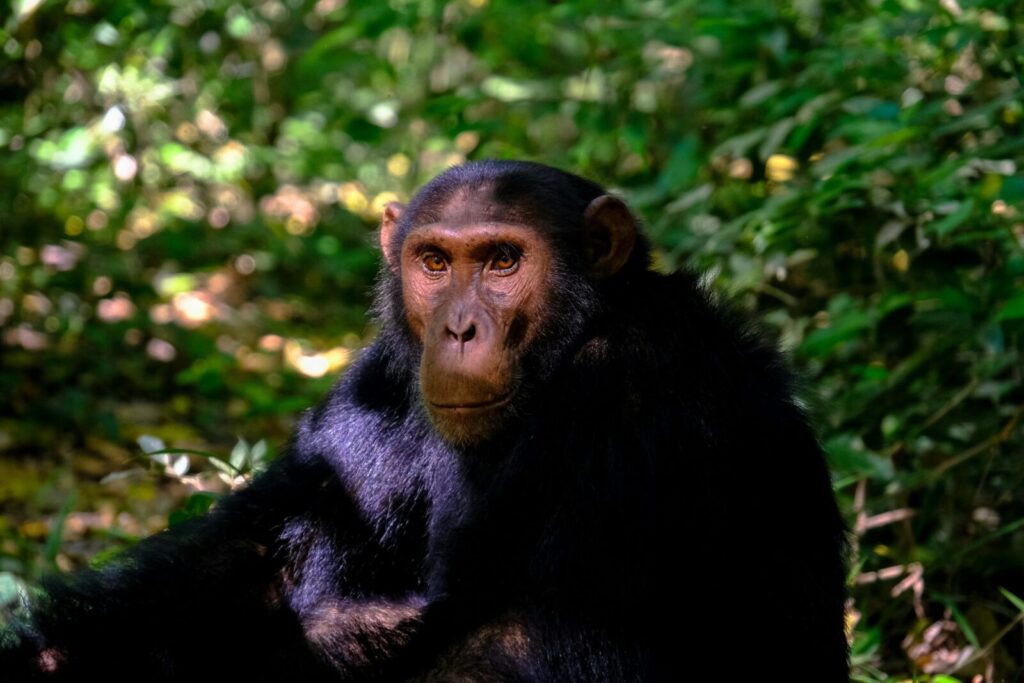
Kibale National Park is widely known as the primate capital of East Africa due to its exceptional concentration of primate species. The park is home to 13 different primate species, the highest diversity in Uganda, making it a global center for primate viewing and research.
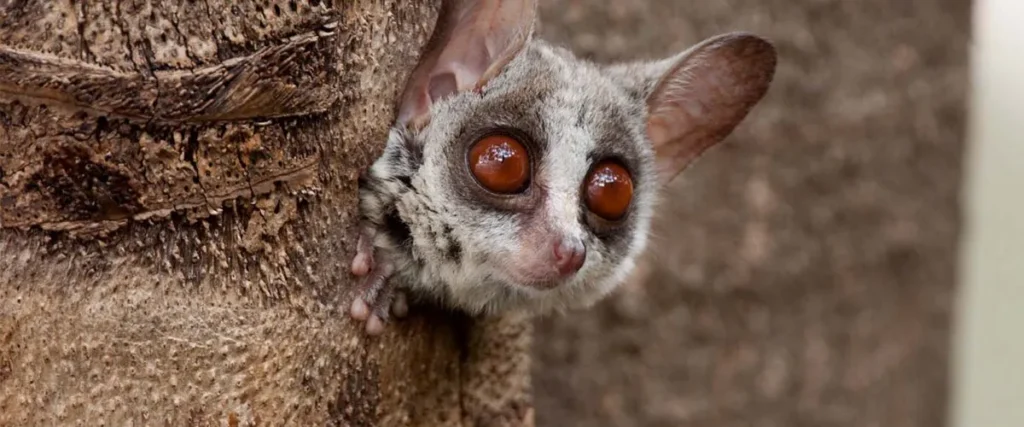
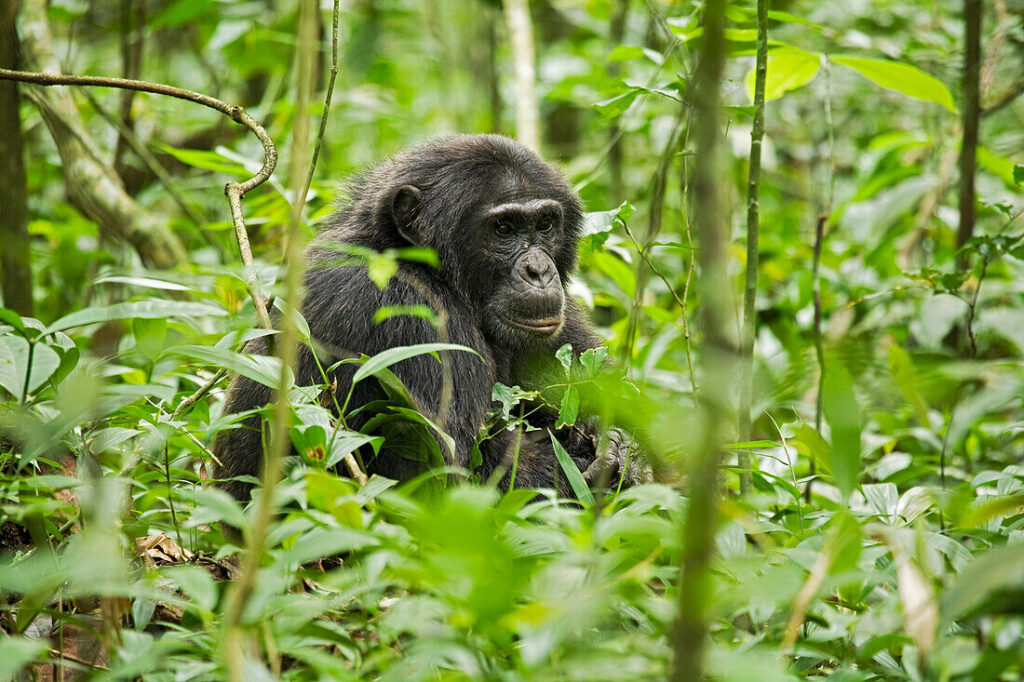
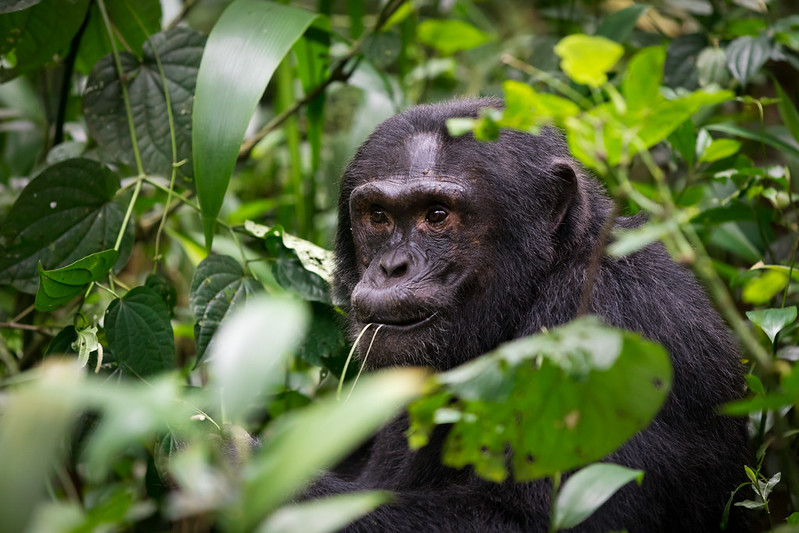
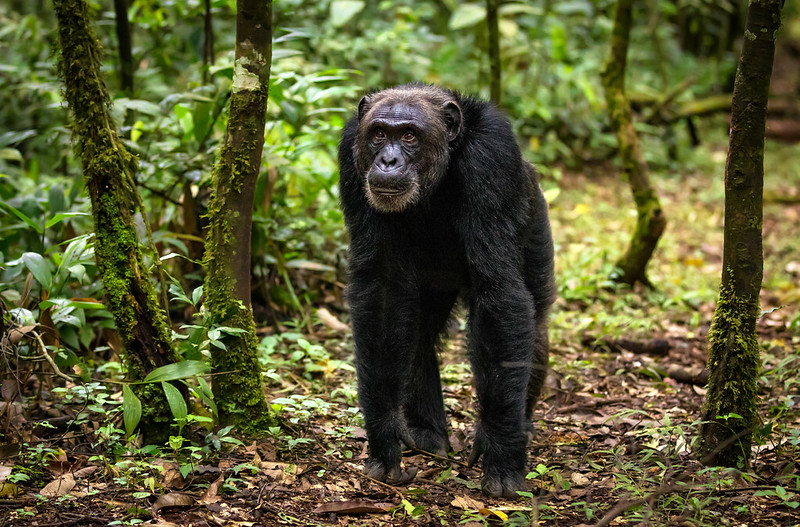
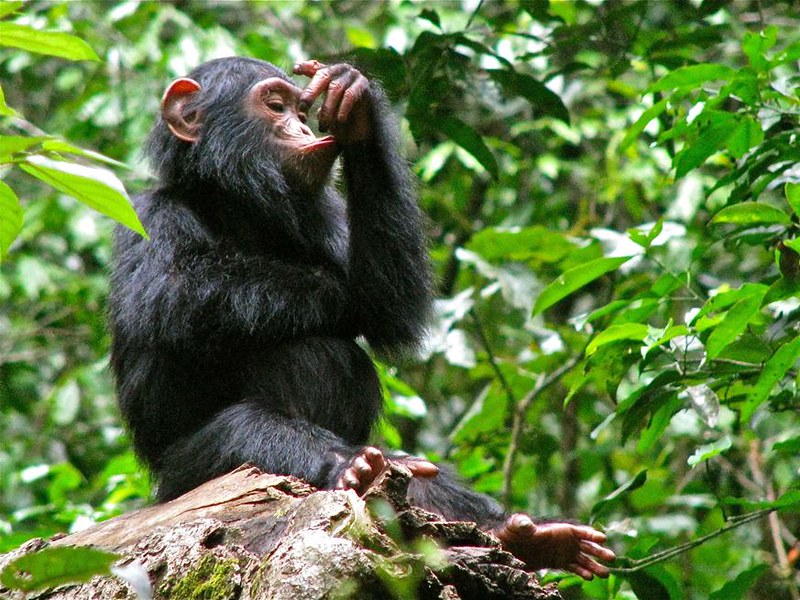
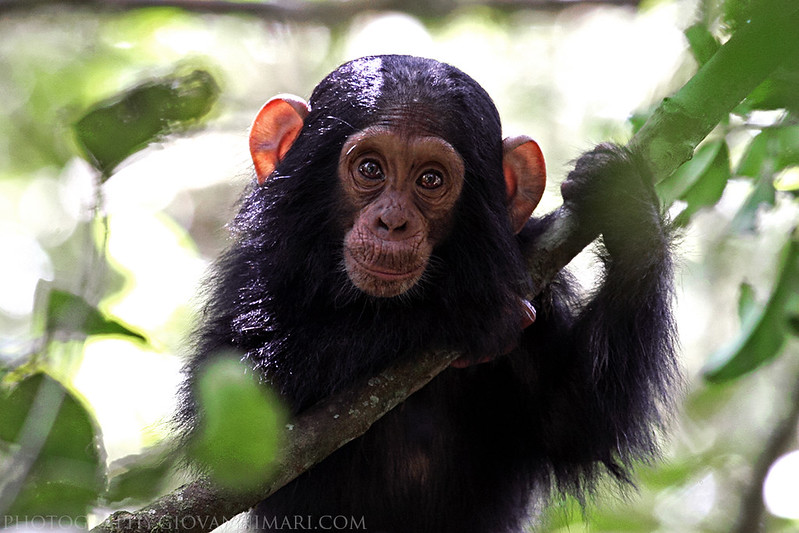
Chimpanzees are the most famous inhabitants, with an estimated population of over 1,500 individuals. These highly intelligent primates share close genetic similarities with humans, and observing them in the wild offers a deeply engaging and emotional experience. Other primates found in the park include red colobus monkeys, black and white colobus monkeys, L’Hoest’s monkeys, grey cheeked mangabeys, blue monkeys, olive baboons, vervet monkeys, and bush babies.
Chimpanzee Trekking Experience
Chimpanzee trekking is the park’s main attraction and is conducted daily in the Kanyanchu area. Guided by experienced Uganda Wildlife Authority rangers, visitors walk through the forest as rangers track chimpanzee movements using vocal calls, feeding signs, and nesting sites.
Treks typically last between two to four hours, depending on the location of the chimpanzees. Once located, visitors are allowed to spend one full hour observing them in their natural environment. During this time, chimpanzees may be seen feeding on fruits, grooming each other, caring for young ones, resting, or communicating through loud calls and gestures. The experience is thrilling, educational, and deeply memorable.
Chimpanzee Habituation Experience
For travelers seeking a more immersive encounter, Kibale National Park offers the chimpanzee habituation experience. This activity allows visitors to spend extended hours with a group of chimpanzees that are still being accustomed to human presence.
The habituation experience begins early in the morning and can last most of the day. Visitors follow chimpanzees from the time they leave their nests, observing their feeding patterns, social interactions, and movement through the forest. Guided by researchers and rangers, participants gain deeper insight into chimpanzee behavior and conservation efforts. This experience is especially popular with photographers, researchers, and serious wildlife enthusiasts.
Wildlife Beyond Primates
Although primates dominate attention, Kibale National Park supports a wide range of other wildlife species. Forest elephants roam the deeper parts of the park, while bush pigs, giant forest hogs, and several antelope species inhabit forest clearings and swamp edges. Due to dense vegetation, these animals are less frequently seen, but their presence is essential to maintaining the forest’s ecological balance.
The park also hosts numerous reptiles, amphibians, butterflies, and insect species. These smaller creatures play crucial roles in pollination, seed dispersal, and nutrient recycling, contributing to the overall health of the ecosystem.
Birdlife and Birdwatching
Kibale National Park is a premier birding destination, boasting over 370 recorded bird species. The park is especially rich in forest dependent birds, attracting birdwatchers from around the world.
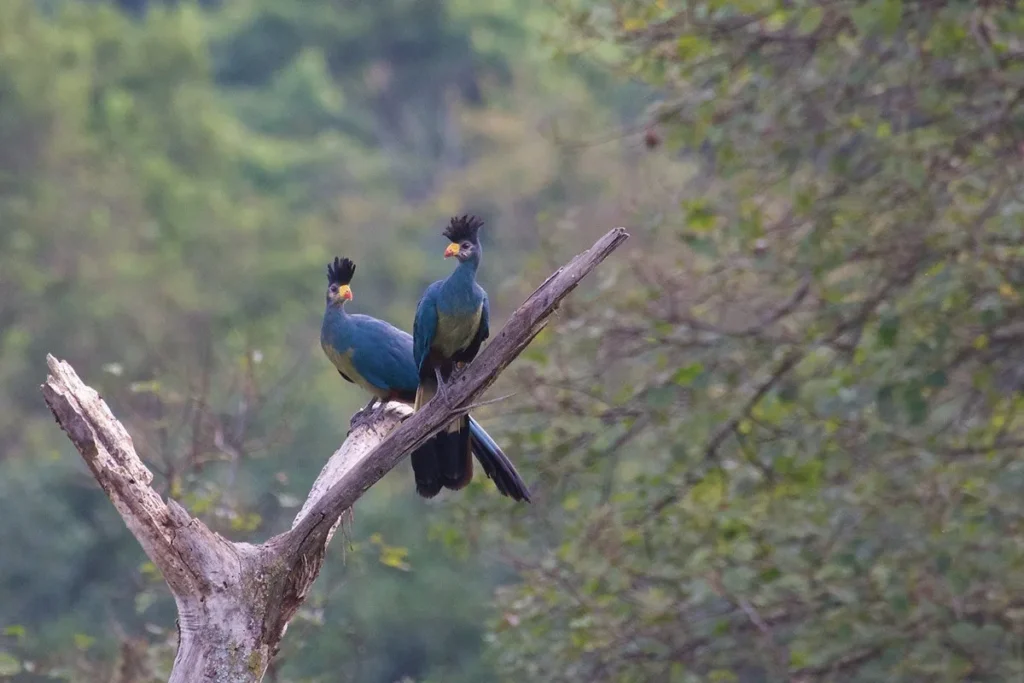
Notable species include the green breasted pitta, African grey parrot, crowned eagle, great blue turaco, black bee eater, and yellow spotted nicator. Birdwatching can be enjoyed year round, with early morning and late afternoon walks offering the best chances of sightings. The diversity of habitats within the park ensures rewarding birding experiences for both beginners and experienced birders.
Bigodi Wetland Sanctuary and Community Tourism
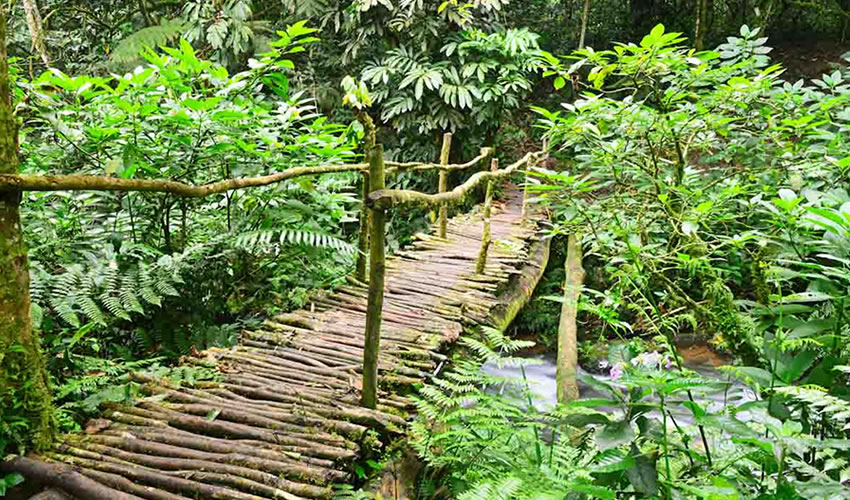
Located just outside the park boundary, Bigodi Wetland Sanctuary is a community managed conservation area that complements a visit to Kibale National Park. Guided walks through the wetland allow visitors to observe birds, primates, and wetland vegetation while learning about local conservation initiatives.
Bigodi also offers cultural experiences such as village visits, traditional storytelling, local food tasting, and craft demonstrations. Revenue generated from tourism directly supports education, healthcare, and livelihood projects in surrounding communities, making tourism a powerful tool for sustainable development.
Conservation and Research Importance
Kibale National Park is one of Africa’s most important centers for primate and tropical forest research. Long term studies conducted by local and international scientists have contributed significantly to global understanding of chimpanzee behavior, disease ecology, and forest conservation.
Tourism revenue plays a critical role in funding conservation programs, ranger patrols, and community outreach initiatives. By visiting Kibale, travelers directly support wildlife protection and sustainable development efforts in the region.
Best Time to Visit Kibale National Park
Kibale National Park can be visited throughout the year. The drier seasons from June to September and December to February are ideal for chimpanzee trekking, as forest trails are less muddy and trekking conditions are more comfortable.
The wetter months offer lush green scenery, fewer tourists, and excellent birdwatching opportunities. Each season presents a unique perspective of the park’s beauty and biodiversity.
Accommodation Around Kibale National Park
There is a wide range of accommodation options around Kibale National Park to suit different budgets and travel styles. Visitors can choose from luxury eco lodges, mid range safari lodges, and budget guesthouses located near the park entrances. Many lodges offer guided activities, cultural experiences, and scenic views of the forest and nearby crater lakes.
More Bwindi Information to Know.
Bwindi Impenetrable Forest is a mountainous rainforest in southwestern Uganda, home to endangered mountain gorillas. Its unique climate, rich vegetation, community tourism, and conservation efforts make it a vital and unforgettable destination.
How To Get To Kibale Forest
How To Get To Kibale Forest

Amebere Ga Nyinamwiru Caves
Amebere Ga Nyinamwiru Caves
Bigodi Wetland Sanctuary
Bigodi Wetland Sanctuary
Kibale Climate
Kibale Climate
The Ngogo Chimpanzee Project
The Ngogo Chimpanzee Project
Kibale History
Kibale History
Kibale Vegetation
Kibale Vegetation
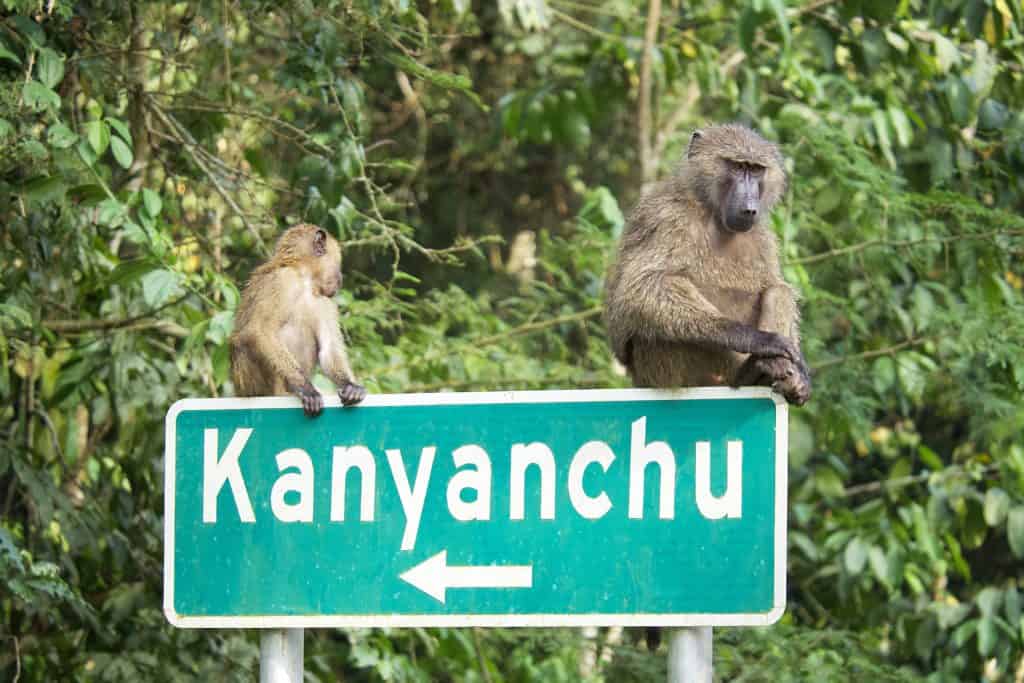
Kanyanchu Visitors’ Center
Kanyanchu Visitors’ Center
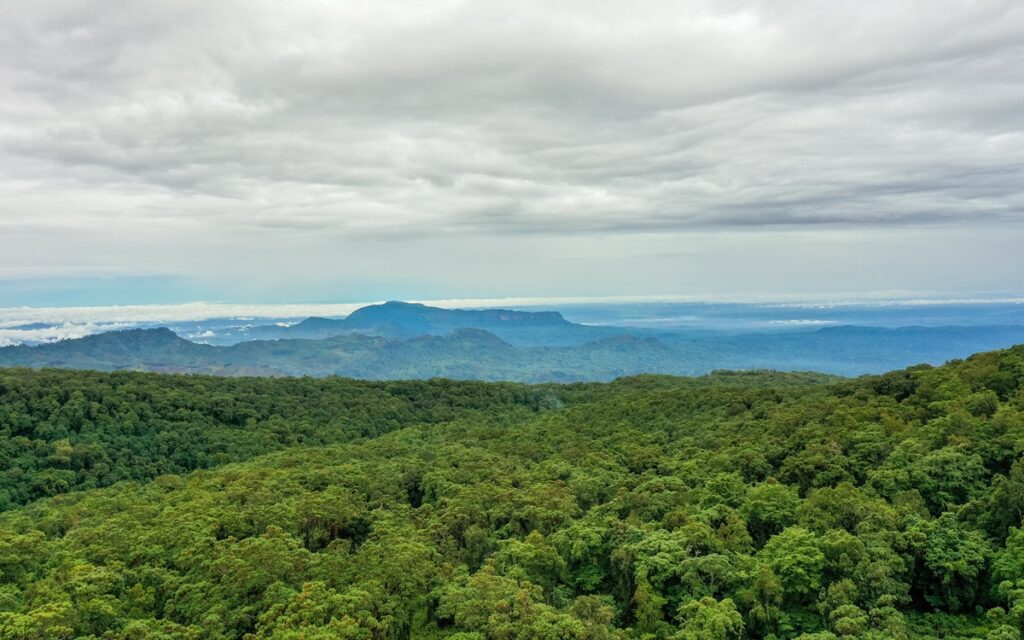
Kibale Geography
Kibale Geography
In the Realm of Giants – Bwindi & Mgahinga in Frames.
Wander through an elegant gallery capturing Uganda’s most exclusive gorilla sanctuaries, where ancient forests cradle the last mountain gorillas in a world of mist, mystery, and majesty.
Essential Planning Tips for Visiting Uganda’s National Parks.
Get ready for the wild heart of Africa with expert travel tips on when to visit, what to pack, where to go, and how to make the most of your safari across Uganda’s breathtaking national parks.
Why Uganda for Gorilla Trekking?
Uganda is not just a destination — it's the very soul of gorilla trekking. With over half of the world’s remaining mountain gorillas calling its misty forests home, Uganda offers the rarest encounters in their most authentic setting. Here, your journey is not rushed or crowded. Instead, you’re guided by experienced rangers through pristine jungles where gorillas live as they always have — wild, free, and magnificent
From insider travel insights to unforgettable trekking guides, our blog is your trusted path into Uganda’s wild heart — connecting you with mountain gorillas, breathtaking landscapes, and the soul-stirring adventures that make this land unlike any other.