

Where the soul of the forest whispers in the mist
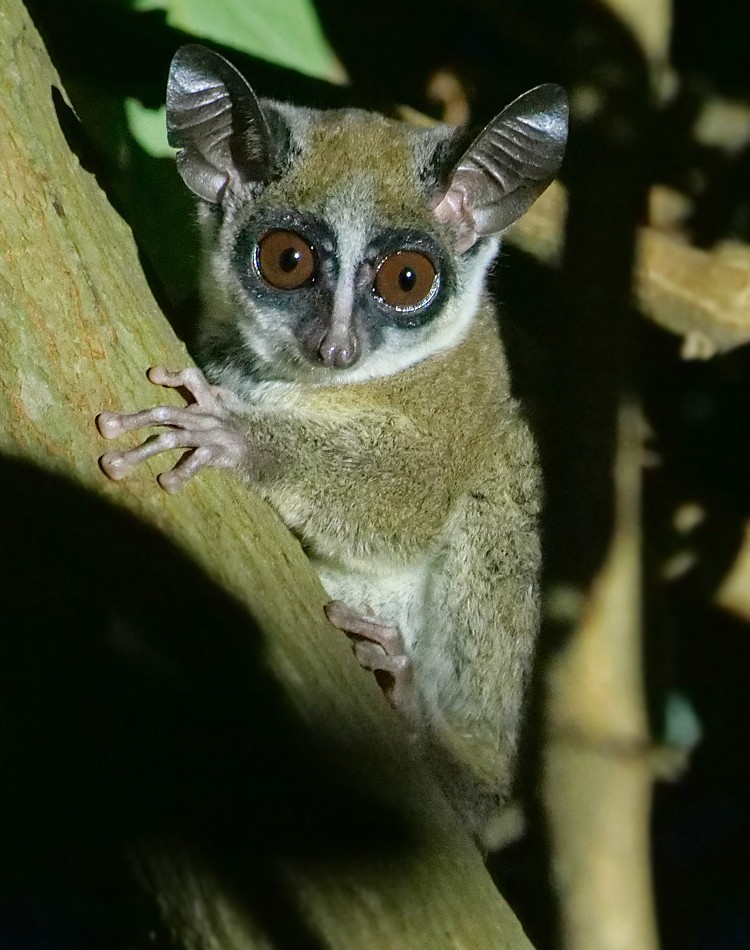
The Spectacled Galago, commonly known as the bush baby, ranks among Africa’s most captivating and elusive nocturnal primates. Inhabiting forests, woodlands, and the edges of savannahs, this small primate is instantly recognizable by its large, round eyes framed with dark fur, which give it the distinctive “spectacled” appearance. Though diminutive in size, the Spectacled Galago is remarkably agile, moving almost silently through the canopy and leaping effortlessly between branches with astonishing precision.
Highly vocal and socially complex, these primates communicate through a variety of calls, clicks, and whistles, revealing a rich tapestry of nocturnal behavior that is rarely observed by humans. Watching a Spectacled Galago in its natural habitat offers a unique window into Africa’s secretive nighttime ecosystem, where keen senses, stealthy movement, and intricate interactions define survival. For wildlife enthusiasts and lovers of nocturnal creatures, this tiny primate embodies a perfect blend of mystery, charm, and the wonder of Africa’s hidden wilderness.
Beyond its captivating appearance, the Spectacled Galago serves a vital ecological role within African forests. As a nocturnal forager, it feeds on insects, fruits, and tree gums, aiding in seed dispersal and helping regulate insect populations, which supports the overall health and balance of its ecosystem. Their complex social calls, uttered in the quiet hours of the night, maintain group cohesion and provide early warnings of predators, demonstrating a sophisticated social structure despite their small size.
Encountering a Spectacled Galago—whether during guided night walks or rare glimpses in the wild—offers travelers an intimate view of Africa’s hidden nocturnal world. These encounters reveal a side of the forest that remains largely unseen during daylight hours, deepening appreciation for the continent’s rich biodiversity, the delicate interactions of nocturnal species, and the subtle rhythms that sustain life after dark. Through such experiences, visitors gain not only memories of a charming and mysterious primate but also a greater understanding of the intricate ecological networks that support Africa’s forests.
So lace up your boots, grab your camera, and prepare to meet the wild — this is where your gorilla trekking dreams and unforgettable safari adventures truly begin.
Truly Iconic Highlights in Uganda

Trek through Bwindi’s mystical rainforest and meet the endangered mountain gorillas in their breathtaking natural home.
Encounter mountain gorillas and golden monkeys on Mgahinga’s misty volcanic trails, where culture and alpine wildlife thrive together.
Unwind after your trek with a peaceful canoe ride across Lake Bunyonyi, Uganda’s most tranquil and scenic highland lake.
Enhance your gorilla trekking safari with an optional chimpanzee encounter in Uganda’s lush forests, adding depth and diversity to your primate adventure
Gorilla Trekking Tours in Uganda – Our Most Popular Itineraries.
Explore our gorilla trekking safaris for every traveler—solo, family, budget, or luxury. All tours include permits, transport, accommodation, meals, and park fees. Whether for a quick trip or a deeper adventure, we’ve got you covered.
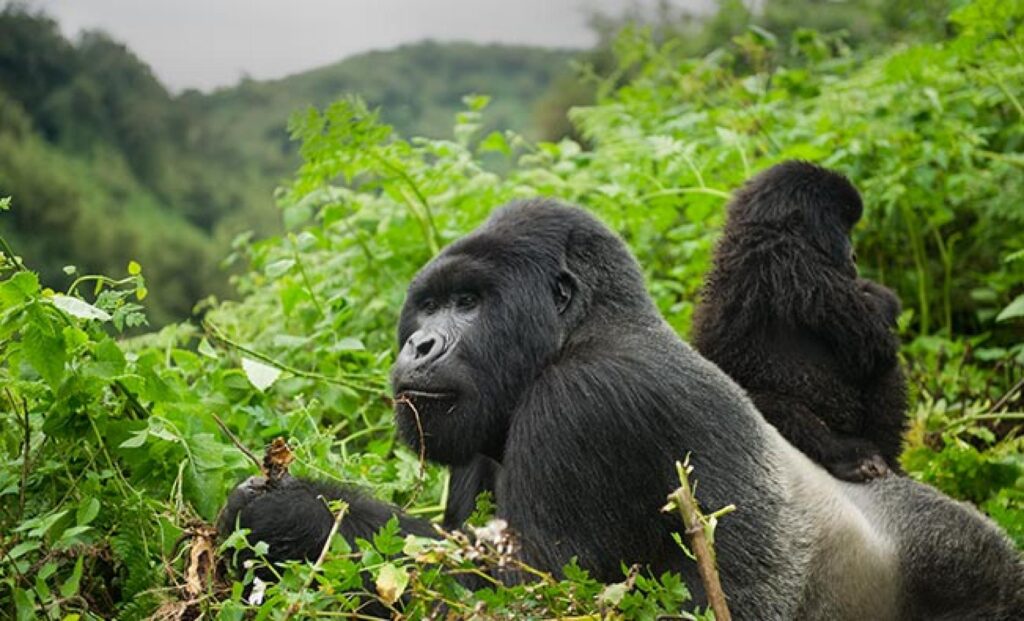
3-Day Bwindi Gorilla Trekking Safari
3-Day Bwindi Gorilla Trekking Safari
4-Day Uganda Gorilla Trekking Safari
4-Day Uganda Gorilla Trekking Safari
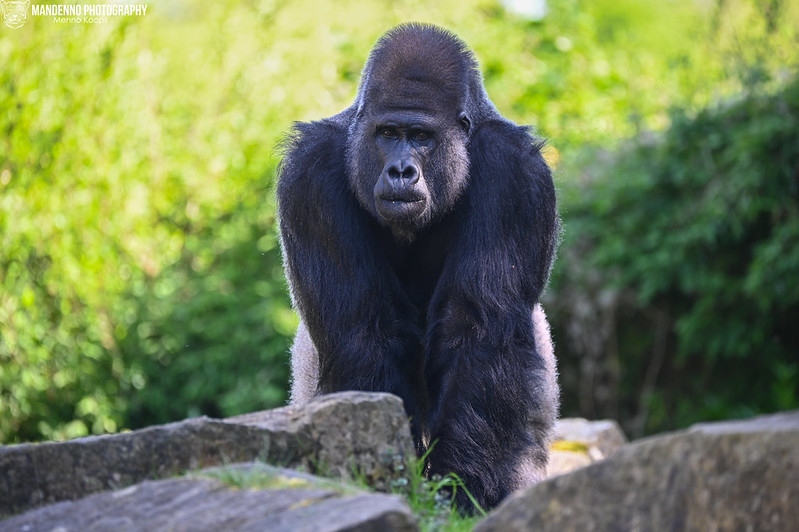
5-Day Gorilla Tracking and Wildlife Safari
5-Day Gorilla Tracking and Wildlife Safari
7-Day Uganda Primate Adventure & Wildlife Safari
7-Day Uganda Primate Adventure & Wildlife Safari
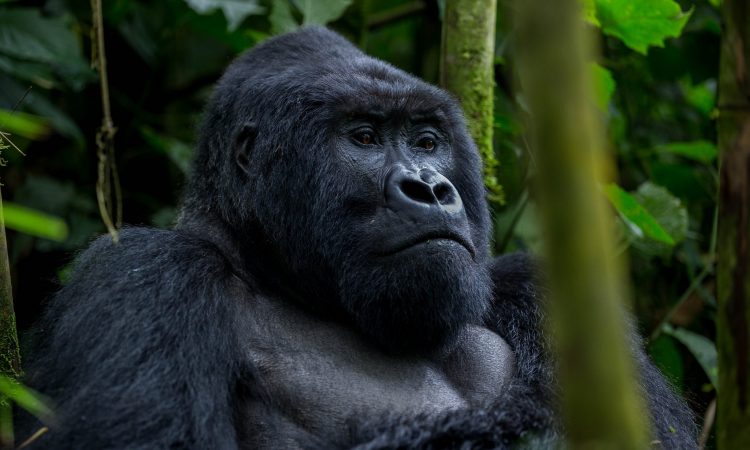
10-Day Gorilla Trekking & Big Five Safari in Uganda
10-Day Gorilla Trekking & Big Five Safari in Uganda
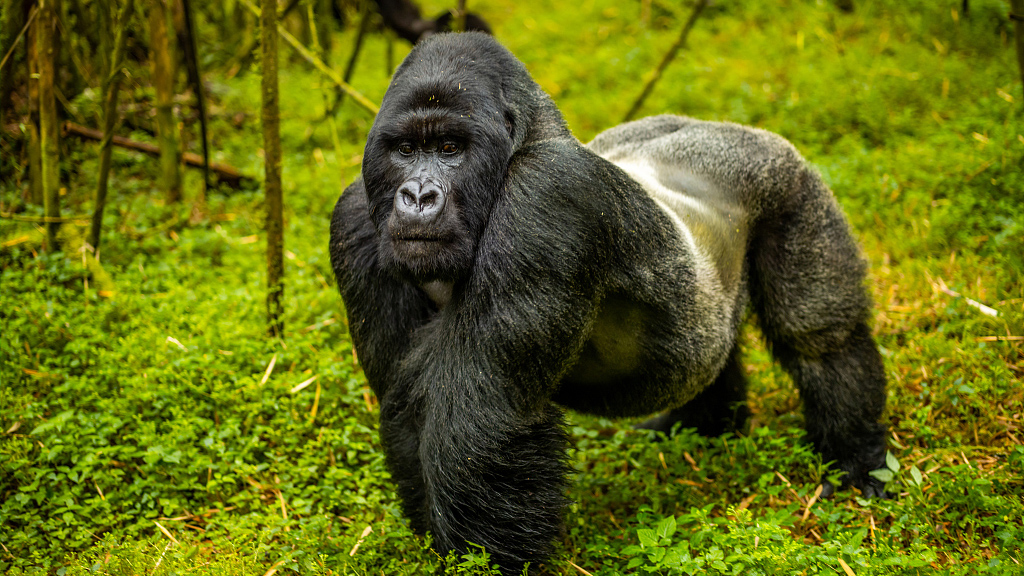
12-Day Uganda Gorilla Trekking, Chimp Tracking & Cultural Safari
12-Day Uganda Gorilla Trekking, Chimp Tracking & Cultural Safari
14-Day Best of Uganda Safari – Gorillas, Wildlife, Cultures
14-Day Best of Uganda Safari – Gorillas, Wildlife, Cultures
Spectacled Galago – The Agile Nocturnal Primate of African Forests
Scientific Classification and Physical Traits
The Spectacled Galago, scientifically named Galago matschiei, belongs to the Galagidae family, a group of small, nocturnal primates native to sub-Saharan Africa. Adult individuals typically measure 20–35 cm in body length, with a tail often longer than the body, which aids in balance and agility.
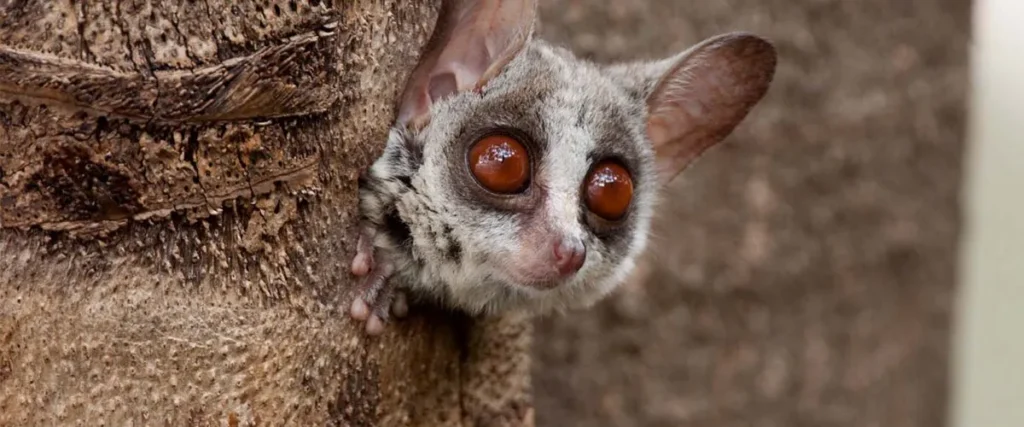
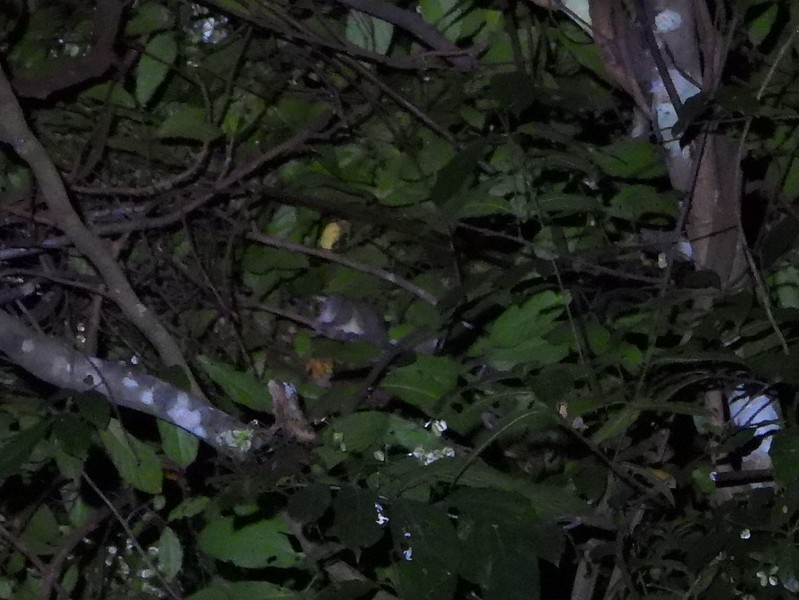
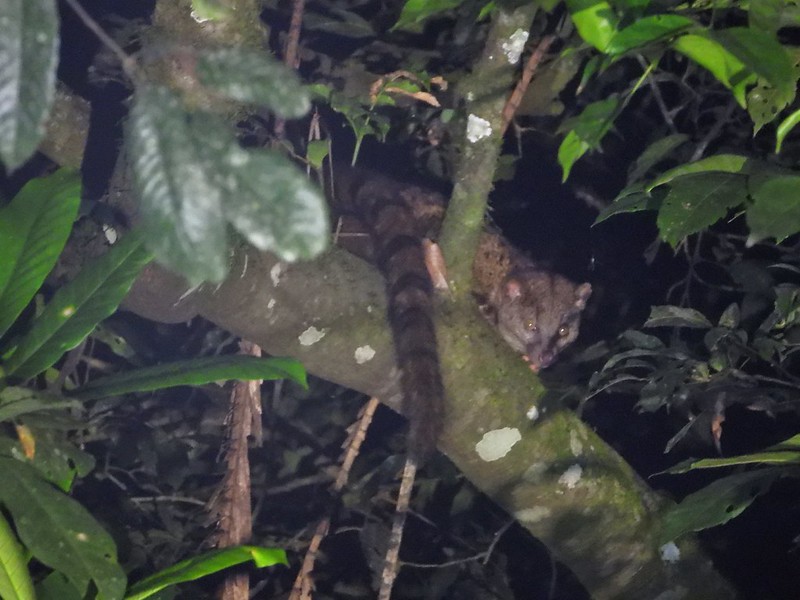
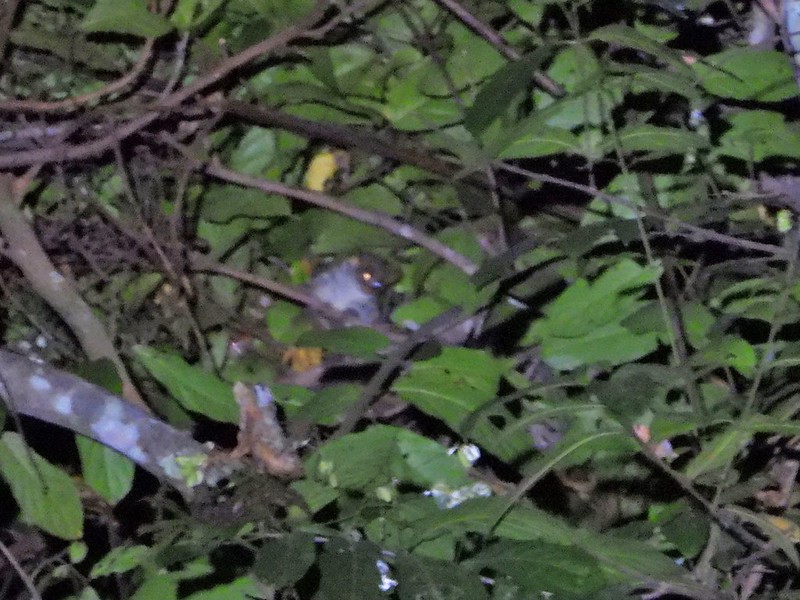
Its most distinctive feature is its large, reflective eyes, encircled by dark rings that give the appearance of spectacles, earning the species its common name. These eyes, combined with highly sensitive ears, allow the galago to navigate dense forests in near-total darkness. The soft, dense fur provides camouflage among branches, while strong, elongated limbs and a prehensile tail make it an expert leaper and climber.
The Spectacled Galago is a nocturnal specialist, perfectly adapted for life in the shadows of the forest canopy, blending stealth, precision, and social intelligence.
Habitat and Distribution
Spectacled Galagos inhabit eastern and central Africa, with populations recorded in Uganda, Kenya, Tanzania, and the Congo Basin. They thrive in dense primary and secondary forests, riverine corridors, and woodland edges, where they can move freely while remaining largely hidden from predators.
These forests provide abundant food, shelter, and safe nesting sites in tree hollows or dense foliage. Their nocturnal habits reduce competition with larger diurnal animals, allowing them to coexist with monkeys, small carnivores, and birds of prey. The species’ preference for intact, connected habitats makes them indicators of forest ecosystem health.
Behavior and Feeding Habits
The Spectacled Galago is omnivorous, feeding primarily on insects, fruits, and tree gums. Its diet may also include small vertebrates and nectar, depending on seasonal availability.
Nocturnal Activity: Galagos are highly active at night, leaping between branches, probing bark for insects, and exploring for ripe fruits. During the day, they retreat to tree hollows or dense foliage to rest.
Locomotion: Known for remarkable leaping ability, they can traverse several meters in a single bound. Their tails act as stabilizers during mid-air maneuvers.
Social Structure: They live in small family groups or solitary pairs. Communication is complex, including a combination of calls, clicks, whistles, and scent-marking, which help coordinate group movements, establish territory, and warn of predators.
Courtship and Reproduction: Galagos engage in subtle nocturnal displays to attract mates. Females typically give birth to one or two offspring per breeding cycle, which cling to the mother until capable of independent movement.
This blend of agility, intelligence, and nocturnal adaptation makes the Spectacled Galago a fascinating subject for guided night walks and research observation.
Conservation Status
Currently, the Spectacled Galago is considered Least Concern, though local populations can decline due to deforestation, habitat fragmentation, and hunting. Conservation efforts emphasize protecting forests, restoring degraded woodlands, and promoting community-based ecotourism.
Responsible tourism—such as guided nocturnal forest walks—offers opportunities for local communities to benefit from sustainable wildlife activities while supporting habitat protection. These initiatives also raise awareness about the ecological importance of nocturnal primates and their role in maintaining healthy forest ecosystems.
Observation Opportunities
Spectacled Galagos are best observed at night, using soft torchlight to reveal their reflective eyes and active movements. Guided night treks increase the likelihood of sightings and provide educational context about their behavior and environment.
Prime Locations Include:
Uganda: Kibale Forest, Bwindi Impenetrable Forest, Mabira Forest Reserve
Kenya: Kakamega Forest, coastal and riverine woodlands
Tanzania: Eastern Arc forests and savannah-forest mosaics
Observers should move quietly, avoid sudden movements, and respect the galagos’ nocturnal routines to ensure minimal disturbance.
Ecological Importance and Role in the Forest
Spectacled Galagos play a crucial role in forest ecosystems as insect predators and seed dispersers. By controlling insect populations and spreading seeds, they contribute to forest regeneration and biodiversity maintenance. Their presence often reflects healthy, undisturbed habitats, making them an important species for conservation monitoring.
More Gorilla Trekking Information to Know.
Gorilla trekking goes far beyond just the hike — it’s a deep, emotional journey into the heart of Africa’s last wild rainforests. Knowing the right timing, permits, fitness tips, and park details can turn your experience from good to unforgettable.
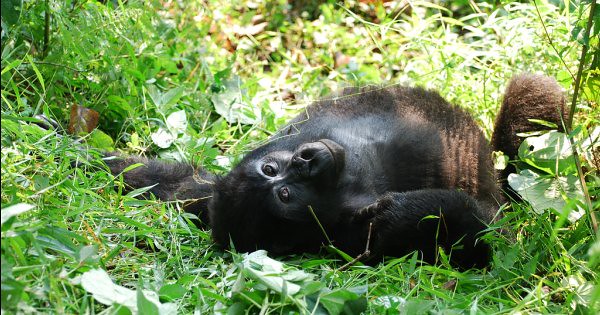
Gorilla Trekking in Bwindi Impenetrable Forest
Gorilla Trekking in Bwindi Impenetrable Forest
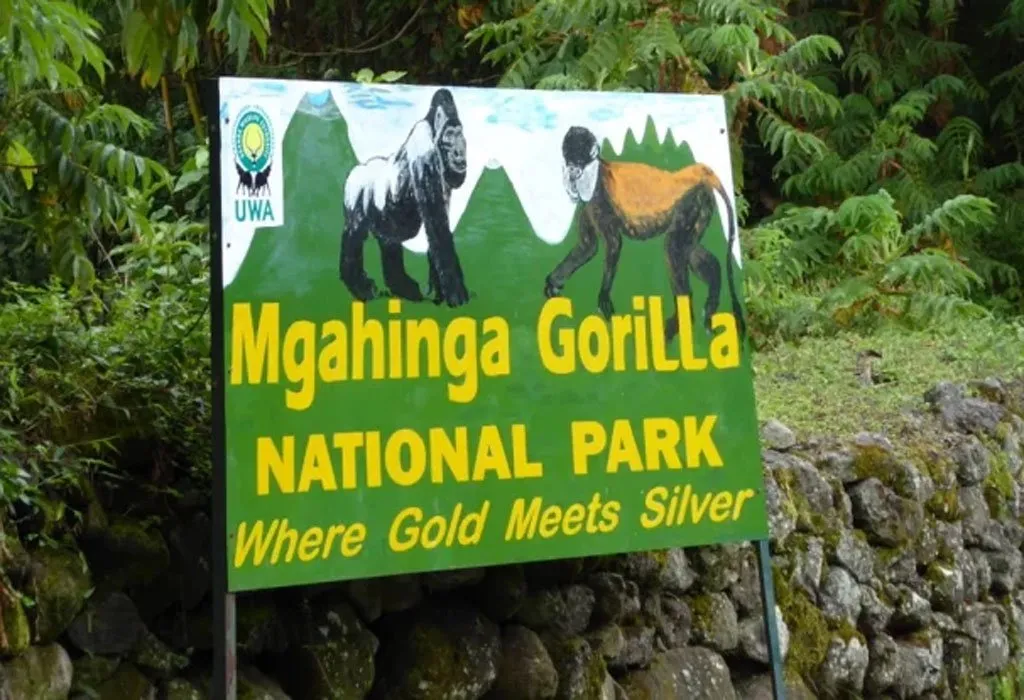
Trekking Gorillas in Mgahinga National Park
Trekking Gorillas in Mgahinga National Park
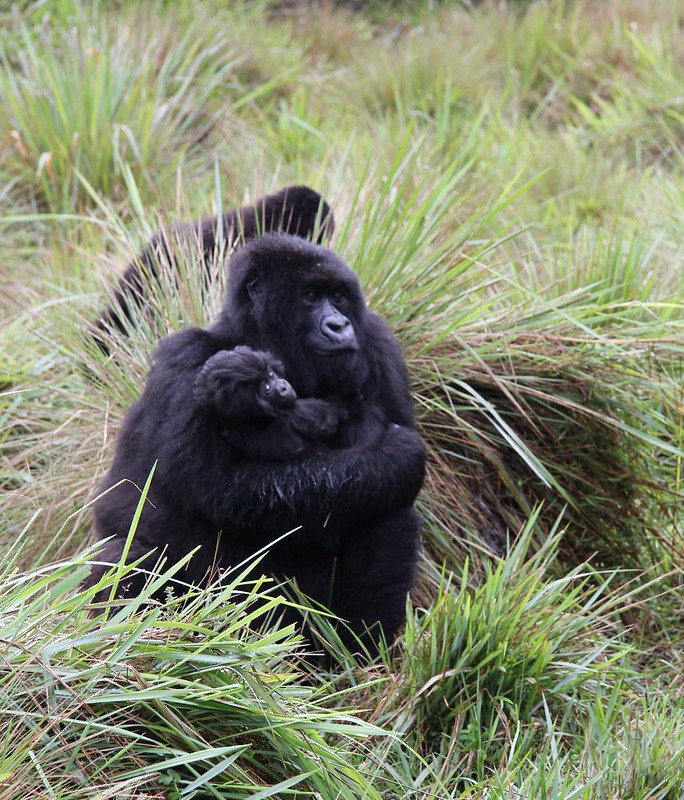
Uganda Gorilla Trekking Permits – Prices, Booking, & Travel Tips
Uganda Gorilla Trekking Permits – Prices, Booking, & Travel Tips

What to Pack for Gorilla Trekking in Uganda – Expert Checklist
What to Pack for Gorilla Trekking in Uganda – Expert Checklist
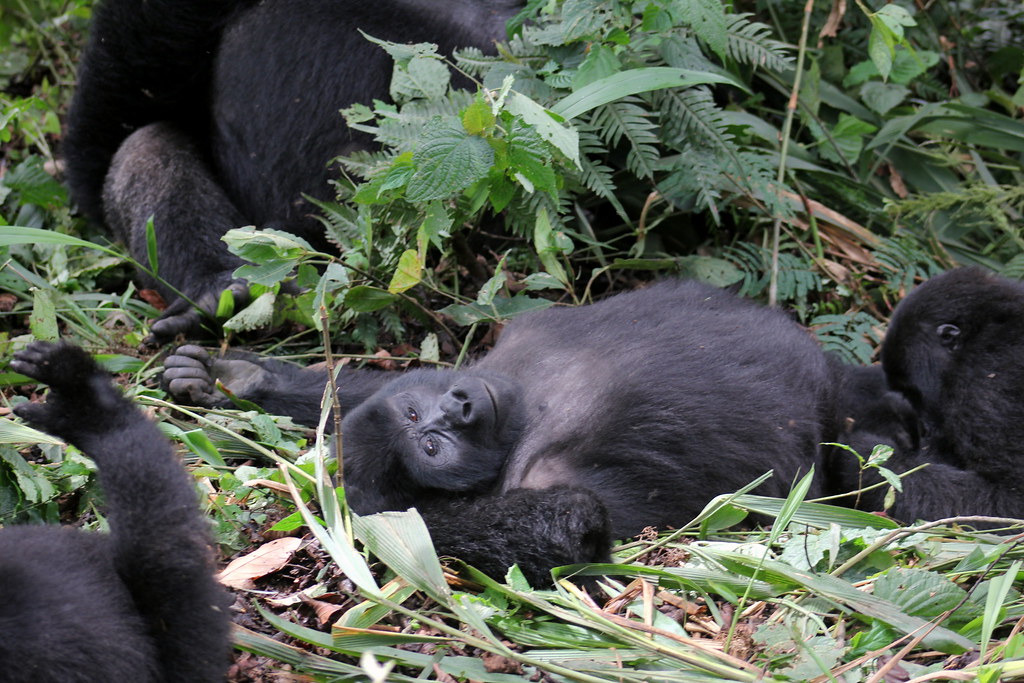
Best Time to Go Gorilla Trekking in Uganda – Weather & Seasons
Best Time to Go Gorilla Trekking in Uganda – Weather & Seasons
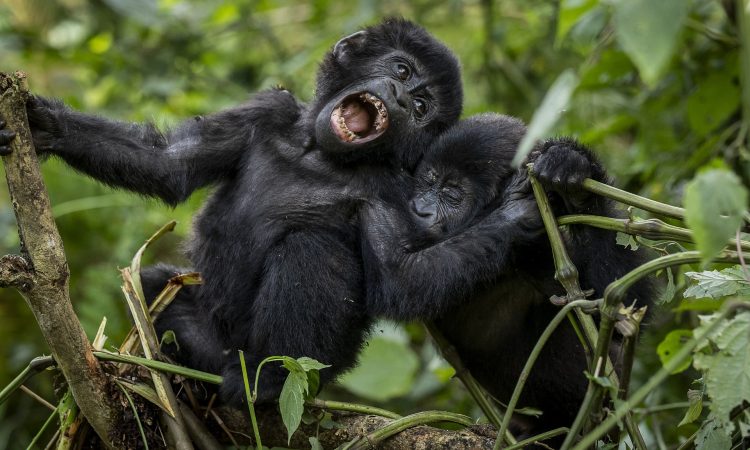
Gorilla Trekking Difficulty in Uganda – Fitness & Trail Guide
Gorilla Trekking Difficulty in Uganda – Fitness & Trail Guide
Gorilla Trekking Rules in Uganda – Safety, Respect & Ethics
Gorilla Trekking Rules in Uganda – Safety, Respect & Ethics
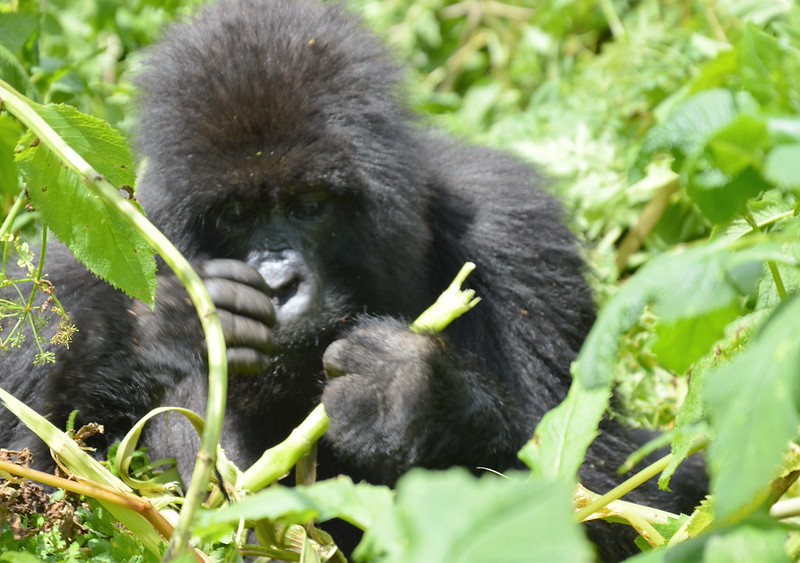
Gorilla Conservation in Uganda – Protecting the Mountain Giants
Gorilla Conservation in Uganda – Protecting the Mountain Giants
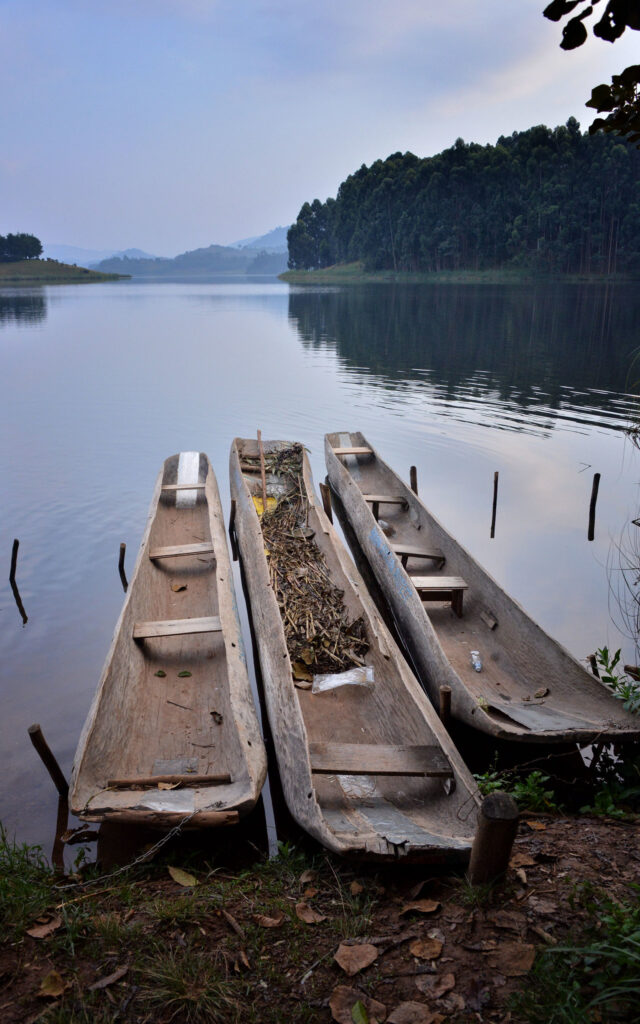
Bwindi vs. Mgahinga – Which One to Choose For Gorilla Trekking?
Bwindi vs. Mgahinga – Which One to Choose For Gorilla Trekking?
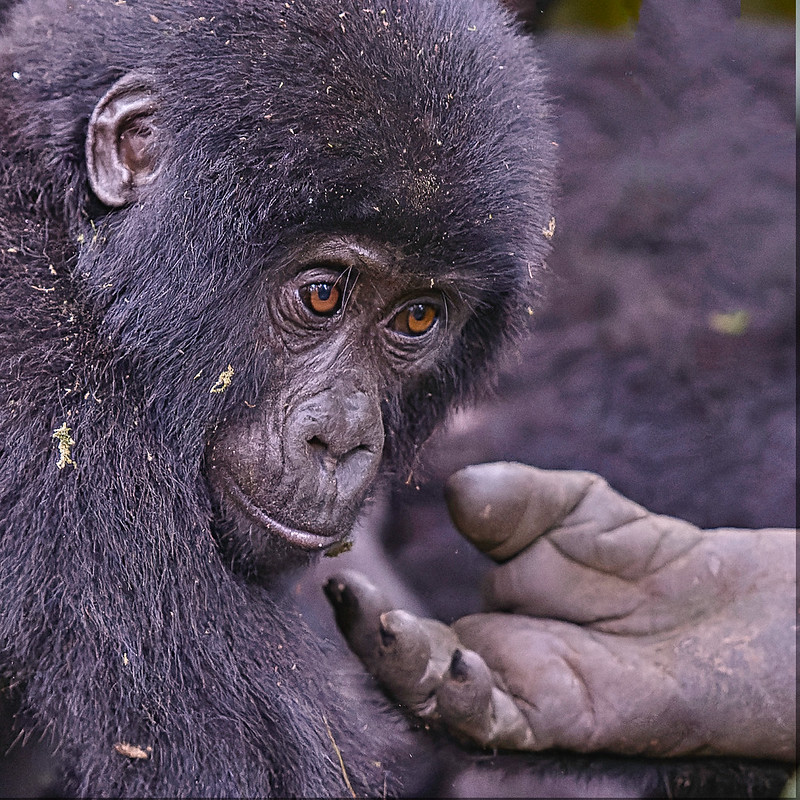
How to Stay Safe and Healthy While Traveling in Uganda
How to Stay Safe and Healthy While Traveling in Uganda
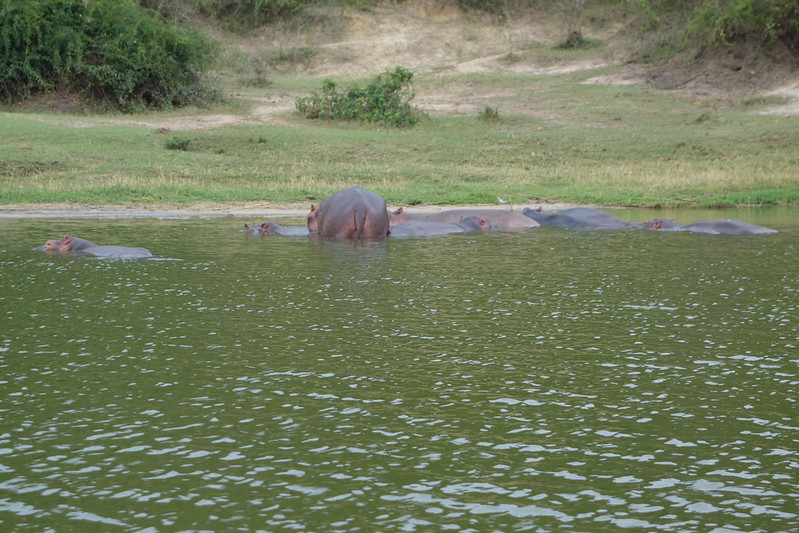
Routes, Tips & Travel Wisdom for Getting to Bwindi or Mgahinga
Routes, Tips & Travel Wisdom for Getting to Bwindi or Mgahinga
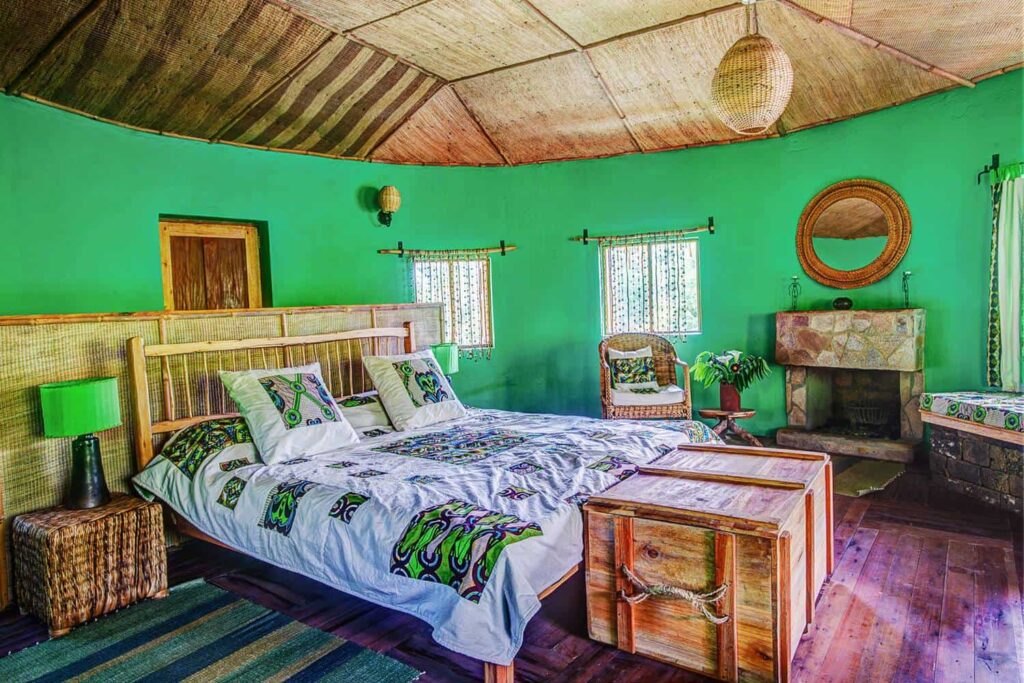
Accommodation Options: Lodges & Camps in Bwindi and Mgahinga
Accommodation Options: Lodges & Camps in Bwindi and Mgahinga
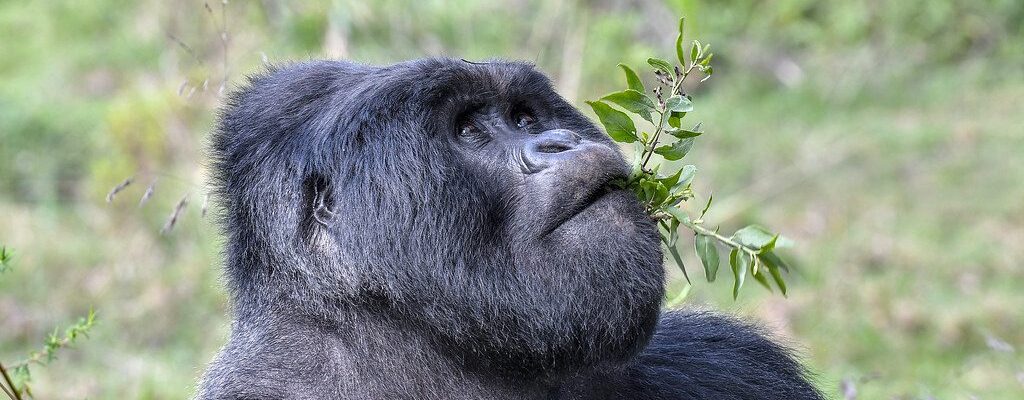
Protecting What You Came to See: Gorilla Conservation & Ethics
Protecting What You Came to See: Gorilla Conservation & Ethics
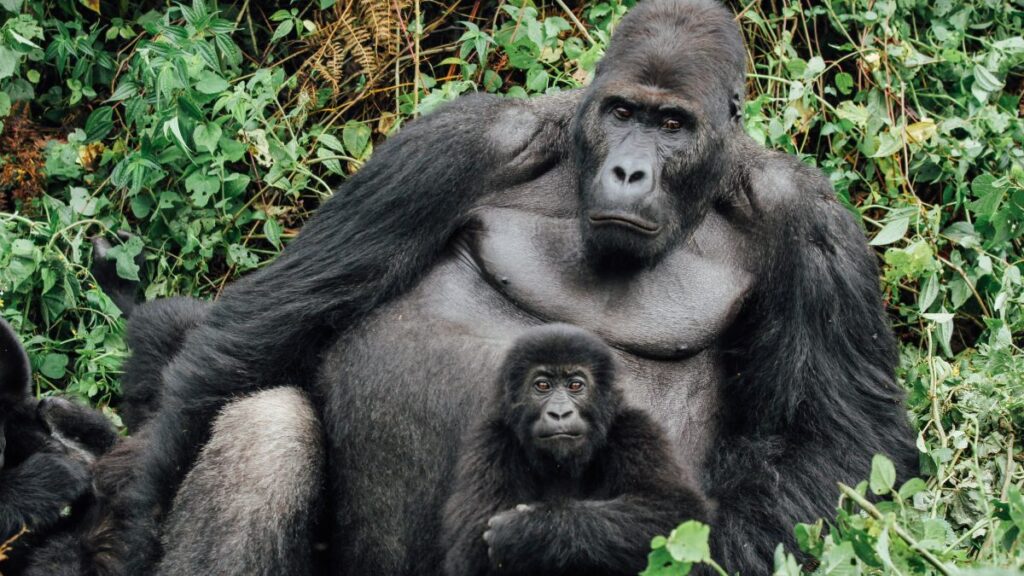
Travel Insurance for Gorilla Treks: Before You Go
Travel Insurance for Gorilla Treks: Before You Go
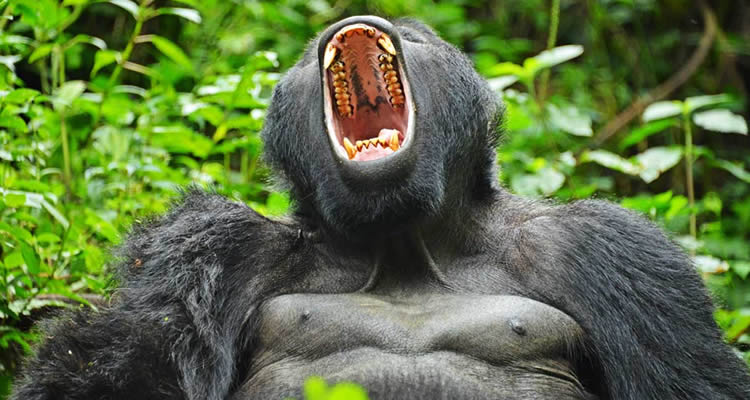
First Time Gorilla Trekking? Here’s Everything I Wish I Knew
First Time Gorilla Trekking? Here’s Everything I Wish I Knew
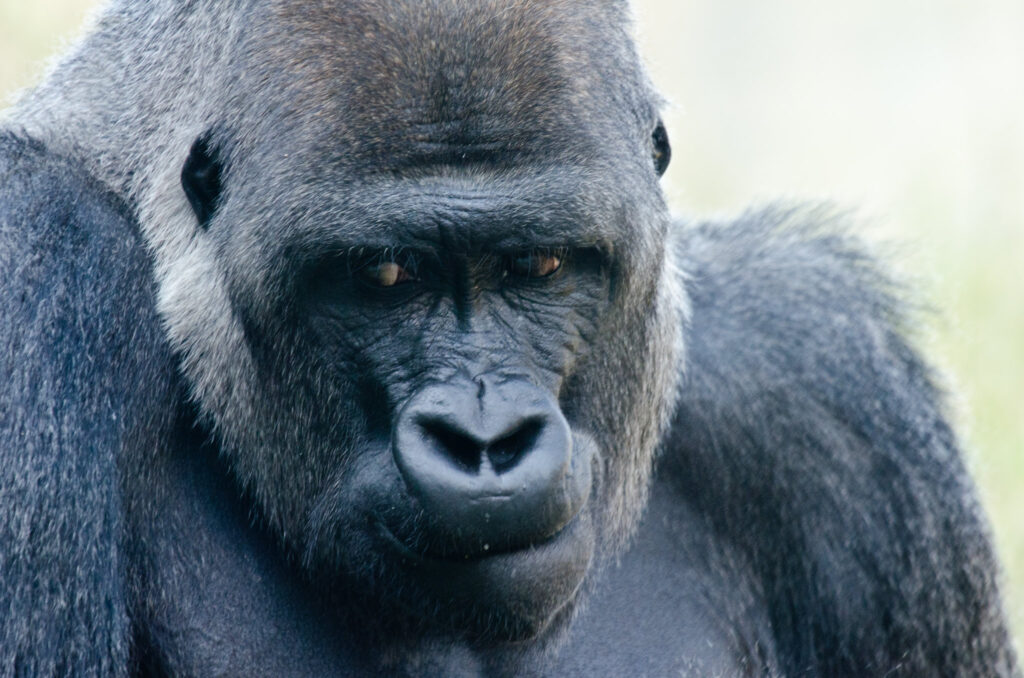
Step by Step: What Happens During a Gorilla Trekking Day
Step by Step: What Happens During a Gorilla Trekking Day
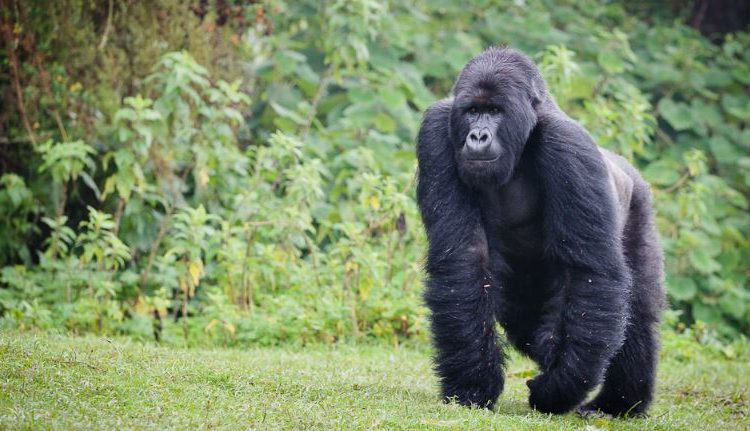
Gorilla Trekking vs. Gorilla Tracking – What’s the Real Difference?
Gorilla Trekking vs. Gorilla Tracking – What’s the Real Difference?
Beyond Gorillas: Other Wildlife You Can See During Your Trek
Beyond Gorillas: Other Wildlife You Can See During Your Trek
In the Realm of Giants – Bwindi & Mgahinga in Frames.
Wander through an elegant gallery capturing Uganda’s most exclusive gorilla sanctuaries, where ancient forests cradle the last mountain gorillas in a world of mist, mystery, and majesty.
Essential Planning Tips for Visiting Uganda’s National Parks.
Get ready for the wild heart of Africa with expert travel tips on when to visit, what to pack, where to go, and how to make the most of your safari across Uganda’s breathtaking national parks.
Why Uganda for Gorilla Trekking?
Uganda is not just a destination — it's the very soul of gorilla trekking. With over half of the world’s remaining mountain gorillas calling its misty forests home, Uganda offers the rarest encounters in their most authentic setting. Here, your journey is not rushed or crowded. Instead, you’re guided by experienced rangers through pristine jungles where gorillas live as they always have — wild, free, and magnificent
From insider travel insights to unforgettable trekking guides, our blog is your trusted path into Uganda’s wild heart — connecting you with mountain gorillas, breathtaking landscapes, and the soul-stirring adventures that make this land unlike any other.