

Where the soul of the forest whispers in the mist
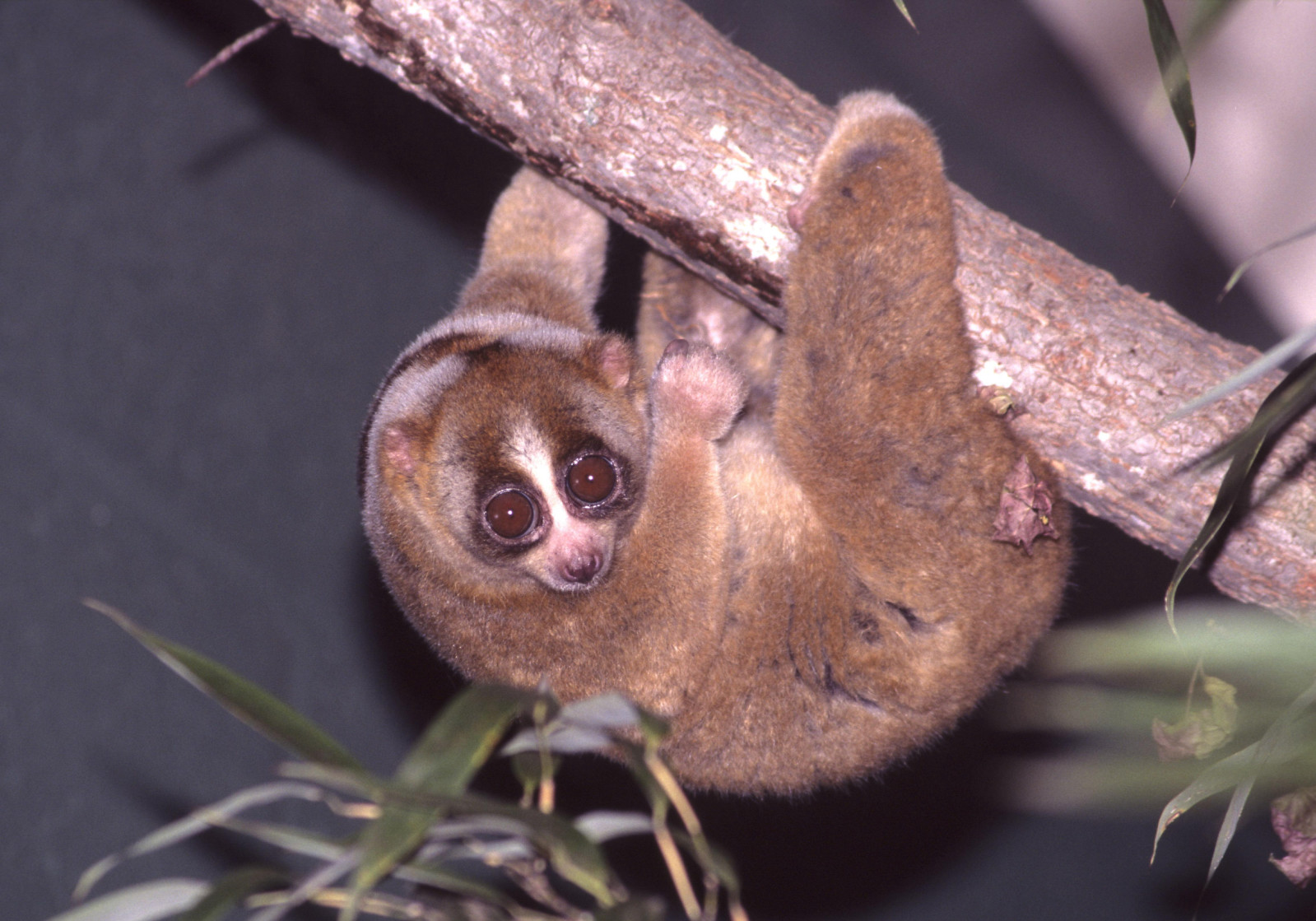
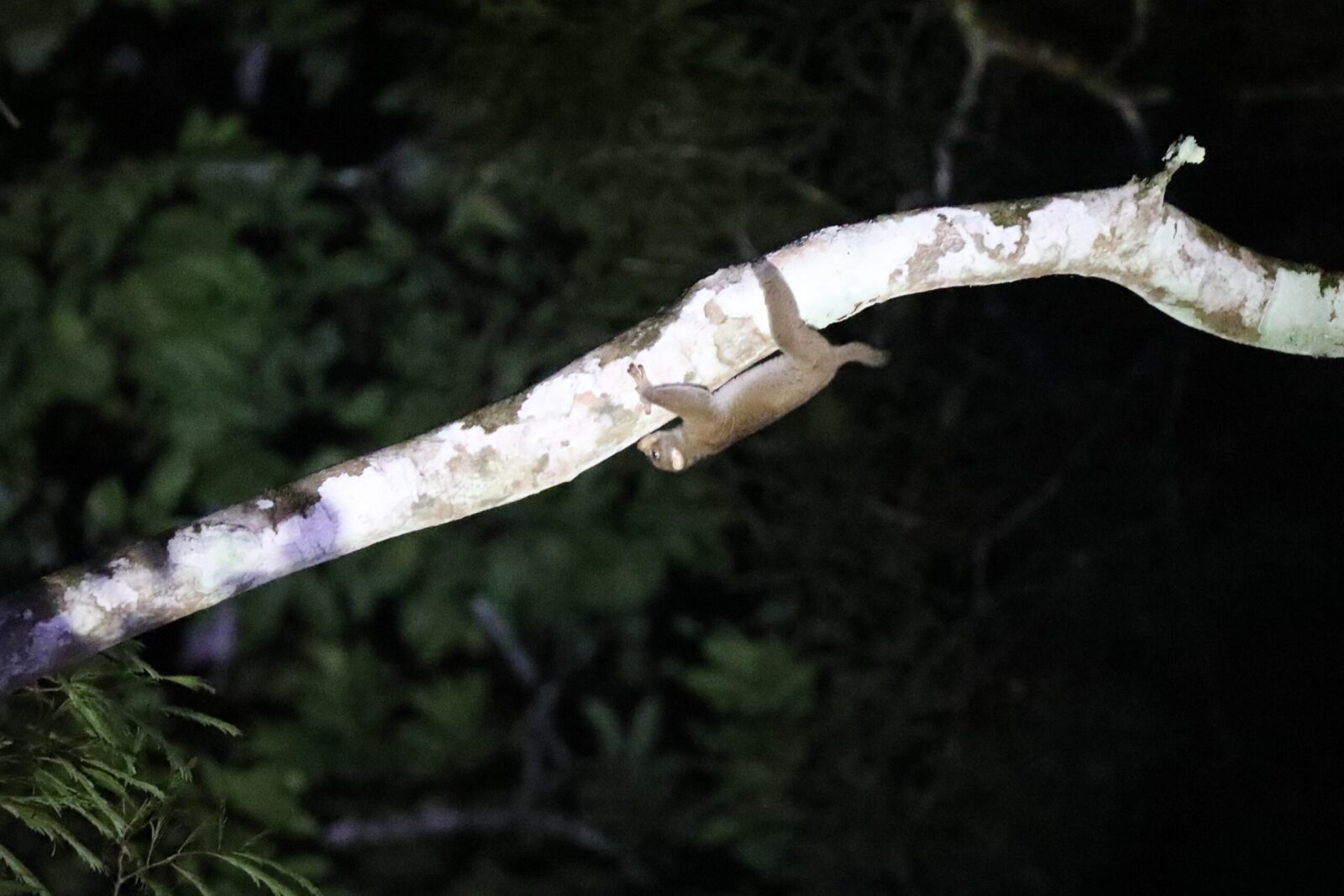
The African Potto is among the most enigmatic and little understood primates of Africa’s rainforests. Elusive and largely nocturnal, this small primate navigates the treetops under the veil of night with a deliberate, almost ghostlike grace. Its large, reflective eyes, rounded ears, and compact body give it an unexpectedly gentle, even toy-like appearance, yet every feature is a testament to survival in a complex, predator-filled ecosystem.
Despite its quiet demeanor, the potto is a highly specialized forest dweller. Its slow, cautious movements allow it to forage for leaves, fruits, and insects while avoiding predators, and its strong, grasping limbs make it an agile navigator of branches and vines.
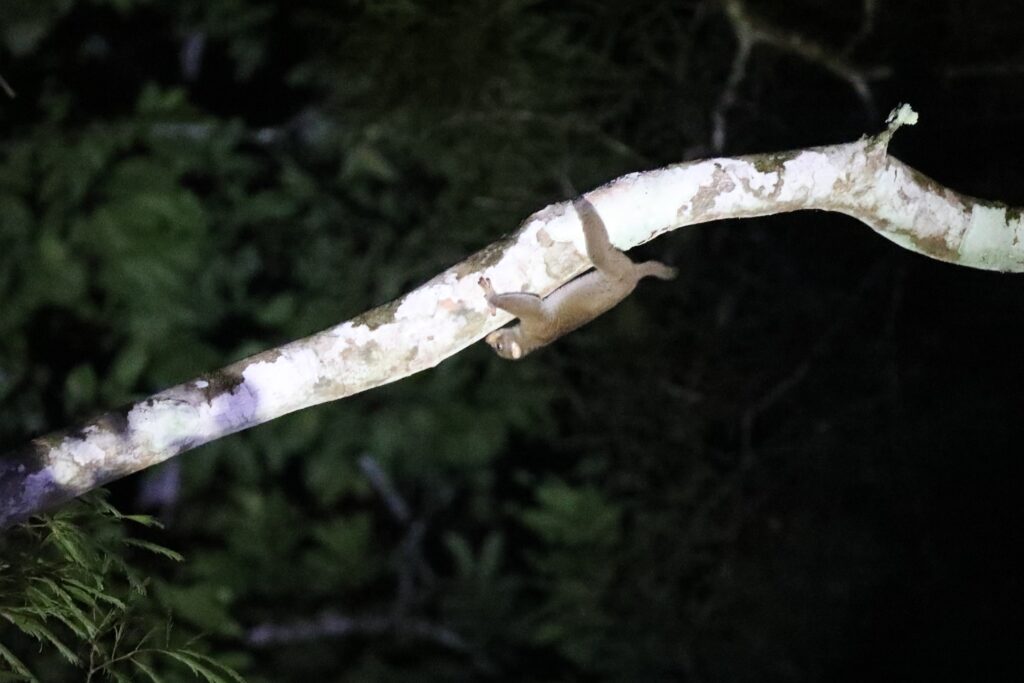
Unlike many primates that depend on speed or complex social structures, the African Potto thrives through patience, silence, and subtlety. Every movement is deliberate and measured, enabling it to remain nearly invisible to predators and human observers alike. This unhurried pace is not a limitation but a finely honed survival strategy, conserving energy while navigating a world where danger lurks in every shadow.
As a crucial component of its ecosystem, the potto contributes to insect population control and helps maintain the balance of forest life. Its foraging habits and nocturnal activity influence both plant regeneration and prey dynamics, demonstrating how even a small, secretive primate can have far-reaching ecological effects.
So lace up your boots, grab your camera, and prepare to meet the wild — this is where your gorilla trekking dreams and unforgettable safari adventures truly begin.
Truly Iconic Highlights in Uganda

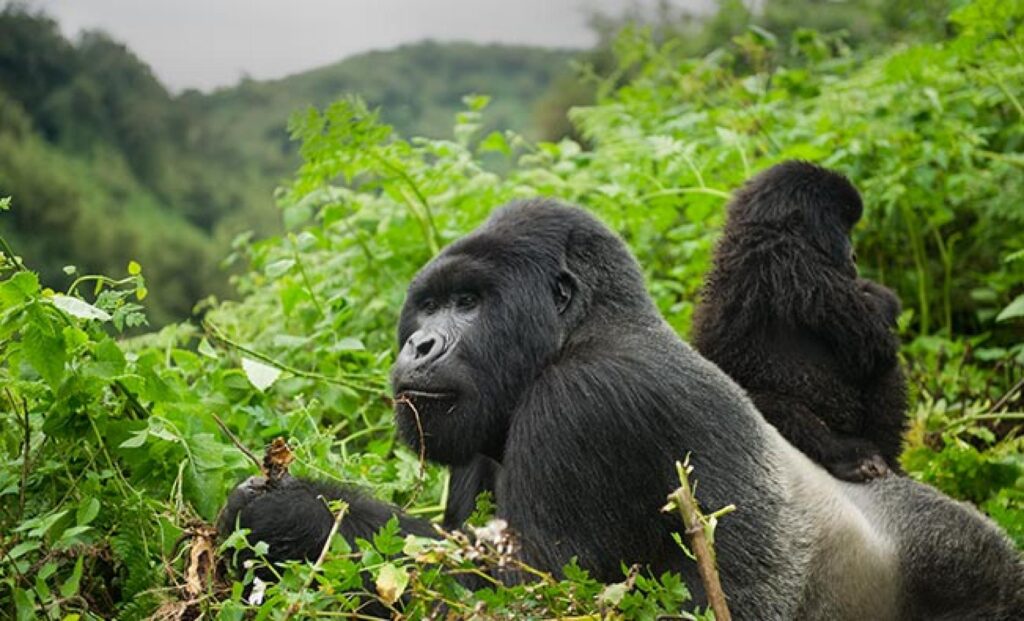
Trek through Bwindi’s mystical rainforest and meet the endangered mountain gorillas in their breathtaking natural home.
Encounter mountain gorillas and golden monkeys on Mgahinga’s misty volcanic trails, where culture and alpine wildlife thrive together.
Unwind after your trek with a peaceful canoe ride across Lake Bunyonyi, Uganda’s most tranquil and scenic highland lake.
Enhance your gorilla trekking safari with an optional chimpanzee encounter in Uganda’s lush forests, adding depth and diversity to your primate adventure
Gorilla Trekking Tours in Uganda – Our Most Popular Itineraries.
Explore our gorilla trekking safaris for every traveler—solo, family, budget, or luxury. All tours include permits, transport, accommodation, meals, and park fees. Whether for a quick trip or a deeper adventure, we’ve got you covered.
3-Day Bwindi Gorilla Trekking Safari
3-Day Bwindi Gorilla Trekking Safari
4-Day Uganda Gorilla Trekking Safari
4-Day Uganda Gorilla Trekking Safari
5-Day Gorilla Tracking and Wildlife Safari
5-Day Gorilla Tracking and Wildlife Safari
7-Day Uganda Primate Adventure & Wildlife Safari
7-Day Uganda Primate Adventure & Wildlife Safari
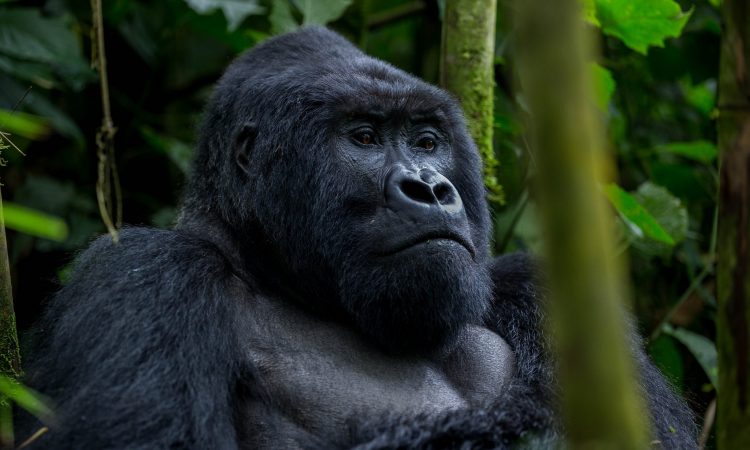
10-Day Gorilla Trekking & Big Five Safari in Uganda
10-Day Gorilla Trekking & Big Five Safari in Uganda
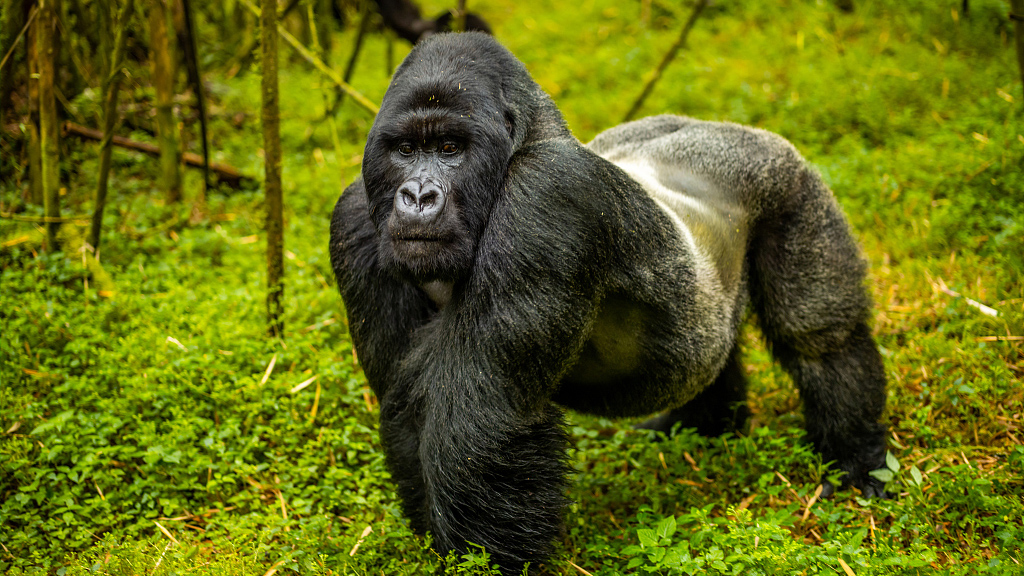
12-Day Uganda Gorilla Trekking, Chimp Tracking & Cultural Safari
12-Day Uganda Gorilla Trekking, Chimp Tracking & Cultural Safari
14-Day Best of Uganda Safari – Gorillas, Wildlife, Cultures
14-Day Best of Uganda Safari – Gorillas, Wildlife, Cultures
African Potto, The Hidden Keeper of Africa’s Rainforest Nights
Scientific Classification and Physical Characteristics
The African Potto belongs to the genus Perodicticus and is part of the strepsirrhine primate group, which includes lemurs and galagos. It is a small to medium-sized primate, with a stocky build, short limbs, and a thick neck that gives it a compact appearance. Its fur is dense and woolly, usually varying from grayish brown to reddish tones, providing excellent camouflage among tree bark and foliage.
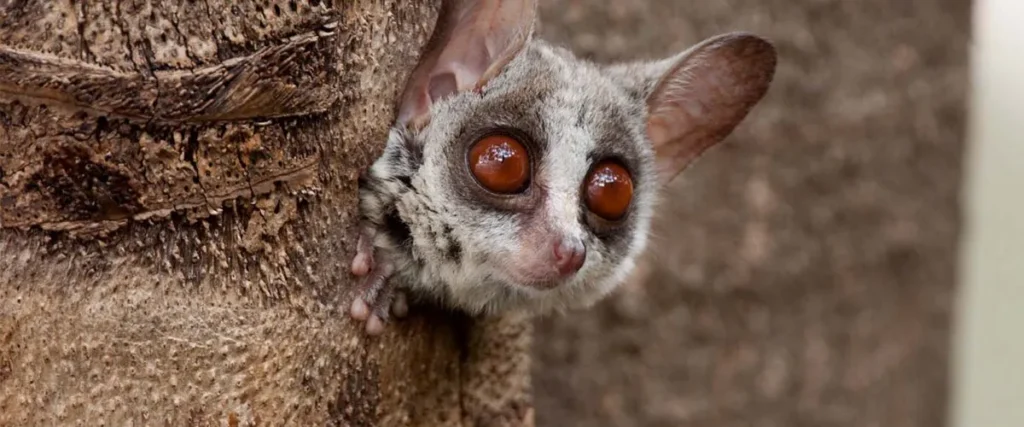
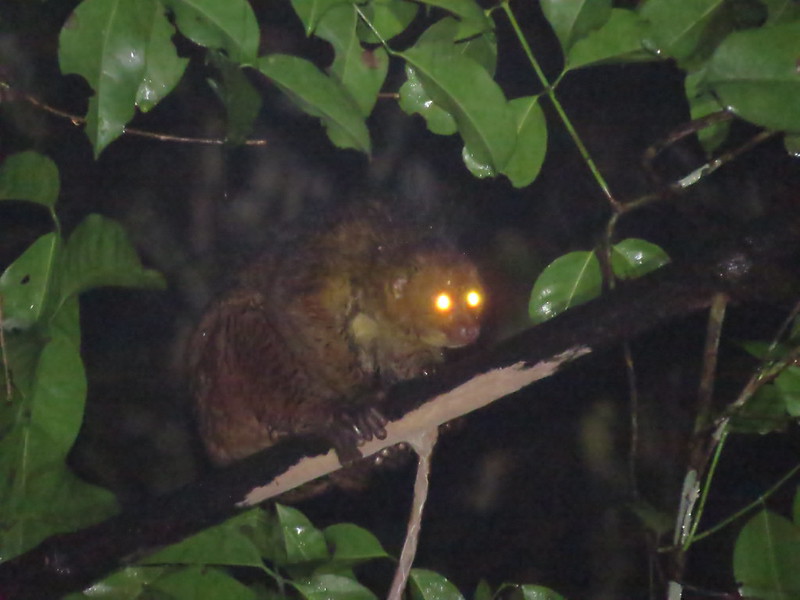
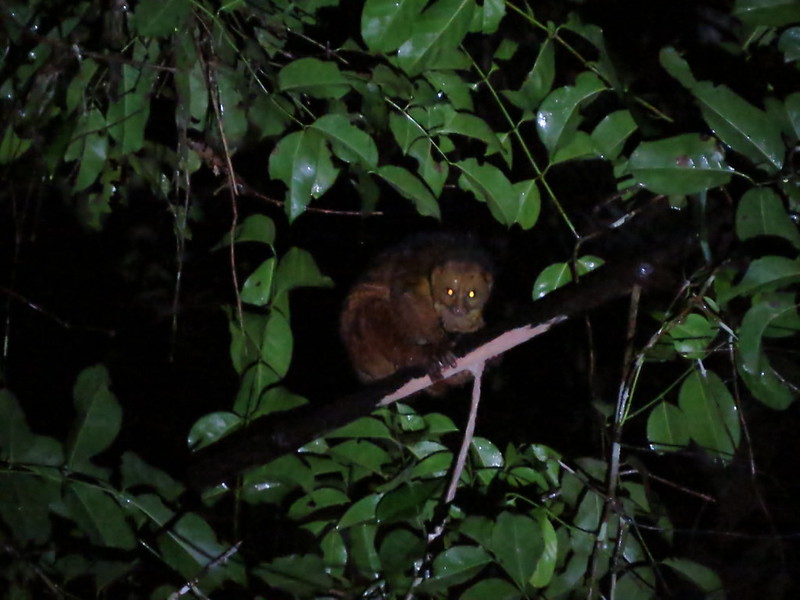
One of the potto’s most distinctive features is its large, forward-facing eyes, adapted for excellent night vision. These eyes reflect light strongly, making them noticeable during nighttime forest walks. The potto also has a reduced index finger, which enhances its grip and allows it to cling securely to branches for long periods without fatigue.
Habitat and Geographic Distribution
African Pottos are found across the tropical rainforests of West and Central Africa. Their range includes countries such as Uganda, Cameroon, Nigeria, Ghana, and the Congo Basin. They inhabit lowland rainforests, swamp forests, and secondary woodlands, preferring areas with dense canopy cover and minimal disturbance.
Because they are strictly arboreal, pottos depend heavily on intact forest structures. Deforestation and habitat fragmentation pose serious threats to their survival, often isolating populations and reducing access to food sources and breeding partners.
Behavior and Nocturnal Lifestyle
The African Potto is entirely nocturnal, emerging at night to feed and move through the trees. During the day, it rests in thick vegetation or tree hollows, remaining motionless and well hidden. Its slow movements help it avoid detection by predators such as snakes, owls, and large carnivores.
Pottos are generally solitary animals, although their territories may overlap. Communication is subtle and includes soft vocalizations, scent marking, and body posture. When threatened, the potto may tuck its head down and present the spiny vertebrae on its neck as a defensive mechanism.
Diet and Feeding Habits
The diet of the African Potto is omnivorous but heavily focused on insects. It feeds on beetles, caterpillars, ants, and other invertebrates, as well as fruits, tree gum, and occasionally small vertebrates. Its slow and careful hunting style allows it to capture prey with precision rather than speed.
By consuming large numbers of insects, the potto helps regulate insect populations within the forest, contributing to overall ecological balance. This role makes it an important though often overlooked participant in rainforest health.
Reproduction and Life Cycle
African Pottos have a slow reproductive rate, which makes population recovery difficult when numbers decline. Females typically give birth to a single infant after a gestation period of about six months. The young potto clings tightly to its mother’s belly or back during the early weeks of life.
Parental care is extensive, with the mother investing significant time and energy in raising her offspring. Young pottos develop slowly, learning climbing and feeding behaviors over several months before becoming independent.
Ecological Importance as a Key Species
As a key species, the African Potto contributes to insect population control and seed dispersal through fruit consumption. Its presence indicates a healthy, functioning forest ecosystem with sufficient canopy cover and biodiversity. The decline of potto populations often signals broader environmental issues such as habitat degradation and loss of forest connectivity.
Protecting the African Potto means protecting the rainforest itself, along with countless other species that depend on the same habitat.
Conservation Status and Threats
The African Potto is currently classified as a species of least concern, but this status varies by region. Major threats include deforestation, agricultural expansion, logging, and the illegal wildlife trade. In some areas, pottos are hunted for bushmeat or captured for the exotic pet market.
Conservation efforts focused on forest protection, community education, and enforcement of wildlife laws are essential to ensuring the long-term survival of this elusive primate.
Where to Encounter the African Potto
Seeing an African Potto in the wild is a rare and special experience. Nocturnal forest walks in protected areas such as Kibale Forest National Park in Uganda, parts of the Congo Basin, and select reserves in West Africa offer the best chances of observation. Even then, patience and trained guides are essential.
More Gorilla Trekking Information to Know.
Gorilla trekking goes far beyond just the hike — it’s a deep, emotional journey into the heart of Africa’s last wild rainforests. Knowing the right timing, permits, fitness tips, and park details can turn your experience from good to unforgettable.
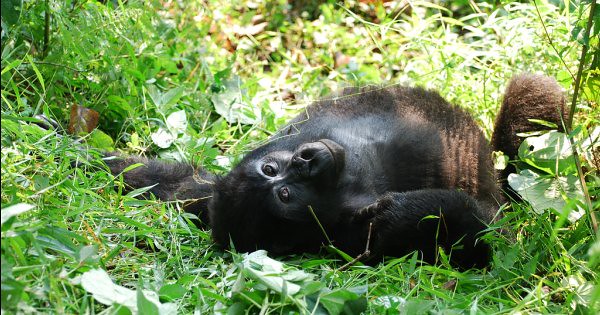
Gorilla Trekking in Bwindi Impenetrable Forest
Gorilla Trekking in Bwindi Impenetrable Forest
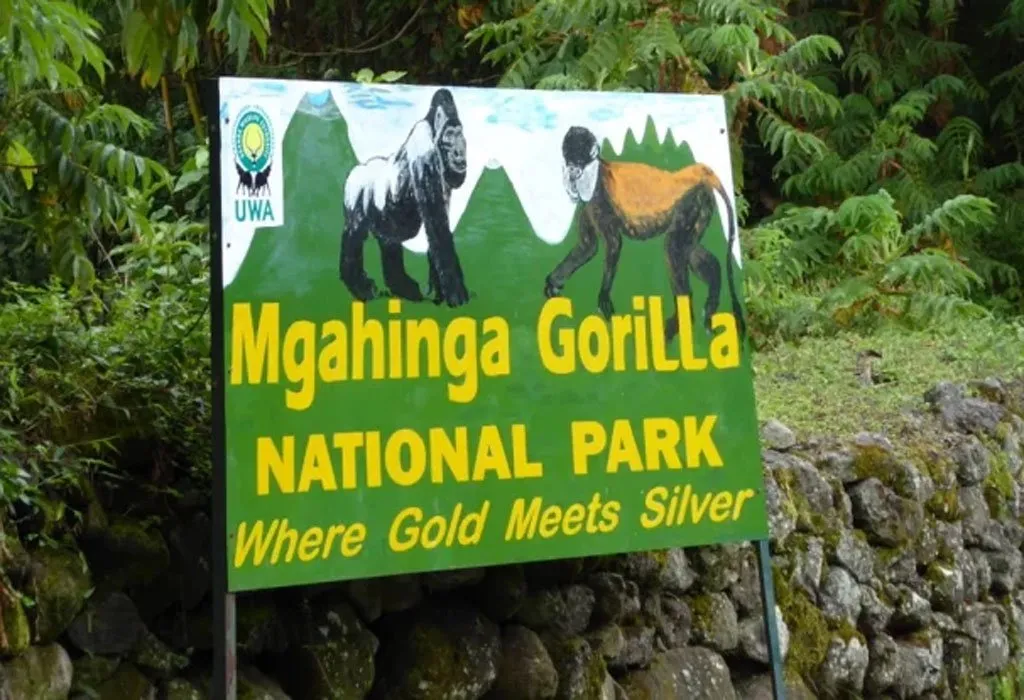
Trekking Gorillas in Mgahinga National Park
Trekking Gorillas in Mgahinga National Park
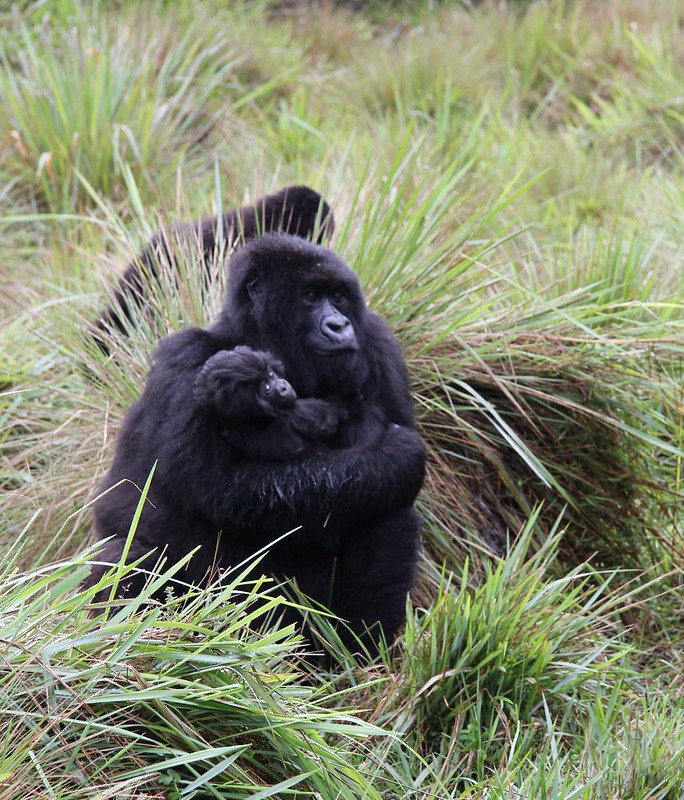
Uganda Gorilla Trekking Permits – Prices, Booking, & Travel Tips
Uganda Gorilla Trekking Permits – Prices, Booking, & Travel Tips

What to Pack for Gorilla Trekking in Uganda – Expert Checklist
What to Pack for Gorilla Trekking in Uganda – Expert Checklist
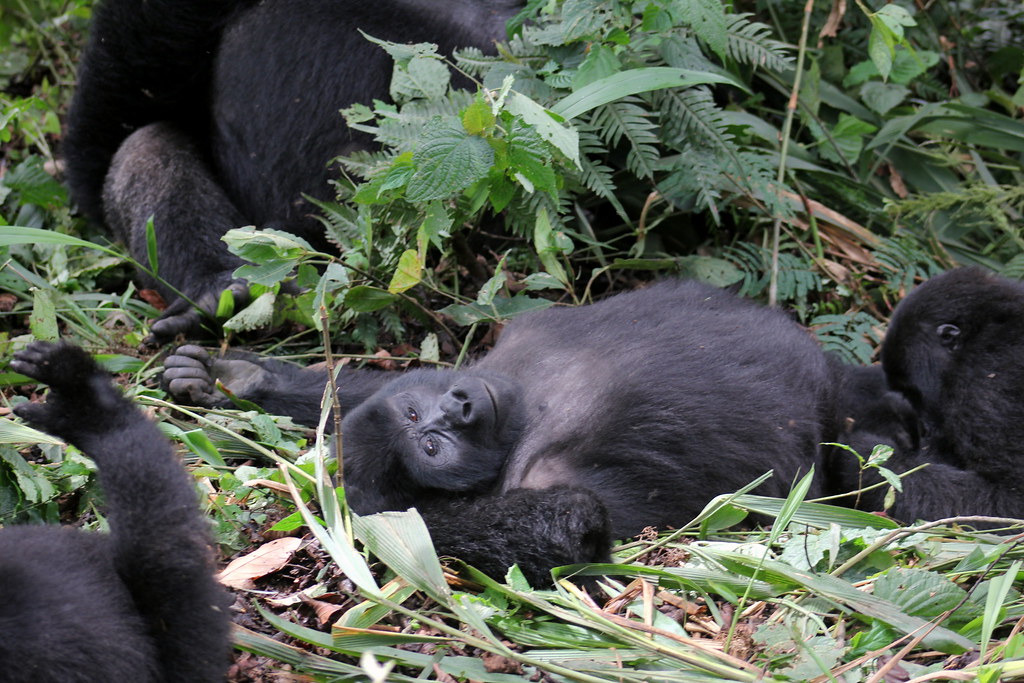
Best Time to Go Gorilla Trekking in Uganda – Weather & Seasons
Best Time to Go Gorilla Trekking in Uganda – Weather & Seasons
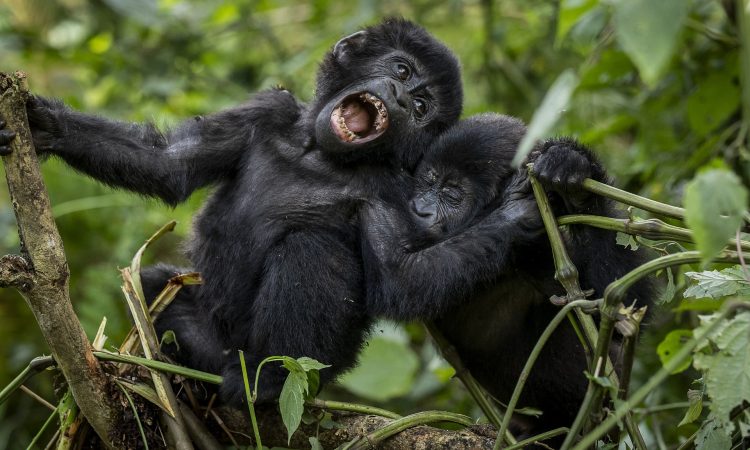
Gorilla Trekking Difficulty in Uganda – Fitness & Trail Guide
Gorilla Trekking Difficulty in Uganda – Fitness & Trail Guide
Gorilla Trekking Rules in Uganda – Safety, Respect & Ethics
Gorilla Trekking Rules in Uganda – Safety, Respect & Ethics
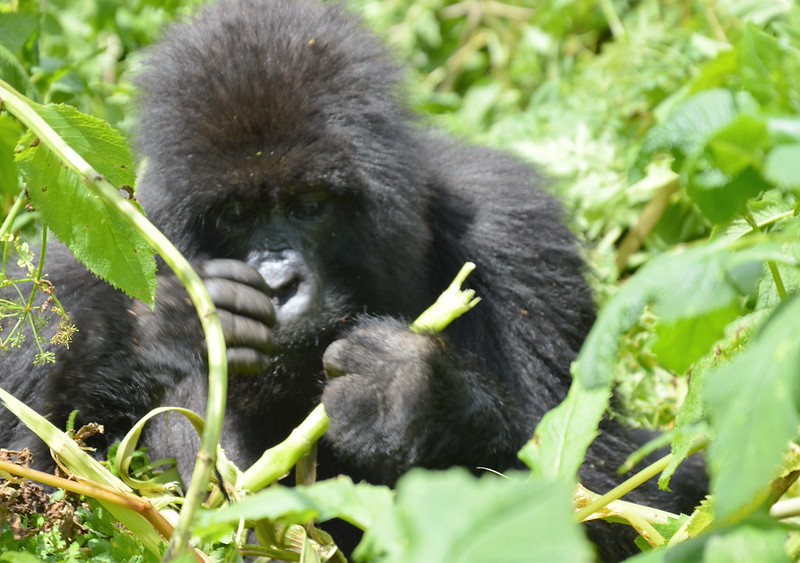
Gorilla Conservation in Uganda – Protecting the Mountain Giants
Gorilla Conservation in Uganda – Protecting the Mountain Giants
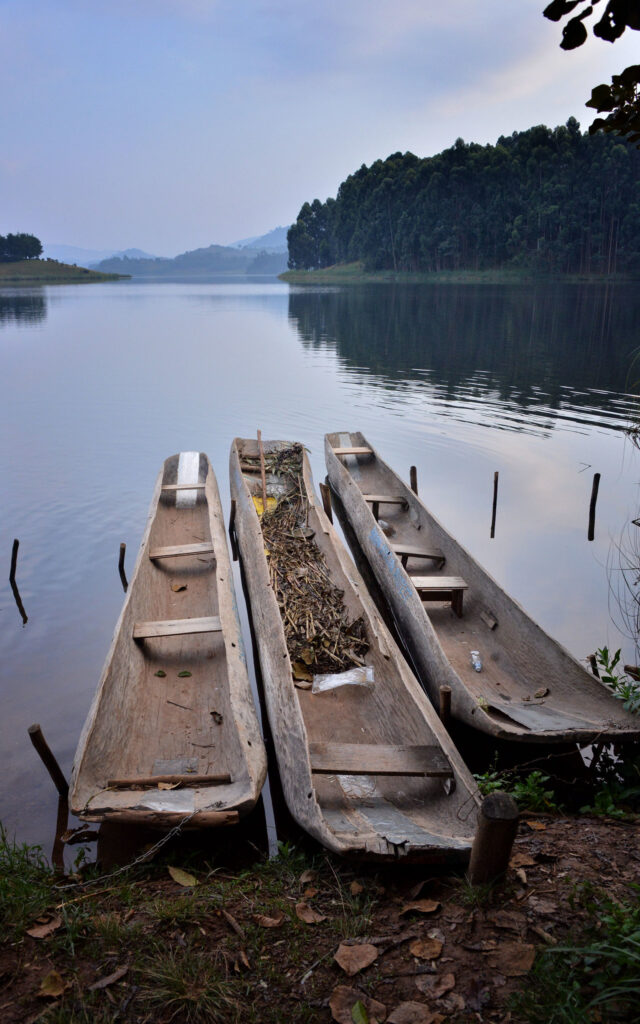
Bwindi vs. Mgahinga – Which One to Choose For Gorilla Trekking?
Bwindi vs. Mgahinga – Which One to Choose For Gorilla Trekking?
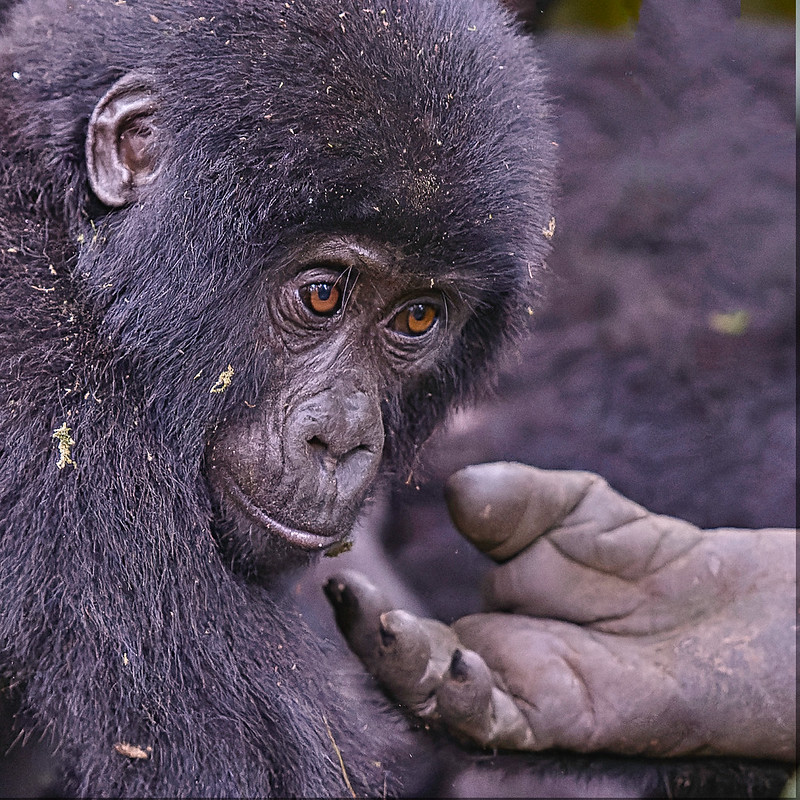
How to Stay Safe and Healthy While Traveling in Uganda
How to Stay Safe and Healthy While Traveling in Uganda
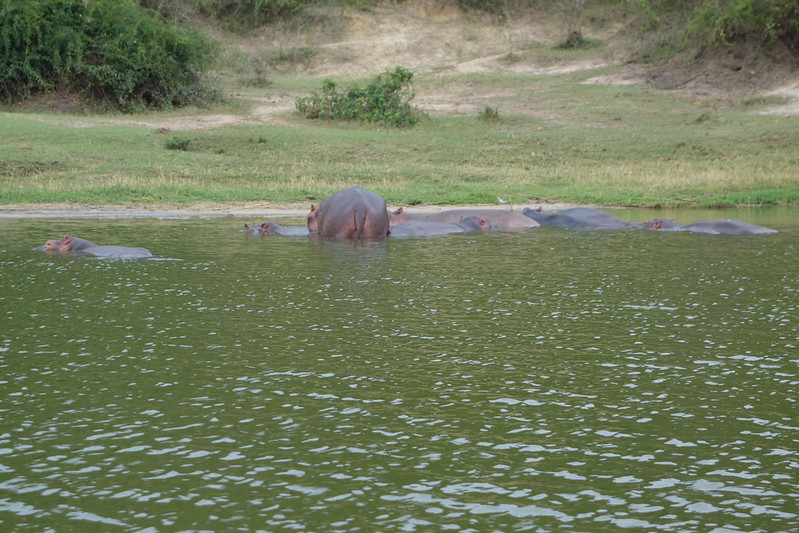
Routes, Tips & Travel Wisdom for Getting to Bwindi or Mgahinga
Routes, Tips & Travel Wisdom for Getting to Bwindi or Mgahinga
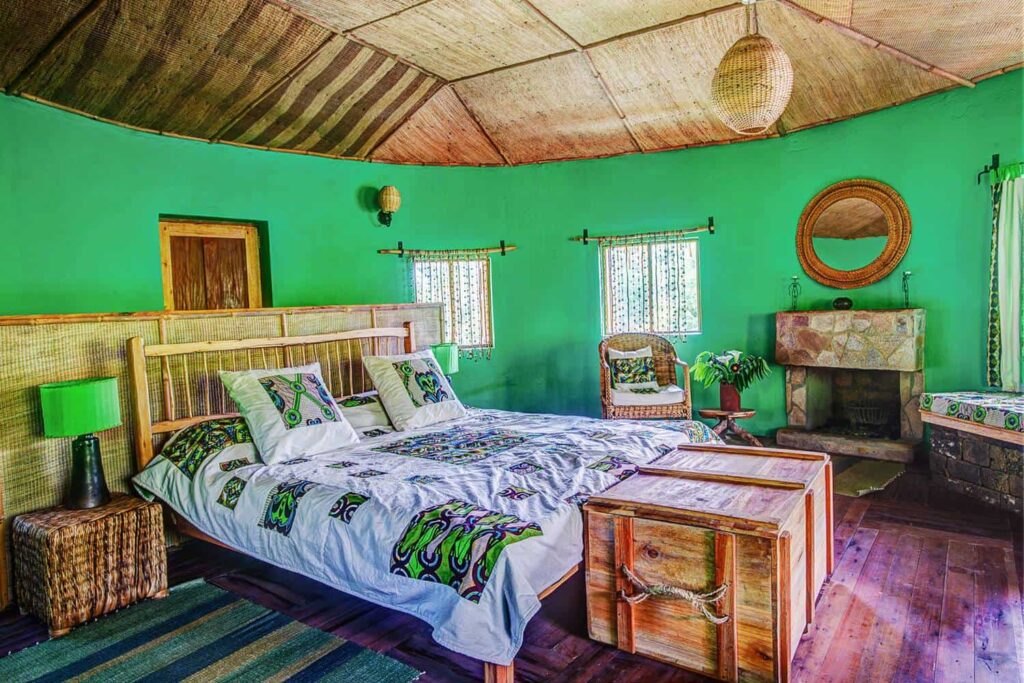
Accommodation Options: Lodges & Camps in Bwindi and Mgahinga
Accommodation Options: Lodges & Camps in Bwindi and Mgahinga
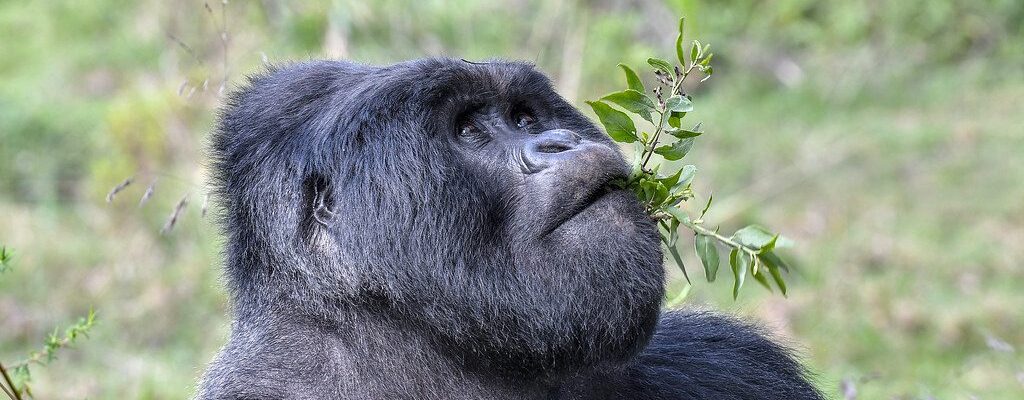
Protecting What You Came to See: Gorilla Conservation & Ethics
Protecting What You Came to See: Gorilla Conservation & Ethics
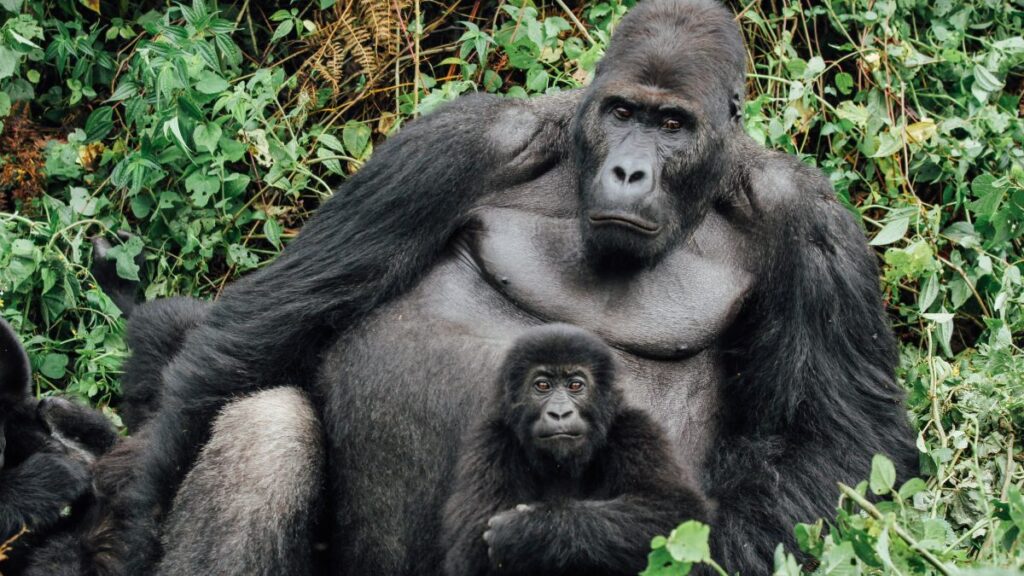
Travel Insurance for Gorilla Treks: Before You Go
Travel Insurance for Gorilla Treks: Before You Go
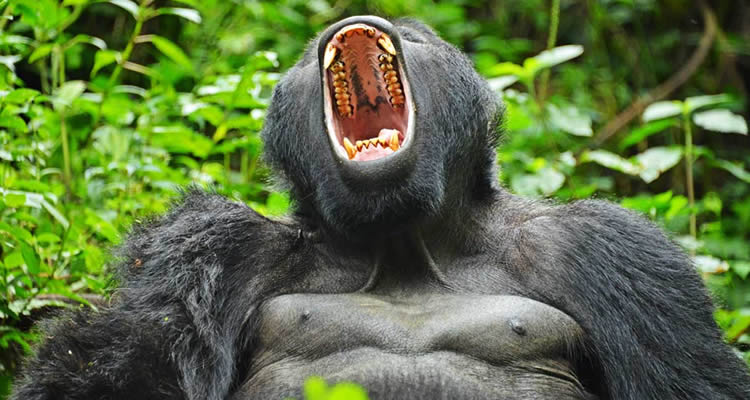
First Time Gorilla Trekking? Here’s Everything I Wish I Knew
First Time Gorilla Trekking? Here’s Everything I Wish I Knew
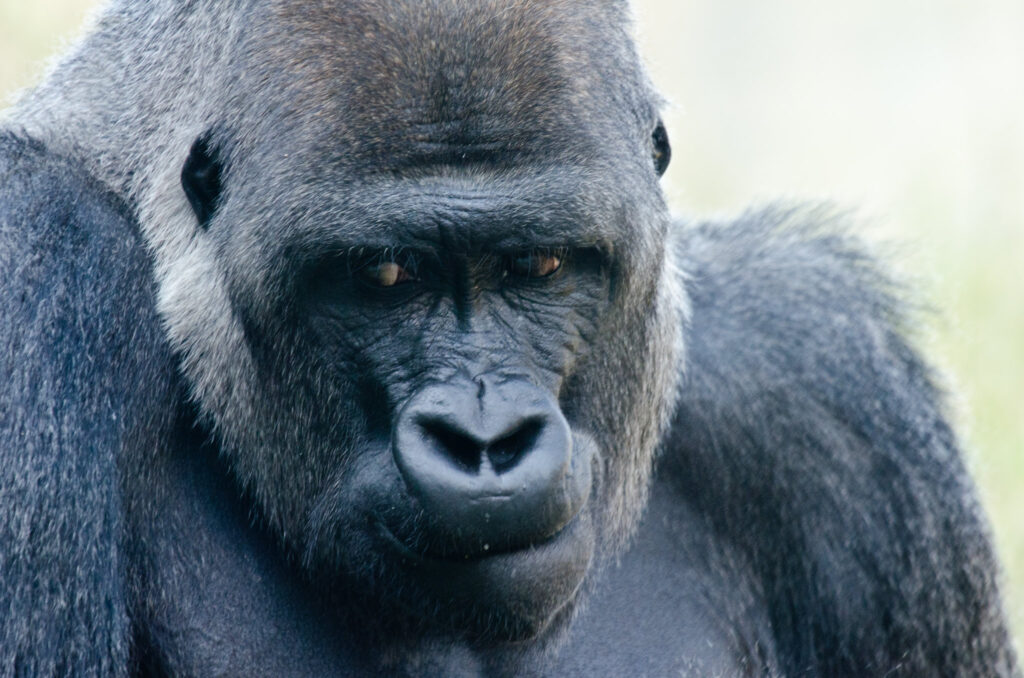
Step by Step: What Happens During a Gorilla Trekking Day
Step by Step: What Happens During a Gorilla Trekking Day
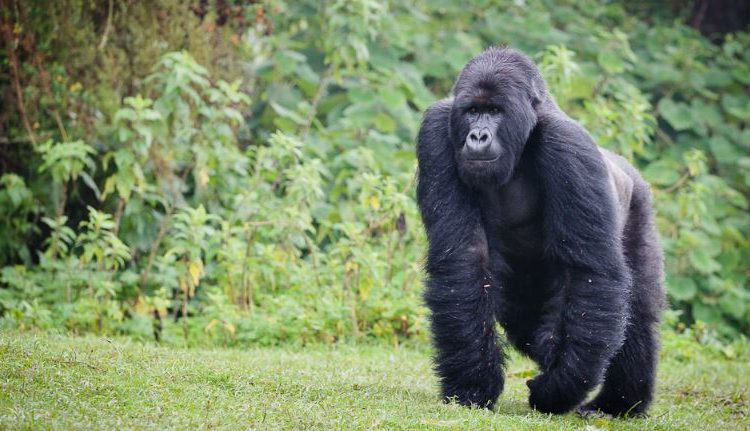
Gorilla Trekking vs. Gorilla Tracking – What’s the Real Difference?
Gorilla Trekking vs. Gorilla Tracking – What’s the Real Difference?
Beyond Gorillas: Other Wildlife You Can See During Your Trek
Beyond Gorillas: Other Wildlife You Can See During Your Trek
In the Realm of Giants – Bwindi & Mgahinga in Frames.
Wander through an elegant gallery capturing Uganda’s most exclusive gorilla sanctuaries, where ancient forests cradle the last mountain gorillas in a world of mist, mystery, and majesty.
Essential Planning Tips for Visiting Uganda’s National Parks.
Get ready for the wild heart of Africa with expert travel tips on when to visit, what to pack, where to go, and how to make the most of your safari across Uganda’s breathtaking national parks.
Why Uganda for Gorilla Trekking?
Uganda is not just a destination — it's the very soul of gorilla trekking. With over half of the world’s remaining mountain gorillas calling its misty forests home, Uganda offers the rarest encounters in their most authentic setting. Here, your journey is not rushed or crowded. Instead, you’re guided by experienced rangers through pristine jungles where gorillas live as they always have — wild, free, and magnificent
From insider travel insights to unforgettable trekking guides, our blog is your trusted path into Uganda’s wild heart — connecting you with mountain gorillas, breathtaking landscapes, and the soul-stirring adventures that make this land unlike any other.