

Where the soul of the forest whispers in the mist
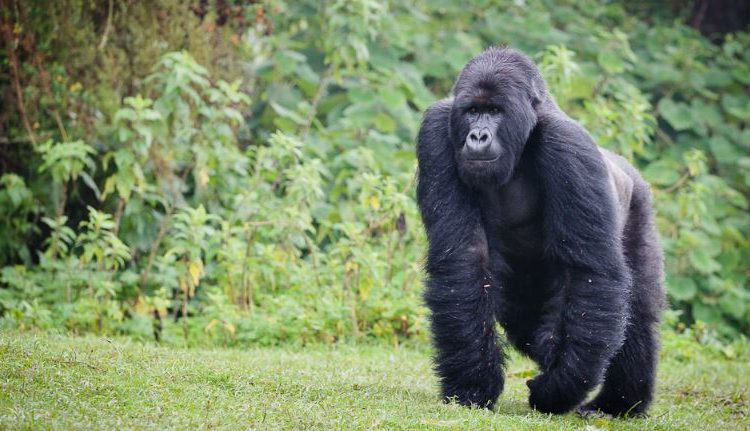
The Eastern Lowland Gorilla (Gorilla beringei graueri), also known as the Grauer’s gorilla, is the largest of all gorilla subspecies and one of the most endangered great apes in Africa. Native to the eastern Democratic Republic of Congo (DRC), they inhabit lowland tropical forests, montane slopes, and forested valleys where vegetation is dense and abundant.
Eastern Lowland Gorillas are renowned for their strength, intelligence, and complex social behaviors, sharing close genetic ties with humans. Their ecological importance extends beyond mere presence; they serve as seed dispersers, ecosystem engineers, and indicators of forest health. Conservation of this subspecies is critical, given their rapid population decline due to poaching, habitat destruction, and armed conflict in the region.
So lace up your boots, grab your camera, and prepare to meet the wild — this is where your gorilla trekking dreams and unforgettable safari adventures truly begin.
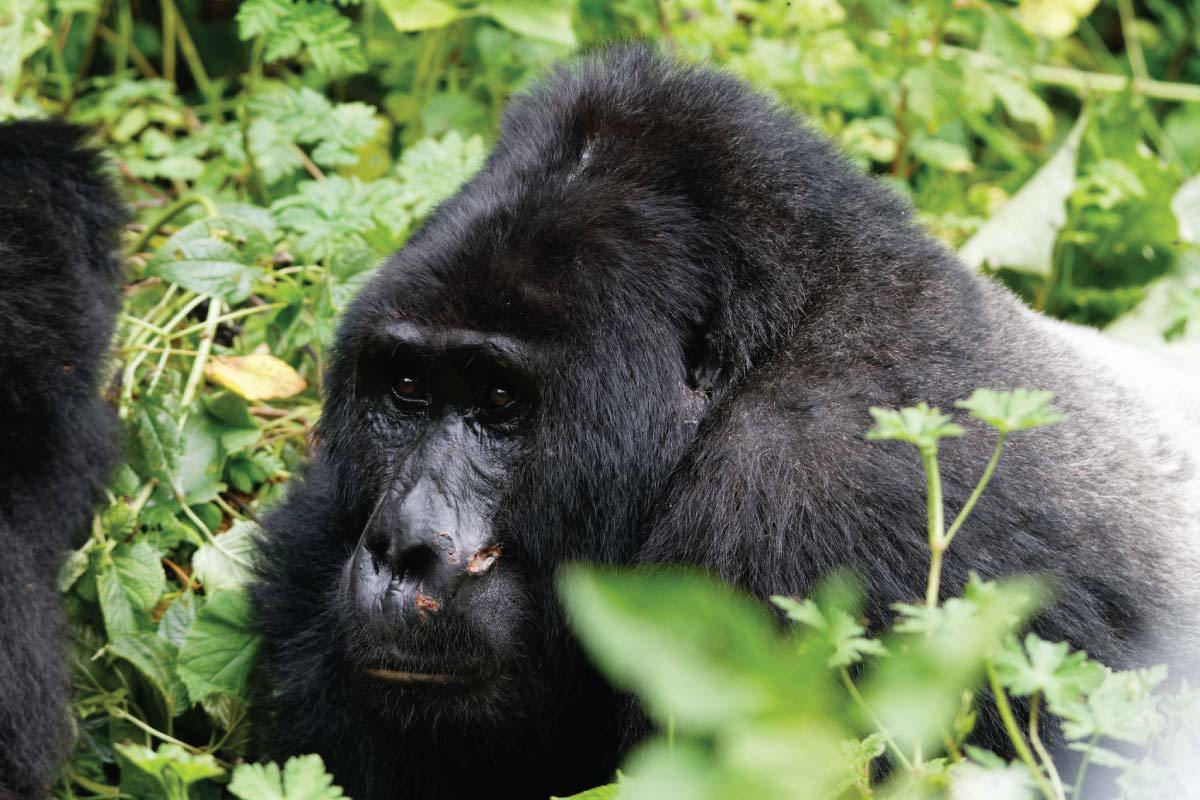
Truly Iconic Highlights in Uganda

Trek through Bwindi’s mystical rainforest and meet the endangered mountain gorillas in their breathtaking natural home.
Encounter mountain gorillas and golden monkeys on Mgahinga’s misty volcanic trails, where culture and alpine wildlife thrive together.
Unwind after your trek with a peaceful canoe ride across Lake Bunyonyi, Uganda’s most tranquil and scenic highland lake.
Enhance your gorilla trekking safari with an optional chimpanzee encounter in Uganda’s lush forests, adding depth and diversity to your primate adventure
Gorilla Trekking Tours in Uganda – Our Most Popular Itineraries.
Explore our gorilla trekking safaris for every traveler—solo, family, budget, or luxury. All tours include permits, transport, accommodation, meals, and park fees. Whether for a quick trip or a deeper adventure, we’ve got you covered.
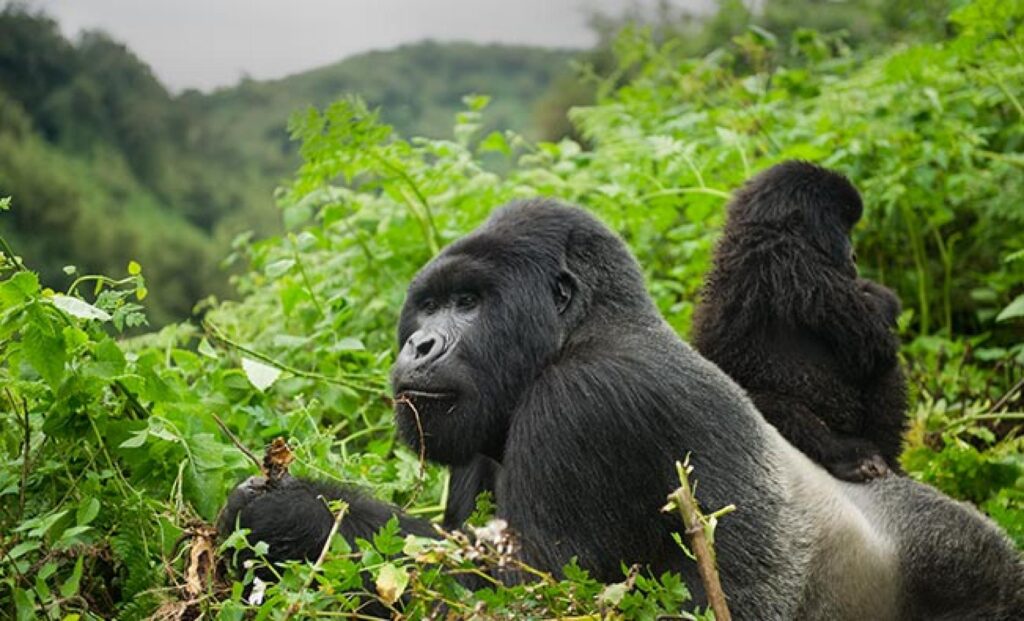
3-Day Bwindi Gorilla Trekking Safari
3-Day Bwindi Gorilla Trekking Safari
4-Day Uganda Gorilla Trekking Safari
4-Day Uganda Gorilla Trekking Safari
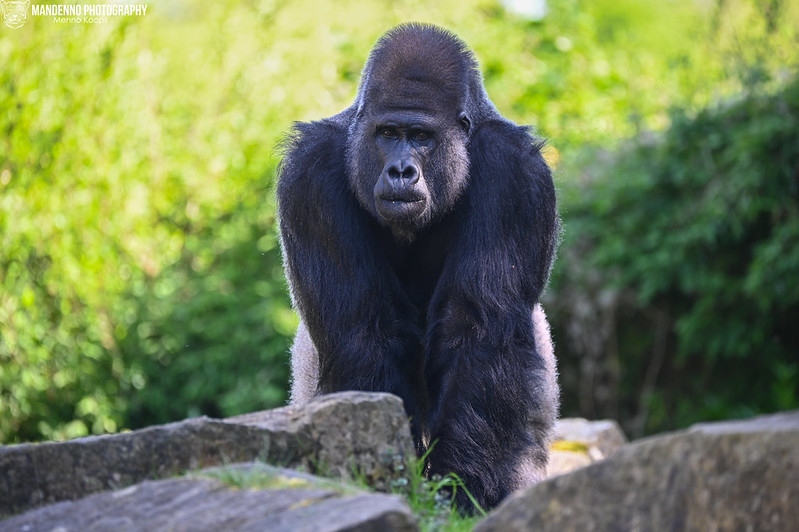
5-Day Gorilla Tracking and Wildlife Safari
5-Day Gorilla Tracking and Wildlife Safari
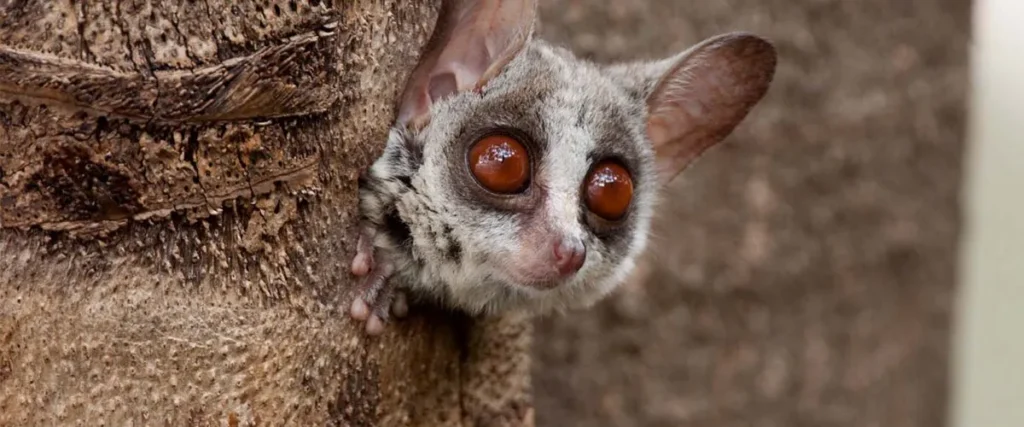
7-Day Uganda Primate Adventure & Wildlife Safari
7-Day Uganda Primate Adventure & Wildlife Safari
10-Day Gorilla Trekking & Big Five Safari in Uganda
10-Day Gorilla Trekking & Big Five Safari in Uganda
12-Day Uganda Gorilla Trekking, Chimp Tracking & Cultural Safari
12-Day Uganda Gorilla Trekking, Chimp Tracking & Cultural Safari
14-Day Best of Uganda Safari – Gorillas, Wildlife, Cultures
14-Day Best of Uganda Safari – Gorillas, Wildlife, Cultures
Overview of Eastern Lowland Gorillas
Physical Characteristics
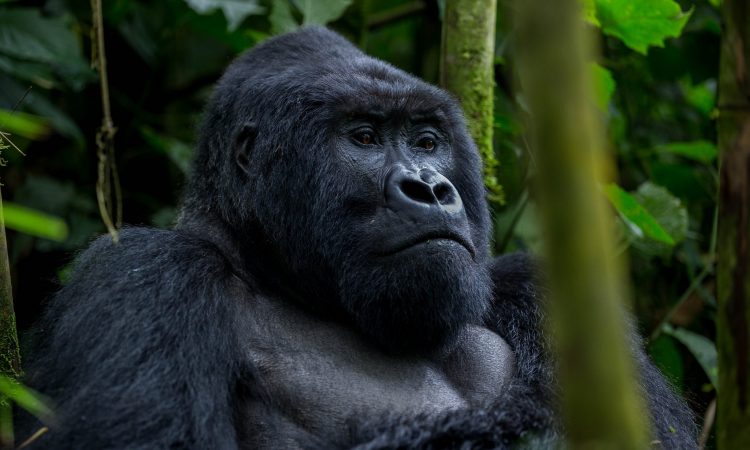
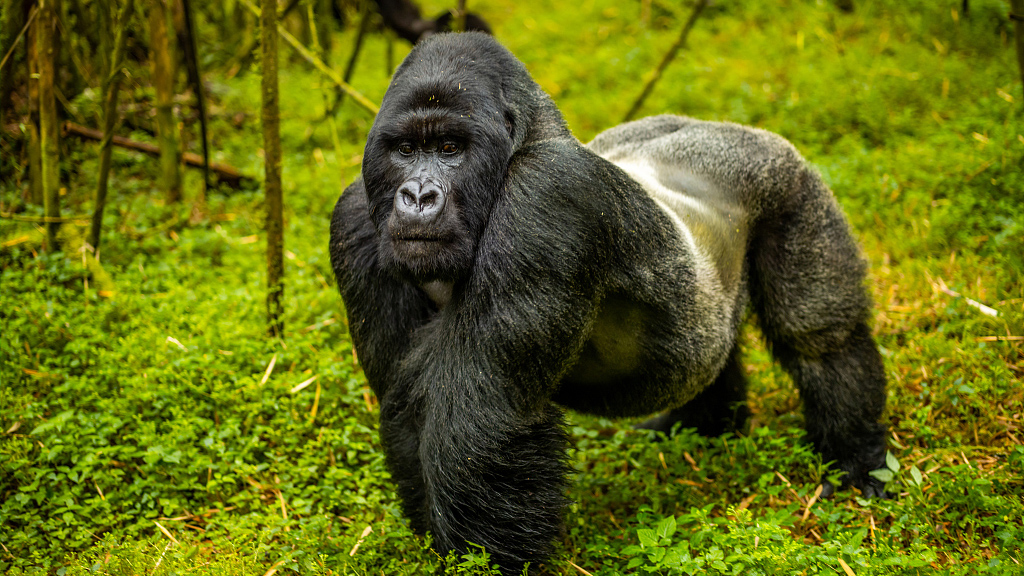
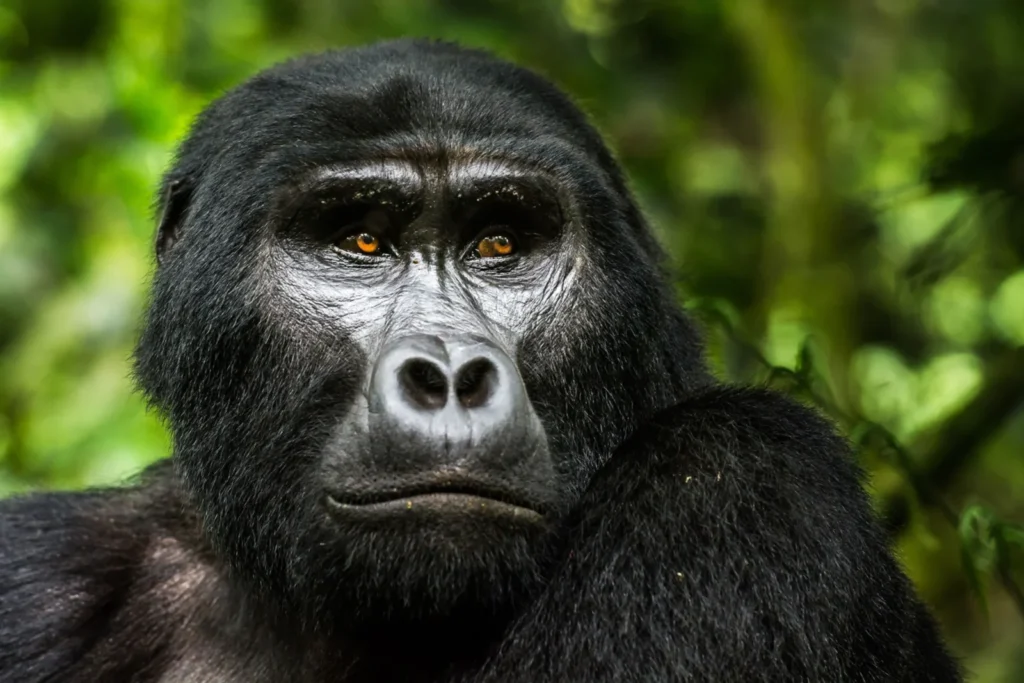
Eastern Lowland Gorillas are the largest of all gorilla subspecies, with adult males weighing between 140–200 kilograms and standing over 1.7 meters tall when upright. Females are smaller, averaging 70–115 kilograms. These gorillas have long, dense, dark brown or black hair, which provides insulation in the cooler highland areas of their range.Males develop the characteristic silverback, a patch of gray or silver hair along the back, signaling maturity and dominance within the group. Their hands and feet are adapted for both terrestrial locomotion and climbing, allowing them to forage efficiently across diverse terrain. Their facial features are expressive, with prominent brow ridges and wide nostrils, contributing to their intimidating but socially complex presence.
Geographic Distribution and Habitat
Eastern Lowland Gorillas are endemic to the eastern Democratic Republic of Congo, with their range spanning Kahuzi-Biega National Park, Maiko National Park, and adjacent forested regions. Unlike mountain gorillas, which inhabit higher altitudes, eastern lowland gorillas occupy lowland tropical forests interspersed with swampy areas and river valleys, though they can also ascend montane zones seasonally.These habitats provide abundant fruiting trees, leafy vegetation, and nesting materials, crucial for their dietary and reproductive needs. Habitat fragmentation due to logging, mining, and human settlement has isolated populations, making the maintenance of protected forest corridors essential for their survival.
Diet and Feeding Ecology
Eastern Lowland Gorillas are primarily herbivorous, consuming a diverse diet of leaves, stems, shoots, fruits, flowers, and occasionally bark. Their diet varies seasonally depending on availability, with fruits dominating during peak fruiting periods.Unlike their mountain gorilla relatives, they have access to a broader variety of lowland plant species, allowing for a more varied diet. Gorillas spend a significant portion of their day foraging, using both hands and mouth to strip leaves and peel stems, and occasionally wading into shallow wetlands to access aquatic plants. Their foraging behavior plays a vital ecological role by dispersing seeds throughout the forest, promoting plant diversity and regeneration.
Social Structure and Behavior
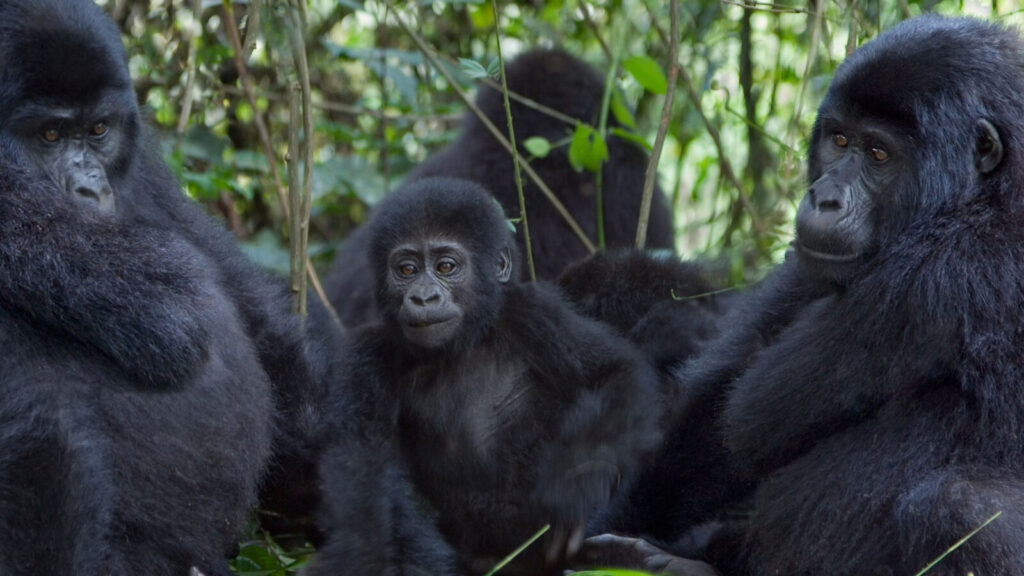
Eastern Lowland Gorillas live in stable social groups, typically led by a dominant silverback male who protects the group, mediates conflicts, and makes decisions regarding movement and foraging. Groups usually consist of several adult females, their offspring, and subordinate males (blackbacks).Social interactions involve grooming, play, and communication through vocalizations, gestures, and facial expressions. Vocal signals include grunts, roars, and chest-beating used for communication within the group or as a warning to potential threats. Young gorillas engage in play-fighting, climbing, and exploration, which strengthens social bonds and prepares them for adult life.The silverback’s leadership is central to group cohesion, with dominance maintained through both physical presence and social intelligence, balancing authority with protection and nurturing of group members.
Reproduction and Life Cycle
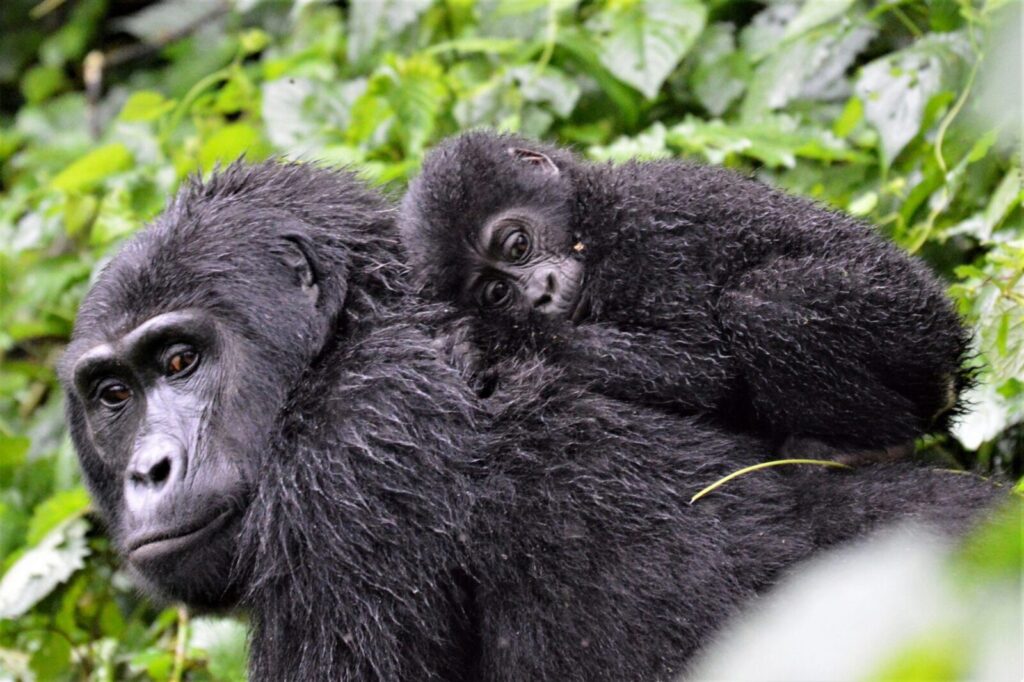
Female eastern lowland gorillas reach sexual maturity around 8–10 years, while males mature around 12–13 years. Breeding is non-seasonal, but social hierarchy influences mating opportunities, with dominant silverbacks typically siring most offspring within the group.Gestation lasts approximately 8.5 months, and females usually give birth to a single infant, although twins are rare. Infants are highly dependent on maternal care, clinging to their mother’s fur and receiving nursing and protection for the first few years. Juveniles gradually integrate into social life, learning foraging skills, social hierarchy, and defensive behaviors under the guidance of adult group members.Eastern Lowland Gorillas can live 30–40 years in the wild, with longevity influenced by environmental stability, predation risk, and human pressures.
Ecological Role
Eastern Lowland Gorillas are ecosystem engineers whose foraging and movement patterns shape forest structure. By dispersing seeds across large distances, they support forest regeneration and maintain plant diversity. Their feeding behavior also creates forest gaps, allowing sunlight to reach the understory and fostering growth of a variety of plant species.They also serve as a key prey species for large predators and provide indirect benefits to other species through nutrient recycling via fecal matter. Protecting these gorillas preserves entire lowland forest ecosystems, benefiting countless co-inhabiting species.
Threats and Conservation Status
Eastern Lowland Gorillas are listed as Critically Endangered by the IUCN, with population estimates declining drastically over recent decades. Major threats include poaching for bushmeat, illegal wildlife trade, habitat destruction from logging and mining, and armed conflict, which undermines conservation efforts in eastern DRC.Habitat fragmentation isolates populations, reducing genetic diversity and increasing vulnerability to disease. Disease outbreaks, including respiratory infections and Ebola, have also significantly impacted certain populations. Conservation strategies focus on strict protection within national parks, anti-poaching patrols, community engagement, and habitat restoration, with international organizations supporting research and sustainable tourism initiatives.
Eastern Lowland Gorillas in Research and Ecotourism
Eastern Lowland Gorillas are less habituated than mountain gorillas, making tourism and observation more limited but highly valuable for conservation funding and research. Research in Kahuzi-Biega National Park has provided critical insights into behavioral ecology, social dynamics, and human-wildlife interactions, informing conservation policies.Responsible ecotourism, when permitted, contributes revenue for local communities, park management, and anti-poaching efforts, creating incentives for sustainable forest and wildlife protection. Ethical tracking programs emphasize minimal disturbance, strict visitor limits, and conservation education, allowing visitors to appreciate the species while ensuring their safety and habitat integrity.
Human-Gorilla Interaction and Community Conservation
Community-based initiatives are crucial for protecting eastern lowland gorillas. Local populations are engaged in awareness campaigns, habitat monitoring, and conflict mitigation programs, highlighting the economic and ecological value of gorilla conservation.Education programs encourage alternative livelihoods to reduce hunting pressure, while eco-tourism revenue supports healthcare, schools, and local infrastructure, fostering a positive relationship between human communities and gorilla conservation efforts.
Preserving Africa’s Gentle Giants
Eastern Lowland Gorillas exemplify the power, intelligence, and ecological significance of great apes. Their survival is inseparable from the health of the lowland forests of eastern DRC. Protecting them requires a multi-faceted approach encompassing habitat preservation, anti-poaching efforts, community involvement, and responsible research and tourism.Observing Eastern Lowland Gorillas in their natural habitat provides an unparalleled opportunity to appreciate their complex social behavior, cognitive abilities, and role in sustaining forest ecosystems. Conservation of this critically endangered subspecies ensures the continuity of Africa’s biological and cultural heritage, safeguarding one of the continent’s most iconic and majestic wildlife species.
More Gorilla Trekking Information to Know.
Gorilla trekking goes far beyond just the hike — it’s a deep, emotional journey into the heart of Africa’s last wild rainforests. Knowing the right timing, permits, fitness tips, and park details can turn your experience from good to unforgettable.
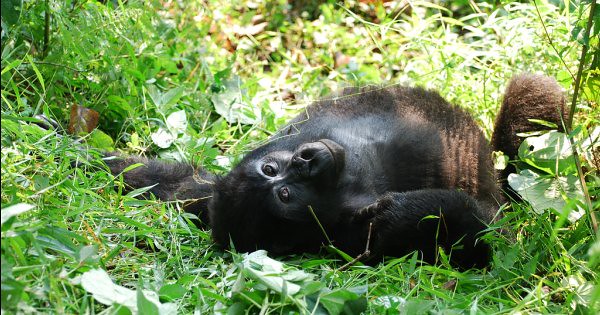
Gorilla Trekking in Bwindi Impenetrable Forest
Gorilla Trekking in Bwindi Impenetrable Forest
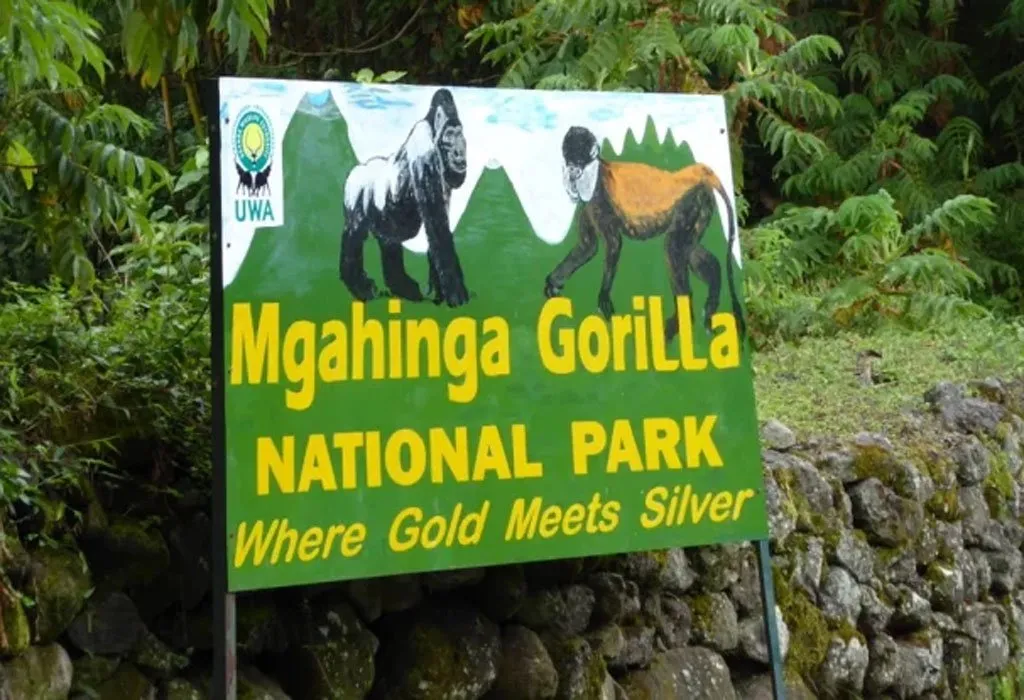
Trekking Gorillas in Mgahinga National Park
Trekking Gorillas in Mgahinga National Park
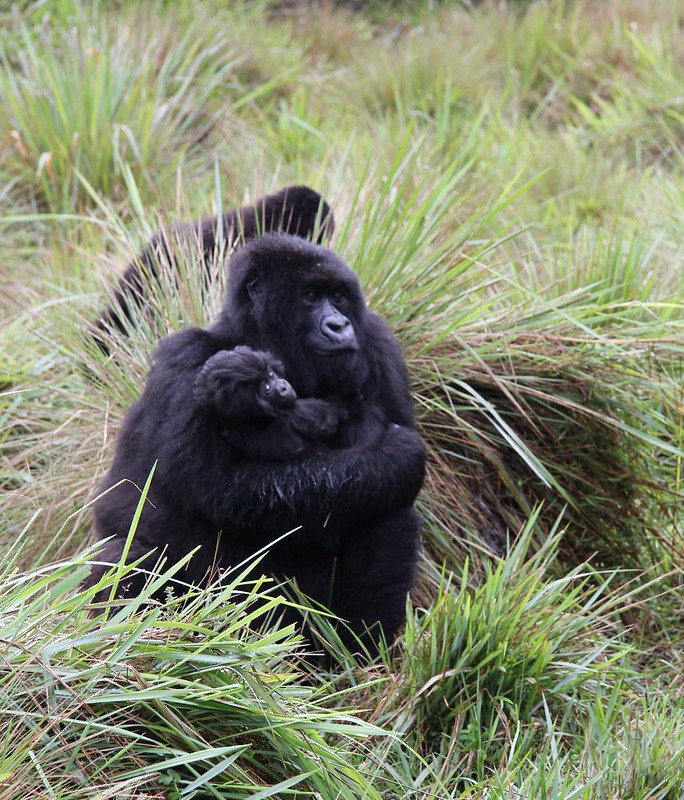
Uganda Gorilla Trekking Permits – Prices, Booking, & Travel Tips
Uganda Gorilla Trekking Permits – Prices, Booking, & Travel Tips

What to Pack for Gorilla Trekking in Uganda – Expert Checklist
What to Pack for Gorilla Trekking in Uganda – Expert Checklist
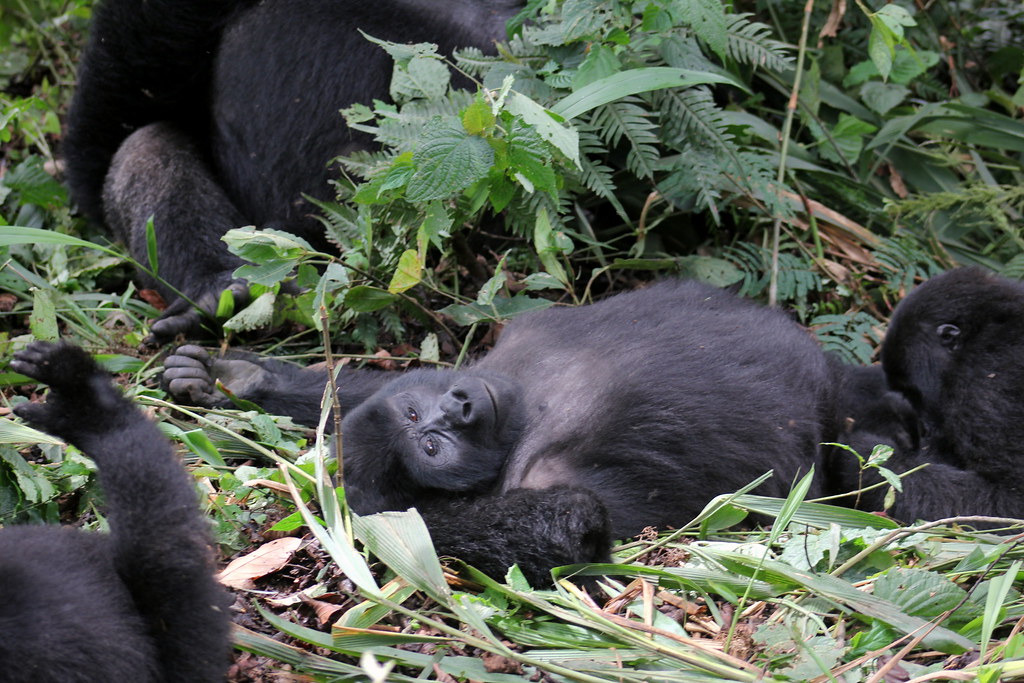
Best Time to Go Gorilla Trekking in Uganda – Weather & Seasons
Best Time to Go Gorilla Trekking in Uganda – Weather & Seasons
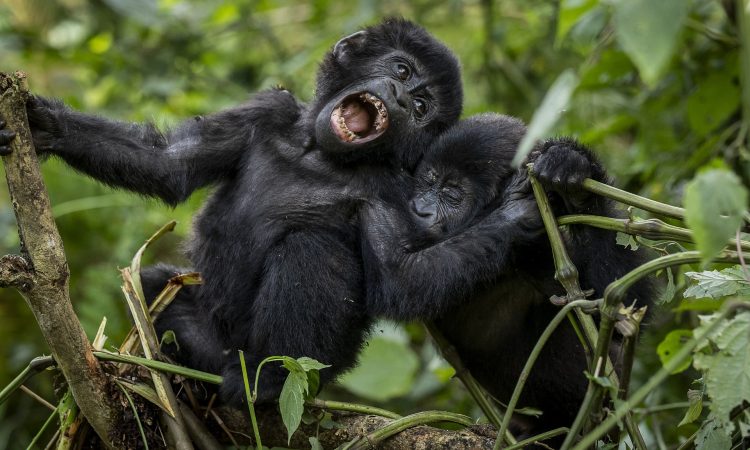
Gorilla Trekking Difficulty in Uganda – Fitness & Trail Guide
Gorilla Trekking Difficulty in Uganda – Fitness & Trail Guide
Gorilla Trekking Rules in Uganda – Safety, Respect & Ethics
Gorilla Trekking Rules in Uganda – Safety, Respect & Ethics
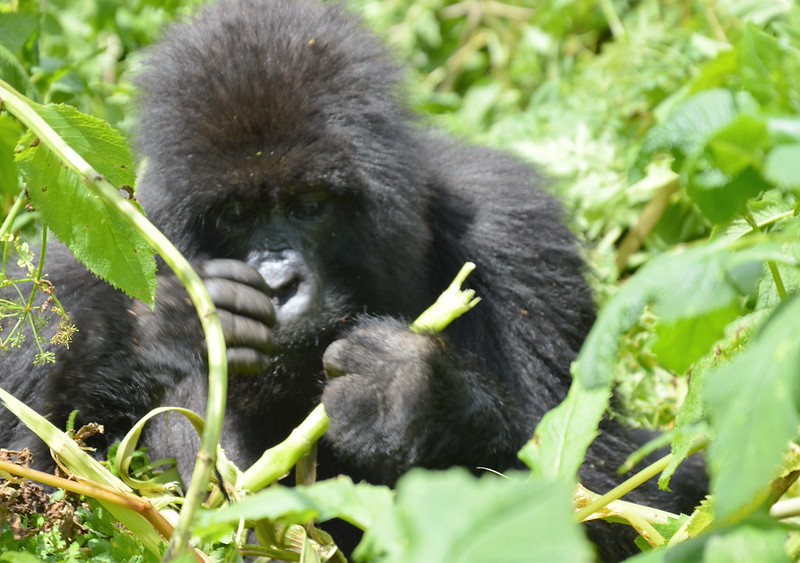
Gorilla Conservation in Uganda – Protecting the Mountain Giants
Gorilla Conservation in Uganda – Protecting the Mountain Giants
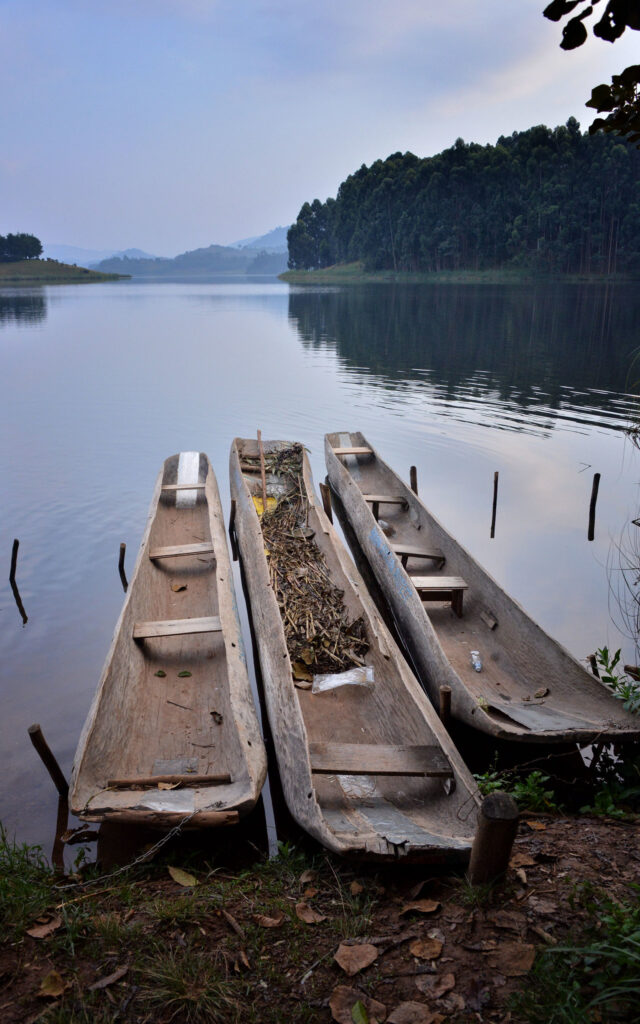
Bwindi vs. Mgahinga – Which One to Choose For Gorilla Trekking?
Bwindi vs. Mgahinga – Which One to Choose For Gorilla Trekking?
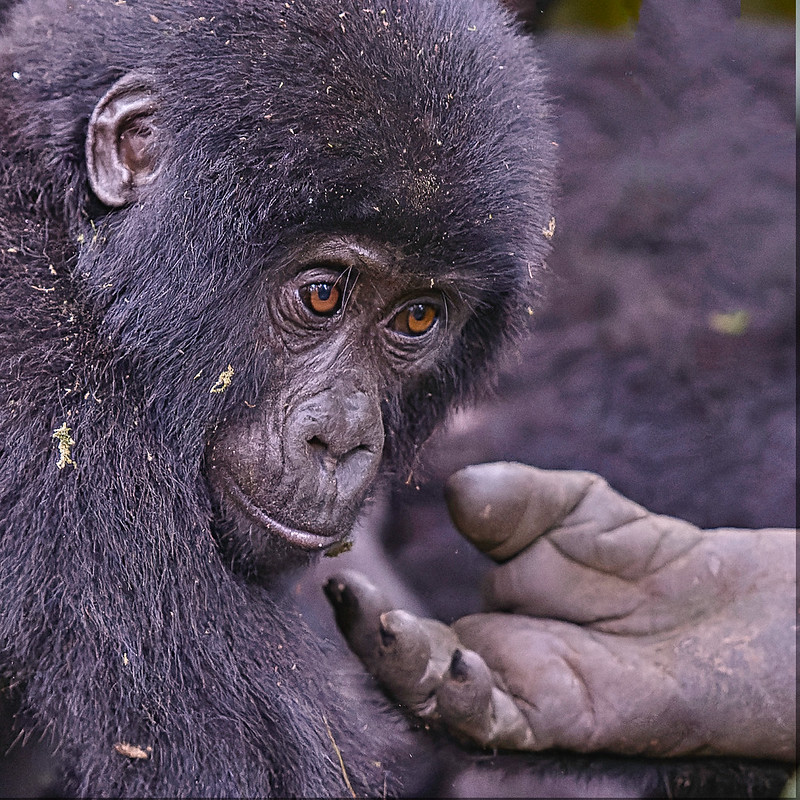
How to Stay Safe and Healthy While Traveling in Uganda
How to Stay Safe and Healthy While Traveling in Uganda
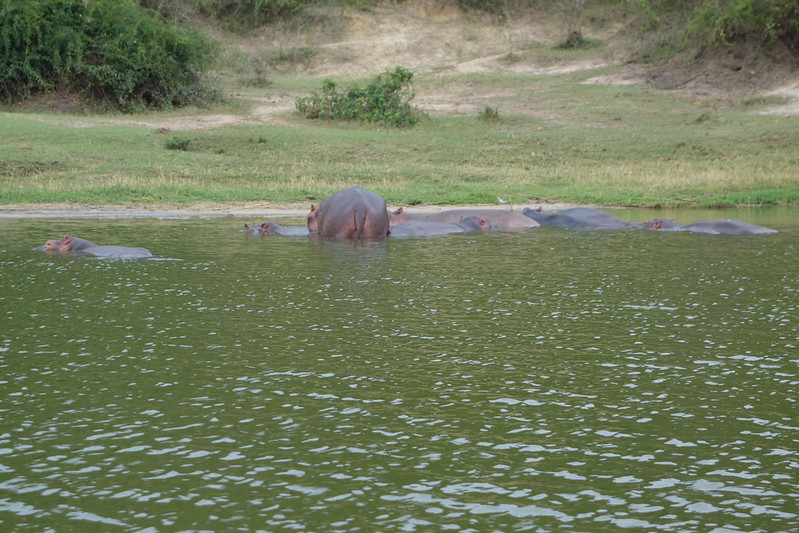
Routes, Tips & Travel Wisdom for Getting to Bwindi or Mgahinga
Routes, Tips & Travel Wisdom for Getting to Bwindi or Mgahinga
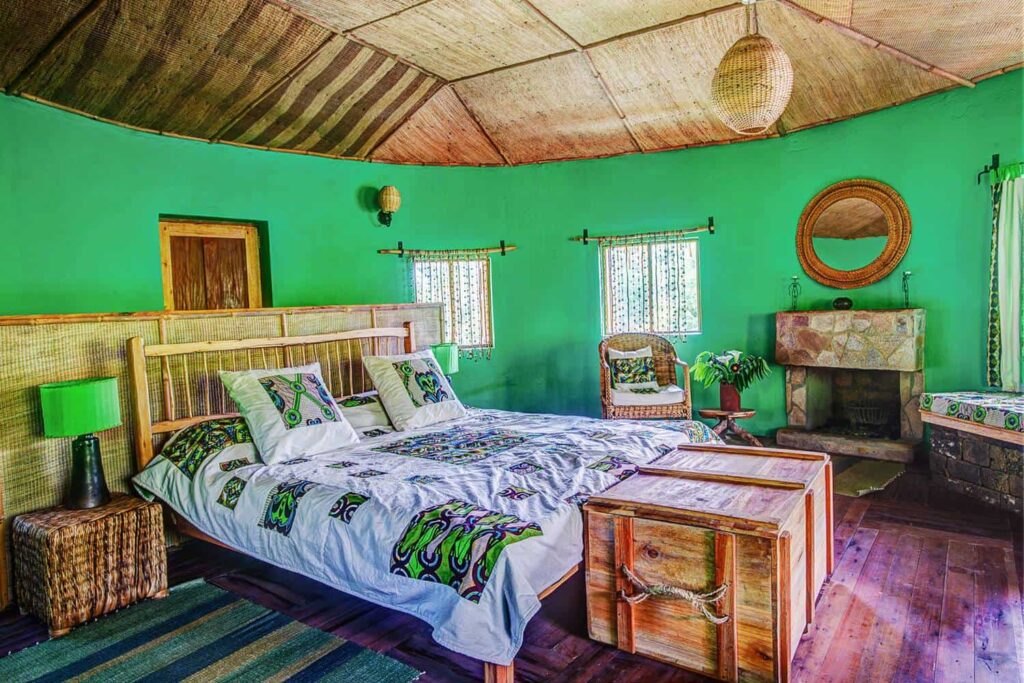
Accommodation Options: Lodges & Camps in Bwindi and Mgahinga
Accommodation Options: Lodges & Camps in Bwindi and Mgahinga
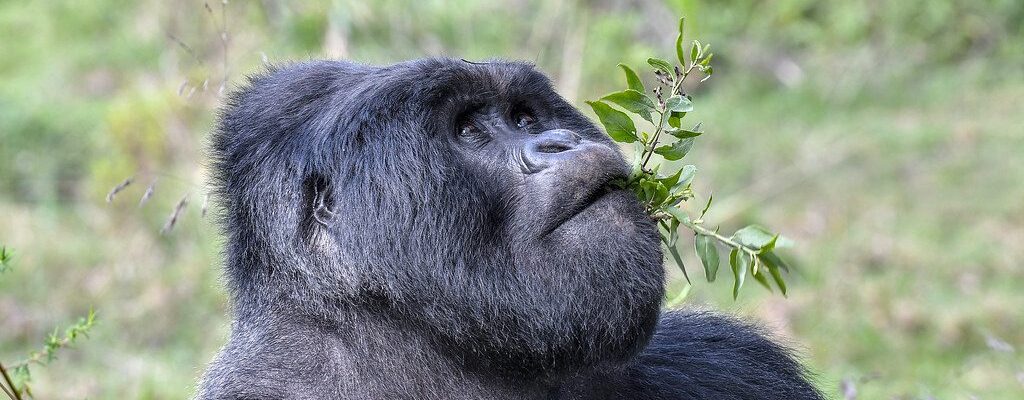
Protecting What You Came to See: Gorilla Conservation & Ethics
Protecting What You Came to See: Gorilla Conservation & Ethics
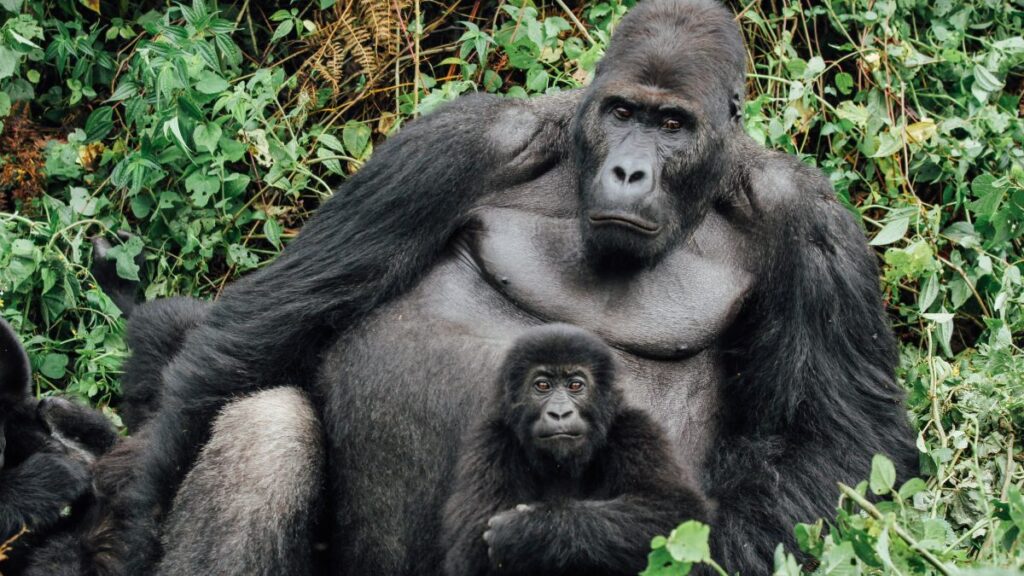
Travel Insurance for Gorilla Treks: Before You Go
Travel Insurance for Gorilla Treks: Before You Go
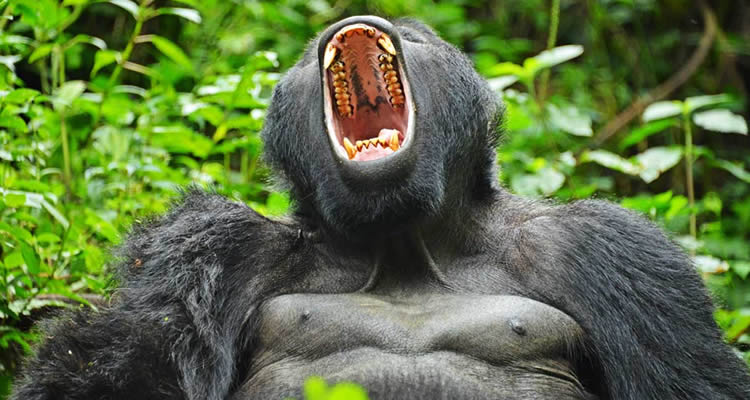
First Time Gorilla Trekking? Here’s Everything I Wish I Knew
First Time Gorilla Trekking? Here’s Everything I Wish I Knew
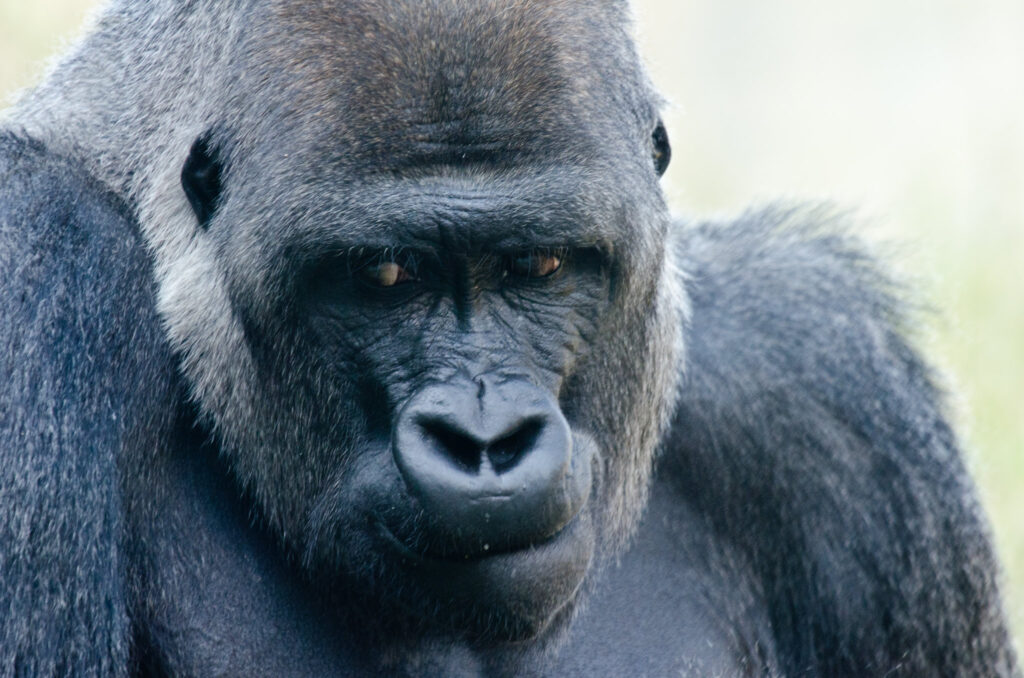
Step by Step: What Happens During a Gorilla Trekking Day
Step by Step: What Happens During a Gorilla Trekking Day
Gorilla Trekking vs. Gorilla Tracking – What’s the Real Difference?
Gorilla Trekking vs. Gorilla Tracking – What’s the Real Difference?
Beyond Gorillas: Other Wildlife You Can See During Your Trek
Beyond Gorillas: Other Wildlife You Can See During Your Trek
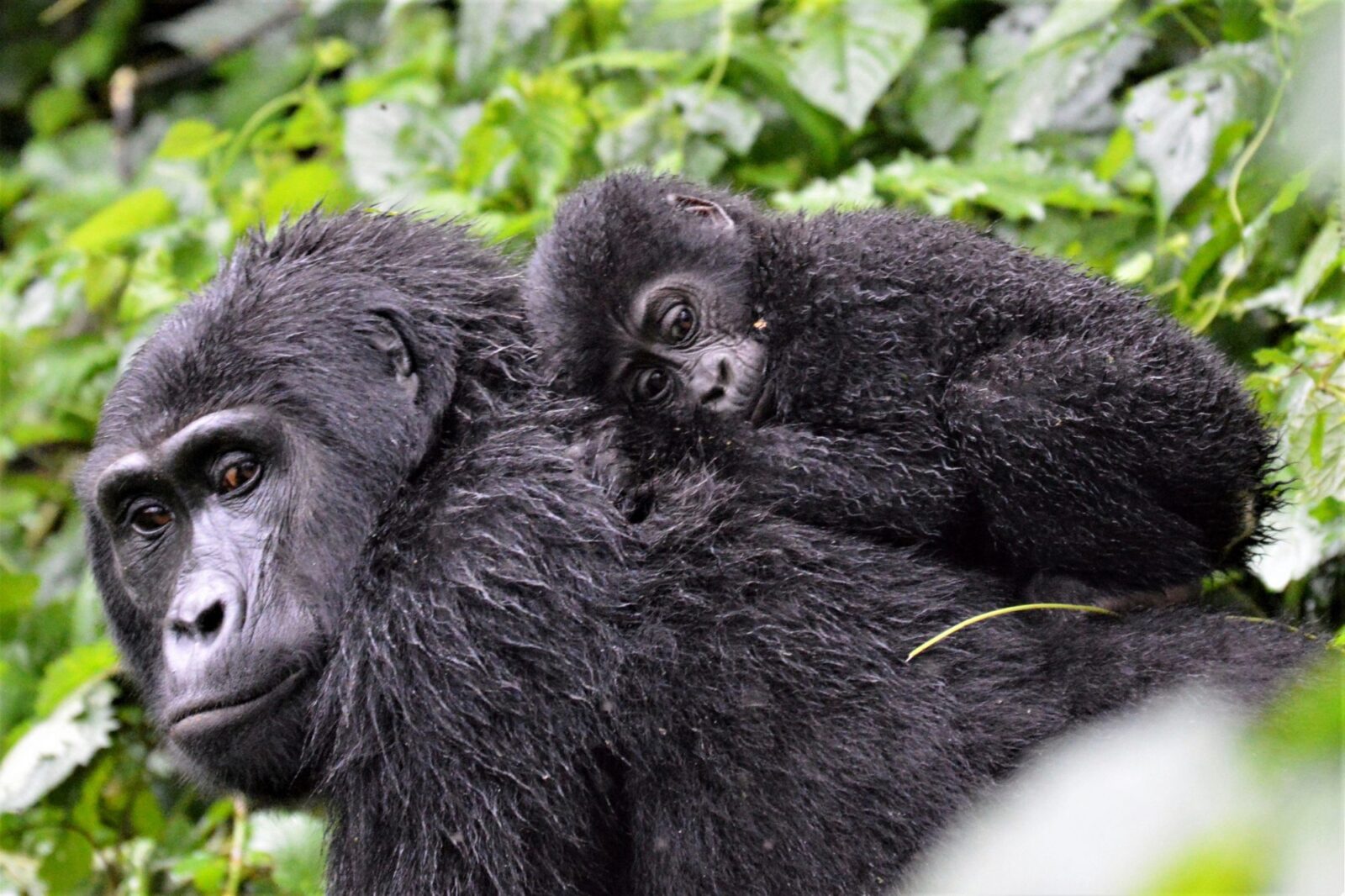
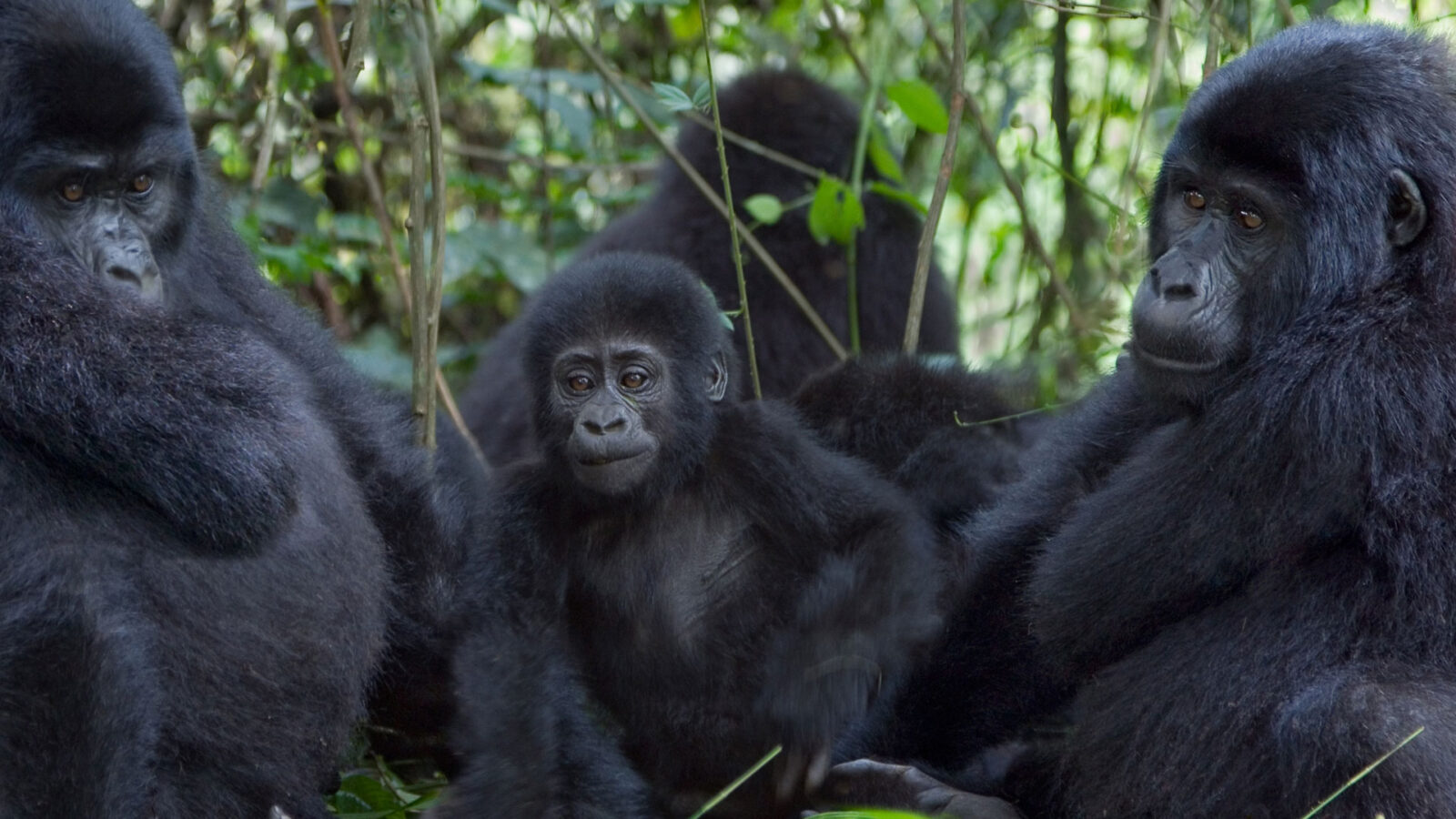
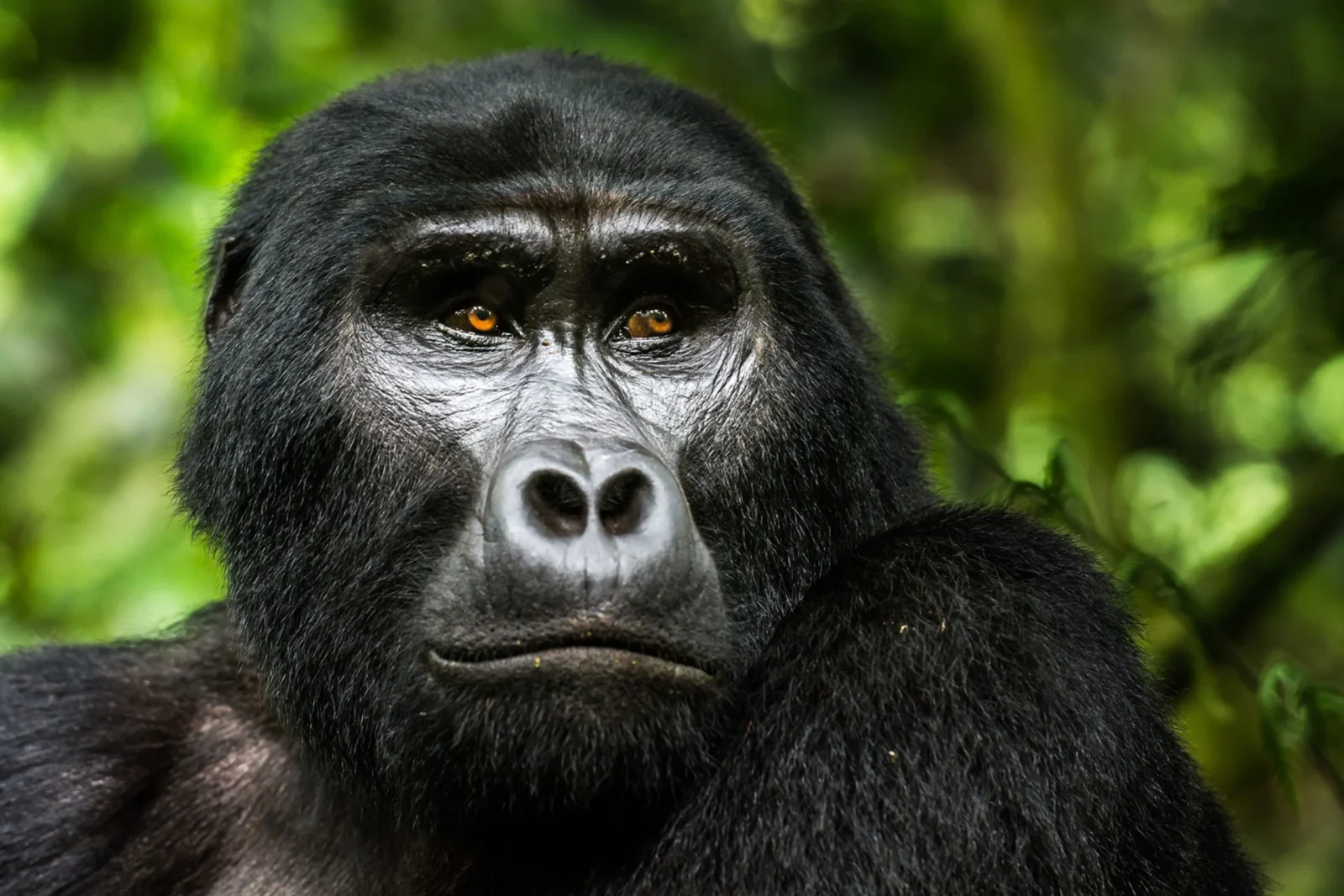
In the Realm of Giants – Bwindi & Mgahinga in Frames.
Wander through an elegant gallery capturing Uganda’s most exclusive gorilla sanctuaries, where ancient forests cradle the last mountain gorillas in a world of mist, mystery, and majesty.
Essential Planning Tips for Visiting Uganda’s National Parks.
Get ready for the wild heart of Africa with expert travel tips on when to visit, what to pack, where to go, and how to make the most of your safari across Uganda’s breathtaking national parks.
Why Uganda for Gorilla Trekking?
Uganda is not just a destination — it's the very soul of gorilla trekking. With over half of the world’s remaining mountain gorillas calling its misty forests home, Uganda offers the rarest encounters in their most authentic setting. Here, your journey is not rushed or crowded. Instead, you’re guided by experienced rangers through pristine jungles where gorillas live as they always have — wild, free, and magnificent
From insider travel insights to unforgettable trekking guides, our blog is your trusted path into Uganda’s wild heart — connecting you with mountain gorillas, breathtaking landscapes, and the soul-stirring adventures that make this land unlike any other.