

Where the soul of the forest whispers in the mist
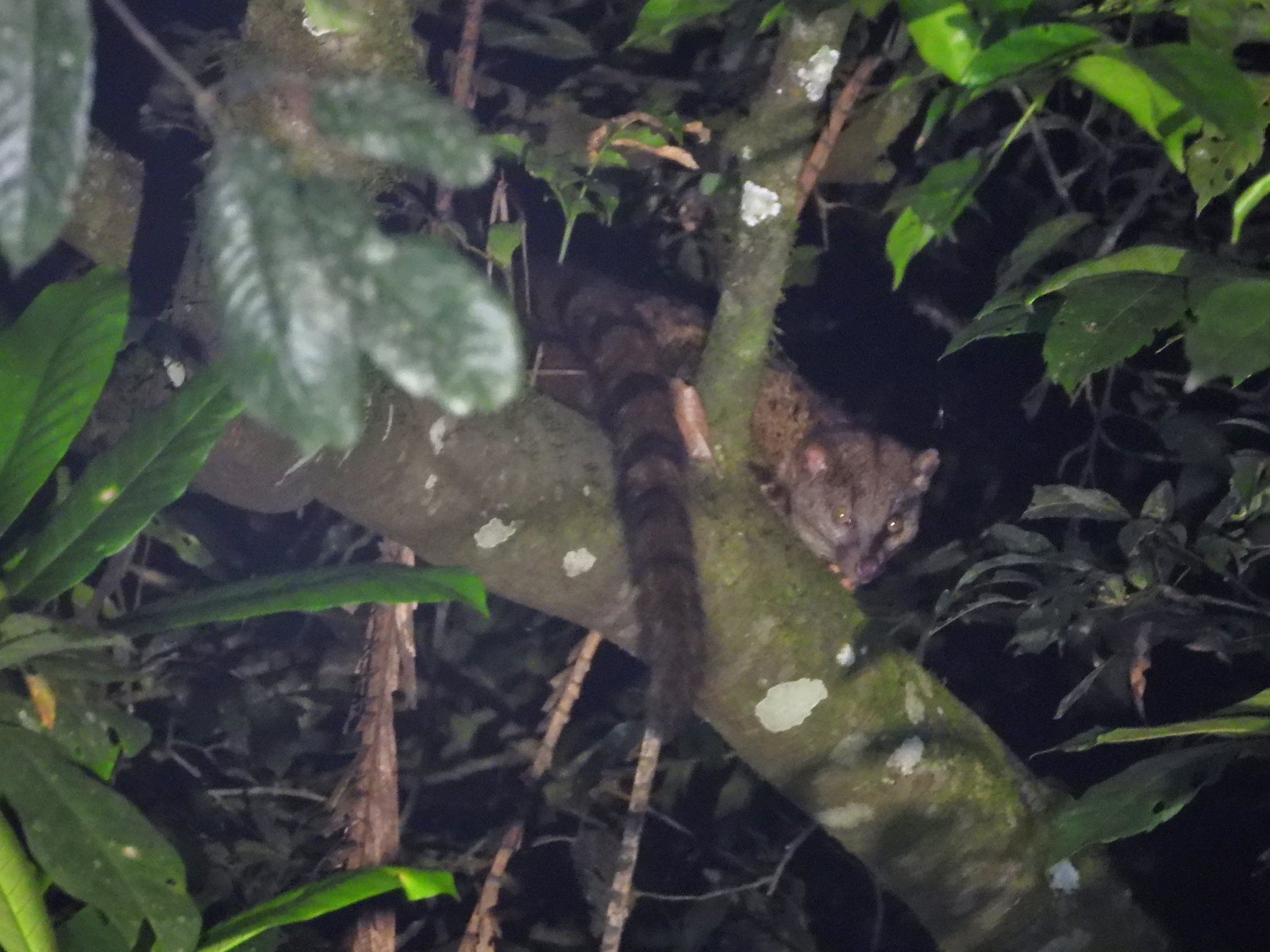
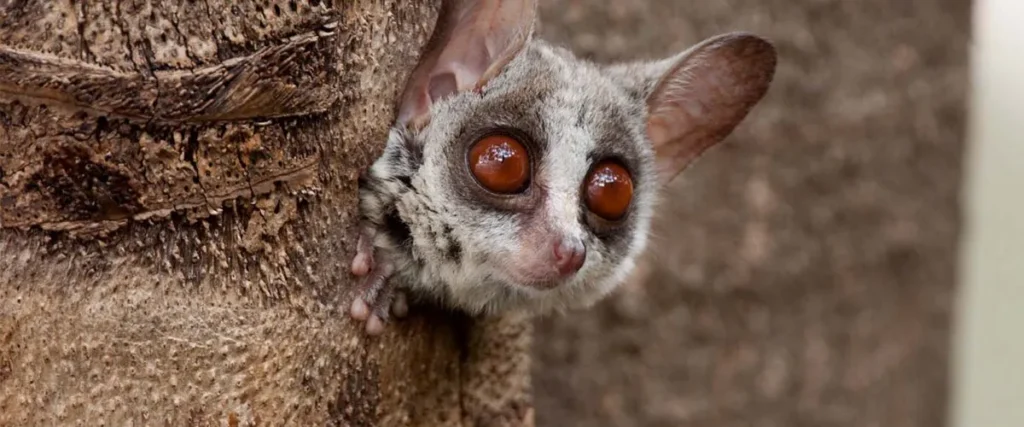
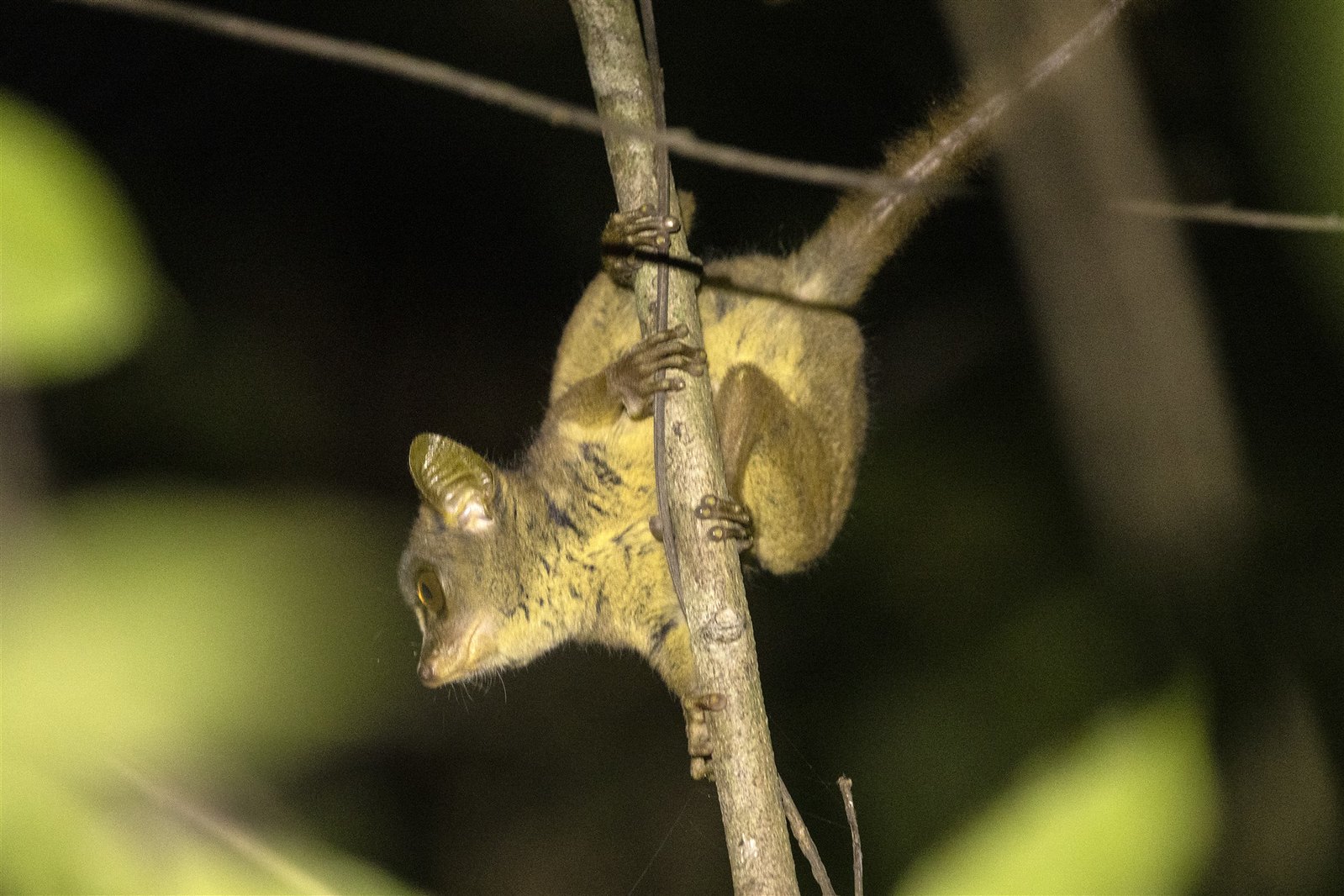
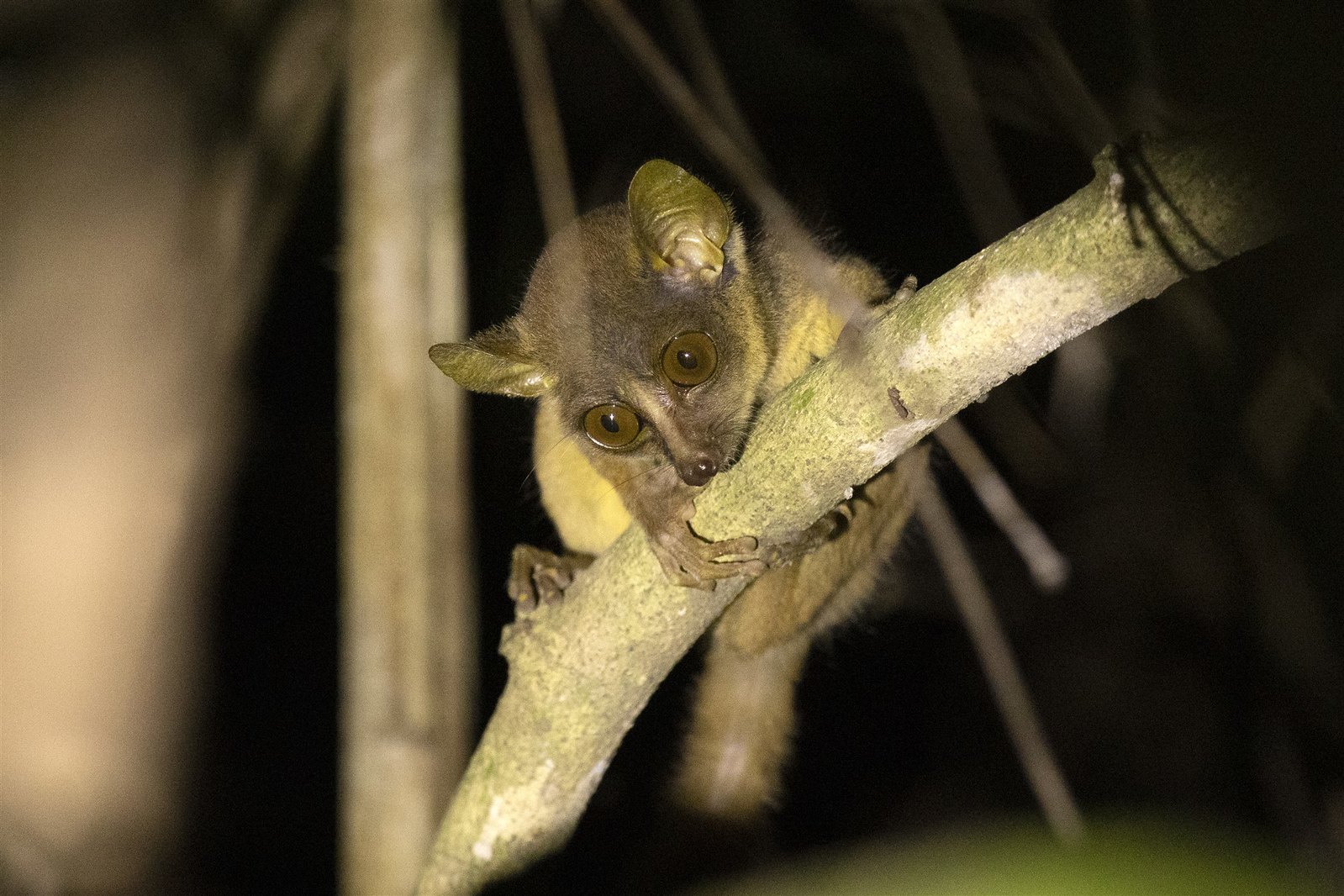
Demidoff’s galago (Galago demidoff), also known as the Demidoff’s bushbaby, is a small nocturnal primate native to central and western Africa. Its wide distribution spans countries such as Uganda, Rwanda, the Democratic Republic of Congo, Cameroon, and Gabon. Despite its diminutive size, the species is notable for its agile leaping abilities, acute nocturnal senses, and highly social behaviors.
Demidoff’s galagos are important indicators of forest health due to their reliance on dense canopy cover and intact forest ecosystems. Their ecological role includes insect predation, seed dispersal, and serving as prey for larger forest predators. For ecotourism and wildlife enthusiasts, observing these bushbabies provides unique insights into nocturnal forest dynamics that often remain unseen during daytime excursions.
So lace up your boots, grab your camera, and prepare to meet the wild — this is where your gorilla trekking dreams and unforgettable safari adventures truly begin.
Truly Iconic Highlights in Uganda

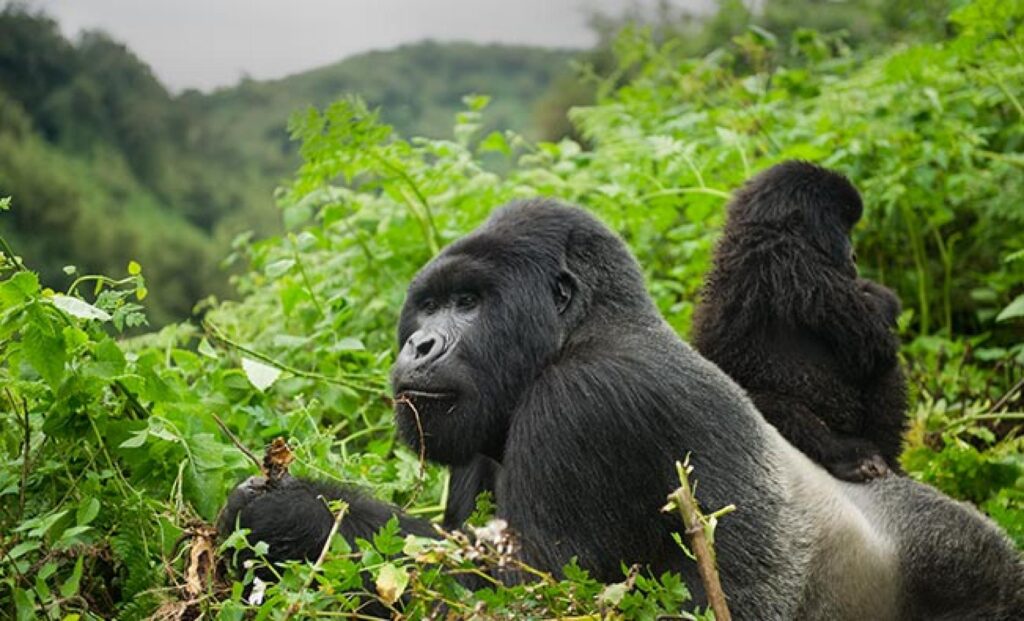
Trek through Bwindi’s mystical rainforest and meet the endangered mountain gorillas in their breathtaking natural home.
Encounter mountain gorillas and golden monkeys on Mgahinga’s misty volcanic trails, where culture and alpine wildlife thrive together.
Unwind after your trek with a peaceful canoe ride across Lake Bunyonyi, Uganda’s most tranquil and scenic highland lake.
Enhance your gorilla trekking safari with an optional chimpanzee encounter in Uganda’s lush forests, adding depth and diversity to your primate adventure
Gorilla Trekking Tours in Uganda – Our Most Popular Itineraries.
Explore our gorilla trekking safaris for every traveler—solo, family, budget, or luxury. All tours include permits, transport, accommodation, meals, and park fees. Whether for a quick trip or a deeper adventure, we’ve got you covered.
3-Day Bwindi Gorilla Trekking Safari
3-Day Bwindi Gorilla Trekking Safari
4-Day Uganda Gorilla Trekking Safari
4-Day Uganda Gorilla Trekking Safari
5-Day Gorilla Tracking and Wildlife Safari
5-Day Gorilla Tracking and Wildlife Safari
7-Day Uganda Primate Adventure & Wildlife Safari
7-Day Uganda Primate Adventure & Wildlife Safari
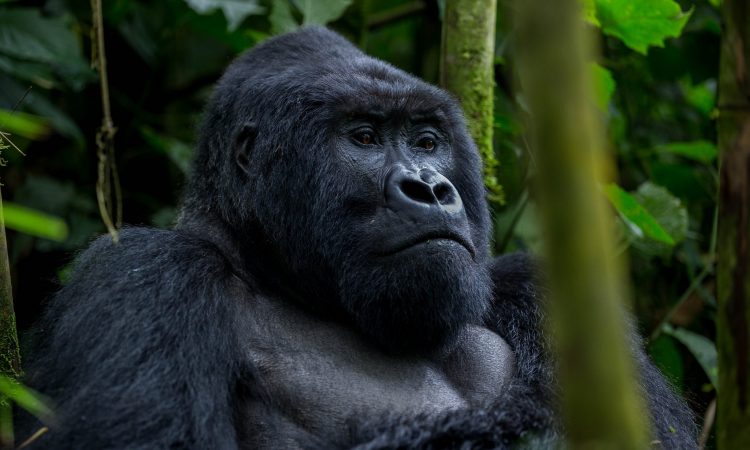
10-Day Gorilla Trekking & Big Five Safari in Uganda
10-Day Gorilla Trekking & Big Five Safari in Uganda
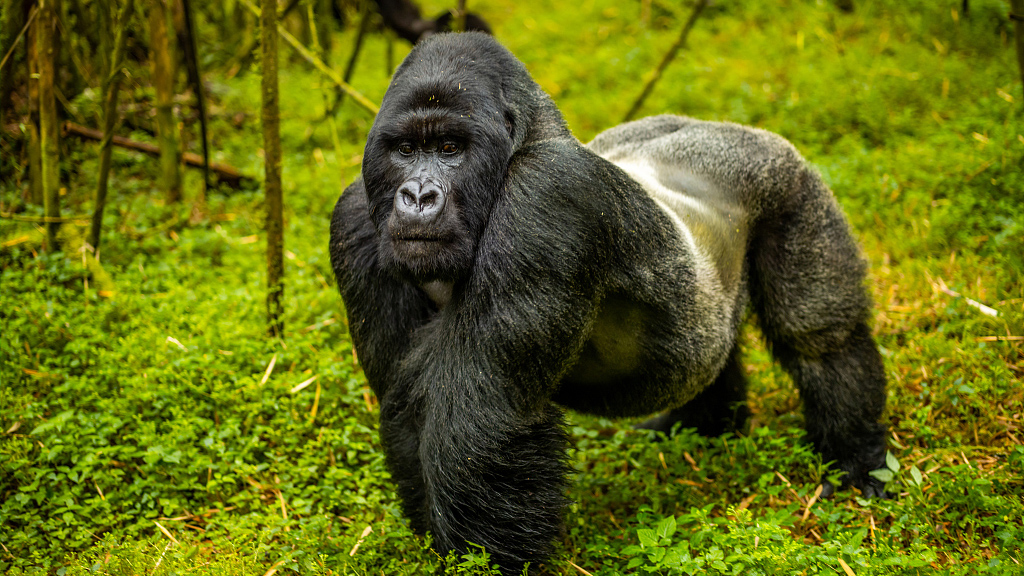
12-Day Uganda Gorilla Trekking, Chimp Tracking & Cultural Safari
12-Day Uganda Gorilla Trekking, Chimp Tracking & Cultural Safari
14-Day Best of Uganda Safari – Gorillas, Wildlife, Cultures
14-Day Best of Uganda Safari – Gorillas, Wildlife, Cultures
Overview of Demidoff’s Galago
Physical Characteristics
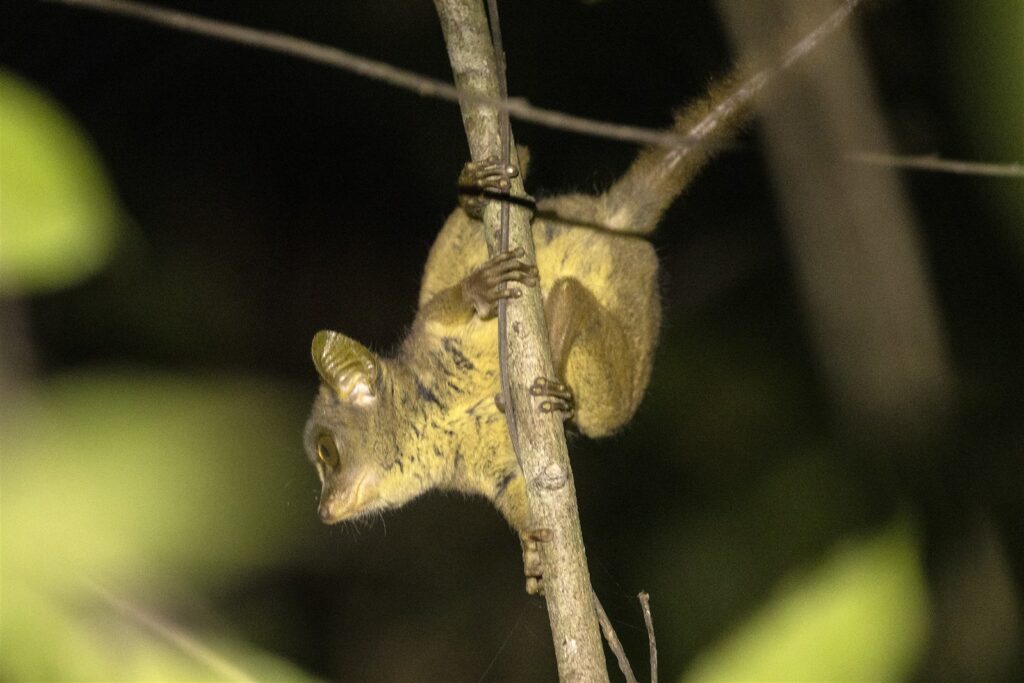
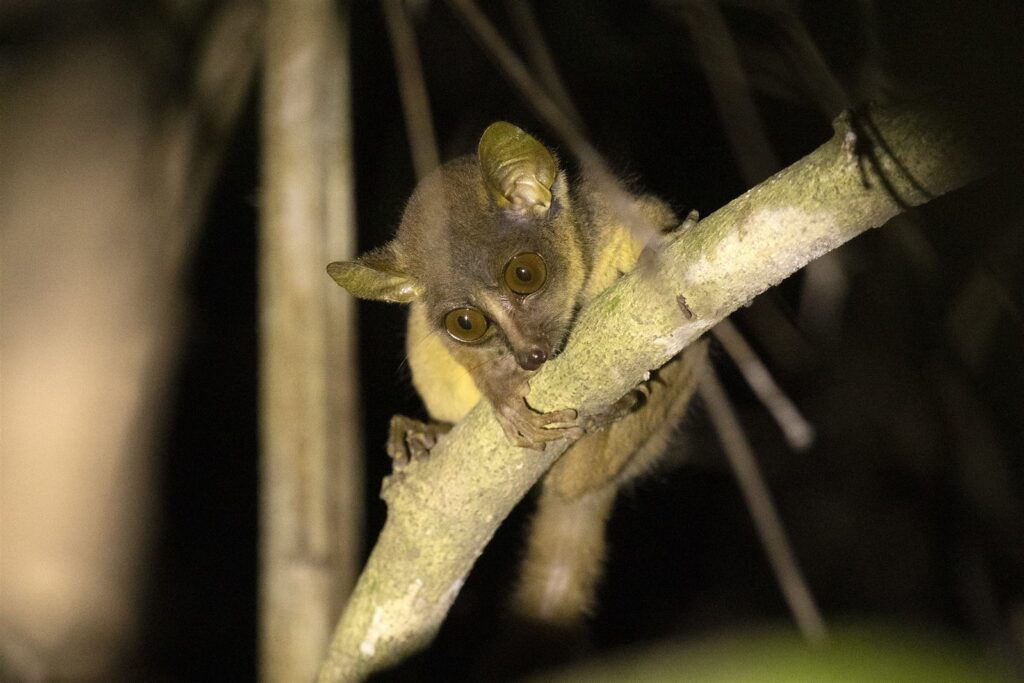
Demidoff’s galago is small and lightweight, typically weighing between 0.2 to 0.5 kilograms, with a body length of 15–20 centimeters and a tail that is often longer than the body, measuring 20–25 centimeters. Its fur is soft, dense, and varies in coloration from light brown to reddish-brown, helping it blend seamlessly into forest branches and tree trunks.The species is most recognizable for its large, forward-facing eyes, adapted for night vision, and its rounded ears that rotate independently to detect faint sounds of insects or predators. The elongated limbs, particularly the hind legs, enable remarkable leaping abilities, allowing bushbabies to move swiftly between branches, often covering distances exceeding several meters in a single bound.
Habitat and Geographic Distribution
Demidoff’s galagos are typically found in tropical lowland and montane forests, forest edges, gallery forests along rivers, and secondary forests with abundant canopy cover. They thrive in areas where dense vegetation provides shelter, food resources, and protection from predators.In Uganda, these bushbabies are commonly observed in Budongo Forest, Kibale National Park, and Bwindi Impenetrable National Park, where healthy forest structure supports their nocturnal lifestyle. Their presence is strongly linked to intact forest corridors, making them sensitive to deforestation, habitat fragmentation, and human encroachment.
Behavior and Social Structure
Demidoff’s galagos are primarily nocturnal, emerging at dusk to forage and retreating to tree hollows, dense foliage, or constructed nests during daylight hours. They are solitary foragers, although overlapping home ranges result in occasional interactions, especially during mating periods.Communication is a defining feature of their behavior. Galagos employ a combination of vocalizations, scent marking, and visual cues to establish territories, warn conspecifics of predators, and attract mates. Their high-pitched calls, often described as whistles, shrieks, or “peep” notes, can carry across considerable distances in dense forest environments.Social organization is minimal compared to larger primates, but mother-infant bonding is strong. Mothers carry infants on their backs or leave them in secure tree hollows while foraging, returning frequently to nurse and groom them.
Diet and Feeding Ecology
Demidoff’s galagos are omnivorous, with a diet consisting primarily of insects, small vertebrates, fruits, tree gums, and nectar. Their diet shifts seasonally according to availability, with gum feeding becoming particularly important during dry periods when insects or fruits are scarce.The species is a proficient hunter, using acute hearing to locate insect prey, often pouncing with precision. By consuming a mixture of insects and plant material, they contribute both to insect population control and seed dispersal, making them integral to forest ecosystem functioning.
Reproduction and Life Cycle
Demidoff’s galagos reach sexual maturity around one year of age, with breeding typically occurring once or twice annually, depending on environmental conditions. Gestation lasts approximately 110–120 days, and females usually give birth to one to two offspring per litter.Infants are altricial, relying entirely on maternal care for survival. They remain attached to the mother for several weeks, gradually learning climbing, leaping, and foraging skills necessary for independent life. Juvenile survival is influenced by predation risk, food availability, and environmental stability. Lifespan in the wild averages 8–12 years, while individuals in protected or semi-captive environments may live longer.
Ecological Role
Demidoff’s galagos play multiple roles in their ecosystems. As insectivores, they help regulate insect populations, preventing outbreaks that could damage vegetation. By consuming fruits and dispersing seeds through their feces, they support forest regeneration and plant diversity.Their nocturnal activity complements the diurnal behaviors of monkeys, birds, and other forest animals, contributing to a balanced, round-the-clock ecosystem dynamic. Additionally, they serve as prey for nocturnal predators such as owls, snakes, and small carnivores, linking trophic levels within the forest food web.
Threats and Conservation Status
Demidoff’s galagos are currently classified as Least Concern by the IUCN, reflecting their relatively wide distribution and adaptability. However, they face significant localized threats due to habitat destruction, logging, agricultural expansion, and hunting.Forest fragmentation isolates populations, increasing vulnerability to genetic bottlenecks and reducing resource availability. Additionally, bushbabies are occasionally captured for the pet trade, which is illegal and detrimental to wild populations. Conservation strategies focus on habitat protection, community education, and responsible eco-tourism, emphasizing the species’ ecological role and importance for forest health.
Observation and Ecotourism
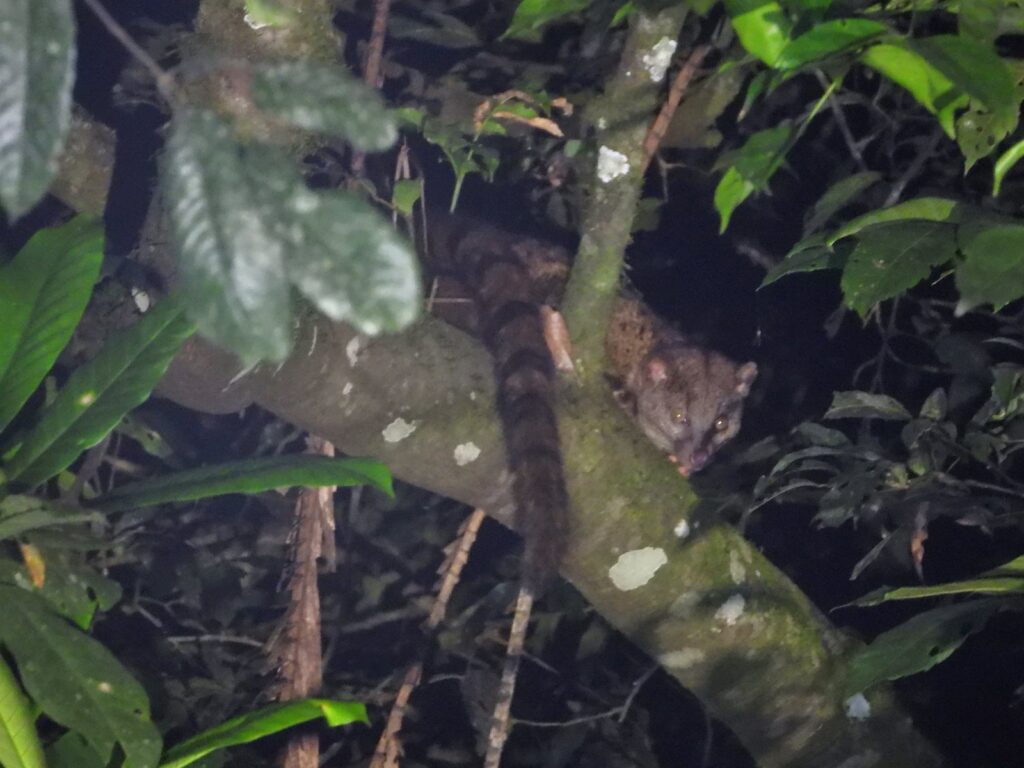
For wildlife enthusiasts and researchers, observing Demidoff’s galagos offers a rare glimpse into nocturnal primate behavior. Guided night walks in national parks like Kibale Forest and Bwindi Impenetrable National Park provide controlled viewing opportunities, often using red-filtered lights to minimize disturbance.Ecotourism centered around nocturnal species contributes to local revenue and awareness, incentivizing communities to preserve forest habitats. Visitors gain insight into the complex behaviors, diet, and social interactions of these elusive primates, enhancing appreciation for Africa’s nocturnal biodiversity.
Small but Ecologically Significant
Demidoff’s galagos may be small and nocturnal, but they are vital components of African forest ecosystems. Their feeding behavior supports plant regeneration, their insect predation maintains ecological balance, and their presence indicates healthy, undisturbed habitats.Protecting Demidoff’s galagos means safeguarding forests, preserving biodiversity, and ensuring the survival of countless species that depend on these habitats. For ecologists, wildlife enthusiasts, and travelers, observing these bushbabies provides a unique and enriching perspective on the hidden nocturnal life of Africa’s forests.
More Gorilla Trekking Information to Know.
Gorilla trekking goes far beyond just the hike — it’s a deep, emotional journey into the heart of Africa’s last wild rainforests. Knowing the right timing, permits, fitness tips, and park details can turn your experience from good to unforgettable.
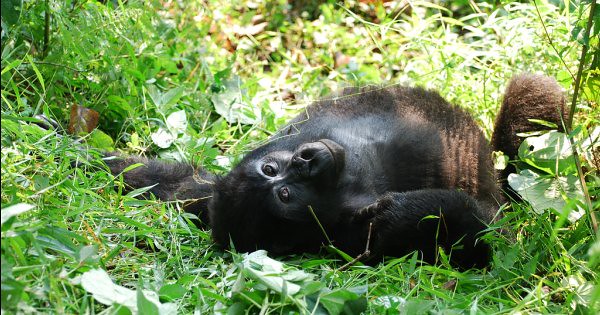
Gorilla Trekking in Bwindi Impenetrable Forest
Gorilla Trekking in Bwindi Impenetrable Forest
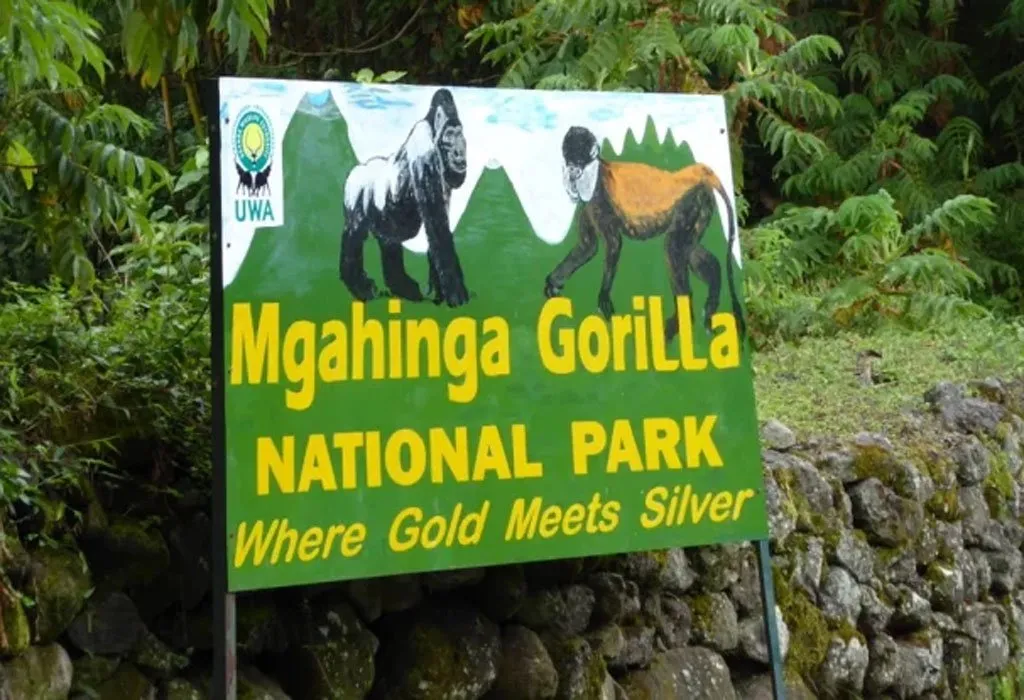
Trekking Gorillas in Mgahinga National Park
Trekking Gorillas in Mgahinga National Park
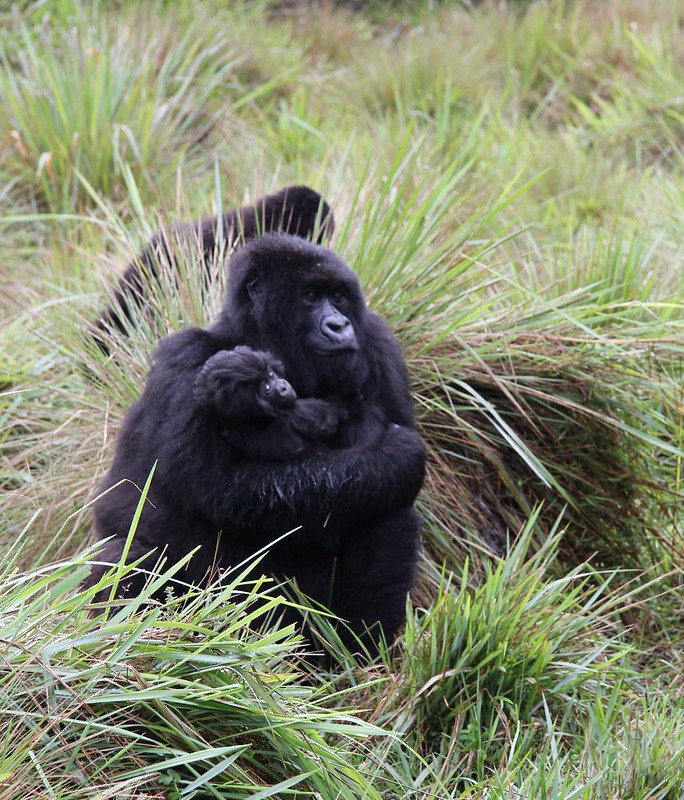
Uganda Gorilla Trekking Permits – Prices, Booking, & Travel Tips
Uganda Gorilla Trekking Permits – Prices, Booking, & Travel Tips

What to Pack for Gorilla Trekking in Uganda – Expert Checklist
What to Pack for Gorilla Trekking in Uganda – Expert Checklist
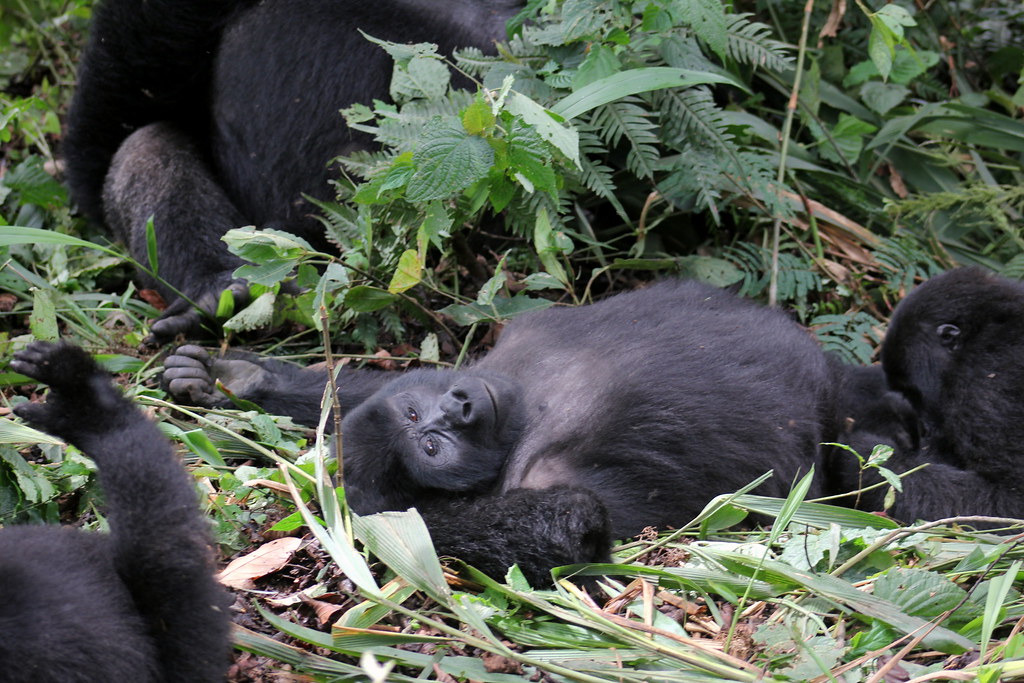
Best Time to Go Gorilla Trekking in Uganda – Weather & Seasons
Best Time to Go Gorilla Trekking in Uganda – Weather & Seasons
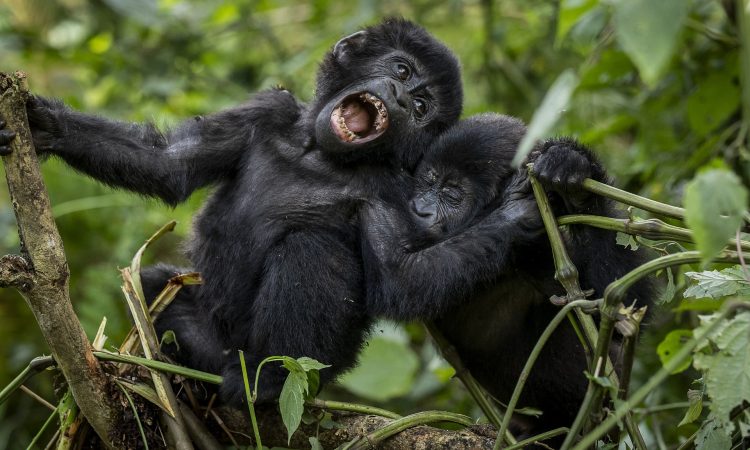
Gorilla Trekking Difficulty in Uganda – Fitness & Trail Guide
Gorilla Trekking Difficulty in Uganda – Fitness & Trail Guide
Gorilla Trekking Rules in Uganda – Safety, Respect & Ethics
Gorilla Trekking Rules in Uganda – Safety, Respect & Ethics
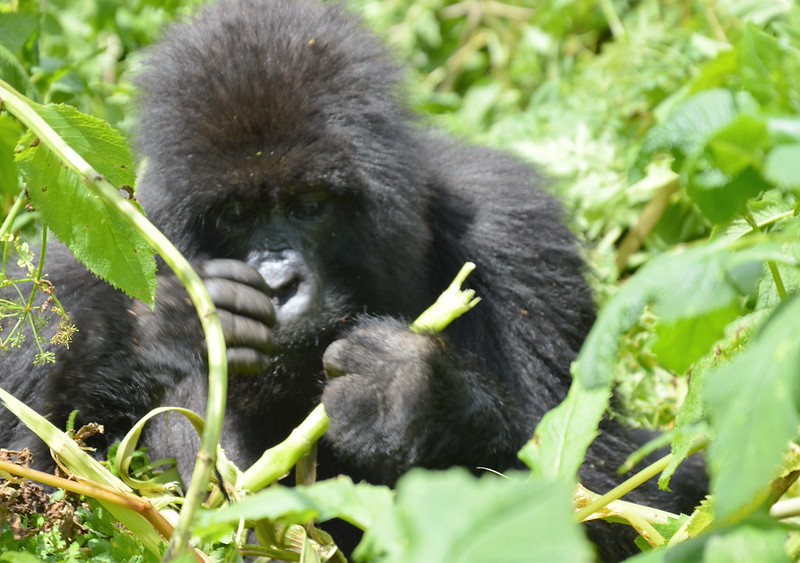
Gorilla Conservation in Uganda – Protecting the Mountain Giants
Gorilla Conservation in Uganda – Protecting the Mountain Giants
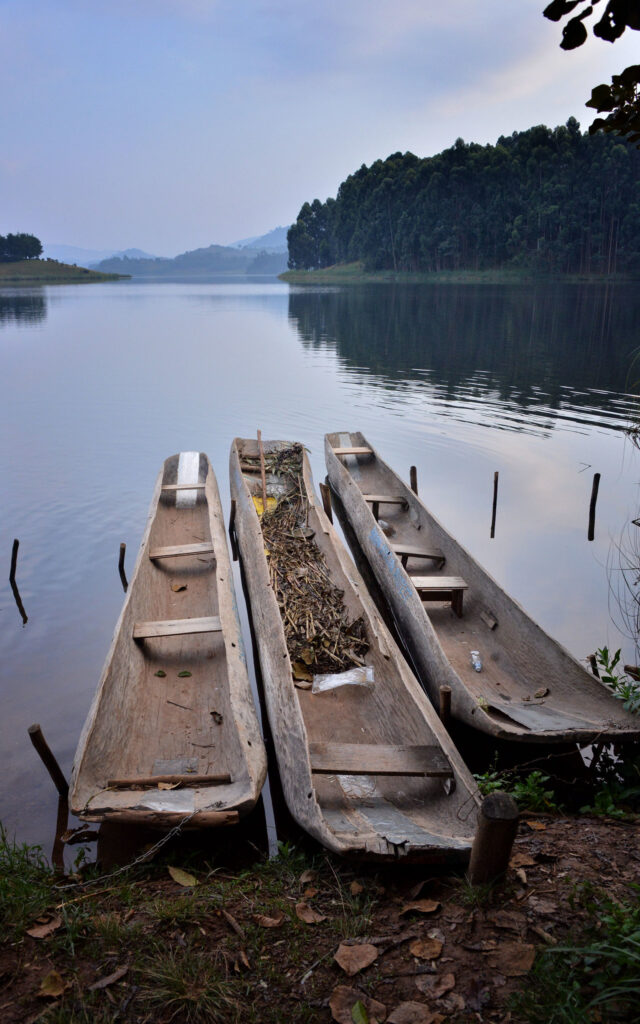
Bwindi vs. Mgahinga – Which One to Choose For Gorilla Trekking?
Bwindi vs. Mgahinga – Which One to Choose For Gorilla Trekking?
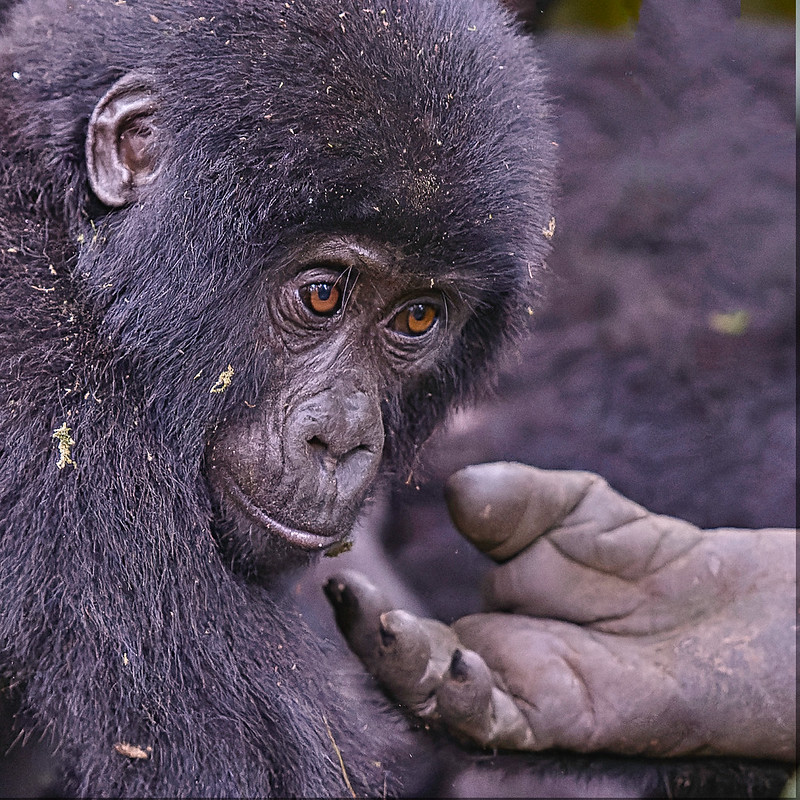
How to Stay Safe and Healthy While Traveling in Uganda
How to Stay Safe and Healthy While Traveling in Uganda
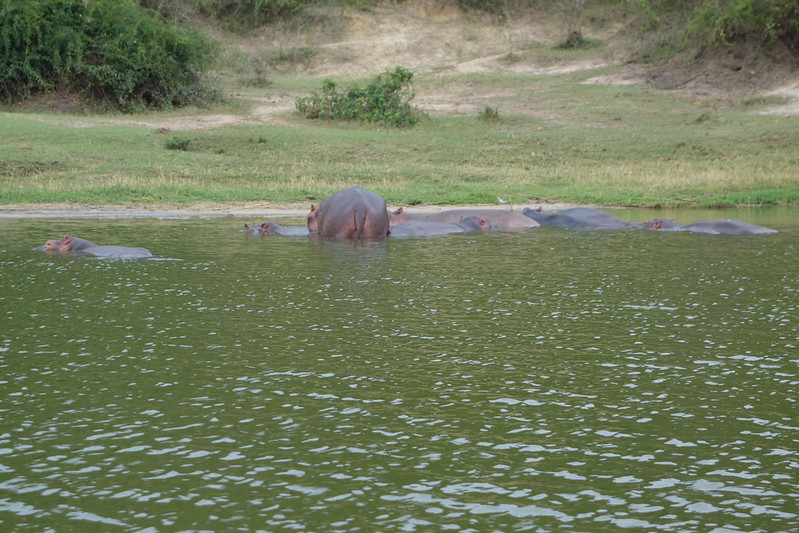
Routes, Tips & Travel Wisdom for Getting to Bwindi or Mgahinga
Routes, Tips & Travel Wisdom for Getting to Bwindi or Mgahinga
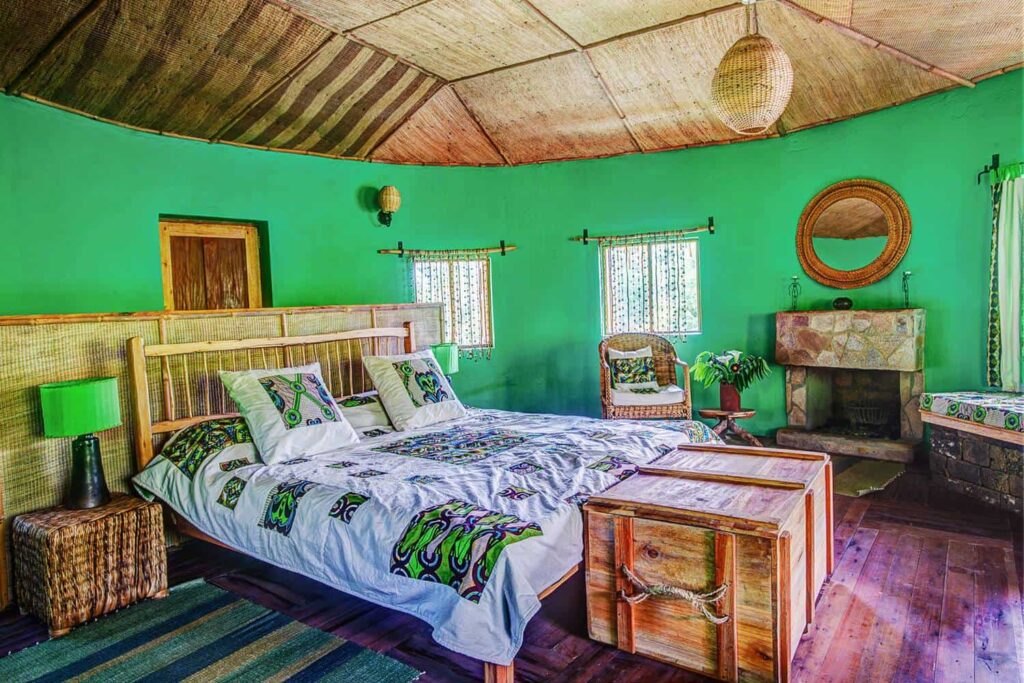
Accommodation Options: Lodges & Camps in Bwindi and Mgahinga
Accommodation Options: Lodges & Camps in Bwindi and Mgahinga
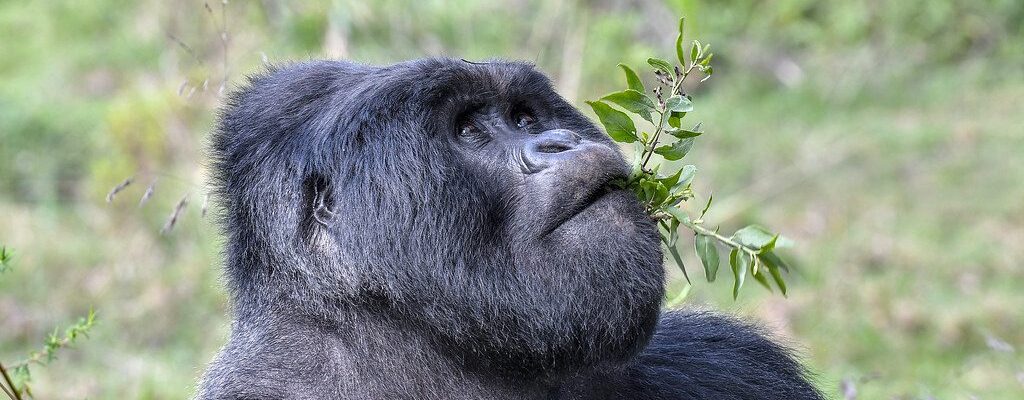
Protecting What You Came to See: Gorilla Conservation & Ethics
Protecting What You Came to See: Gorilla Conservation & Ethics
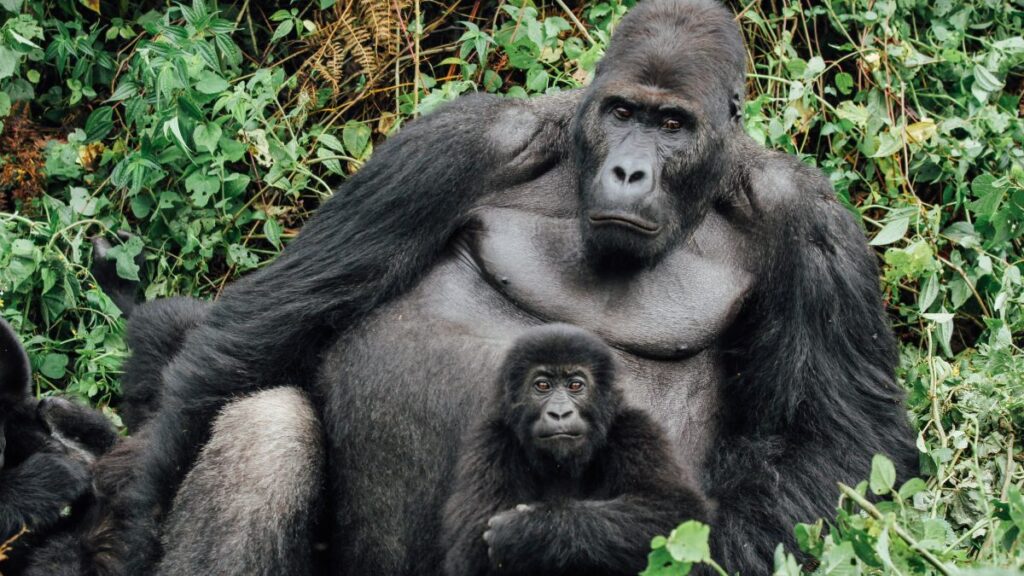
Travel Insurance for Gorilla Treks: Before You Go
Travel Insurance for Gorilla Treks: Before You Go
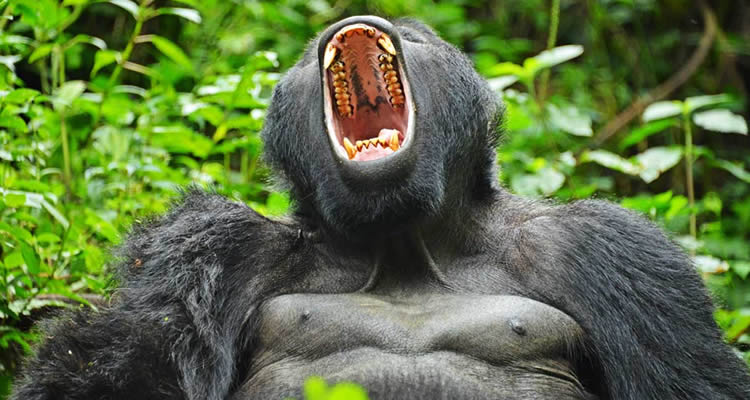
First Time Gorilla Trekking? Here’s Everything I Wish I Knew
First Time Gorilla Trekking? Here’s Everything I Wish I Knew
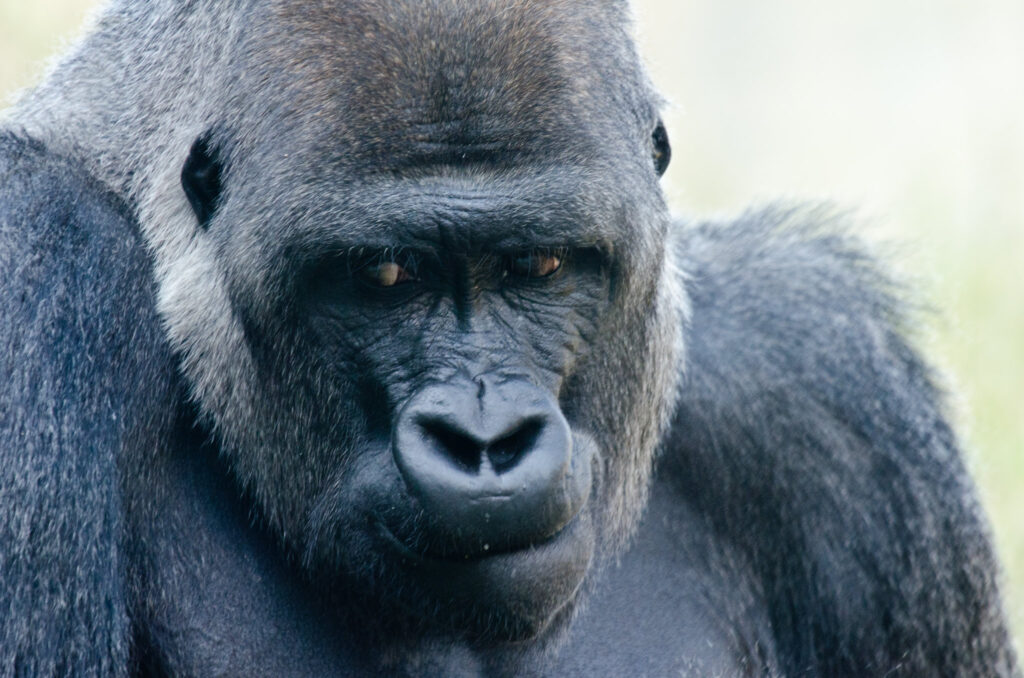
Step by Step: What Happens During a Gorilla Trekking Day
Step by Step: What Happens During a Gorilla Trekking Day
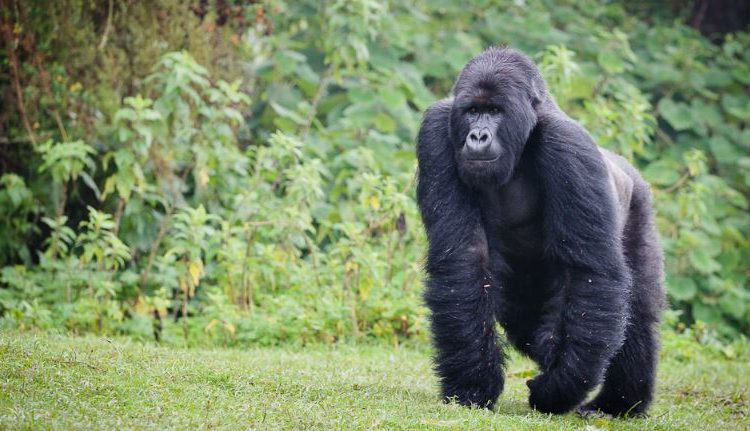
Gorilla Trekking vs. Gorilla Tracking – What’s the Real Difference?
Gorilla Trekking vs. Gorilla Tracking – What’s the Real Difference?
Beyond Gorillas: Other Wildlife You Can See During Your Trek
Beyond Gorillas: Other Wildlife You Can See During Your Trek
In the Realm of Giants – Bwindi & Mgahinga in Frames.
Wander through an elegant gallery capturing Uganda’s most exclusive gorilla sanctuaries, where ancient forests cradle the last mountain gorillas in a world of mist, mystery, and majesty.
Essential Planning Tips for Visiting Uganda’s National Parks.
Get ready for the wild heart of Africa with expert travel tips on when to visit, what to pack, where to go, and how to make the most of your safari across Uganda’s breathtaking national parks.
Why Uganda for Gorilla Trekking?
Uganda is not just a destination — it's the very soul of gorilla trekking. With over half of the world’s remaining mountain gorillas calling its misty forests home, Uganda offers the rarest encounters in their most authentic setting. Here, your journey is not rushed or crowded. Instead, you’re guided by experienced rangers through pristine jungles where gorillas live as they always have — wild, free, and magnificent
From insider travel insights to unforgettable trekking guides, our blog is your trusted path into Uganda’s wild heart — connecting you with mountain gorillas, breathtaking landscapes, and the soul-stirring adventures that make this land unlike any other.