

Where the soul of the forest whispers in the mist
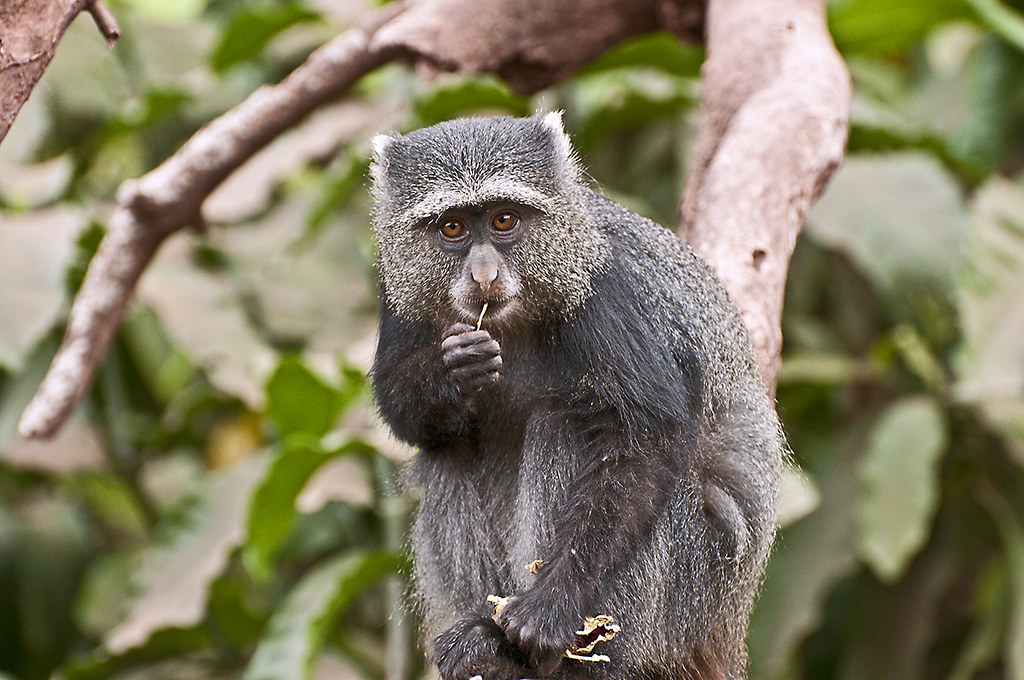
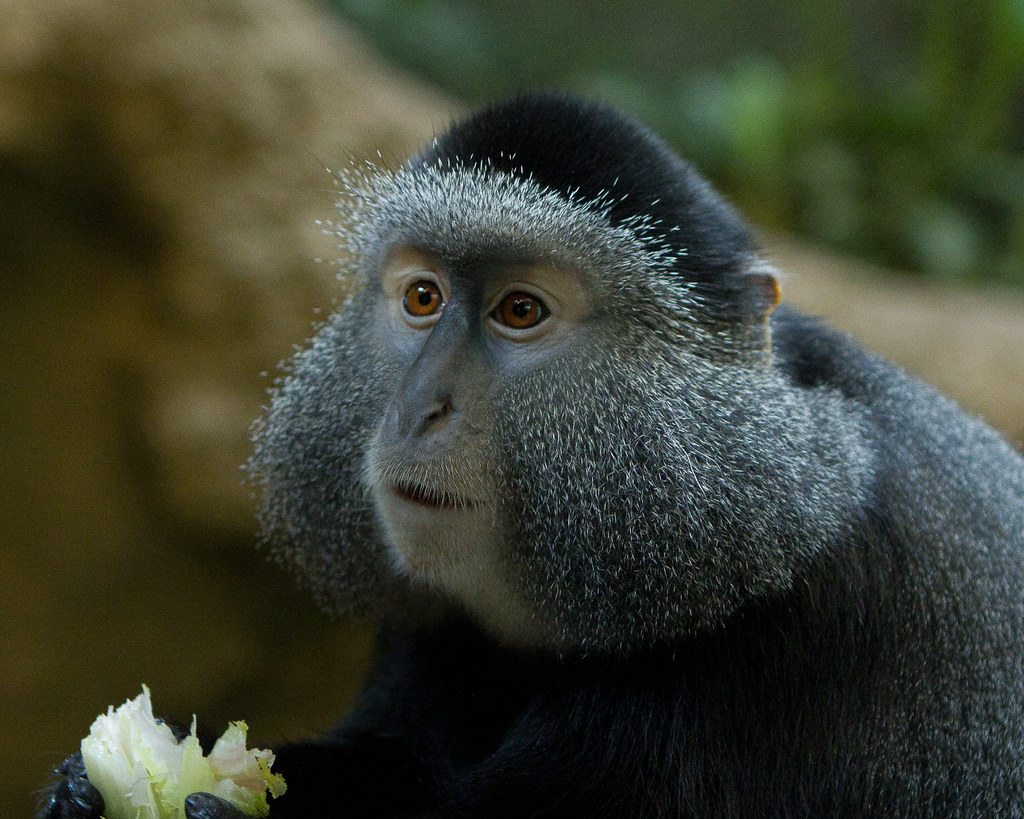
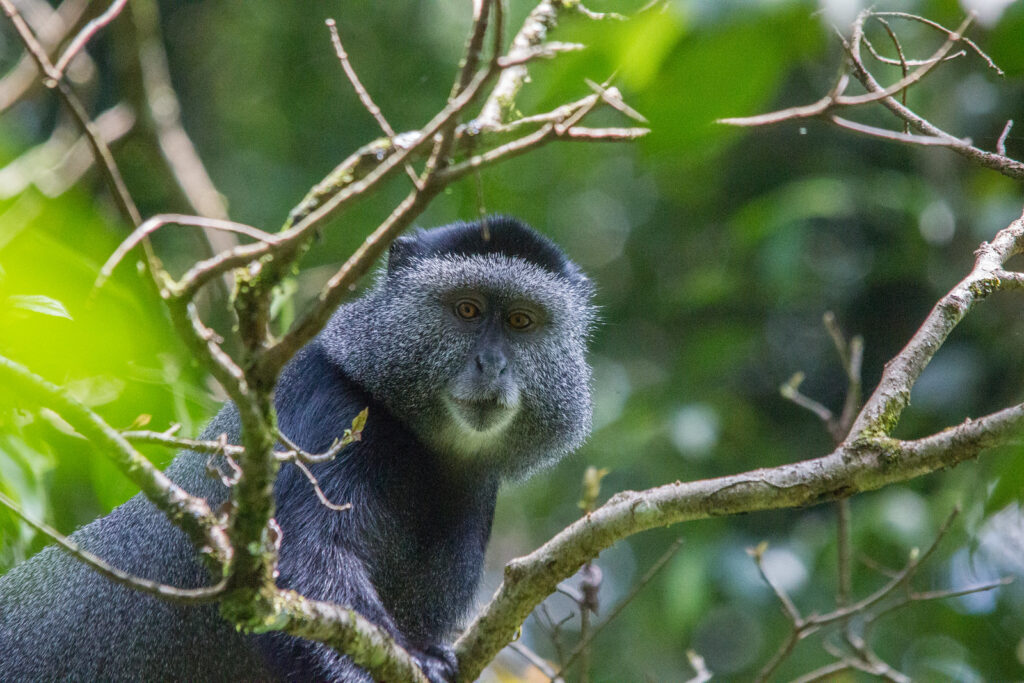
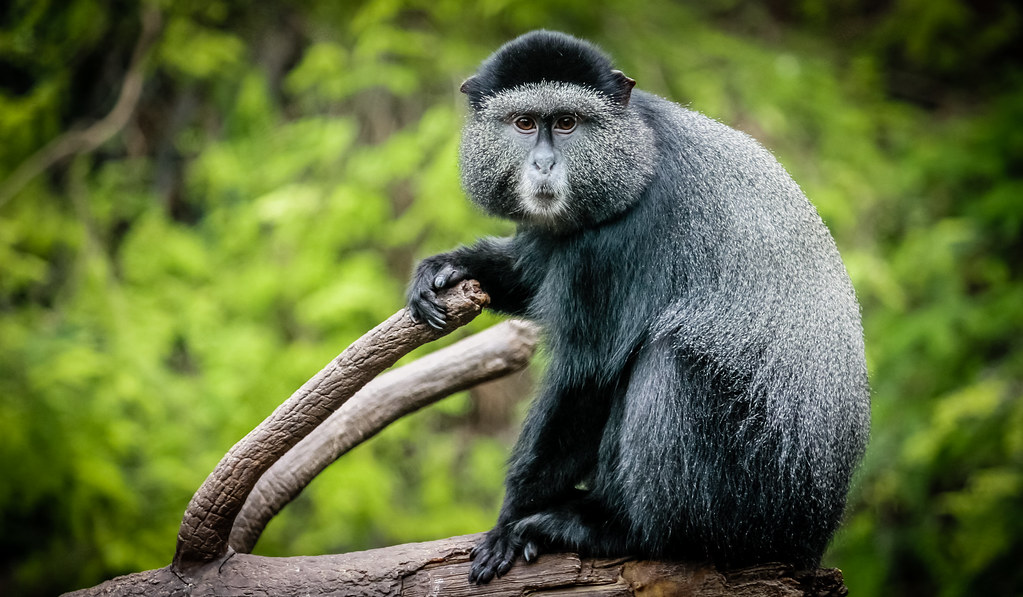
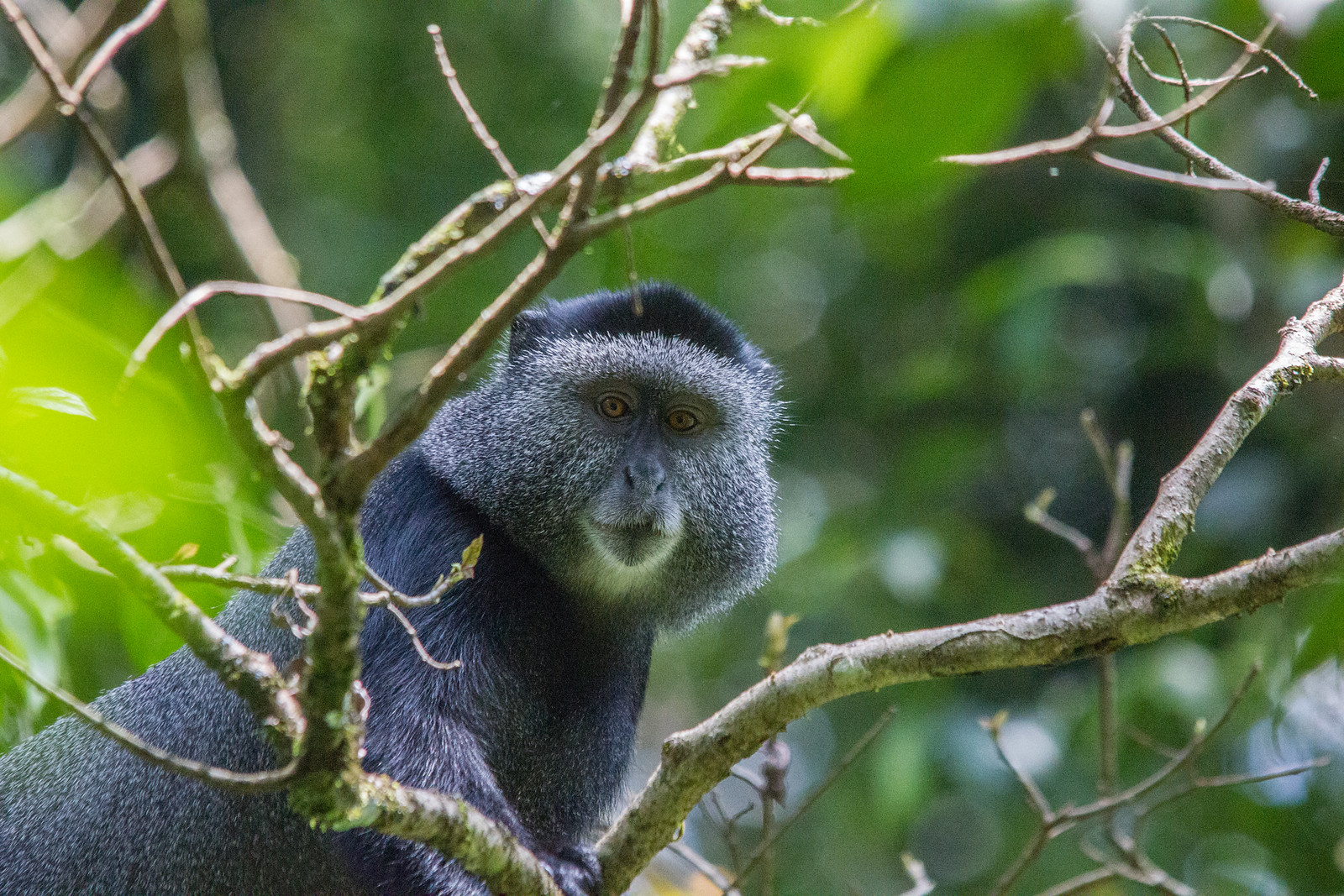
Blue monkeys are one of the most widespread and adaptable forest primates in East Africa. Scientifically known as Cercopithecus mitis, these medium-sized monkeys are commonly seen in Uganda, Rwanda, Kenya, Tanzania, and other parts of central and eastern Africa. Despite their name, they are not actually bright blue. The term “blue” refers to the subtle bluish-gray sheen of their fur, especially visible in certain lighting conditions.
In Uganda, blue monkeys are frequently encountered in forested national parks. They are present in Bwindi Impenetrable National Park, Kibale Forest National Park, Queen Elizabeth National Park, and Budongo Forest. Visitors on gorilla trekking safaris or forest nature walks often observe them moving swiftly through the mid and upper forest canopy. Their active behavior and vocal communication make them one of the most noticeable monkey species in these ecosystems.
So lace up your boots, grab your camera, and prepare to meet the wild — this is where your gorilla trekking dreams and unforgettable safari adventures truly begin.
Truly Iconic Highlights in Uganda

Trek through Bwindi’s mystical rainforest and meet the endangered mountain gorillas in their breathtaking natural home.
Encounter mountain gorillas and golden monkeys on Mgahinga’s misty volcanic trails, where culture and alpine wildlife thrive together.
Unwind after your trek with a peaceful canoe ride across Lake Bunyonyi, Uganda’s most tranquil and scenic highland lake.
Enhance your gorilla trekking safari with an optional chimpanzee encounter in Uganda’s lush forests, adding depth and diversity to your primate adventure
Gorilla Trekking Tours in Uganda – Our Most Popular Itineraries.
Explore our gorilla trekking safaris for every traveler—solo, family, budget, or luxury. All tours include permits, transport, accommodation, meals, and park fees. Whether for a quick trip or a deeper adventure, we’ve got you covered.
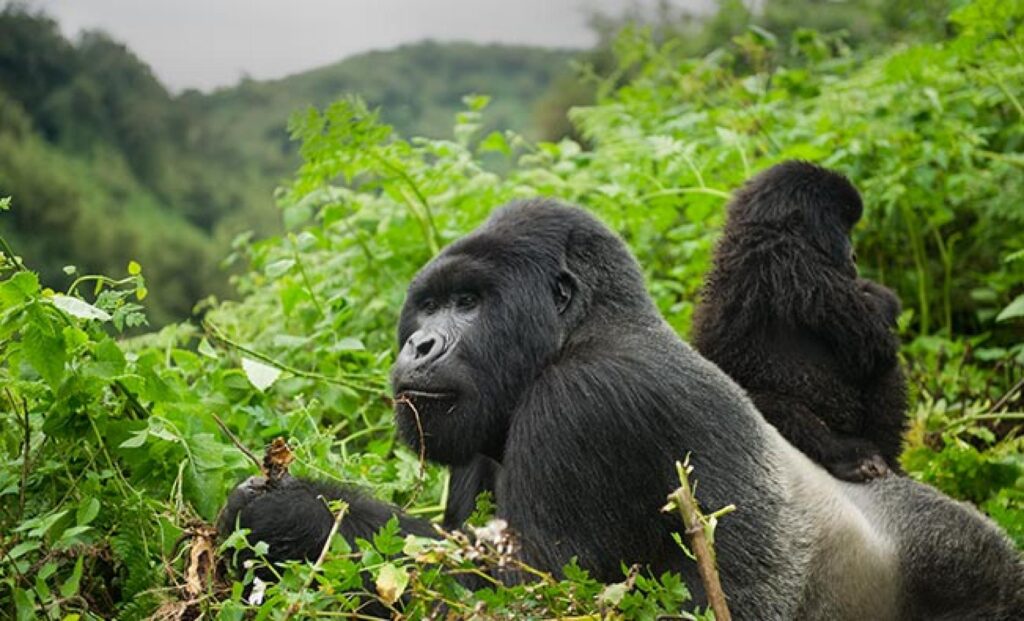
3-Day Bwindi Gorilla Trekking Safari
3-Day Bwindi Gorilla Trekking Safari
4-Day Uganda Gorilla Trekking Safari
4-Day Uganda Gorilla Trekking Safari
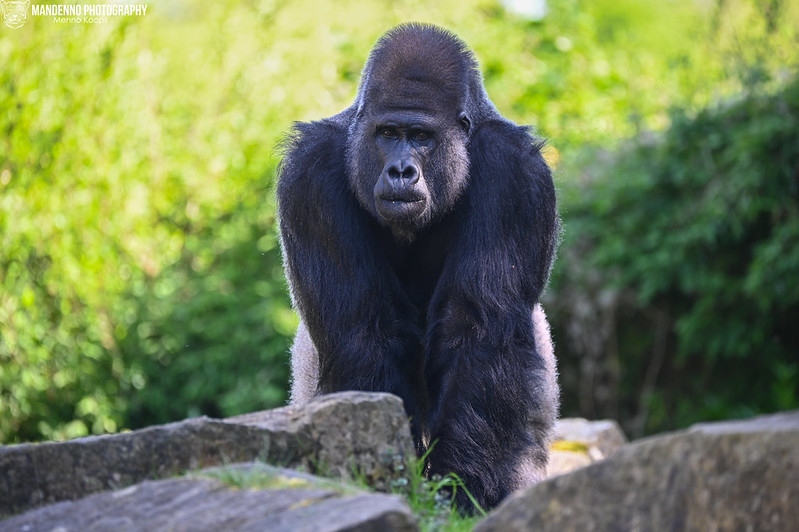
5-Day Gorilla Tracking and Wildlife Safari
5-Day Gorilla Tracking and Wildlife Safari
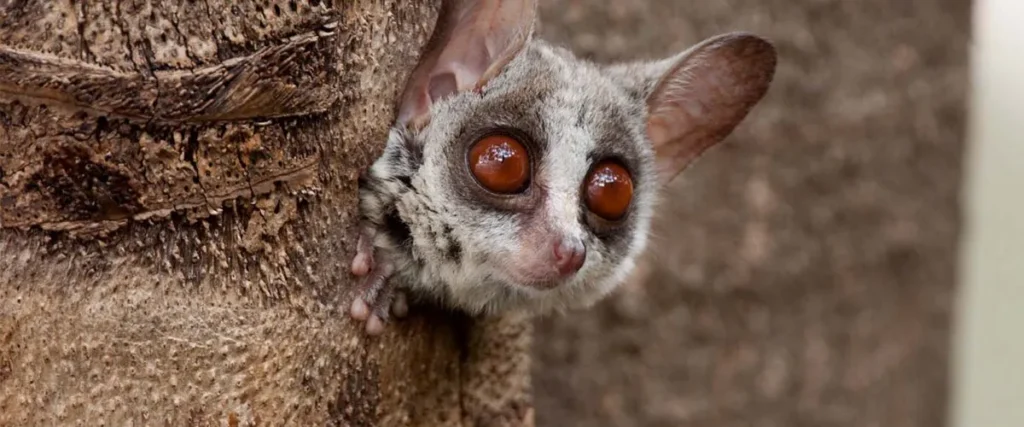
7-Day Uganda Primate Adventure & Wildlife Safari
7-Day Uganda Primate Adventure & Wildlife Safari
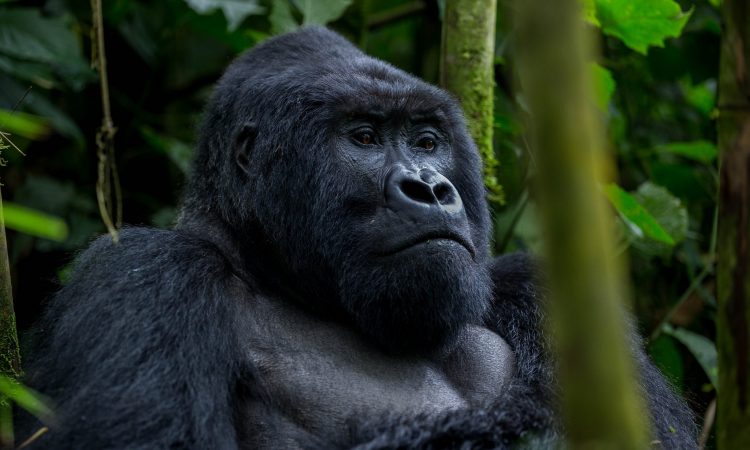
10-Day Gorilla Trekking & Big Five Safari in Uganda
10-Day Gorilla Trekking & Big Five Safari in Uganda
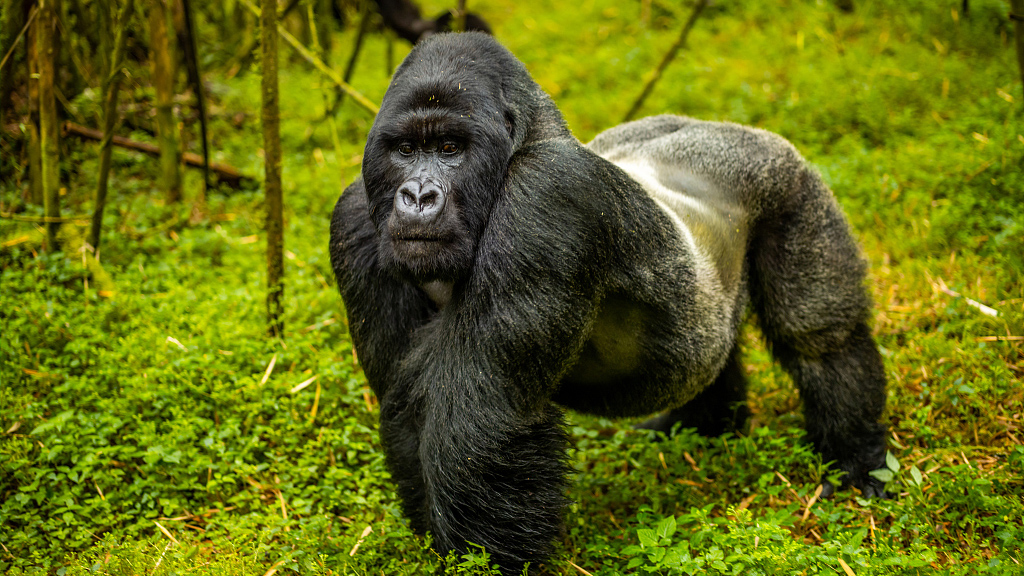
12-Day Uganda Gorilla Trekking, Chimp Tracking & Cultural Safari
12-Day Uganda Gorilla Trekking, Chimp Tracking & Cultural Safari
14-Day Best of Uganda Safari – Gorillas, Wildlife, Cultures
14-Day Best of Uganda Safari – Gorillas, Wildlife, Cultures
A Detailed Study of Blue Monkeys
Taxonomy and Classification
Blue monkeys belong to the genus Cercopithecus within the family Cercopithecidae, a group commonly referred to as guenons. The species Cercopithecus mitis includes multiple subspecies distributed across Africa, showing regional variation in coloration and size. They are classified as Old World monkeys, meaning they possess non-prehensile tails and downward-facing nostrils, distinguishing them from New World primates.
Their evolutionary lineage places them among forest-adapted guenons, specialized for arboreal locomotion and fruit-based diets. Their anatomical adaptations, including long limbs and balancing tails, support efficient movement through dense canopy environments.
Physical Characteristics
Blue monkeys are medium-sized primates with males typically larger than females, demonstrating moderate sexual dimorphism. Adult males can weigh between 6–8 kilograms, while females are generally smaller. Their fur appears gray to olive with a lighter underside and a distinct pale throat patch.
The facial structure includes expressive eyes and a relatively flat muzzle, features that contribute to visual communication within groups. Their long tail, often exceeding body length, functions primarily in balance during arboreal movement rather than grasping.
Habitat and Geographic Distribution
Blue monkeys inhabit a wide range of forested environments, including montane forests, lowland tropical forests, bamboo zones, and riverine forests. They are highly adaptable but strongly dependent on tree cover, rarely descending to the ground unless necessary.
In Uganda, blue monkeys are frequently observed in protected forest reserves, especially in regions with dense canopy structure. Their presence in both primary and secondary forests demonstrates ecological flexibility, though they remain vulnerable to habitat fragmentation and deforestation.
Social Structure and Group Dynamics
Blue monkeys live in multi-female social groups typically led by a single dominant male, forming structured and stable social units. Group sizes can vary but often range from 10 to 40 individuals depending on habitat quality and resource availability.
Female philopatry characterizes their social system, meaning females remain in their natal groups while males disperse upon reaching maturity. Social bonding, grooming behavior, and vocal communication reinforce group cohesion and hierarchy. The dominant male plays a protective role, defending the group from rival males and predators.
Feeding Ecology and Diet
Blue monkeys are primarily frugivorous, feeding extensively on forest fruits, supplemented by leaves, flowers, seeds, and insects. Their diet composition changes seasonally according to fruit availability, demonstrating dietary flexibility within forest ecosystems.
Their feeding behavior contributes significantly to seed dispersal, as undigested seeds are transported across forest zones and deposited in different locations. This ecological function supports forest regeneration and plant diversity. Their ability to exploit multiple plant species allows them to survive in varied forest conditions.
Communication and Vocal Behavior
Vocal communication is highly developed in blue monkeys, with distinct alarm calls, contact calls, and social signals. Alarm calls differ depending on predator type, such as aerial predators like eagles or terrestrial threats like leopards.
These differentiated vocalizations serve as an early warning system within mixed-species primate communities, as blue monkeys sometimes associate with other forest monkeys. Their communication complexity enhances survival through coordinated responses to danger.
Reproduction and Life Cycle
Blue monkeys have a gestation period of approximately five to six months, typically giving birth to a single infant. Birth intervals vary based on environmental conditions and maternal health.
Infants are initially dependent on maternal care but gradually integrate into group social structures, learning feeding routes, social cues, and hierarchical positioning. Juveniles engage in play behavior that develops motor skills and social competence.
Predators and Survival Strategies
Natural predators of blue monkeys include leopards, crowned eagles, and large snakes, particularly in dense forest ecosystems. Arboreal living provides some protection, but vigilance and alarm systems remain essential survival mechanisms.
Group cohesion enhances defense against predators, as collective awareness reduces individual vulnerability. Quick canopy movement and coordinated escape patterns allow them to avoid many threats.
Ecological Importance in Forest Systems
Blue monkeys are key seed dispersers within African forest ecosystems, influencing plant species distribution and forest regeneration cycles. By consuming fruit from multiple tree species, they assist in maintaining ecological balance and biodiversity.
Their position in the food web supports higher predators, linking primary plant productivity to carnivorous species. As both consumers and prey, they contribute to forest trophic dynamics.
Conservation Status and Threats
Blue monkeys are currently classified as a species of Least Concern globally, though certain subspecies face localized threats. Habitat destruction, agricultural expansion, and logging remain the primary pressures affecting population stability.
Protected areas provide critical habitat security, particularly in national parks and forest reserves. Sustainable forest management and community conservation programs are essential for long-term population viability.
Blue Monkeys in Tourism and Research
Blue monkeys are commonly observed during forest walks and primate tracking activities, often in areas known for chimpanzee or gorilla trekking. Their presence enriches the overall forest experience by adding visible primate diversity.
They are also important subjects in behavioral ecology research, especially in studies of communication, social organization, and interspecies association. Long-term research in East African forests has expanded scientific understanding of guenon behavior.
A Vital Arboreal Primate of African Forests
Blue monkeys represent an essential component of African forest ecosystems, combining ecological importance, social complexity, and adaptive resilience. Their arboreal lifestyle, frugivorous diet, and vocal communication systems illustrate advanced forest specialization.
Beyond their ecological role, blue monkeys enhance wildlife tourism and scientific knowledge, serving as accessible yet ecologically meaningful primates within protected forest landscapes. Their continued survival depends on sustained habitat protection and integrated conservation management.
More Gorilla Trekking Information to Know.
Gorilla trekking goes far beyond just the hike — it’s a deep, emotional journey into the heart of Africa’s last wild rainforests. Knowing the right timing, permits, fitness tips, and park details can turn your experience from good to unforgettable.
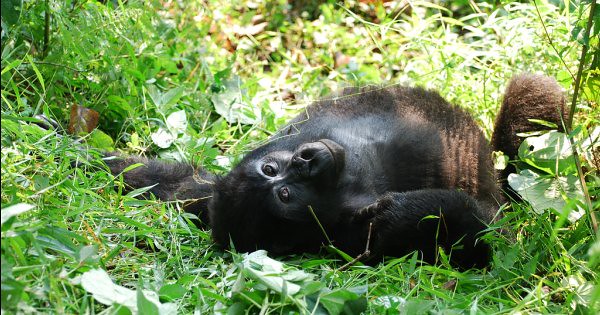
Gorilla Trekking in Bwindi Impenetrable Forest
Gorilla Trekking in Bwindi Impenetrable Forest
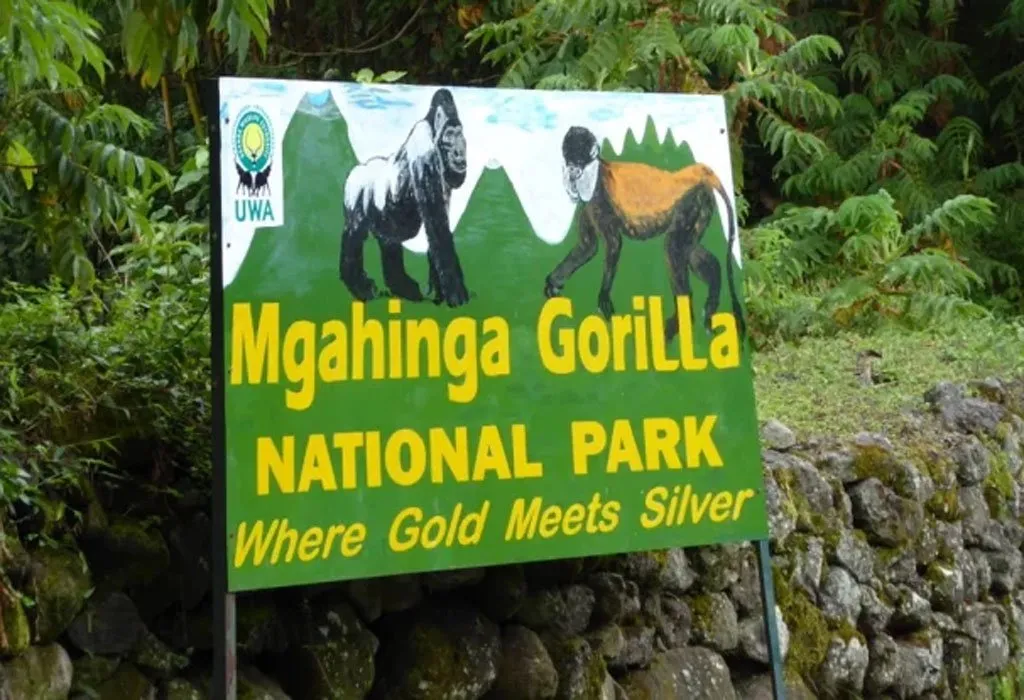
Trekking Gorillas in Mgahinga National Park
Trekking Gorillas in Mgahinga National Park
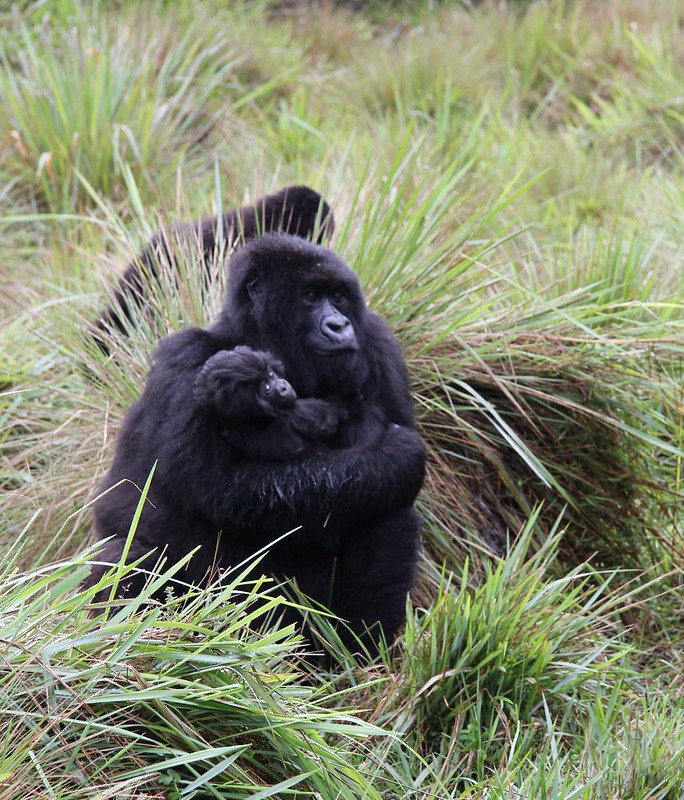
Uganda Gorilla Trekking Permits – Prices, Booking, & Travel Tips
Uganda Gorilla Trekking Permits – Prices, Booking, & Travel Tips

What to Pack for Gorilla Trekking in Uganda – Expert Checklist
What to Pack for Gorilla Trekking in Uganda – Expert Checklist
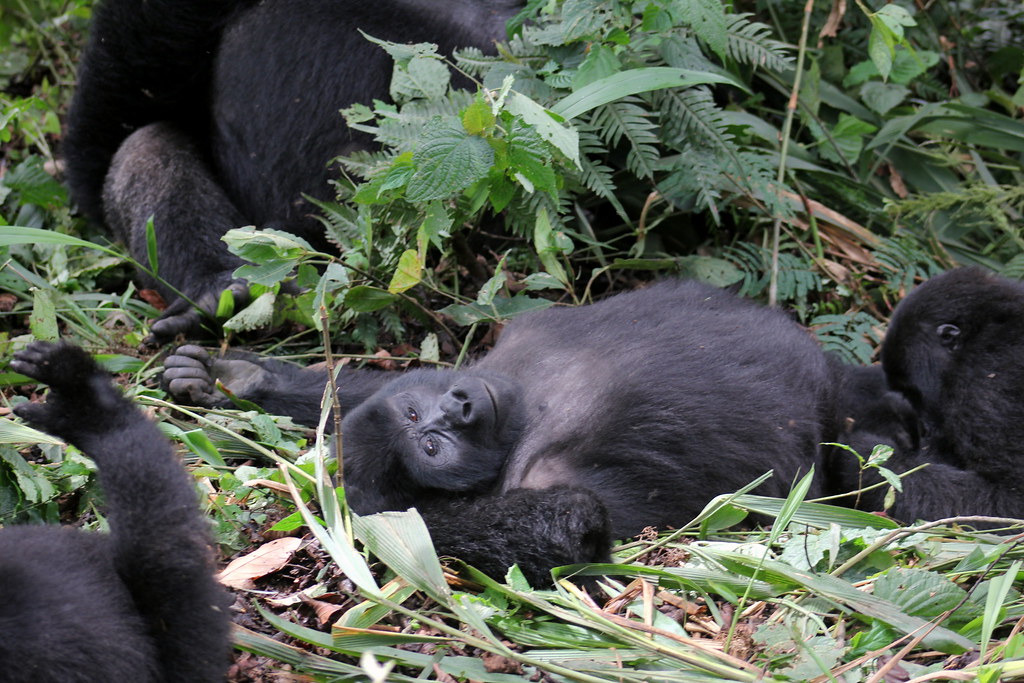
Best Time to Go Gorilla Trekking in Uganda – Weather & Seasons
Best Time to Go Gorilla Trekking in Uganda – Weather & Seasons
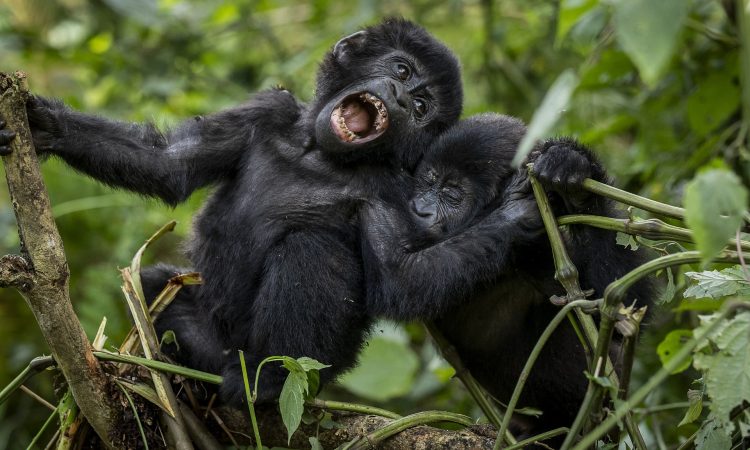
Gorilla Trekking Difficulty in Uganda – Fitness & Trail Guide
Gorilla Trekking Difficulty in Uganda – Fitness & Trail Guide
Gorilla Trekking Rules in Uganda – Safety, Respect & Ethics
Gorilla Trekking Rules in Uganda – Safety, Respect & Ethics
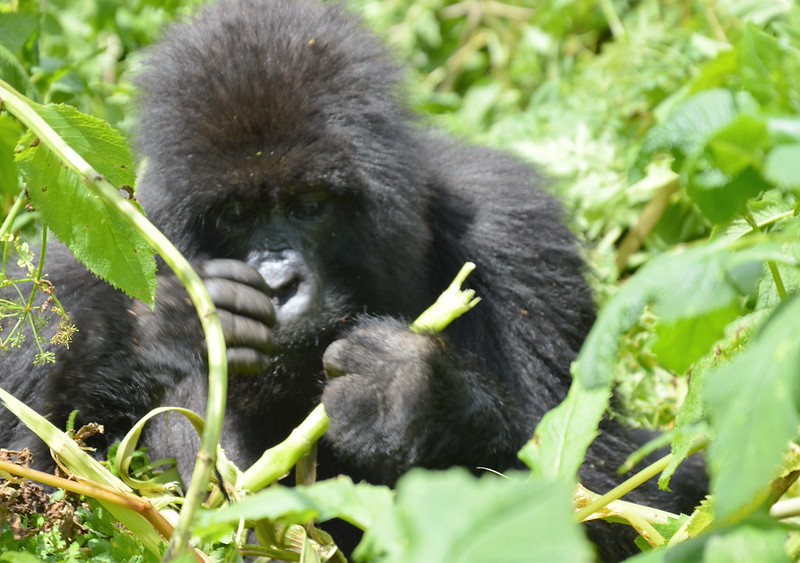
Gorilla Conservation in Uganda – Protecting the Mountain Giants
Gorilla Conservation in Uganda – Protecting the Mountain Giants

Bwindi vs. Mgahinga – Which One to Choose For Gorilla Trekking?
Bwindi vs. Mgahinga – Which One to Choose For Gorilla Trekking?
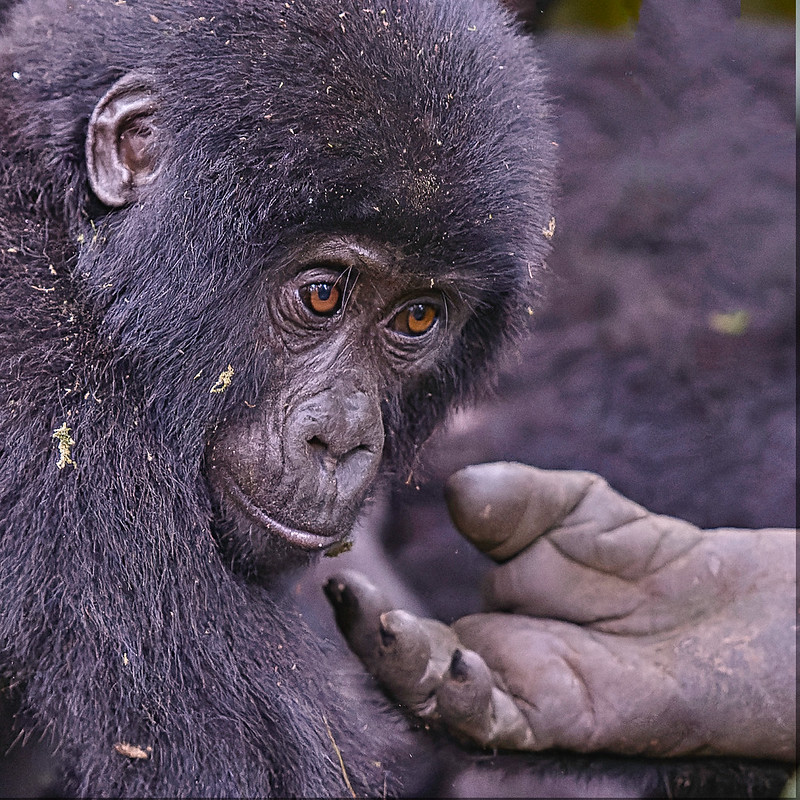
How to Stay Safe and Healthy While Traveling in Uganda
How to Stay Safe and Healthy While Traveling in Uganda
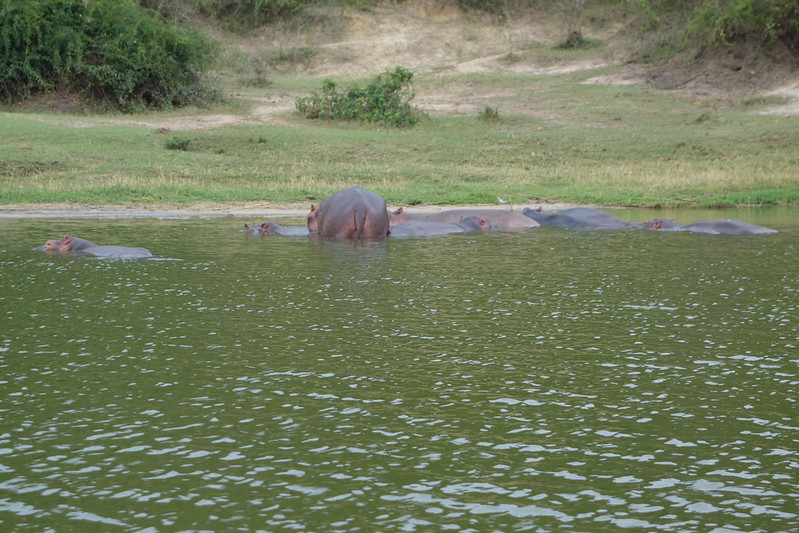
Routes, Tips & Travel Wisdom for Getting to Bwindi or Mgahinga
Routes, Tips & Travel Wisdom for Getting to Bwindi or Mgahinga

Accommodation Options: Lodges & Camps in Bwindi and Mgahinga
Accommodation Options: Lodges & Camps in Bwindi and Mgahinga
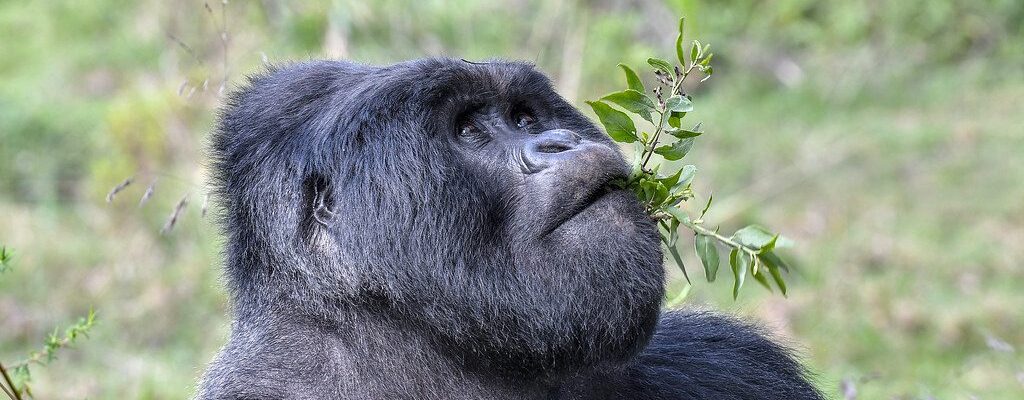
Protecting What You Came to See: Gorilla Conservation & Ethics
Protecting What You Came to See: Gorilla Conservation & Ethics
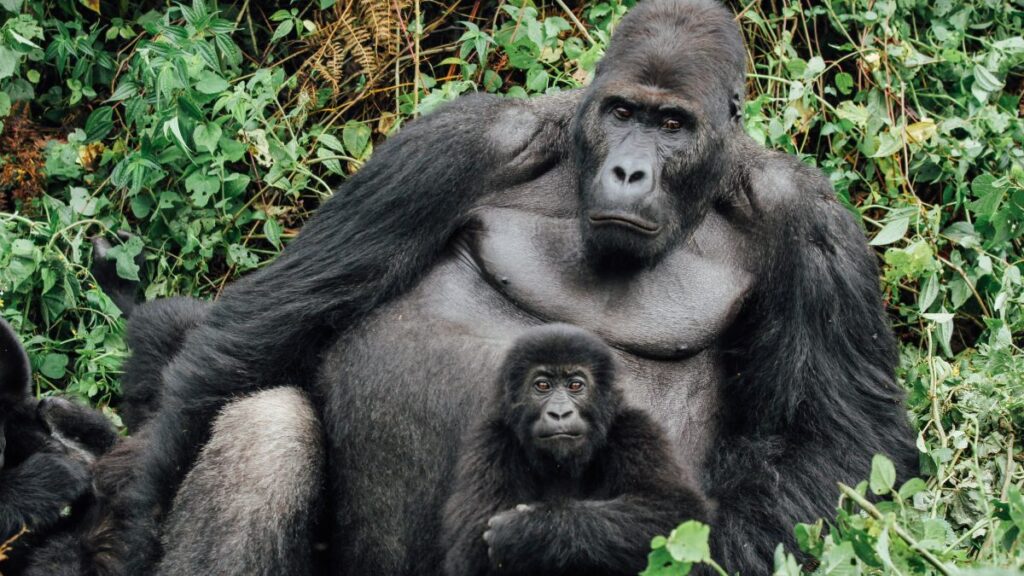
Travel Insurance for Gorilla Treks: Before You Go
Travel Insurance for Gorilla Treks: Before You Go
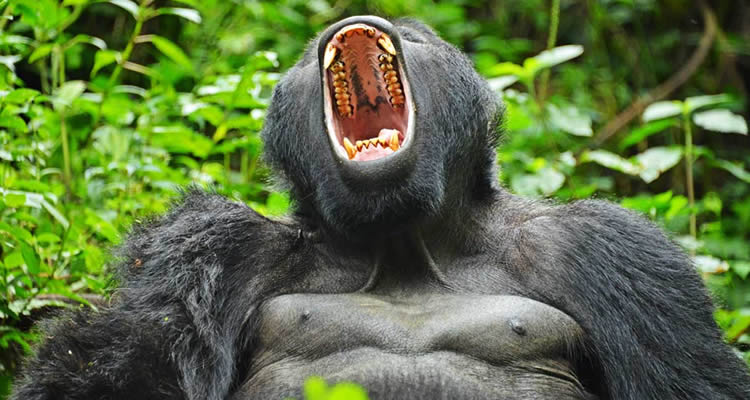
First Time Gorilla Trekking? Here’s Everything I Wish I Knew
First Time Gorilla Trekking? Here’s Everything I Wish I Knew
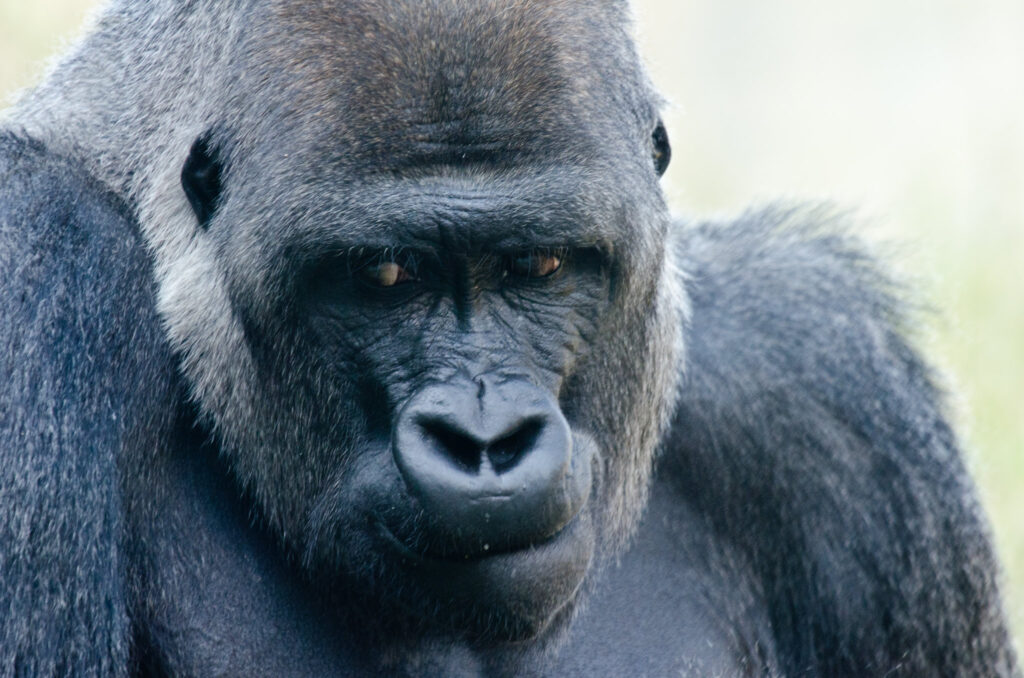
Step by Step: What Happens During a Gorilla Trekking Day
Step by Step: What Happens During a Gorilla Trekking Day
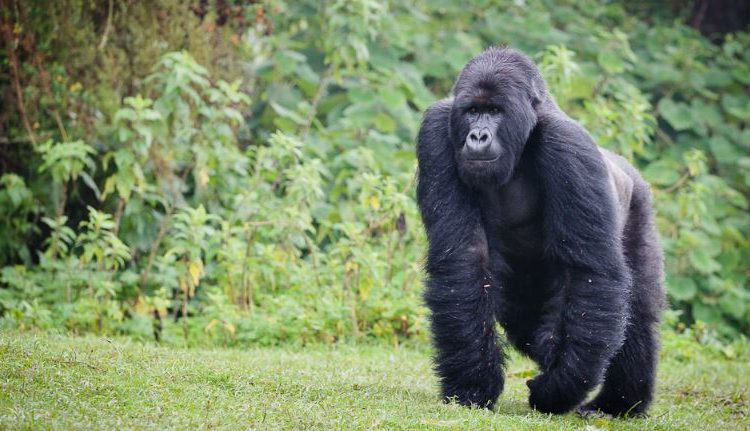
Gorilla Trekking vs. Gorilla Tracking – What’s the Real Difference?
Gorilla Trekking vs. Gorilla Tracking – What’s the Real Difference?
Beyond Gorillas: Other Wildlife You Can See During Your Trek
Beyond Gorillas: Other Wildlife You Can See During Your Trek
In the Realm of Giants – Bwindi & Mgahinga in Frames.
Wander through an elegant gallery capturing Uganda’s most exclusive gorilla sanctuaries, where ancient forests cradle the last mountain gorillas in a world of mist, mystery, and majesty.
Essential Planning Tips for Visiting Uganda’s National Parks.
Get ready for the wild heart of Africa with expert travel tips on when to visit, what to pack, where to go, and how to make the most of your safari across Uganda’s breathtaking national parks.
Why Uganda for Gorilla Trekking?
Uganda is not just a destination — it's the very soul of gorilla trekking. With over half of the world’s remaining mountain gorillas calling its misty forests home, Uganda offers the rarest encounters in their most authentic setting. Here, your journey is not rushed or crowded. Instead, you’re guided by experienced rangers through pristine jungles where gorillas live as they always have — wild, free, and magnificent
From insider travel insights to unforgettable trekking guides, our blog is your trusted path into Uganda’s wild heart — connecting you with mountain gorillas, breathtaking landscapes, and the soul-stirring adventures that make this land unlike any other.