

Where the soul of the forest whispers in the mist
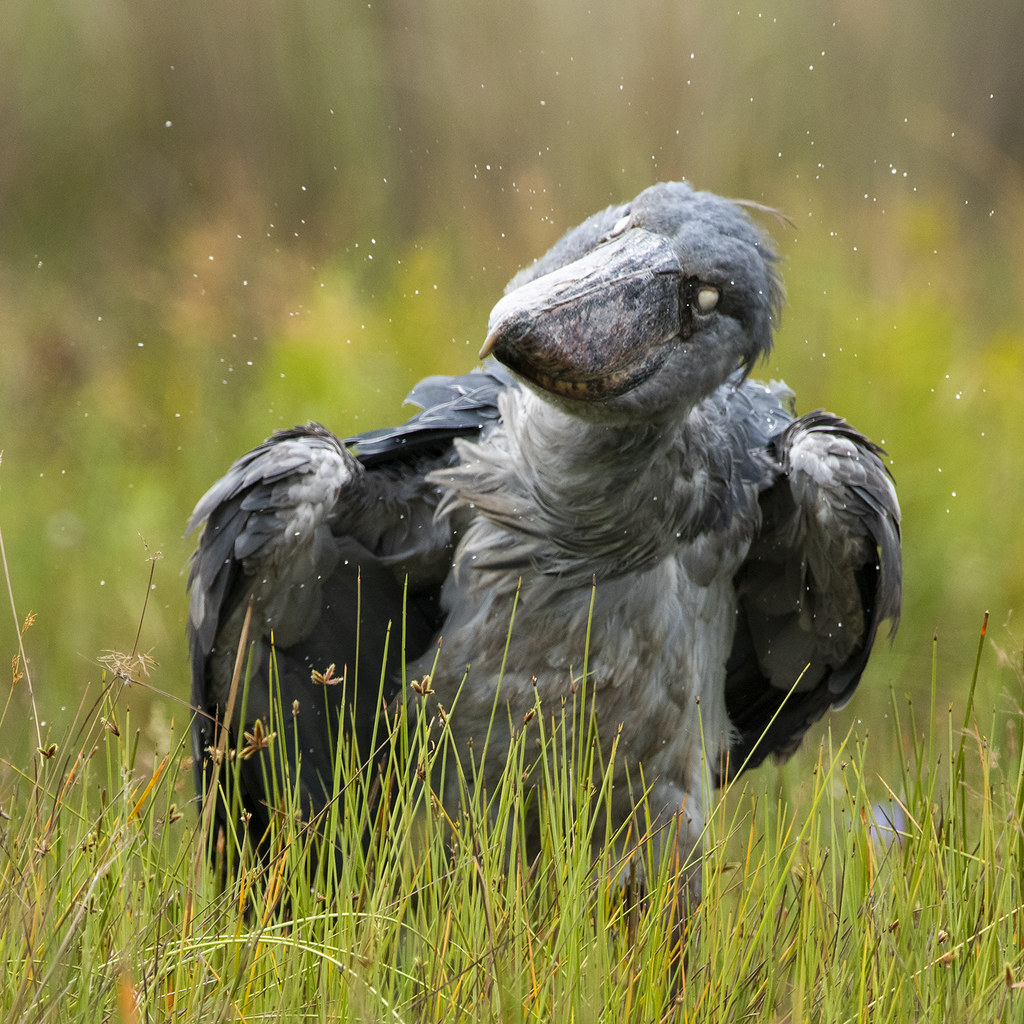
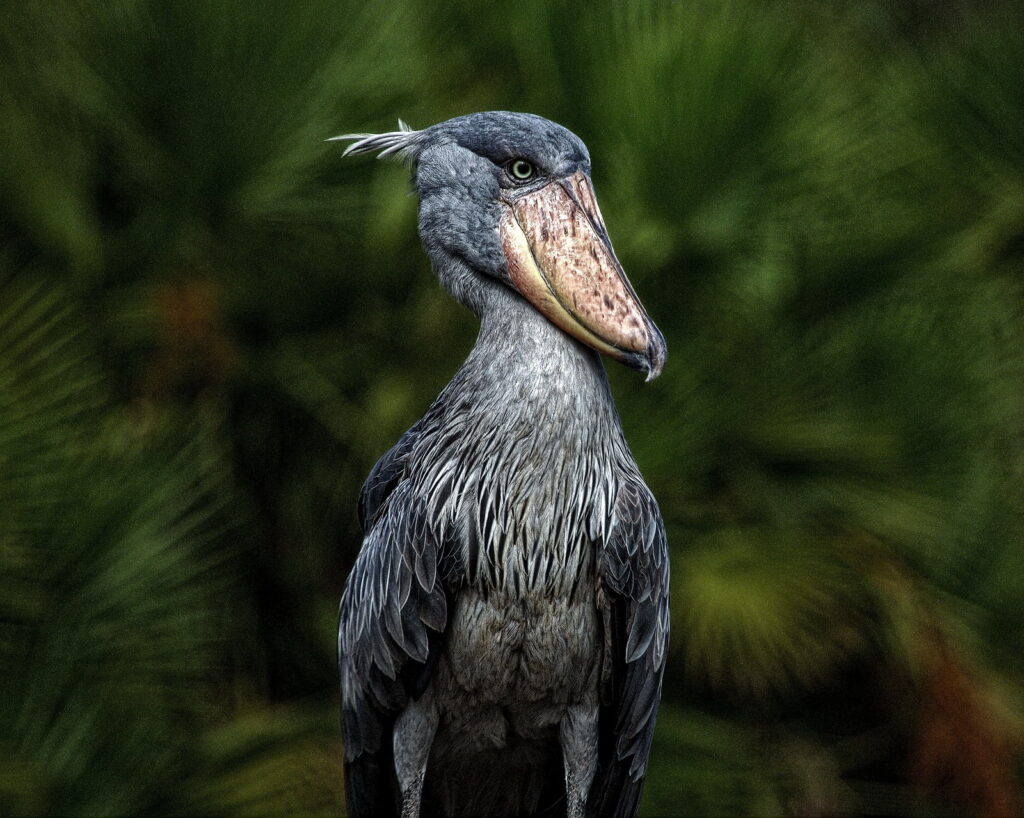
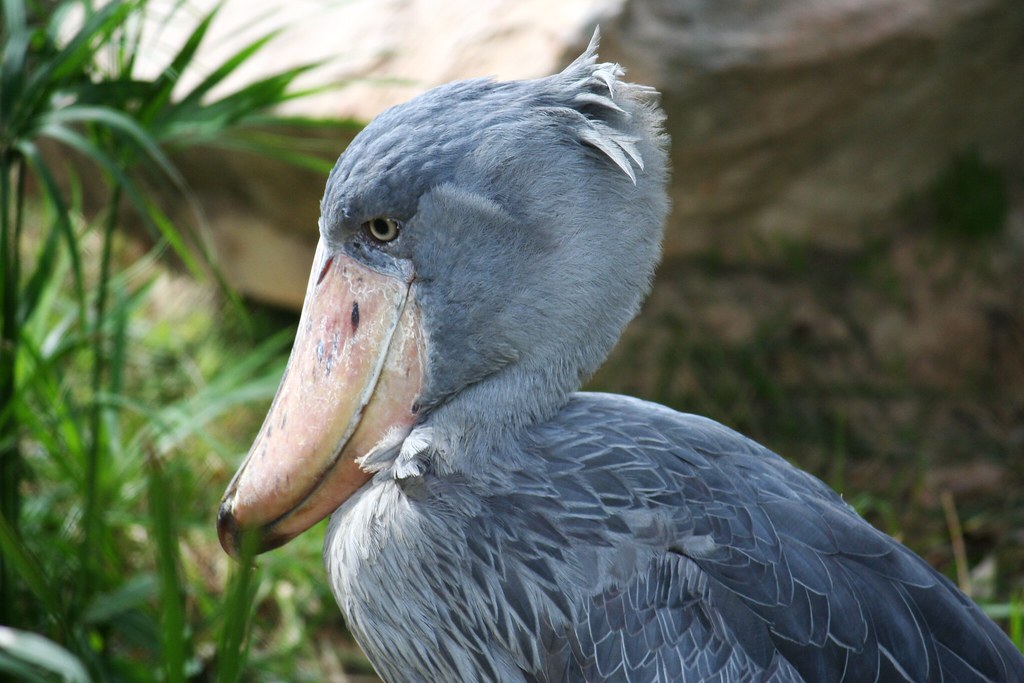
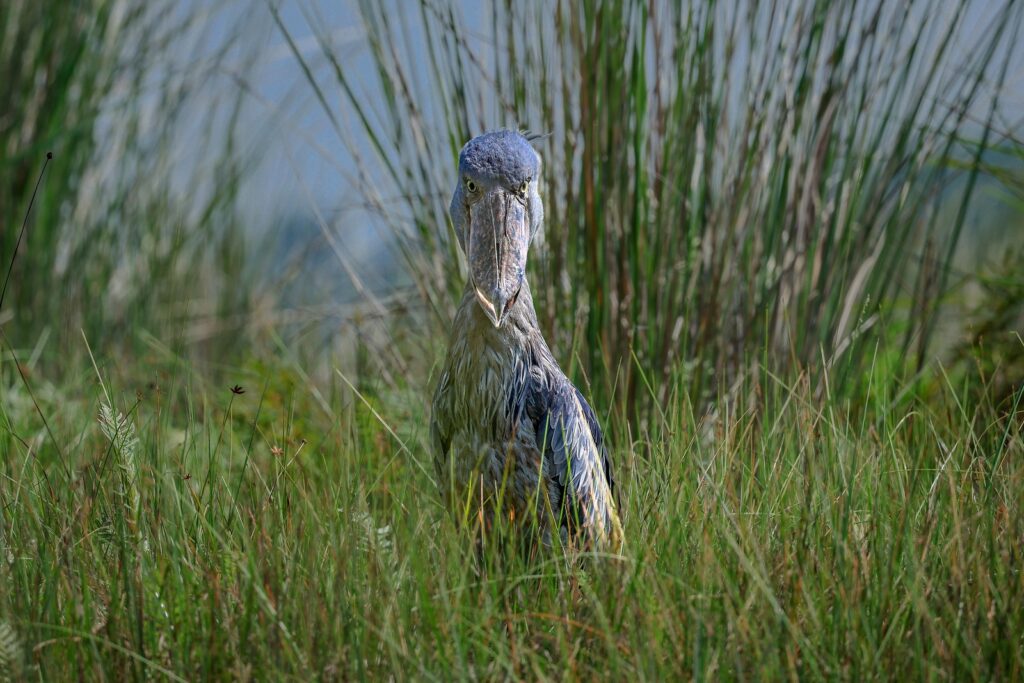
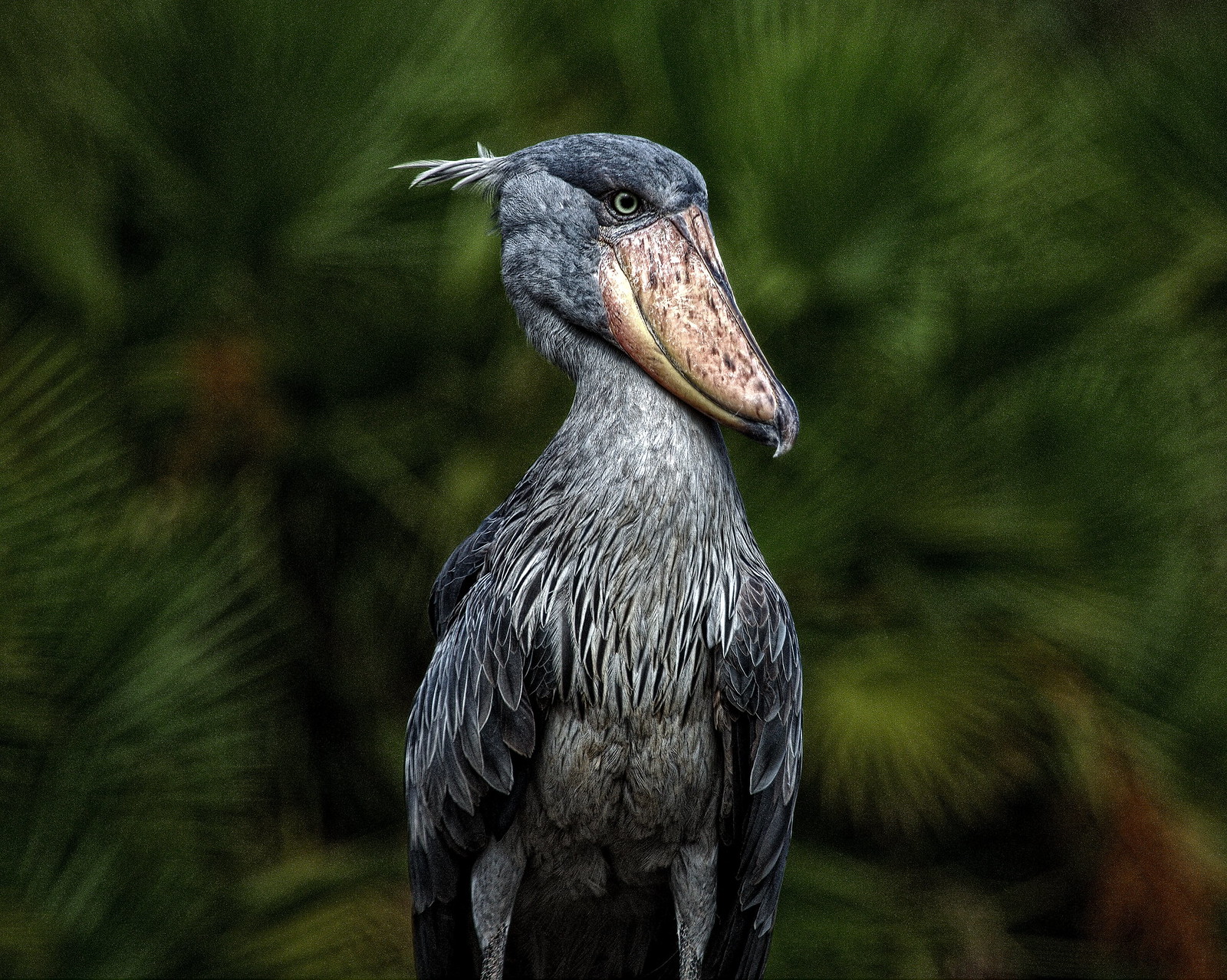
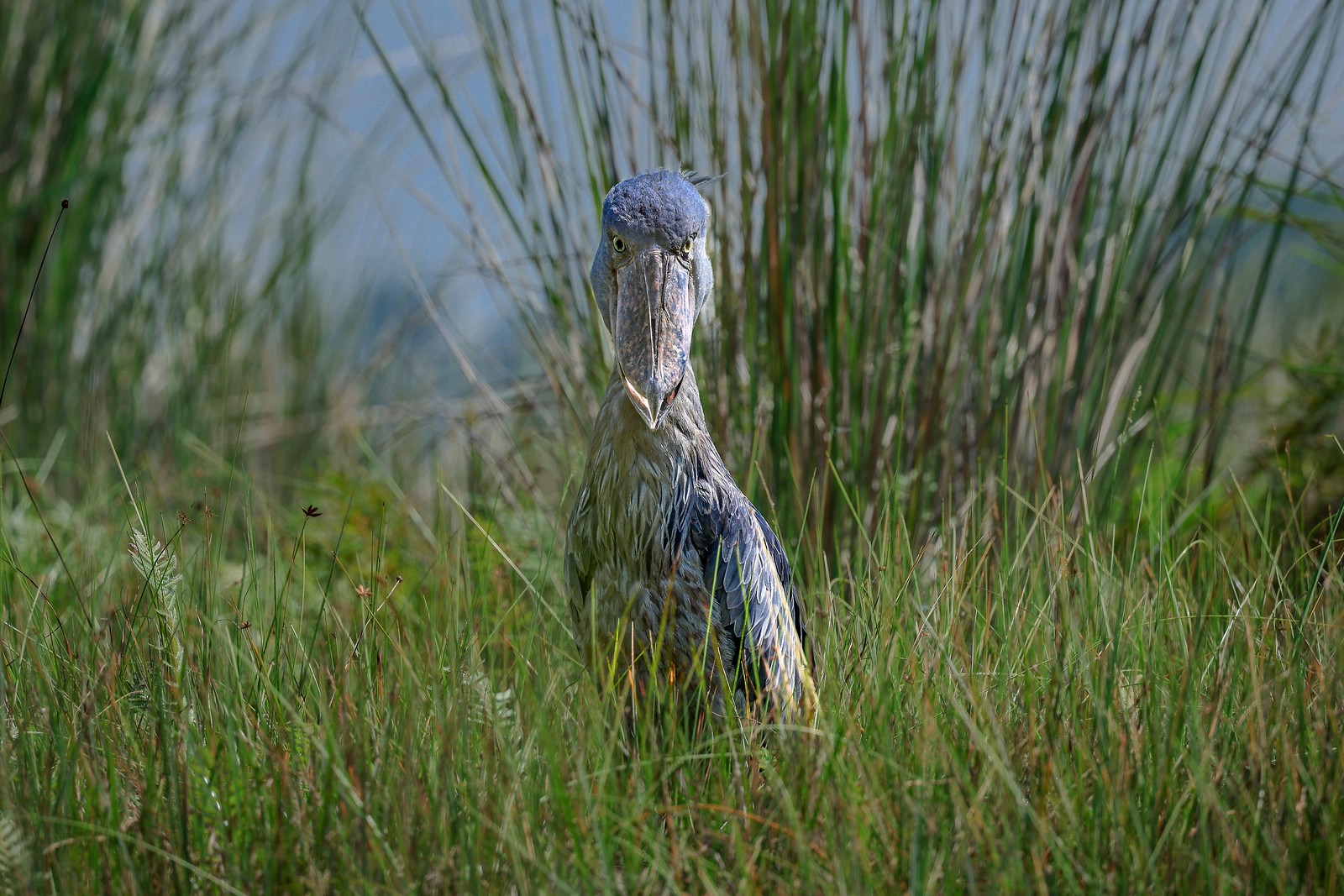
The shoebill (Balaeniceps rex) is one of Africa’s most distinctive and prehistoric-looking bird species, renowned for its massive shoe-shaped bill, towering stature, and motionless hunting posture. Native to large freshwater wetlands in central and eastern Africa, the shoebill occupies papyrus swamps, marshes, and shallow floodplains where fish populations are abundant. Its appearance—marked by a broad bill, steel-gray plumage, and intense forward-facing gaze—has made it one of the most sought-after bird sightings in Africa.
Despite being commonly referred to as the shoebill stork, the species is taxonomically unique, classified in its own family, Balaenicipitidae. It shares evolutionary relationships more closely with pelicans and herons than with true storks. Its rarity, slow reproductive rate, and dependence on undisturbed wetlands give it significant conservation importance.
So lace up your boots, grab your camera, and prepare to meet the wild — this is where your gorilla trekking dreams and unforgettable safari adventures truly begin.
Truly Iconic Highlights in Uganda

Trek through Bwindi’s mystical rainforest and meet the endangered mountain gorillas in their breathtaking natural home.
Encounter mountain gorillas and golden monkeys on Mgahinga’s misty volcanic trails, where culture and alpine wildlife thrive together.
Unwind after your trek with a peaceful canoe ride across Lake Bunyonyi, Uganda’s most tranquil and scenic highland lake.
Enhance your gorilla trekking safari with an optional chimpanzee encounter in Uganda’s lush forests, adding depth and diversity to your primate adventure
Gorilla Trekking Tours in Uganda – Our Most Popular Itineraries.
Explore our gorilla trekking safaris for every traveler—solo, family, budget, or luxury. All tours include permits, transport, accommodation, meals, and park fees. Whether for a quick trip or a deeper adventure, we’ve got you covered.
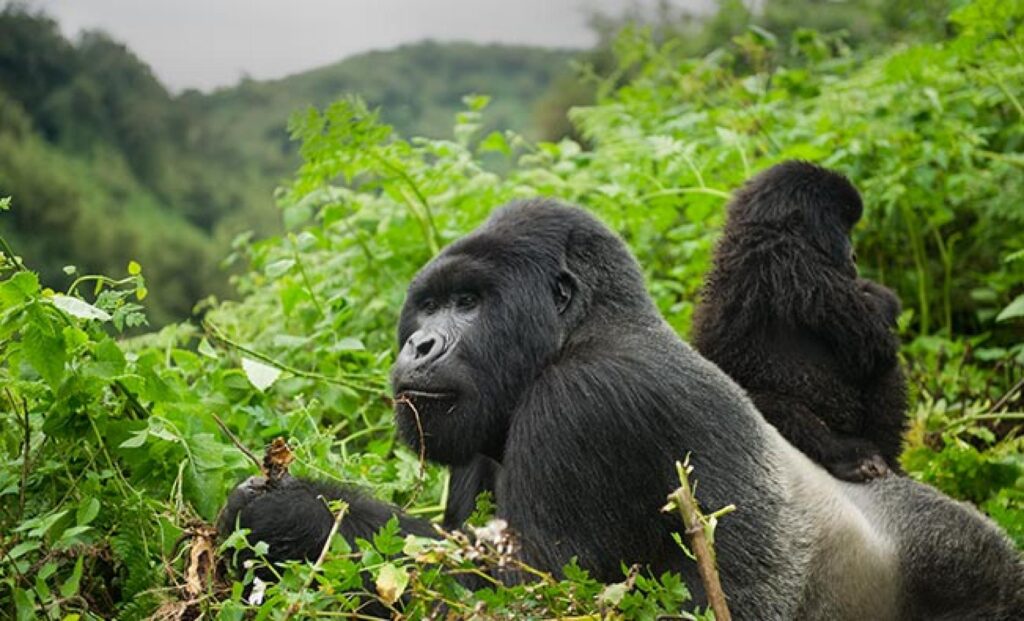
3-Day Bwindi Gorilla Trekking Safari
3-Day Bwindi Gorilla Trekking Safari
4-Day Uganda Gorilla Trekking Safari
4-Day Uganda Gorilla Trekking Safari
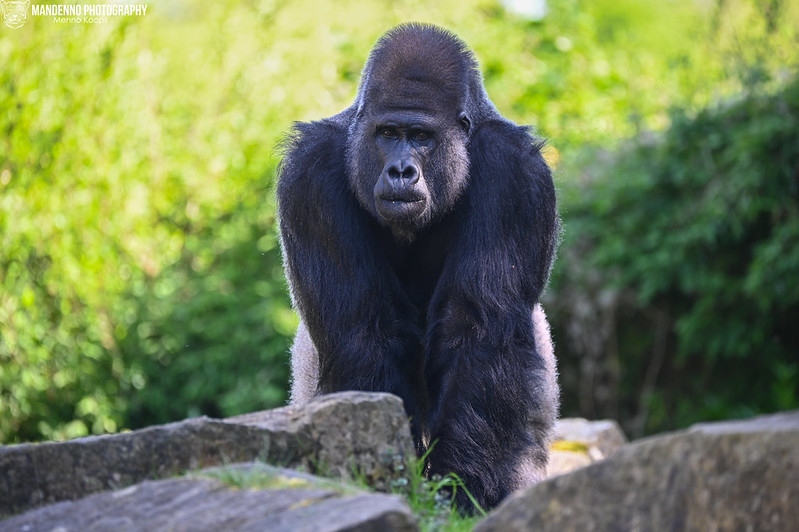
5-Day Gorilla Tracking and Wildlife Safari
5-Day Gorilla Tracking and Wildlife Safari
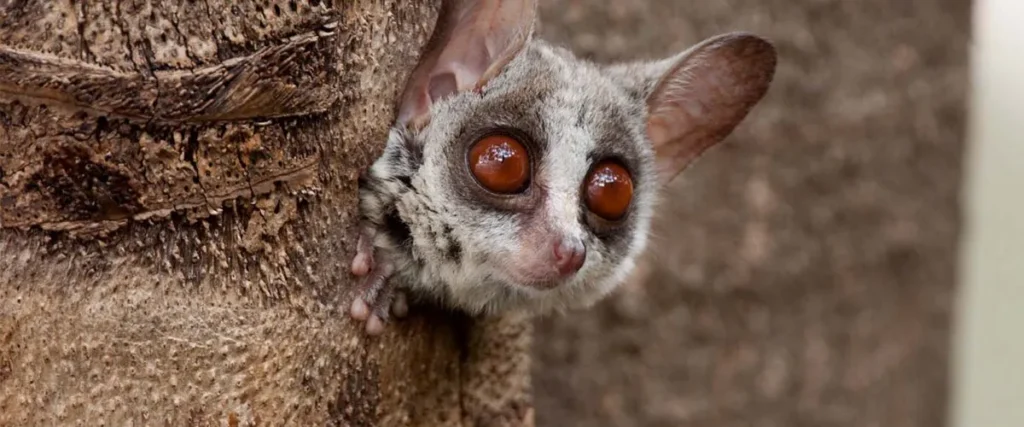
7-Day Uganda Primate Adventure & Wildlife Safari
7-Day Uganda Primate Adventure & Wildlife Safari
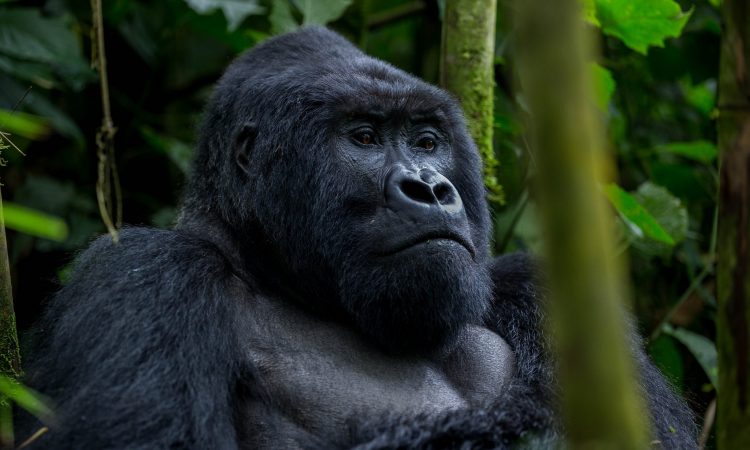
10-Day Gorilla Trekking & Big Five Safari in Uganda
10-Day Gorilla Trekking & Big Five Safari in Uganda
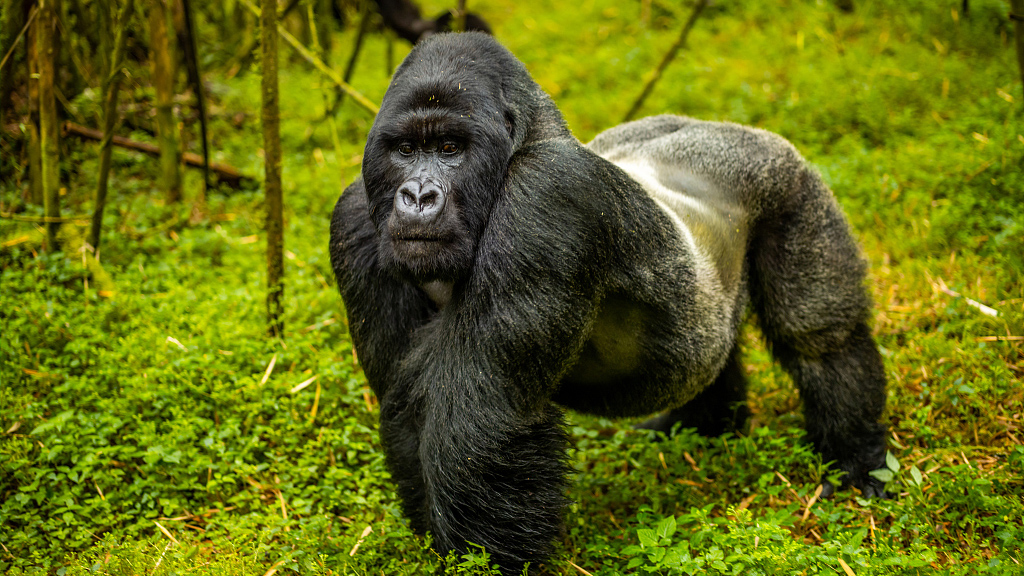
12-Day Uganda Gorilla Trekking, Chimp Tracking & Cultural Safari
12-Day Uganda Gorilla Trekking, Chimp Tracking & Cultural Safari
14-Day Best of Uganda Safari – Gorillas, Wildlife, Cultures
14-Day Best of Uganda Safari – Gorillas, Wildlife, Cultures
A Detailed Study of the Shoebill
Taxonomy and Evolutionary Position
The shoebill is the sole member of the genus Balaeniceps and family Balaenicipitidae, making it taxonomically distinct among African waterbirds. Molecular and anatomical studies suggest closer evolutionary ties to pelicans and herons rather than to storks, despite superficial similarities in long legs and wading behavior.Its primitive appearance has earned it the reputation of a “living fossil,” reflecting morphological traits that resemble ancient bird lineages. The species’ evolutionary isolation contributes to its biological uniqueness and scientific interest.
Physical Characteristics
The most striking feature of the shoebill is its enormous, clog-shaped bill, which can measure over 20 centimeters in length and is equipped with sharp edges and a hooked tip. This specialized structure allows the bird to capture large prey, including lungfish and other sizable aquatic species.Adult shoebills stand approximately 1.1 to 1.5 meters tall, with a wingspan reaching up to 2.5 meters. Their plumage is predominantly gray, with subtle variations across individuals. The eyes are pale and forward-facing, giving the bird a binocular-like gaze that enhances depth perception during hunting.Juveniles are generally browner in coloration before maturing into the characteristic gray tones of adults.
Habitat and Geographic Distribution
Shoebills inhabit extensive freshwater wetlands in countries such as Uganda, South Sudan, Rwanda, Tanzania, and parts of the Democratic Republic of Congo. They are strongly associated with papyrus swamps, marshy floodplains, and slow-moving water bodies with abundant aquatic vegetation.In Uganda, the shoebill is most commonly observed in wetlands such as the Mabamba Swamp near Lake Victoria and portions of the Albert Nile system. These areas provide optimal feeding conditions and relatively undisturbed nesting sites.Because shoebills are highly dependent on intact wetland ecosystems, habitat degradation poses a significant threat to their long-term survival.
Feeding Ecology and Hunting Strategy
The shoebill is a solitary, highly specialized ambush predator, relying on patience and stillness rather than active pursuit. It often stands motionless for extended periods, sometimes over an hour, waiting for prey to approach within striking distance.Its diet consists primarily of lungfish, tilapia, catfish, frogs, water snakes, and occasionally young crocodiles. The bird uses its powerful bill to grasp and crush prey before swallowing it whole. The hooked tip of the bill aids in securing slippery fish, while the strong neck muscles support rapid, forceful strikes.This sit-and-wait strategy minimizes energy expenditure while maximizing hunting efficiency in dense wetland vegetation.
Behavioral Patterns
Shoebills are generally solitary and territorial birds, except during the breeding season. They prefer quiet, remote wetland zones and may exhibit limited tolerance for human disturbance.Their behavior is characterized by prolonged stillness, slow deliberate movements, and direct visual focus on prey. This calm demeanor contributes to their dramatic presence and makes them particularly captivating for birdwatchers and wildlife photographers.During flight, shoebills extend their necks rather than retracting them like herons, a distinguishing feature in aerial observation.
Reproduction and Nesting
Shoebills are monogamous during breeding seasons and construct large nests from papyrus and aquatic vegetation, typically built on floating or semi-floating platforms within swamps. Nests are placed in secluded areas to reduce predation risk.Females usually lay one to three eggs, though often only one chick survives to maturity. If multiple chicks hatch, sibling competition may result in the strongest surviving, particularly when food availability is limited. Parents invest heavily in chick care, including shading eggs and young from direct sun by standing over them.The slow reproductive rate contributes to population vulnerability.
Vocalization and Communication
Shoebills are generally quiet birds, producing low-frequency bill-clattering sounds during nesting interactions. This bill-clattering behavior resembles that of storks and serves as a communication signal between mates or between adults and chicks.Outside breeding periods, vocal communication is minimal, reinforcing their reputation as silent wetland sentinels.
Ecological Role in Wetland Systems
As apex predators within freshwater wetlands, shoebills help regulate fish and amphibian populations, contributing to ecological balance. Their presence indicates relatively healthy wetland ecosystems with sufficient prey density and minimal disturbance.Because they require extensive, undisturbed marsh habitats, shoebills function as indicator species for wetland conservation health.
Conservation Status and Threats
The shoebill is currently classified as Vulnerable on the IUCN Red List, primarily due to habitat loss, wetland drainage, human disturbance, and illegal capture for the wildlife trade. Expanding agriculture and fishing pressure further threaten their habitats.Conservation strategies focus on wetland protection, community engagement, and regulated tourism, particularly in countries like Uganda where shoebill tourism generates conservation revenue. Sustainable birding activities encourage habitat preservation while supporting local livelihoods.Long-term survival depends heavily on safeguarding large, intact swamp ecosystems.
Shoebills in Ecotourism and Birding
The shoebill is one of Africa’s most iconic birding targets, attracting ornithologists and wildlife photographers from around the world. Its rarity and dramatic appearance make sightings especially memorable.Boat-based excursions through papyrus swamps provide controlled viewing opportunities, minimizing disturbance while enabling close observation. Responsible tourism contributes to conservation funding and community awareness.
A Living Relic of Africa’s Wetlands
The shoebill stands as one of the most remarkable and evolutionarily distinct birds in Africa, combining specialized hunting adaptations, solitary behavior, and strong ecological significance. Its dependence on healthy wetland ecosystems elevates its importance within conservation strategies.Protecting shoebills ultimately means protecting entire freshwater landscapes, ensuring that these prehistoric-looking birds continue to inhabit Africa’s marshes for generations to come.
More Gorilla Trekking Information to Know.
Gorilla trekking goes far beyond just the hike — it’s a deep, emotional journey into the heart of Africa’s last wild rainforests. Knowing the right timing, permits, fitness tips, and park details can turn your experience from good to unforgettable.
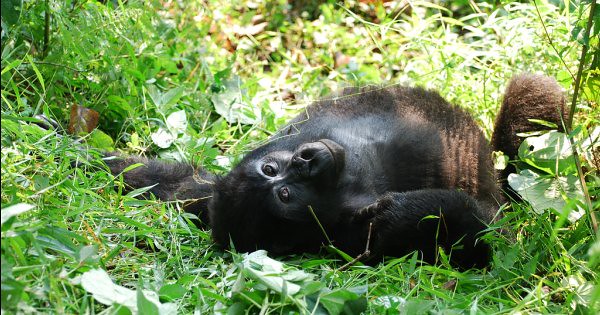
Gorilla Trekking in Bwindi Impenetrable Forest
Gorilla Trekking in Bwindi Impenetrable Forest

Trekking Gorillas in Mgahinga National Park
Trekking Gorillas in Mgahinga National Park
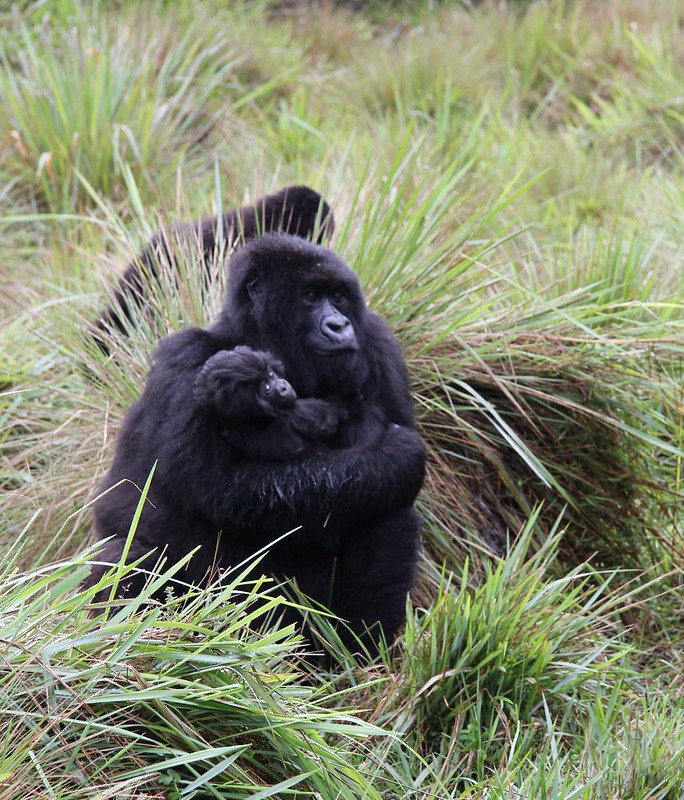
Uganda Gorilla Trekking Permits – Prices, Booking, & Travel Tips
Uganda Gorilla Trekking Permits – Prices, Booking, & Travel Tips

What to Pack for Gorilla Trekking in Uganda – Expert Checklist
What to Pack for Gorilla Trekking in Uganda – Expert Checklist
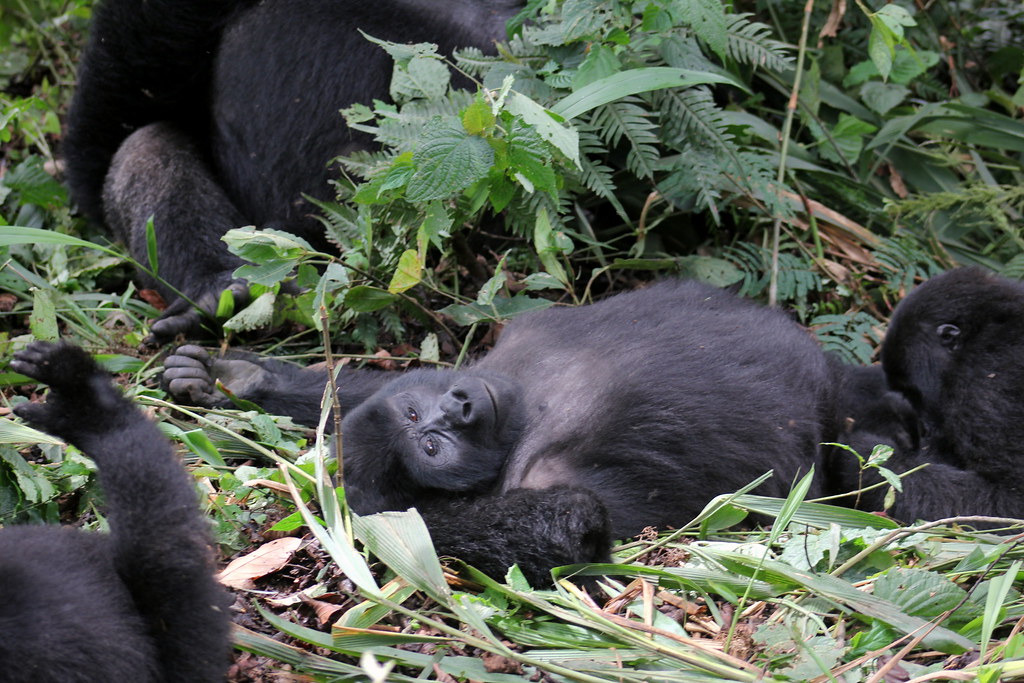
Best Time to Go Gorilla Trekking in Uganda – Weather & Seasons
Best Time to Go Gorilla Trekking in Uganda – Weather & Seasons
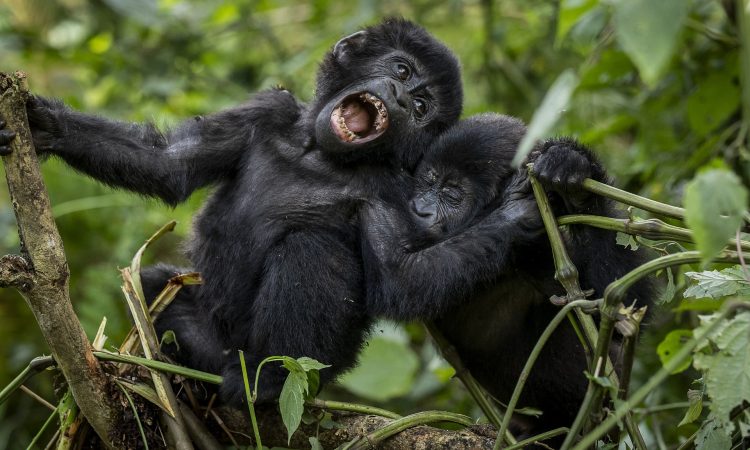
Gorilla Trekking Difficulty in Uganda – Fitness & Trail Guide
Gorilla Trekking Difficulty in Uganda – Fitness & Trail Guide
Gorilla Trekking Rules in Uganda – Safety, Respect & Ethics
Gorilla Trekking Rules in Uganda – Safety, Respect & Ethics
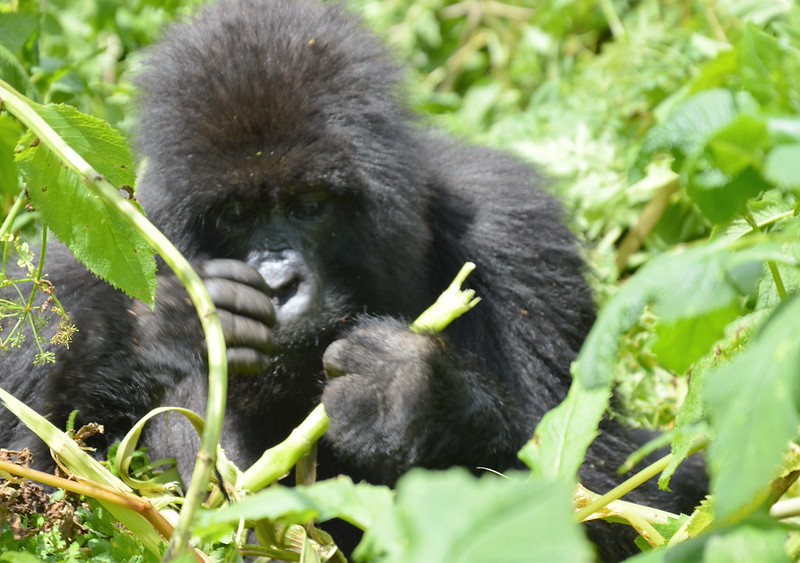
Gorilla Conservation in Uganda – Protecting the Mountain Giants
Gorilla Conservation in Uganda – Protecting the Mountain Giants

Bwindi vs. Mgahinga – Which One to Choose For Gorilla Trekking?
Bwindi vs. Mgahinga – Which One to Choose For Gorilla Trekking?
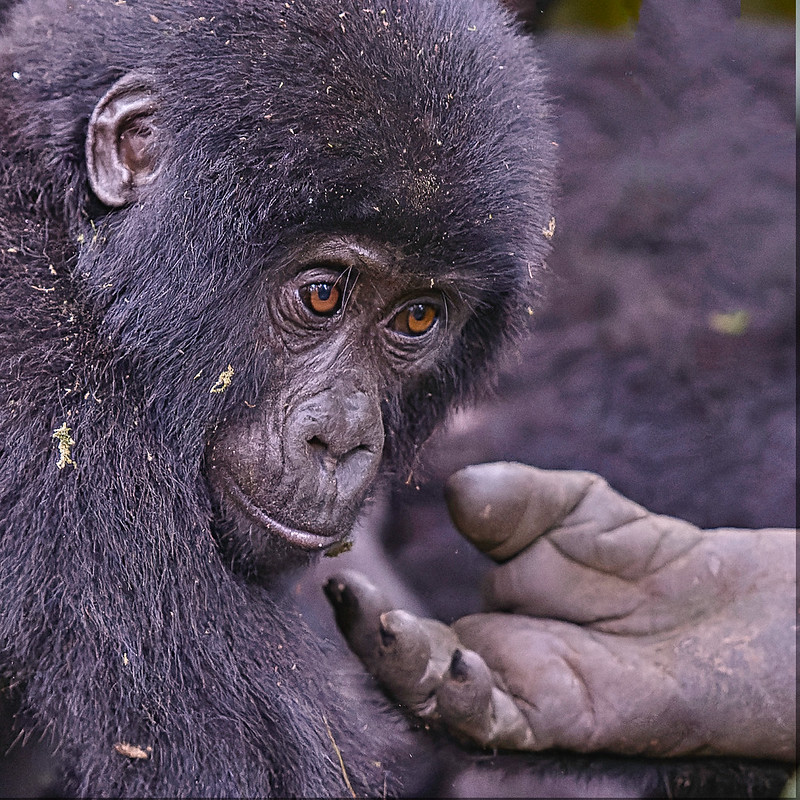
How to Stay Safe and Healthy While Traveling in Uganda
How to Stay Safe and Healthy While Traveling in Uganda
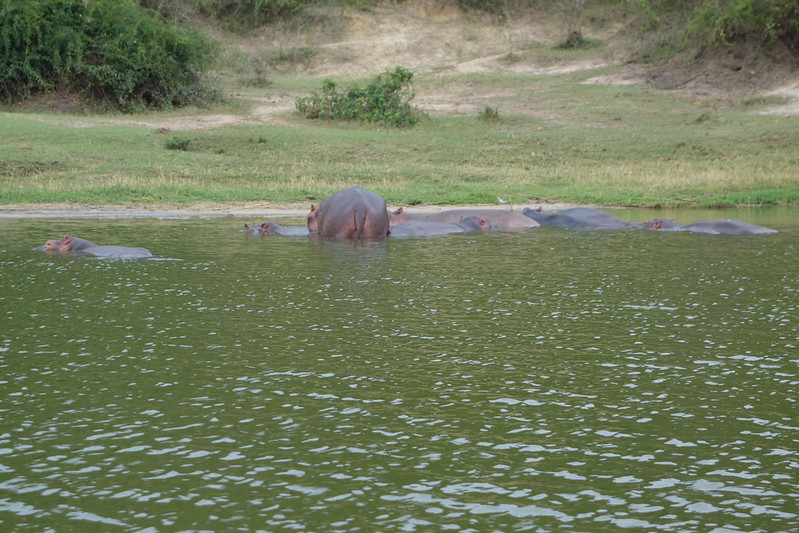
Routes, Tips & Travel Wisdom for Getting to Bwindi or Mgahinga
Routes, Tips & Travel Wisdom for Getting to Bwindi or Mgahinga
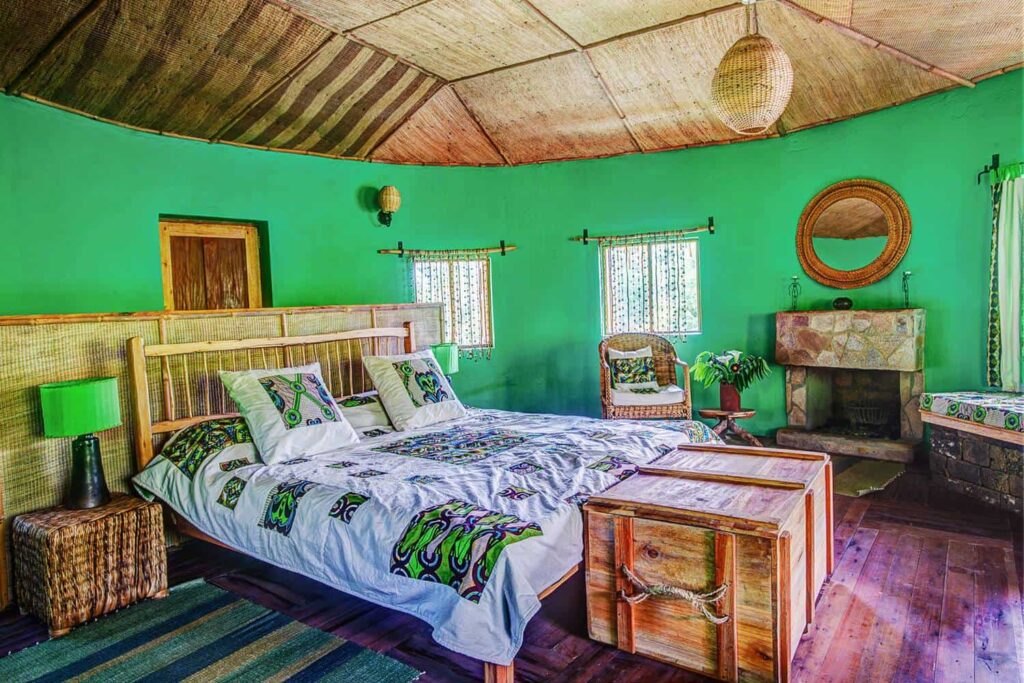
Accommodation Options: Lodges & Camps in Bwindi and Mgahinga
Accommodation Options: Lodges & Camps in Bwindi and Mgahinga
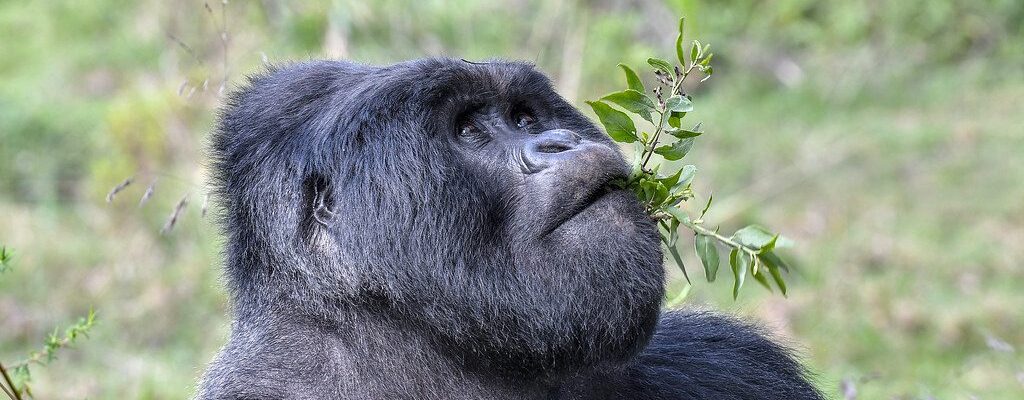
Protecting What You Came to See: Gorilla Conservation & Ethics
Protecting What You Came to See: Gorilla Conservation & Ethics
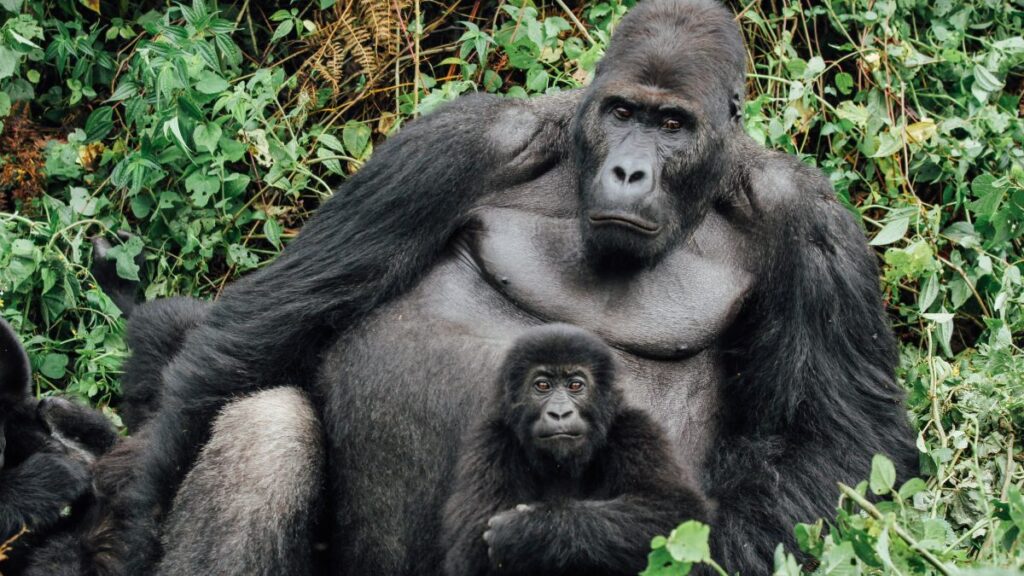
Travel Insurance for Gorilla Treks: Before You Go
Travel Insurance for Gorilla Treks: Before You Go
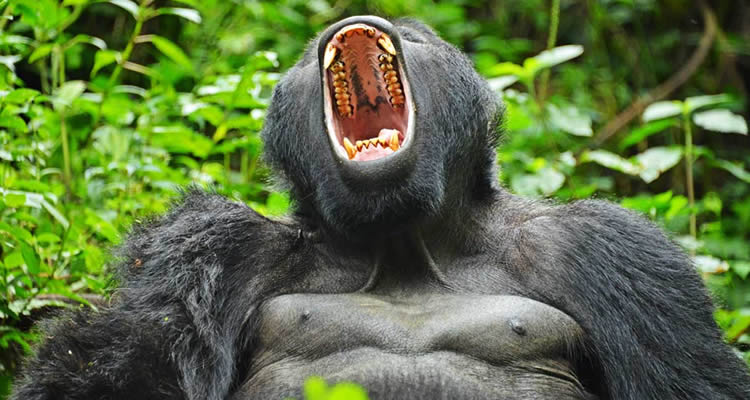
First Time Gorilla Trekking? Here’s Everything I Wish I Knew
First Time Gorilla Trekking? Here’s Everything I Wish I Knew
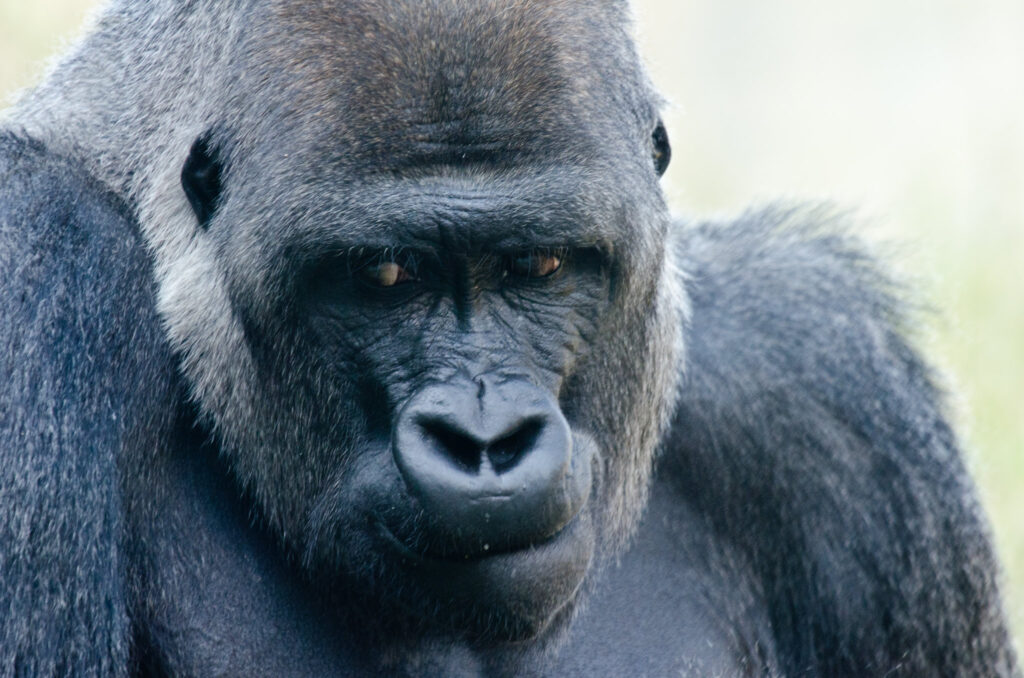
Step by Step: What Happens During a Gorilla Trekking Day
Step by Step: What Happens During a Gorilla Trekking Day
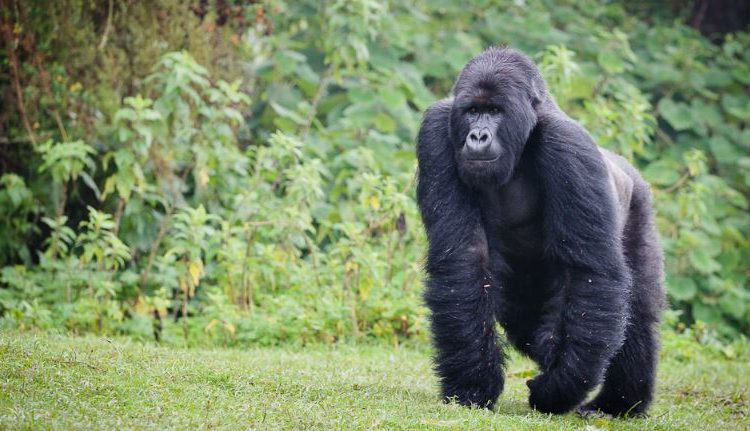
Gorilla Trekking vs. Gorilla Tracking – What’s the Real Difference?
Gorilla Trekking vs. Gorilla Tracking – What’s the Real Difference?
Beyond Gorillas: Other Wildlife You Can See During Your Trek
Beyond Gorillas: Other Wildlife You Can See During Your Trek
In the Realm of Giants – Bwindi & Mgahinga in Frames.
Wander through an elegant gallery capturing Uganda’s most exclusive gorilla sanctuaries, where ancient forests cradle the last mountain gorillas in a world of mist, mystery, and majesty.
Essential Planning Tips for Visiting Uganda’s National Parks.
Get ready for the wild heart of Africa with expert travel tips on when to visit, what to pack, where to go, and how to make the most of your safari across Uganda’s breathtaking national parks.
Why Uganda for Gorilla Trekking?
Uganda is not just a destination — it's the very soul of gorilla trekking. With over half of the world’s remaining mountain gorillas calling its misty forests home, Uganda offers the rarest encounters in their most authentic setting. Here, your journey is not rushed or crowded. Instead, you’re guided by experienced rangers through pristine jungles where gorillas live as they always have — wild, free, and magnificent
From insider travel insights to unforgettable trekking guides, our blog is your trusted path into Uganda’s wild heart — connecting you with mountain gorillas, breathtaking landscapes, and the soul-stirring adventures that make this land unlike any other.