

Where the soul of the forest whispers in the mist
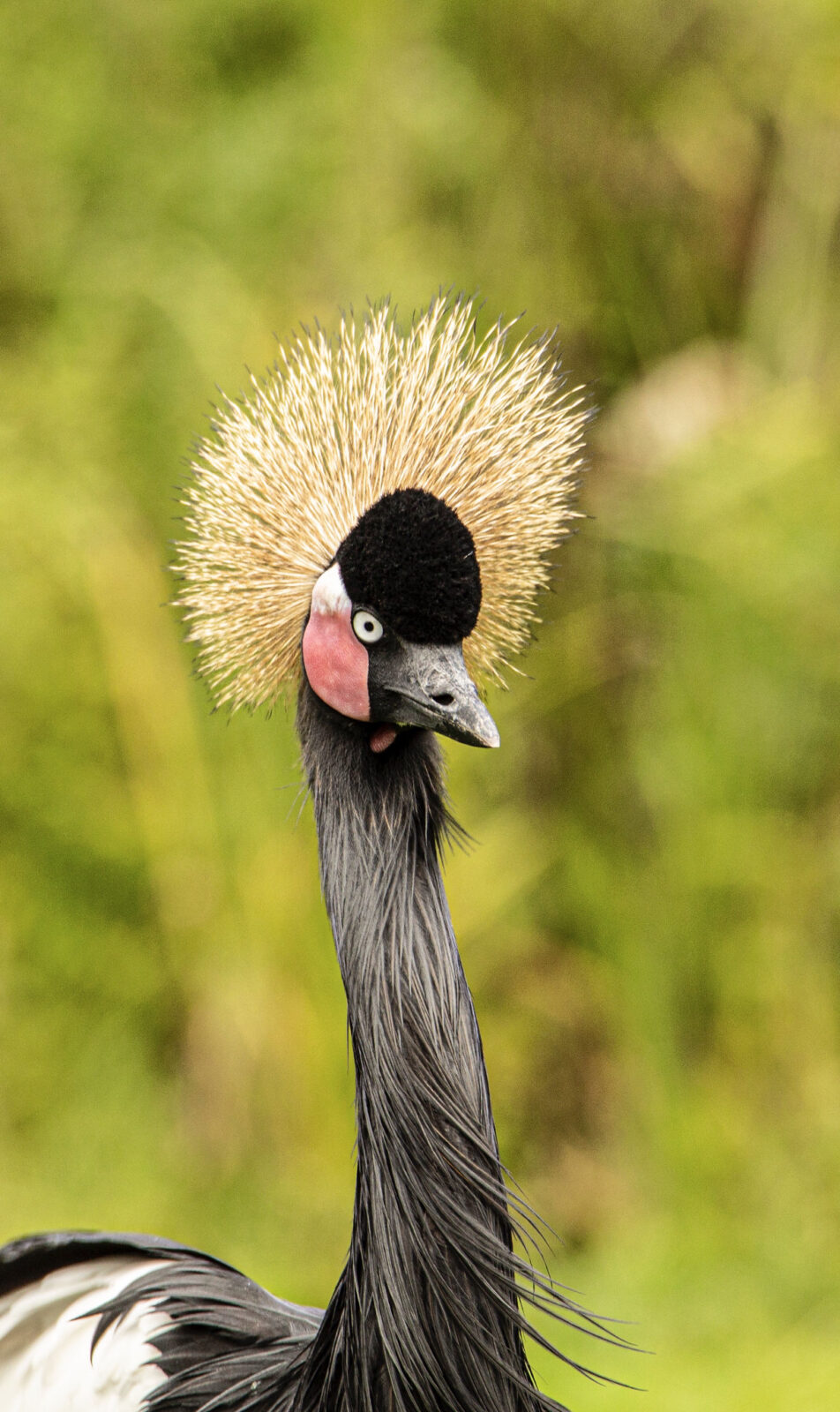
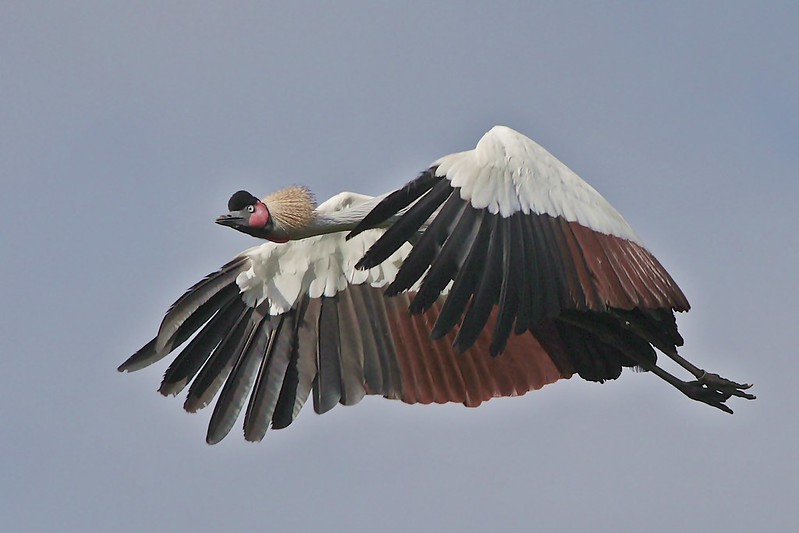
The Crowned Crane is among Africa’s most striking and elegant birds, immediately recognizable by its golden, spiky crown of feathers and statuesque posture. Inhabiting wetlands, savannas, and grasslands across eastern and southern Africa, this iconic bird captivates birdwatchers, photographers, and wildlife enthusiasts alike with its combination of beauty, poise, and intriguing behaviors.
Observing a Crowned Crane’s elaborate mating display is a mesmerizing experience. The bird performs intricate routines involving head bows, wing flares, and synchronized calls that create a living spectacle of rhythm and grace, reflecting the vibrancy of African wildlife. Beyond its aesthetic appeal, the Crowned Crane plays a vital ecological role, serving as an indicator of healthy wetlands and grasslands while contributing to overall biodiversity. Its presence underscores the delicate balance of these ecosystems and reminds observers of the interconnectedness of species within Africa’s rich natural landscapes.
Crowned Cranes are far more than a visual marvel—they are ecological keystones within Africa’s diverse landscapes. By feeding on insects, seeds, and small vertebrates, they help regulate pest populations and promote plant regeneration, contributing to the overall health of their habitats. Their nesting and roosting behaviors in wetlands play a crucial role in maintaining these fragile ecosystems, supporting countless other species that rely on the same environments.
Watching Crowned Cranes in their natural settings—from tranquil lakeshores to sweeping savannahs—offers travelers a vivid glimpse into the complexity and beauty of Africa’s ecosystems. For eco-tourists, photographers, and conservationists alike, these birds exemplify the continent’s elegance, vitality, and interconnectedness. Every graceful movement and vibrant display serves as a reminder of the importance of preserving wetlands and grasslands, ensuring that future generations can continue to experience the rich tapestry of life that Crowned Cranes help sustain.
So lace up your boots, grab your camera, and prepare to meet the wild — this is where your gorilla trekking dreams and unforgettable safari adventures truly begin.
Truly Iconic Highlights in Uganda

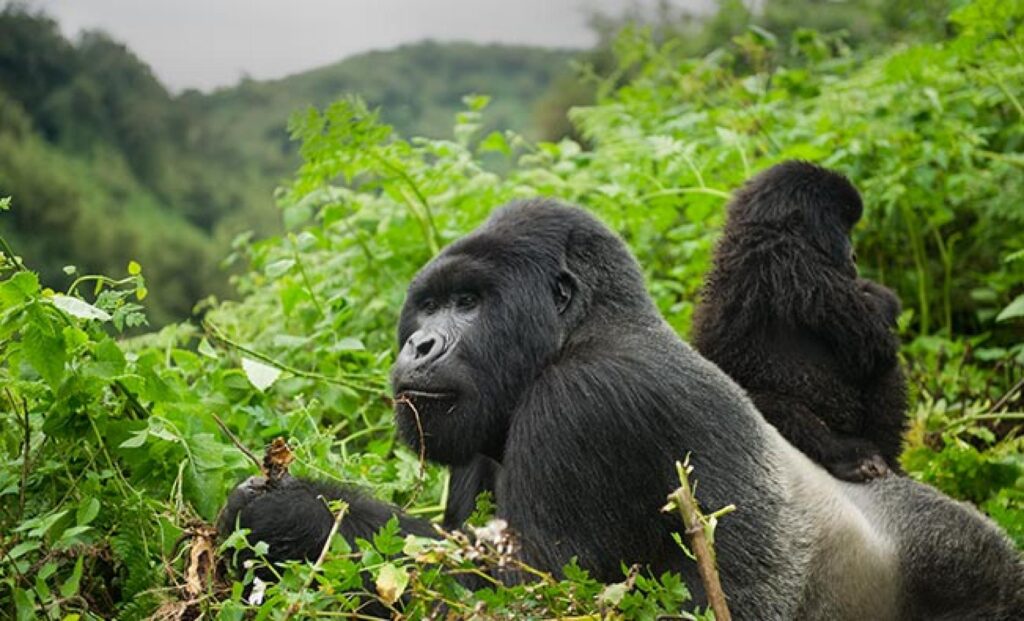
Trek through Bwindi’s mystical rainforest and meet the endangered mountain gorillas in their breathtaking natural home.
Encounter mountain gorillas and golden monkeys on Mgahinga’s misty volcanic trails, where culture and alpine wildlife thrive together.
Unwind after your trek with a peaceful canoe ride across Lake Bunyonyi, Uganda’s most tranquil and scenic highland lake.
Enhance your gorilla trekking safari with an optional chimpanzee encounter in Uganda’s lush forests, adding depth and diversity to your primate adventure
Gorilla Trekking Tours in Uganda – Our Most Popular Itineraries.
Explore our gorilla trekking safaris for every traveler—solo, family, budget, or luxury. All tours include permits, transport, accommodation, meals, and park fees. Whether for a quick trip or a deeper adventure, we’ve got you covered.
3-Day Bwindi Gorilla Trekking Safari
3-Day Bwindi Gorilla Trekking Safari
4-Day Uganda Gorilla Trekking Safari
4-Day Uganda Gorilla Trekking Safari
5-Day Gorilla Tracking and Wildlife Safari
5-Day Gorilla Tracking and Wildlife Safari
7-Day Uganda Primate Adventure & Wildlife Safari
7-Day Uganda Primate Adventure & Wildlife Safari
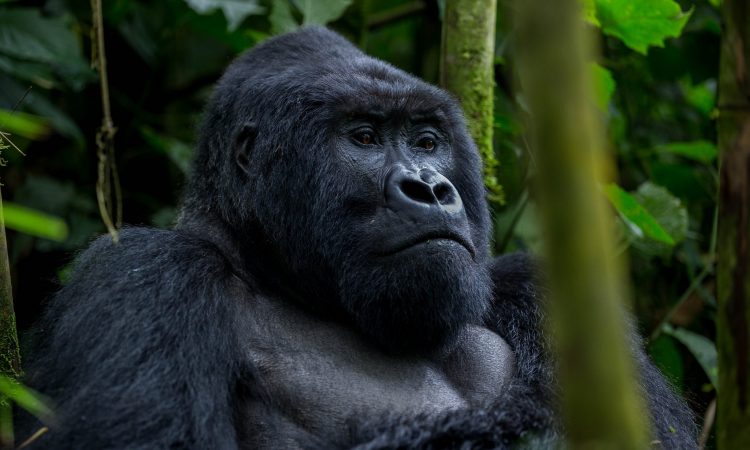
10-Day Gorilla Trekking & Big Five Safari in Uganda
10-Day Gorilla Trekking & Big Five Safari in Uganda
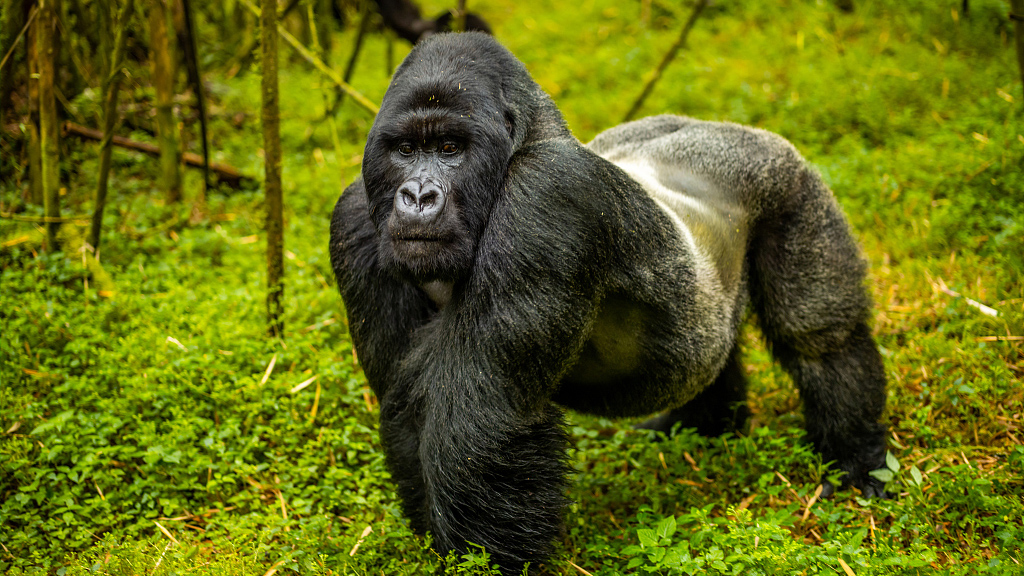
12-Day Uganda Gorilla Trekking, Chimp Tracking & Cultural Safari
12-Day Uganda Gorilla Trekking, Chimp Tracking & Cultural Safari
14-Day Best of Uganda Safari – Gorillas, Wildlife, Cultures
14-Day Best of Uganda Safari – Gorillas, Wildlife, Cultures
Crowned Crane – Africa’s Golden-Crowned Gem of the Wetlands
Scientific Classification and Physical Characteristics
The Grey Crowned Crane (Balearica regulorum) belongs to the crane family Gruidae, a lineage of tall, elegant birds known for their graceful movements and complex social behaviors. Adults stand between 100 and 105 centimeters tall, with wingspans reaching approximately two meters, giving them an impressive silhouette against wetlands and grasslands. Both males and females display the same striking plumage, with only slight differences in size.
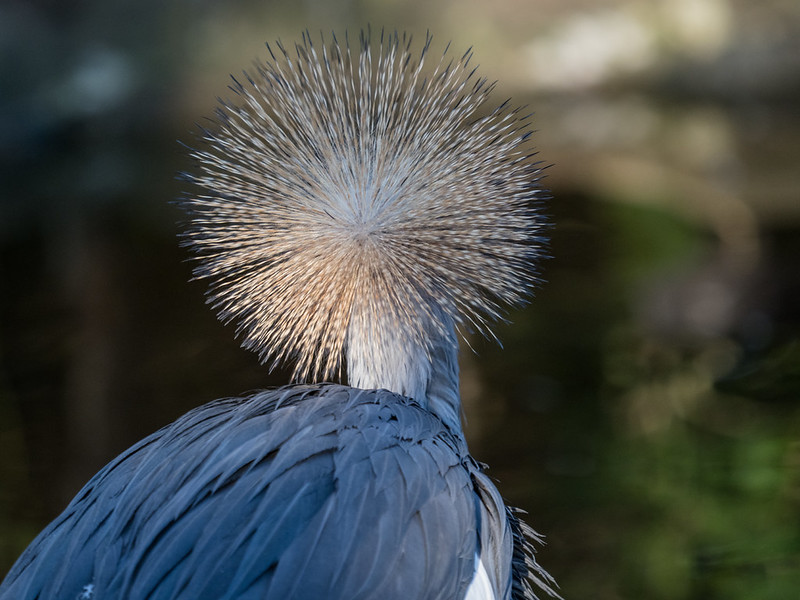
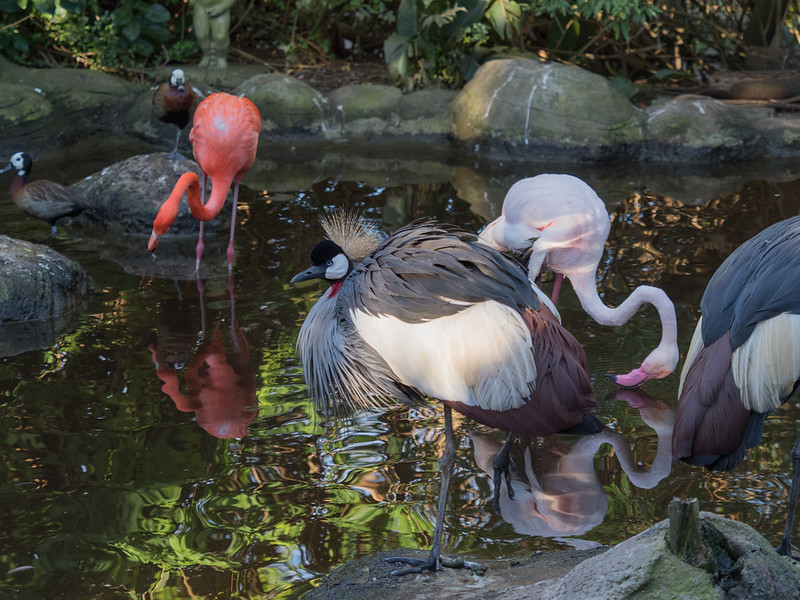
The species’ most iconic feature is its golden crown of stiff, bristle-like feathers that resemble a radiant halo, giving it a regal and unmistakable profile. The grey body and white wings, accented with black and brown patterns, contrast dramatically with the bright red throat pouch and yellow facial wattles. Long, slender legs enable the crane to wade easily through marshes and tall grasses, while a strong, pointed beak is perfectly adapted for probing soil and shallow water for insects, seeds, and small vertebrates. The bird’s stately posture and measured movements, combined with the ornate plumage, make it one of Africa’s most photogenic and widely admired birds.
Habitat and Geographical Distribution
Grey Crowned Cranes inhabit a diverse range of ecosystems across East and Southern Africa, including Uganda, Kenya, Tanzania, and South Africa. They are closely associated with wetlands, marshes, riverbanks, and seasonally flooded grasslands. These habitats provide essential resources: shallow waters for foraging, open spaces for intricate mating dances, and dense vegetation for nesting and hiding from predators.
The species’ presence is often an indicator of a healthy wetland ecosystem. Wetlands that support Crowned Cranes are also rich in biodiversity, hosting amphibians, reptiles, fish, and a variety of waterbirds. Human encroachment, wetland drainage, and agricultural development, however, have reduced available habitats, making conservation of these ecosystems vital not only for cranes but for the broader wildlife community that depends on them.
Behavior and Social Dynamics
Grey Crowned Cranes are known for their social and interactive nature. Typically observed in pairs or small family units, these birds may congregate in larger flocks when food is abundant or during seasonal migrations. Their daily routines combine foraging, preening, vocal communication, and elaborate displays.
Feeding Behavior
Cranes are omnivorous, with diets that include insects, worms, small reptiles, seeds, and grains. Foraging is methodical and graceful: the crane walks slowly through grasslands or shallow water, probing the soil and mud with its beak. The species demonstrates adaptability in diet, taking advantage of seasonal abundance and human-altered landscapes, including cultivated fields where grains are accessible.
Vocal Communication
The Grey Crowned Crane has a distinctive, resonant call that carries across long distances. These vocalizations serve multiple purposes: maintaining contact between mates, signaling alarm, establishing territorial boundaries, and coordinating social activities. The combination of vocal strength and clarity is essential in open habitats, where sound travels farther than visual cues.
Courtship and Display Rituals
One of the most spectacular aspects of the species is its courtship display. These rituals combine synchronized bowing, leaping, wing flapping, head shaking, and intricate dancing sequences. Such displays are not merely for mating; they reinforce pair bonds, assert dominance, and maintain social cohesion within small flocks. Observing these dances, especially in early morning light across wetlands, is a mesmerizing experience that highlights the cranes’ elegance and vitality.
Reproduction and Nesting
Grey Crowned Cranes typically build their nests in dense wetland vegetation, often on floating mats of reeds or grasses. These nests provide stability and concealment from predators. Females lay between two and five eggs per clutch, and both parents participate in incubation and chick-rearing, though the female usually spends more time on the eggs while the male provides food and protection.
Chicks are precocial, able to leave the nest shortly after hatching, but they remain dependent on parental care for several weeks. Nesting success is strongly tied to undisturbed wetlands and an adequate food supply. Environmental changes, such as water drainage or habitat encroachment, can directly impact reproductive success, highlighting the need for habitat preservation.
Conservation Status and Threats
The Grey Crowned Crane is classified as Endangered, facing threats from habitat loss, wetland drainage, and illegal capture for the pet trade. Agricultural expansion, urban development, and pollution have drastically reduced available wetlands. In some regions, cranes are also hunted for ceremonial purposes or perceived as pests.
Conservation efforts focus on habitat protection, wetland restoration, anti-poaching initiatives, and community education programs. By integrating eco-tourism incentives, such as guided bird-watching tours, local communities gain economic benefits tied directly to the preservation of these birds, creating a sustainable model that balances conservation with human livelihoods.
Ecological Significance
Beyond their visual appeal, Grey Crowned Cranes play an important ecological role. As omnivores, they help control insect populations and contribute to seed dispersal. Their nesting sites can influence wetland plant distribution, while their presence serves as an indicator of ecosystem health. Protecting Crowned Cranes, therefore, benefits the broader wetland ecosystem, including amphibians, fish, and other bird species.
Where to Observe Grey Crowned Cranes
Cranes are best observed during early mornings and late afternoons when feeding and mating displays are most active. In Uganda, prime locations include Mabamba Swamp, the wetlands of Lake Mburo, and areas within Queen Elizabeth National Park. Kenya offers sightings around Lake Naivasha, Nairobi National Park, and the Laikipia Plateau. Tanzania’s Ngorongoro Crater wetlands and the Serengeti floodplains provide excellent opportunities to see cranes in dramatic, open landscapes.
Experienced bird-watchers often time visits with seasonal movements, as cranes may gather in larger numbers near flooded plains or agricultural fields, offering a richer spectacle of courtship and social interaction. Photography enthusiasts prize these moments, capturing the interplay of sunlight, water reflections, and dynamic movement in the cranes’ natural habitat.
Integrating Grey Crowned Cranes into Wildlife Tourism
Observing Grey Crowned Cranes can form the centerpiece of eco-tourism in East Africa. Guided tours often combine crane watching with broader wetland explorations, highlighting other bird species, amphibians, and plant diversity. For safari travelers, wetlands with cranes offer a contrasting experience to the open savannahs, demonstrating Africa’s ecological richness and the interdependence of species.
Cultural Importance
The Grey Crowned Crane holds symbolic significance in several African cultures, representing grace, prosperity, and vigilance. Its appearance in folklore, traditional ceremonies, and even national emblems underscores the deep connection between people and wildlife. In Uganda, for example, the Grey Crowned Crane is featured on the national flag, symbolizing peace and hope.
Best Practices for Observation and Conservation
Responsible observation requires maintaining safe distances to avoid disturbing feeding or nesting birds. Use binoculars and long lenses for photography, minimize noise, and avoid walking directly through nesting habitats. Supporting local conservation initiatives, such as wetland restoration projects or eco-tourism programs, ensures that sightings of these magnificent cranes continue for future generations.
More Gorilla Trekking Information to Know.
Gorilla trekking goes far beyond just the hike — it’s a deep, emotional journey into the heart of Africa’s last wild rainforests. Knowing the right timing, permits, fitness tips, and park details can turn your experience from good to unforgettable.
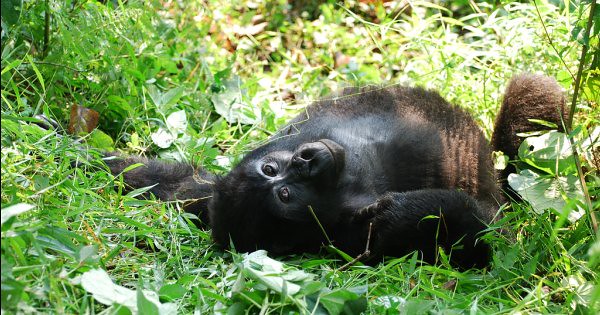
Gorilla Trekking in Bwindi Impenetrable Forest
Gorilla Trekking in Bwindi Impenetrable Forest

Trekking Gorillas in Mgahinga National Park
Trekking Gorillas in Mgahinga National Park
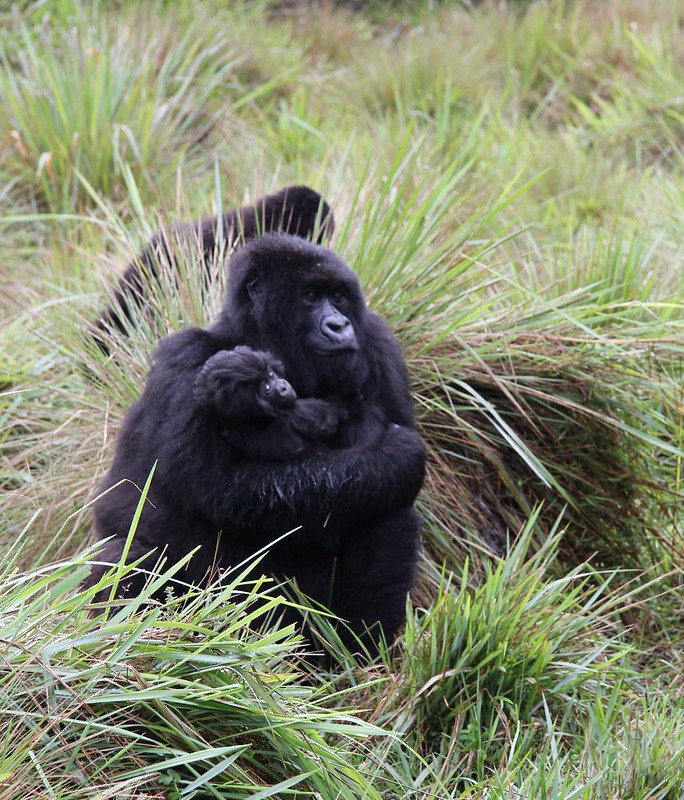
Uganda Gorilla Trekking Permits – Prices, Booking, & Travel Tips
Uganda Gorilla Trekking Permits – Prices, Booking, & Travel Tips

What to Pack for Gorilla Trekking in Uganda – Expert Checklist
What to Pack for Gorilla Trekking in Uganda – Expert Checklist
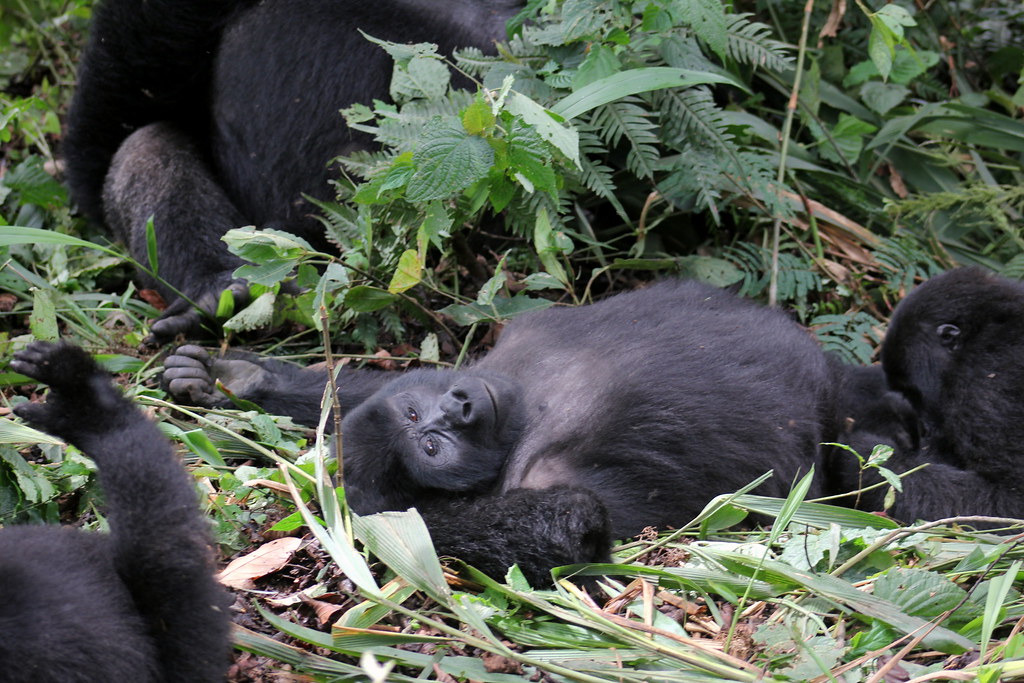
Best Time to Go Gorilla Trekking in Uganda – Weather & Seasons
Best Time to Go Gorilla Trekking in Uganda – Weather & Seasons
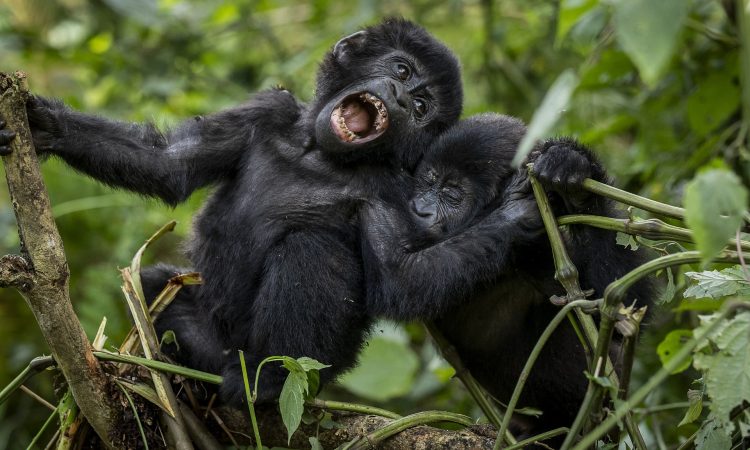
Gorilla Trekking Difficulty in Uganda – Fitness & Trail Guide
Gorilla Trekking Difficulty in Uganda – Fitness & Trail Guide
Gorilla Trekking Rules in Uganda – Safety, Respect & Ethics
Gorilla Trekking Rules in Uganda – Safety, Respect & Ethics
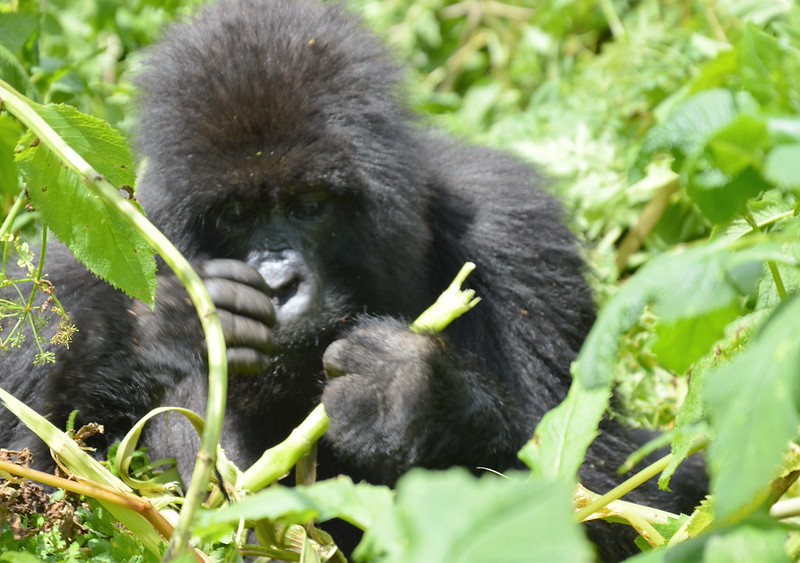
Gorilla Conservation in Uganda – Protecting the Mountain Giants
Gorilla Conservation in Uganda – Protecting the Mountain Giants
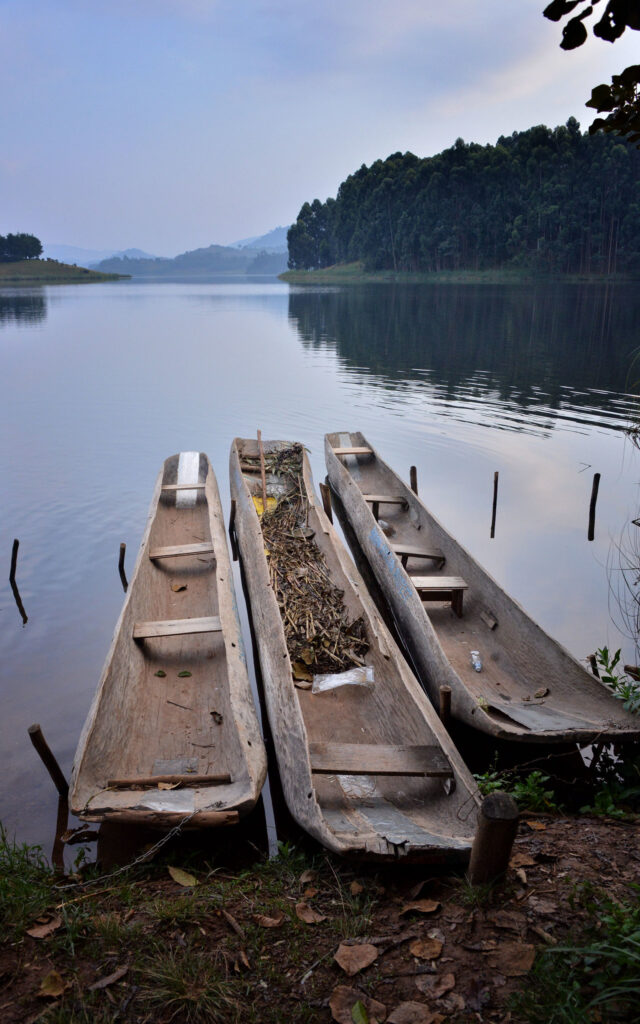
Bwindi vs. Mgahinga – Which One to Choose For Gorilla Trekking?
Bwindi vs. Mgahinga – Which One to Choose For Gorilla Trekking?
How to Stay Safe and Healthy While Traveling in Uganda
How to Stay Safe and Healthy While Traveling in Uganda
Routes, Tips & Travel Wisdom for Getting to Bwindi or Mgahinga
Routes, Tips & Travel Wisdom for Getting to Bwindi or Mgahinga

Accommodation Options: Lodges & Camps in Bwindi and Mgahinga
Accommodation Options: Lodges & Camps in Bwindi and Mgahinga
Protecting What You Came to See: Gorilla Conservation & Ethics
Protecting What You Came to See: Gorilla Conservation & Ethics
Travel Insurance for Gorilla Treks: Before You Go
Travel Insurance for Gorilla Treks: Before You Go

First Time Gorilla Trekking? Here’s Everything I Wish I Knew
First Time Gorilla Trekking? Here’s Everything I Wish I Knew
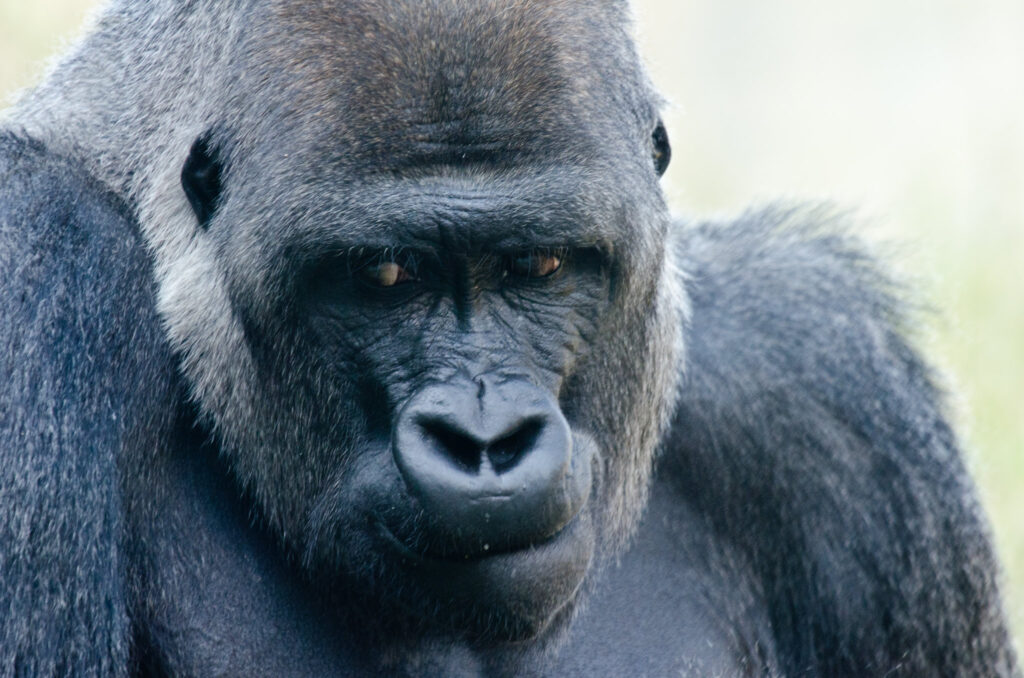
Step by Step: What Happens During a Gorilla Trekking Day
Step by Step: What Happens During a Gorilla Trekking Day
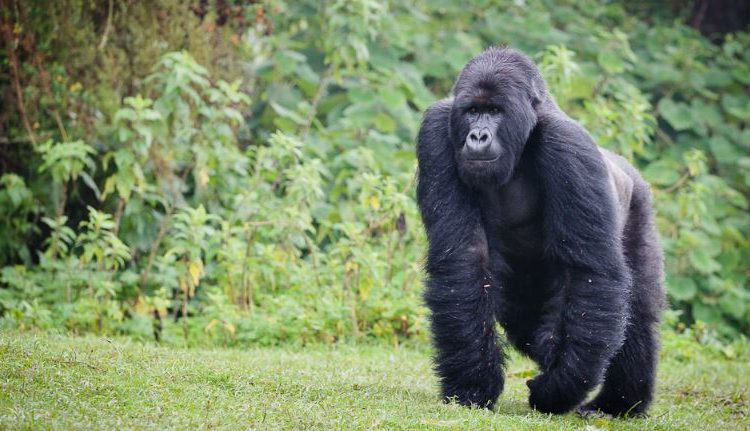
Gorilla Trekking vs. Gorilla Tracking – What’s the Real Difference?
Gorilla Trekking vs. Gorilla Tracking – What’s the Real Difference?
Beyond Gorillas: Other Wildlife You Can See During Your Trek
Beyond Gorillas: Other Wildlife You Can See During Your Trek
In the Realm of Giants – Bwindi & Mgahinga in Frames.
Wander through an elegant gallery capturing Uganda’s most exclusive gorilla sanctuaries, where ancient forests cradle the last mountain gorillas in a world of mist, mystery, and majesty.
Essential Planning Tips for Visiting Uganda’s National Parks.
Get ready for the wild heart of Africa with expert travel tips on when to visit, what to pack, where to go, and how to make the most of your safari across Uganda’s breathtaking national parks.
Why Uganda for Gorilla Trekking?
Uganda is not just a destination — it's the very soul of gorilla trekking. With over half of the world’s remaining mountain gorillas calling its misty forests home, Uganda offers the rarest encounters in their most authentic setting. Here, your journey is not rushed or crowded. Instead, you’re guided by experienced rangers through pristine jungles where gorillas live as they always have — wild, free, and magnificent
From insider travel insights to unforgettable trekking guides, our blog is your trusted path into Uganda’s wild heart — connecting you with mountain gorillas, breathtaking landscapes, and the soul-stirring adventures that make this land unlike any other.