

Where the soul of the forest whispers in the mist
Gorilla trekking is a highly regulated activity across Africa, with permits required to access protected areas where gorillas reside. In countries like Uganda, Rwanda, and the Democratic Republic of Congo, these permits serve as both conservation tools and mechanisms to control visitor numbers. Despite careful planning, there are circumstances in which gorilla permits may be canceled or rescheduled, often due to factors beyond the control of trekkers or tour operators.
Understanding the policies, conditions, and procedures related to permit cancellation is critical for travelers to avoid misunderstandings, financial losses, or logistical complications. Permit cancellations are designed to protect both the gorillas and the trekking experience, ensuring safety, conservation compliance, and ecological sustainability.
So lace up your boots, grab your camera, and prepare to meet the wild — this is where your gorilla trekking dreams and unforgettable safari adventures truly begin.
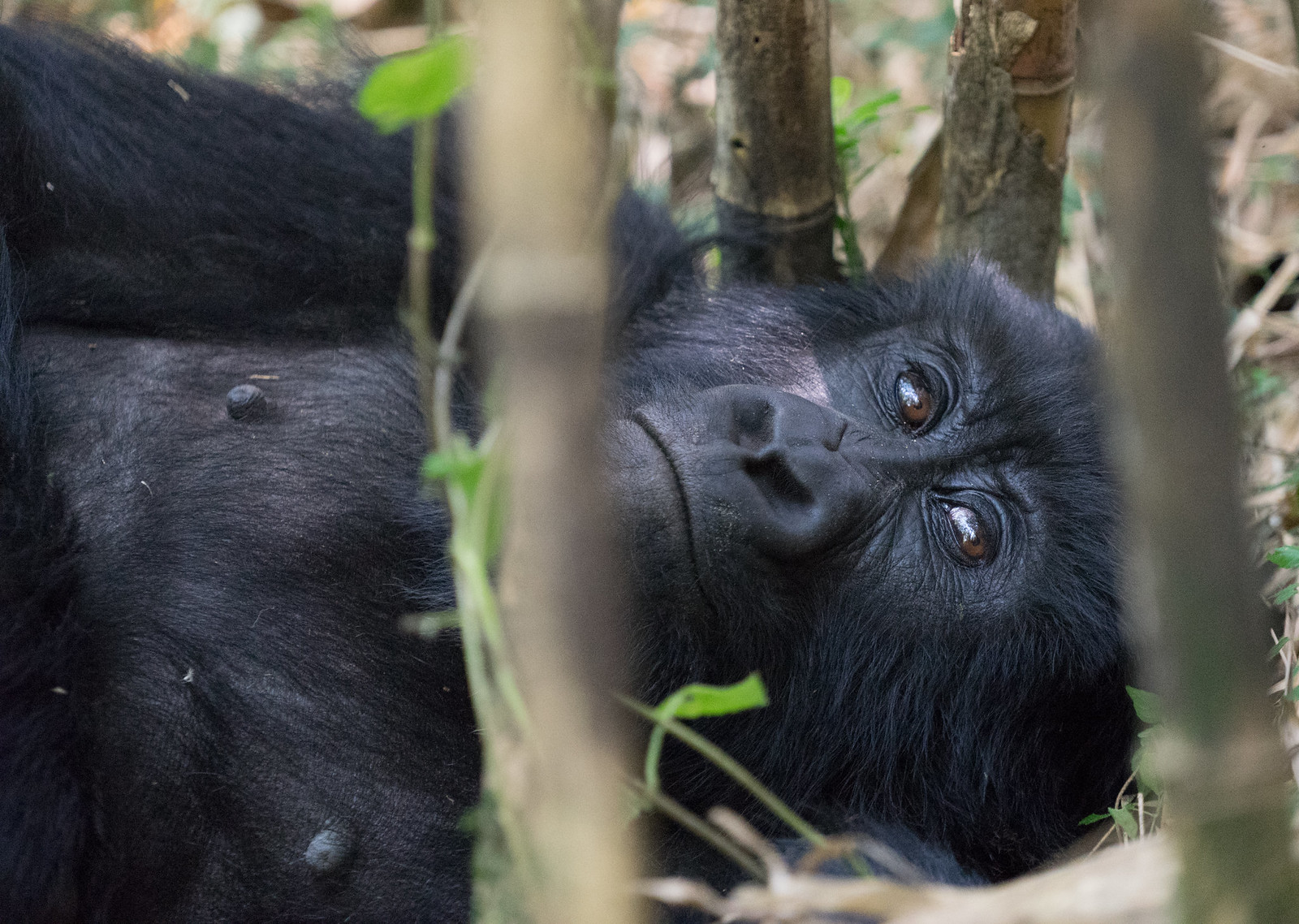
Truly Iconic Highlights in Uganda

Trek through Bwindi’s mystical rainforest and meet the endangered mountain gorillas in their breathtaking natural home.
Encounter mountain gorillas and golden monkeys on Mgahinga’s misty volcanic trails, where culture and alpine wildlife thrive together.
Unwind after your trek with a peaceful canoe ride across Lake Bunyonyi, Uganda’s most tranquil and scenic highland lake.
Enhance your gorilla trekking safari with an optional chimpanzee encounter in Uganda’s lush forests, adding depth and diversity to your primate adventure
Gorilla Trekking Tours in Uganda – Our Most Popular Itineraries.
Explore our gorilla trekking safaris for every traveler—solo, family, budget, or luxury. All tours include permits, transport, accommodation, meals, and park fees. Whether for a quick trip or a deeper adventure, we’ve got you covered.
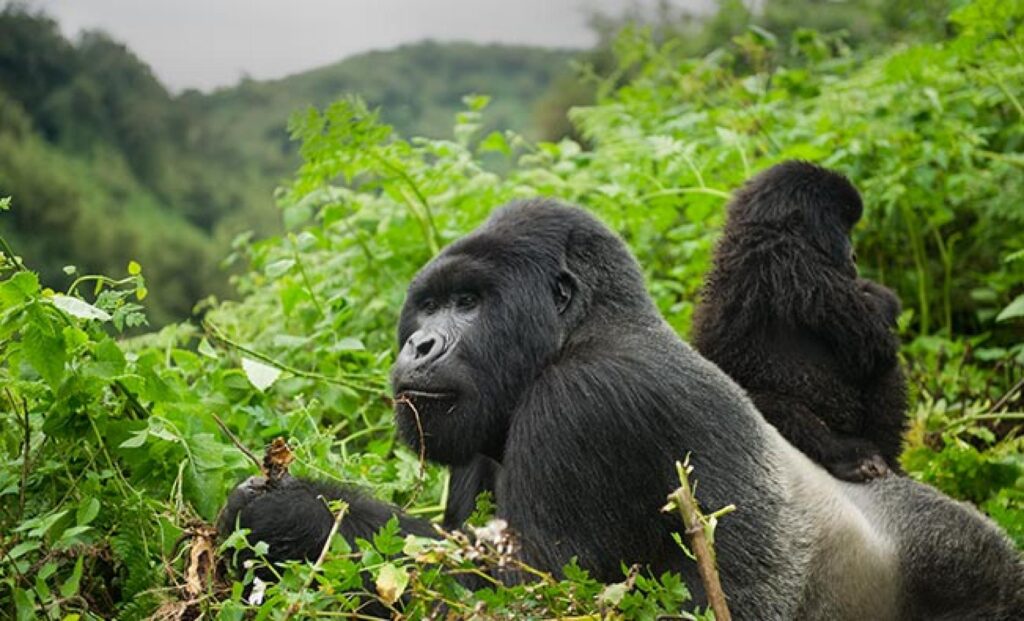
3-Day Bwindi Gorilla Trekking Safari
3-Day Bwindi Gorilla Trekking Safari
4-Day Uganda Gorilla Trekking Safari
4-Day Uganda Gorilla Trekking Safari
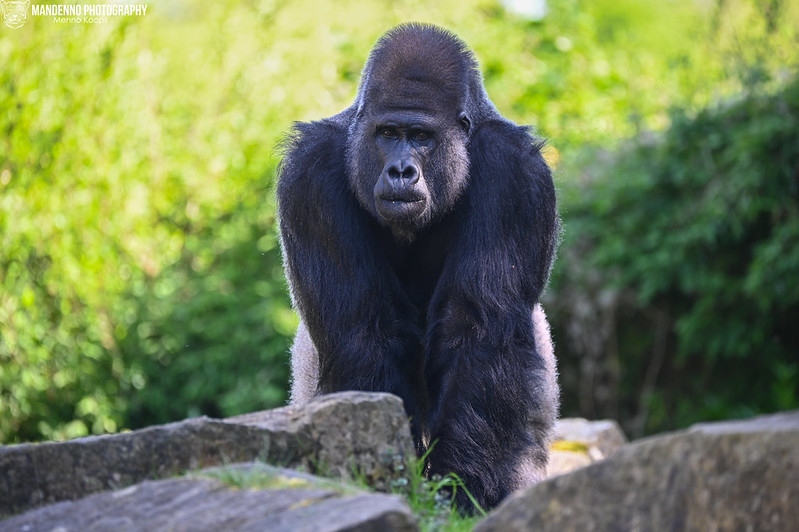
5-Day Gorilla Tracking and Wildlife Safari
5-Day Gorilla Tracking and Wildlife Safari
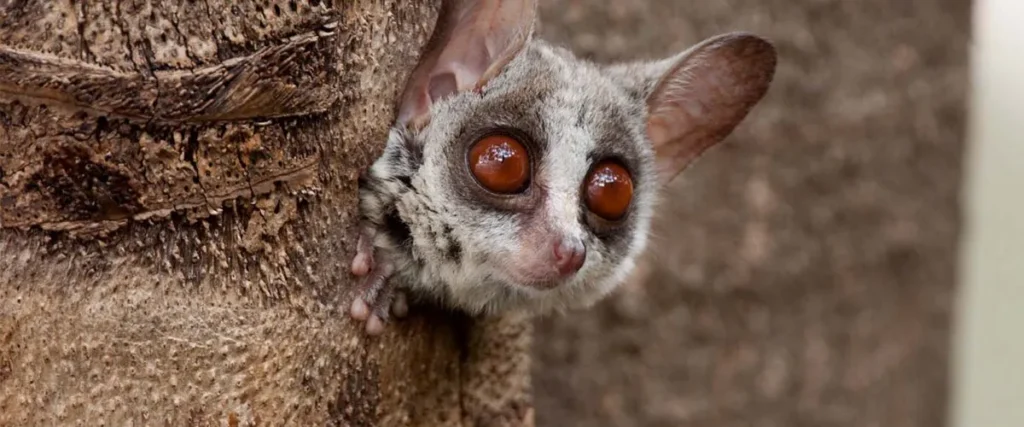
7-Day Uganda Primate Adventure & Wildlife Safari
7-Day Uganda Primate Adventure & Wildlife Safari
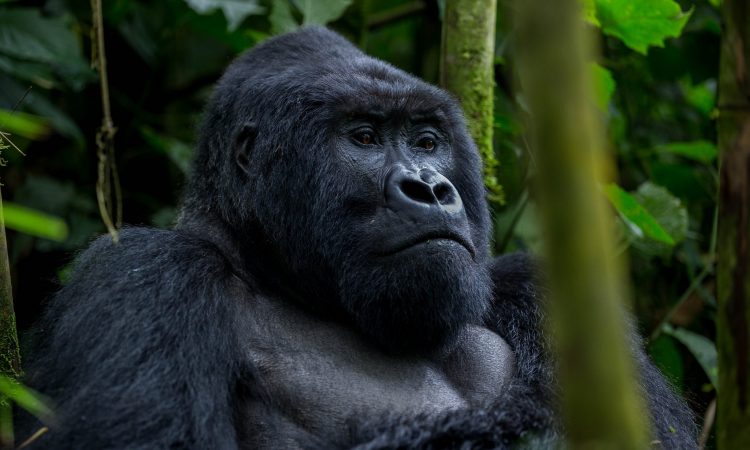
10-Day Gorilla Trekking & Big Five Safari in Uganda
10-Day Gorilla Trekking & Big Five Safari in Uganda
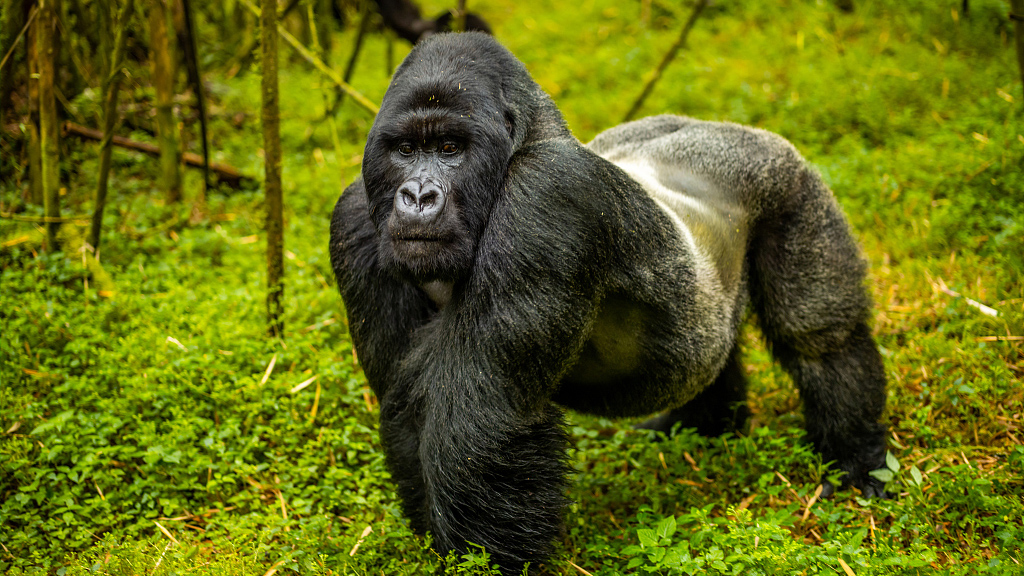
12-Day Uganda Gorilla Trekking, Chimp Tracking & Cultural Safari
12-Day Uganda Gorilla Trekking, Chimp Tracking & Cultural Safari
14-Day Best of Uganda Safari – Gorillas, Wildlife, Cultures
14-Day Best of Uganda Safari – Gorillas, Wildlife, Cultures
Overview of Gorilla Permit Cancellation
Reasons for Gorilla Permit Cancellation
Gorilla permits can be canceled for several reasons, ranging from environmental conditions to operational challenges. One of the most common causes is weather-related hazards, such as heavy rainfall, flooding, or landslides, which can render forest trails dangerous and inaccessible. In addition, health concerns affecting gorillas, such as disease outbreaks, may prompt temporary restrictions on human access to protect vulnerable populations.Operational and logistical issues can also lead to cancellation. These include park management decisions, trail maintenance, insufficient staffing, or emergencies that affect the safety of trekkers and staff. Occasionally, broader national or regional disruptions, such as civil unrest or pandemics, may result in temporary permit suspensions. In every case, cancellations are aimed at maintaining the welfare of the gorillas and the integrity of the trekking experience.
Procedures for Managing Permit Cancellations
When a gorilla permit is canceled, park authorities and tour operators typically follow established protocols. Trekkers are notified as soon as possible, with guidance on available options. Depending on the timing and cause of cancellation, travelers may be offered the opportunity to reschedule their trek, transfer the permit to another date, or, in some cases, receive a full or partial refund.It is important for travelers to understand the specific policies of each national park. In Uganda, for example, Bwindi Impenetrable and Mgahinga National Parks allow rescheduling in cases of unavoidable cancellations, while in Rwanda, Volcanoes National Park has strict guidelines for refunds and permit transfers. Clear communication between park authorities, tour operators, and trekkers ensures that cancellation policies are applied fairly and consistently.
Financial Considerations
Gorilla permits are a significant investment, often representing one of the largest costs of a safari. Understanding the financial implications of cancellations is essential. Most parks and operators offer refund or rescheduling policies, but these may vary depending on the reason for cancellation, notice period, and booking arrangements.Travel insurance is strongly recommended, as it can cover non-refundable expenses or unforeseen disruptions. Some insurance policies specifically include coverage for wildlife or adventure activities, providing an added layer of security for trekkers planning their trips. Being aware of refund conditions and insurance coverage ensures travelers are prepared for potential disruptions without compromising their plans.
Best Practices for Trekkers
To navigate permit cancellations effectively, trekkers should plan with flexibility and maintain close communication with their tour operators. Checking park updates, weather forecasts, and local advisories prior to the trek can reduce the likelihood of last-minute disruptions. Travelers are also advised to confirm cancellation and rescheduling policies at the time of booking, ensuring they understand their rights and options.Maintaining flexibility in travel plans, including accommodation and transportation arrangements, allows trekkers to adapt smoothly if a permit is canceled. Being prepared for alternative dates or locations ensures that the gorilla trekking experience remains possible, even in the face of unexpected challenges.
Conservation and Safety Perspective
Permit cancellations are not merely administrative measures; they are integral to the conservation of gorillas and the safety of visitors. By limiting human interaction during periods of environmental risk or gorilla vulnerability, parks help prevent habitat degradation, disease transmission, and accidents.Understanding that cancellations prioritize wildlife welfare and forest integrity fosters a sense of stewardship among trekkers. Visitors who respect these policies contribute to long-term conservation success and help ensure that future generations can enjoy responsible and sustainable gorilla trekking experiences.
Planning with Awareness
The cancellation of gorilla permits is an important aspect of responsible wildlife tourism. While potentially disruptive, it reflects the commitment of park authorities to conservation, visitor safety, and sustainable tourism. By understanding the reasons for cancellations, adhering to procedures, and planning with flexibility, trekkers can navigate unexpected changes while contributing to the protection of these iconic primates.Being aware of permit policies, maintaining communication with operators, and respecting conservation priorities ensures that gorilla trekking remains a safe, enjoyable, and environmentally responsible experience.
More Gorilla Trekking Information to Know.
Gorilla trekking goes far beyond just the hike — it’s a deep, emotional journey into the heart of Africa’s last wild rainforests. Knowing the right timing, permits, fitness tips, and park details can turn your experience from good to unforgettable.
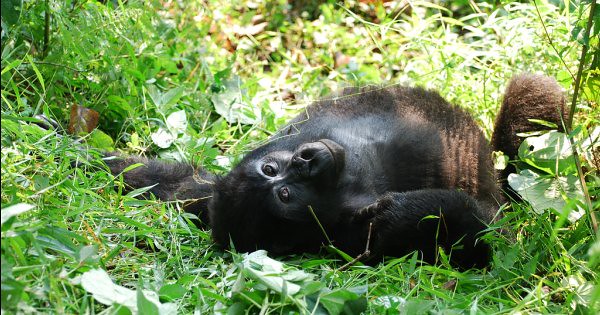
Gorilla Trekking in Bwindi Impenetrable Forest
Gorilla Trekking in Bwindi Impenetrable Forest
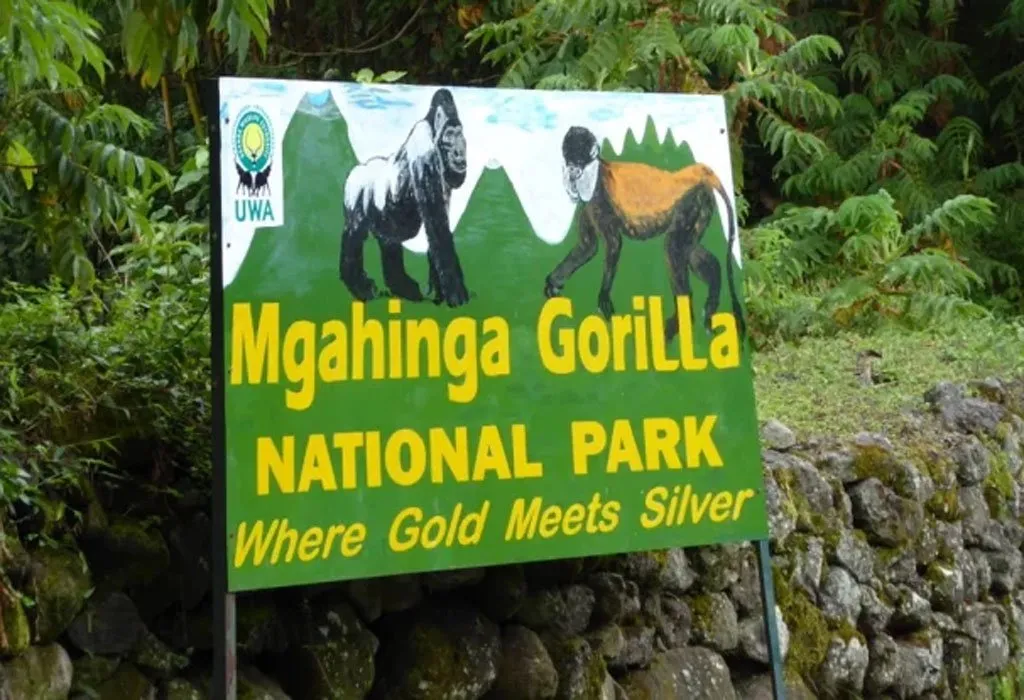
Trekking Gorillas in Mgahinga National Park
Trekking Gorillas in Mgahinga National Park
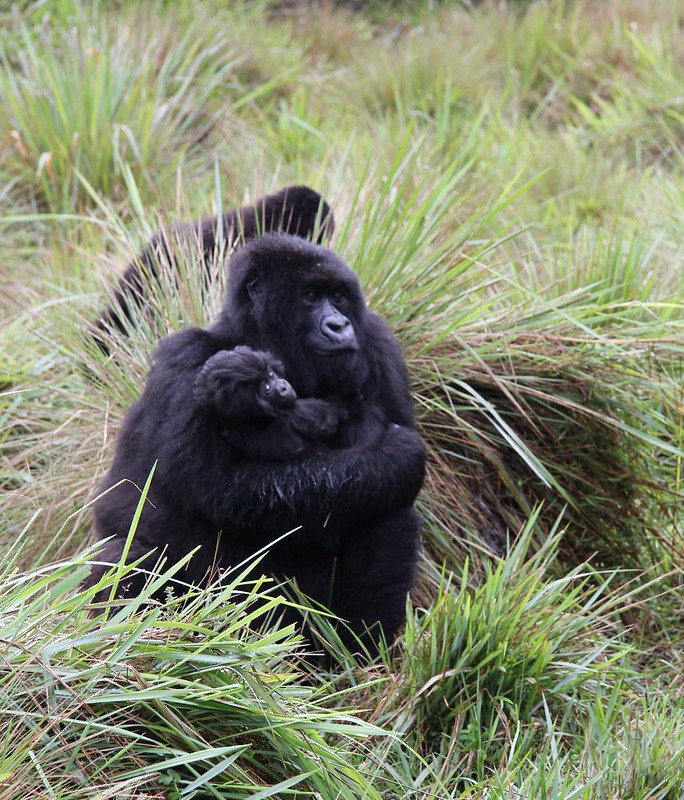
Uganda Gorilla Trekking Permits – Prices, Booking, & Travel Tips
Uganda Gorilla Trekking Permits – Prices, Booking, & Travel Tips
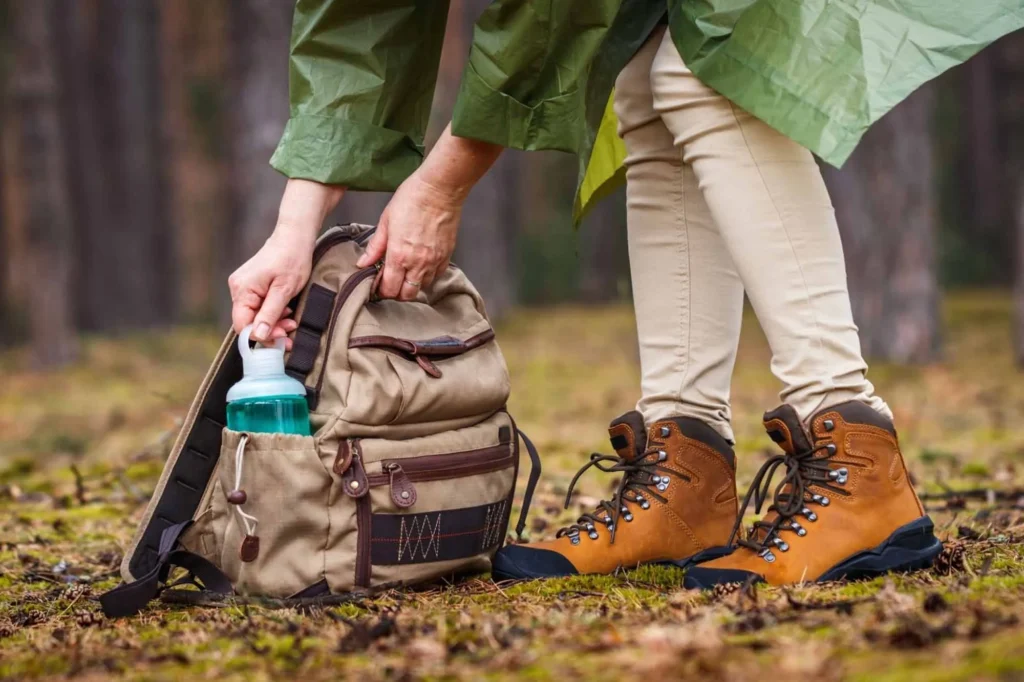
What to Pack for Gorilla Trekking in Uganda – Expert Checklist
What to Pack for Gorilla Trekking in Uganda – Expert Checklist
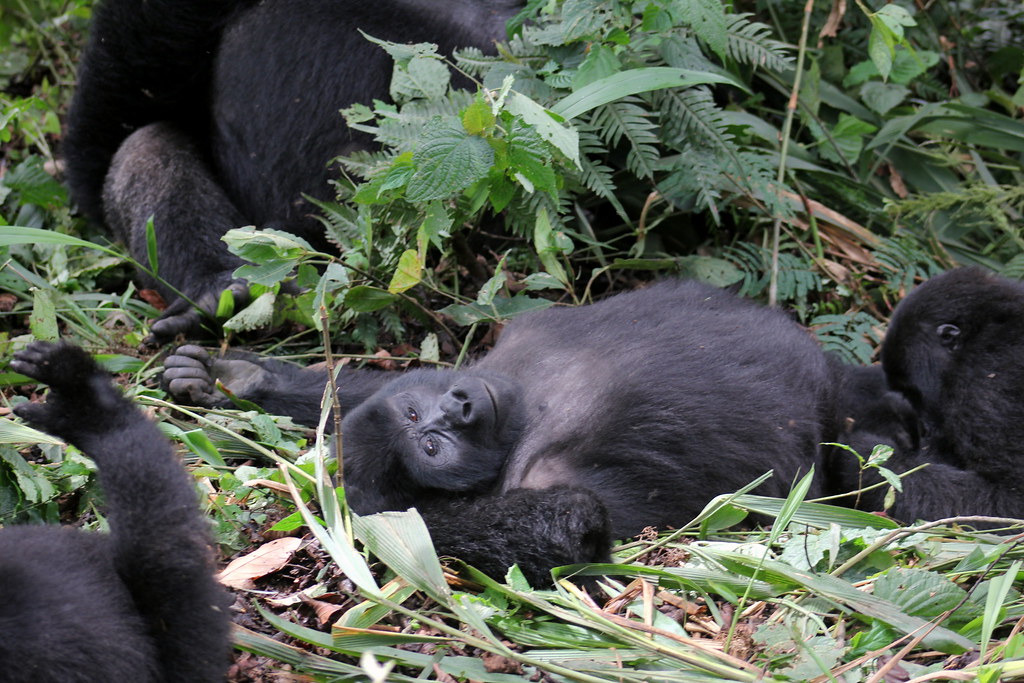
Best Time to Go Gorilla Trekking in Uganda – Weather & Seasons
Best Time to Go Gorilla Trekking in Uganda – Weather & Seasons
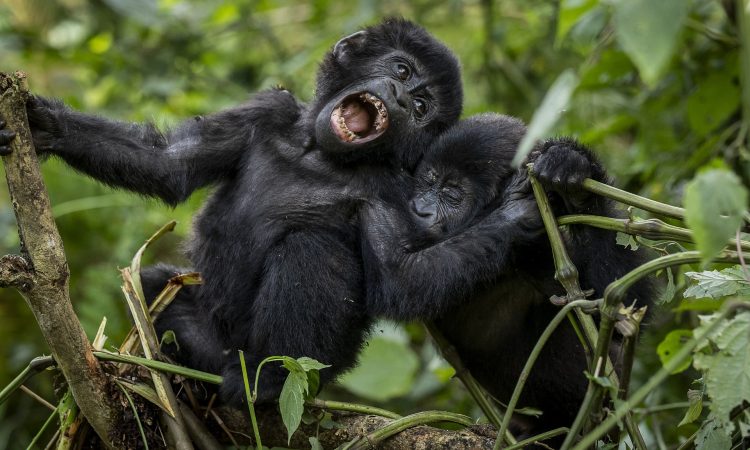
Gorilla Trekking Difficulty in Uganda – Fitness & Trail Guide
Gorilla Trekking Difficulty in Uganda – Fitness & Trail Guide
Gorilla Trekking Rules in Uganda – Safety, Respect & Ethics
Gorilla Trekking Rules in Uganda – Safety, Respect & Ethics
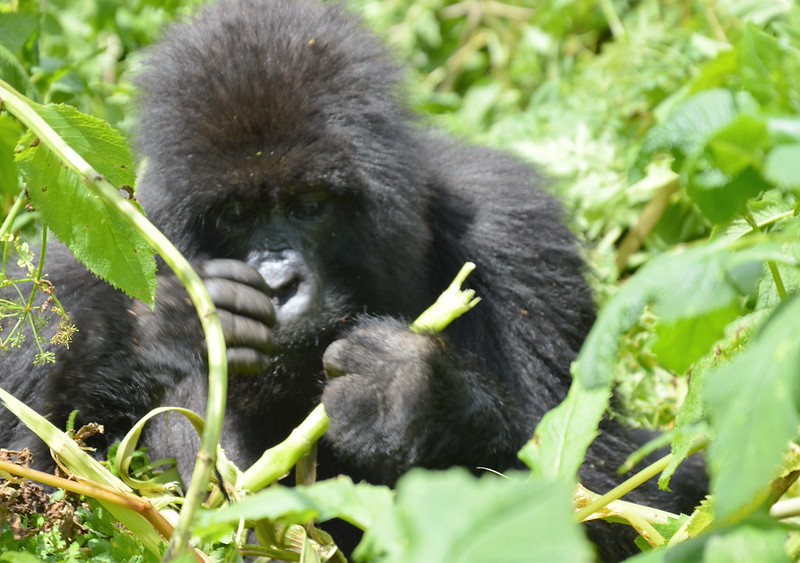
Gorilla Conservation in Uganda – Protecting the Mountain Giants
Gorilla Conservation in Uganda – Protecting the Mountain Giants
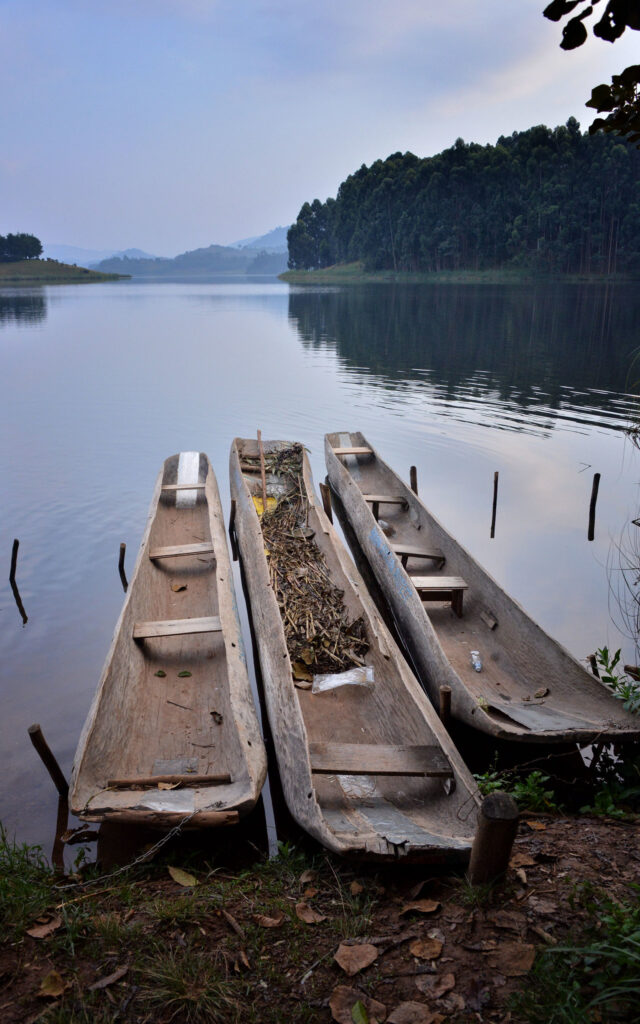
Bwindi vs. Mgahinga – Which One to Choose For Gorilla Trekking?
Bwindi vs. Mgahinga – Which One to Choose For Gorilla Trekking?
How to Stay Safe and Healthy While Traveling in Uganda
How to Stay Safe and Healthy While Traveling in Uganda
Routes, Tips & Travel Wisdom for Getting to Bwindi or Mgahinga
Routes, Tips & Travel Wisdom for Getting to Bwindi or Mgahinga
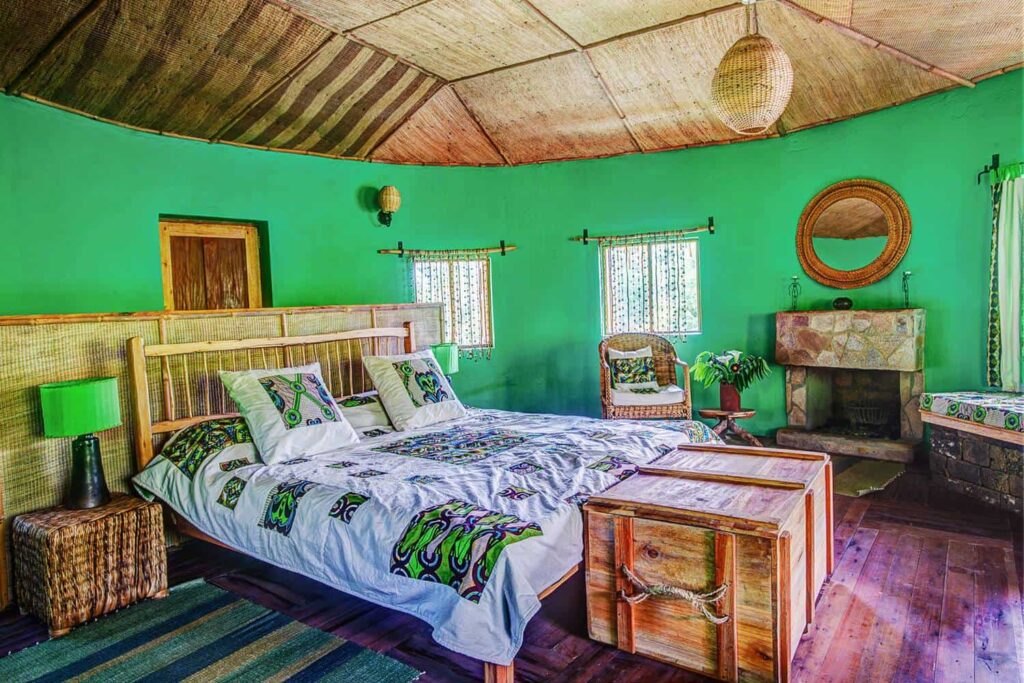
Accommodation Options: Lodges & Camps in Bwindi and Mgahinga
Accommodation Options: Lodges & Camps in Bwindi and Mgahinga
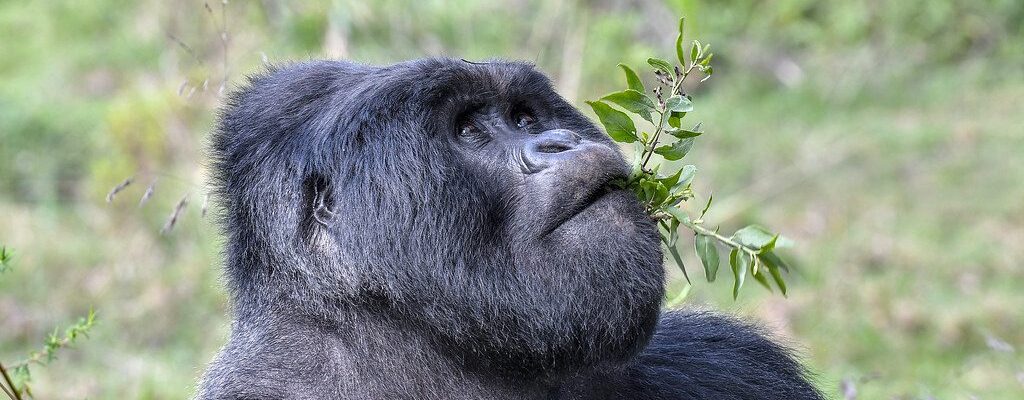
Protecting What You Came to See: Gorilla Conservation & Ethics
Protecting What You Came to See: Gorilla Conservation & Ethics
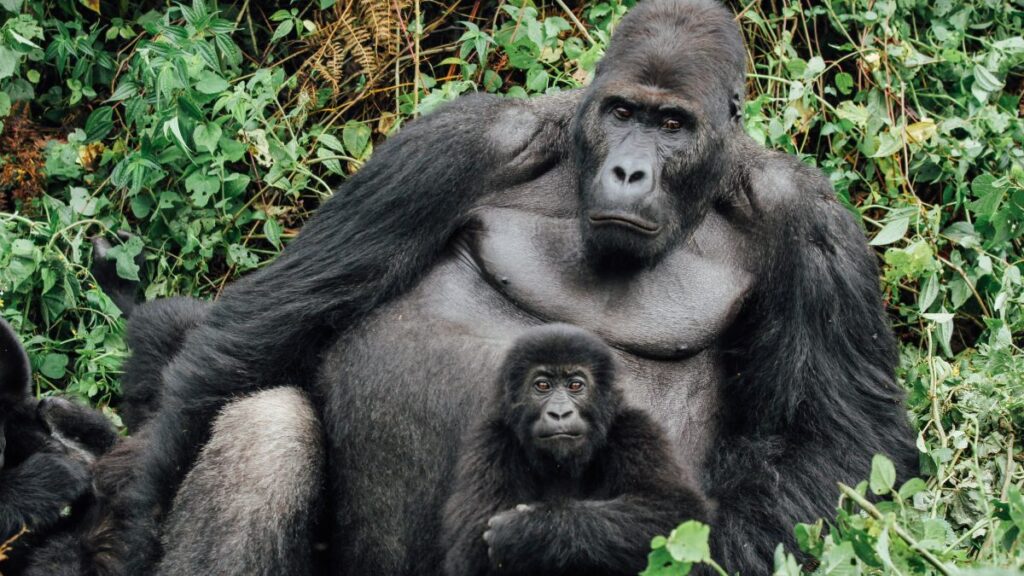
Travel Insurance for Gorilla Treks: Before You Go
Travel Insurance for Gorilla Treks: Before You Go
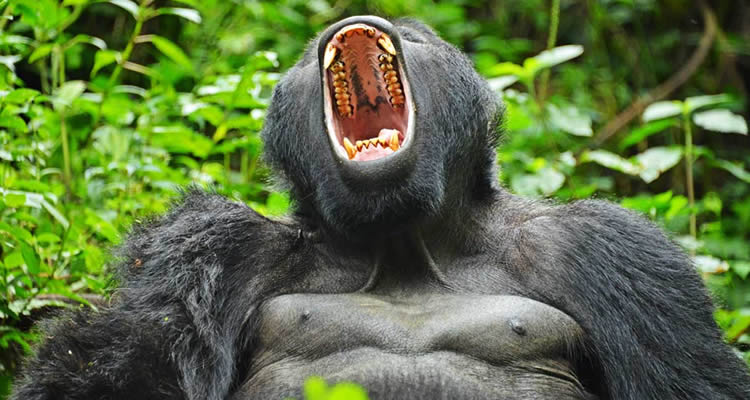
First Time Gorilla Trekking? Here’s Everything I Wish I Knew
First Time Gorilla Trekking? Here’s Everything I Wish I Knew
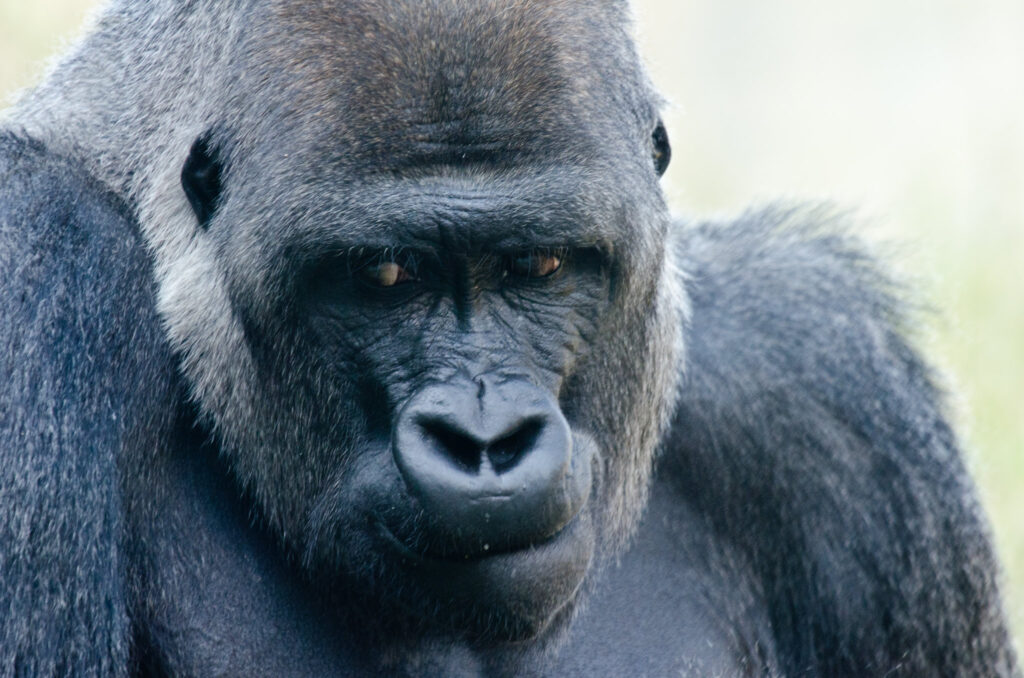
Step by Step: What Happens During a Gorilla Trekking Day
Step by Step: What Happens During a Gorilla Trekking Day
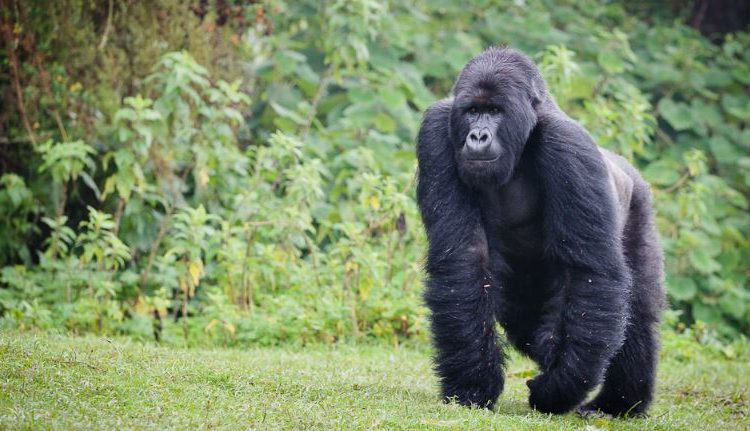
Gorilla Trekking vs. Gorilla Tracking – What’s the Real Difference?
Gorilla Trekking vs. Gorilla Tracking – What’s the Real Difference?
Beyond Gorillas: Other Wildlife You Can See During Your Trek
Beyond Gorillas: Other Wildlife You Can See During Your Trek
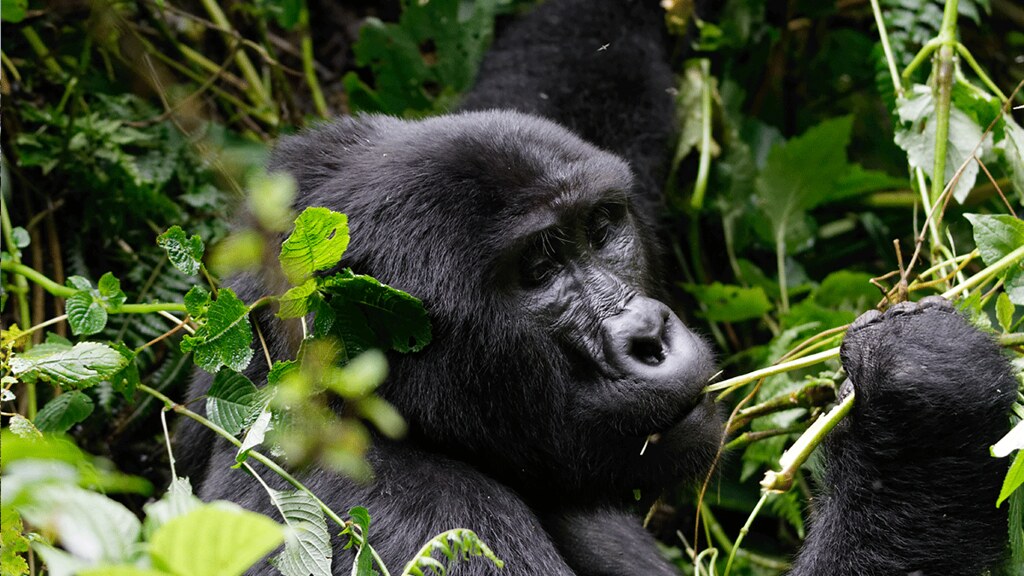
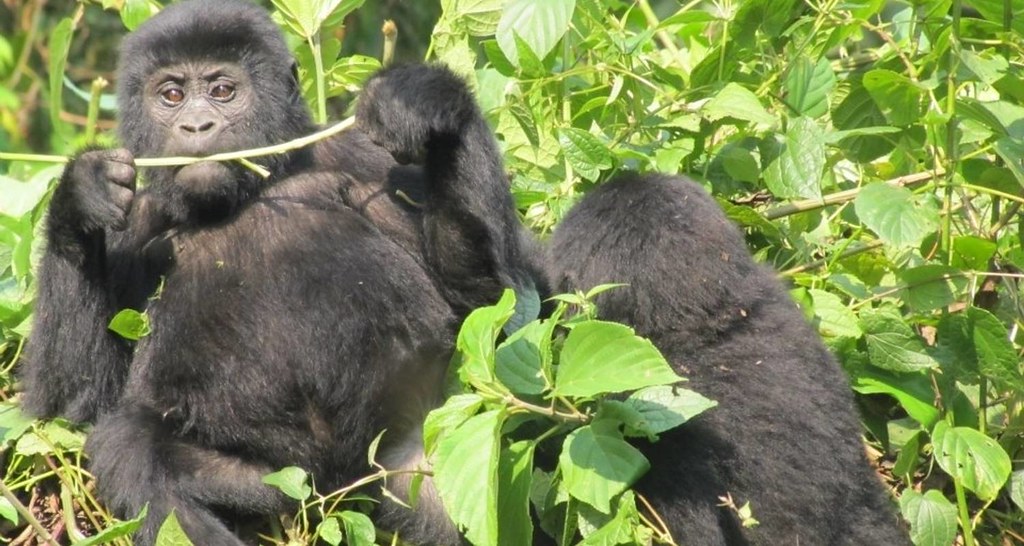
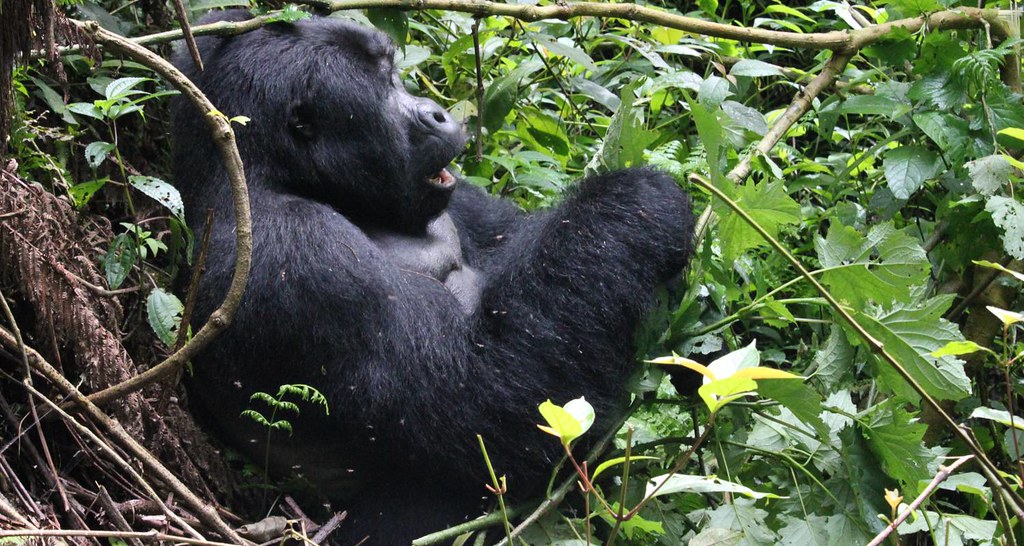
In the Realm of Giants – Bwindi & Mgahinga in Frames.
Wander through an elegant gallery capturing Uganda’s most exclusive gorilla sanctuaries, where ancient forests cradle the last mountain gorillas in a world of mist, mystery, and majesty.
Essential Planning Tips for Visiting Uganda’s National Parks.
Get ready for the wild heart of Africa with expert travel tips on when to visit, what to pack, where to go, and how to make the most of your safari across Uganda’s breathtaking national parks.
Why Uganda for Gorilla Trekking?
Uganda is not just a destination — it's the very soul of gorilla trekking. With over half of the world’s remaining mountain gorillas calling its misty forests home, Uganda offers the rarest encounters in their most authentic setting. Here, your journey is not rushed or crowded. Instead, you’re guided by experienced rangers through pristine jungles where gorillas live as they always have — wild, free, and magnificent
From insider travel insights to unforgettable trekking guides, our blog is your trusted path into Uganda’s wild heart — connecting you with mountain gorillas, breathtaking landscapes, and the soul-stirring adventures that make this land unlike any other.