

Where the soul of the forest whispers in the mist
Africa is the only place on Earth where wild gorillas still survive. They do not live in Asia. They do not live in South America. They do not exist in controlled reserves outside the continent in their natural state. To see a gorilla in the wild, you must travel to Africa, and you must enter rainforest terrain that has remained largely unchanged for centuries. But Africa gorilla trekking is not a single, uniform experience. It varies by country, by species, by altitude, by infrastructure, by cost, and by conservation model. Mountain gorillas live in high-altitude mist-covered forests in East Africa.
Eastern lowland gorillas inhabit deeper Congo basin rainforest. Western lowland gorillas roam coastal and inland forests in Central Africa, particularly Gabon.
Understanding these differences is essential before planning your safari. This guide explains everything — species, destinations, logistics, fly-in options, safety, luxury, conservation impact, booking strategy, and even last-minute permit realities.
This is not surface-level information. This is the full continental picture.
So lace up your boots, grab your camera, and prepare to meet the wild — this is where your gorilla trekking dreams and unforgettable safari adventures truly begin.
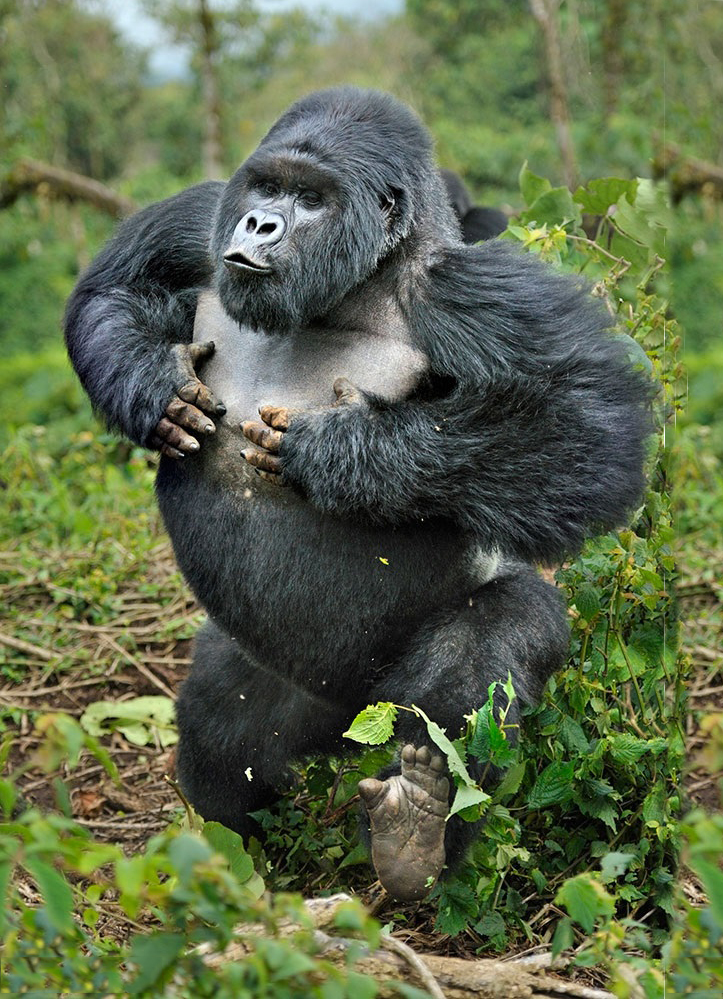
Truly Iconic Highlights in Uganda

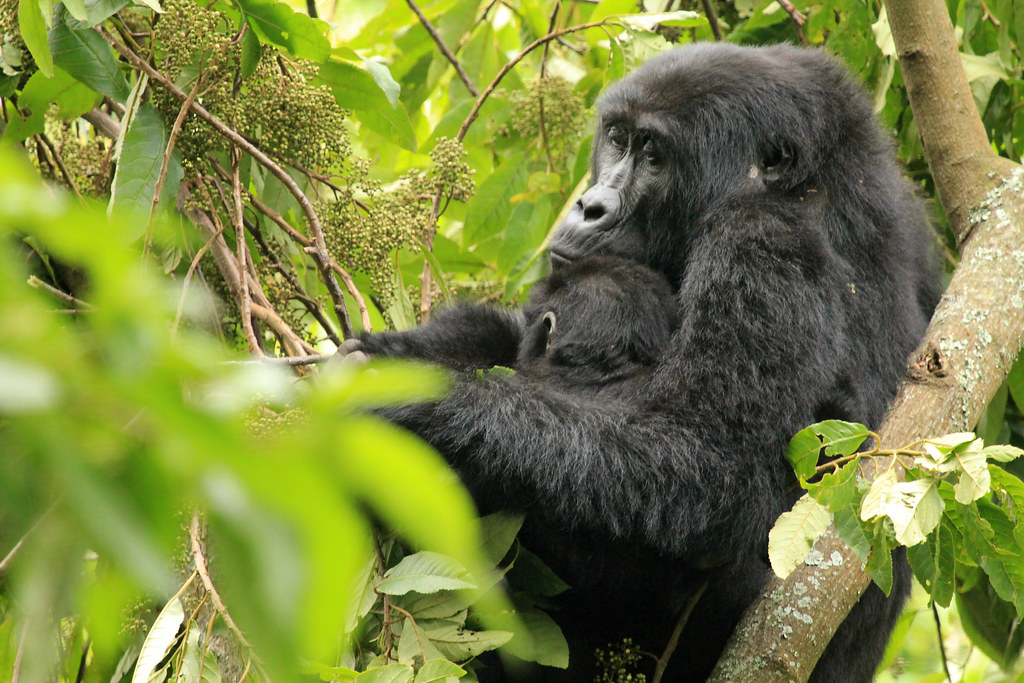
Trek through Bwindi’s mystical rainforest and meet the endangered mountain gorillas in their breathtaking natural home.
Encounter mountain gorillas and golden monkeys on Mgahinga’s misty volcanic trails, where culture and alpine wildlife thrive together.
Unwind after your trek with a peaceful canoe ride across Lake Bunyonyi, Uganda’s most tranquil and scenic highland lake.
Enhance your gorilla trekking safari with an optional chimpanzee encounter in Uganda’s lush forests, adding depth and diversity to your primate adventure
Gorilla Trekking Tours in Uganda – Our Most Popular Itineraries.
Explore our gorilla trekking safaris for every traveler—solo, family, budget, or luxury. All tours include permits, transport, accommodation, meals, and park fees. Whether for a quick trip or a deeper adventure, we’ve got you covered.
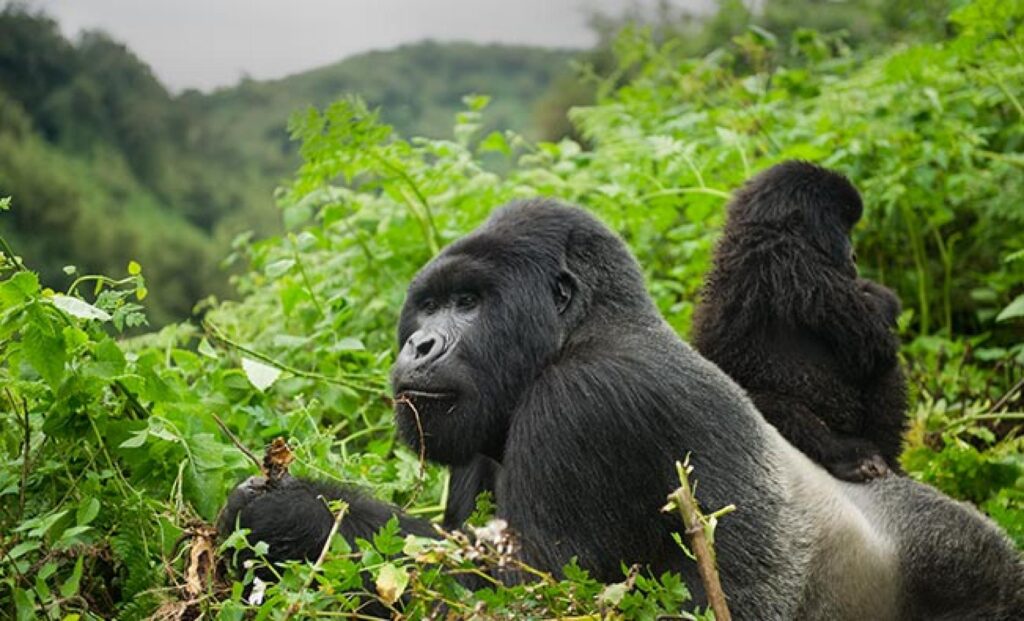
3-Day Bwindi Gorilla Trekking Safari
3-Day Bwindi Gorilla Trekking Safari
4-Day Uganda Gorilla Trekking Safari
4-Day Uganda Gorilla Trekking Safari
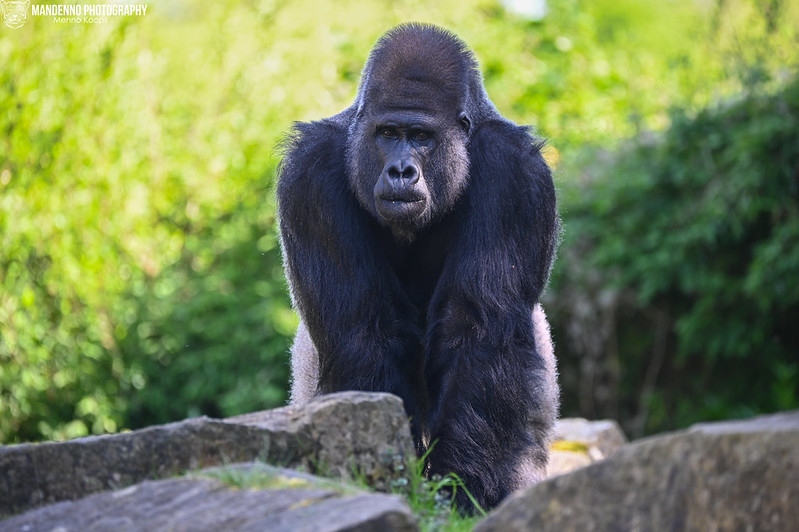
5-Day Gorilla Tracking and Wildlife Safari
5-Day Gorilla Tracking and Wildlife Safari
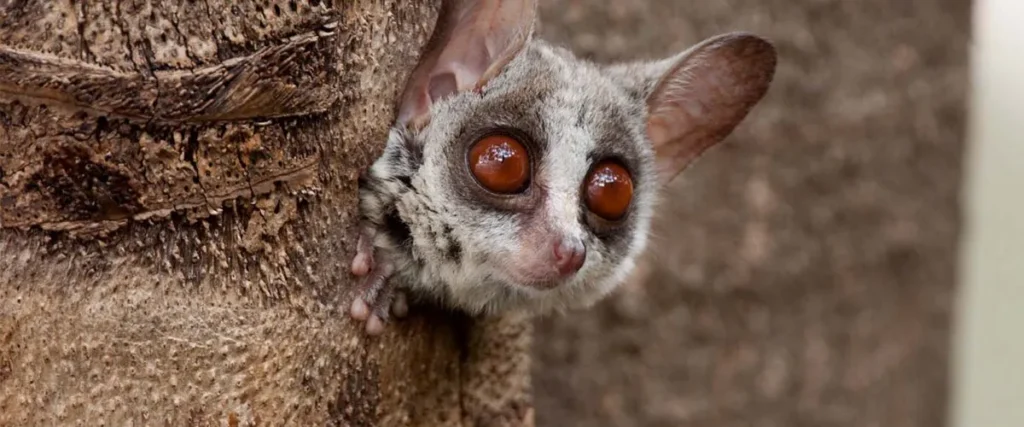
7-Day Uganda Primate Adventure & Wildlife Safari
7-Day Uganda Primate Adventure & Wildlife Safari
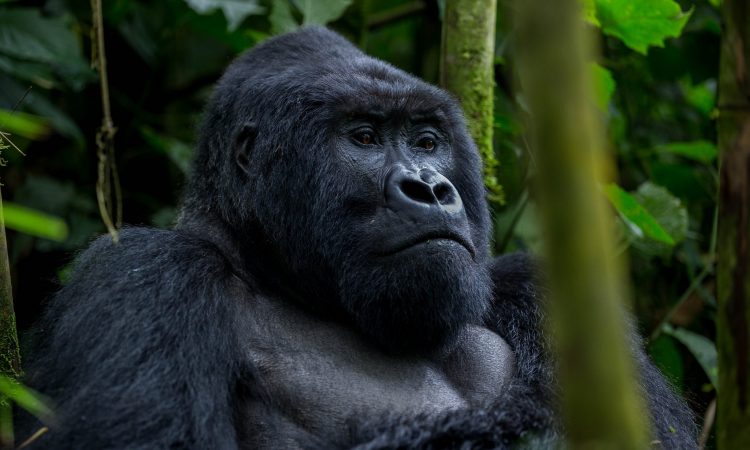
10-Day Gorilla Trekking & Big Five Safari in Uganda
10-Day Gorilla Trekking & Big Five Safari in Uganda
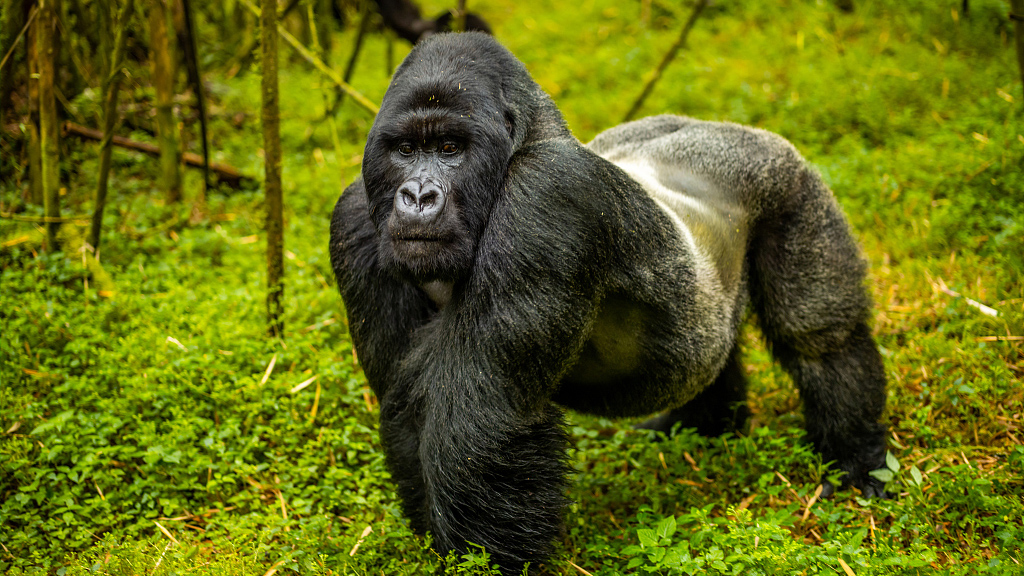
12-Day Uganda Gorilla Trekking, Chimp Tracking & Cultural Safari
12-Day Uganda Gorilla Trekking, Chimp Tracking & Cultural Safari
14-Day Best of Uganda Safari – Gorillas, Wildlife, Cultures
14-Day Best of Uganda Safari – Gorillas, Wildlife, Cultures
Africa Gorilla Trekking Guide: Expertly Crafted By Locals
Africa is the sole guardian of wild gorillas.
From the mist of Bwindi to the slopes of the Virungas, from Congo’s deep forest to Gabon’s coastal wilderness, gorillas survive because conservation and tourism intersect responsibly. Choosing where to trek depends on comfort level, budget, species preference, and logistical tolerance. But wherever you go, the core truth remains: Africa gorilla trekking is not a safari add-on.
It is one of the most profound wildlife experiences available anywhere in the world.
The Gorilla Species of Africa
Africa is home to two gorilla species: the eastern gorilla and the western gorilla. Within those species are subspecies that define where trekking is possible.
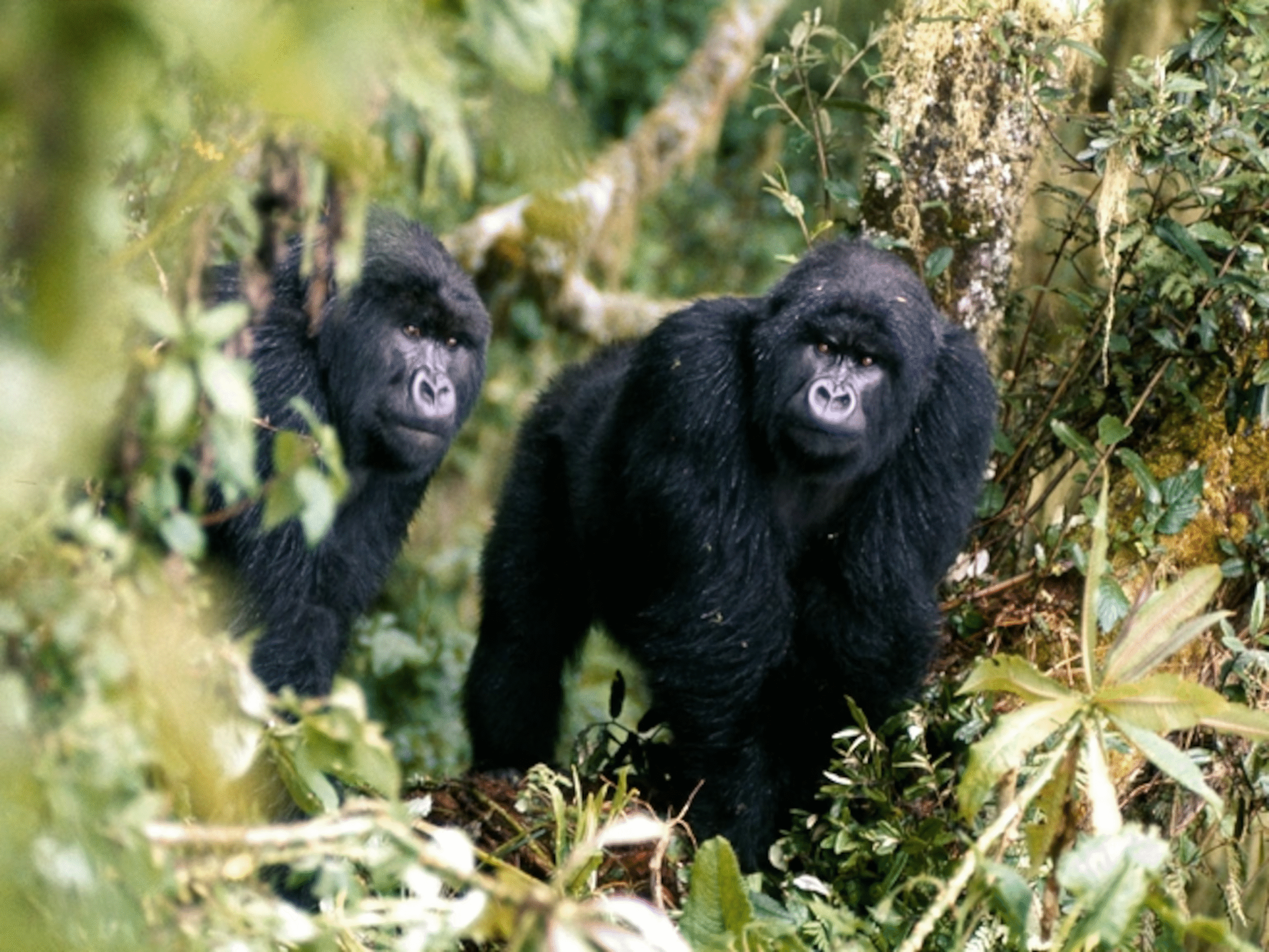
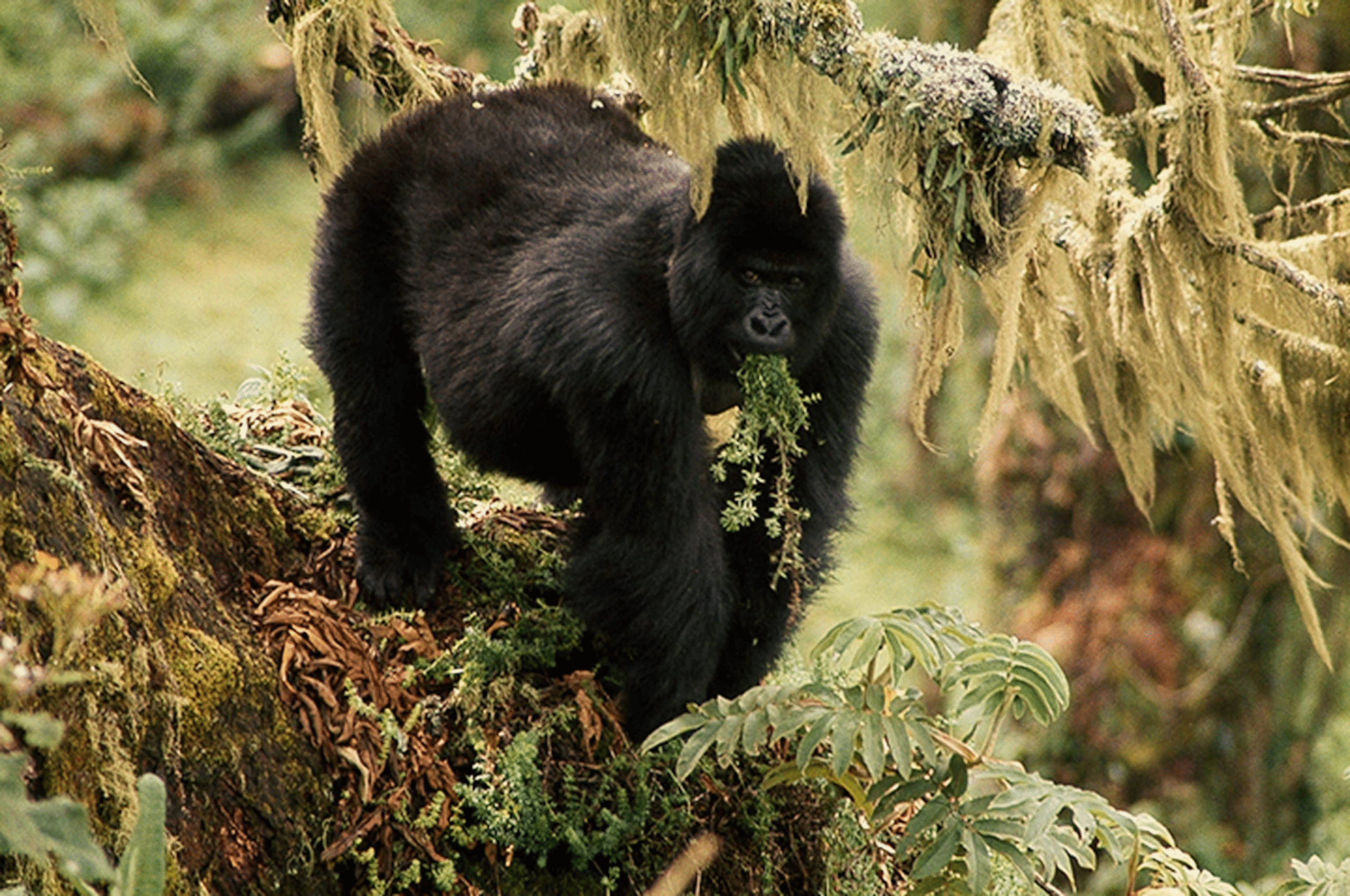
Mountain gorillas are a subspecies of eastern gorilla and are found only in Uganda, Rwanda, and the Democratic Republic of Congo. They are the most protected and most habituated population, making them the primary focus of international gorilla trekking tourism.
Eastern lowland gorillas, also called Grauer’s gorillas, live in eastern Congo. They are larger than mountain gorillas and inhabit lower-altitude rainforest.
Western lowland gorillas live mainly in Gabon and parts of Central Africa. They occupy dense tropical forests, often near coastal ecosystems.
Each subspecies presents a different trekking environment and conservation model.
Uganda: The Core of African Gorilla Trekking
Uganda protects nearly half of the world’s mountain gorillas. That fact alone positions it as the epicenter of Africa gorilla trekking.
Bwindi Impenetrable National Park is the primary trekking destination. It is an ancient rainforest ecosystem, dense and mountainous, divided into multiple trekking sectors. Each sector contains several habituated gorilla families, and only eight visitors are permitted per family per day.
Uganda offers depth. Beyond gorillas, it provides chimpanzee tracking in Kibale Forest, golden monkeys in Mgahinga, savannah wildlife in Queen Elizabeth National Park, and dramatic lake landscapes like Bunyonyi.
Permit pricing in Uganda remains competitively positioned within East Africa. That balance between conservation strength and value makes Uganda a comprehensive safari choice rather than a single-activity destination.
Rwanda: Premium Access and Efficiency
Rwanda’s gorilla trekking occurs in Volcanoes National Park, located roughly two and a half hours from Kigali International Airport. This proximity creates logistical simplicity unmatched in the region.
Rwanda positions itself as a premium safari destination. Permit pricing reflects this strategy, and the country focuses heavily on luxury integration and streamlined travel.
Volcanic terrain dominates the trekking environment, with bamboo forests and open slopes creating a slightly different aesthetic compared to Bwindi’s dense canopy.
Travelers choosing Rwanda often prioritize convenience, shorter itinerary windows, and high-end lodge infrastructure.
Democratic Republic of Congo: Frontier Gorilla Experiences
Congo offers two distinct gorilla trekking opportunities: mountain gorillas in Virunga National Park and eastern lowland gorillas in Kahuzi-Biéga National Park.
Virunga shares the mountain gorilla ecosystem with Rwanda and Uganda. Permit costs may be lower, but travelers must closely review current security advisories and infrastructure conditions before committing.
Kahuzi-Biéga offers eastern lowland gorilla trekking, which is biologically distinct from mountain gorillas. These gorillas inhabit lower-altitude rainforest and present a different ecological experience.
Congo appeals to adventurous travelers and conservation-focused explorers who understand the logistical considerations required.
Gabon: Western Lowland Gorilla Wilderness
Gabon presents a very different gorilla environment. Western lowland gorillas inhabit tropical rainforest ecosystems that often blend into coastal lagoons and forest elephant habitat.
Habituation programs in Gabon are fewer in number, and sightings can be less predictable compared to mountain gorilla trekking in East Africa. However, the exclusivity and remoteness attract pioneering eco-travelers.
Gabon’s tourism model often integrates gorilla encounters within high-end eco-lodge packages rather than standardized permit systems.
For those seeking raw wilderness and minimal tourism footprint, Gabon offers a rare alternative.
What Is Gorilla Trekking?
Gorilla trekking is a regulated wildlife activity that allows visitors to hike into protected rainforest in search of a habituated gorilla family living in its natural habitat. Unlike traditional safari game drives conducted in open savannah, gorilla trekking requires walking on foot through dense forest terrain accompanied by professional rangers and trackers. These trackers enter the forest early each morning to locate the gorilla families based on their previous night’s nesting sites and daily movement patterns.
Once the gorillas are found, visitors are permitted to spend a strictly regulated one hour observing them at a safe distance. This hour is not rushed, theatrical, or staged. It unfolds naturally as the gorillas feed, groom, rest, interact, and move through their territory. The experience is immersive and intimate because there are no vehicles or fences separating you from the animals — only structured conservation rules designed to protect them.
The term “trekking” is important. It reflects effort, physical participation, and entry into the gorillas’ world rather than waiting passively for wildlife to appear. It is not entertainment. It is controlled access into a living primate society.
Famous Gorilla Families in Africa
Across Uganda and Rwanda, certain habituated gorilla families have become well known due to their size, history, leadership stability, or unique behavior. In Uganda’s Bwindi Impenetrable National Park, families such as the Mubare group, Habinyanja group, and Rushegura group in the Buhoma sector are among the oldest habituated groups. Their long history with researchers has provided deep behavioral data and stable social structures.
In the Rushaga sector of Bwindi, families like Nshongi and Mishaya have drawn global interest due to their large group sizes and strong silverback leadership transitions. Nkuringo and Ruhija sectors also host families known for their dramatic forest terrain and scenic trekking environments.
In Rwanda’s Volcanoes National Park, the Susa family is one of the most historically significant groups, famously studied by Dian Fossey. Other families such as Amahoro and Kwitonda are recognized for their calm temperaments and accessible trekking routes.
These families are not attractions in the entertainment sense. They are complex, multi-generational social units led by dominant silverbacks who protect, discipline, and guide their members. Each family has its own personality and internal dynamics, making every trekking experience unique.
Why Seeing Wild Gorillas Feels Different Than Visiting a Zoo
Seeing a gorilla in a zoo offers observation. Seeing a gorilla in the wild offers presence.
In captivity, gorillas live within controlled enclosures designed to replicate elements of their natural environment. While modern zoos contribute to conservation education and research, they cannot replicate the depth, scale, and unpredictability of wild habitat. The forest in Uganda or Rwanda is not curated. It is alive, layered, humid, and dynamic. Sounds echo through valleys. Mist clings to tree canopies. The environment shapes the encounter as much as the animals themselves.
When you stand in a rainforest clearing and a silverback shifts his weight just meters away, the awareness is mutual. You are not separated by reinforced glass. You are not viewing from a constructed platform. You are standing inside the gorilla’s territory under ranger supervision, respecting distance but sharing space.
That difference creates emotional intensity. It feels raw, unscripted, and humbling. The gorillas are not performing. They are simply living. That authenticity cannot be replicated in controlled settings.
Wild encounters also carry conservation meaning. Your permit fee directly funds the protection of that specific habitat and that specific family. The experience becomes participation rather than observation.
Is Gorilla Trekking Safe?
Gorilla trekking in Uganda and Rwanda is one of the most professionally managed wildlife activities in Africa. Safety operates on multiple levels: wildlife behavior management, ranger supervision, disease prevention, and regional security.
Mountain gorillas are generally calm and non-aggressive when approached under structured conditions. Rangers are trained to read gorilla body language and manage group positioning. Visitors are briefed thoroughly before entering the forest and are required to follow strict behavioral guidelines. Sudden movements, loud noises, and physical contact are prohibited.
Armed rangers accompany every trekking group, not because gorillas are dangerous, but to provide overall wildlife protection and forest security. Gorilla trekking regions in Uganda and Rwanda operate under continuous monitoring systems and established tourism infrastructure.
Health safety is equally important. Because gorillas share a high percentage of human DNA, visitors showing flu-like symptoms may be restricted from trekking. Maintaining distance protects both humans and gorillas from disease transmission.
When conducted within official park guidelines, gorilla trekking is considered a safe and stable activity for international visitors.
The Best Gorilla Trips and Packages to Take All Year Round
Gorilla trekking can be structured as a short focused trip or integrated into longer safari itineraries. The best package depends on travel time, budget, and desired comfort level.
A classic four-day gorilla trekking package includes arrival, transfer to the trekking region, the trekking day itself, and return travel. This structure works well for travelers with limited time, especially when using fly-in options.
A seven to ten-day itinerary allows gorilla trekking to be combined with chimpanzee tracking, savannah wildlife viewing in Queen Elizabeth National Park, and scenic relaxation at Lake Bunyonyi. This balance reduces travel fatigue and enhances overall value.
Luxury fly-in gorilla safaris shorten road transfers and integrate high-end eco-lodges with private guides. These packages operate comfortably year-round and are ideal for senior travelers, honeymooners, and executive-level guests.
For conservation-focused travelers, extended primate itineraries combining gorilla trekking, chimpanzee tracking, and golden monkey tracking offer deep immersion into Africa’s primate ecosystems.
Gorilla trekking operates year-round. Dry seasons offer firmer trails, while rainy seasons provide lush forest scenery and fewer visitors. Well-designed packages adapt to seasonal conditions rather than avoiding them.
The best gorilla trip is not defined by length alone. It is defined by preparation, sector choice, recovery time, and realistic pacing.
Fly-In Gorilla Trekking Across Africa
Fly-in gorilla trekking transforms logistics and comfort. In Uganda and Rwanda, domestic charter flights connect major airports directly to airstrips near trekking sectors.
Flying reduces long road transfers, particularly in Uganda where overland travel from Entebbe to Bwindi can take several hours. Fly-in options allow travelers to reach trekking lodges quickly and comfortably.
For senior travelers, executives, or time-restricted visitors, fly-in safaris create efficiency without compromising experience depth.
In Rwanda, helicopter transfers are available for premium itineraries. In Uganda, light aircraft connect Entebbe to Kisoro or Kihihi airstrips.
Fly-in access elevates comfort while preserving the wilderness immersion of trekking.
Luxury Gorilla Trekking in Africa
Luxury gorilla trekking is most developed in Uganda and Rwanda. High-end forest lodges offer private villas, panoramic decks, fine dining, spa services, and personalized hospitality.
Luxury does not alter trekking rules. The forest remains wild. The hiking remains authentic. What changes is recovery comfort before and after the trek.
In Gabon, eco-luxury is paired with remoteness and conservation intimacy. In Congo, boutique infrastructure is developing gradually in select areas.
Luxury travelers increasingly choose Africa gorilla trekking not as an adventure compromise, but as a premium conservation journey.
Best Time for Gorilla Trekking in Africa
Gorilla trekking operates year-round in all four countries.
Dry seasons generally provide firmer trail conditions and easier hiking. Rainy seasons bring lush forest scenery and fewer international visitors.
Mountain gorillas are tracked daily, so sightings remain highly reliable across seasons.
Peak demand aligns with European and North American summer holidays and December festive travel. Early booking is crucial during these periods.
Last-Minute Gorilla Permits in Africa
Last-minute gorilla permits are possible, but availability depends heavily on country and season.
Uganda offers the highest number of habituated families, increasing the chance of finding short-notice permits, especially during low season months. Rwanda, due to fewer daily permits and premium positioning, has less last-minute flexibility.
Travelers seeking last-minute gorilla trekking should remain flexible on trekking sector and travel dates. Fly-in access may increase feasibility by reducing time constraints.
However, peak months rarely allow spontaneous planning. Advance booking remains the safest strategy for securing preferred dates.
Last-minute permits are opportunistic, not guaranteed.
Gorilla Trekking for Seniors and First-Time Visitors
Age is not a barrier to gorilla trekking. Fitness preparation matters more than chronological age.
Rangers assign groups based on ability levels when possible. Porters assist with stability and carrying equipment. Sedan-chair services can be arranged in Uganda and Rwanda for guests with limited mobility.
First-time travelers often worry about safety, terrain, and proximity to wildlife. Africa’s structured gorilla trekking systems are tightly regulated. Rangers monitor group behavior carefully, and strict distance rules protect both gorillas and visitors.
With preparation and realistic expectations, first-time visitors consistently describe the experience as life-changing rather than intimidating.
Conservation Impact and Community Integration
Africa gorilla trekking exists because of conservation success. Permit revenue funds ranger patrols, veterinary units, anti-poaching operations, and community development projects.
In Uganda and Rwanda, revenue-sharing programs support schools, clinics, and infrastructure in villages surrounding national parks.
Without tourism funding, habitat protection would weaken significantly.
Gorilla trekking is not simply wildlife viewing. It is a conservation mechanism.
Planning Your Africa Gorilla Safari
Planning begins with species selection. Mountain gorillas offer the most structured and predictable trekking. Eastern and western lowland gorillas offer frontier-style alternatives.
Secure permits first. Align flights next. Choose accommodation based on trekking sector. Consider fly-in access to reduce travel fatigue.
Allow buffer days before and after trekking for recovery from long-haul travel.
Combine gorilla trekking with savannah wildlife safaris, chimpanzee tracking, cultural visits, or scenic relaxation to maximize the value of your African journey.
The Emotional Reality of Africa Gorilla Trekking
Many travelers expect excitement. What they experience instead is stillness.
Standing quietly in rainforest while a silverback watches over his family creates a moment of humility rarely replicated elsewhere.
There is no stage. No performance. No artificial barrier.
Only a functioning gorilla society allowing your brief presence.
That is why Africa gorilla trekking remains one of the most powerful wildlife encounters on Earth.
More Bwindi Information to Know.
Bwindi Impenetrable Forest is a mountainous rainforest in southwestern Uganda, home to endangered mountain gorillas. Its unique climate, rich vegetation, community tourism, and conservation efforts make it a vital and unforgettable destination.
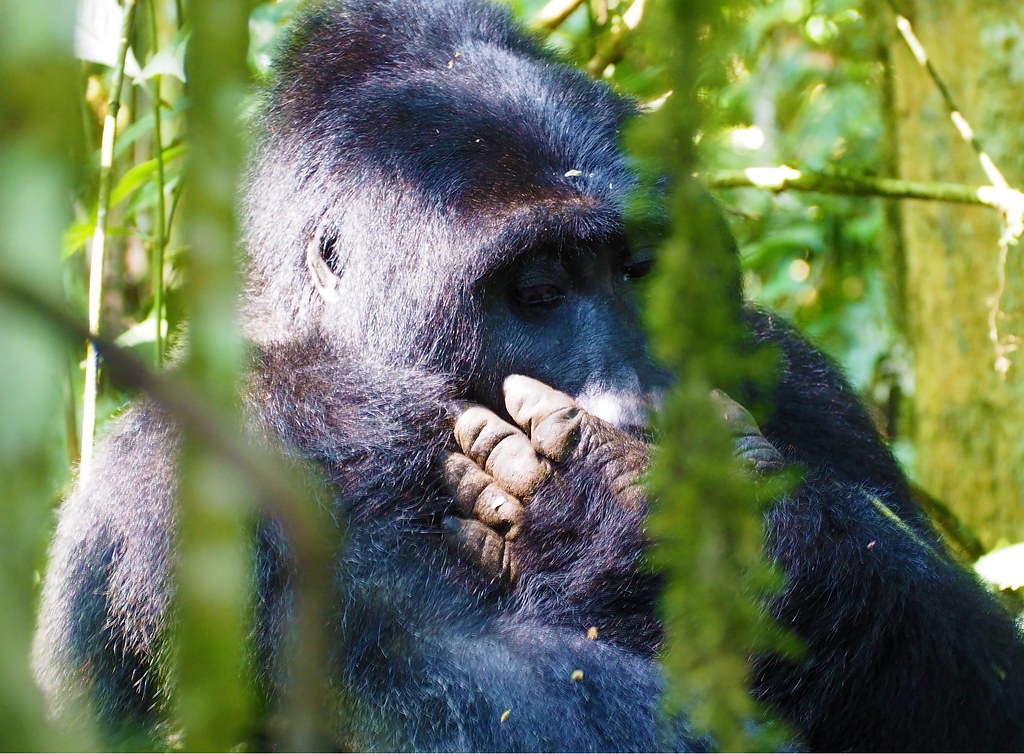
Bwindi History
Bwindi History
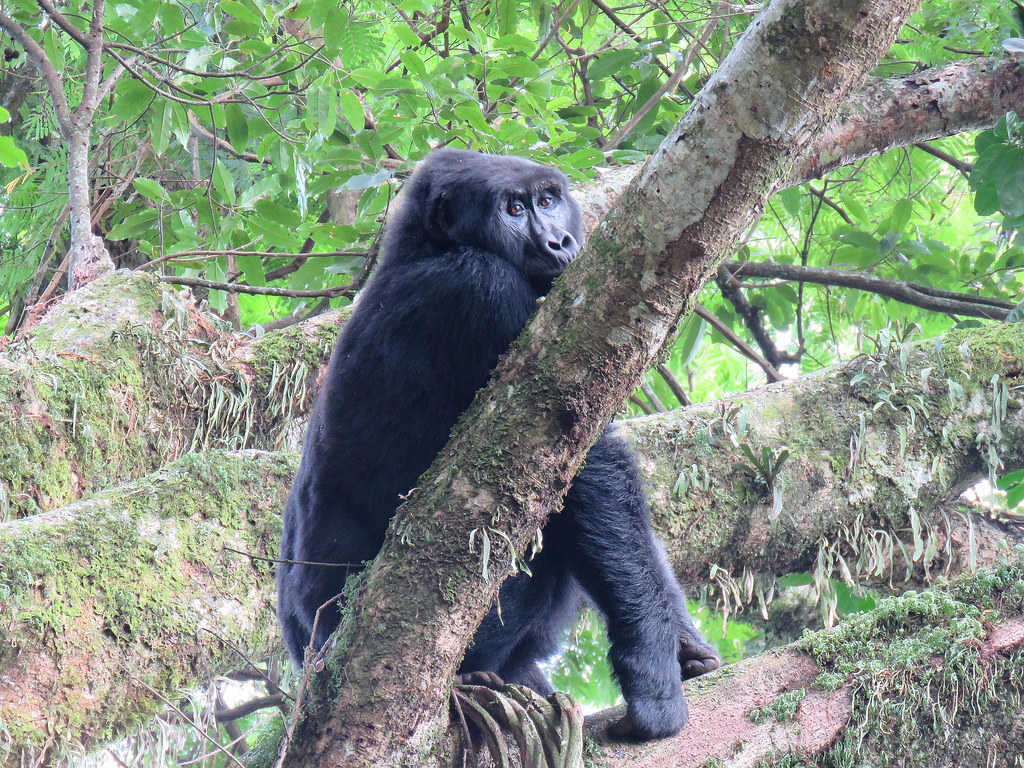
Bwindi Altitude
Bwindi Altitude
Bwindi Climate
Bwindi Climate
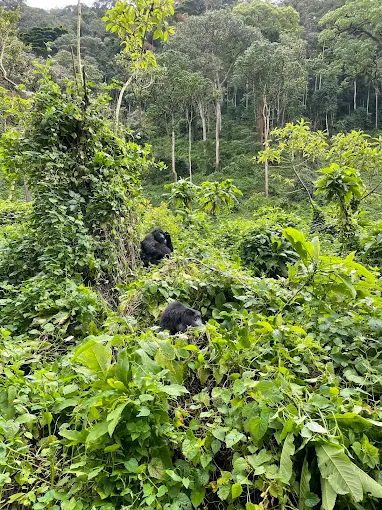
Bwindi Geography
Bwindi Geography
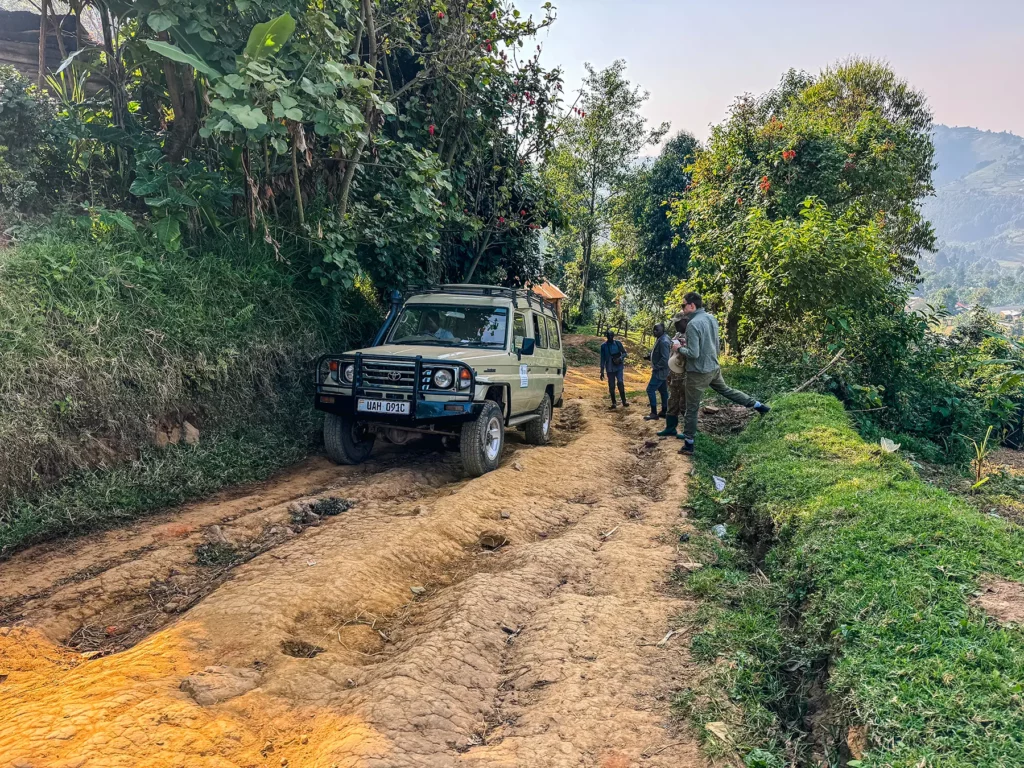
Getting There To Bwindi
Getting There To Bwindi
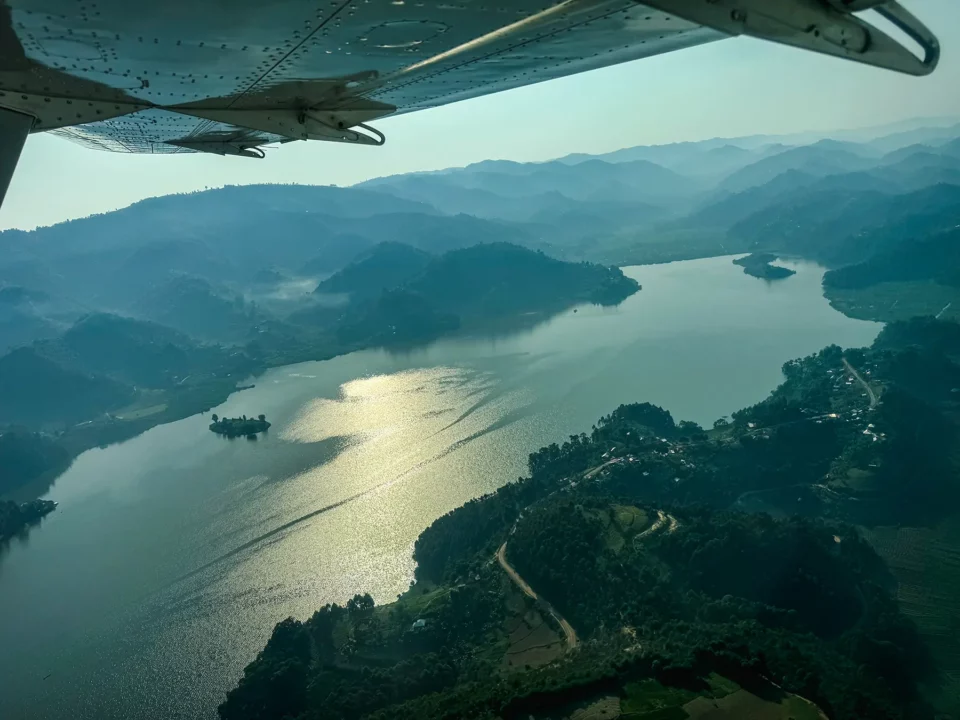
Bwindi Location
Bwindi Location
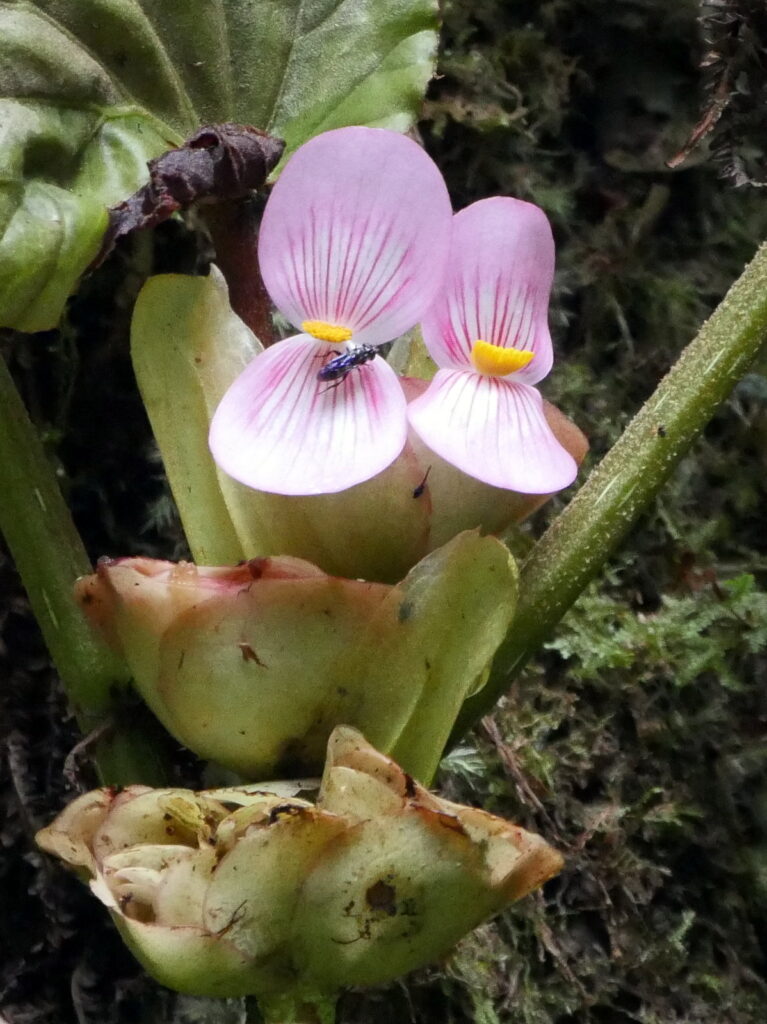
Bwindi Vegetation
Bwindi Vegetation
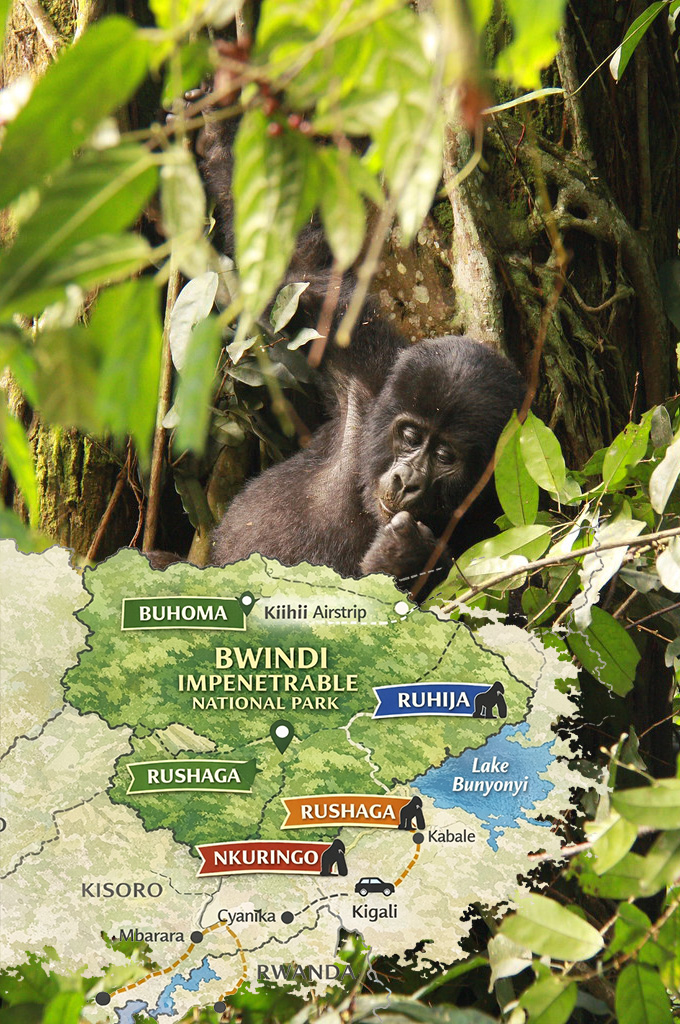
Bwindi Sectors
Bwindi Sectors
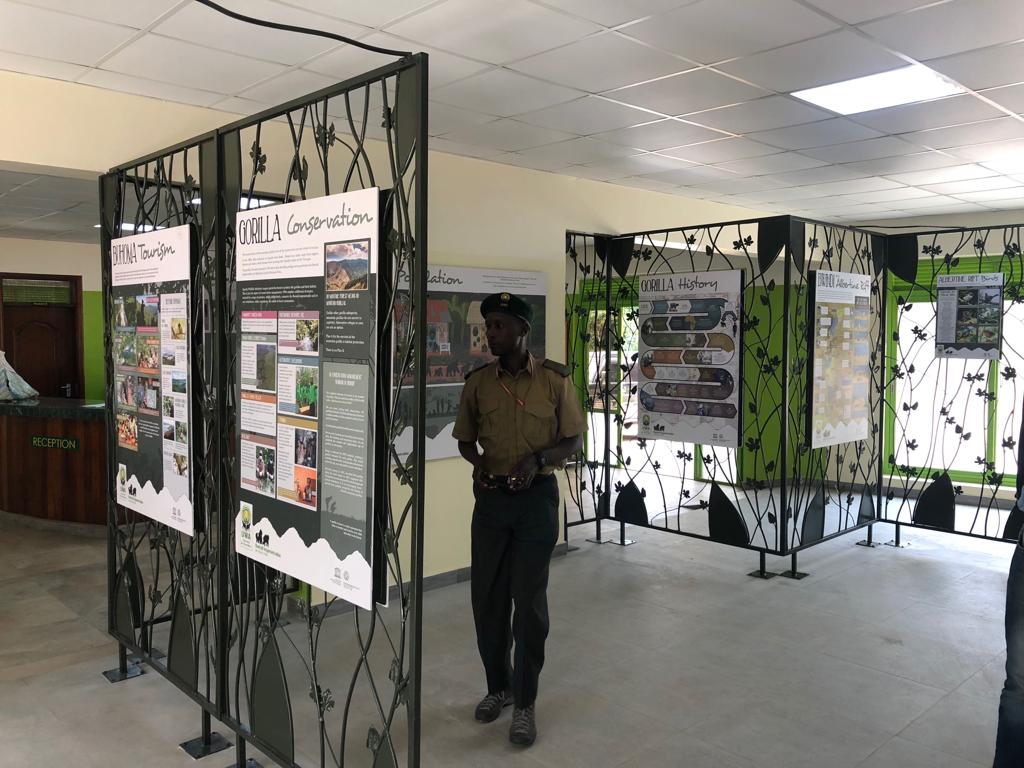
Bwindi Visitor Centres
Bwindi Visitor Centres
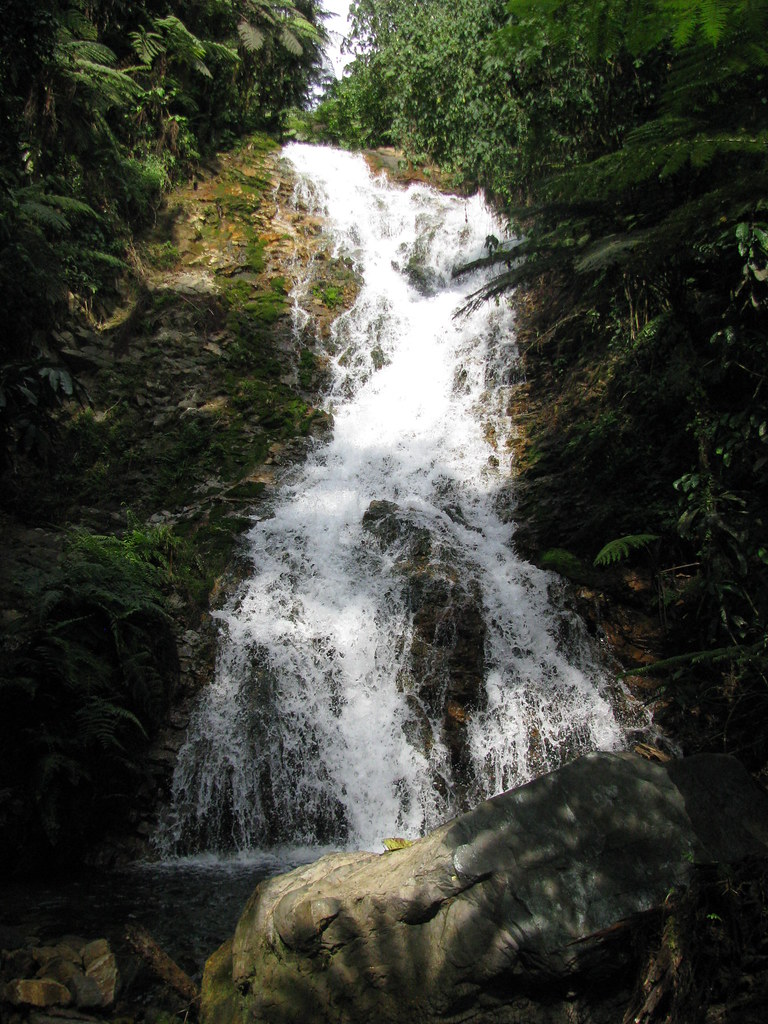
Bwindi Waterfalls
Bwindi Waterfalls
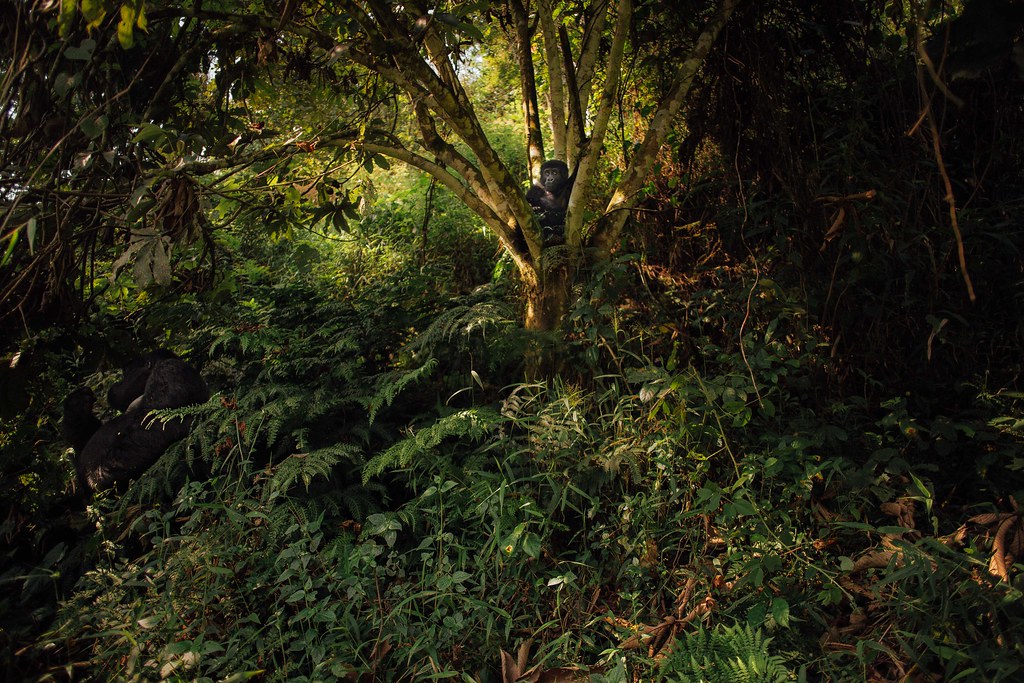
Bwindi Impenetrable Forest
Bwindi Impenetrable Forest
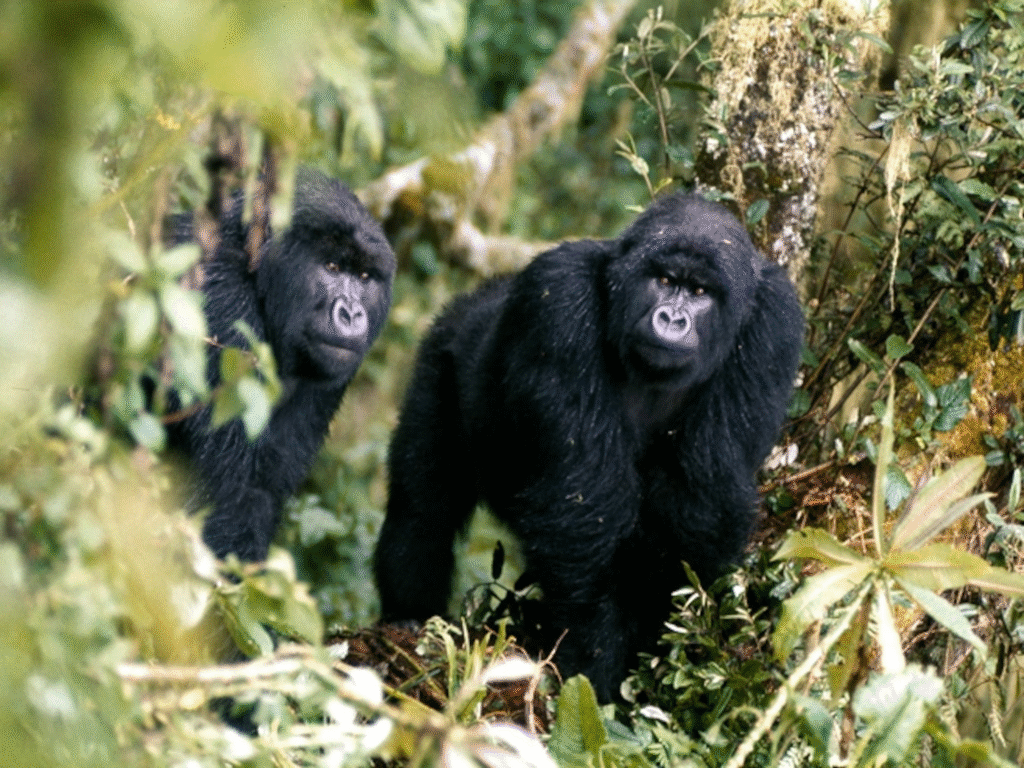
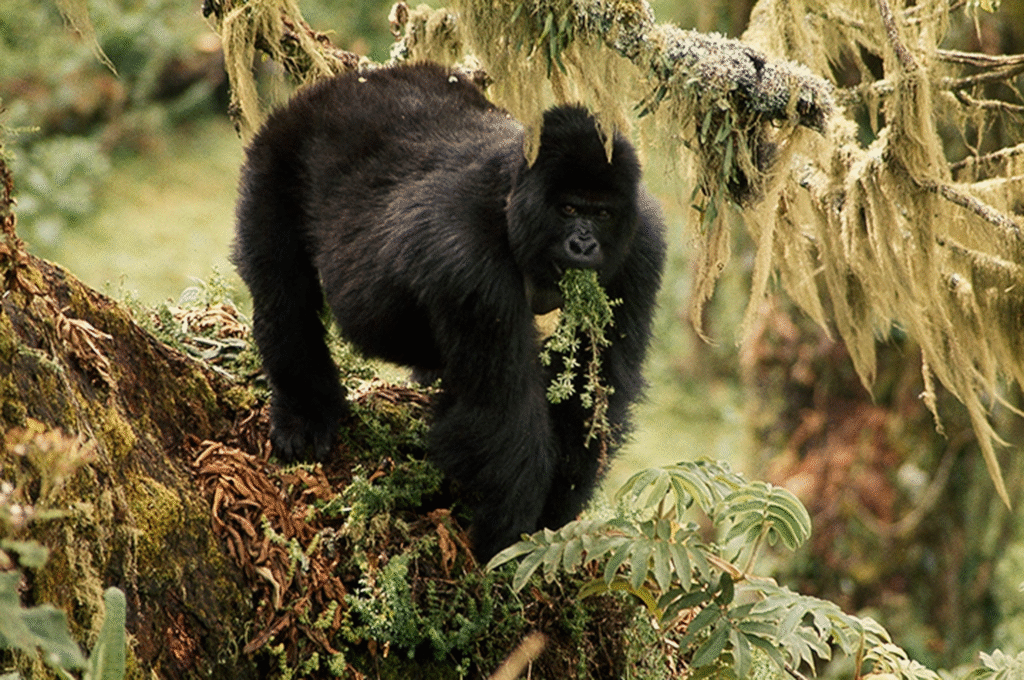
In the Realm of Giants – Bwindi & Mgahinga in Frames.
Wander through an elegant gallery capturing Uganda’s most exclusive gorilla sanctuaries, where ancient forests cradle the last mountain gorillas in a world of mist, mystery, and majesty.
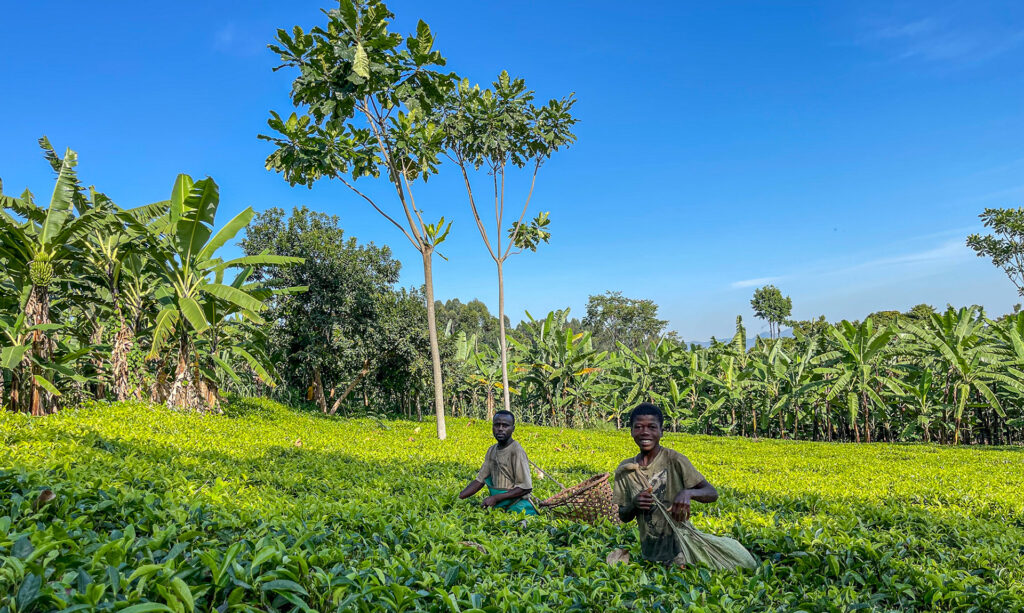

Essential Planning Tips for Visiting Uganda’s National Parks.
Get ready for the wild heart of Africa with expert travel tips on when to visit, what to pack, where to go, and how to make the most of your safari across Uganda’s breathtaking national parks.
Why Uganda for Gorilla Trekking?
Uganda is not just a destination — it's the very soul of gorilla trekking. With over half of the world’s remaining mountain gorillas calling its misty forests home, Uganda offers the rarest encounters in their most authentic setting. Here, your journey is not rushed or crowded. Instead, you’re guided by experienced rangers through pristine jungles where gorillas live as they always have — wild, free, and magnificent
From insider travel insights to unforgettable trekking guides, our blog is your trusted path into Uganda’s wild heart — connecting you with mountain gorillas, breathtaking landscapes, and the soul-stirring adventures that make this land unlike any other.