TALK TO AN EXPERT +256 716 068 279 WHATSAPP OPEN NOW.
Where the soul of the forest whispers in the mist

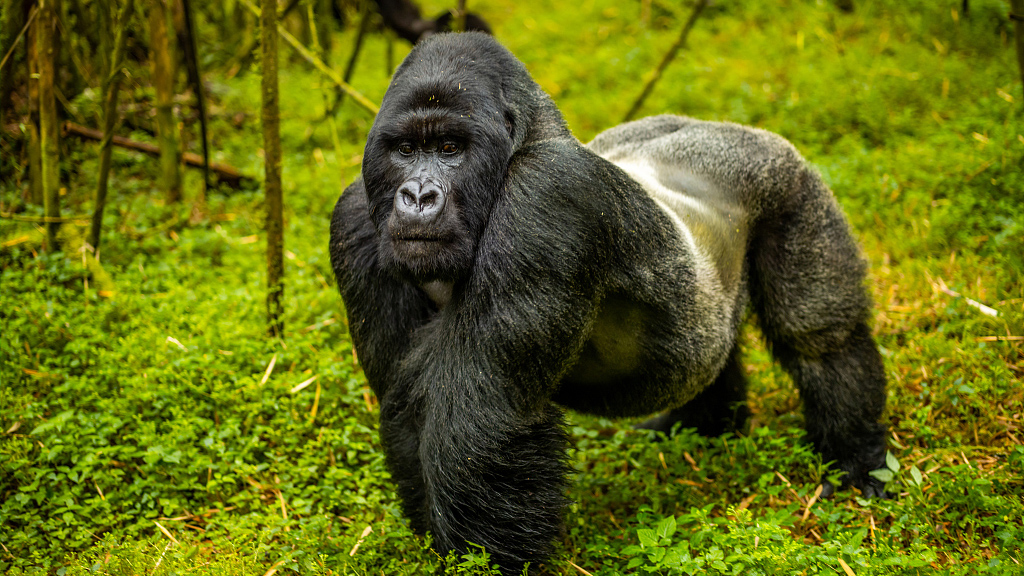
MISHAYA FAMILY – BWINDI IMPENETRABLE NATIONAL PARK

The Mishaya family is one of the indigenous local families whose history and livelihood are closely tied to the forest-edge communities surrounding Bwindi Impenetrable National Park. Like many long-established households in the Bwindi landscape, the Mishaya family’s identity has been shaped by generations of interaction with the forest, where cultural values, subsistence practices, and environmental knowledge developed in direct relationship with the surrounding ecosystem.

The family’s story reflects the broader transformation experienced by communities neighboring Bwindi following its designation as a national park. From a period of deep forest dependence to gradual adaptation under conservation regulations, the Mishaya family represents the human continuity that underpins Bwindi’s conservation success. Today, their lives illustrate how culture, agriculture, and conservation-oriented livelihoods coexist within one of Africa’s most important protected areas.

So lace up your boots, grab your camera, and prepare to meet the wild — this is where your gorilla trekking dreams and unforgettable safari adventures truly begin.

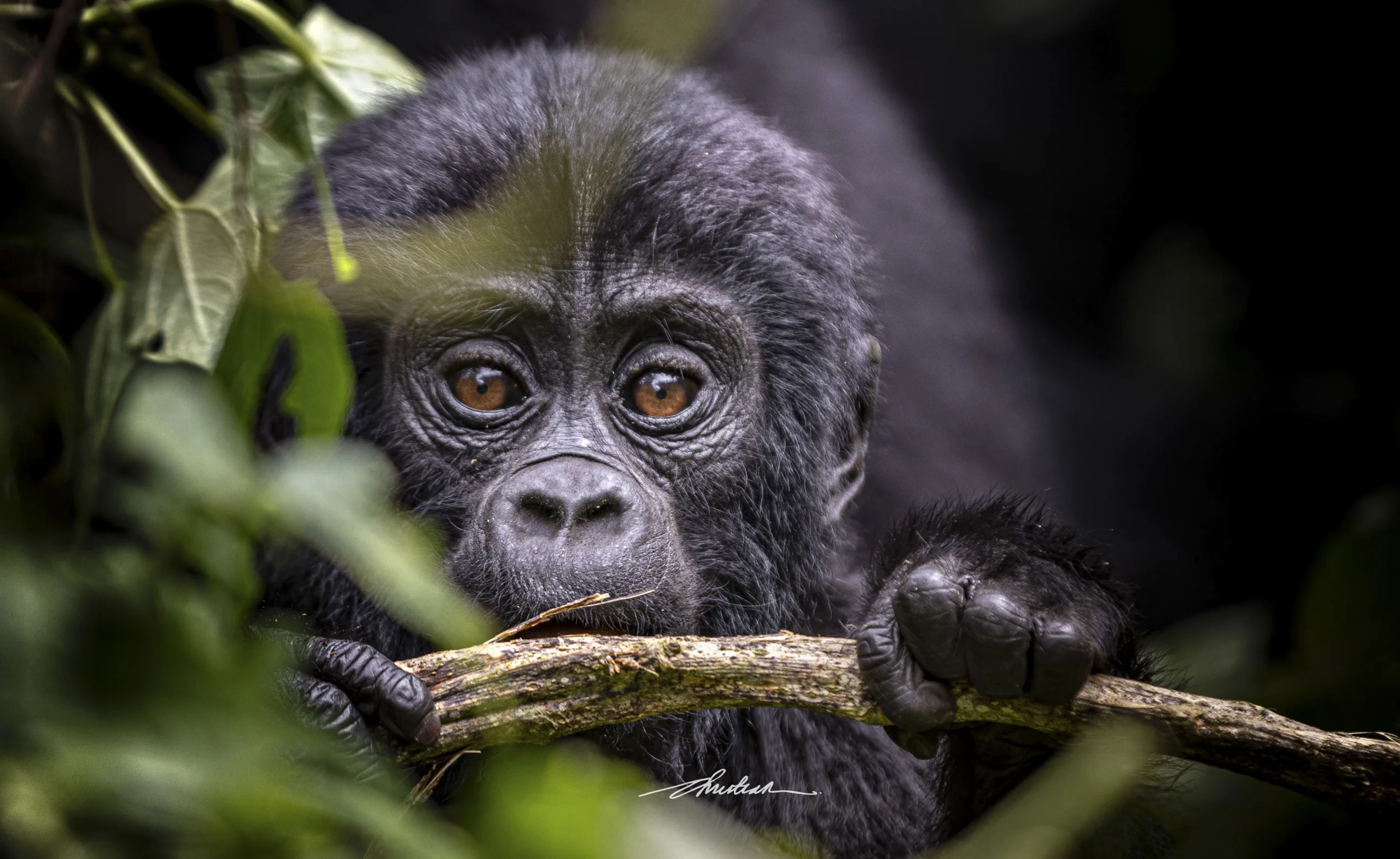
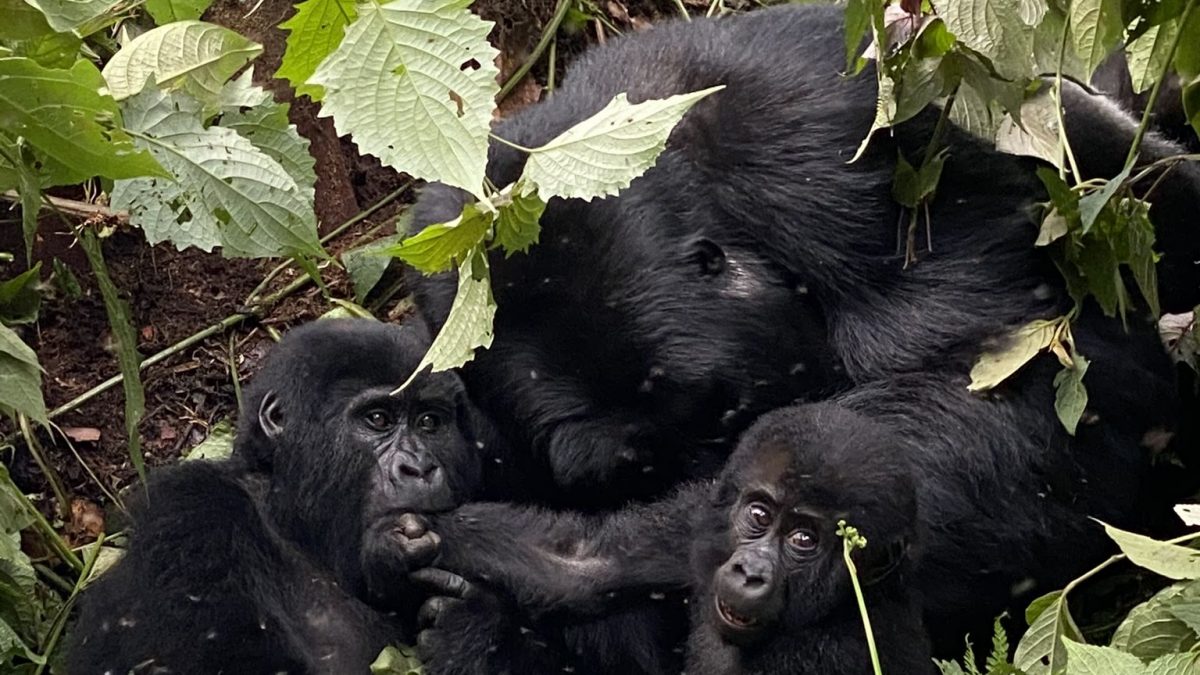
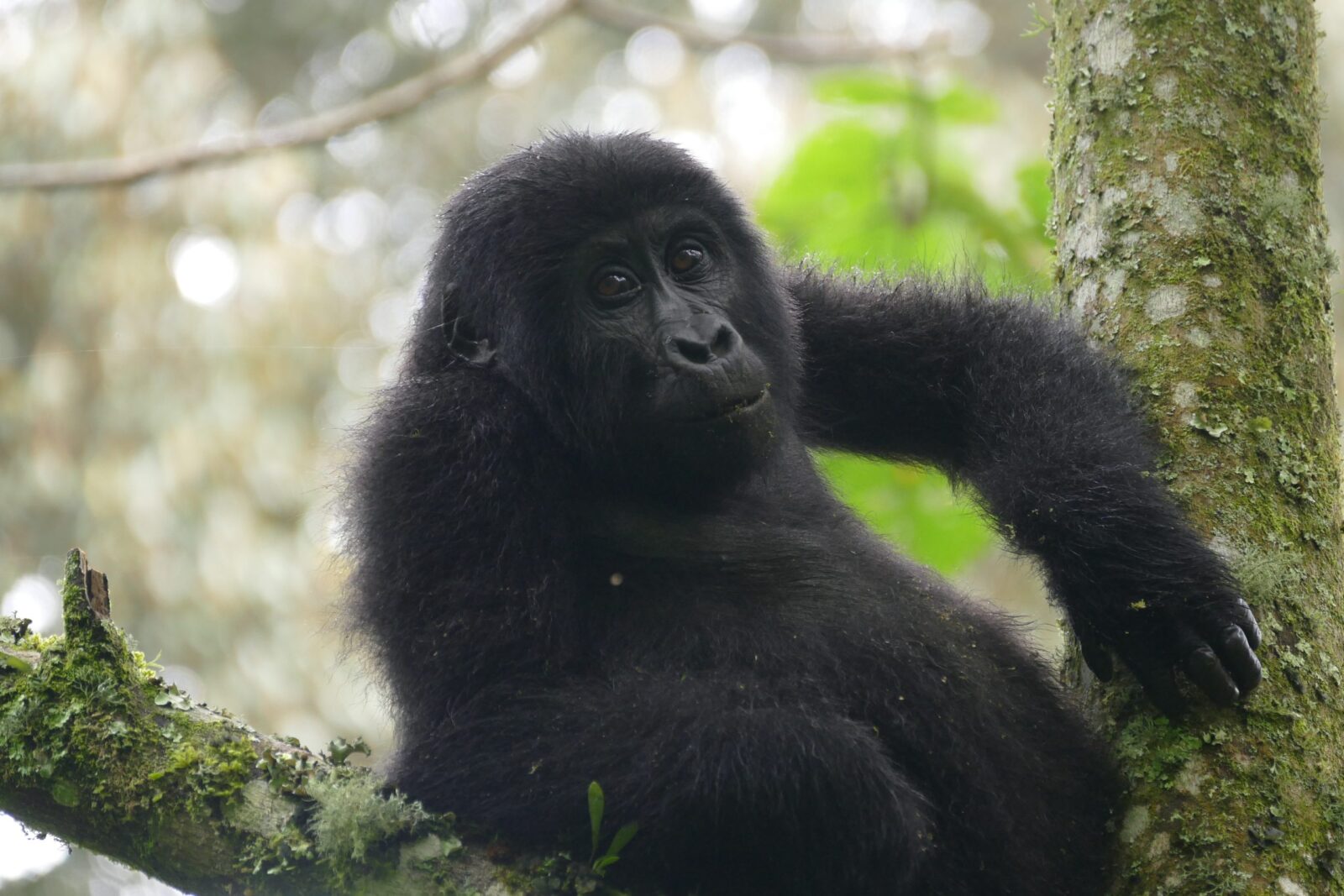
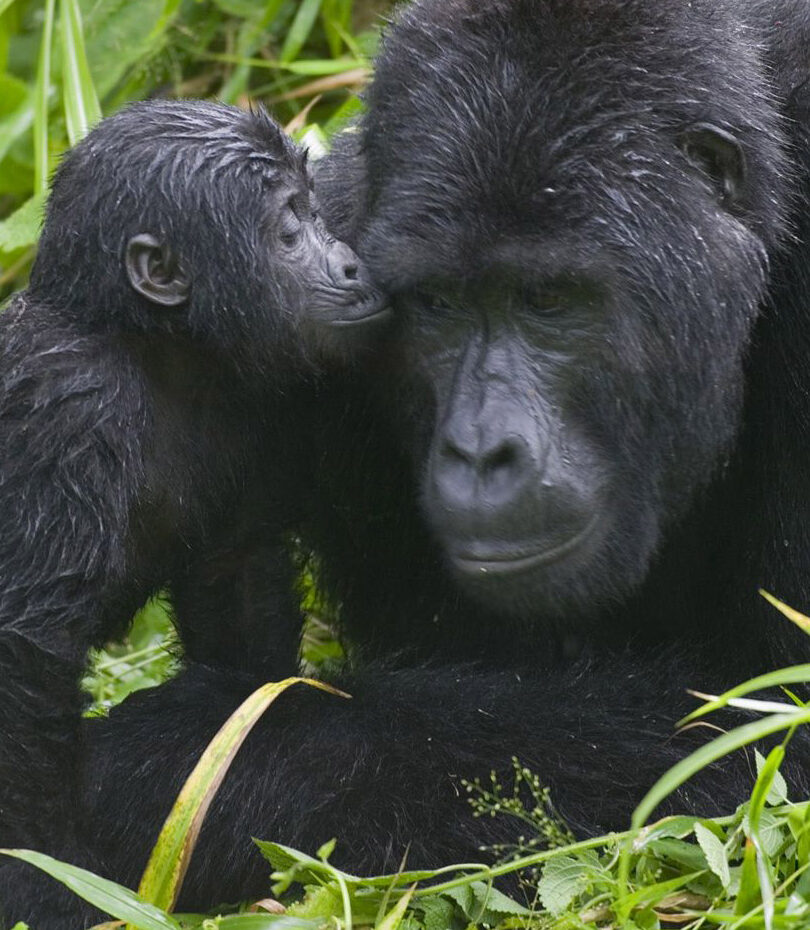
Mishaya Family (Now Disbanded) in Rushaga Sector
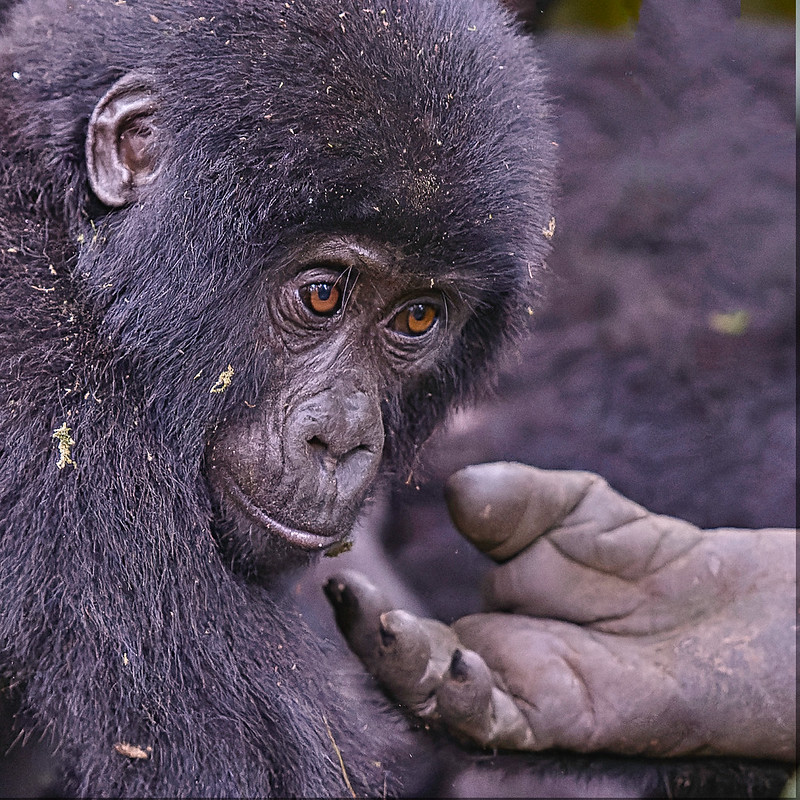
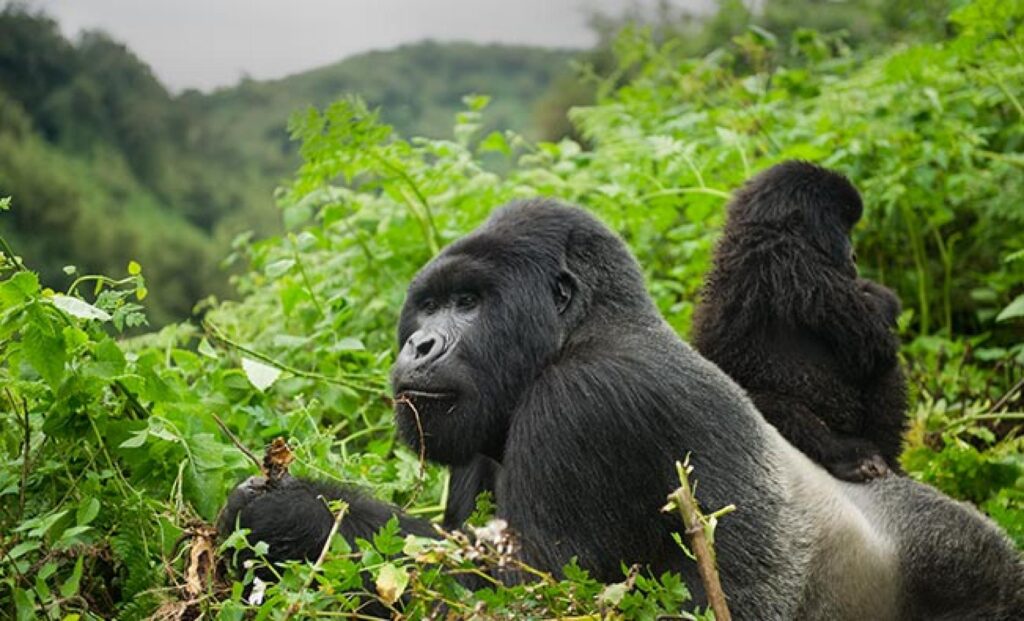
Trek through Bwindi’s mystical rainforest and meet the endangered mountain gorillas in their breathtaking natural home.
Mishaya Family (Now Disbanded) in Rushaga Sector
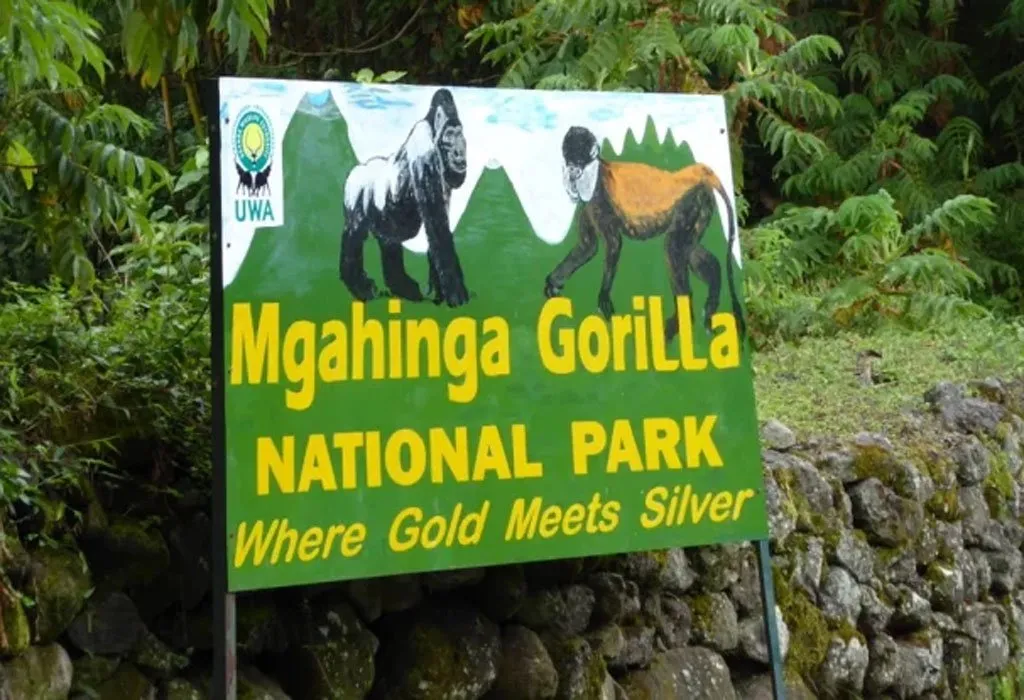
Encounter mountain gorillas and golden monkeys on Mgahinga’s misty volcanic trails, where culture and alpine wildlife thrive together.
Mishaya Family (Now Disbanded) in Rushaga Sector
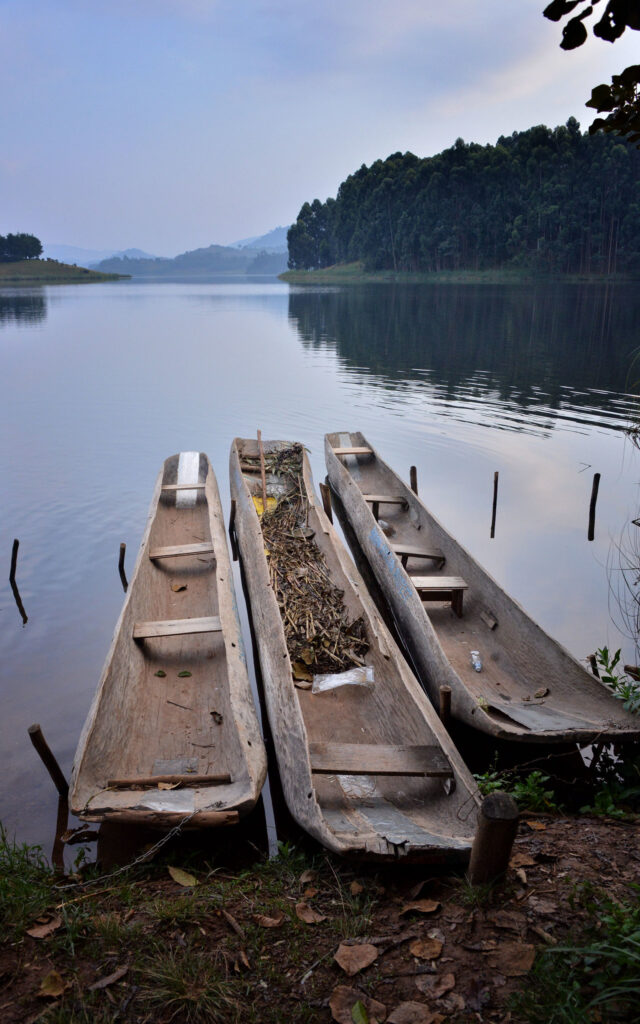
Unwind after your trek with a peaceful canoe ride across Lake Bunyonyi, Uganda’s most tranquil and scenic highland lake.
Mishaya Family (Now Disbanded) in Rushaga Sector
Enhance your gorilla trekking safari with an optional chimpanzee encounter in Uganda’s lush forests, adding depth and diversity to your primate adventure

Gorilla Trekking Tours in Uganda – Our Most Popular Itineraries.

Explore our gorilla trekking safaris for every traveler—solo, family, budget, or luxury. All tours include permits, transport, accommodation, meals, and park fees. Whether for a quick trip or a deeper adventure, we’ve got you covered.
Mishaya Family (Now Disbanded) in Rushaga Sector
3-Day Bwindi Gorilla Trekking Safari

3-Day Bwindi Gorilla Trekking Safari

4-Day Uganda Gorilla Trekking Safari

4-Day Uganda Gorilla Trekking Safari

Mishaya Family (Now Disbanded) in Rushaga Sector
5-Day Gorilla Tracking and Wildlife Safari

5-Day Gorilla Tracking and Wildlife Safari

Mishaya Family (Now Disbanded) in Rushaga Sector
7-Day Uganda Primate Adventure & Wildlife Safari

7-Day Uganda Primate Adventure & Wildlife Safari

Mishaya Family (Now Disbanded) in Rushaga Sector
10-Day Gorilla Trekking & Big Five Safari in Uganda

10-Day Gorilla Trekking & Big Five Safari in Uganda

Mishaya Family (Now Disbanded) in Rushaga Sector
12-Day Uganda Gorilla Trekking, Chimp Tracking & Cultural Safari

12-Day Uganda Gorilla Trekking, Chimp Tracking & Cultural Safari

14-Day Best of Uganda Safari – Gorillas, Wildlife, Cultures

14-Day Best of Uganda Safari – Gorillas, Wildlife, Cultures

A DETAILED STUDY OF THE MISHAYA FAMILY – BWINDI IMPENETRABLE NATIONAL PARK

Geographical setting and forest-edge environment

The Mishaya family homestead is located within a forest-edge community bordering Bwindi Impenetrable National Park, an area characterized by steep terrain, fertile volcanic soils, and dense montane rainforest. The landscape transitions sharply from cultivated hillsides into thick forest, creating a setting where human activity and wildlife presence are in constant proximity.This environment strongly influences daily life, from farming practices adapted to steep slopes to movement patterns shaped by footpaths linking villages, gardens, and trading centers. Living close to Bwindi requires a deep awareness of seasonal weather patterns, soil conservation needs, and the ecological rhythms of the forest, knowledge that has been refined within the Mishaya family over generations.

Historical relationship with the forest

Historically, the Mishaya family relied heavily on Bwindi forest resources for survival. The forest provided medicinal plants, wild foods, firewood, and materials for construction, while also serving as a cultural reference point embedded in storytelling, rituals, and identity. Elders passed down knowledge of forest trails, plant uses, and wildlife behavior, reinforcing a worldview that emphasized coexistence rather than domination of nature.The gazettement of Bwindi Impenetrable National Park brought an abrupt end to unrestricted forest access, requiring the Mishaya family to adjust long-standing practices. This period of transition was marked by both hardship and learning, as traditional livelihoods were reshaped to align with conservation objectives. The family’s experience mirrors that of many Bwindi-adjacent households adapting to new environmental governance.

Adaptation to conservation frameworks

Over time, the Mishaya family adapted to conservation-driven change by embracing alternative livelihoods and developing a more structured relationship with park authorities. Conservation education programs and community sensitization initiatives played an important role in reshaping attitudes toward wildlife protection and forest boundaries.Through gradual engagement, conservation shifted from being perceived as a loss of access to being understood as a shared responsibility with long-term benefits. This adaptation process strengthened the family’s commitment to sustainable land use and respect for protected areas, reinforcing a conservation ethic rooted in lived experience rather than external enforcement.

Cultural identity and family traditions

The Mishaya family belongs to the Bakiga cultural community, whose traditions emphasize resilience, collective effort, and respect for elders. Cultural identity is preserved through oral history, communal labor, and everyday practices that reinforce social cohesion. Stories of life before the park, early encounters with wildlife, and changing land use remain central to family memory.These traditions continue to guide social organization, marriage practices, and moral values. Cultural continuity within the Mishaya family provides a stabilizing framework that allows adaptation without loss of identity, demonstrating how culture remains relevant even as external circumstances evolve.

Agriculture and present-day livelihoods

Today, the Mishaya family’s primary livelihood is small-scale agriculture practiced on terraced hillsides near the forest boundary. Crops such as bananas, beans, maize, Irish potatoes, and vegetables form the foundation of household food security and income generation. Livestock keeping, including goats and poultry, supplements agricultural output and provides financial flexibility.Farming in close proximity to Bwindi requires careful land management to reduce soil erosion and minimize human–wildlife conflict. The family employs traditional and learned conservation practices that reflect an understanding of ecological balance, illustrating how agriculture and environmental stewardship can coexist in sensitive landscapes.

Community involvement and local cooperation

The Mishaya family participates actively in community structures that promote cooperation, conflict resolution, and shared development goals. Collective efforts in farming, resource management, and cultural events strengthen social bonds and enhance resilience against environmental and economic challenges.Community cooperation also plays a role in conservation compliance, as families collectively monitor boundaries and respond to wildlife-related challenges. This shared responsibility reduces tension and reinforces the idea that conservation success depends on mutual accountability among neighbors.

Education and generational change

Education has become an increasingly important priority within the Mishaya family, reflecting broader changes across Bwindi-adjacent communities. Parents encourage children to pursue formal schooling as a pathway to diversified livelihoods while maintaining respect for cultural heritage and environmental responsibility.Elders emphasize the importance of balancing modern education with traditional knowledge, ensuring that younger generations remain connected to their roots. This intergenerational dialogue supports adaptive capacity while preserving cultural continuity.

Visitor interaction and cultural significance

Although not all families engage directly in tourism, the Mishaya family contributes to the broader cultural context that shapes visitor experiences around Bwindi. Their daily lives, values, and conservation attitudes form part of the living landscape that visitors encounter beyond gorilla trekking.When visitors engage with local communities, they gain insight into how conservation policies affect real households. The Mishaya family’s experience adds depth to this understanding, highlighting the human dimension of wildlife protection.

Role within Bwindi’s community conservation narrative

The Mishaya family represents the many households whose quiet adaptation and cooperation sustain Bwindi Impenetrable National Park. Their role may not be highly visible, yet it is essential to the long-term stability of conservation efforts.By aligning livelihoods with environmental protection and maintaining cultural integrity, the family contributes to a conservation model grounded in local participation. Their story reinforces the principle that protected areas thrive when neighboring communities are recognized as partners rather than obstacles.

Resilience at the forest boundary

The Mishaya family embodies the resilience and adaptability of communities living alongside Bwindi Impenetrable National Park. Their journey from forest dependence to conservation-aligned livelihoods reflects a broader transformation shared across the region.Through agriculture, cultural continuity, and community cooperation, the Mishaya family continues to shape the human landscape surrounding Bwindi. Their experience reminds visitors and conservation practitioners alike that the strength of conservation lies not only in protected forests, but also in the people who live beside them.
More Gorilla Trekking Information to Know.

Gorilla trekking goes far beyond just the hike — it’s a deep, emotional journey into the heart of Africa’s last wild rainforests. Knowing the right timing, permits, fitness tips, and park details can turn your experience from good to unforgettable.
Mishaya Family (Now Disbanded) in Rushaga Sector
Gorilla Trekking in Bwindi Impenetrable Forest

Gorilla Trekking in Bwindi Impenetrable Forest

Mishaya Family (Now Disbanded) in Rushaga Sector
Trekking Gorillas in Mgahinga National Park

Trekking Gorillas in Mgahinga National Park

Mishaya Family (Now Disbanded) in Rushaga Sector
Uganda Gorilla Trekking Permits – Prices, Booking, & Travel Tips

Uganda Gorilla Trekking Permits – Prices, Booking, & Travel Tips

Gorilla Trekking Packing List for Uganda
What to Pack for Gorilla Trekking in Uganda – Expert Checklist

What to Pack for Gorilla Trekking in Uganda – Expert Checklist

Mishaya Family (Now Disbanded) in Rushaga Sector
Best Time to Go Gorilla Trekking in Uganda – Weather & Seasons

Best Time to Go Gorilla Trekking in Uganda – Weather & Seasons

Mishaya Family (Now Disbanded) in Rushaga Sector
Gorilla Trekking Difficulty in Uganda – Fitness & Trail Guide

Gorilla Trekking Difficulty in Uganda – Fitness & Trail Guide

Gorilla Trekking Rules in Uganda – Safety, Respect & Ethics

Gorilla Trekking Rules in Uganda – Safety, Respect & Ethics

Mishaya Family (Now Disbanded) in Rushaga Sector
Gorilla Conservation in Uganda – Protecting the Mountain Giants

Gorilla Conservation in Uganda – Protecting the Mountain Giants

Mishaya Family (Now Disbanded) in Rushaga Sector
Bwindi vs. Mgahinga – Which One to Choose For Gorilla Trekking?

Bwindi vs. Mgahinga – Which One to Choose For Gorilla Trekking?

Mishaya Family (Now Disbanded) in Rushaga Sector
How to Stay Safe and Healthy While Traveling in Uganda

How to Stay Safe and Healthy While Traveling in Uganda

Mishaya Family (Now Disbanded) in Rushaga Sector
Routes, Tips & Travel Wisdom for Getting to Bwindi or Mgahinga

Routes, Tips & Travel Wisdom for Getting to Bwindi or Mgahinga

Mishaya Family (Now Disbanded) in Rushaga Sector
Accommodation Options: Lodges & Camps in Bwindi and Mgahinga

Accommodation Options: Lodges & Camps in Bwindi and Mgahinga

Mishaya Family (Now Disbanded) in Rushaga Sector
Protecting What You Came to See: Gorilla Conservation & Ethics

Protecting What You Came to See: Gorilla Conservation & Ethics

Mishaya Family (Now Disbanded) in Rushaga Sector
Travel Insurance for Gorilla Treks: Before You Go

Travel Insurance for Gorilla Treks: Before You Go

Mishaya Family (Now Disbanded) in Rushaga Sector
First Time Gorilla Trekking? Here’s Everything I Wish I Knew

First Time Gorilla Trekking? Here’s Everything I Wish I Knew

Mishaya Family (Now Disbanded) in Rushaga Sector
Step by Step: What Happens During a Gorilla Trekking Day

Step by Step: What Happens During a Gorilla Trekking Day

Mishaya Family (Now Disbanded) in Rushaga Sector
Gorilla Trekking vs. Gorilla Tracking – What’s the Real Difference?

Gorilla Trekking vs. Gorilla Tracking – What’s the Real Difference?

Mishaya Family (Now Disbanded) in Rushaga Sector
Beyond Gorillas: Other Wildlife You Can See During Your Trek

Beyond Gorillas: Other Wildlife You Can See During Your Trek

Essential Planning Tips for Visiting Uganda’s National Parks.

Get ready for the wild heart of Africa with expert travel tips on when to visit, what to pack, where to go, and how to make the most of your safari across Uganda’s breathtaking national parks.

Why Uganda for Gorilla Trekking?

Uganda is not just a destination — it's the very soul of gorilla trekking. With over half of the world’s remaining mountain gorillas calling its misty forests home, Uganda offers the rarest encounters in their most authentic setting. Here, your journey is not rushed or crowded. Instead, you’re guided by experienced rangers through pristine jungles where gorillas live as they always have — wild, free, and magnificent

Gorilla Trekking: Fascinating Topics Every Traveller Should Know

Gorilla Families In Uganda

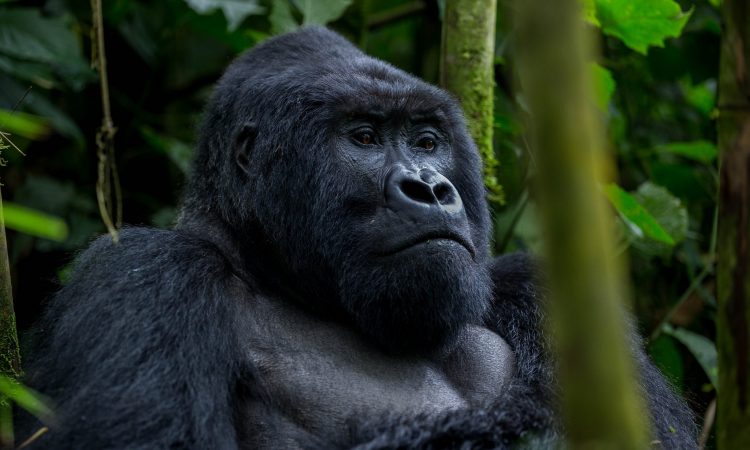
Silverback Gorillas