

Where the soul of the forest whispers in the mist
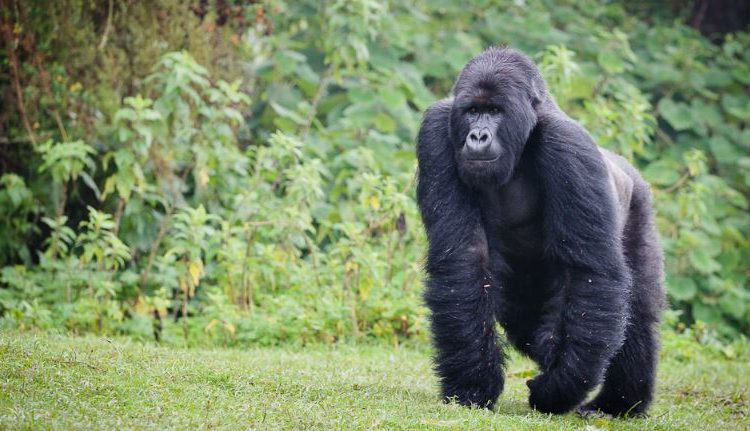
The Kyaguliro family is closely associated with the Ruhija sector of Bwindi Impenetrable National Park and is uniquely linked to one of the most scientifically significant gorilla groups in the park. Ruhija, located in the eastern section of Bwindi, is known for its rugged highland terrain, rich birdlife, and long-term conservation research initiatives. The Kyaguliro family’s identity is intertwined with the Kyaguliro gorilla group, a research-based group that has played a critical role in advancing global understanding of mountain gorilla behavior, health, and social dynamics.
Unlike fully tourist-habituated gorilla families, the Kyaguliro group has primarily been managed for research and conservation monitoring rather than mass visitation. The human communities surrounding Ruhija, including families historically linked to the Kyaguliro area, have therefore experienced conservation through a more scientific and long-term lens. The Kyaguliro family’s story reflects how research, conservation, and community coexistence have shaped livelihoods, knowledge systems, and attitudes toward wildlife protection in eastern Bwindi.
So lace up your boots, grab your camera, and prepare to meet the wild — this is where your gorilla trekking dreams and unforgettable safari adventures truly begin.
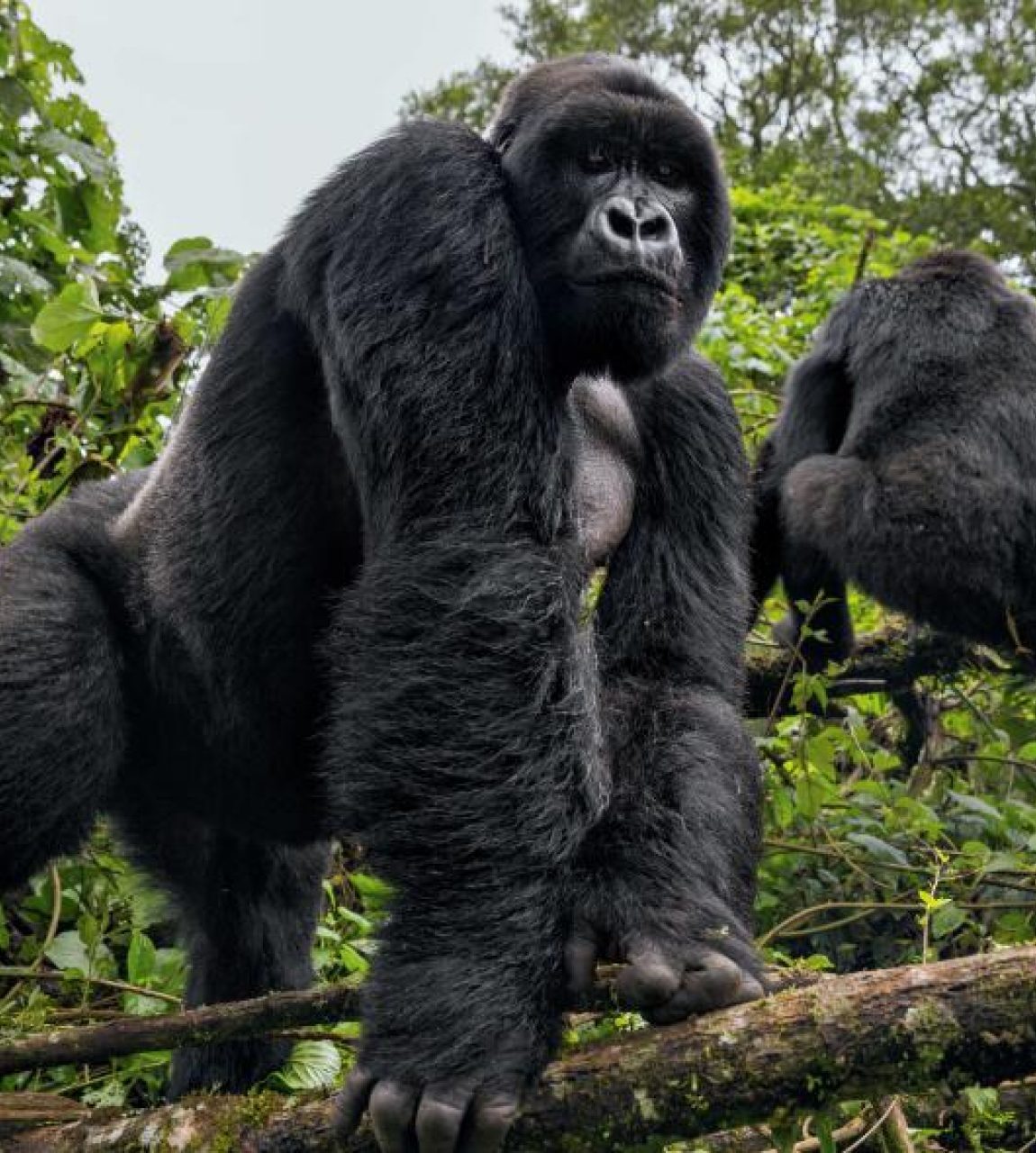
Truly Iconic Highlights in Uganda

Trek through Bwindi’s mystical rainforest and meet the endangered mountain gorillas in their breathtaking natural home.
Encounter mountain gorillas and golden monkeys on Mgahinga’s misty volcanic trails, where culture and alpine wildlife thrive together.
Unwind after your trek with a peaceful canoe ride across Lake Bunyonyi, Uganda’s most tranquil and scenic highland lake.
Enhance your gorilla trekking safari with an optional chimpanzee encounter in Uganda’s lush forests, adding depth and diversity to your primate adventure
Gorilla Trekking Tours in Uganda – Our Most Popular Itineraries.
Explore our gorilla trekking safaris for every traveler—solo, family, budget, or luxury. All tours include permits, transport, accommodation, meals, and park fees. Whether for a quick trip or a deeper adventure, we’ve got you covered.
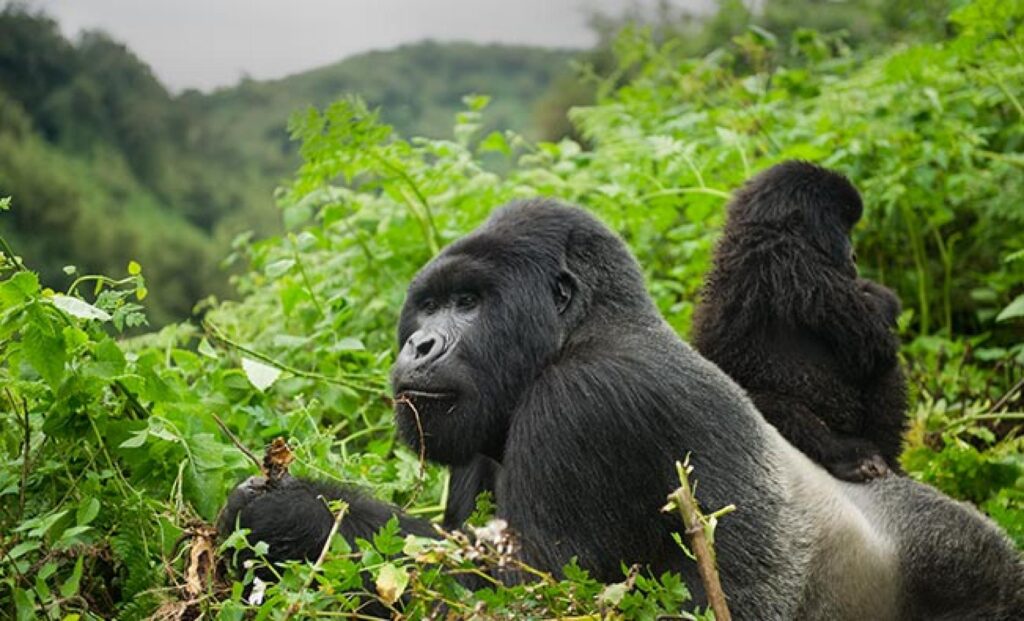
3-Day Bwindi Gorilla Trekking Safari
3-Day Bwindi Gorilla Trekking Safari
4-Day Uganda Gorilla Trekking Safari
4-Day Uganda Gorilla Trekking Safari
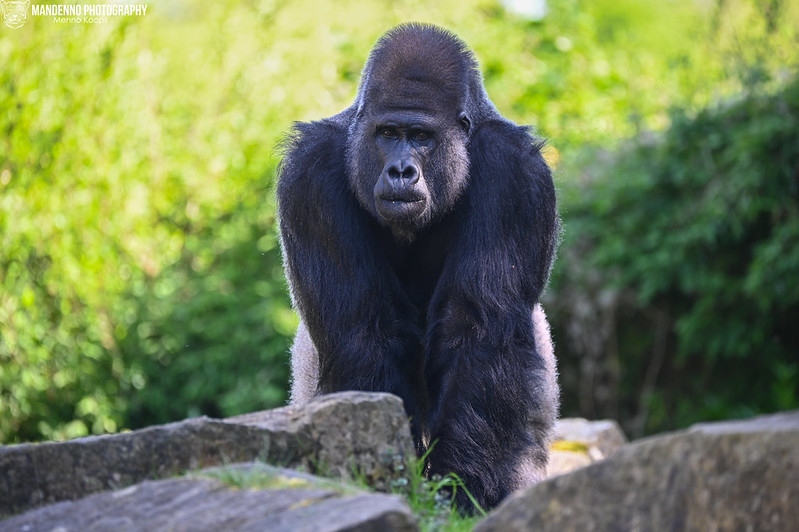
5-Day Gorilla Tracking and Wildlife Safari
5-Day Gorilla Tracking and Wildlife Safari
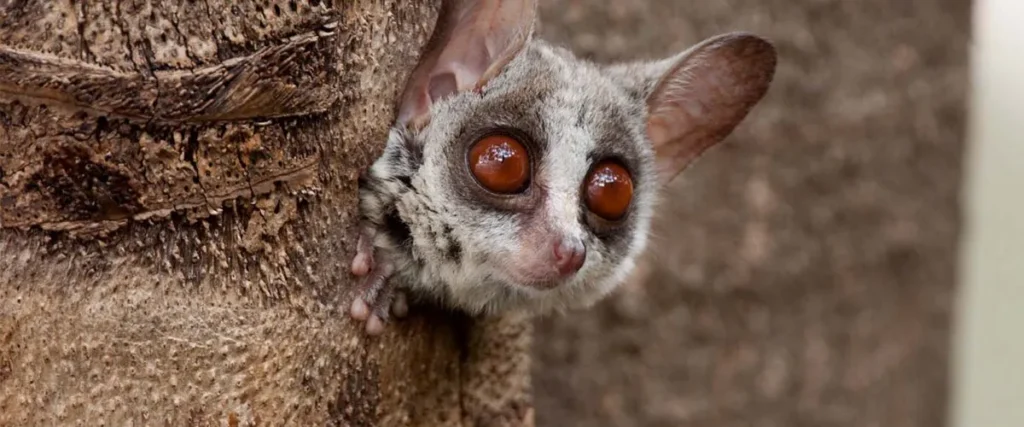
7-Day Uganda Primate Adventure & Wildlife Safari
7-Day Uganda Primate Adventure & Wildlife Safari
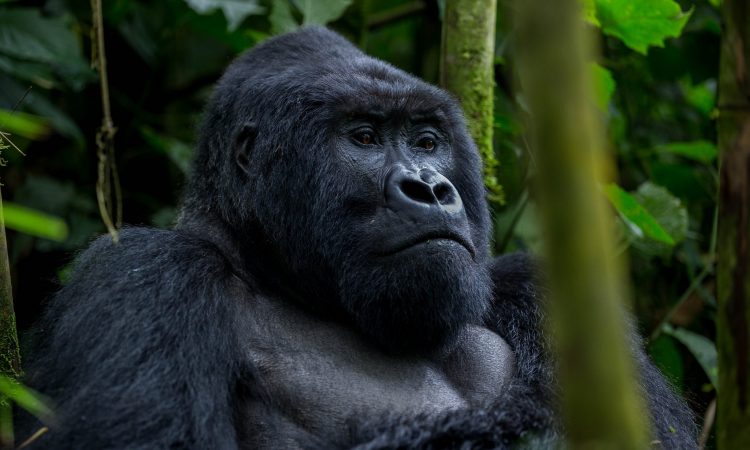
10-Day Gorilla Trekking & Big Five Safari in Uganda
10-Day Gorilla Trekking & Big Five Safari in Uganda
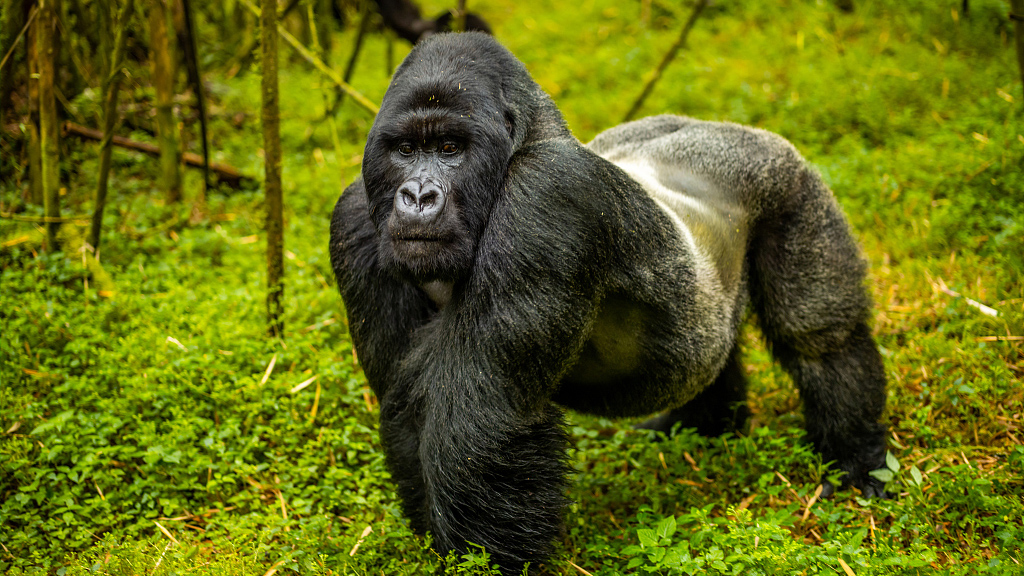
12-Day Uganda Gorilla Trekking, Chimp Tracking & Cultural Safari
12-Day Uganda Gorilla Trekking, Chimp Tracking & Cultural Safari
14-Day Best of Uganda Safari – Gorillas, Wildlife, Cultures
14-Day Best of Uganda Safari – Gorillas, Wildlife, Cultures
A DETAILED STUDY OF THE KYAGULIRO FAMILY (RESEARCH-BASED GROUP) – RUHIJA SECTOR
Geographical location and environmental setting
The Kyaguliro family is based in the Ruhija sector, situated along the eastern boundary of Bwindi Impenetrable National Park at some of the highest elevations within the park. Ruhija’s landscape is defined by steep ridges, deep valleys, and dense montane forest interspersed with bamboo zones. The higher altitude results in cooler temperatures, frequent rainfall, and persistent mist, conditions that strongly influence both human settlement patterns and gorilla ecology.This environment has shaped the daily lives of families living near the forest edge. Farming is practiced on narrow, terraced plots carved into hillsides, while footpaths wind through valleys connecting homesteads, trading centers, and park access points. The remoteness of Ruhija has preserved a quieter, research-oriented conservation atmosphere compared to more heavily visited sectors, allowing families like the Kyaguliro to engage with conservation in a more measured and long-term way.
Historical background and forest dependence
Historically, families living in the Ruhija area, including those associated with the Kyaguliro locality, depended heavily on the forest for subsistence. Bwindi provided medicinal plants, wild foods, construction materials, and cultural reference points that were deeply embedded in daily life. Forest knowledge was passed down through generations, with elders teaching children about seasonal cycles, wildlife behavior, and respectful coexistence with the forest.The gazettement of Bwindi as a national park marked a profound shift in these traditional relationships. Restrictions on forest access required families to redefine livelihoods and cultural practices. For the Kyaguliro family, this transition coincided with the emergence of research-driven conservation, which introduced new forms of engagement with the forest that emphasized observation, protection, and scientific understanding rather than extraction.
The Kyaguliro gorilla group and research significance
The Kyaguliro gorilla group holds a special place within Bwindi’s conservation history as a long-term research group. Habituated primarily for scientific study, the group has been monitored by researchers for decades, contributing invaluable data on gorilla social structures, reproduction, disease dynamics, and responses to environmental change.For local families in Ruhija, the presence of a research-based gorilla group fostered early exposure to conservation science. Community members observed researchers working alongside park authorities, reinforcing the idea that gorilla protection was not only a tourism activity but a global scientific priority. This association elevated local awareness of conservation beyond immediate economic benefits, embedding a sense of responsibility and pride in supporting research that informs international conservation policy.
Community interaction with research and conservation
Members of the Kyaguliro family and surrounding communities have interacted with research initiatives through support roles, conservation education programs, and long-term exposure to scientific fieldwork. While direct employment opportunities were more limited compared to tourism-focused sectors, the continuity of research presence created stable relationships between communities, park management, and conservation organizations.These interactions contributed to a deeper understanding of gorilla behavior and conservation challenges among local residents. Families became familiar with concepts such as disease transmission, habitat protection, and long-term population monitoring. This knowledge strengthened community support for conservation regulations, particularly in an area where tourism visibility was historically lower.
Cultural identity and social organization
The Kyaguliro family is part of the Bakiga cultural group, whose social organization emphasizes resilience, cooperation, and respect for elders. Cultural identity in Ruhija has been shaped by both isolation and environmental hardship, resulting in strong communal bonds and shared labor systems.Oral history remains central to preserving family narratives, including stories of life before park establishment and early encounters with conservation efforts. These stories provide context for younger generations, helping them understand how cultural identity has evolved alongside changing relationships with the forest and wildlife. Cultural continuity, rather than spectacle, defines community engagement in Ruhija.
Agriculture and contemporary livelihoods
Today, the Kyaguliro family relies primarily on subsistence and small-scale commercial agriculture. Crops such as Irish potatoes, beans, peas, maize, and bananas are cultivated on terraced slopes designed to reduce erosion in the high-rainfall environment. Livestock keeping, including cattle, goats, and poultry, supplements household income and food security.Living near a research-focused gorilla group requires heightened awareness of conservation boundaries. Farming practices are adapted to minimize encroachment and reduce the risk of human–wildlife conflict. These adaptations demonstrate how conservation science indirectly influences land-use decisions and environmental stewardship at the household level.
Education, research exposure, and youth aspirations
The long-term presence of researchers in Ruhija has influenced attitudes toward education within the Kyaguliro family. Exposure to scientific work has increased appreciation for formal education, particularly in fields related to conservation, health, and environmental management.Parents encourage children to pursue schooling while maintaining respect for cultural values and traditional knowledge. This dual emphasis reflects an understanding that future opportunities may lie at the intersection of education and conservation, especially in a sector where research continues to shape conservation priorities.
Visitor experience and controlled access
Although the Kyaguliro gorilla group has traditionally been reserved for research, limited controlled visitation has, at times, been introduced to support conservation funding. When visitors engage with Ruhija, their experience is quieter and more reflective, shaped by the sector’s research heritage and lower tourism density.Interactions with local families provide context for understanding why certain gorilla groups are protected primarily for science. Visitors gain insight into the importance of long-term research and the role communities play in safeguarding conditions that allow such research to continue.
Role within Ruhija’s conservation landscape
The Kyaguliro family contributes to Ruhija’s identity as a conservation sector grounded in science, patience, and long-term thinking. Their coexistence with a research-based gorilla group illustrates how conservation success depends not only on tourism revenue but also on sustained community cooperation and scientific commitment.This role reinforces Ruhija’s value within Bwindi as a center for both biodiversity protection and conservation knowledge generation. The Kyaguliro family’s experience highlights the importance of aligning community livelihoods with conservation models that extend beyond immediate economic returns.
Living alongside science-driven conservation
The Kyaguliro family represents a distinctive dimension of Bwindi’s human conservation story, one shaped by long-term research rather than high-volume tourism. Their relationship with the Ruhija sector and the Kyaguliro research-based gorilla group reflects adaptation, learning, and quiet stewardship of the forest.For visitors and researchers alike, understanding the Kyaguliro family’s context deepens appreciation of how conservation operates on multiple levels. Their story demonstrates that behind every research breakthrough and protected gorilla group lies a community whose cooperation and resilience make conservation possible.
More Gorilla Trekking Information to Know.
Gorilla trekking goes far beyond just the hike — it’s a deep, emotional journey into the heart of Africa’s last wild rainforests. Knowing the right timing, permits, fitness tips, and park details can turn your experience from good to unforgettable.
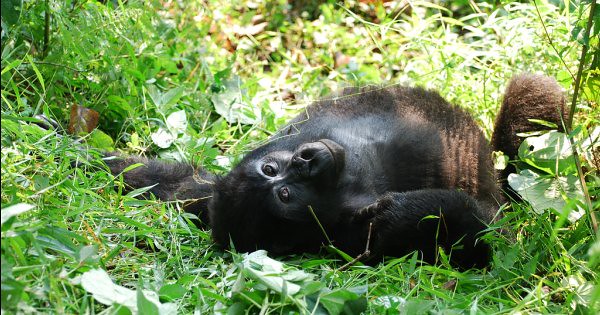
Gorilla Trekking in Bwindi Impenetrable Forest
Gorilla Trekking in Bwindi Impenetrable Forest
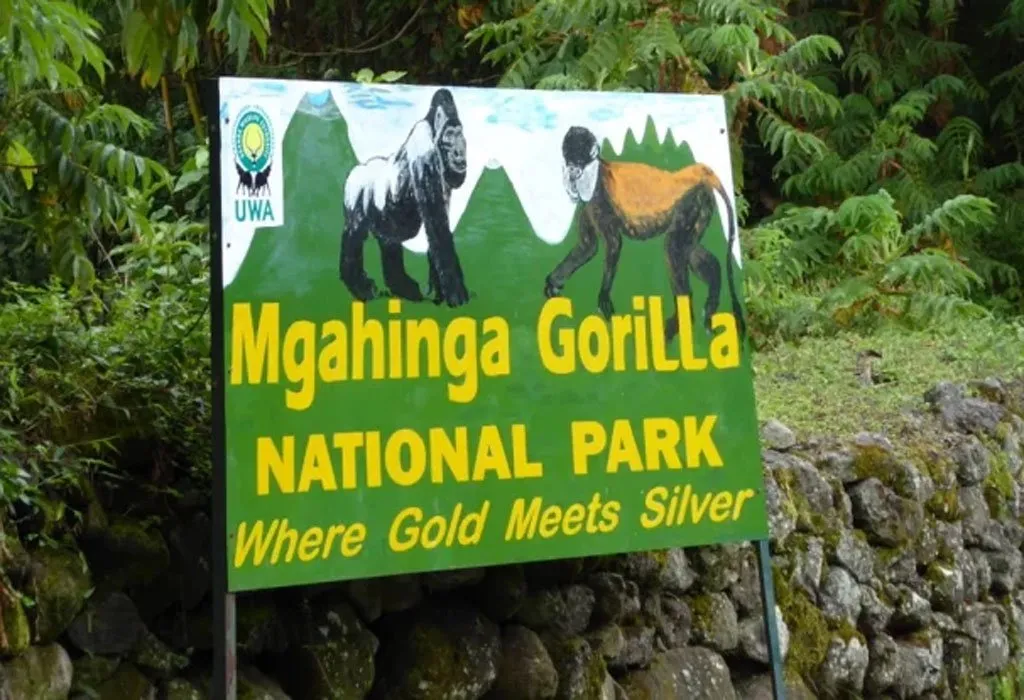
Trekking Gorillas in Mgahinga National Park
Trekking Gorillas in Mgahinga National Park
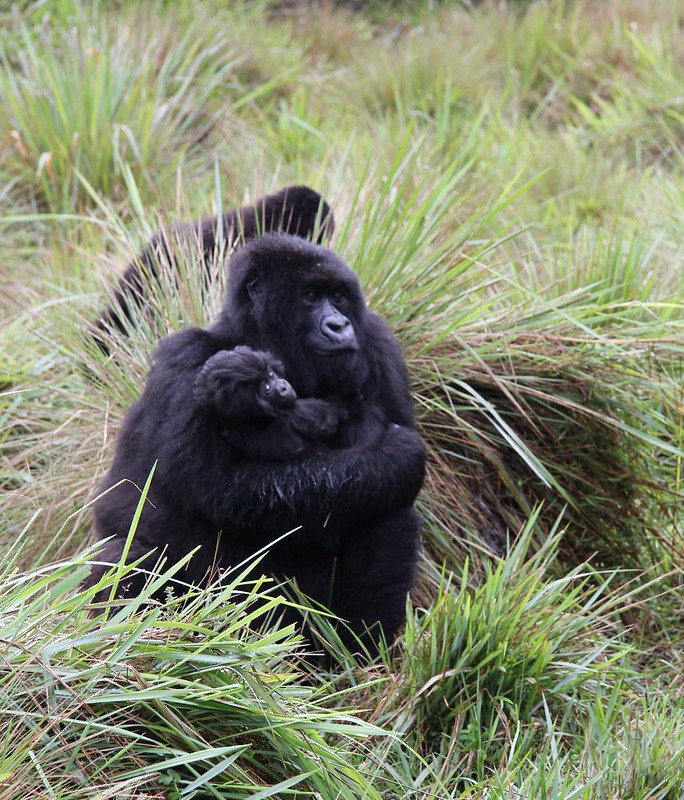
Uganda Gorilla Trekking Permits – Prices, Booking, & Travel Tips
Uganda Gorilla Trekking Permits – Prices, Booking, & Travel Tips

What to Pack for Gorilla Trekking in Uganda – Expert Checklist
What to Pack for Gorilla Trekking in Uganda – Expert Checklist
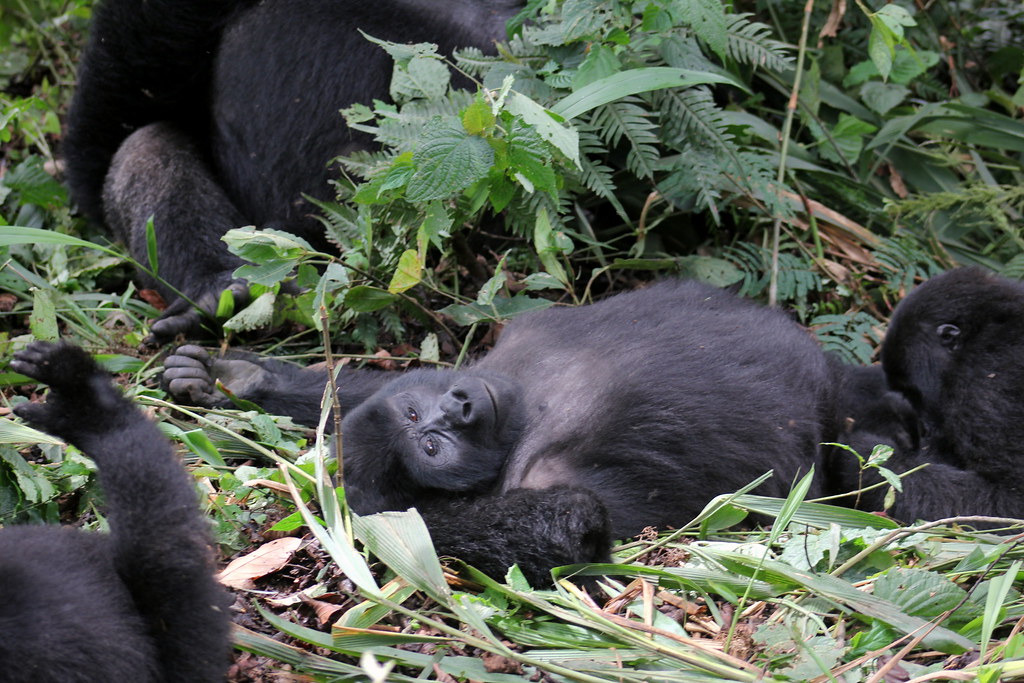
Best Time to Go Gorilla Trekking in Uganda – Weather & Seasons
Best Time to Go Gorilla Trekking in Uganda – Weather & Seasons
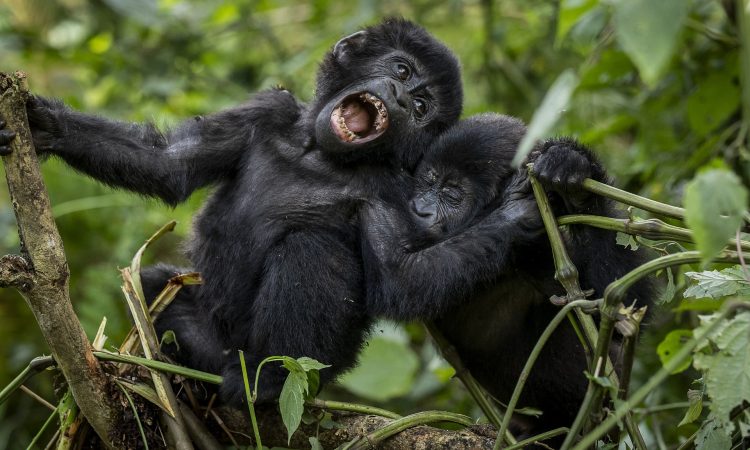
Gorilla Trekking Difficulty in Uganda – Fitness & Trail Guide
Gorilla Trekking Difficulty in Uganda – Fitness & Trail Guide
Gorilla Trekking Rules in Uganda – Safety, Respect & Ethics
Gorilla Trekking Rules in Uganda – Safety, Respect & Ethics
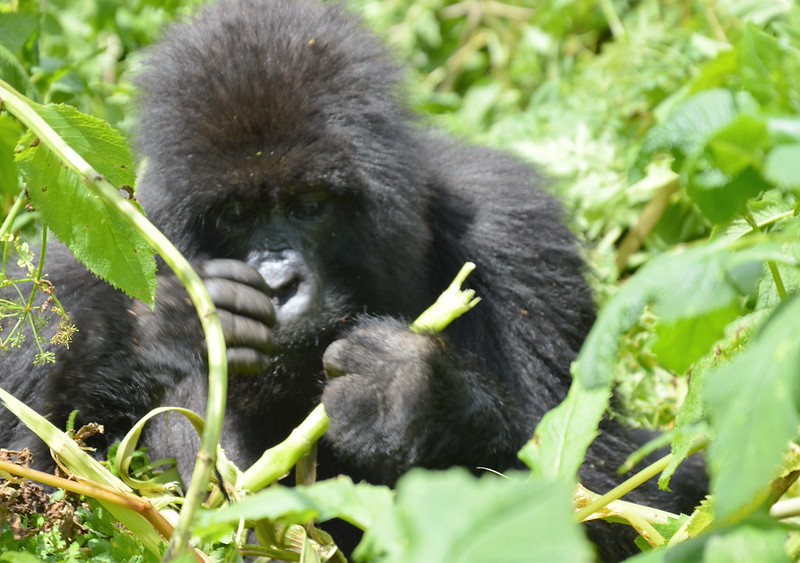
Gorilla Conservation in Uganda – Protecting the Mountain Giants
Gorilla Conservation in Uganda – Protecting the Mountain Giants
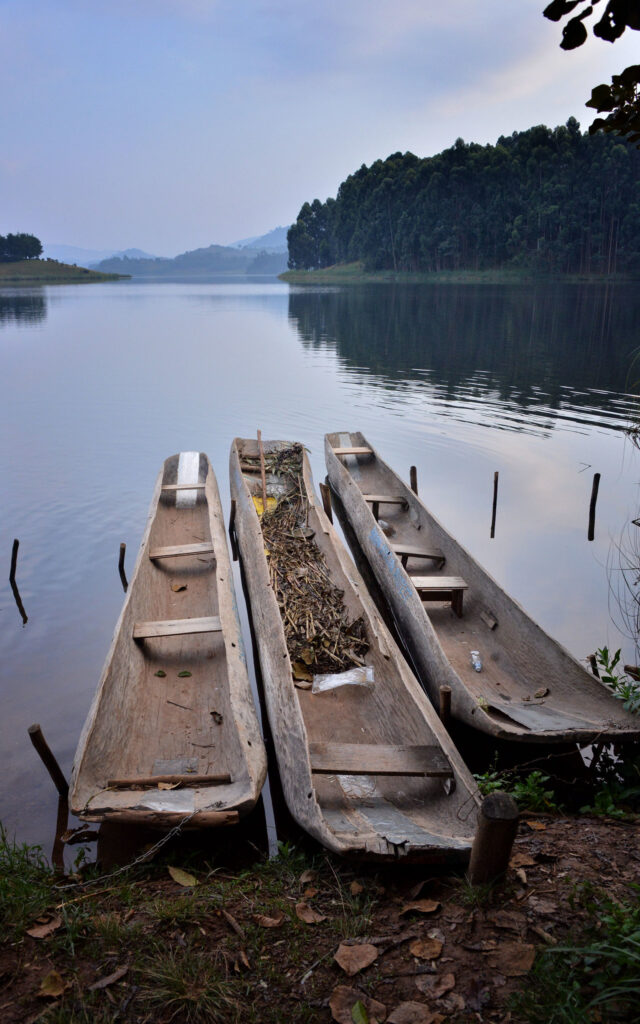
Bwindi vs. Mgahinga – Which One to Choose For Gorilla Trekking?
Bwindi vs. Mgahinga – Which One to Choose For Gorilla Trekking?
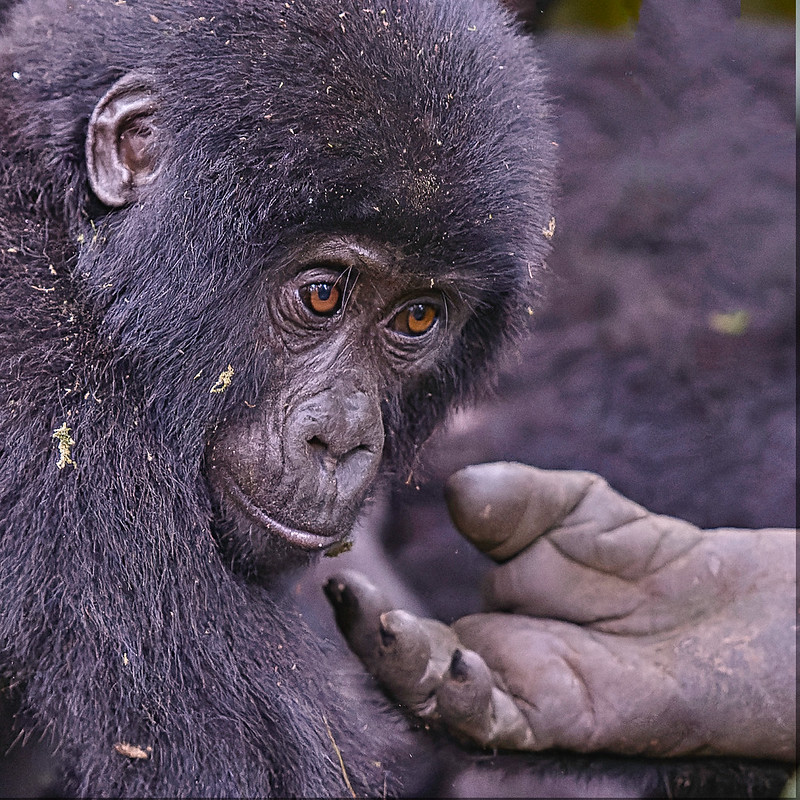
How to Stay Safe and Healthy While Traveling in Uganda
How to Stay Safe and Healthy While Traveling in Uganda
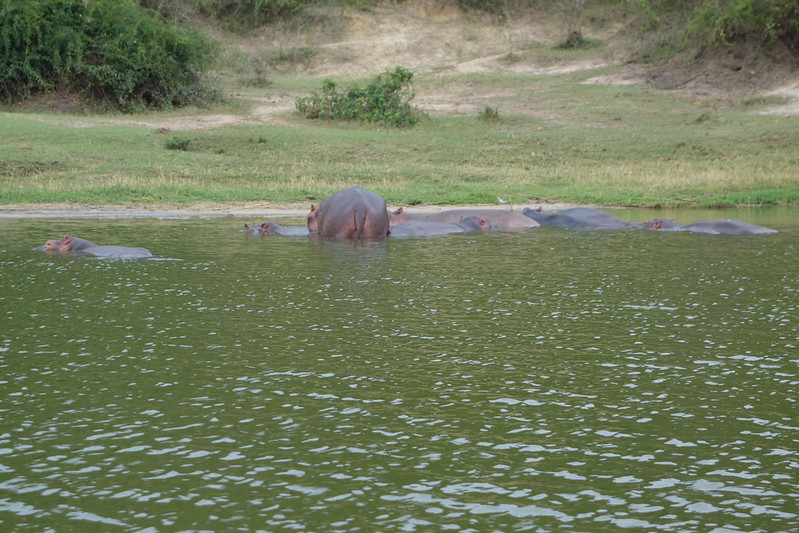
Routes, Tips & Travel Wisdom for Getting to Bwindi or Mgahinga
Routes, Tips & Travel Wisdom for Getting to Bwindi or Mgahinga
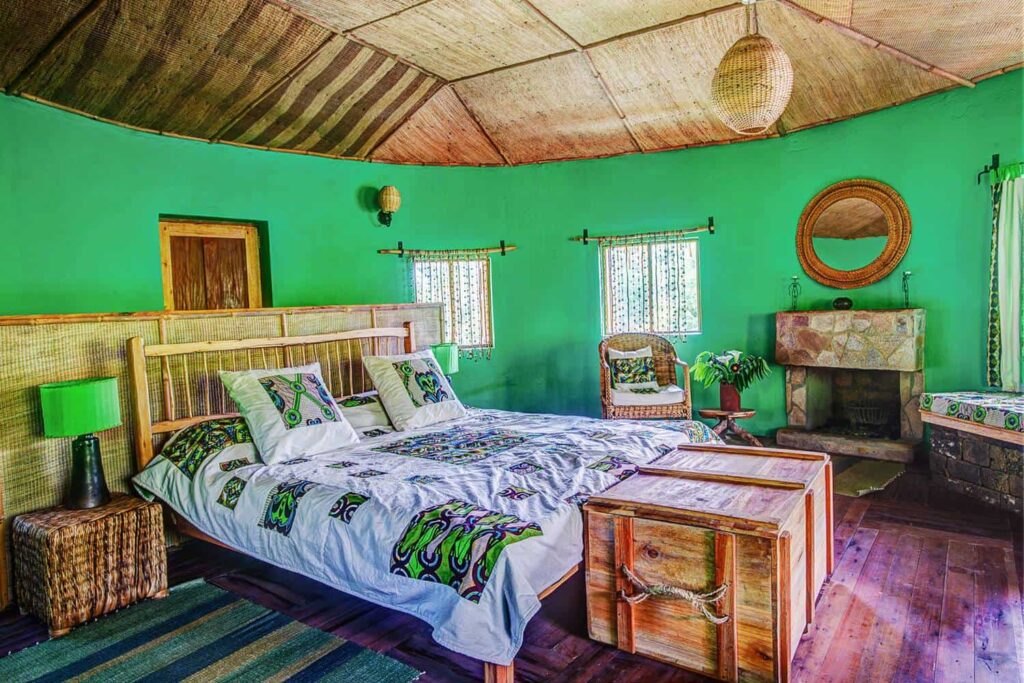
Accommodation Options: Lodges & Camps in Bwindi and Mgahinga
Accommodation Options: Lodges & Camps in Bwindi and Mgahinga
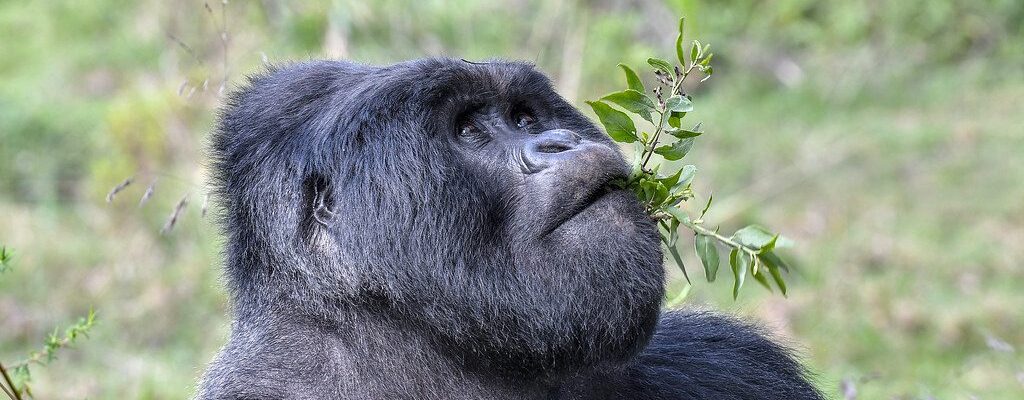
Protecting What You Came to See: Gorilla Conservation & Ethics
Protecting What You Came to See: Gorilla Conservation & Ethics
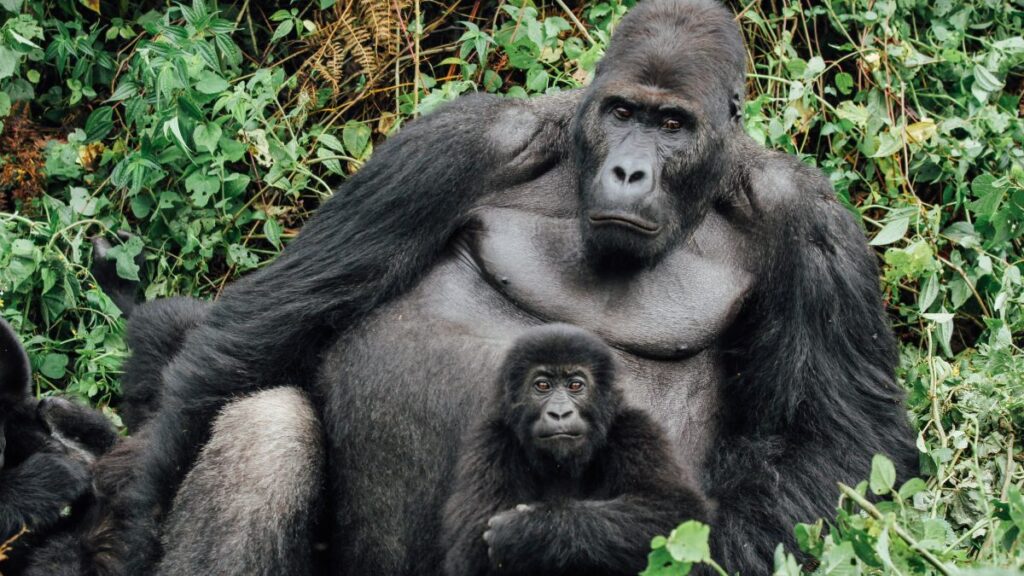
Travel Insurance for Gorilla Treks: Before You Go
Travel Insurance for Gorilla Treks: Before You Go
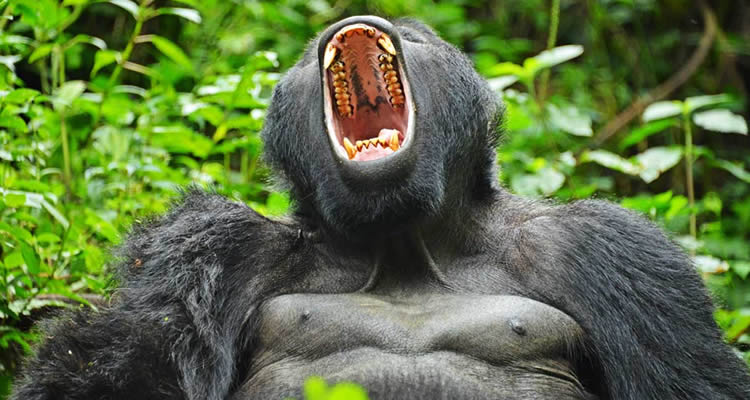
First Time Gorilla Trekking? Here’s Everything I Wish I Knew
First Time Gorilla Trekking? Here’s Everything I Wish I Knew
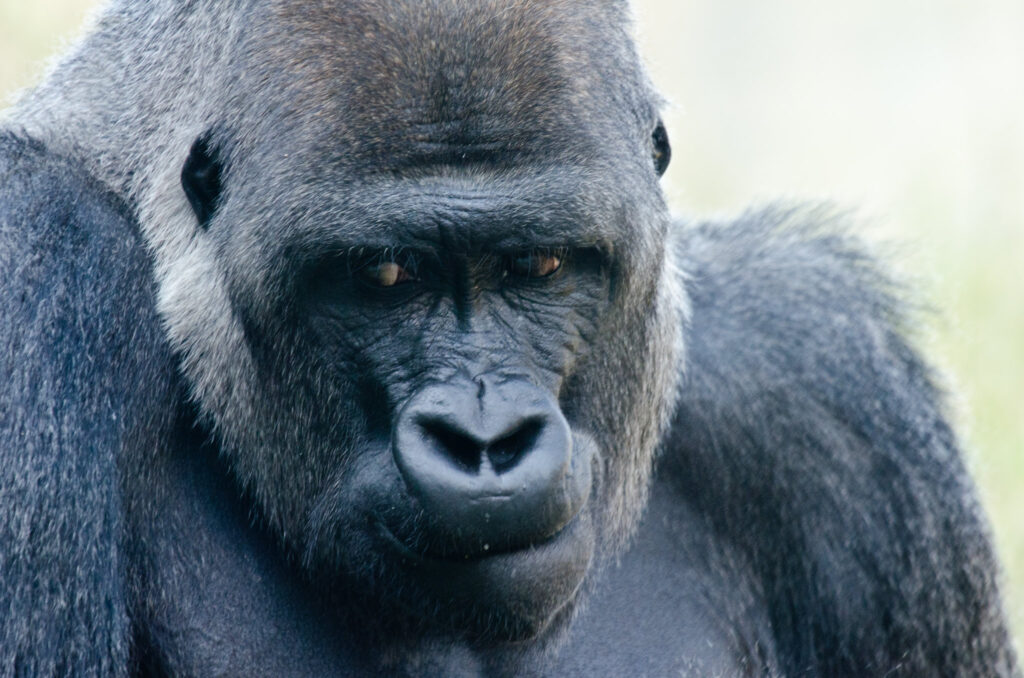
Step by Step: What Happens During a Gorilla Trekking Day
Step by Step: What Happens During a Gorilla Trekking Day
Gorilla Trekking vs. Gorilla Tracking – What’s the Real Difference?
Gorilla Trekking vs. Gorilla Tracking – What’s the Real Difference?
Beyond Gorillas: Other Wildlife You Can See During Your Trek
Beyond Gorillas: Other Wildlife You Can See During Your Trek
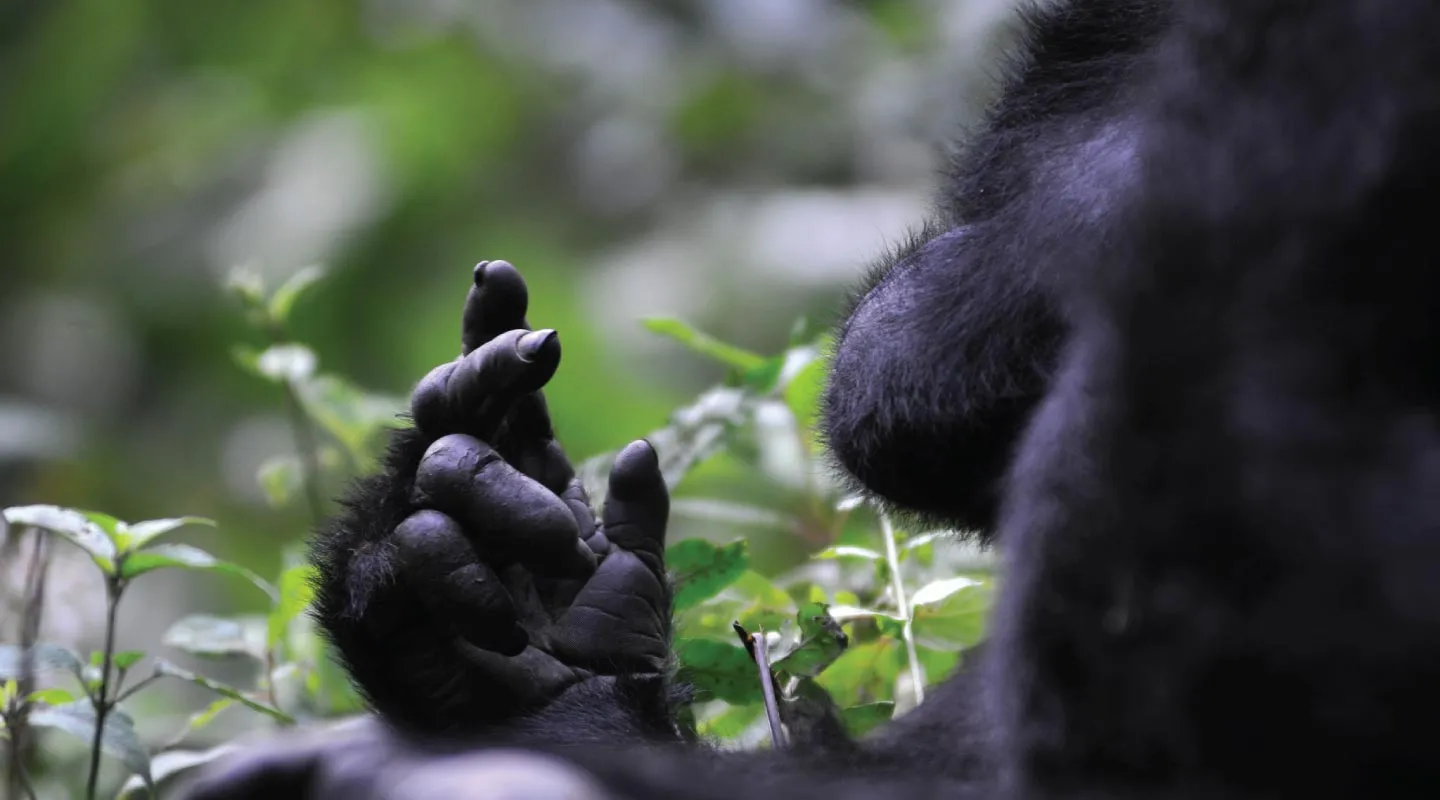
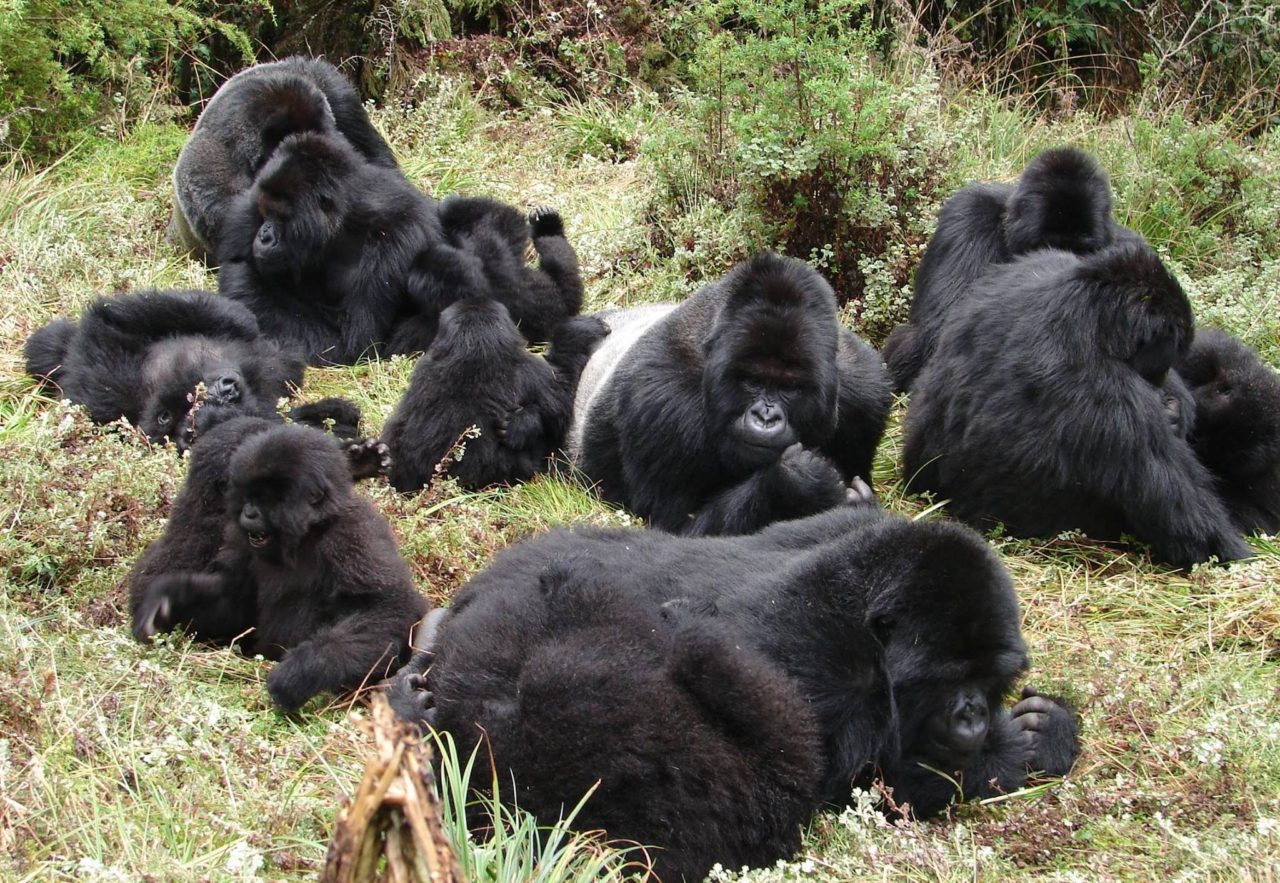
In the Realm of Giants – Bwindi & Mgahinga in Frames.
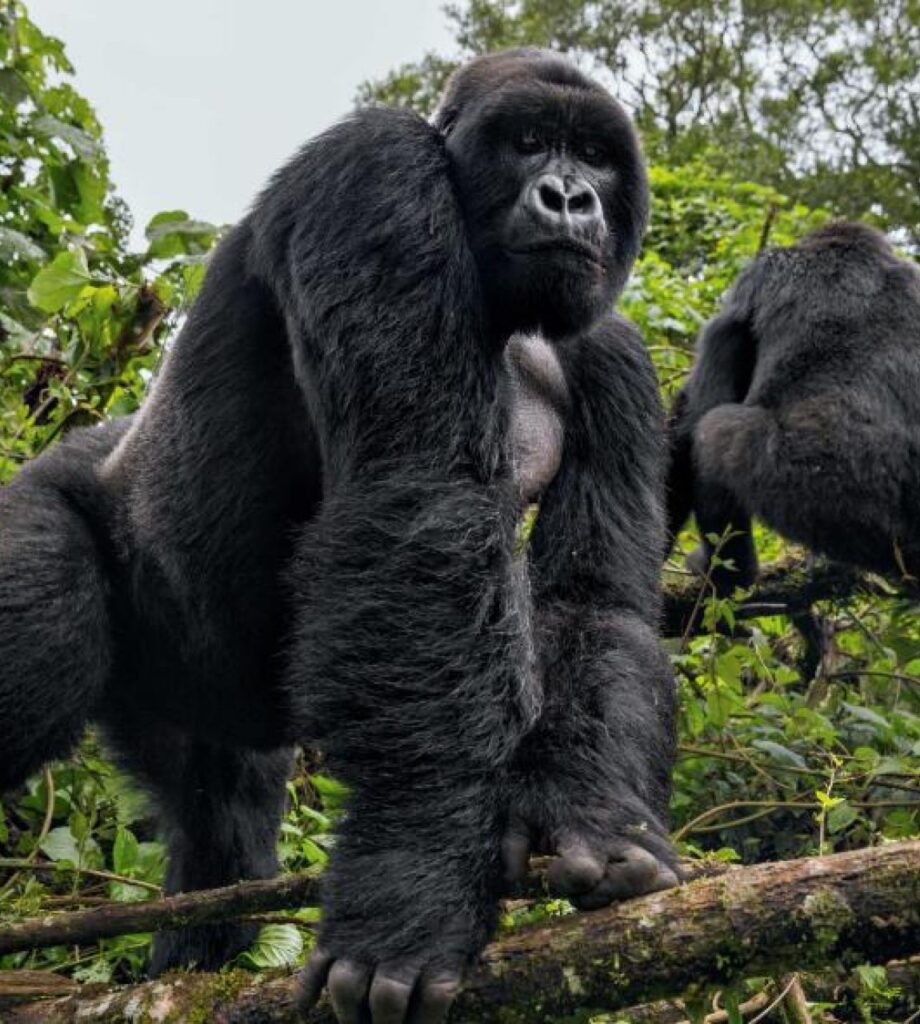
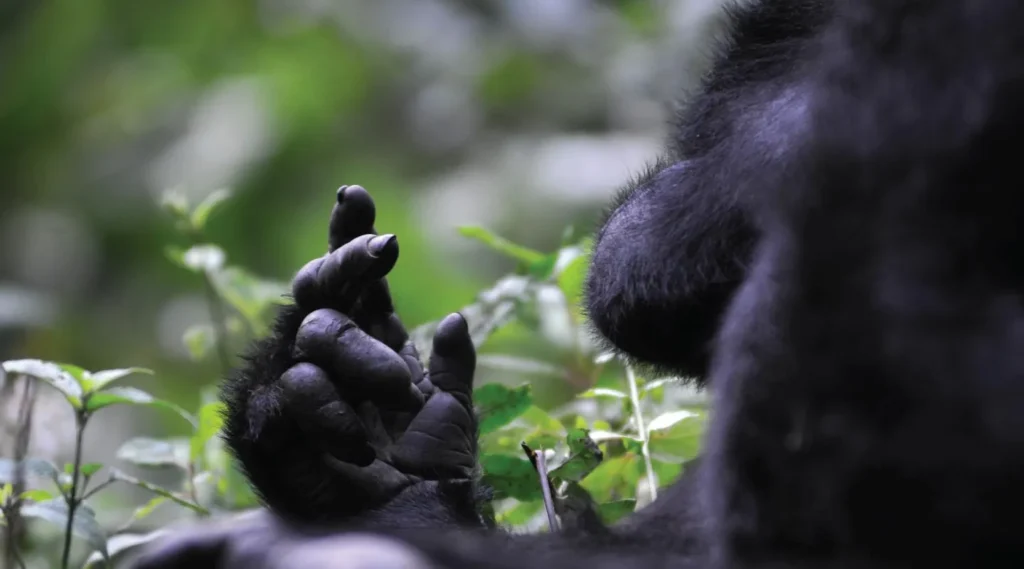
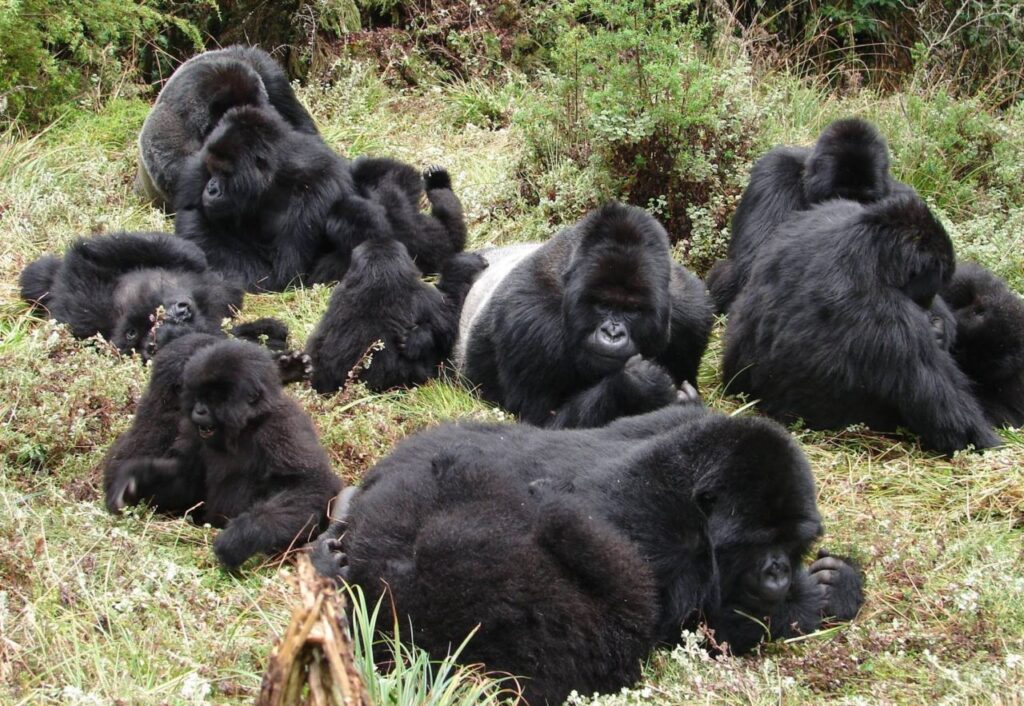
Wander through an elegant gallery capturing Uganda’s most exclusive gorilla sanctuaries, where ancient forests cradle the last mountain gorillas in a world of mist, mystery, and majesty.
Essential Planning Tips for Visiting Uganda’s National Parks.
Get ready for the wild heart of Africa with expert travel tips on when to visit, what to pack, where to go, and how to make the most of your safari across Uganda’s breathtaking national parks.
Why Uganda for Gorilla Trekking?
Uganda is not just a destination — it's the very soul of gorilla trekking. With over half of the world’s remaining mountain gorillas calling its misty forests home, Uganda offers the rarest encounters in their most authentic setting. Here, your journey is not rushed or crowded. Instead, you’re guided by experienced rangers through pristine jungles where gorillas live as they always have — wild, free, and magnificent
From insider travel insights to unforgettable trekking guides, our blog is your trusted path into Uganda’s wild heart — connecting you with mountain gorillas, breathtaking landscapes, and the soul-stirring adventures that make this land unlike any other.