HABINYANJA FAMILY – BUHOMA SECTOR
The Habinyanja family is one of the most historically significant and widely recognized local families associated with the Buhoma sector of Bwindi Impenetrable National Park. Buhoma, located in the northern part of Bwindi, was the first sector opened to gorilla tourism in Uganda and has since become a cornerstone of conservation, research, and community-based tourism. The Habinyanja family’s story is deeply intertwined with this transformation, representing the transition from forest-dependent livelihoods to conservation-oriented community participation.
For generations, the Habinyanja family lived adjacent to the Bwindi forest, relying on its resources for survival and cultural identity. Their ancestral lands bordered the dense montane forest long before Bwindi was gazetted as a national park in 1991. Today, the family stands as a symbol of coexistence between people and wildlife, offering visitors valuable insight into the human history behind one of Africa’s most important conservation landscapes. Through storytelling, cultural engagement, and conservation advocacy, the Habinyanja family provides a powerful narrative that complements the wildlife experiences of Buhoma.
So lace up your boots, grab your camera, and prepare to meet the wild — this is where your gorilla trekking dreams and unforgettable safari adventures truly begin.
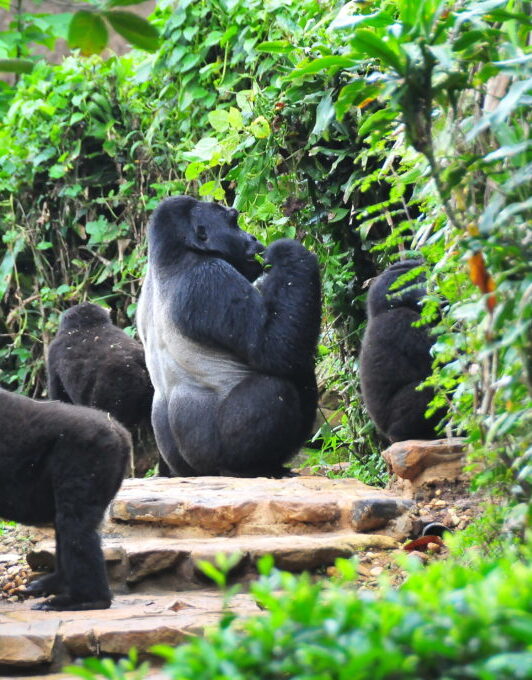

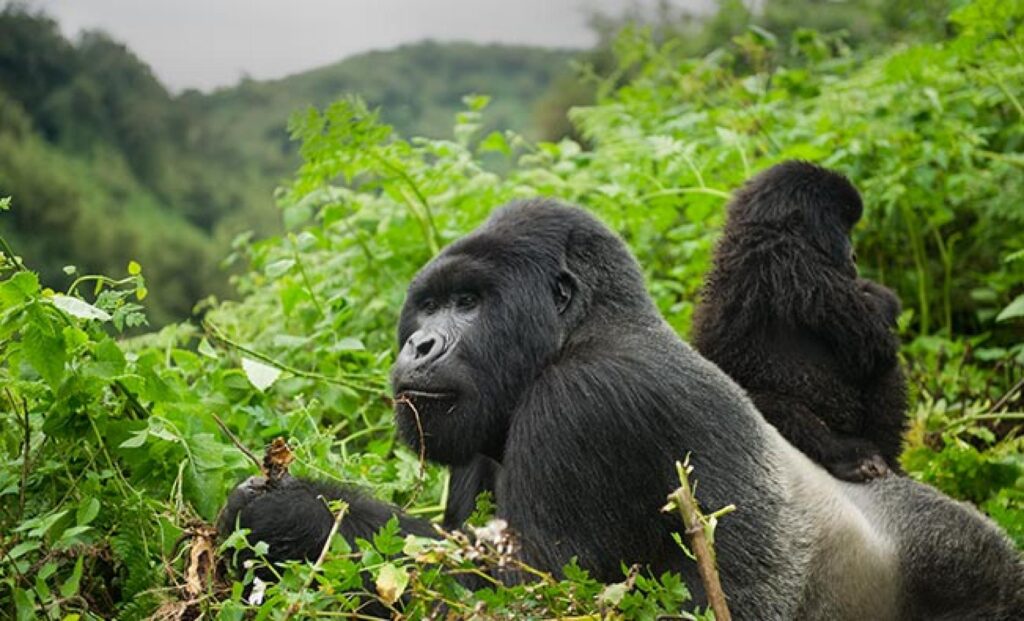
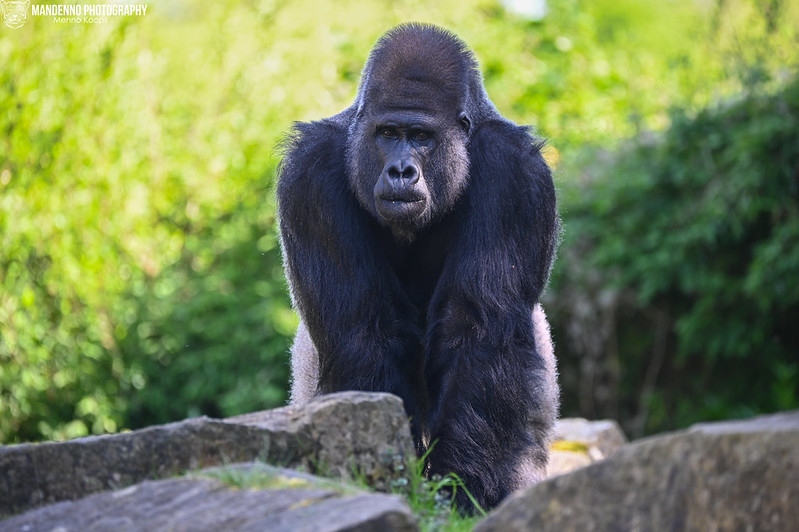
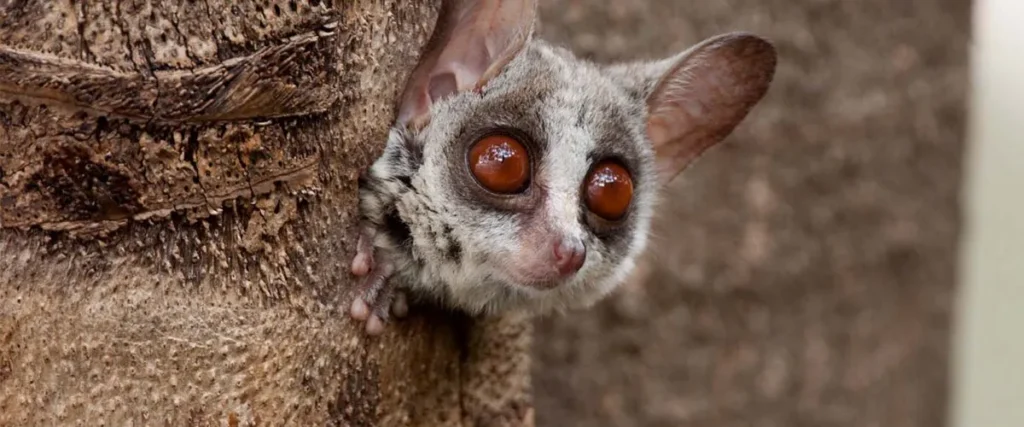
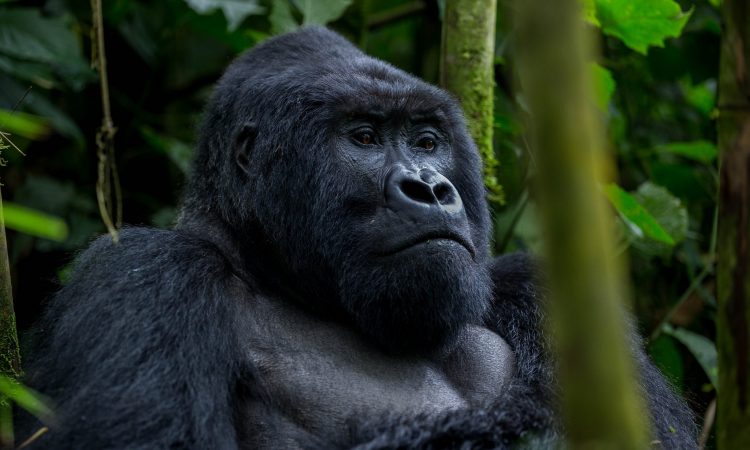
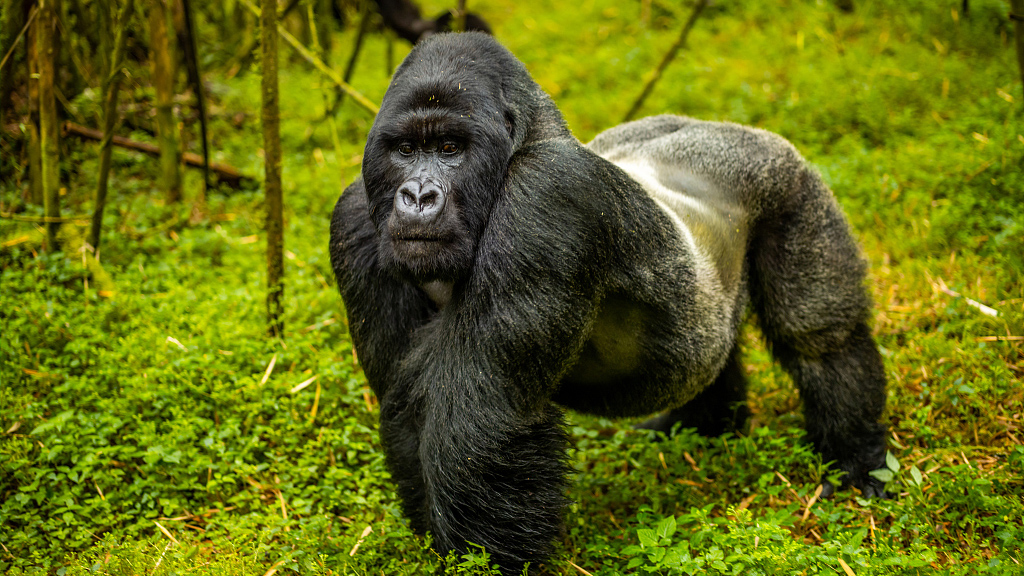
The Habinyanja family homestead is located in the Buhoma sector, positioned along the northern boundary of Bwindi Impenetrable National Park. This area is characterized by gently rolling hills, fertile valleys, and dense tropical rainforest that transitions into cultivated farmland. Buhoma lies at a relatively lower altitude compared to southern sectors of Bwindi, creating a warmer climate with consistent rainfall that supports both agriculture and forest biodiversity.The location offers direct access to some of Bwindi’s earliest gorilla trekking trailheads, making Buhoma a focal point for tourism infrastructure such as lodges, research centers, and community initiatives. The Habinyanja family’s proximity to the forest edge places them at the frontline of conservation challenges and opportunities, providing a real-world context for understanding human–wildlife interaction in protected landscapes.
Historically, the Habinyanja family depended heavily on the Bwindi forest for subsistence. The forest provided wild foods, medicinal plants, building materials, and spiritual grounding. Hunting small game, gathering honey, and collecting herbs were integral to daily life, guided by traditional ecological knowledge passed down through generations. The forest was not viewed as a separate entity but as an extension of the family’s living space and cultural identity.The establishment of Bwindi Impenetrable National Park brought profound changes. Restricted access to forest resources disrupted traditional livelihoods and required families like the Habinyanja to adapt to new realities. This period was marked by uncertainty and adjustment, as communities navigated the shift from forest use to conservation compliance. The Habinyanja family’s experience during this transition reflects the broader story of many households around Bwindi, making their narrative especially important for visitor understanding.
The Habinyanja family holds a unique place in the history of gorilla tourism in Buhoma. As tourism infrastructure developed in the early 1990s, members of the family became involved in guiding, portering, and conservation support roles. Their familiarity with forest trails, wildlife behavior, and terrain made them valuable contributors to early gorilla tracking efforts.This involvement marked a turning point, transforming conservation from an external restriction into a source of livelihood and pride. Over time, the family became advocates for gorilla protection, understanding that the survival of mountain gorillas was directly linked to community welfare through tourism revenue, employment, and development projects. Their participation helped build trust between park authorities and local residents, laying the foundation for community-inclusive conservation.
The Habinyanja family belongs to the Bakiga ethnic group, whose cultural values emphasize resilience, communal responsibility, and respect for land and ancestry. Family life is organized around shared labor, oral storytelling, and strong kinship ties. Elders play a central role in preserving history, recounting stories of life before and after the park’s establishment, and teaching younger generations about cultural identity and responsibility.Traditional practices such as farming rituals, food preparation methods, and clan-based social organization continue to shape family life. Visitors engaging with the Habinyanja family gain insight into how culture adapts while maintaining continuity, even in the face of significant environmental and economic change. These cultural expressions add depth to the Buhoma experience, grounding wildlife tourism in human history.
Today, agriculture remains a primary livelihood for the Habinyanja family, complemented by income from tourism-related activities. The fertile soils around Buhoma support crops such as bananas, beans, maize, sweet potatoes, and vegetables. Small-scale livestock keeping, including goats and poultry, contributes to household sustainability.Farming practices reflect both traditional knowledge and modern adaptation, with soil conservation techniques used to manage erosion and maintain productivity near the forest edge. Visitors often observe how farming and conservation coexist, with buffer zones and land-use planning reducing pressure on the protected forest. This balance illustrates how rural livelihoods can adapt within conservation landscapes.
The Habinyanja family is actively involved in cultural tourism experiences in Buhoma, welcoming visitors who wish to learn about local life beyond gorilla trekking. These visits focus on storytelling, daily activities, and open dialogue rather than staged performances. Guests may learn about traditional farming, household organization, and the family’s historical relationship with the forest.Such interactions foster mutual understanding and respect, allowing visitors to see conservation from a community perspective. Tourism income generated through these visits supports education, healthcare, and household needs, reinforcing the tangible benefits of conservation-friendly tourism. The Habinyanja family’s openness has made them a trusted cultural reference point within the Buhoma sector.
Over time, the Habinyanja family has developed a collaborative relationship with Bwindi Impenetrable National Park management. Through conservation education programs, revenue-sharing initiatives, and employment opportunities, the family has become an example of how local participation strengthens protected area management.Family members often share insights into how attitudes toward gorillas and forest protection have evolved, from fear and resentment to pride and stewardship. They also discuss ongoing challenges such as crop raiding by wildlife and land pressure, providing visitors with a balanced understanding of conservation complexities. This honesty enhances the credibility of their narrative and deepens visitor appreciation.
Education has become a central priority for the Habinyanja family, supported by improved access to schools and tourism-derived income. Younger family members are encouraged to pursue formal education while remaining connected to their cultural roots and conservation values. This generational shift reflects broader changes in communities around Bwindi, where education is increasingly seen as a pathway to diversified livelihoods.At the same time, elders emphasize the importance of preserving oral history and traditional knowledge. This intergenerational exchange ensures that cultural identity is not lost as opportunities expand, creating a balanced vision for the future that honors both heritage and progress.
Visits to the Habinyanja family often leave a strong emotional impression on guests. Hearing firsthand accounts of life before gorilla tourism, witnessing daily routines, and engaging in genuine conversation humanizes the conservation landscape. Visitors frequently describe these encounters as transformative, offering context that deepens their understanding of Bwindi beyond wildlife sightings.The relaxed pace and authenticity of the experience make it accessible to a wide range of visitors, including families and those seeking meaningful cultural connection. These interactions reinforce the idea that conservation success is built on human stories as much as ecological outcomes.
The Habinyanja family’s long-standing involvement in tourism and conservation has contributed to Buhoma’s growth as a model community near a protected area. Their participation supports local employment, knowledge sharing, and social cohesion. By demonstrating the benefits of conservation-aligned livelihoods, the family encourages broader community engagement in sustainable practices.Their story has also informed conservation policy and tourism planning, highlighting the importance of integrating community voices into decision-making processes. This influence extends beyond Buhoma, offering lessons applicable to other protected areas in East Africa.
The Habinyanja family represents the living memory of Buhoma’s transformation from forest-dependent settlement to global conservation destination. Their history, resilience, and active role in tourism provide essential context for understanding Bwindi Impenetrable National Park. Through cultural openness and conservation advocacy, they bridge the gap between past and present, people and wildlife.By engaging with the Habinyanja family, visitors gain more than cultural insight—they gain perspective on the human foundations of conservation success. The family’s story reinforces the principle that protecting biodiversity is inseparable from supporting the communities who have long lived alongside it, making the Buhoma sector a powerful example of people-centered conservation.


From insider travel insights to unforgettable trekking guides, our blog is your trusted path into Uganda’s wild heart — connecting you with mountain gorillas, breathtaking landscapes, and the soul-stirring adventures that make this land unlike any other.