
Geographical setting and environmental context
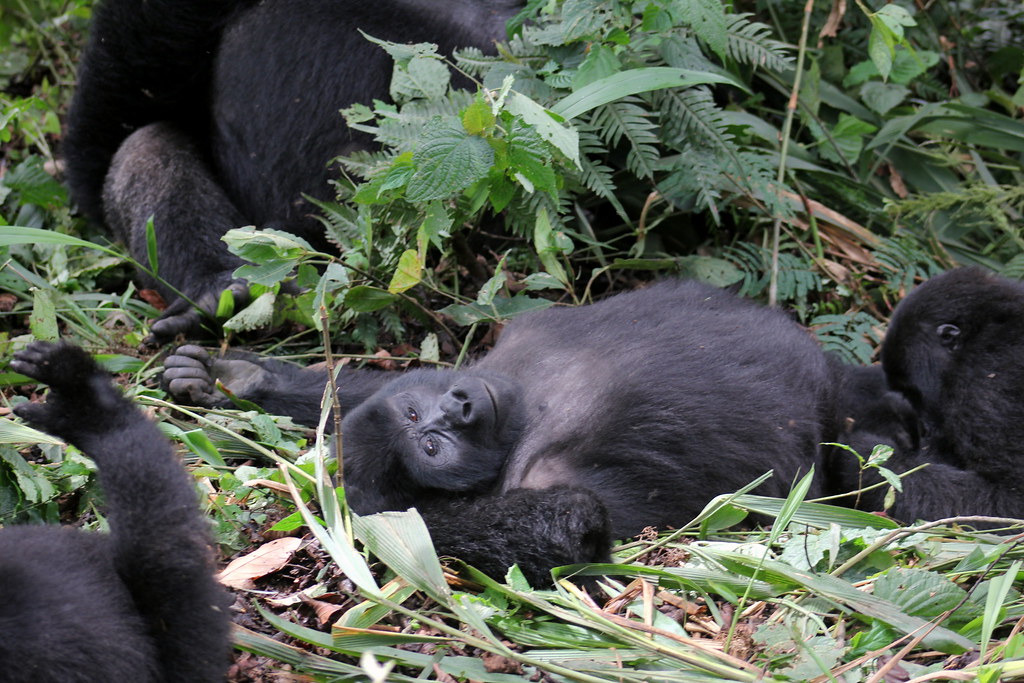
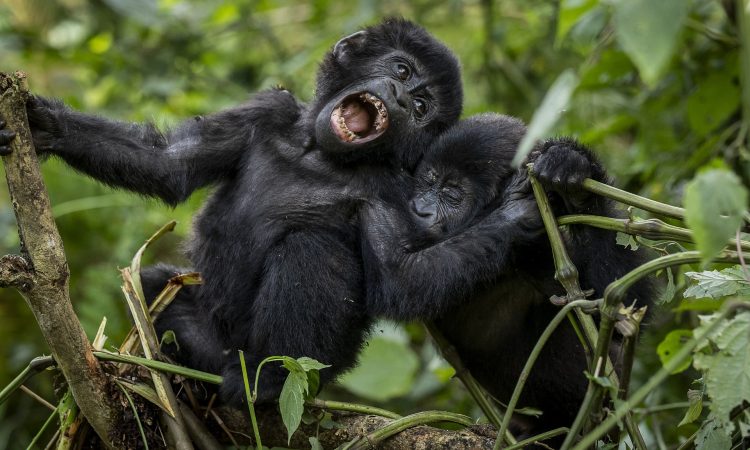
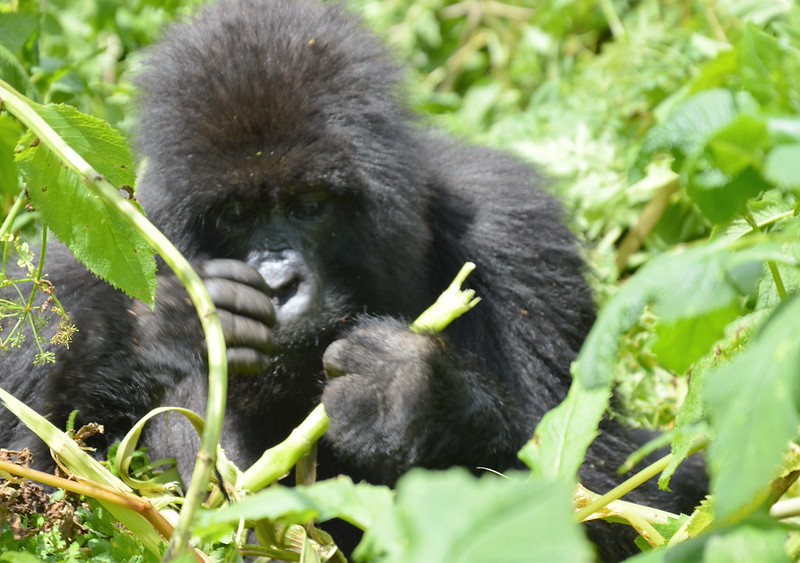
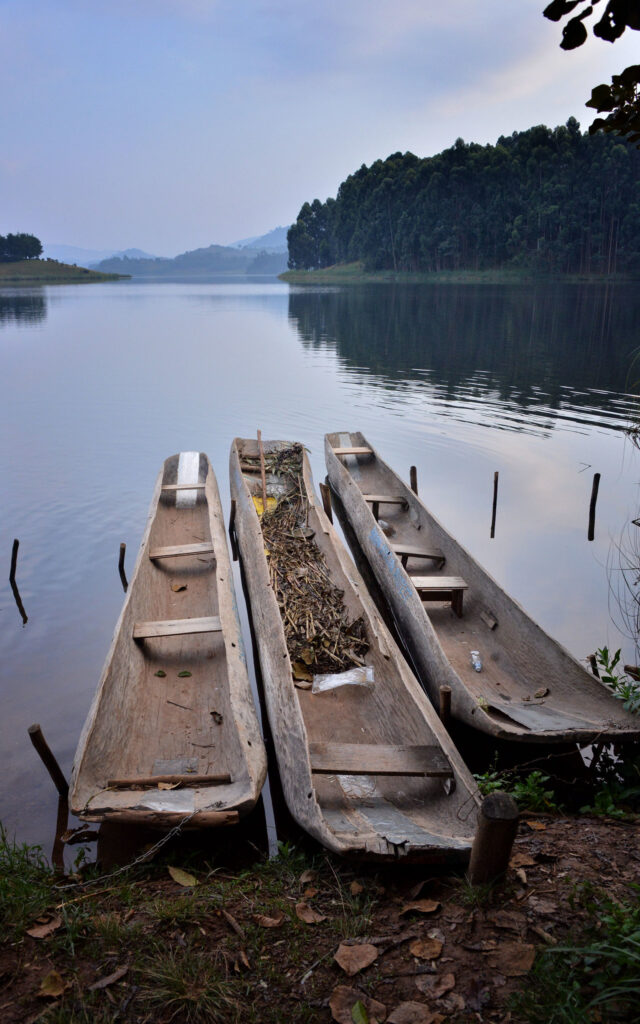
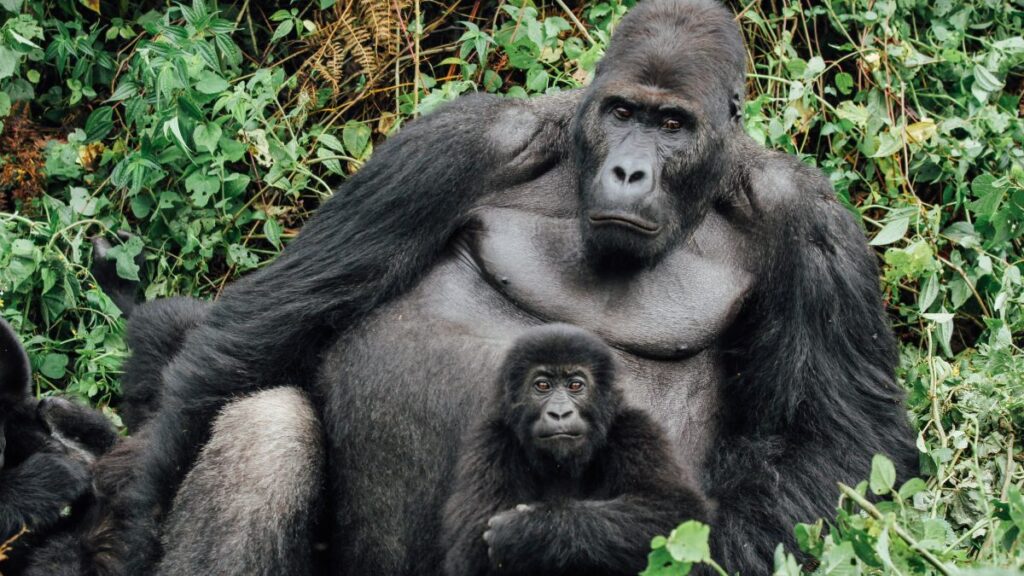
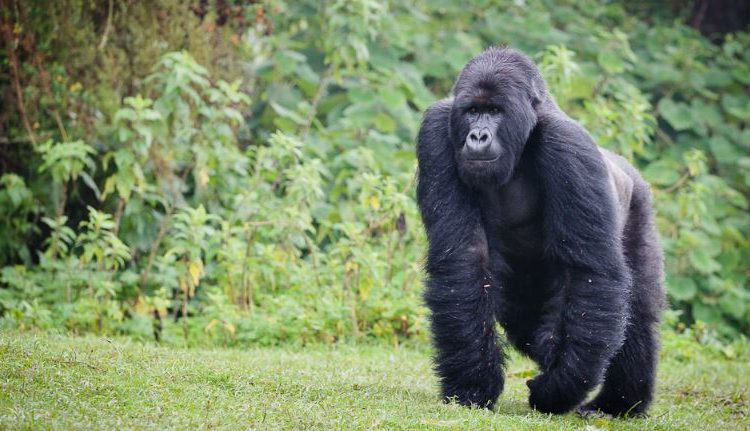
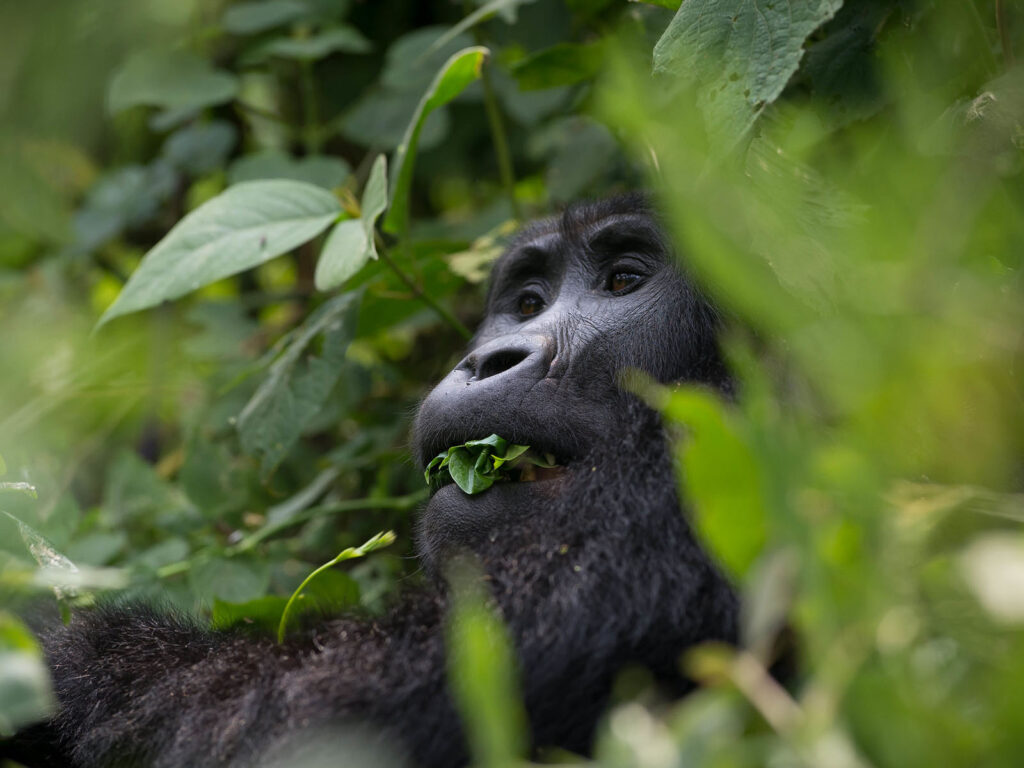
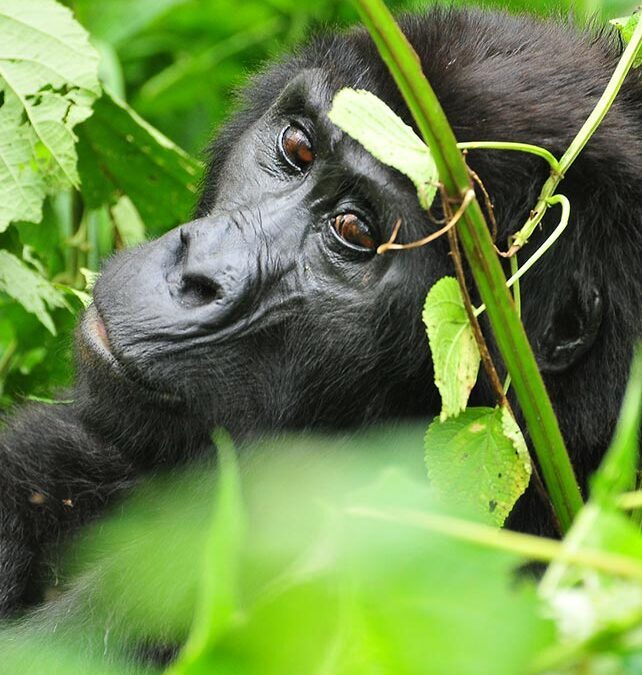
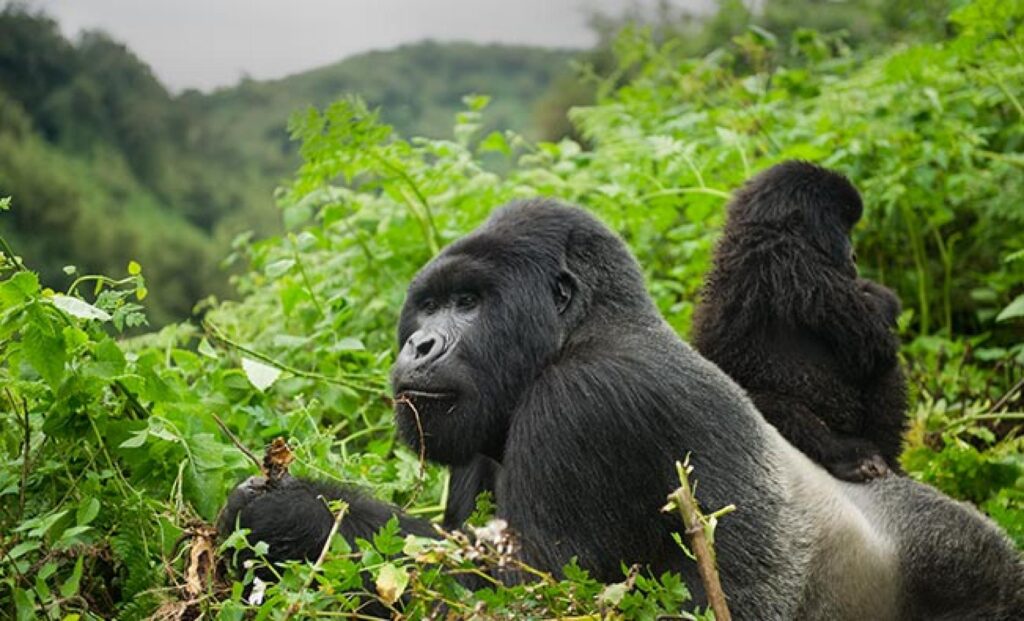
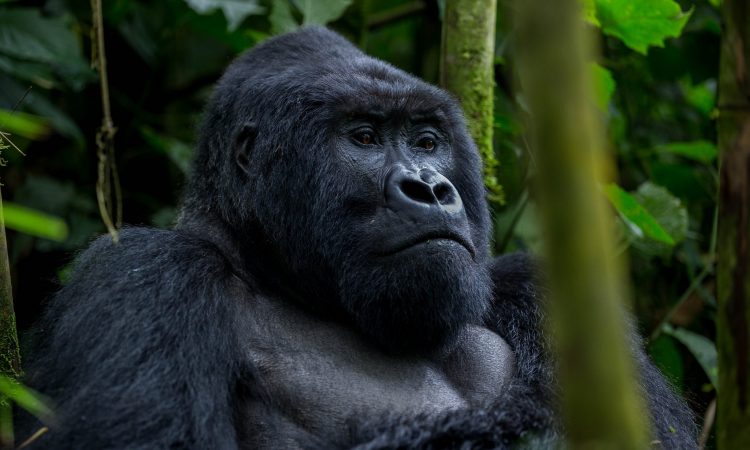
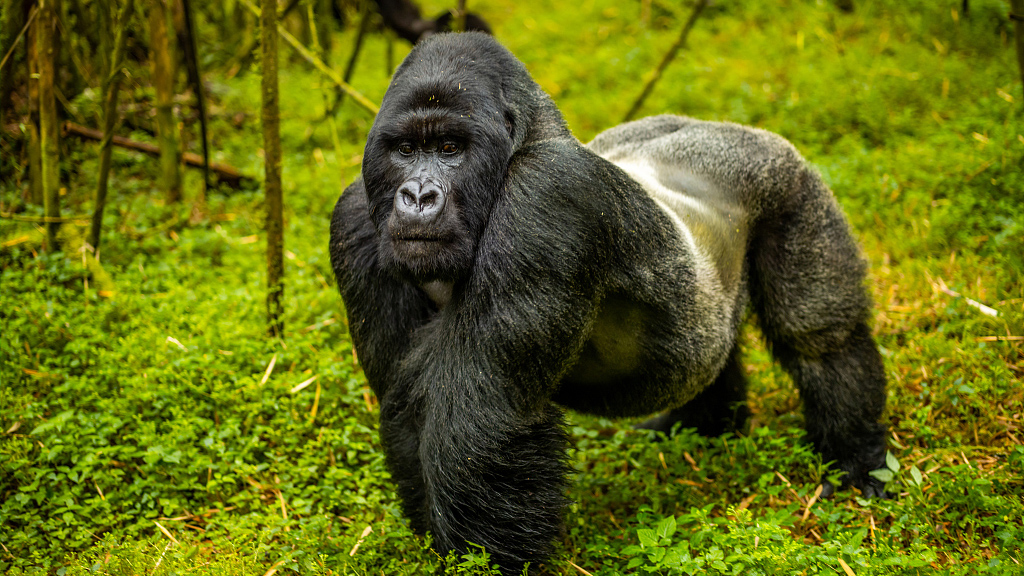
The Busingye family homestead is situated in the Rushaga sector, an area characterized by rolling highlands, dense montane forest, and fertile volcanic soils. Rushaga lies in the southern part of Bwindi Impenetrable National Park, close to the borders of Rwanda and the Democratic Republic of Congo. The landscape is shaped by steep slopes, mist-covered valleys, and thick forest corridors that serve as critical habitat for mountain gorillas and other forest species.Access to Rushaga is typically via Kisoro town, followed by scenic mountain roads that pass through agricultural settlements and terraced farmlands. The Busingye family’s location reflects the transitional zone between cultivated land and protected forest, an interface where conservation and daily human activity intersect. This setting provides visitors with a clear understanding of how closely community life is tied to the forest ecosystem.
Cultural heritage and household identity
The Busingye family belongs to the Bakiga community, an ethnic group historically associated with the southwestern highlands of Uganda. The Bakiga are known for their strong work ethic, communal values, and adaptive farming practices suited to mountainous terrain. The family’s cultural identity is expressed through oral traditions, agricultural rituals, and social structures centered on extended family cooperation.Within the household, knowledge is passed down through storytelling and participation in daily tasks. Elders recount migration histories, clan relationships, and the changing role of Bwindi forest over time. These narratives provide visitors with historical context, illustrating how the forest once served as a source of medicine, food, and spiritual meaning before its designation as a national park.
Traditional livelihoods and farming practices
Agriculture remains central to the Busingye family’s livelihood, with terraced farming forming the backbone of food production. Crops commonly grown include Irish potatoes, beans, maize, peas, bananas, and vegetables adapted to the cool, high-altitude climate of Rushaga. Livestock such as goats, cattle, and poultry contribute to household sustenance and income diversification.Visitors to the homestead gain insight into soil conservation techniques, seasonal planting cycles, and the labor-intensive nature of highland farming. The family often demonstrates how terracing prevents erosion and maintains soil fertility on steep slopes. These practices highlight the community’s long-standing relationship with the land and its capacity for environmental stewardship even before formal conservation frameworks existed.
Community-based tourism participation
The Busingye family is actively involved in community tourism initiatives designed to ensure that local households benefit directly from gorilla tourism. Cultural visits to their homestead offer guests the opportunity to observe daily routines, participate in traditional food preparation, and learn about local crafts. These experiences are guided by conversation rather than performance, allowing visitors to engage in genuine cultural exchange.Family members also collaborate with local tourism associations and conservation groups, supporting visitor orientation, cultural interpretation, and community outreach. Through these partnerships, the Busingye family contributes to a broader model of inclusive tourism that values local voices and knowledge systems. Their participation reinforces the idea that conservation success depends on community ownership and shared responsibility.
Relationship with gorilla conservation
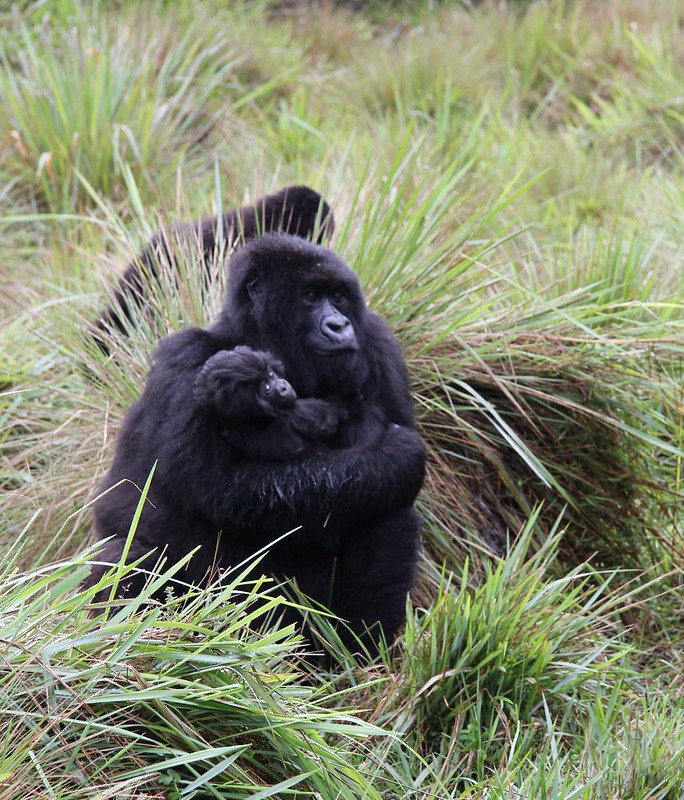
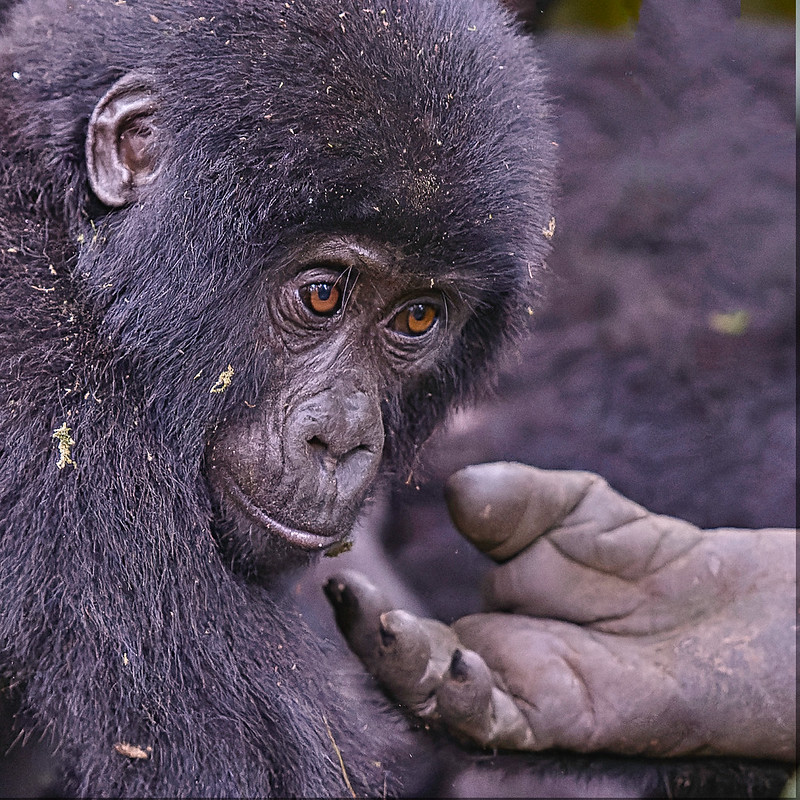
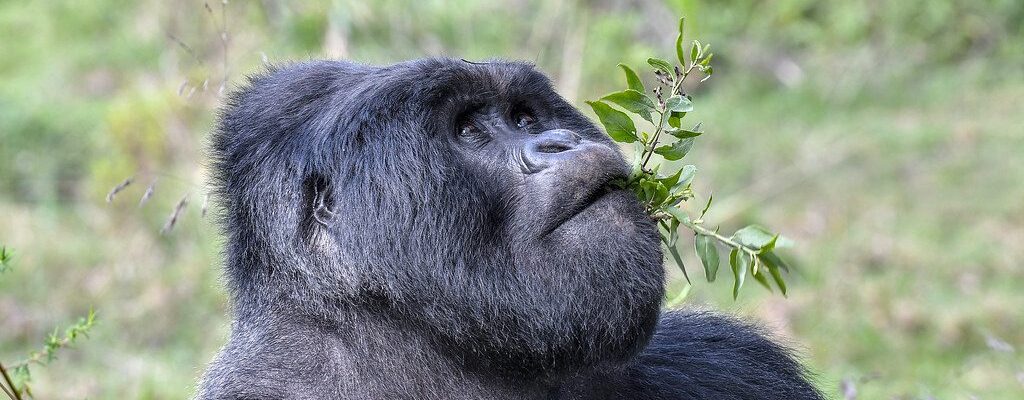
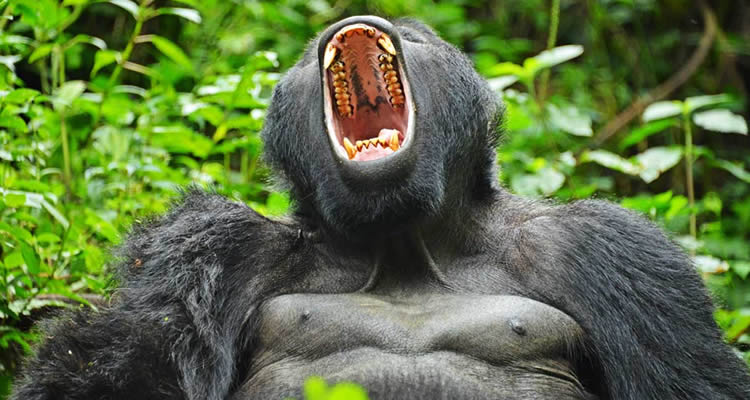
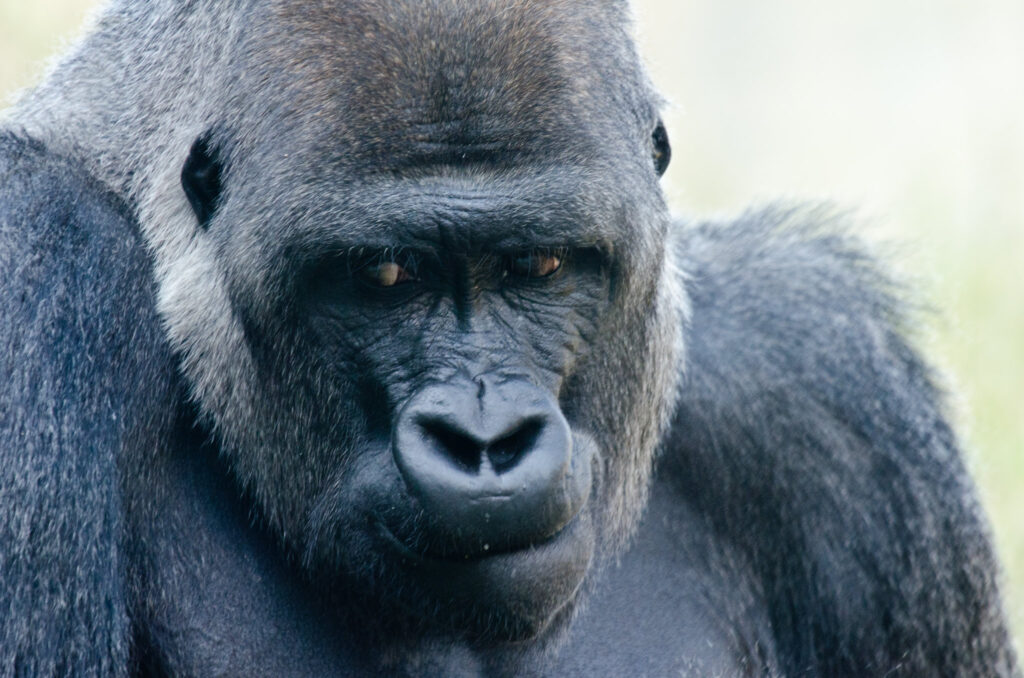
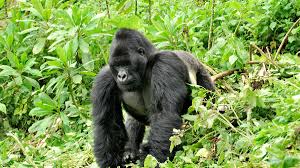
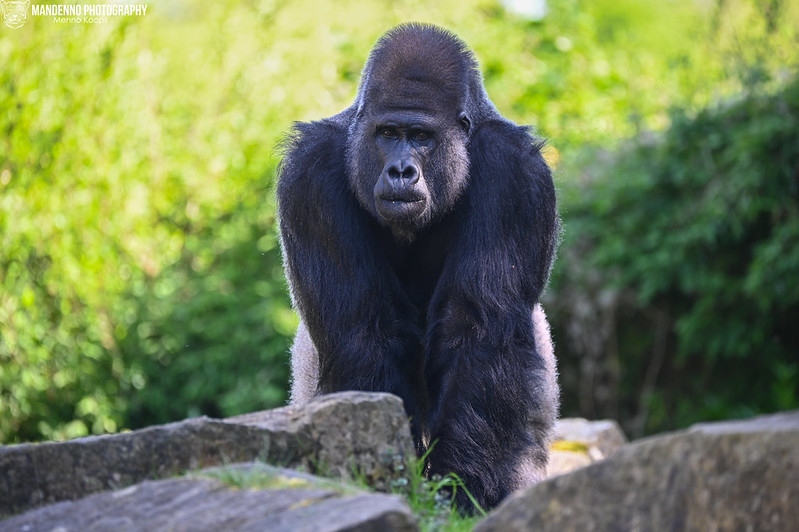
Living adjacent to one of the world’s most important mountain gorilla habitats has shaped the Busingye family’s relationship with conservation in profound ways. They have witnessed the evolution of Bwindi from a forest relied upon for subsistence to a protected area of international significance. Through conservation education programs and direct engagement with park authorities, the family has become strong advocates for gorilla protection and habitat preservation.The Busingye family often explains to visitors how gorilla tourism has transformed community attitudes toward wildlife. Increased employment opportunities, revenue-sharing programs, and infrastructure development have demonstrated the tangible benefits of conservation. At the same time, the family openly discusses challenges such as crop raiding and land pressure, offering a balanced and realistic perspective on coexistence with wildlife.
Visitor interaction and experiential learning
A visit to the Busingye family is immersive and participatory, emphasizing learning through shared experience. Guests may join family members in garden activities, observe traditional cooking methods, or sit together as elders recount stories tied to the forest and surrounding hills. These interactions are informal yet deeply informative, fostering mutual respect and understanding.Children often play a role in welcoming visitors through songs, local games, or simple conversations that reflect everyday life in Rushaga. Such moments create emotional connections that extend beyond wildlife viewing, helping visitors appreciate the human narratives interwoven with gorilla conservation.
Education, youth, and generational change
Education has become an important focus for the Busingye family, with tourism income contributing to school fees and learning resources for younger members. The family views education as a pathway to broader opportunities while recognizing the importance of preserving cultural identity. Younger generations are encouraged to learn both formal education and traditional knowledge, ensuring continuity and adaptability.Conservation education is also emphasized within the household. Children grow up understanding the importance of gorillas, forests, and sustainable land use, shaping attitudes that support long-term conservation goals. This intergenerational approach reflects a forward-looking vision rooted in both heritage and responsibility.
Role in local development and social cohesion
Through their engagement in tourism and conservation initiatives, the Busingye family contributes to wider community development in the Rushaga sector. Their participation encourages neighboring households to engage with sustainable tourism opportunities, strengthening collective resilience. By supporting local cooperatives, schools, and conservation outreach programs, the family helps ensure that tourism benefits extend beyond individual households.Their example demonstrates how family-level involvement can influence broader social cohesion, fostering trust between communities, park authorities, and tourism operators. This collaborative environment is essential for managing human-wildlife interactions and sustaining Bwindi’s ecological integrity.
community custodians of rushaga
The Busingye family stands as an important cultural and social pillar within the Rushaga sector of Bwindi Impenetrable National Park. Their integration of traditional livelihoods, community-based tourism, and conservation awareness offers visitors a comprehensive understanding of life at the forest edge. Engaging with the Busingye family reveals the human dimension of gorilla conservation, emphasizing that the protection of Bwindi’s wildlife is inseparable from the well-being of its surrounding communities.Through openness, resilience, and active participation in sustainable tourism, the Busingye family enriches the Rushaga experience, transforming a gorilla trek into a deeper journey of cultural connection, environmental understanding, and shared stewardship of one of Africa’s most extraordinary landscapes.