

Where the soul of the forest whispers in the mist
Gorillas are the largest living primates on Earth and are among the most intelligent and socially complex mammals. They belong to the genus Gorilla and are native to the tropical forests of Central and East Africa. Their close genetic relationship to humans, sharing about 98 percent of human DNA, makes them a key species for understanding primate evolution, behavior, and conservation biology.
There are two main species of gorillas, the eastern gorilla and the western gorilla, each with recognized subspecies. Mountain gorillas, found only in the Bwindi Impenetrable Forest and the Virunga Mountains, are among the most endangered and closely monitored populations in the world.
So lace up your boots, grab your camera, and prepare to meet the wild — this is where your gorilla trekking dreams and unforgettable safari adventures truly begin.
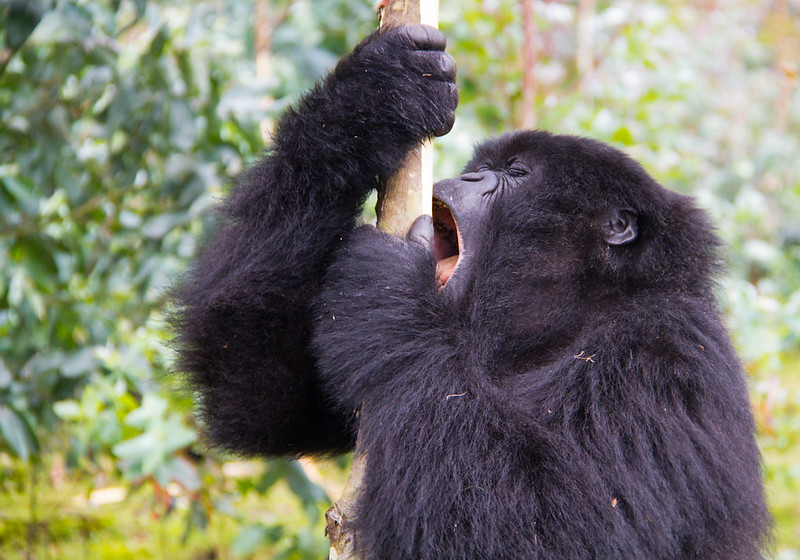
Truly Iconic Highlights in Uganda

Trek through Bwindi’s mystical rainforest and meet the endangered mountain gorillas in their breathtaking natural home.
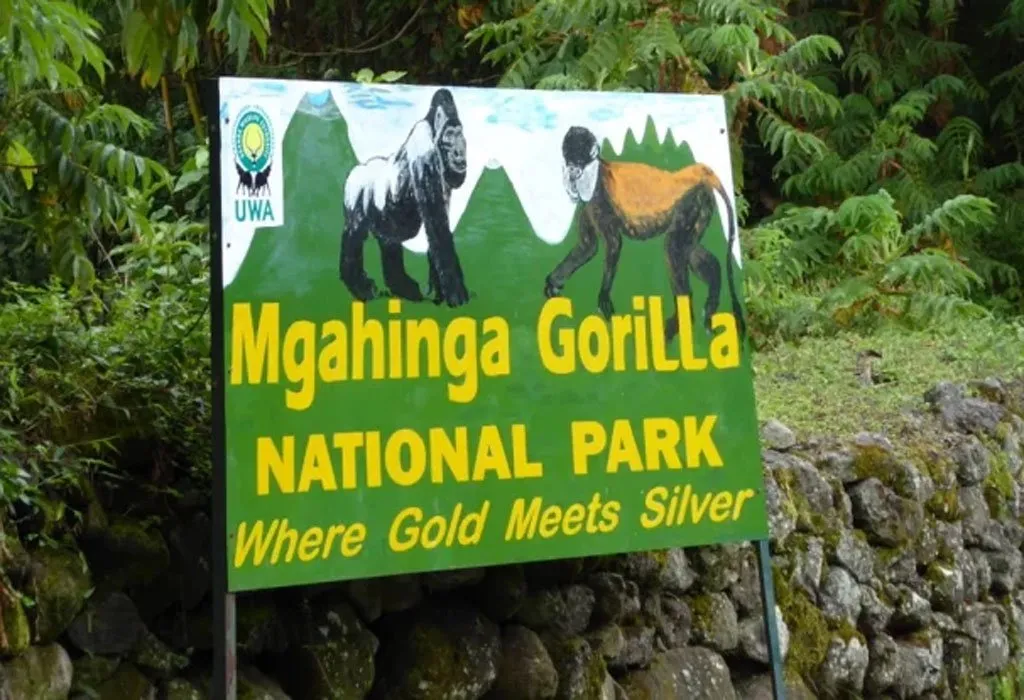
Encounter mountain gorillas and golden monkeys on Mgahinga’s misty volcanic trails, where culture and alpine wildlife thrive together.
Unwind after your trek with a peaceful canoe ride across Lake Bunyonyi, Uganda’s most tranquil and scenic highland lake.
Enhance your gorilla trekking safari with an optional chimpanzee encounter in Uganda’s lush forests, adding depth and diversity to your primate adventure
Gorilla Trekking Tours in Uganda – Our Most Popular Itineraries.
Explore our gorilla trekking safaris for every traveler—solo, family, budget, or luxury. All tours include permits, transport, accommodation, meals, and park fees. Whether for a quick trip or a deeper adventure, we’ve got you covered.
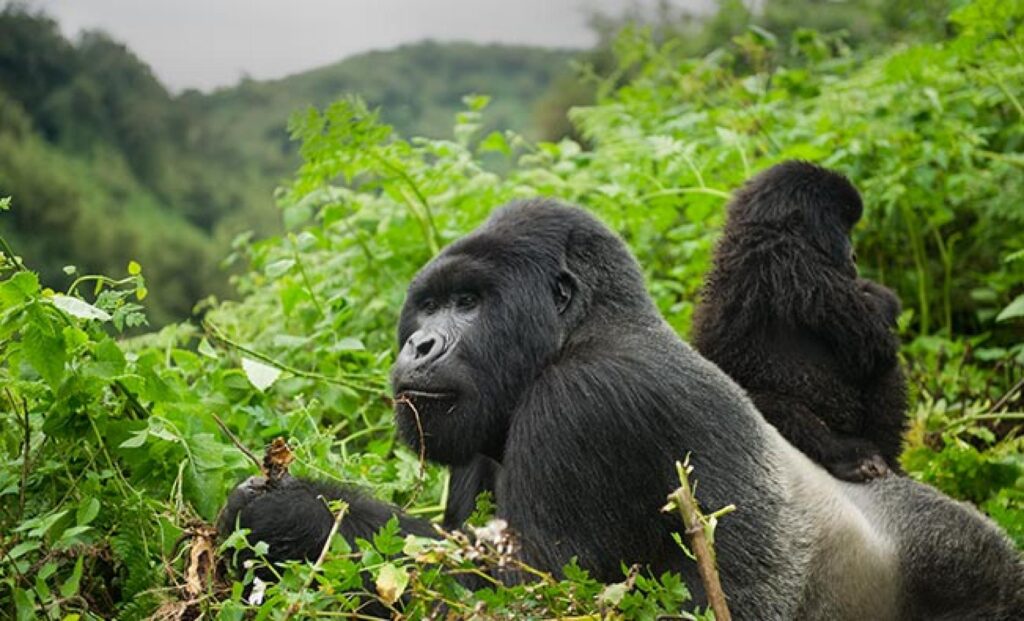
3-Day Bwindi Gorilla Trekking Safari
3-Day Bwindi Gorilla Trekking Safari
4-Day Uganda Gorilla Trekking Safari
4-Day Uganda Gorilla Trekking Safari
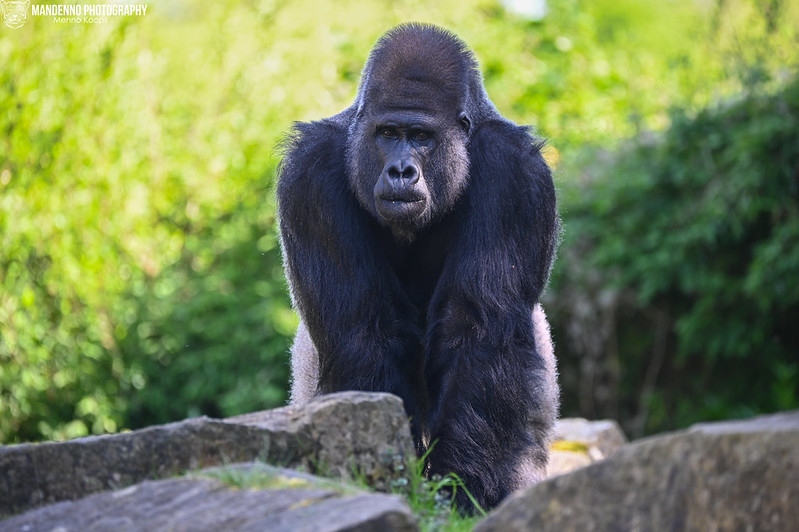
5-Day Gorilla Tracking and Wildlife Safari
5-Day Gorilla Tracking and Wildlife Safari
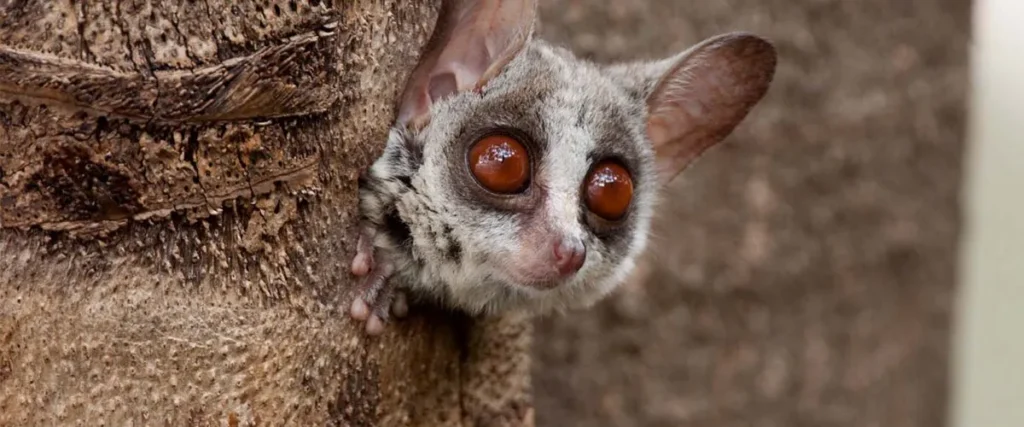
7-Day Uganda Primate Adventure & Wildlife Safari
7-Day Uganda Primate Adventure & Wildlife Safari
10-Day Gorilla Trekking & Big Five Safari in Uganda
10-Day Gorilla Trekking & Big Five Safari in Uganda
12-Day Uganda Gorilla Trekking, Chimp Tracking & Cultural Safari
12-Day Uganda Gorilla Trekking, Chimp Tracking & Cultural Safari
14-Day Best of Uganda Safari – Gorillas, Wildlife, Cultures
14-Day Best of Uganda Safari – Gorillas, Wildlife, Cultures
OVERVIEW OF GORILLAS
TAXONOMY AND SPECIES CLASSIFICATION
Gorillas are divided into two primary species: the eastern gorilla (Gorilla beringei) and the western gorilla (Gorilla gorilla). Each species contains recognized subspecies that differ in size, habitat, behavior, and conservation status. Eastern gorillas include the mountain gorilla and the eastern lowland gorilla, while western gorillas consist of the western lowland gorilla and the Cross River gorilla.Mountain gorillas are the most widely known subspecies due to gorilla trekking tourism and long-term conservation research. They inhabit high-altitude montane forests in Uganda, Rwanda, and the Democratic Republic of Congo. Western lowland gorillas, by contrast, occupy dense lowland rainforests and swamp forests across Central Africa and are more numerous but harder to observe due to their remote habitats.
PHYSICAL CHARACTERISTICS AND BIOLOGICAL ADAPTATIONS
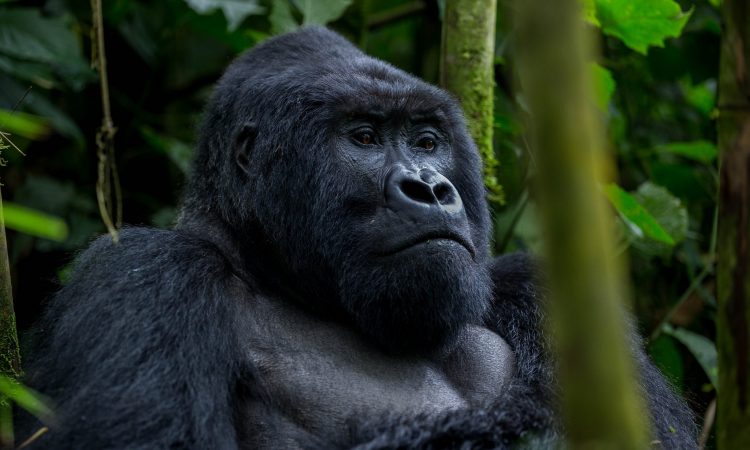
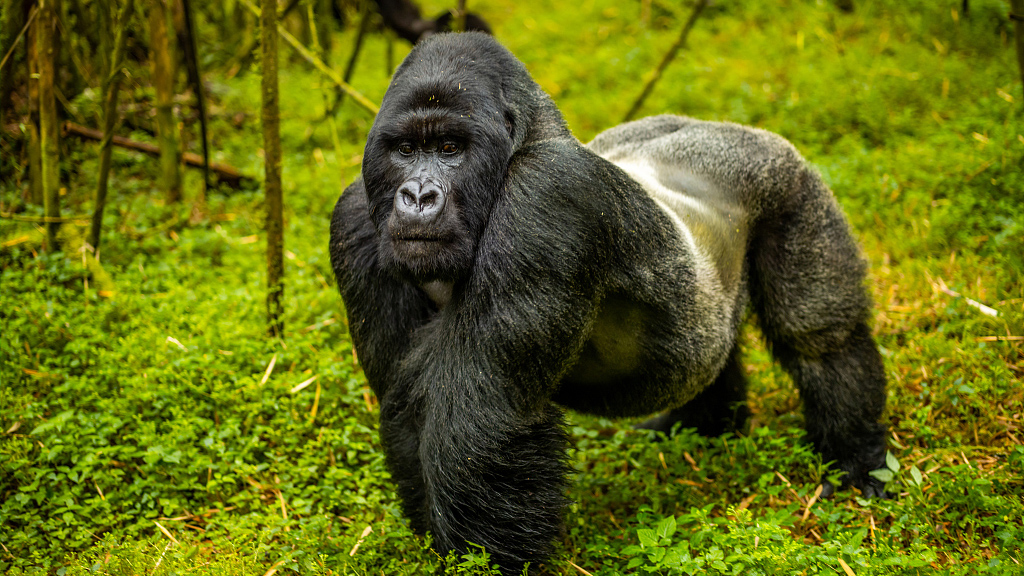
Gorillas possess massive bodies characterized by broad chests, muscular arms, and powerful hands adapted for knuckle-walking and climbing. Adult males, commonly referred to as silverbacks, can weigh between 160 and 220 kilograms, while females are significantly smaller. The silver coloration on a mature male’s back signals dominance and reproductive maturity rather than age alone.Their skeletal structure supports both terrestrial movement and limited arboreal activity, particularly among juveniles and females. Gorillas have large skulls with pronounced sagittal crests that anchor powerful jaw muscles, enabling them to process tough vegetation. Their thick skin and dense hair offer protection from thorny plants, insects, and cooler temperatures, especially in montane environments where mountain gorillas reside.
SOCIAL STRUCTURE AND FAMILY DYNAMICS
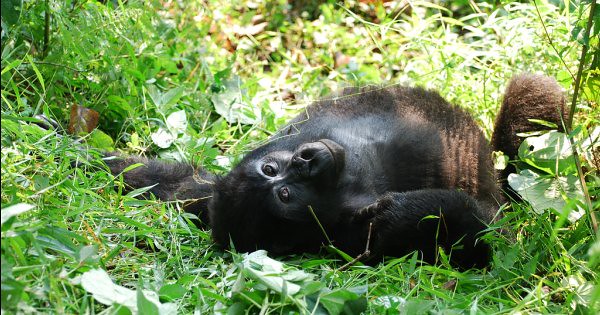
Gorillas live in cohesive family units known as troops or groups, which are typically led by a dominant silverback male. The silverback serves as the group’s protector, decision-maker, and social stabilizer. His leadership is central to group survival, as he determines daily movements, resolves conflicts, and defends members against threats.A typical gorilla family includes several adult females, their offspring, and sometimes subordinate males. Social bonds are reinforced through grooming, physical contact, vocal communication, and play. Infants remain closely attached to their mothers for the first few years of life, relying on them for nourishment, protection, and learning social norms. Juveniles engage in frequent play, which is essential for physical development and social skill acquisition.
COMMUNICATION AND INTELLIGENCE
Gorillas exhibit advanced cognitive abilities and a complex communication system that relies on vocalizations, facial expressions, gestures, and body postures. Researchers have documented over twenty distinct vocal sounds used to convey emotions such as contentment, fear, warning, and reassurance. Subtle facial cues, including lip movements and eye contact, further enhance social interaction.Chest-beating, one of the most iconic gorilla behaviors, is primarily a form of communication rather than aggression. It allows silverbacks to assert dominance, attract females, and deter rival males without physical confrontation. Studies of gorillas in captivity and the wild have demonstrated problem-solving skills, emotional awareness, memory retention, and the ability to use tools, underscoring their high level of intelligence.
DIETARY HABITS AND ECOLOGICAL ROLE
Gorillas are predominantly herbivorous, consuming a diet composed mainly of leaves, stems, shoots, bark, roots, and seasonal fruits. Mountain gorillas rely heavily on fibrous vegetation due to limited fruit availability at high altitudes, while lowland gorillas consume more fruit when it is abundant.An adult gorilla can consume over thirty kilograms of vegetation per day, spending much of its waking hours feeding and resting to facilitate digestion. Their feeding behavior plays a crucial ecological role, as gorillas contribute to seed dispersal and vegetation regeneration. By shaping plant communities and maintaining forest structure, gorillas function as keystone species within their ecosystems.
HABITAT AND GEOGRAPHICAL DISTRIBUTION
Gorillas inhabit a variety of forest environments ranging from lowland tropical rainforests to high-altitude montane forests. Mountain gorillas live at elevations exceeding 2,200 meters, where temperatures are cooler and vegetation is denser and more fibrous. These habitats are often shrouded in mist and experience high rainfall throughout the year.Their geographical distribution is limited to a small number of African countries, making gorillas especially vulnerable to habitat loss. Forest fragmentation, agricultural expansion, and infrastructure development have significantly reduced suitable living space, forcing gorilla populations into increasingly isolated protected areas.
REPRODUCTION AND LIFE CYCLE
Gorillas have a slow reproductive rate, which contributes to their vulnerability as a species. Females reach sexual maturity around ten years of age and typically give birth to a single infant after a gestation period of approximately eight and a half months. Infants are dependent on their mothers for several years, and the interval between births can exceed four years.This slow population growth means that losses due to disease, poaching, or habitat destruction can have long-lasting effects. However, strong maternal care and social stability within groups increase infant survival rates, particularly in well-protected environments.
CONSERVATION STATUS AND HUMAN-RELATED THREATS
All gorilla species are currently classified as endangered or critically endangered. The primary threats facing gorillas include habitat destruction, illegal poaching, disease transmission from humans, and political instability within their range. Respiratory infections pose a significant risk, as gorillas are highly susceptible to human illnesses.Conservation efforts have intensified over recent decades, incorporating anti-poaching patrols, veterinary intervention programs, scientific research, and community-based conservation initiatives. Mountain gorilla populations, once on the brink of extinction, have shown gradual recovery due to sustained international collaboration and strict protection measures.
GORILLAS AND RESPONSIBLE ECOTOURISM
Gorilla trekking has become one of the most successful conservation-based tourism models in the world. Carefully regulated visits allow tourists to observe gorillas in their natural habitat while generating revenue that directly supports conservation and local communities. Strict guidelines limit visitor numbers, enforce health precautions, and maintain minimum viewing distances to reduce stress and disease transmission.This model demonstrates how wildlife tourism, when responsibly managed, can create economic incentives for conservation while fostering global appreciation for endangered species.
THE SCIENTIFIC AND CULTURAL SIGNIFICANCE OF GORILLAS
Beyond their ecological importance, gorillas hold profound scientific and cultural value. Long-term studies of gorilla behavior have transformed understanding of primate intelligence, social evolution, and emotional complexity. Culturally, gorillas symbolize wilderness preservation, resilience, and the interconnectedness of humans and nature.For many local communities, gorillas represent both natural heritage and a source of sustainable livelihood through conservation-linked tourism. Their protection therefore supports biodiversity conservation while contributing to human well-being.
THE IMPORTANCE OF GORILLA KNOWLEDGE
Gorillas are extraordinary animals whose physical strength is matched by their social sensitivity and intelligence. Understanding gorilla facts goes beyond curiosity; it forms the foundation for conservation action, ethical tourism, and informed environmental stewardship.Protecting gorillas means preserving ancient forests, supporting scientific research, and ensuring that future generations can continue to learn from and coexist with one of Earth’s most remarkable species.
More Gorilla Trekking Information to Know.
Gorilla trekking goes far beyond just the hike — it’s a deep, emotional journey into the heart of Africa’s last wild rainforests. Knowing the right timing, permits, fitness tips, and park details can turn your experience from good to unforgettable.
Gorilla Trekking in Bwindi Impenetrable Forest
Gorilla Trekking in Bwindi Impenetrable Forest
Trekking Gorillas in Mgahinga National Park
Trekking Gorillas in Mgahinga National Park
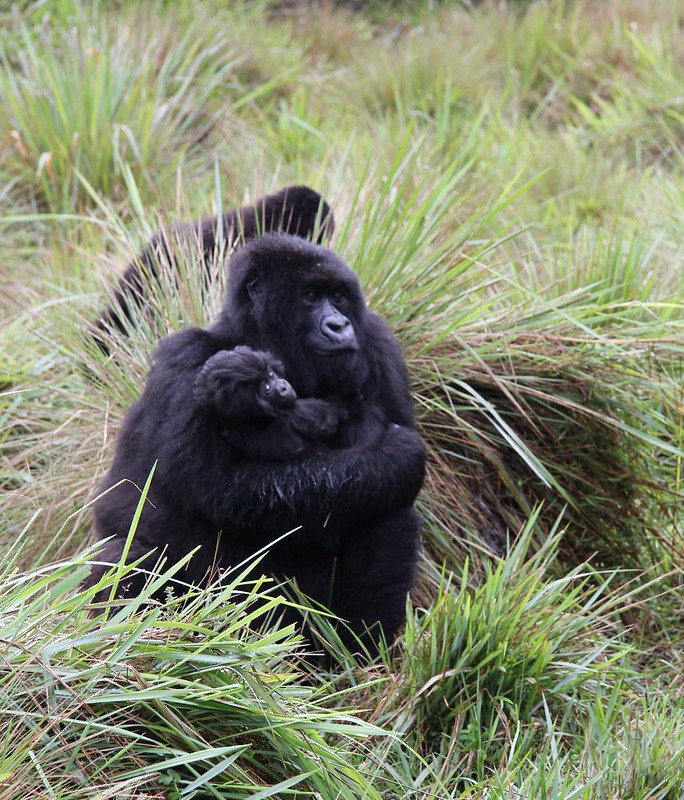
Uganda Gorilla Trekking Permits – Prices, Booking, & Travel Tips
Uganda Gorilla Trekking Permits – Prices, Booking, & Travel Tips

What to Pack for Gorilla Trekking in Uganda – Expert Checklist
What to Pack for Gorilla Trekking in Uganda – Expert Checklist
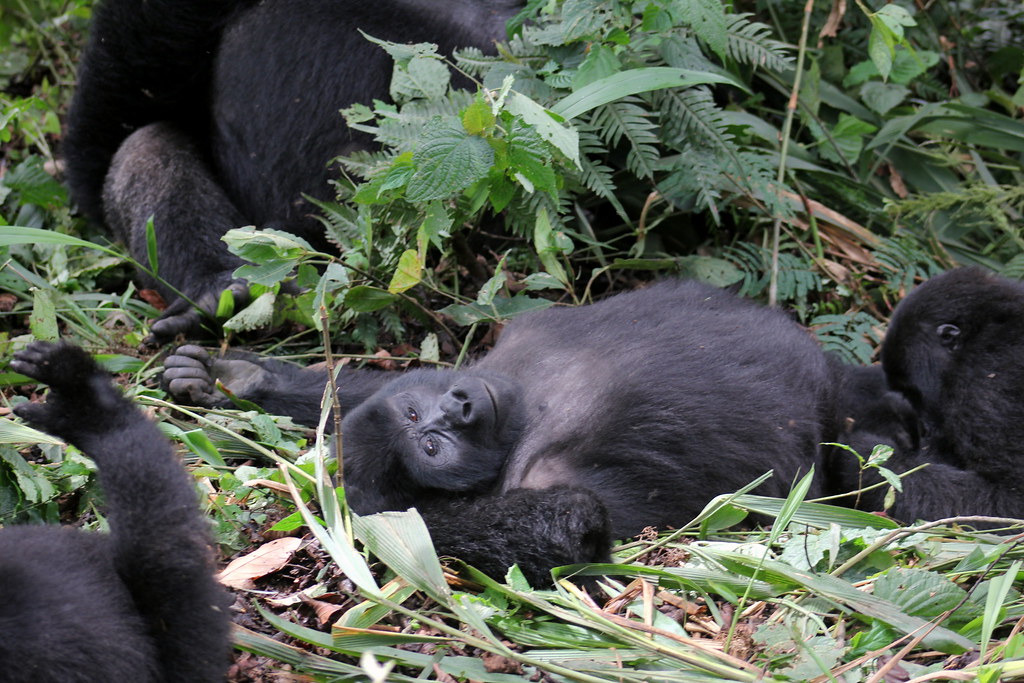
Best Time to Go Gorilla Trekking in Uganda – Weather & Seasons
Best Time to Go Gorilla Trekking in Uganda – Weather & Seasons
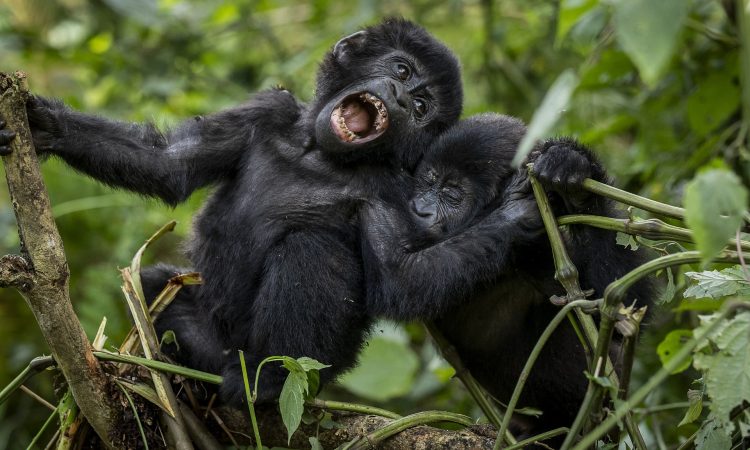
Gorilla Trekking Difficulty in Uganda – Fitness & Trail Guide
Gorilla Trekking Difficulty in Uganda – Fitness & Trail Guide
Gorilla Trekking Rules in Uganda – Safety, Respect & Ethics
Gorilla Trekking Rules in Uganda – Safety, Respect & Ethics
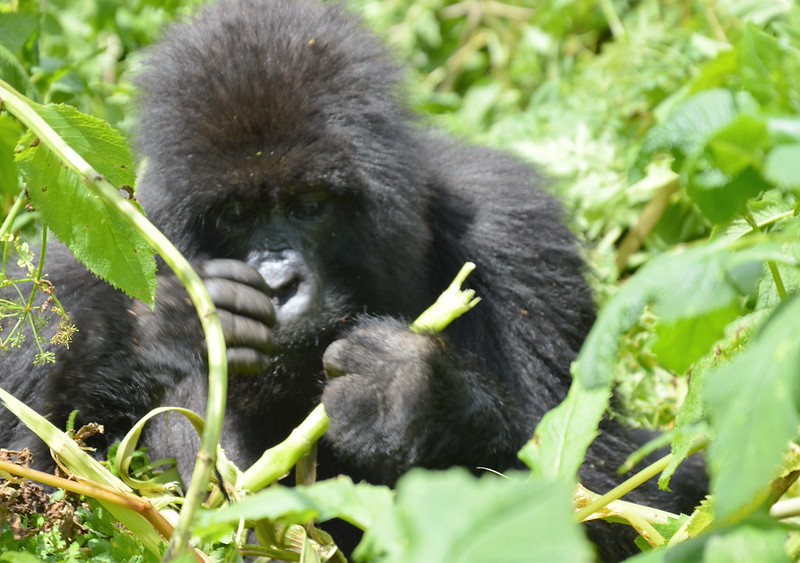
Gorilla Conservation in Uganda – Protecting the Mountain Giants
Gorilla Conservation in Uganda – Protecting the Mountain Giants

Bwindi vs. Mgahinga – Which One to Choose For Gorilla Trekking?
Bwindi vs. Mgahinga – Which One to Choose For Gorilla Trekking?
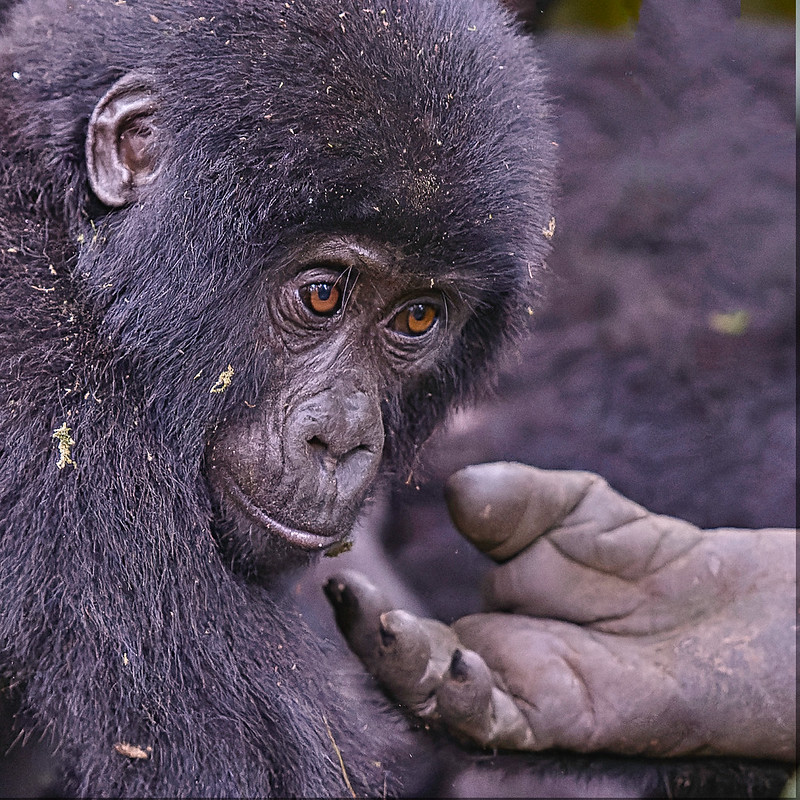
How to Stay Safe and Healthy While Traveling in Uganda
How to Stay Safe and Healthy While Traveling in Uganda
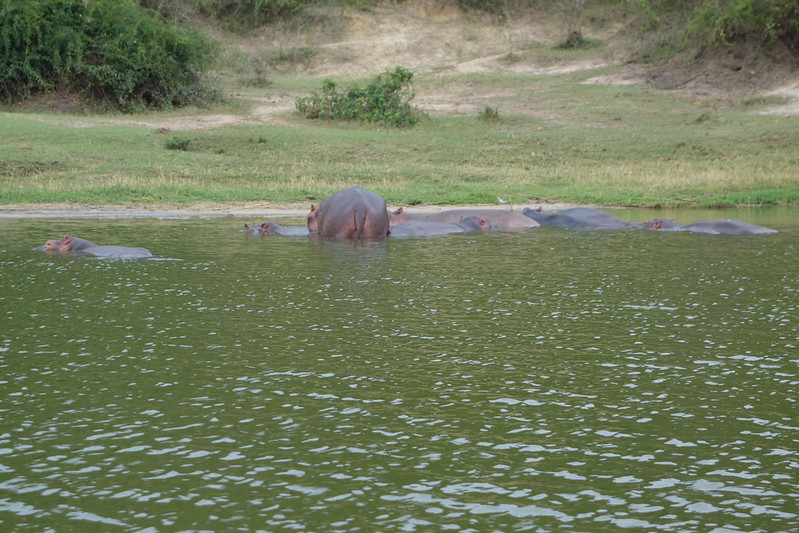
Routes, Tips & Travel Wisdom for Getting to Bwindi or Mgahinga
Routes, Tips & Travel Wisdom for Getting to Bwindi or Mgahinga

Accommodation Options: Lodges & Camps in Bwindi and Mgahinga
Accommodation Options: Lodges & Camps in Bwindi and Mgahinga
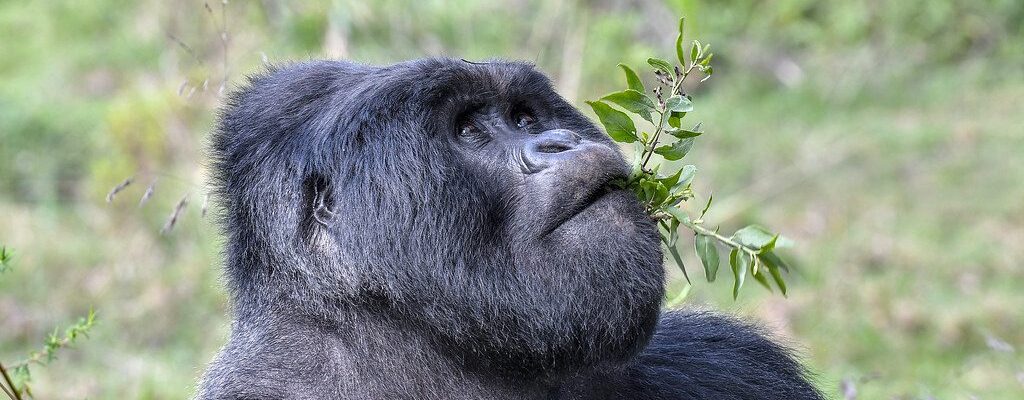
Protecting What You Came to See: Gorilla Conservation & Ethics
Protecting What You Came to See: Gorilla Conservation & Ethics
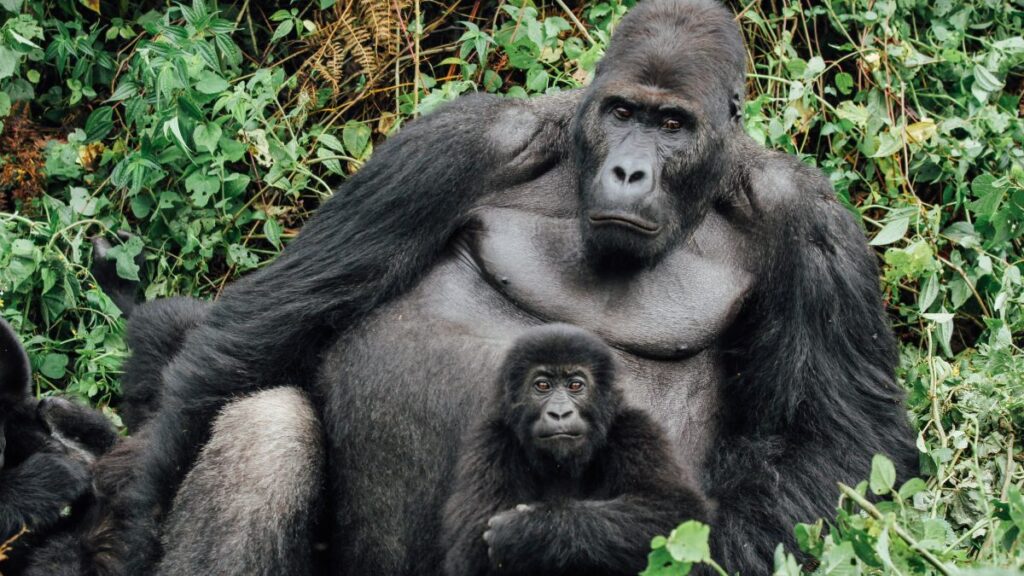
Travel Insurance for Gorilla Treks: Before You Go
Travel Insurance for Gorilla Treks: Before You Go
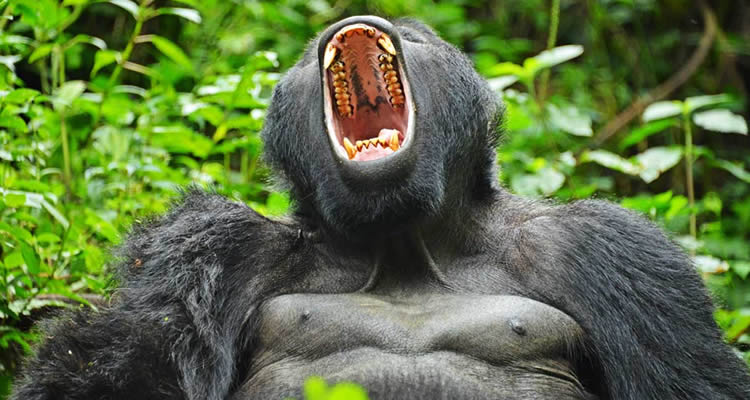
First Time Gorilla Trekking? Here’s Everything I Wish I Knew
First Time Gorilla Trekking? Here’s Everything I Wish I Knew
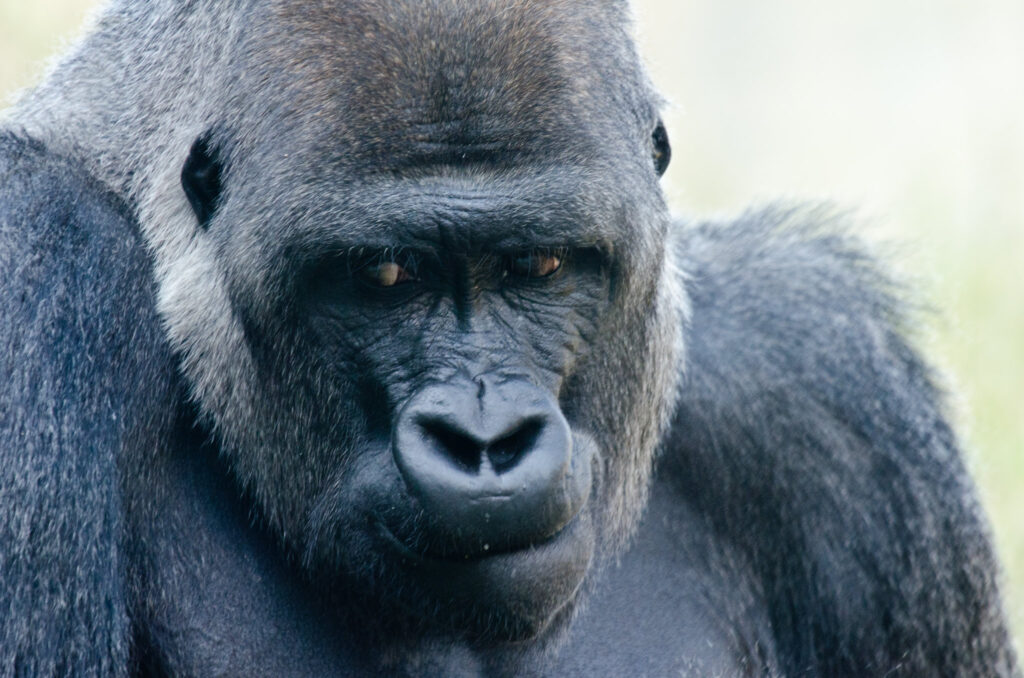
Step by Step: What Happens During a Gorilla Trekking Day
Step by Step: What Happens During a Gorilla Trekking Day
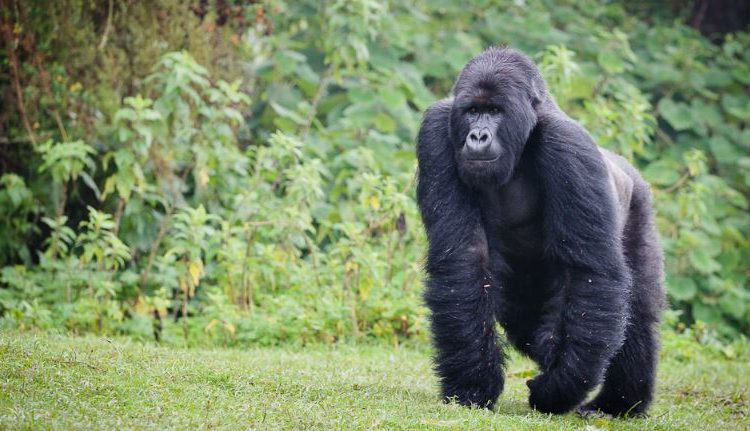
Gorilla Trekking vs. Gorilla Tracking – What’s the Real Difference?
Gorilla Trekking vs. Gorilla Tracking – What’s the Real Difference?
Beyond Gorillas: Other Wildlife You Can See During Your Trek
Beyond Gorillas: Other Wildlife You Can See During Your Trek
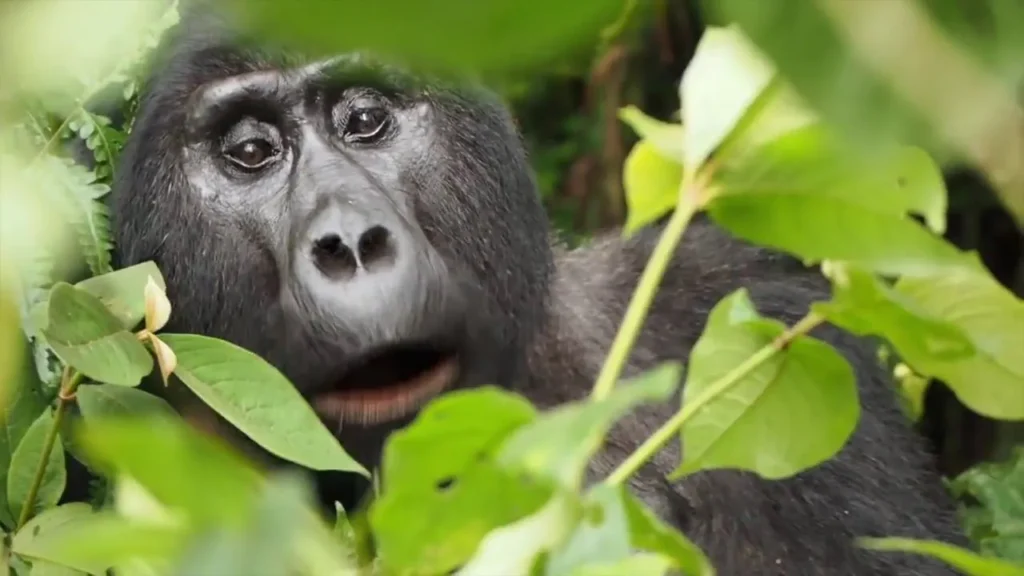
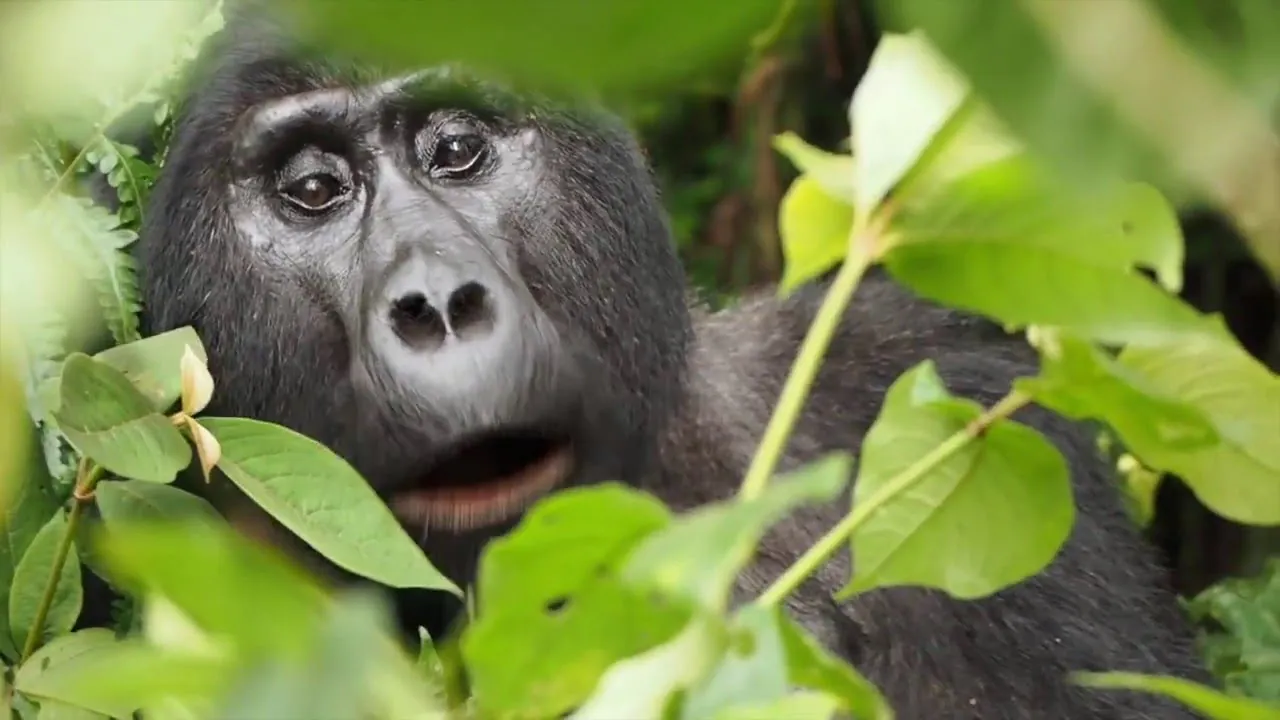
In the Realm of Giants – Bwindi & Mgahinga in Frames.
Wander through an elegant gallery capturing Uganda’s most exclusive gorilla sanctuaries, where ancient forests cradle the last mountain gorillas in a world of mist, mystery, and majesty.
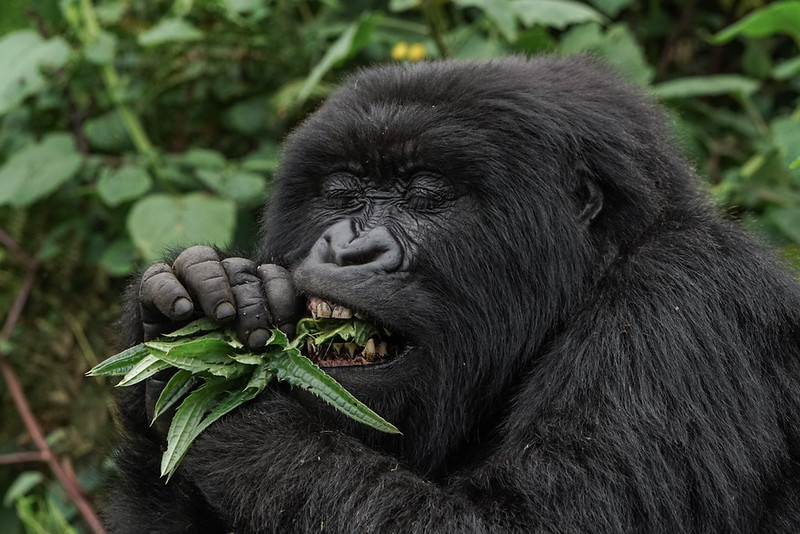
Essential Planning Tips for Visiting Uganda’s National Parks.
Get ready for the wild heart of Africa with expert travel tips on when to visit, what to pack, where to go, and how to make the most of your safari across Uganda’s breathtaking national parks.
Why Uganda for Gorilla Trekking?
Uganda is not just a destination — it's the very soul of gorilla trekking. With over half of the world’s remaining mountain gorillas calling its misty forests home, Uganda offers the rarest encounters in their most authentic setting. Here, your journey is not rushed or crowded. Instead, you’re guided by experienced rangers through pristine jungles where gorillas live as they always have — wild, free, and magnificent
From insider travel insights to unforgettable trekking guides, our blog is your trusted path into Uganda’s wild heart — connecting you with mountain gorillas, breathtaking landscapes, and the soul-stirring adventures that make this land unlike any other.