

Updated
Uganda’s shared minibuses are white 14-seat vans, usually Toyota HiAces with a blue-and-white chequered band, and in Uganda they are simply called “taxis” (in Kenya the same vehicles are called matatus). They run fixed routes within and between towns, leave from taxi parks when full rather than to a timetable, and are very cheap.
In Kampala, the Old and New Taxi Parks in the city centre are the main hubs. They are a real slice of everyday life, but crowded, sometimes driven fast and not ideal with luggage; for long journeys to Bwindi, a large coach or a private vehicle is safer.
How the system works
Each taxi has a driver and a conductor, who calls out the destination, collects fares and squeezes in passengers. In town, you can flag one down anywhere along its route and ask to be dropped wherever you like; say “stage” or simply tell the conductor where you want to get off. For longer trips, you go to the taxi park or stage serving your destination, find the vehicle loading for your town, take a seat and wait until it fills. Waiting can take a few minutes or much longer, depending on the time of day.
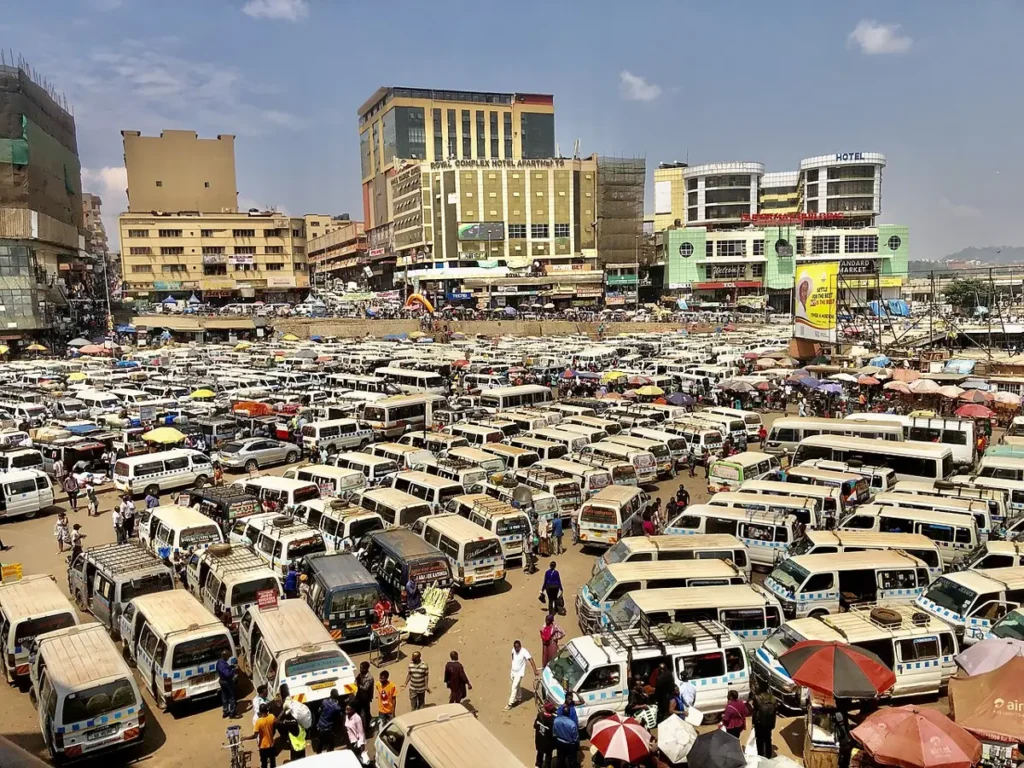
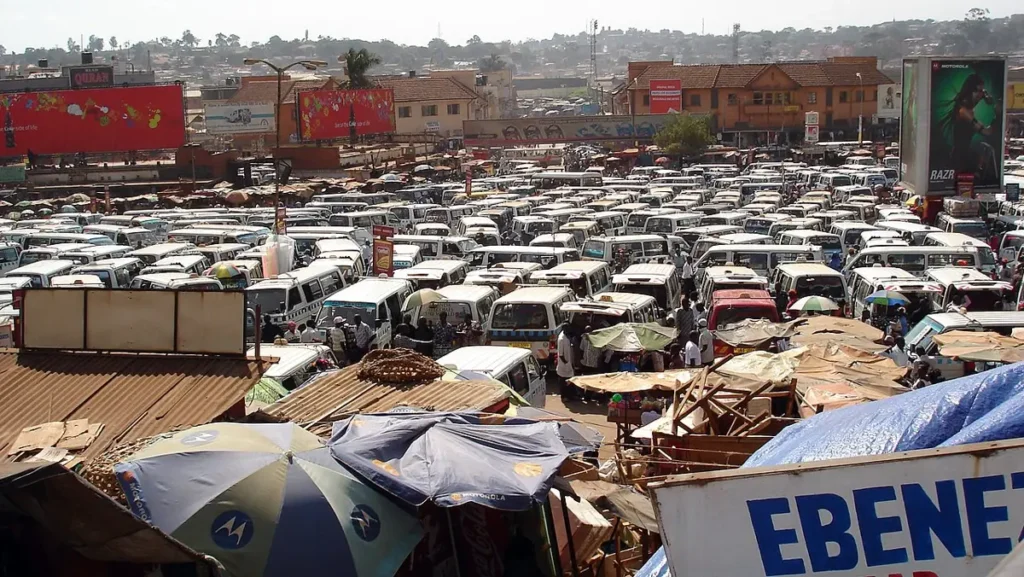
Kampala’s Old and New Taxi Parks are chaotic, crowded and confusing for first-time visitors, with hundreds of vehicles and touts competing for passengers. Ask a local or your hotel which park and stage serves your route, keep valuables out of sight and watch your bags.
Fares
Fares are low: a short ride in town costs a small amount of Ugandan shillings, and intercity trips are cheap by international standards. The conductor collects fares during the trip or before departure; pay in small notes and keep your change. Prices rise on public holidays and at busy travel times, and can rise in the rain. Ask a fellow passenger what the usual fare is if you are unsure.
Safety and comfort
Minibus taxis are a common sight in Uganda’s road accident reports. Some are overloaded or driven fast, and seats are tight, so long trips are uncomfortable. Travel in daylight, sit away from the sliding door if you can, keep your bag on your lap or under your feet, and get off if the driving feels dangerous. Theft of phones through open windows happens in slow city traffic. For long routes, coaches are usually more comfortable and safer; see our guide to the bus from Kampala to Bwindi.
Reaching the national parks
Shared taxis connect the main towns near the parks, such as Kabale, Kisoro, Fort Portal and Kasese, but rarely go into national parks or to gorilla trekking trailheads, and you cannot use them for game drives. From the nearest town, you need a private car, called a special hire, or a lodge transfer for the last stretch. See our guide to special hire taxis.
Other ways to get around
In Kampala and Entebbe, Uber and Bolt offer cars and motorcycle rides at fixed prices, which is easier than negotiating. Motorcycle taxis, called boda-bodas, are fast but carry more risk; read our guide to using boda-bodas safely. For a gorilla safari, most travellers use a private vehicle and driver-guide, which saves time and covers the park roads. Our Kampala traffic guide explains when to travel.
Frequently asked questions
Yes, but Ugandans call these shared minibuses “taxis”. “Matatu” is the Kenyan name.
Mainly the Old and New Taxi Parks in the city centre, with stages along the main roads.
They carry more risk than coaches or private cars. Travel in daylight and keep valuables close.
Only to nearby towns. You need a private car or lodge transfer for the last stretch to the park.










