

Where the soul of the forest whispers in the mist
Many travelers planning a gorilla trekking experience often wonder, “What is the gorilla levy, and who does it help?” Beyond the cost of permits and park entry fees, the gorilla levy is a crucial component of conservation efforts, playing a quiet yet powerful role in safeguarding one of the world’s most endangered species. This fee is specifically designed to ensure that gorilla tourism contributes directly to the protection and management of mountain gorilla populations, funding anti-poaching patrols, habitat preservation, and research initiatives that monitor gorilla health and behavior.
In addition to supporting wildlife, the gorilla levy benefits local communities that live alongside protected forests. Revenue from the fee helps fund community development projects such as schools, healthcare, clean water initiatives, and sustainable livelihood programs.
The gorilla levy is far more than a simple fee—it embodies a shared responsibility between visitors, conservation authorities, and local communities. Each contribution plays a vital role in sustaining fragile forest ecosystems, supporting anti-poaching patrols, and funding research and monitoring programs that protect gorilla populations. Beyond wildlife protection, the levy strengthens relationships with local communities, providing resources for education, healthcare, and sustainable livelihoods, which in turn foster a sense of stewardship over the forests.
By participating in this system, travelers actively contribute to a model of conservation that balances tourism, ecology, and community welfare.
So lace up your boots, grab your camera, and prepare to meet the wild — this is where your gorilla trekking dreams and unforgettable safari adventures truly begin.
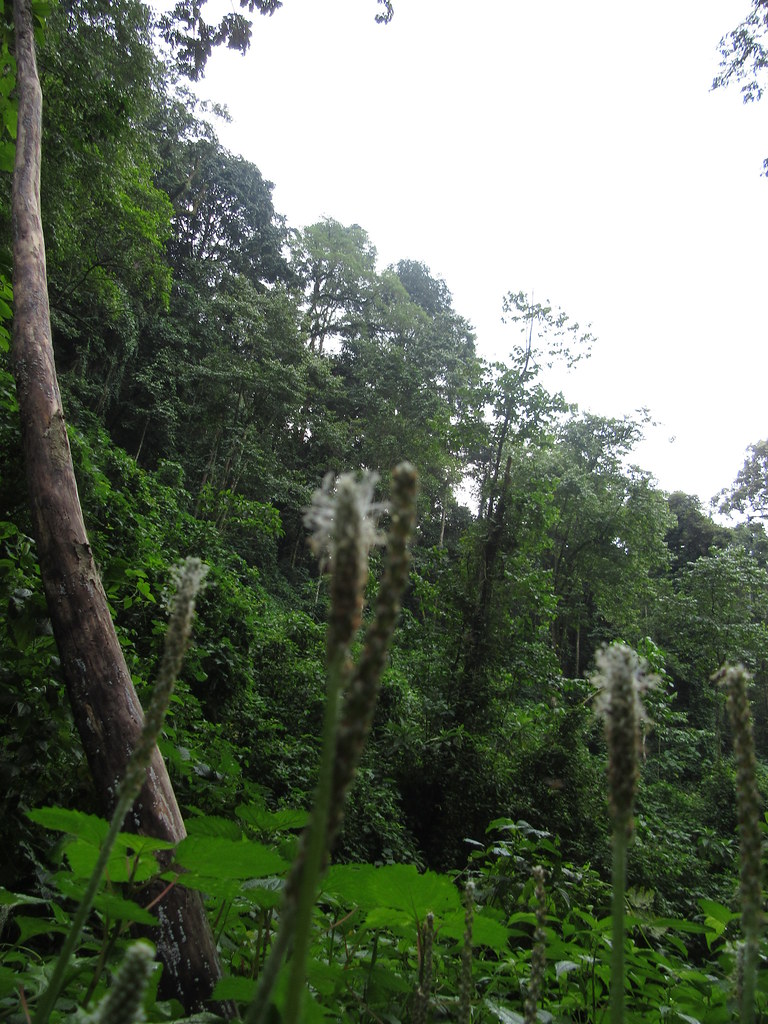
Truly Iconic Highlights in Uganda

Trek through Bwindi’s mystical rainforest and meet the endangered mountain gorillas in their breathtaking natural home.
Encounter mountain gorillas and golden monkeys on Mgahinga’s misty volcanic trails, where culture and alpine wildlife thrive together.
Unwind after your trek with a peaceful canoe ride across Lake Bunyonyi, Uganda’s most tranquil and scenic highland lake.
Enhance your gorilla trekking safari with an optional chimpanzee encounter in Uganda’s lush forests, adding depth and diversity to your primate adventure
Gorilla Trekking Tours in Uganda – Our Most Popular Itineraries.
Explore our gorilla trekking safaris for every traveler—solo, family, budget, or luxury. All tours include permits, transport, accommodation, meals, and park fees. Whether for a quick trip or a deeper adventure, we’ve got you covered.
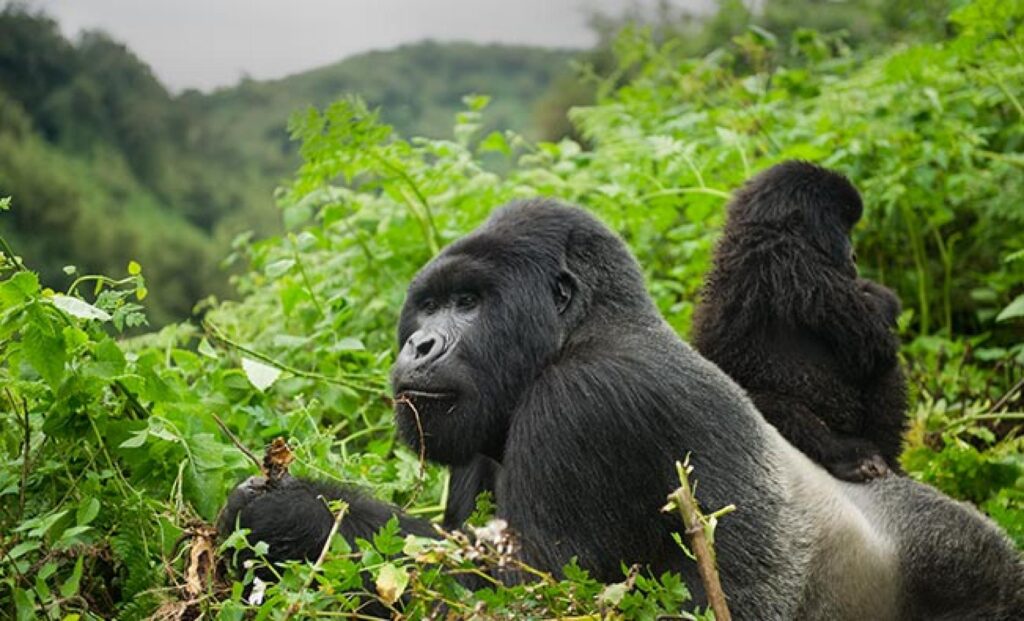
3-Day Bwindi Gorilla Trekking Safari
3-Day Bwindi Gorilla Trekking Safari
4-Day Uganda Gorilla Trekking Safari
4-Day Uganda Gorilla Trekking Safari
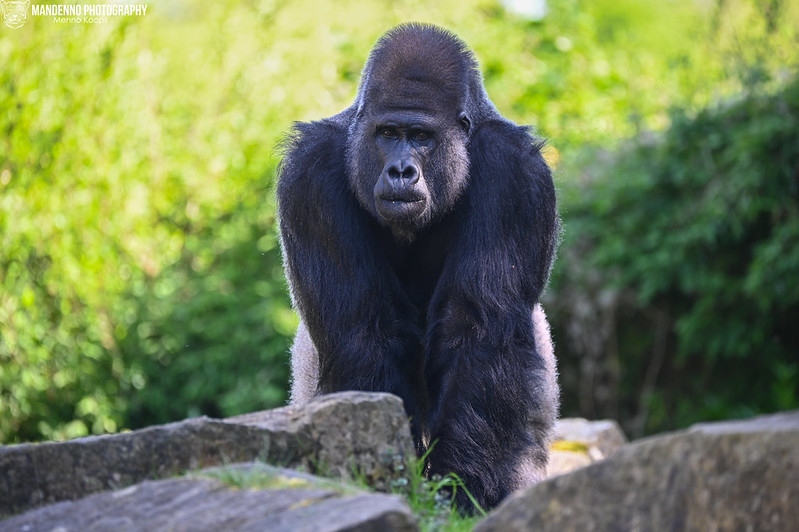
5-Day Gorilla Tracking and Wildlife Safari
5-Day Gorilla Tracking and Wildlife Safari
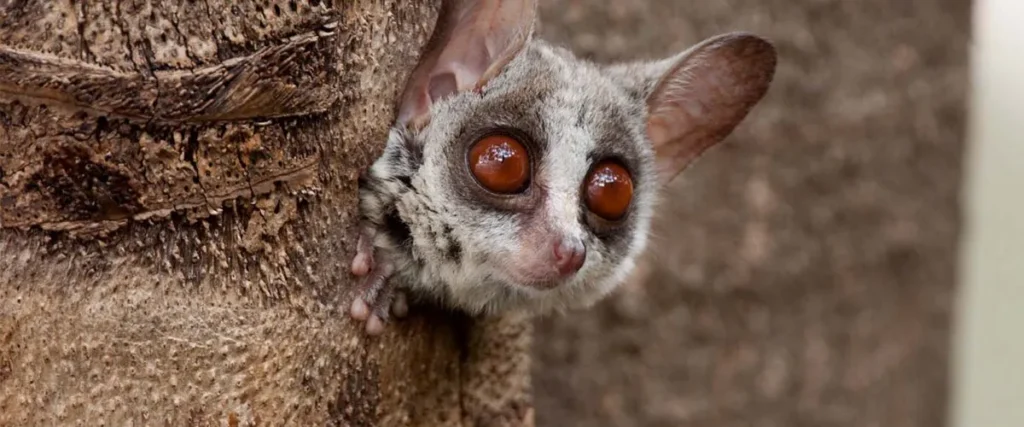
7-Day Uganda Primate Adventure & Wildlife Safari
7-Day Uganda Primate Adventure & Wildlife Safari
10-Day Gorilla Trekking & Big Five Safari in Uganda
10-Day Gorilla Trekking & Big Five Safari in Uganda
12-Day Uganda Gorilla Trekking, Chimp Tracking & Cultural Safari
12-Day Uganda Gorilla Trekking, Chimp Tracking & Cultural Safari
14-Day Best of Uganda Safari – Gorillas, Wildlife, Cultures
14-Day Best of Uganda Safari – Gorillas, Wildlife, Cultures
Understanding the Conservation Fee Behind Gorilla Trekking
What the Gorilla Levy Is
The gorilla levy is a dedicated conservation fee included with gorilla trekking permits in iconic destinations such as Uganda, Rwanda, and the Democratic Republic of Congo. Unlike general park fees, this levy is specifically designed to generate sustainable funding for the protection of mountain gorillas and the delicate ecosystems they inhabit. Mountain gorillas live in highly sensitive habitats—dense forests, steep volcanic slopes, and remote valleys—that require constant monitoring and careful management to ensure their survival. The gorilla levy provides the resources needed to maintain these habitats, protect the animals, and support long-term conservation programs.
Tourism alone cannot guarantee the survival of these species. The gorilla levy ensures that revenue generated from trekking directly benefits conservation efforts rather than being absorbed into broader administrative budgets. In this sense, every visitor contributes to a practical and measurable outcome: safeguarding endangered wildlife, maintaining forest ecosystems, and ensuring that gorilla populations continue to grow.
In addition to financial support, the levy carries an educational dimension. By understanding that their trekking permit includes a conservation fee, visitors are made aware that ethical wildlife tourism involves more than observing animals—it is about being a part of a larger, global effort to protect a species and the forests they call home.
Who the Gorilla Levy Helps
The funds collected through the gorilla levy are strategically distributed to support multiple levels of conservation and community initiatives. The primary beneficiaries include:
Park Rangers and Trackers: These professionals form the backbone of gorilla conservation. They patrol forests daily, protect gorilla families from poaching or human encroachment, and accompany trekking groups, ensuring the safety of both visitors and gorillas. The levy helps cover salaries, equipment, and training for these frontline conservationists.
Veterinary and Wildlife Health Teams: Gorillas, like humans, are vulnerable to disease. The levy funds veterinary interventions, including emergency treatment for injuries, vaccination campaigns, and disease monitoring programs that safeguard gorilla populations.
Researchers and Conservation Scientists: Scientists rely on stable funding to conduct ongoing studies of gorilla behavior, population dynamics, genetics, and ecosystem health. These studies inform park management strategies and global conservation policies.
Local communities living near gorilla habitats also benefit significantly from the levy. Conservation efforts cannot succeed without local support, and the gorilla levy ensures that residents see tangible advantages from wildlife tourism. Programs funded by the levy often include:
Construction of schools and educational initiatives to provide children with better learning opportunities
Health centers, clean water systems, and sanitation projects that improve community well-being
Alternative livelihood programs, such as eco-tourism initiatives, sustainable agriculture, or craft cooperatives, reducing pressure on forest resources
By directly involving communities in conservation success, the levy fosters a sense of stewardship and shared responsibility. Residents are incentivized to protect gorillas rather than view them as a threat or competition for land.
Supporting Long-Term Gorilla Conservation
Mountain gorillas face constant challenges, including habitat destruction, poaching, climate change, and susceptibility to human diseases. The gorilla levy provides a reliable and continuous funding source to address these threats. Key uses include:
Anti-Poaching Patrols: Rangers equipped with the necessary tools, vehicles, and training can actively prevent illegal hunting or logging in protected areas.
Habitat Management and Restoration: Funding supports reforestation, boundary maintenance, and measures to reduce human-wildlife conflict in areas bordering national parks.
Conservation Education: Communities and tourists benefit from programs that raise awareness about the importance of protecting gorillas and their ecosystems.
Scientific Research: Long-term studies on gorilla populations, genetics, and behavioral ecology are essential for informed conservation strategies and adaptive management of parks.
By linking the gorilla levy directly to these activities, tourism revenue becomes a powerful tool for sustainable wildlife management. The positive impact of these programs can be observed in stabilized or growing gorilla populations, healthier ecosystems, and stronger community engagement.
Why the Gorilla Levy Matters to Visitors
For trekkers, understanding what the gorilla levy is and who it helps elevates the trekking experience beyond a simple wildlife encounter. Paying this levy means becoming an active participant in conservation, rather than a passive observer. Each permit purchased contributes directly to:
The Survival of an Endangered Species: Every gorilla benefit from improved protection, habitat preservation, and health interventions funded by the levy.
Community Development: Nearby villages receive tangible benefits such as education, health services, and livelihoods, creating a conservation-friendly environment.
Scientific Advancement: Funds support research initiatives that guide effective protection strategies for gorillas and their habitats.
This connection transforms the trek into a meaningful act of ecological and social responsibility. Visitors can take pride knowing that their contribution helps sustain both the animals they come to see and the people who live alongside them. It demonstrates how ethical tourism creates a positive feedback loop: responsible visitor behavior, sustainable funding, and thriving wildlife.
Understanding the gorilla levy also encourages visitors to approach trekking with awareness and respect, realizing that they are part of a larger conservation effort that extends far beyond their own personal experience. The fee reinforces the principle that tourism, when done responsibly, can support the long-term survival of endangered species while simultaneously benefiting local communities and ecosystems.
More Gorilla Trekking Information to Know.
Gorilla trekking goes far beyond just the hike — it’s a deep, emotional journey into the heart of Africa’s last wild rainforests. Knowing the right timing, permits, fitness tips, and park details can turn your experience from good to unforgettable.
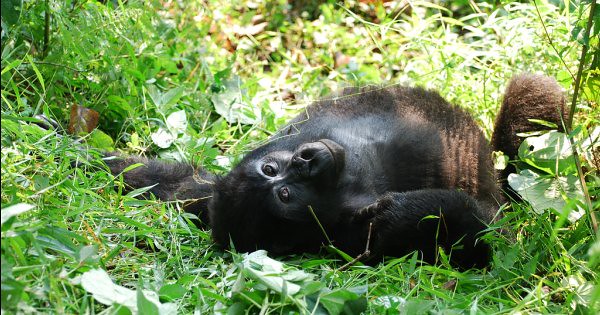
Gorilla Trekking in Bwindi Impenetrable Forest
Gorilla Trekking in Bwindi Impenetrable Forest
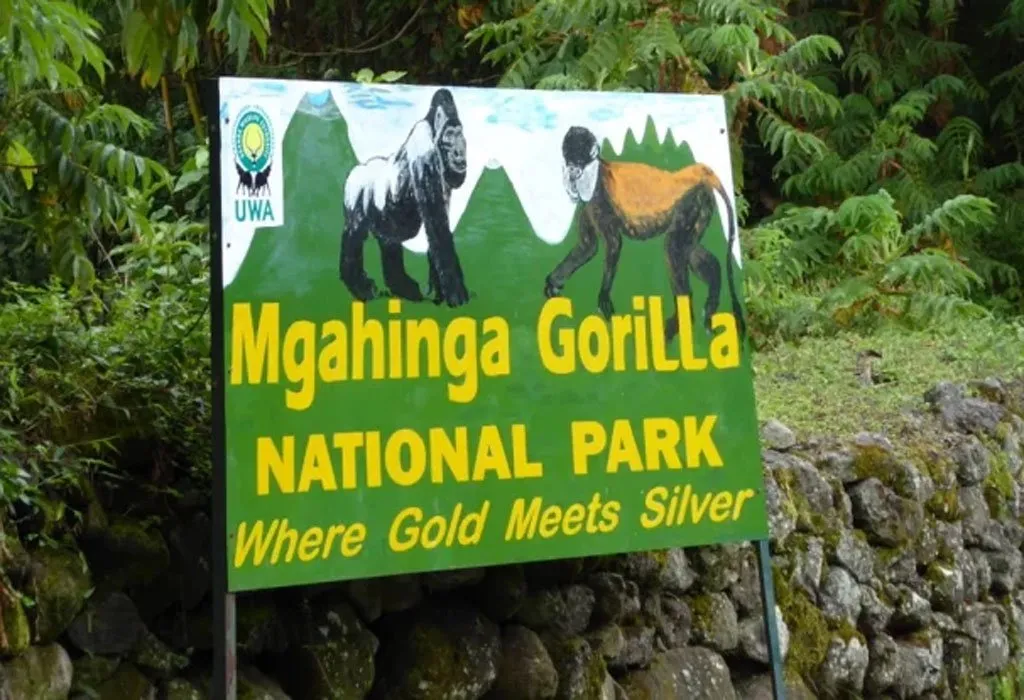
Trekking Gorillas in Mgahinga National Park
Trekking Gorillas in Mgahinga National Park
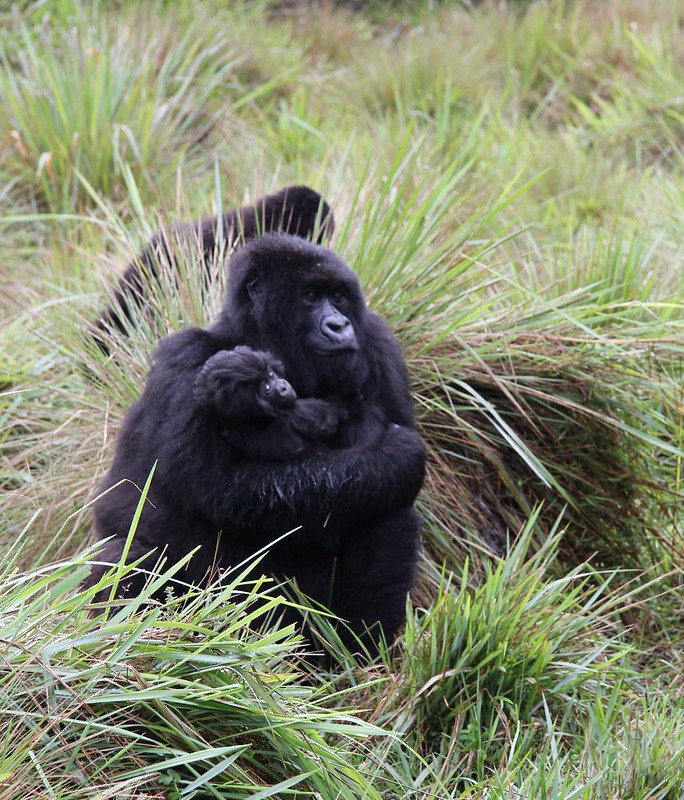
Uganda Gorilla Trekking Permits – Prices, Booking, & Travel Tips
Uganda Gorilla Trekking Permits – Prices, Booking, & Travel Tips
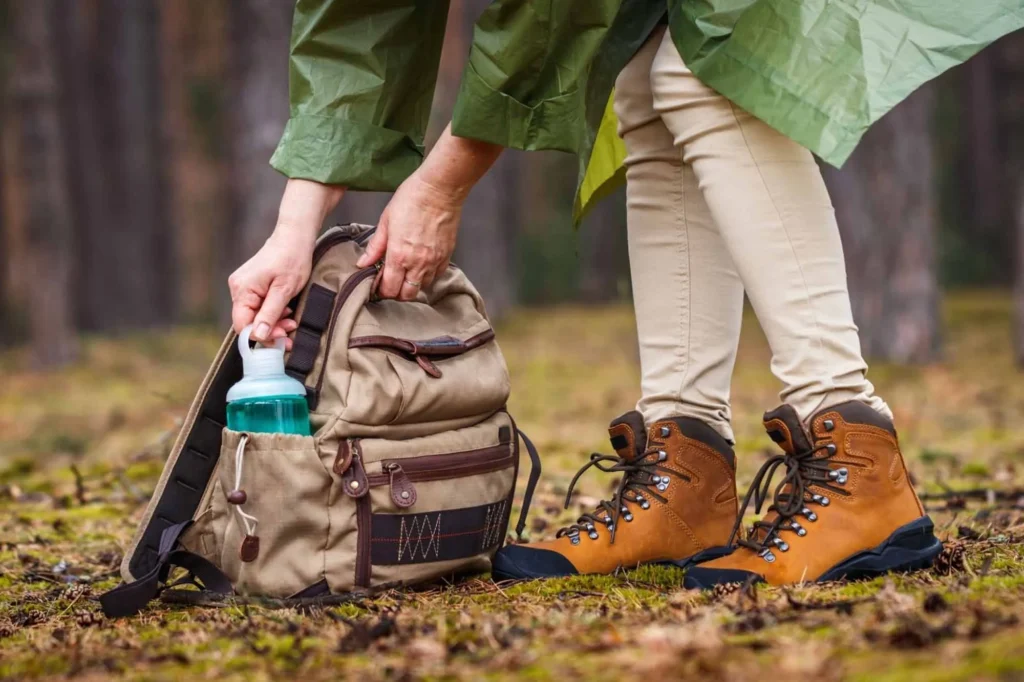
What to Pack for Gorilla Trekking in Uganda – Expert Checklist
What to Pack for Gorilla Trekking in Uganda – Expert Checklist
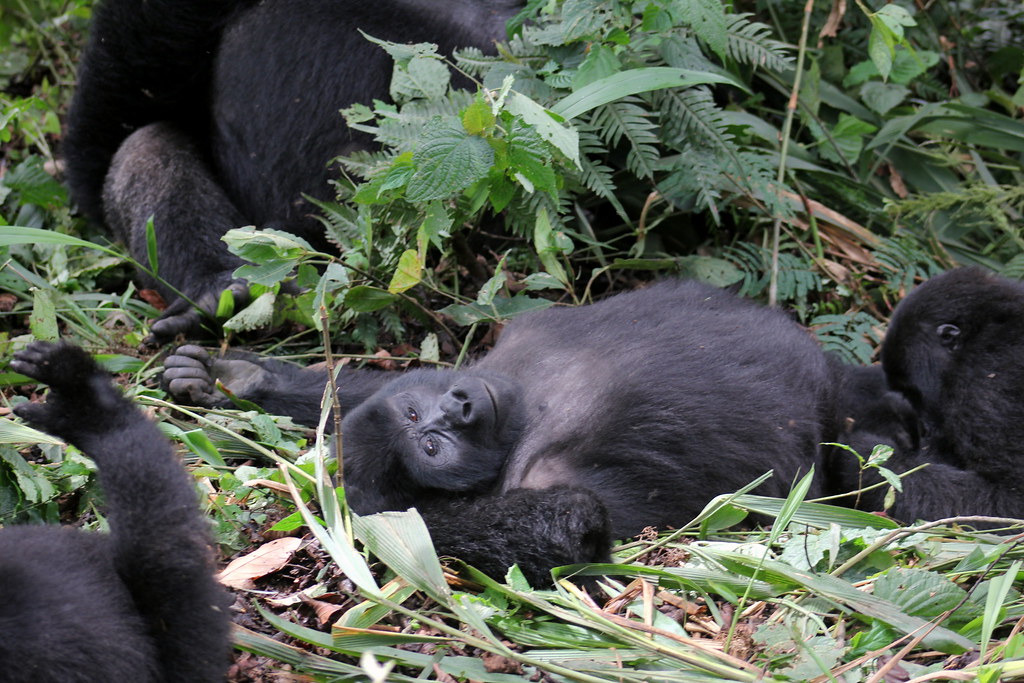
Best Time to Go Gorilla Trekking in Uganda – Weather & Seasons
Best Time to Go Gorilla Trekking in Uganda – Weather & Seasons
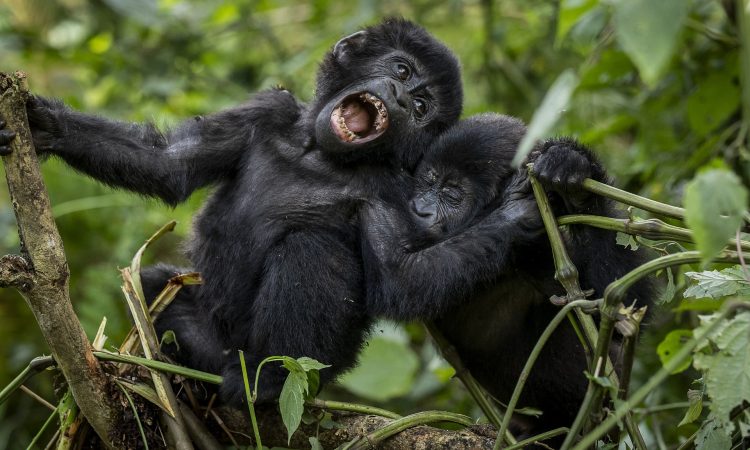
Gorilla Trekking Difficulty in Uganda – Fitness & Trail Guide
Gorilla Trekking Difficulty in Uganda – Fitness & Trail Guide
Gorilla Trekking Rules in Uganda – Safety, Respect & Ethics
Gorilla Trekking Rules in Uganda – Safety, Respect & Ethics
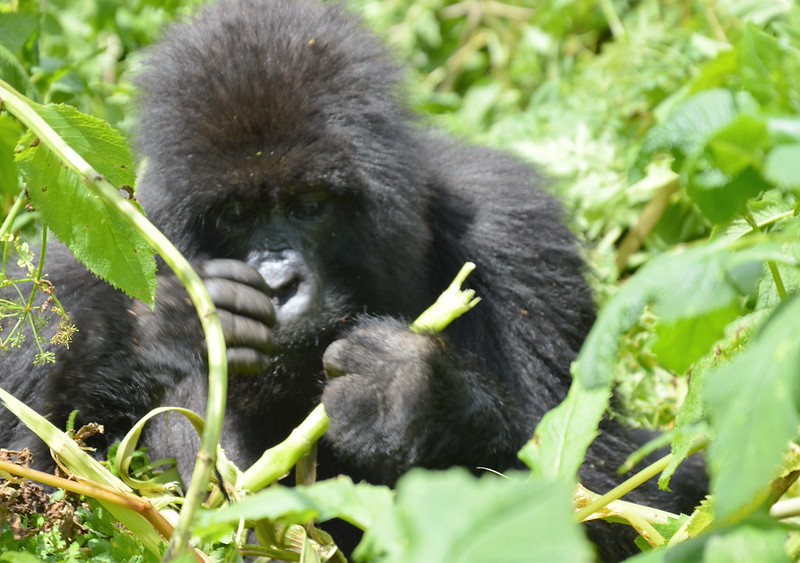
Gorilla Conservation in Uganda – Protecting the Mountain Giants
Gorilla Conservation in Uganda – Protecting the Mountain Giants
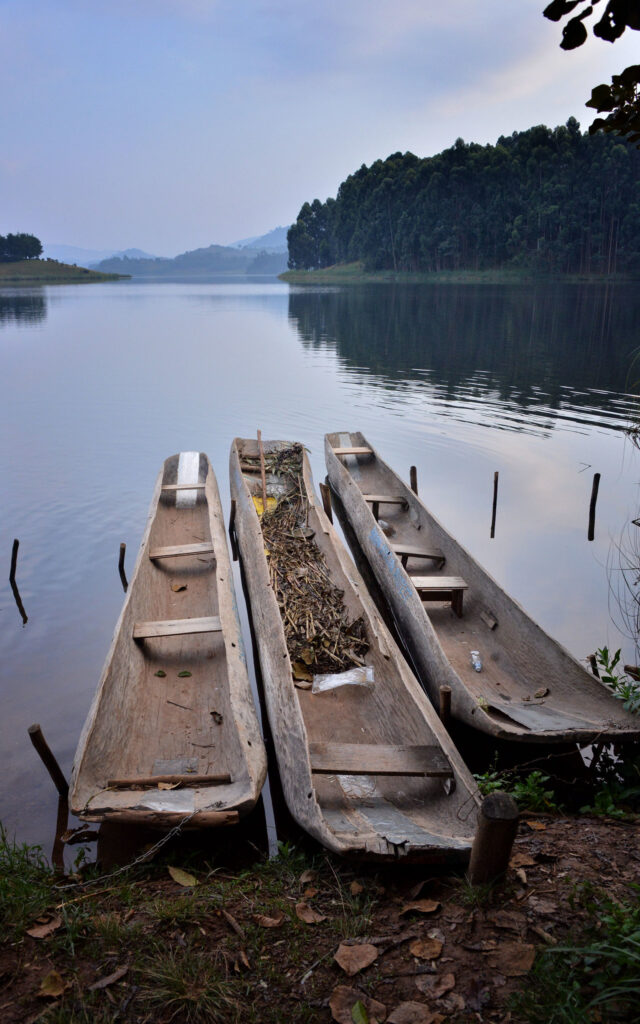
Bwindi vs. Mgahinga – Which One to Choose For Gorilla Trekking?
Bwindi vs. Mgahinga – Which One to Choose For Gorilla Trekking?
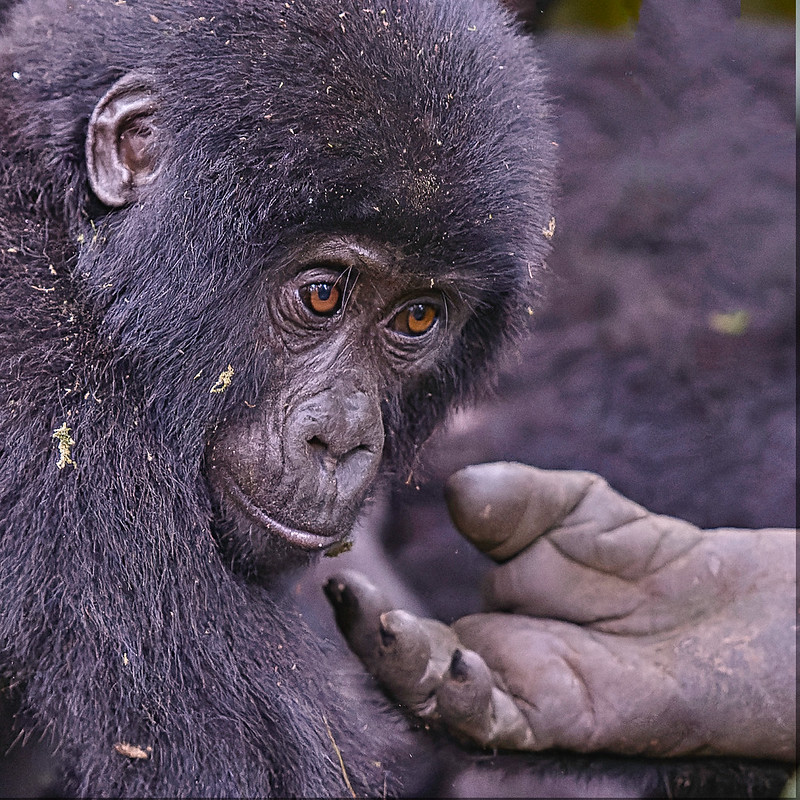
How to Stay Safe and Healthy While Traveling in Uganda
How to Stay Safe and Healthy While Traveling in Uganda
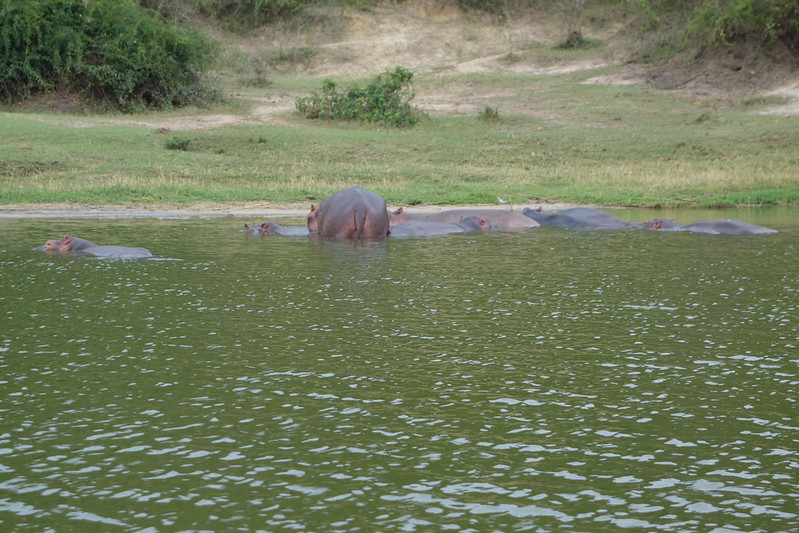
Routes, Tips & Travel Wisdom for Getting to Bwindi or Mgahinga
Routes, Tips & Travel Wisdom for Getting to Bwindi or Mgahinga
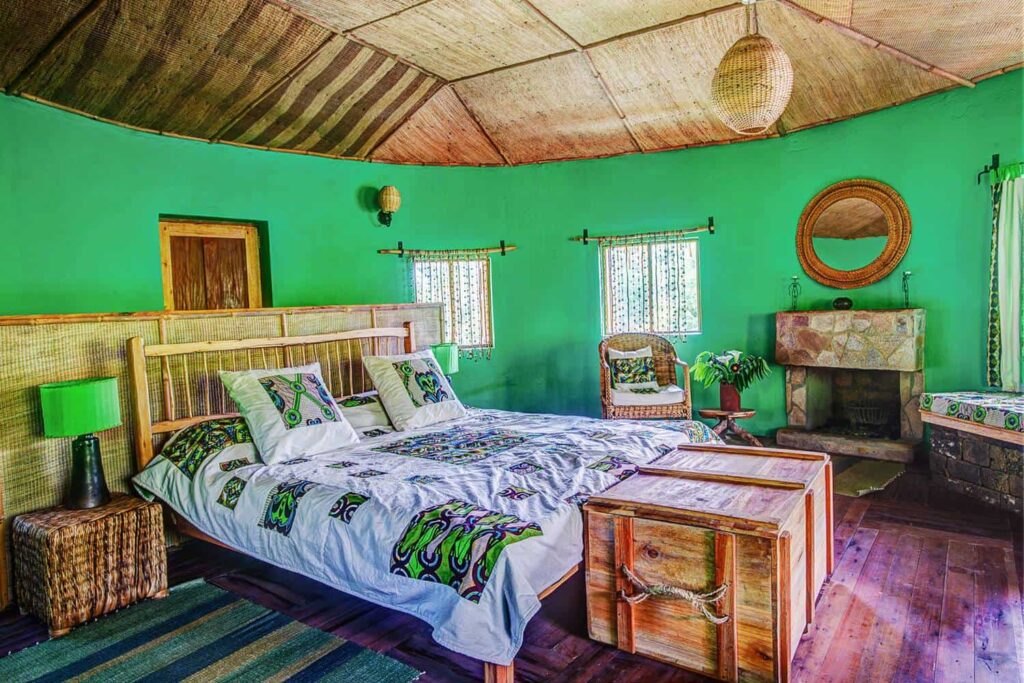
Accommodation Options: Lodges & Camps in Bwindi and Mgahinga
Accommodation Options: Lodges & Camps in Bwindi and Mgahinga
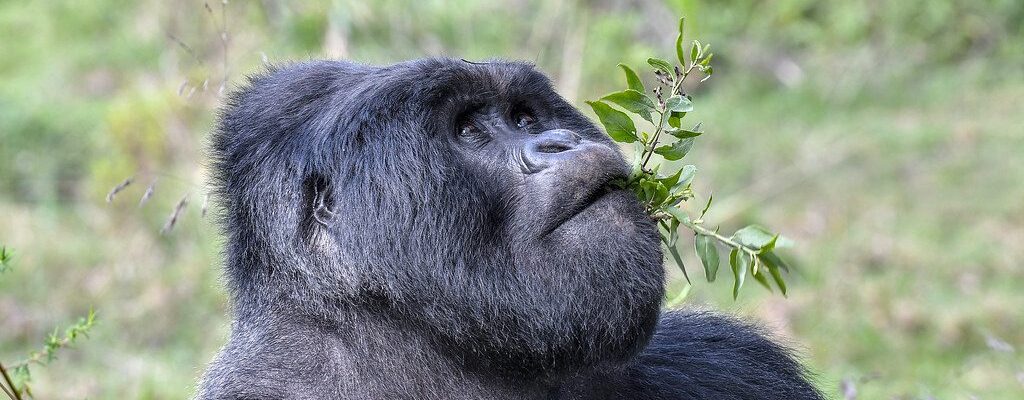
Protecting What You Came to See: Gorilla Conservation & Ethics
Protecting What You Came to See: Gorilla Conservation & Ethics
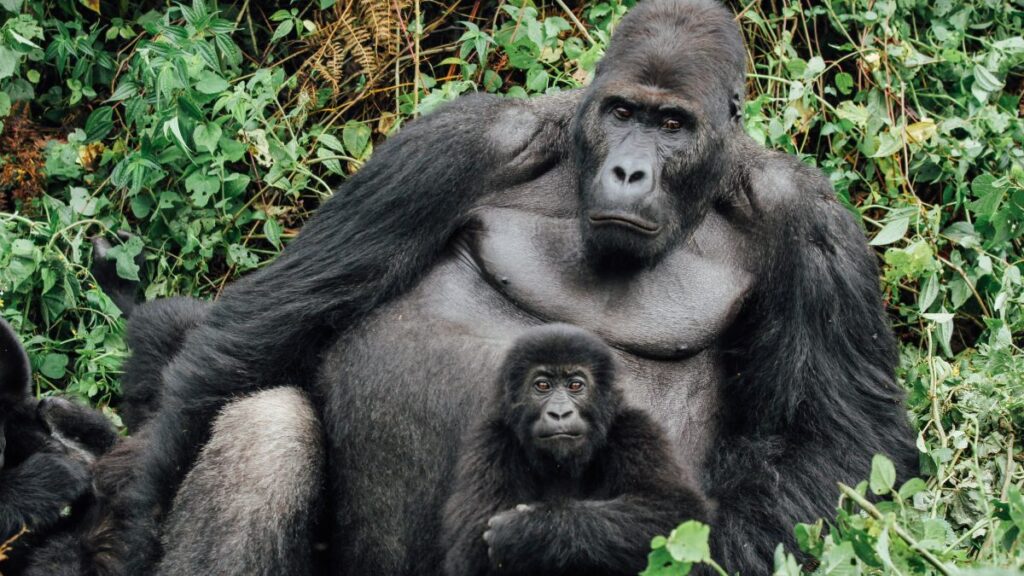
Travel Insurance for Gorilla Treks: Before You Go
Travel Insurance for Gorilla Treks: Before You Go
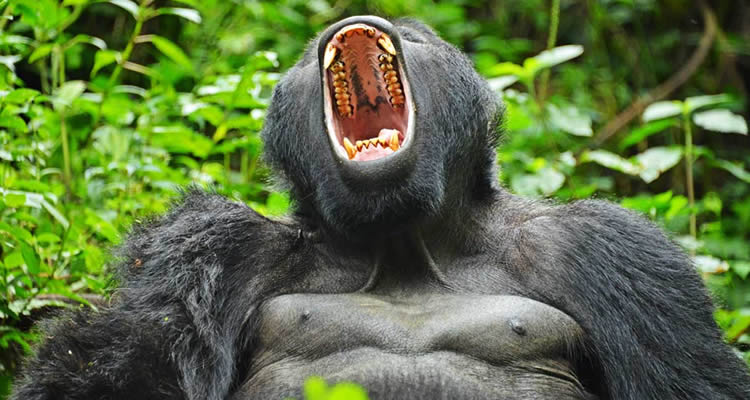
First Time Gorilla Trekking? Here’s Everything I Wish I Knew
First Time Gorilla Trekking? Here’s Everything I Wish I Knew
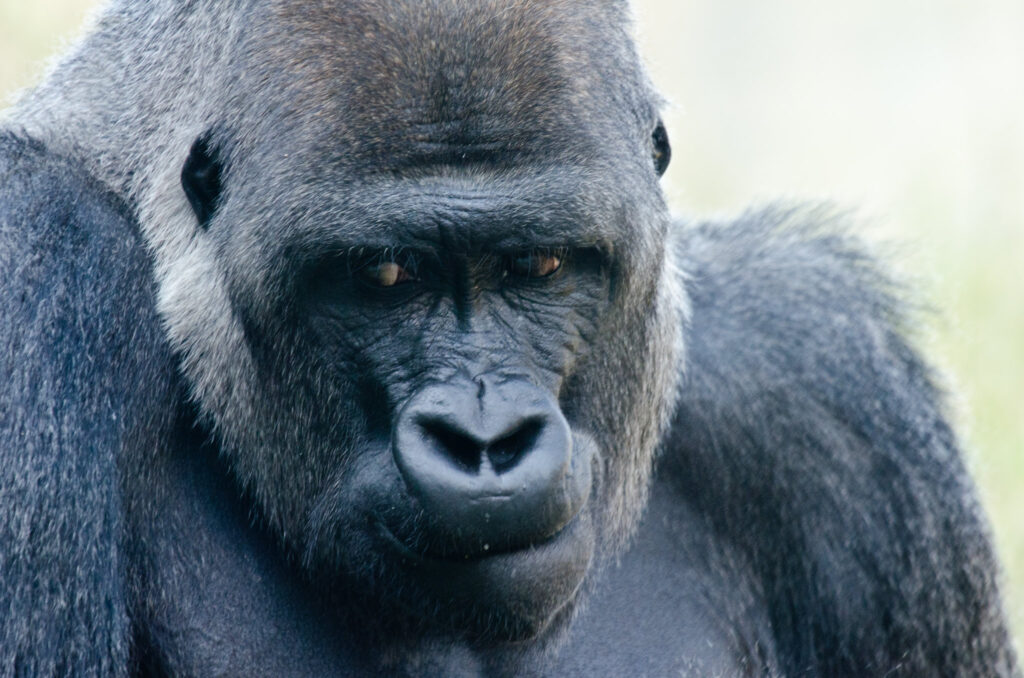
Step by Step: What Happens During a Gorilla Trekking Day
Step by Step: What Happens During a Gorilla Trekking Day
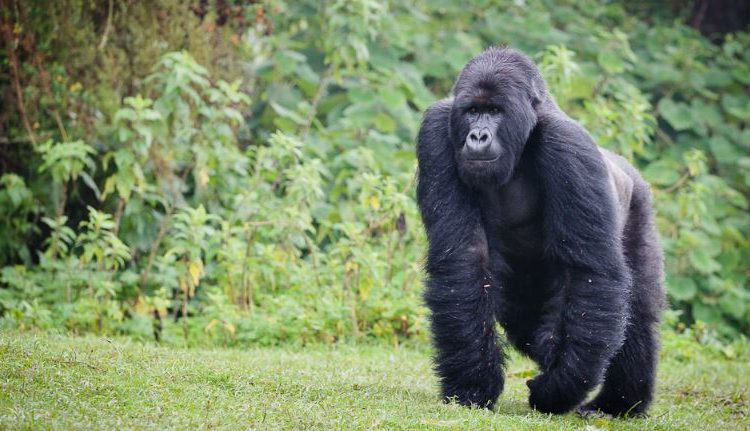
Gorilla Trekking vs. Gorilla Tracking – What’s the Real Difference?
Gorilla Trekking vs. Gorilla Tracking – What’s the Real Difference?
Beyond Gorillas: Other Wildlife You Can See During Your Trek
Beyond Gorillas: Other Wildlife You Can See During Your Trek
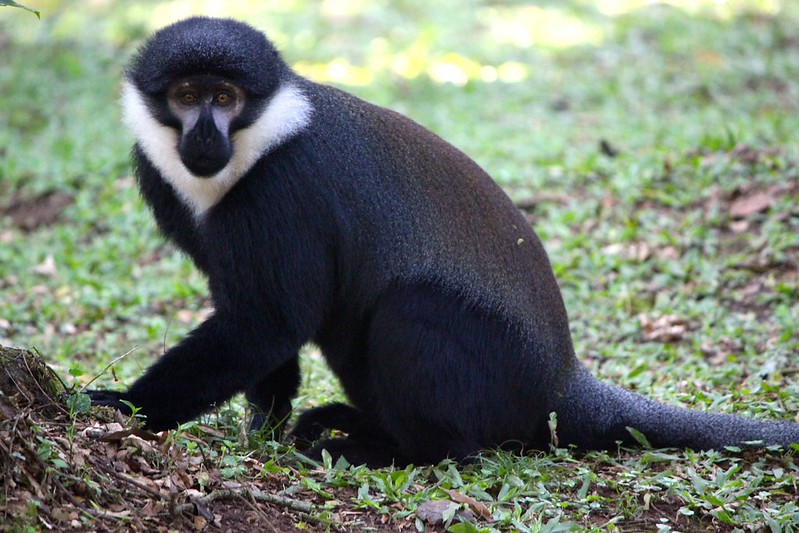
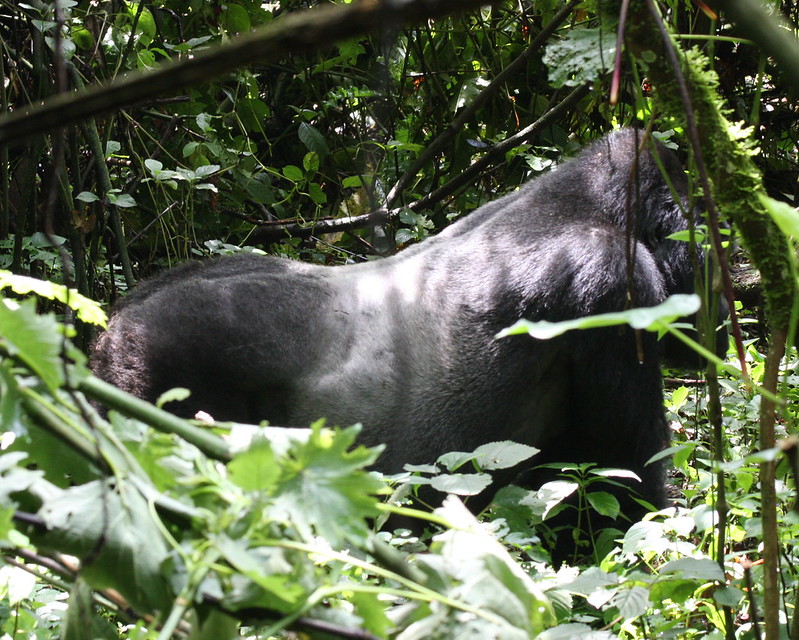
In the Realm of Giants – Bwindi & Mgahinga in Frames.
Wander through an elegant gallery capturing Uganda’s most exclusive gorilla sanctuaries, where ancient forests cradle the last mountain gorillas in a world of mist, mystery, and majesty.
Essential Planning Tips for Visiting Uganda’s National Parks.
Get ready for the wild heart of Africa with expert travel tips on when to visit, what to pack, where to go, and how to make the most of your safari across Uganda’s breathtaking national parks.
Why Uganda for Gorilla Trekking?
Uganda is not just a destination — it's the very soul of gorilla trekking. With over half of the world’s remaining mountain gorillas calling its misty forests home, Uganda offers the rarest encounters in their most authentic setting. Here, your journey is not rushed or crowded. Instead, you’re guided by experienced rangers through pristine jungles where gorillas live as they always have — wild, free, and magnificent
From insider travel insights to unforgettable trekking guides, our blog is your trusted path into Uganda’s wild heart — connecting you with mountain gorillas, breathtaking landscapes, and the soul-stirring adventures that make this land unlike any other.