

Where the soul of the forest whispers in the mist
Creating content inside a national park can be an incredibly rewarding experience, whether you are photographing wildlife, filming landscapes, or documenting cultural encounters. Capturing these moments allows you to share the beauty, diversity, and uniqueness of protected areas with a wider audience, while also fostering appreciation and awareness of conservation efforts. However, before bringing cameras, drones, or any recording equipment into the park, it is essential to understand what permissions are required.
National parks are governed by regulations designed to protect fragile ecosystems, ensure the safety of visitors, and minimize disturbances to wildlife. Content creation is therefore closely managed, with rules varying depending on the type of equipment, the intended use of the footage, and the specific areas being accessed. Obtaining the appropriate permits not only ensures that your work is legal and compliant but also helps preserve the integrity of the environment and the experiences of other visitors. By respecting these guidelines, creators can produce meaningful, high-quality content while supporting the park’s conservation mission and the wellbeing of its wildlife.
Whether you are engaging in casual photography or professional filming, the permissions required in a national park can vary significantly depending on the purpose of your work, the type of equipment used, and how the content will be shared or distributed. Drones, high-end cameras, and commercial filming setups often require formal approval, while smaller personal devices may have fewer restrictions, though rules still apply to protect sensitive areas and wildlife.
Understanding the correct procedures for obtaining permits and adhering to park guidelines helps content creators avoid fines or other penalties, while ensuring that their activities do not disrupt the natural environment. By following these regulations, creators can produce meaningful, high-quality work that not only captures the beauty of the park but also aligns with conservation goals. Responsible content creation ensures that the presence of photographers and filmmakers supports rather than harms the delicate ecosystems and wildlife that make national parks so remarkable.
So lace up your boots, grab your camera, and prepare to meet the wild — this is where your gorilla trekking dreams and unforgettable safari adventures truly begin.
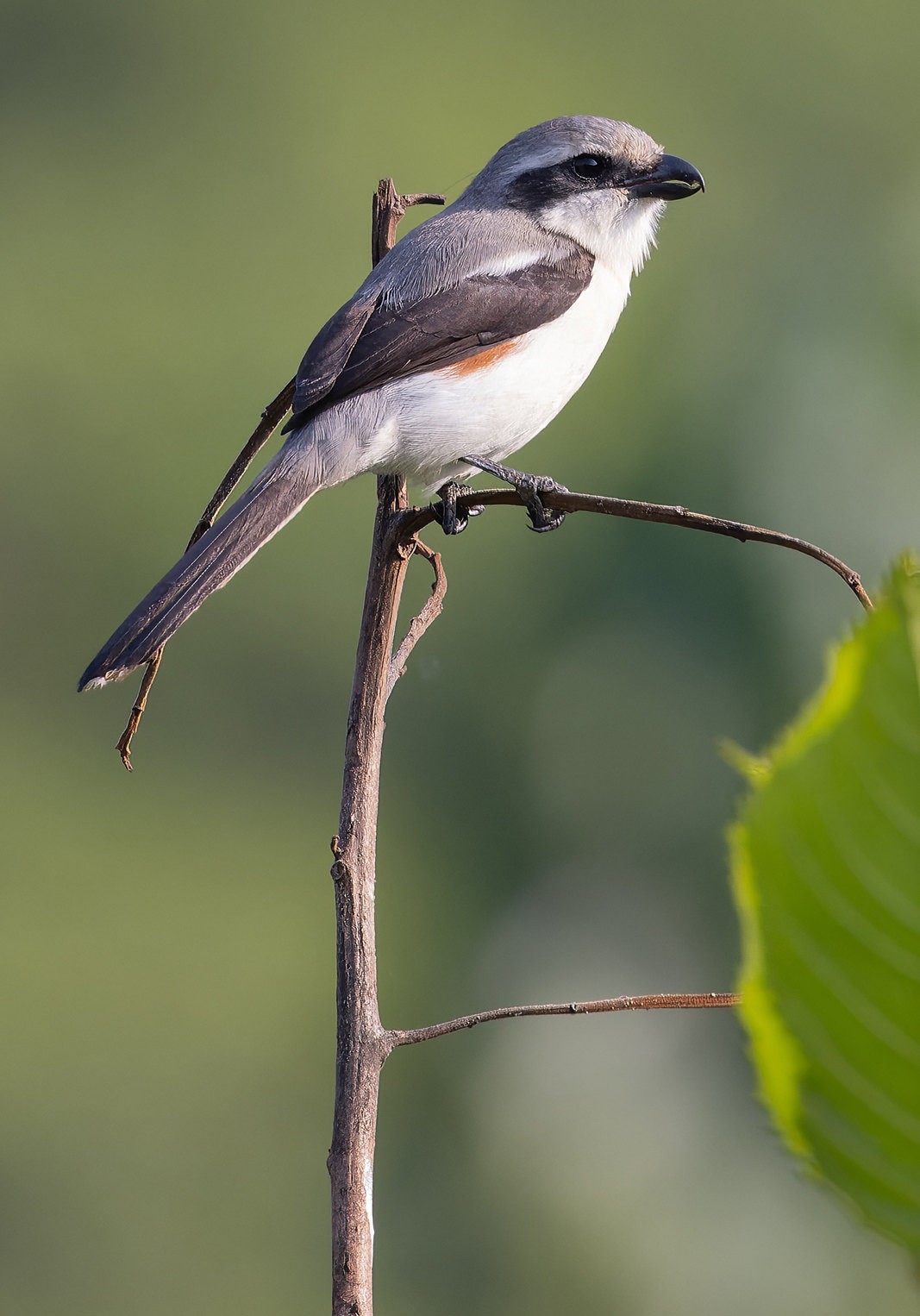
Truly Iconic Highlights in Uganda

Trek through Bwindi’s mystical rainforest and meet the endangered mountain gorillas in their breathtaking natural home.
Encounter mountain gorillas and golden monkeys on Mgahinga’s misty volcanic trails, where culture and alpine wildlife thrive together.
Unwind after your trek with a peaceful canoe ride across Lake Bunyonyi, Uganda’s most tranquil and scenic highland lake.
Enhance your gorilla trekking safari with an optional chimpanzee encounter in Uganda’s lush forests, adding depth and diversity to your primate adventure
Gorilla Trekking Tours in Uganda – Our Most Popular Itineraries.
Explore our gorilla trekking safaris for every traveler—solo, family, budget, or luxury. All tours include permits, transport, accommodation, meals, and park fees. Whether for a quick trip or a deeper adventure, we’ve got you covered.
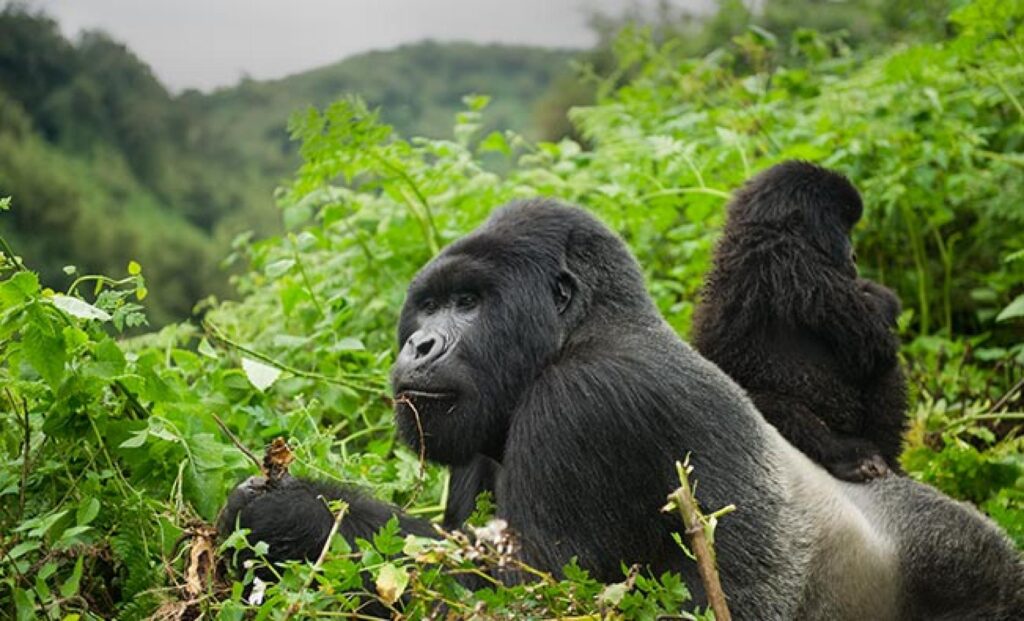
3-Day Bwindi Gorilla Trekking Safari
3-Day Bwindi Gorilla Trekking Safari
4-Day Uganda Gorilla Trekking Safari
4-Day Uganda Gorilla Trekking Safari
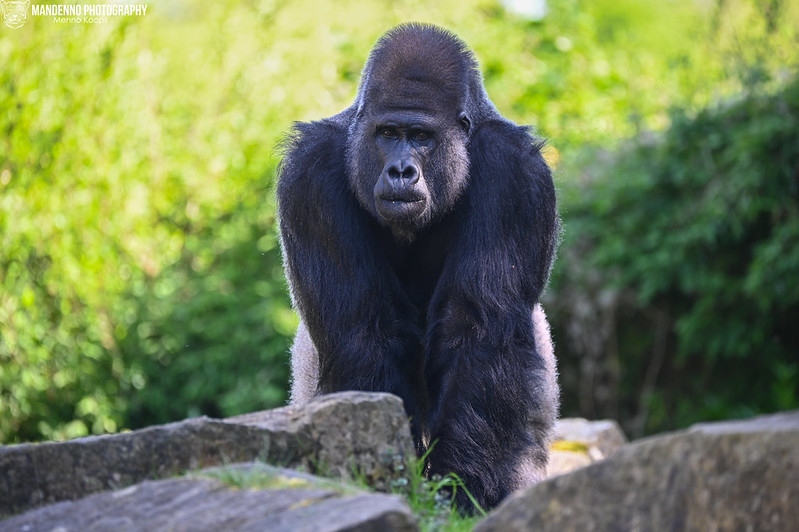
5-Day Gorilla Tracking and Wildlife Safari
5-Day Gorilla Tracking and Wildlife Safari
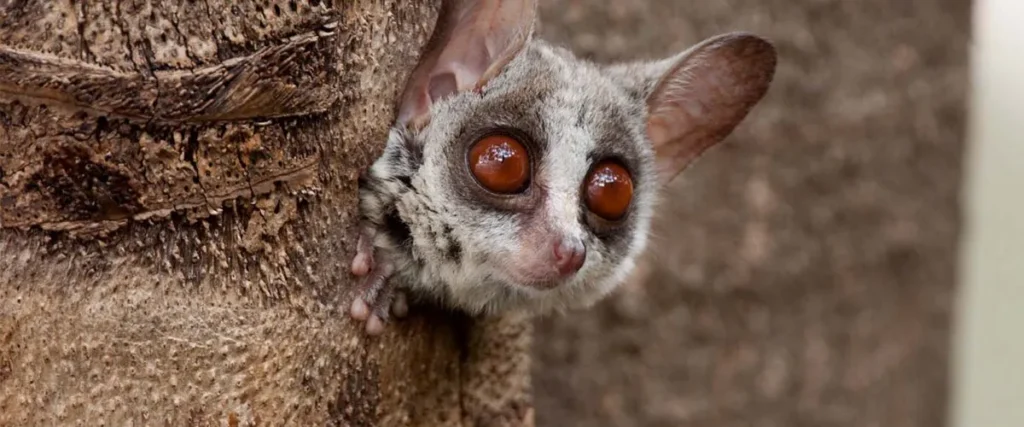
7-Day Uganda Primate Adventure & Wildlife Safari
7-Day Uganda Primate Adventure & Wildlife Safari
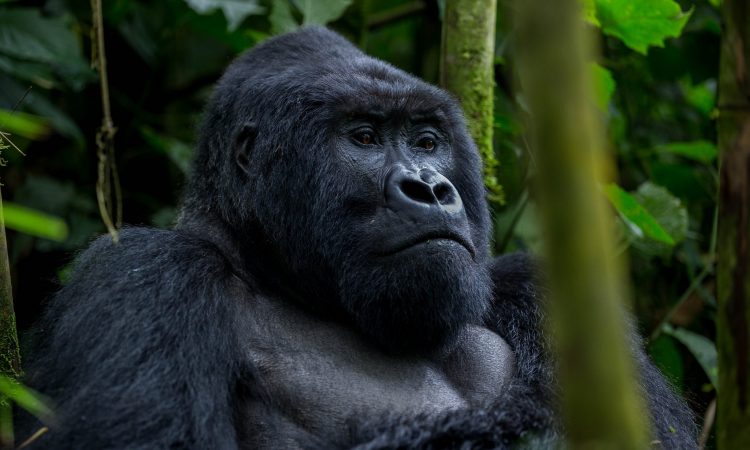
10-Day Gorilla Trekking & Big Five Safari in Uganda
10-Day Gorilla Trekking & Big Five Safari in Uganda
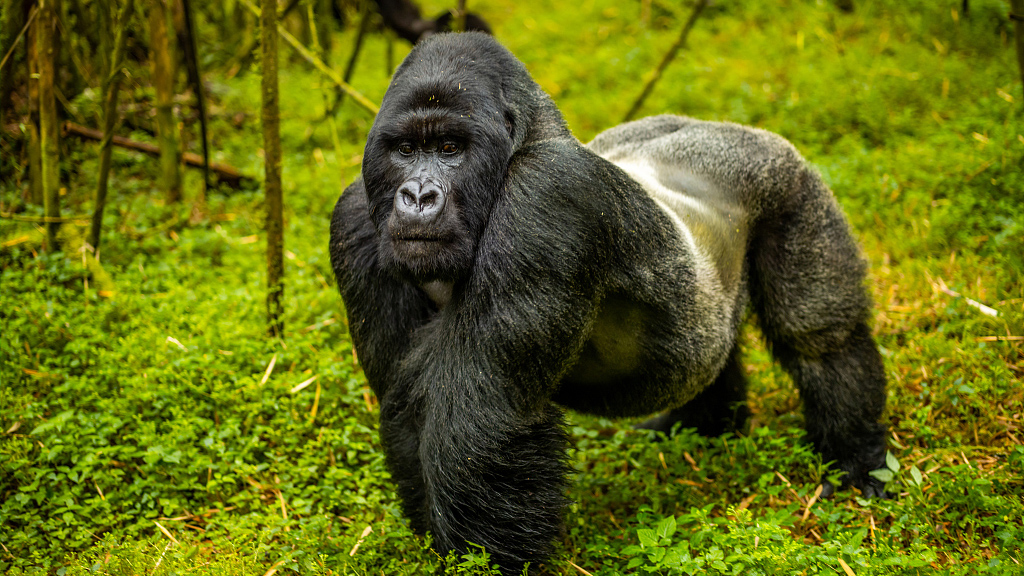
12-Day Uganda Gorilla Trekking, Chimp Tracking & Cultural Safari
12-Day Uganda Gorilla Trekking, Chimp Tracking & Cultural Safari
14-Day Best of Uganda Safari – Gorillas, Wildlife, Cultures
14-Day Best of Uganda Safari – Gorillas, Wildlife, Cultures
Understanding Filming, Photography, and Content Creation Rules in National Parks
Permissions Needed to Create Content in the Park
Personal Photography Versus Commercial Content
Most national parks permit visitors to take personal photographs or record casual videos without special permissions, as long as the content is for private use. Simple handheld cameras, smartphones, or compact devices are typically sufficient. Visitors are expected to follow park rules, stay on marked trails, and ensure that their activity does not disturb wildlife, block pathways, or interfere with other trekkers. Personal content that captures moments of natural beauty, wildlife behavior, or forest landscapes is generally considered part of the visitor experience, and no formal permit is required for such activities.
Commercial content creation is treated very differently. Any material intended for professional purposes—including advertisements, documentaries, television shows, monetized social media, or promotional photography—requires official approval. Parks regulate commercial filming to prevent excessive noise, crowding, environmental damage, and disruption to wildlife. Filming without proper authorization can result in fines, confiscation of equipment, or denial of future park access. The rules exist to balance the needs of creators with the conservation and ethical protection of natural habitats.
Filming Permits and Official Authorization
For professional or commercial content, visitors must apply for a filming or photography permit through the relevant park authority. This application typically requires detailed information about the project, including the type of content being produced, the size of the production crew, specific locations, equipment to be used, and expected duration of the shoot. In some cases, producers must provide storyboards, scripts, or project proposals to demonstrate the purpose and impact of their work. Approval often comes with conditions regarding filming hours, restricted areas, and interaction with wildlife.
In parks with endangered species such as gorillas, rangers or guides may accompany filming teams. Their role is to monitor both the safety of animals and visitors, ensuring that ethical guidelines are followed. This includes regulating proximity to animals, preventing disturbance of feeding or nesting sites, and supervising drone operations or specialized filming equipment. Fees for permits vary based on the type of content, duration, and potential impact, and timelines for approval can range from a few days to several weeks, depending on the complexity of the request.
Drone Use and Equipment Restrictions
Drone usage is heavily regulated or entirely prohibited in many parks due to its potential to disturb wildlife and other visitors. Unauthorized flights can cause stress to animals, disrupt nesting or feeding behaviors, and pose safety hazards to trekkers on the ground. Where drones are permitted, special authorization is required, and operators must follow strict rules about flight altitude, distance from animals, and flight times. In addition, many parks require that drones remain under the direct control of experienced operators, and in some cases, a ranger must be present to supervise usage.
Other equipment, such as tripods, lighting rigs, or large cameras, may also require prior approval. Equipment that blocks paths, interferes with ranger operations, or impacts sensitive habitats is restricted. Creators must clarify these rules with park authorities in advance, as failure to comply may lead to delays, fines, or confiscation of gear. Adhering to equipment guidelines ensures that filming does not compromise the environment or visitor safety.
Ethical Content Creation in Protected Areas
Ethical considerations are as important as legal permissions when creating content in national parks. Content creators are expected to minimize any disturbance to wildlife, avoid altering natural behaviors for better shots, and maintain safe distances at all times. Staying on designated trails is essential to protect fragile vegetation, prevent soil erosion, and maintain the ecological integrity of the park.
Respecting local communities is also part of ethical practice. Villagers or local staff may live near park boundaries, and creators should avoid intruding on private spaces, photographing people without permission, or disrupting daily life. Following ranger instructions and cooperating with guides not only enhances safety but also improves the authenticity and quality of the content produced. Ethical content creation demonstrates responsibility toward conservation goals and ensures that wildlife, habitats, and local communities benefit from responsible storytelling.
More Gorilla Trekking Information to Know.
Gorilla trekking goes far beyond just the hike — it’s a deep, emotional journey into the heart of Africa’s last wild rainforests. Knowing the right timing, permits, fitness tips, and park details can turn your experience from good to unforgettable.
Gorilla Trekking in Bwindi Impenetrable Forest
Gorilla Trekking in Bwindi Impenetrable Forest
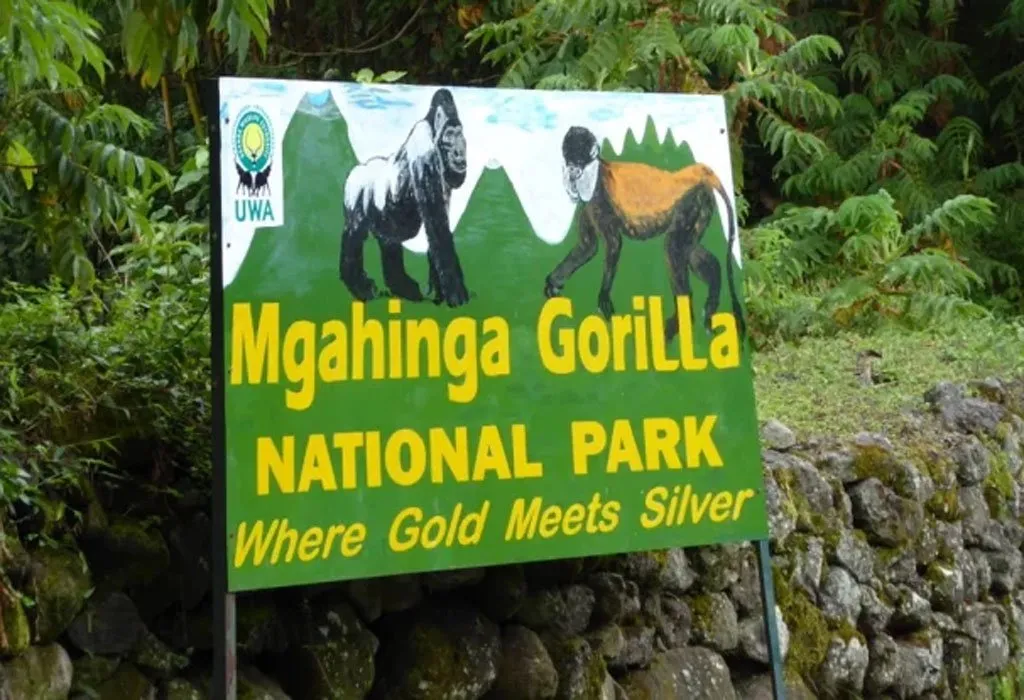
Trekking Gorillas in Mgahinga National Park
Trekking Gorillas in Mgahinga National Park
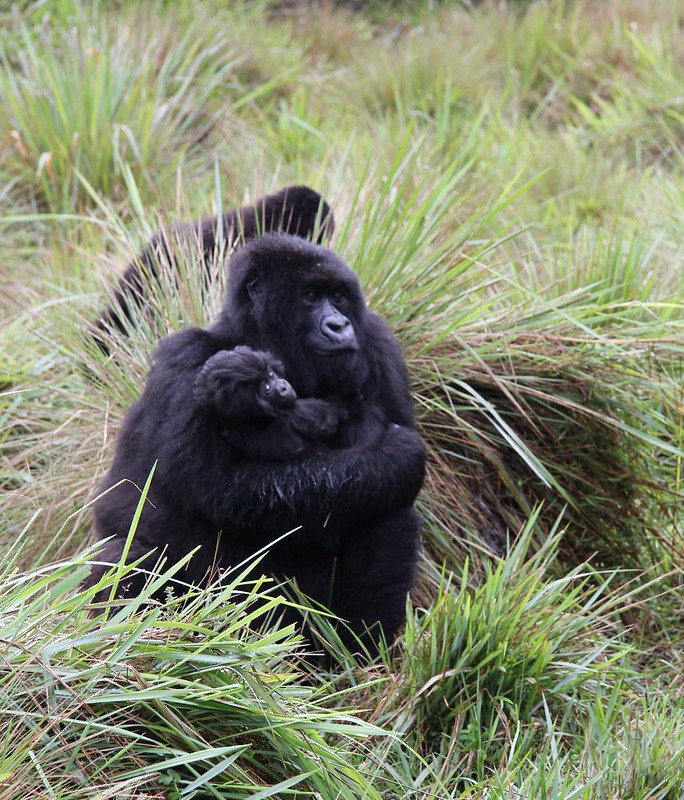
Uganda Gorilla Trekking Permits – Prices, Booking, & Travel Tips
Uganda Gorilla Trekking Permits – Prices, Booking, & Travel Tips
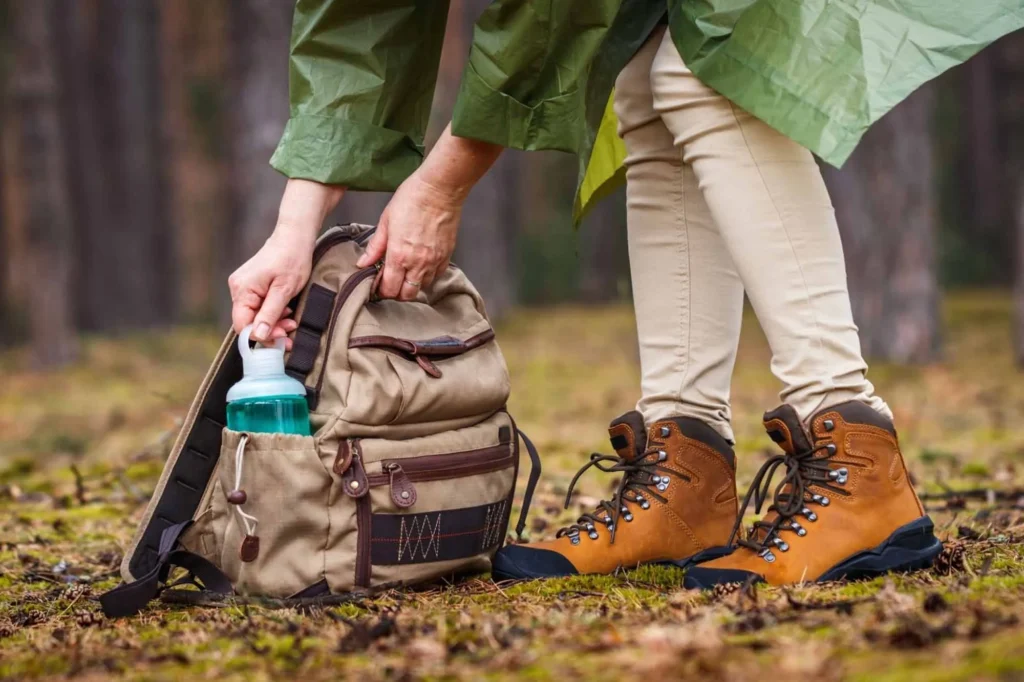
What to Pack for Gorilla Trekking in Uganda – Expert Checklist
What to Pack for Gorilla Trekking in Uganda – Expert Checklist
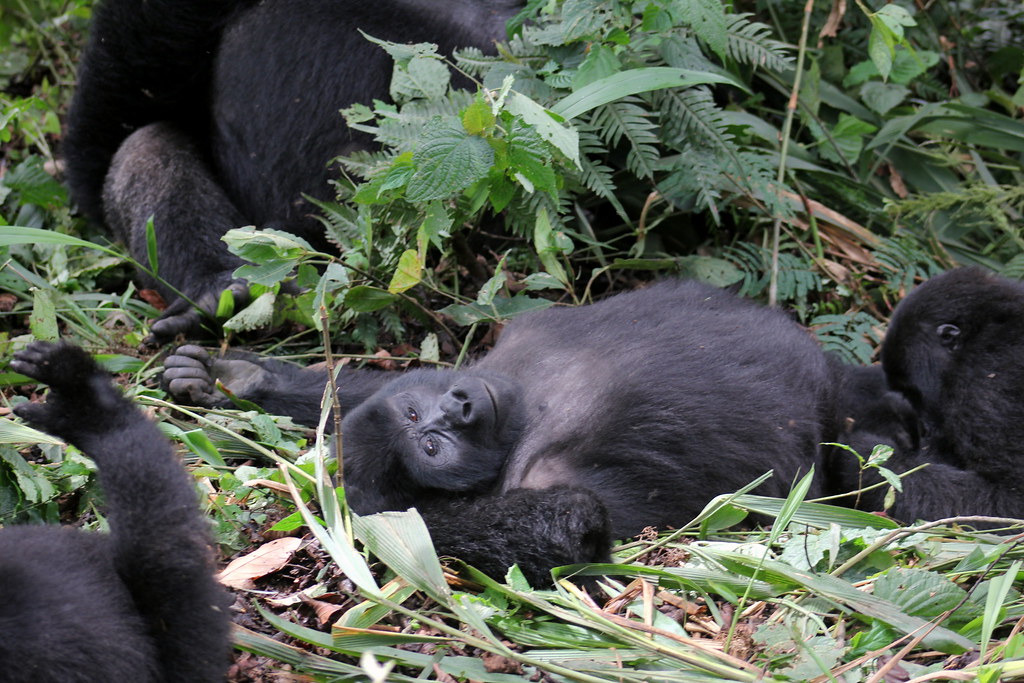
Best Time to Go Gorilla Trekking in Uganda – Weather & Seasons
Best Time to Go Gorilla Trekking in Uganda – Weather & Seasons
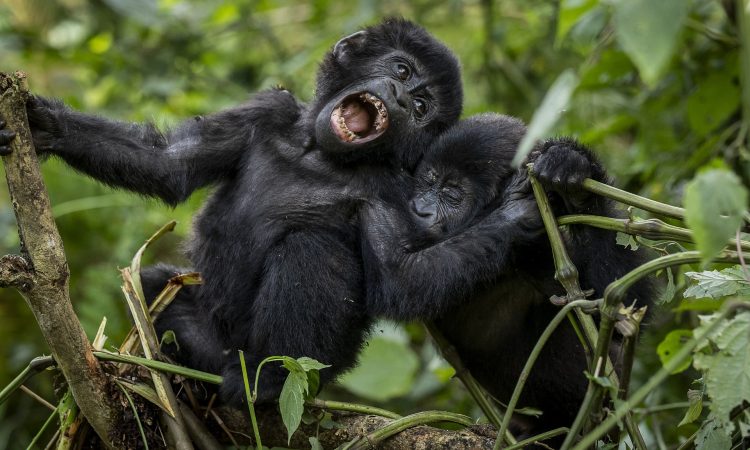
Gorilla Trekking Difficulty in Uganda – Fitness & Trail Guide
Gorilla Trekking Difficulty in Uganda – Fitness & Trail Guide
Gorilla Trekking Rules in Uganda – Safety, Respect & Ethics
Gorilla Trekking Rules in Uganda – Safety, Respect & Ethics
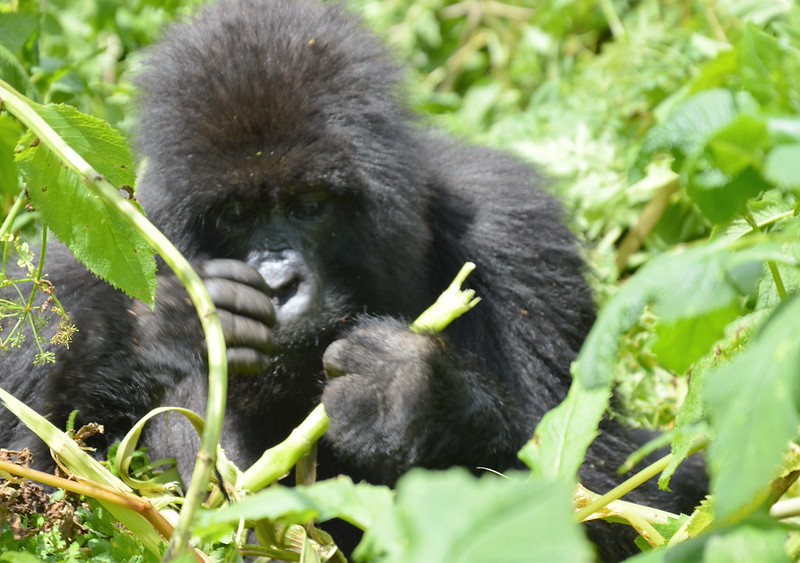
Gorilla Conservation in Uganda – Protecting the Mountain Giants
Gorilla Conservation in Uganda – Protecting the Mountain Giants
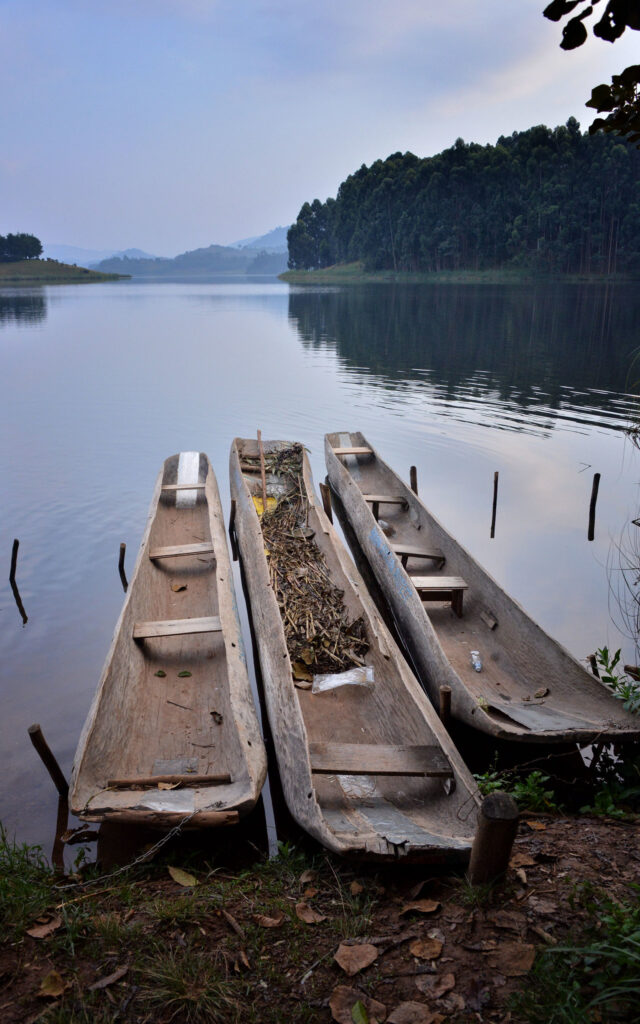
Bwindi vs. Mgahinga – Which One to Choose For Gorilla Trekking?
Bwindi vs. Mgahinga – Which One to Choose For Gorilla Trekking?
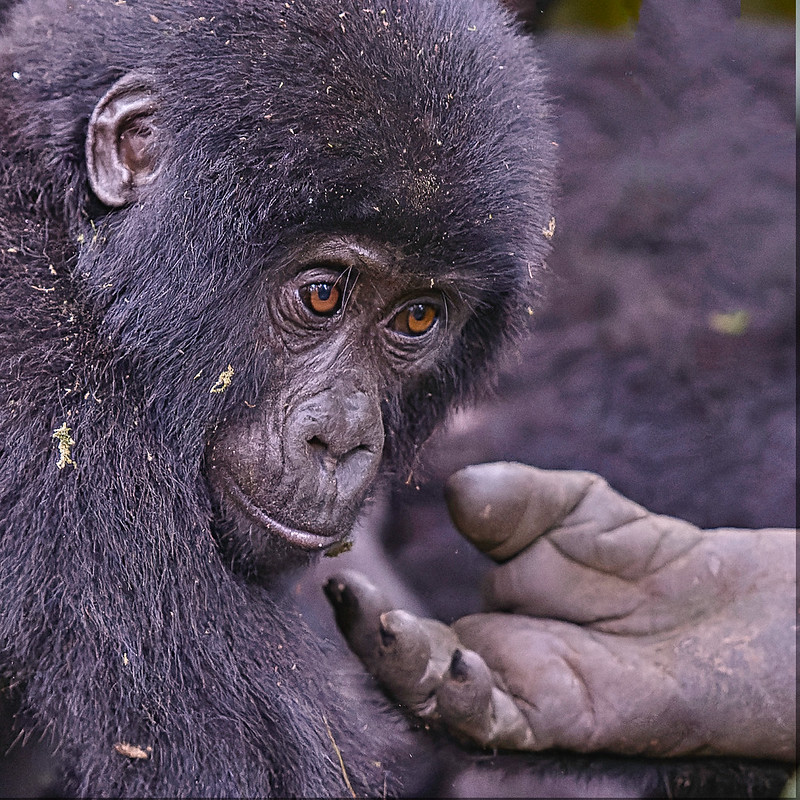
How to Stay Safe and Healthy While Traveling in Uganda
How to Stay Safe and Healthy While Traveling in Uganda
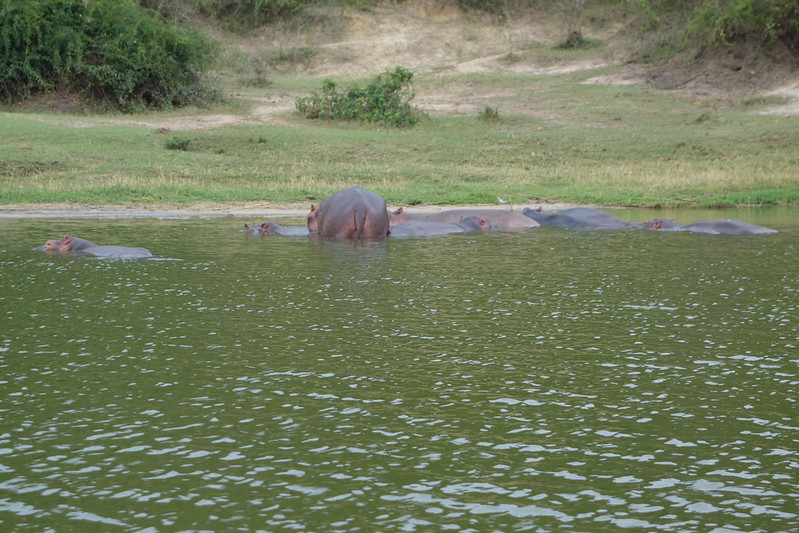
Routes, Tips & Travel Wisdom for Getting to Bwindi or Mgahinga
Routes, Tips & Travel Wisdom for Getting to Bwindi or Mgahinga
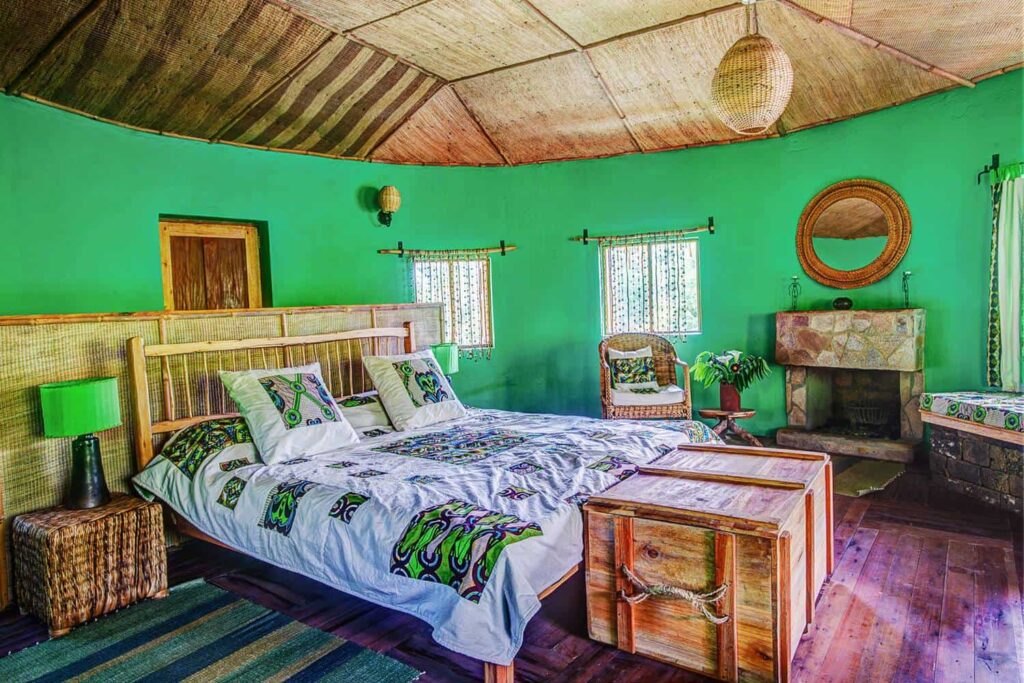
Accommodation Options: Lodges & Camps in Bwindi and Mgahinga
Accommodation Options: Lodges & Camps in Bwindi and Mgahinga
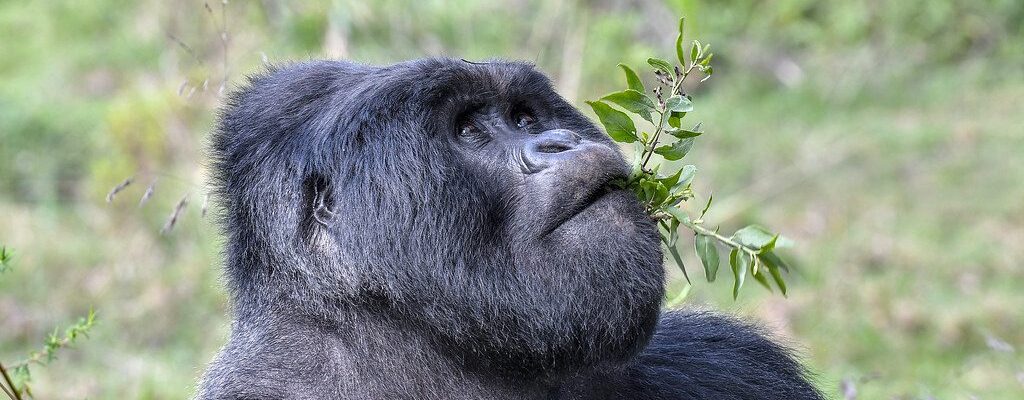
Protecting What You Came to See: Gorilla Conservation & Ethics
Protecting What You Came to See: Gorilla Conservation & Ethics
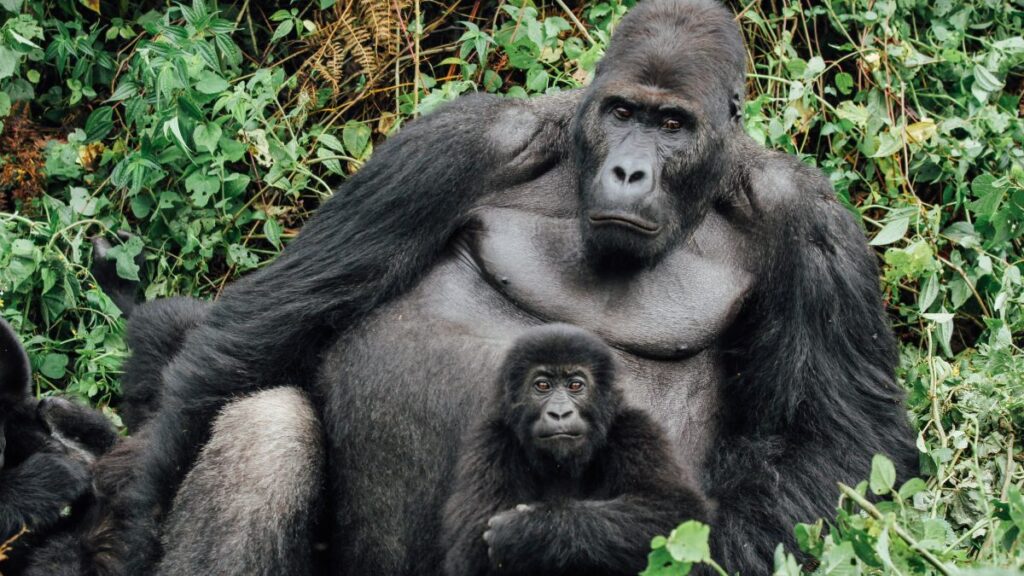
Travel Insurance for Gorilla Treks: Before You Go
Travel Insurance for Gorilla Treks: Before You Go
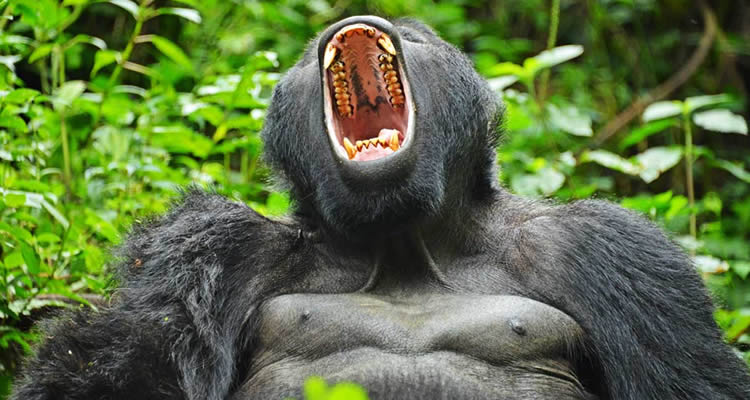
First Time Gorilla Trekking? Here’s Everything I Wish I Knew
First Time Gorilla Trekking? Here’s Everything I Wish I Knew
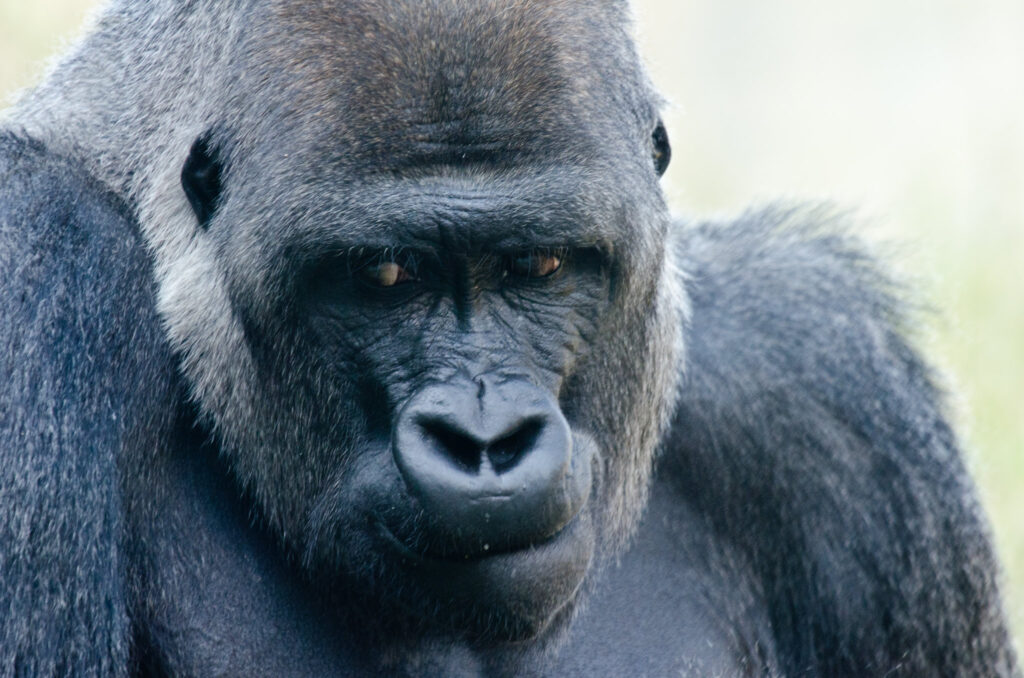
Step by Step: What Happens During a Gorilla Trekking Day
Step by Step: What Happens During a Gorilla Trekking Day
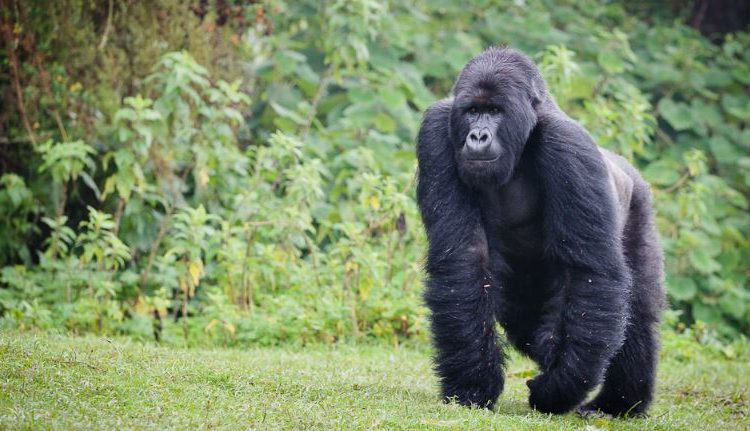
Gorilla Trekking vs. Gorilla Tracking – What’s the Real Difference?
Gorilla Trekking vs. Gorilla Tracking – What’s the Real Difference?
Beyond Gorillas: Other Wildlife You Can See During Your Trek
Beyond Gorillas: Other Wildlife You Can See During Your Trek
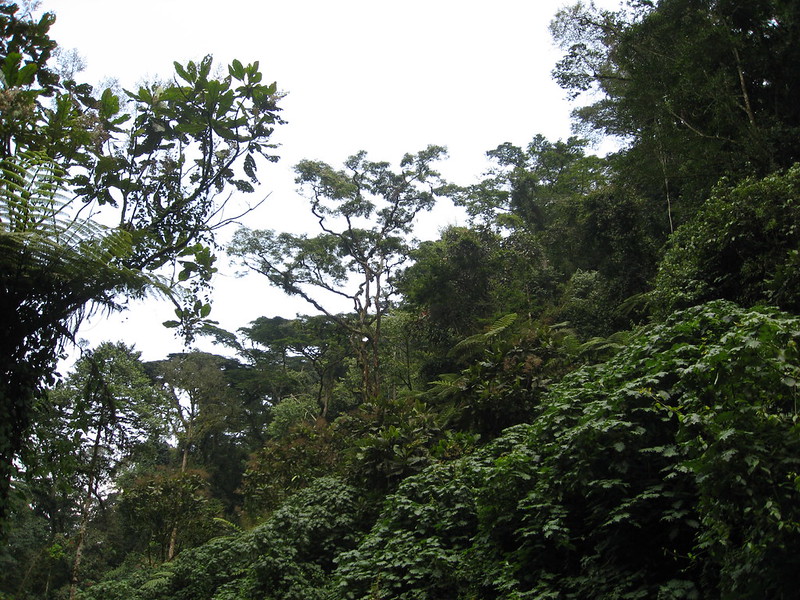
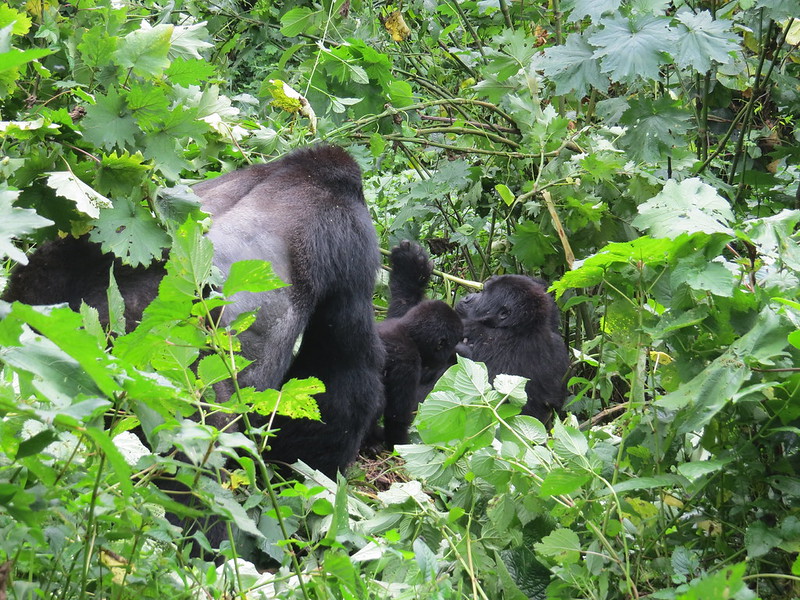
In the Realm of Giants – Bwindi & Mgahinga in Frames.
Wander through an elegant gallery capturing Uganda’s most exclusive gorilla sanctuaries, where ancient forests cradle the last mountain gorillas in a world of mist, mystery, and majesty.
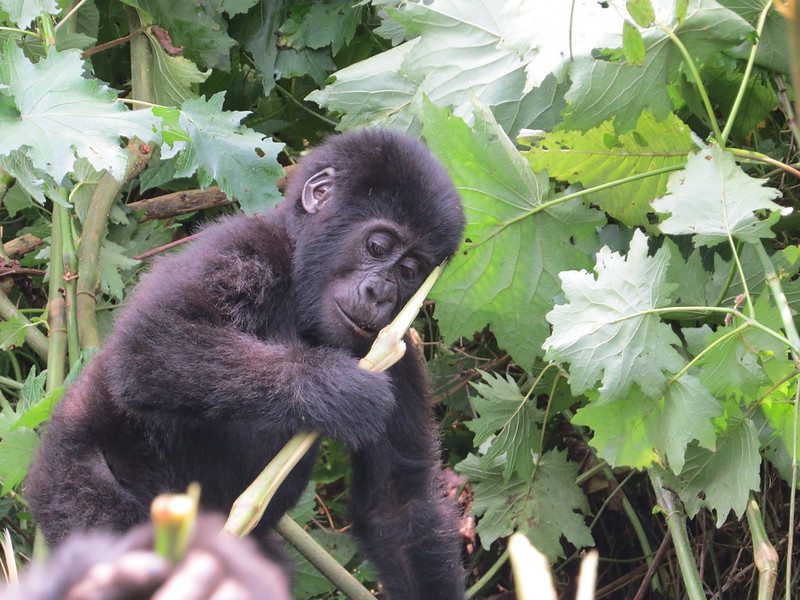
Essential Planning Tips for Visiting Uganda’s National Parks.
Get ready for the wild heart of Africa with expert travel tips on when to visit, what to pack, where to go, and how to make the most of your safari across Uganda’s breathtaking national parks.
Why Uganda for Gorilla Trekking?
Uganda is not just a destination — it's the very soul of gorilla trekking. With over half of the world’s remaining mountain gorillas calling its misty forests home, Uganda offers the rarest encounters in their most authentic setting. Here, your journey is not rushed or crowded. Instead, you’re guided by experienced rangers through pristine jungles where gorillas live as they always have — wild, free, and magnificent
From insider travel insights to unforgettable trekking guides, our blog is your trusted path into Uganda’s wild heart — connecting you with mountain gorillas, breathtaking landscapes, and the soul-stirring adventures that make this land unlike any other.