

Where the soul of the forest whispers in the mist
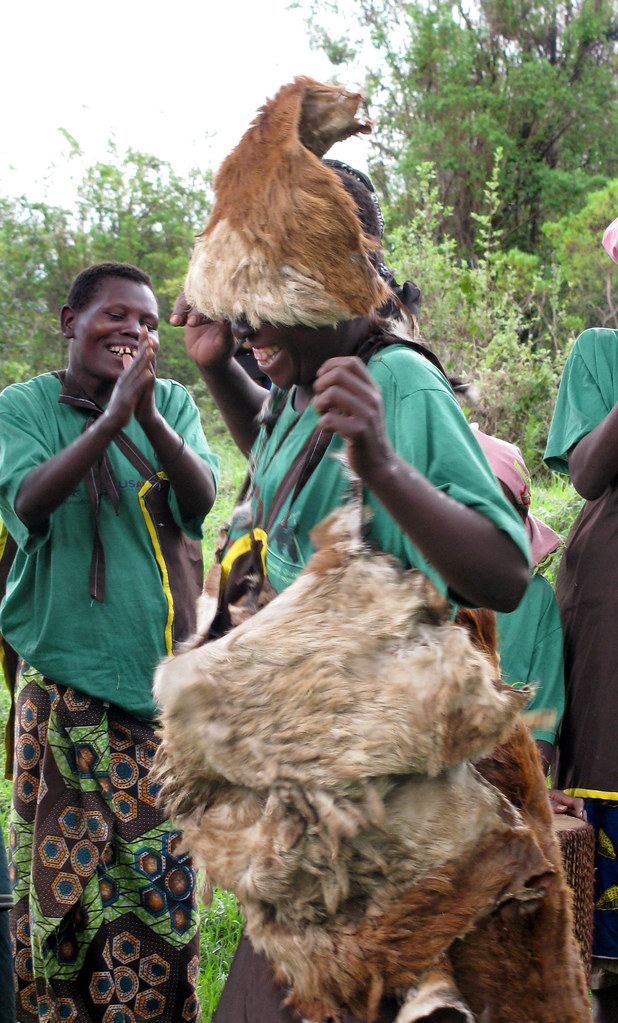
The Batwa Cultural Experience is a deeply immersive opportunity to engage with the heritage, history, and living traditions of the Batwa people, an indigenous pygmy community residing in the forests of Uganda, Rwanda, and the Democratic Republic of the Congo. For generations, the Batwa lived as forest dwellers, forming a profound spiritual and practical connection with the rainforest environment that sustained them. Their knowledge of medicinal plants, traditional hunting techniques, honey gathering, and forest survival skills reflects centuries of adaptation and ecological understanding passed down through oral tradition.
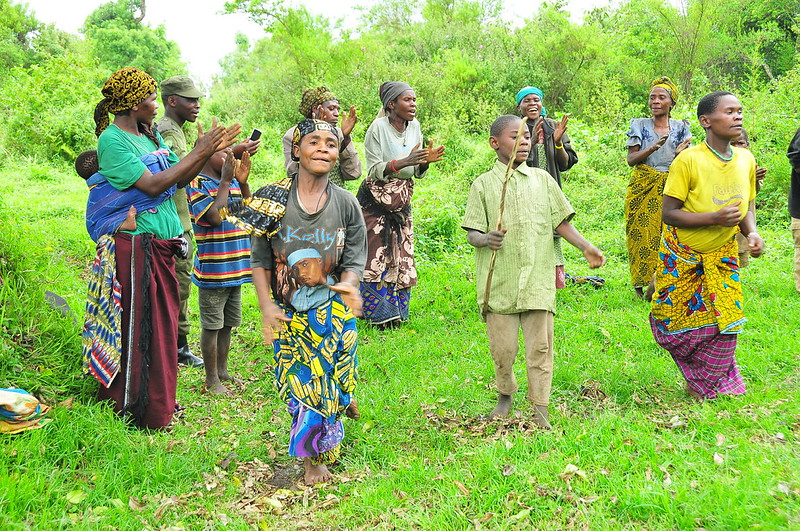
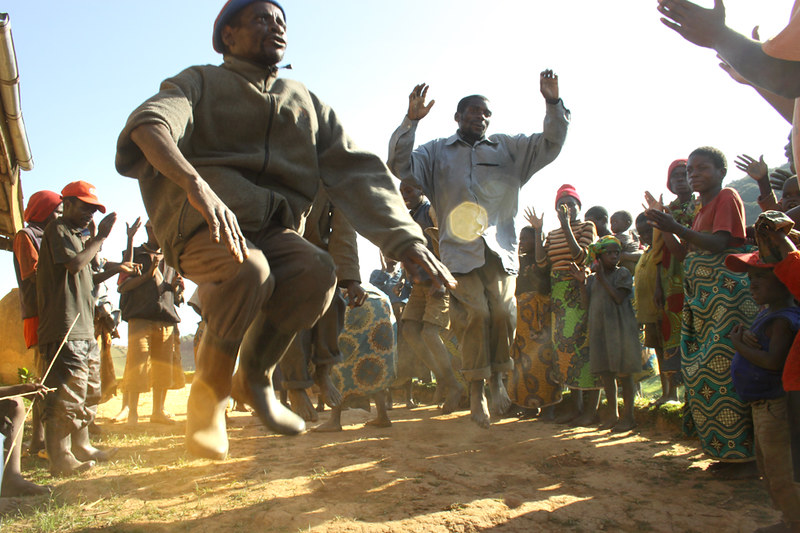
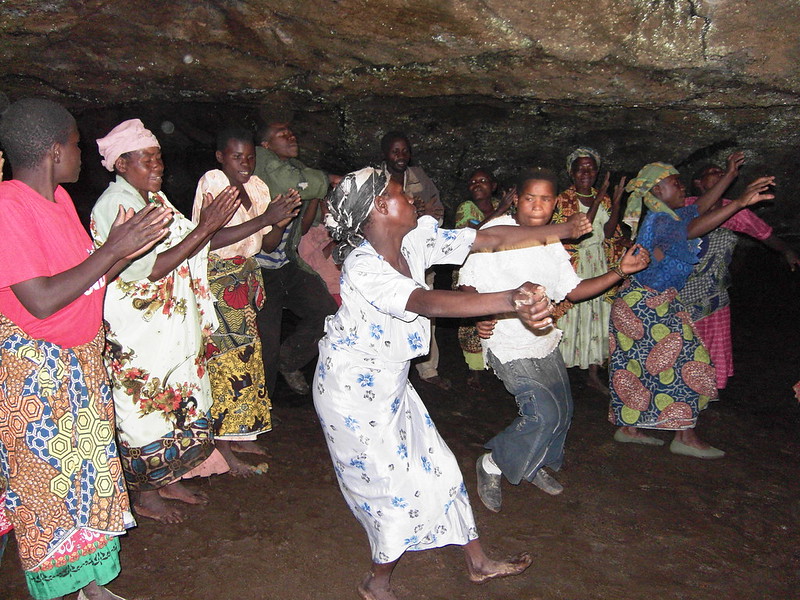
Today, the cultural experience offers visitors an authentic glimpse into this rich and resilient heritage. Through traditional music, rhythmic dance performances, storytelling sessions, and guided forest walks led by Batwa elders, guests gain insight into ancestral customs, spiritual beliefs, and daily life in the forest. Participants often learn how tools were crafted from natural materials, how plants were used for healing, and how songs and rituals shaped community identity.
However, important questions about respect, representation, and ethics frequently arise in discussions surrounding cultural tourism. The Batwa were displaced from their ancestral forest lands during the creation of protected areas such as Bwindi Impenetrable National Park and Mgahinga Gorilla National Park, a process that profoundly altered their traditional way of life. Removed from the forests that had sustained them for generations, many Batwa communities faced social and economic marginalization. As a result, their participation in tourism initiatives must carefully balance cultural education with dignity, ensuring that their identity is not reduced to spectacle or simplified for entertainment.
When conducted responsibly and in partnership with Batwa communities themselves, the Batwa Cultural Experience becomes far more than a staged presentation. It serves as a meaningful platform that honors ancestral knowledge, preserves oral traditions, and creates sustainable income opportunities. By prioritizing consent, fair compensation, and authentic storytelling, cultural tourism can empower the Batwa to share their history on their own terms.
So lace up your boots, grab your camera, and prepare to meet the wild — this is where your gorilla trekking dreams and unforgettable safari adventures truly begin.
Truly Iconic Highlights in Uganda

Trek through Bwindi’s mystical rainforest and meet the endangered mountain gorillas in their breathtaking natural home.
Encounter mountain gorillas and golden monkeys on Mgahinga’s misty volcanic trails, where culture and alpine wildlife thrive together.
Unwind after your trek with a peaceful canoe ride across Lake Bunyonyi, Uganda’s most tranquil and scenic highland lake.
Enhance your gorilla trekking safari with an optional chimpanzee encounter in Uganda’s lush forests, adding depth and diversity to your primate adventure
Gorilla Trekking Tours in Uganda – Our Most Popular Itineraries.
Explore our gorilla trekking safaris for every traveler—solo, family, budget, or luxury. All tours include permits, transport, accommodation, meals, and park fees. Whether for a quick trip or a deeper adventure, we’ve got you covered.
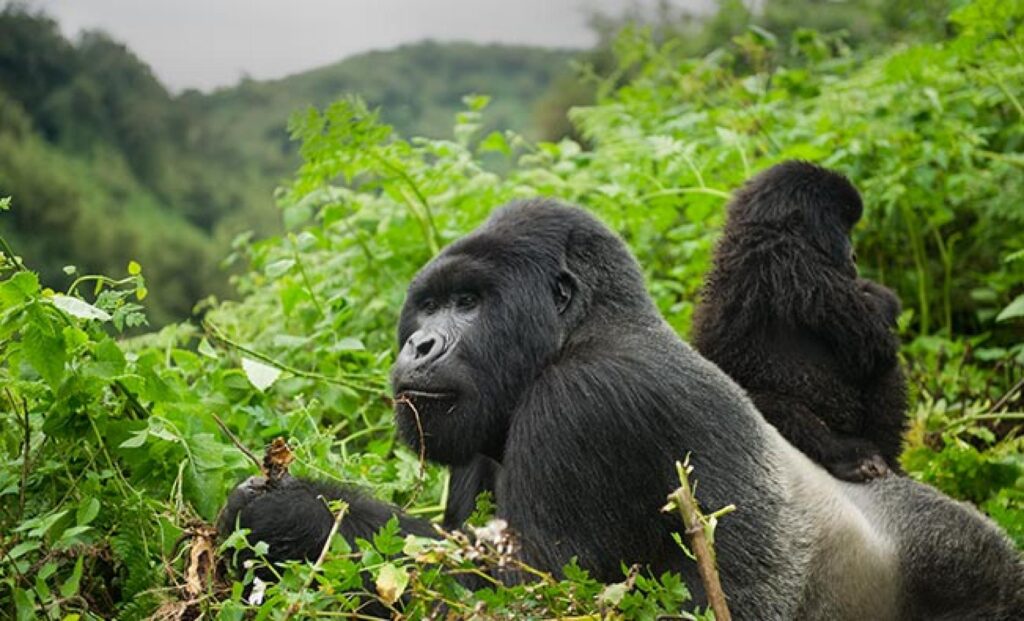
3-Day Bwindi Gorilla Trekking Safari
3-Day Bwindi Gorilla Trekking Safari
4-Day Uganda Gorilla Trekking Safari
4-Day Uganda Gorilla Trekking Safari
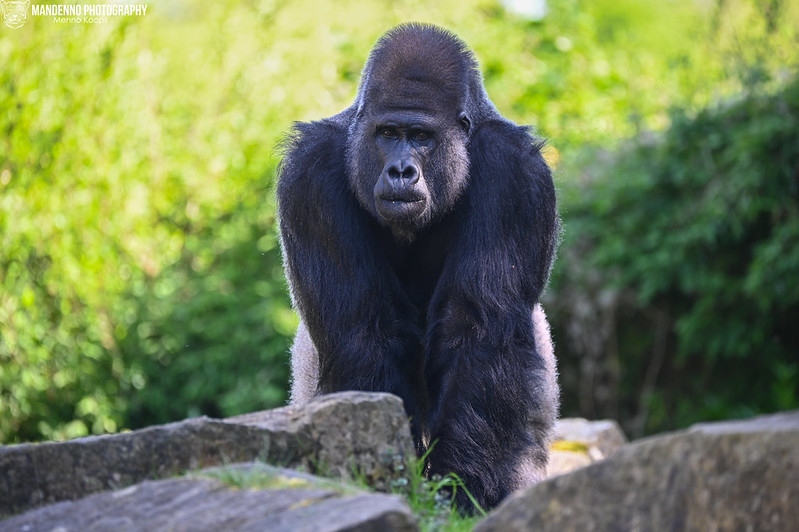
5-Day Gorilla Tracking and Wildlife Safari
5-Day Gorilla Tracking and Wildlife Safari
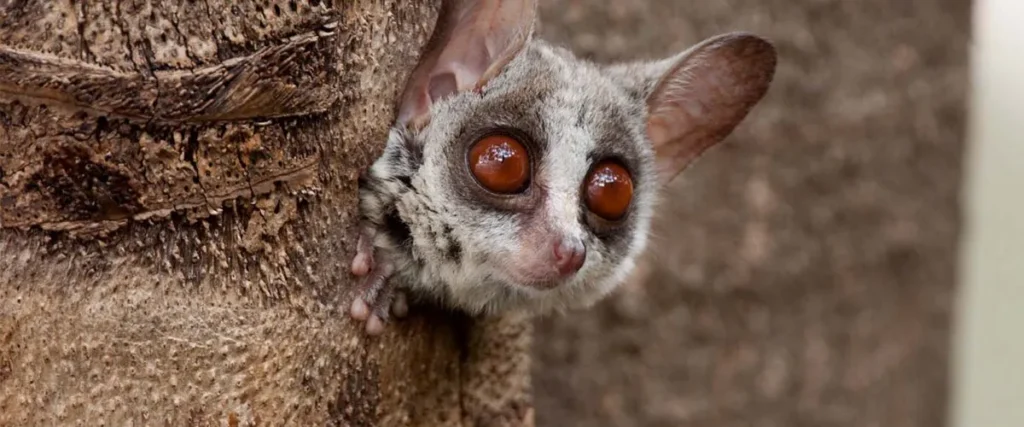
7-Day Uganda Primate Adventure & Wildlife Safari
7-Day Uganda Primate Adventure & Wildlife Safari
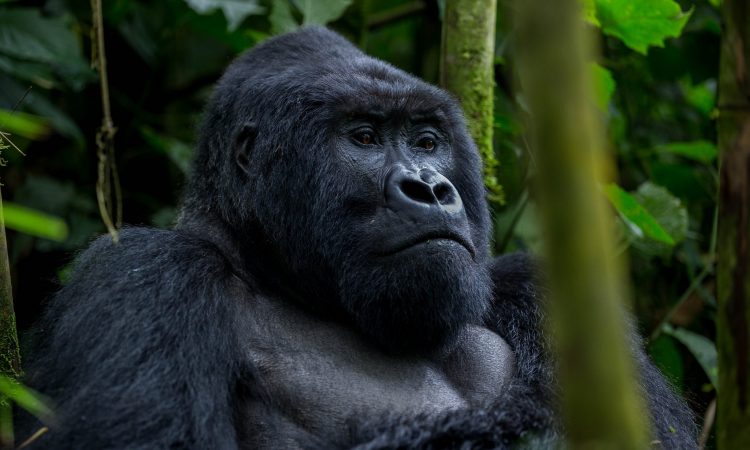
10-Day Gorilla Trekking & Big Five Safari in Uganda
10-Day Gorilla Trekking & Big Five Safari in Uganda
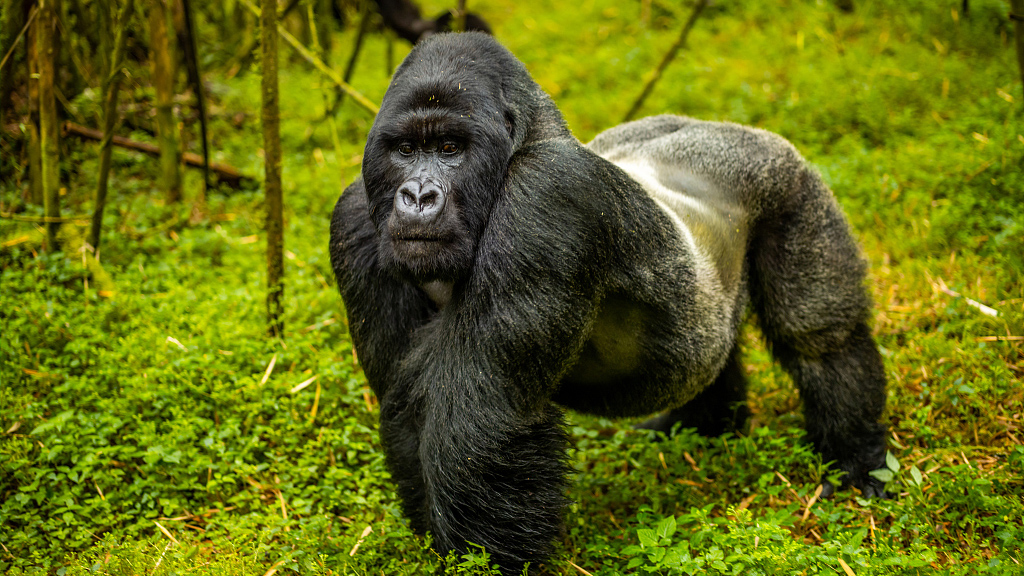
12-Day Uganda Gorilla Trekking, Chimp Tracking & Cultural Safari
12-Day Uganda Gorilla Trekking, Chimp Tracking & Cultural Safari
14-Day Best of Uganda Safari – Gorillas, Wildlife, Cultures
14-Day Best of Uganda Safari – Gorillas, Wildlife, Cultures
Understanding the Batwa Cultural Experience in Uganda
What the Batwa Cultural Experience Entails
The Batwa Cultural Experience offers visitors a meaningful introduction to one of the oldest Indigenous communities of the Great Lakes region. Traditionally forest dwellers, the Batwa developed a deep relationship with the ecosystems that once sustained them, particularly around areas such as Bwindi Impenetrable National Park and Mgahinga Gorilla National Park in Uganda.
A typical cultural visit begins with a guided walk led by Batwa community members. Along forest paths or community-managed sites, guides demonstrate traditional survival knowledge, including medicinal plant use, food gathering practices, fire making techniques, and small game hunting methods once essential to daily life. These demonstrations are not staged performances but interpretations of lived history, explaining how generations survived sustainably within dense forest environments.
Storytelling sessions are central to the experience. Elders and community members share oral histories, ancestral legends, and spiritual beliefs tied to the forest. These narratives reveal a worldview rooted in harmony with nature, where land, animals, and spirits are interconnected. Music and dance often follow, featuring rhythmic drumming, call-and-response singing, and expressive movements that reflect ceremonies, rites of passage, and seasonal traditions. Visitors are sometimes invited to participate respectfully, fostering interaction rather than passive observation.
Ethical programs emphasize dialogue and learning. Guests are encouraged to ask questions, listen attentively, and understand the historical displacement the Batwa experienced when protected areas were established. The experience becomes not only cultural exchange but also education about identity, resilience, and adaptation.
Ethical Considerations and Respect
A responsible Batwa Cultural Experience places community agency at its core. Programs that are organized and led by Batwa representatives, or developed in equal partnership with conservation organizations and local authorities, ensure that cultural heritage is presented with dignity and consent. Fair compensation, transparent revenue sharing, and direct involvement of Batwa guides and performers are essential components of an ethical model.
Respectful tourism recognizes boundaries. Certain sacred practices, stories, or rituals may not be shared publicly, and visitors are expected to follow guidelines regarding photography, participation, and behavior. The goal is cultural appreciation rather than spectacle. When communities retain decision-making power over how their traditions are presented, tourism becomes a tool for empowerment instead of exploitation.
Conversely, initiatives developed without meaningful Batwa participation risk reducing culture to entertainment. Ethical travelers are encouraged to research operators carefully, ask how communities benefit financially, and choose programs that prioritize long term well-being over short term display.
Supporting Batwa Communities Through Tourism
When conducted responsibly, cultural tourism provides tangible and lasting benefits. Revenue from visits can support education programs for Batwa children, improve access to healthcare, and create alternative livelihood opportunities in crafts, guiding, and performance. These initiatives help preserve traditional knowledge while enabling adaptation to contemporary realities.
For visitors, the experience fosters deeper awareness of the social dimensions of conservation. It highlights the intersection of environmental protection, Indigenous rights, and sustainable development. Understanding Batwa history and resilience adds context to wildlife tourism in the region, reminding travelers that cultural preservation is inseparable from ecological stewardship.
More Gorilla Trekking Information to Know.
Gorilla trekking goes far beyond just the hike — it’s a deep, emotional journey into the heart of Africa’s last wild rainforests. Knowing the right timing, permits, fitness tips, and park details can turn your experience from good to unforgettable.
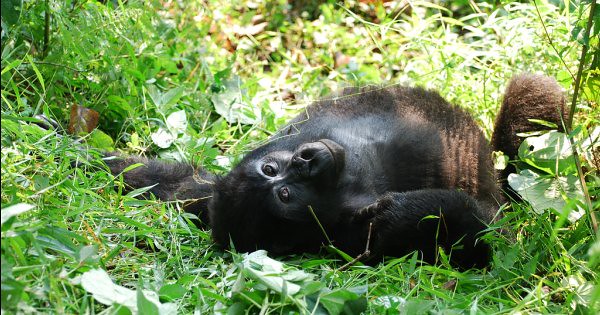
Gorilla Trekking in Bwindi Impenetrable Forest
Gorilla Trekking in Bwindi Impenetrable Forest
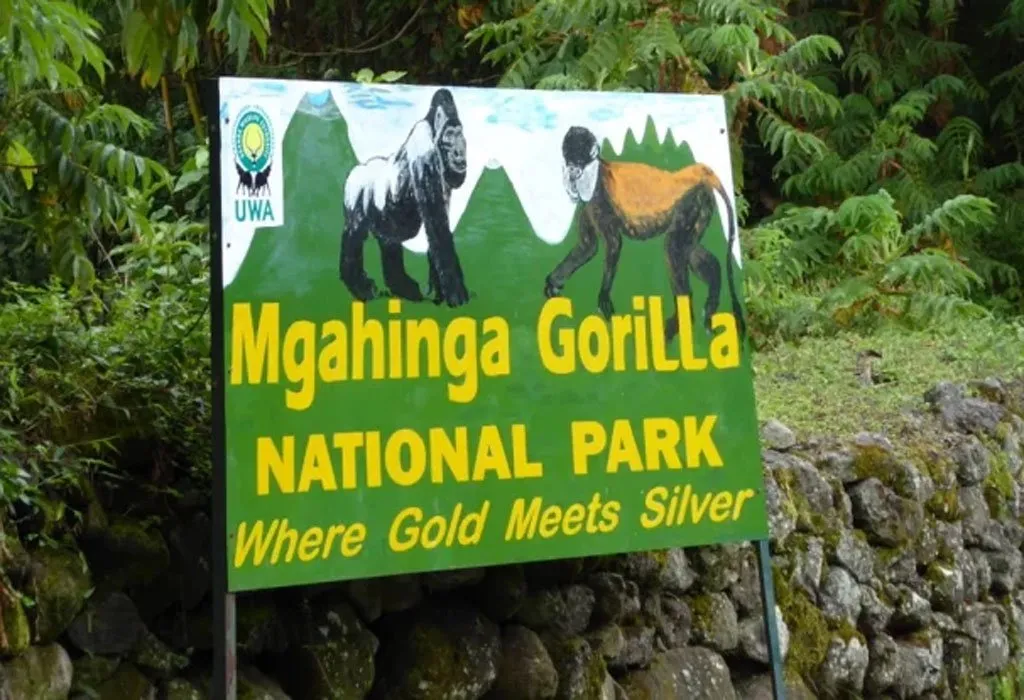
Trekking Gorillas in Mgahinga National Park
Trekking Gorillas in Mgahinga National Park
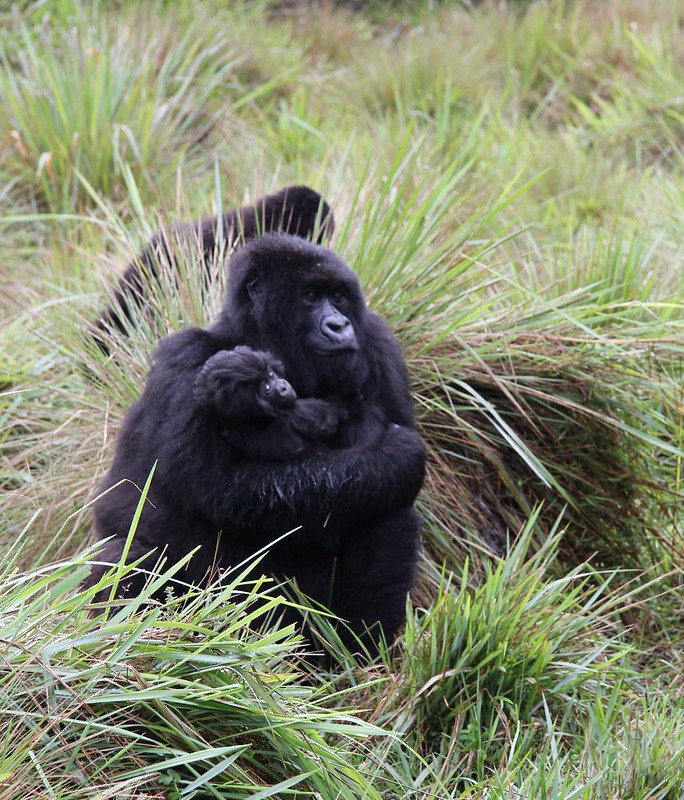
Uganda Gorilla Trekking Permits – Prices, Booking, & Travel Tips
Uganda Gorilla Trekking Permits – Prices, Booking, & Travel Tips

What to Pack for Gorilla Trekking in Uganda – Expert Checklist
What to Pack for Gorilla Trekking in Uganda – Expert Checklist
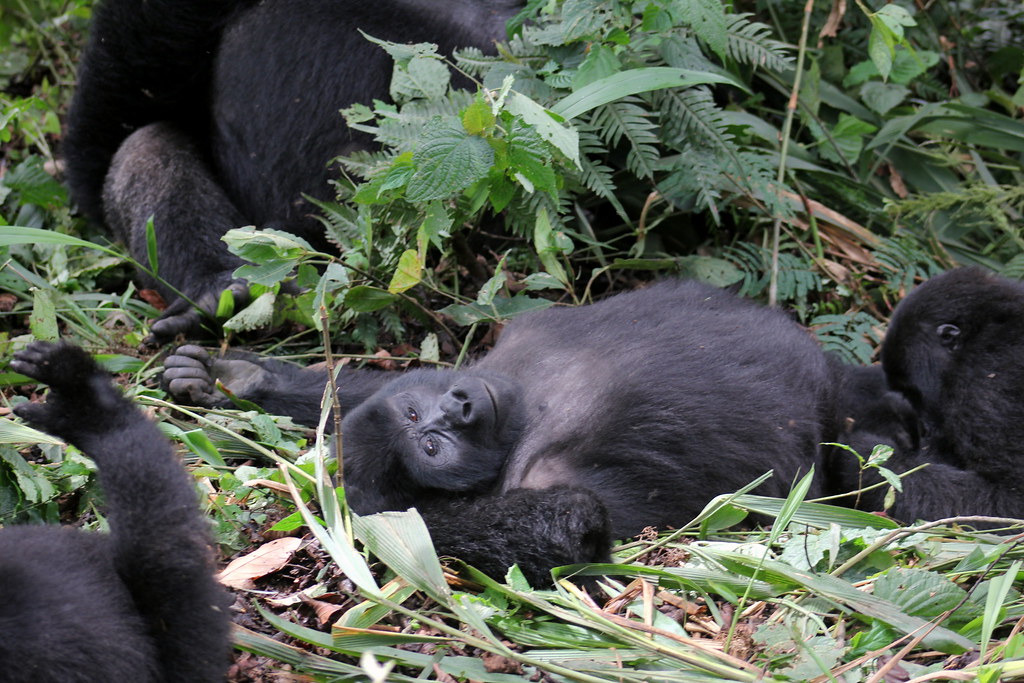
Best Time to Go Gorilla Trekking in Uganda – Weather & Seasons
Best Time to Go Gorilla Trekking in Uganda – Weather & Seasons
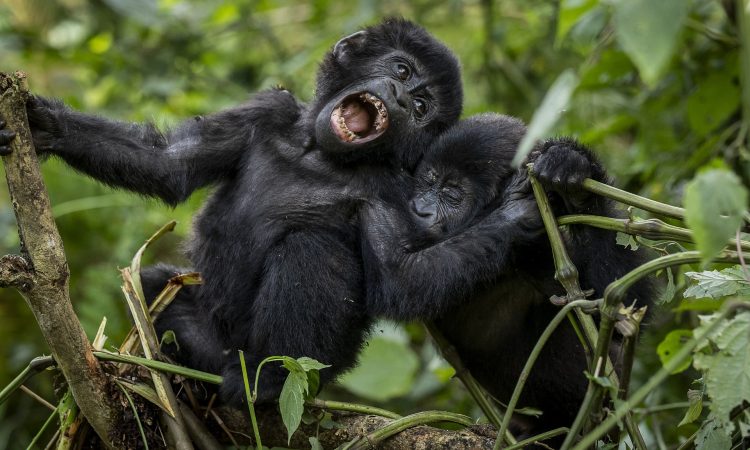
Gorilla Trekking Difficulty in Uganda – Fitness & Trail Guide
Gorilla Trekking Difficulty in Uganda – Fitness & Trail Guide
Gorilla Trekking Rules in Uganda – Safety, Respect & Ethics
Gorilla Trekking Rules in Uganda – Safety, Respect & Ethics
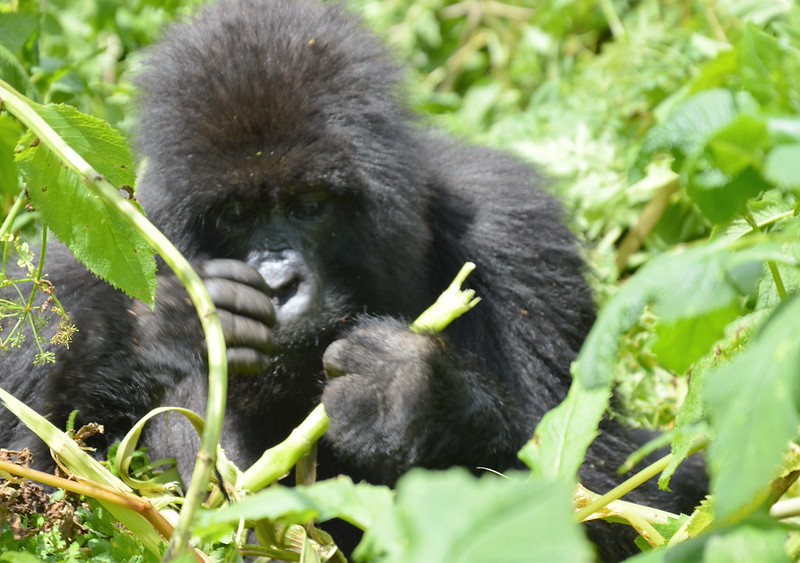
Gorilla Conservation in Uganda – Protecting the Mountain Giants
Gorilla Conservation in Uganda – Protecting the Mountain Giants
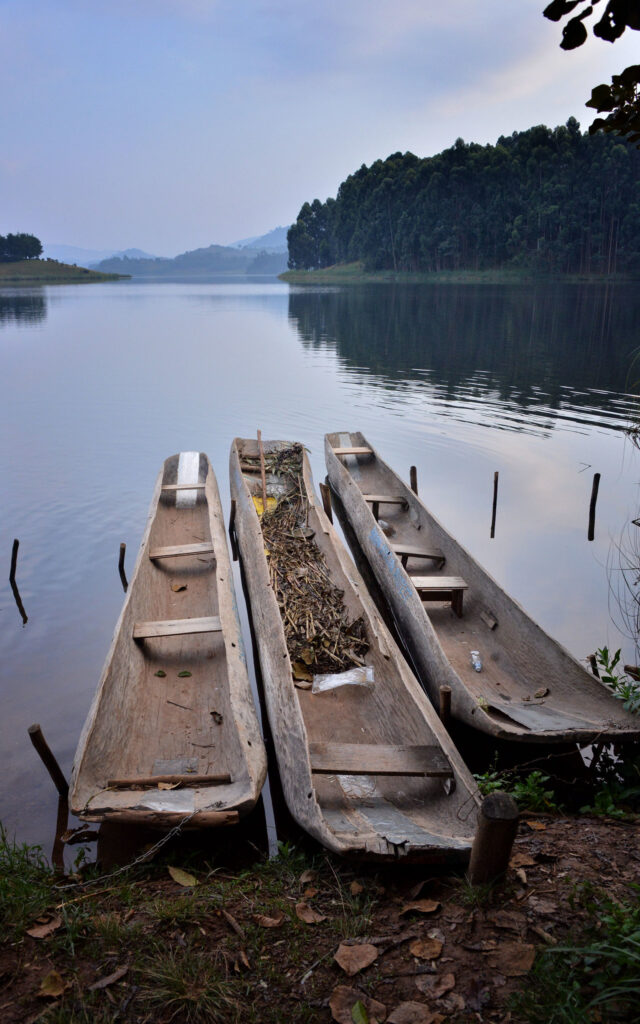
Bwindi vs. Mgahinga – Which One to Choose For Gorilla Trekking?
Bwindi vs. Mgahinga – Which One to Choose For Gorilla Trekking?
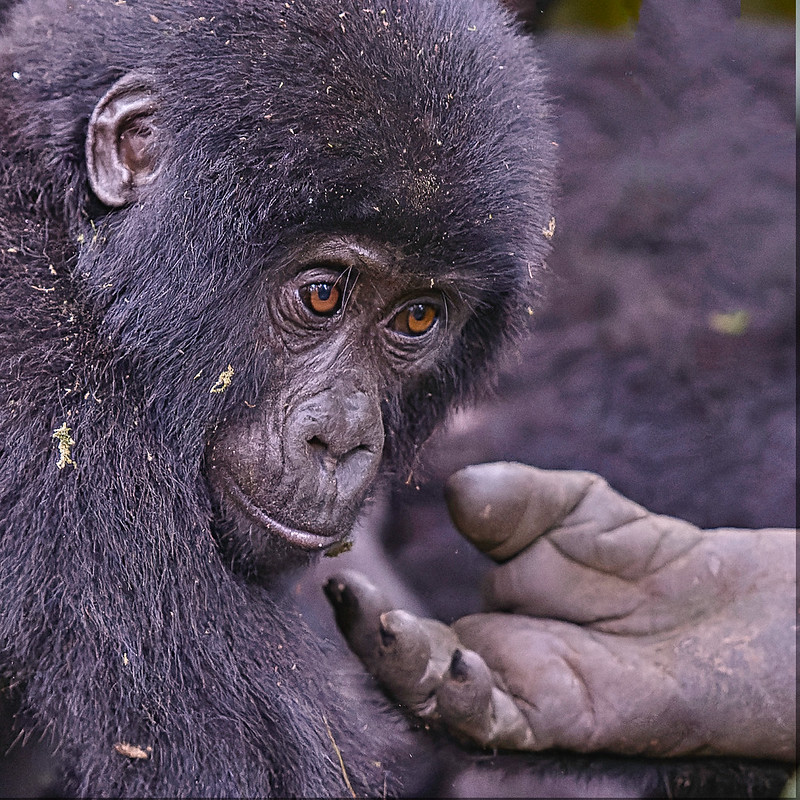
How to Stay Safe and Healthy While Traveling in Uganda
How to Stay Safe and Healthy While Traveling in Uganda
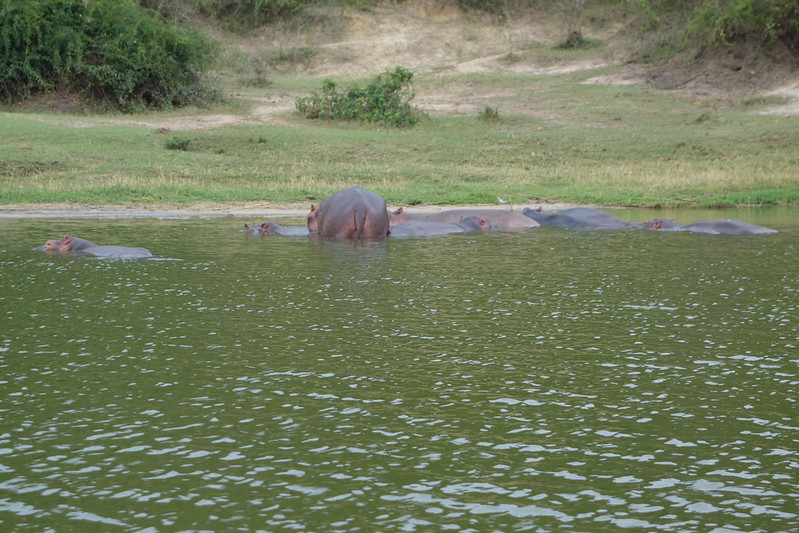
Routes, Tips & Travel Wisdom for Getting to Bwindi or Mgahinga
Routes, Tips & Travel Wisdom for Getting to Bwindi or Mgahinga
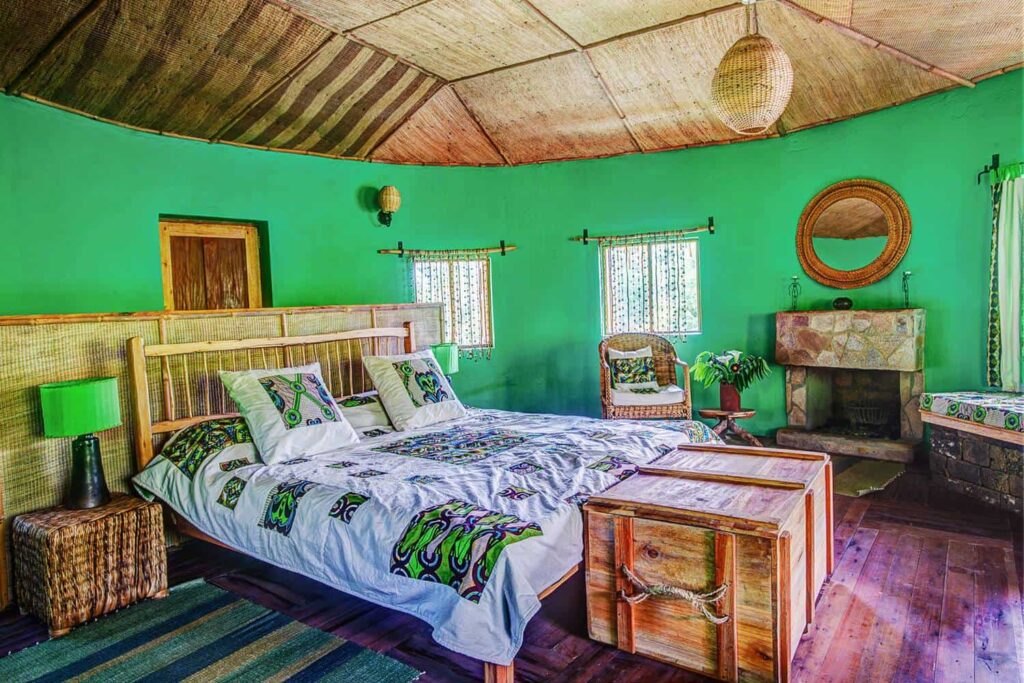
Accommodation Options: Lodges & Camps in Bwindi and Mgahinga
Accommodation Options: Lodges & Camps in Bwindi and Mgahinga
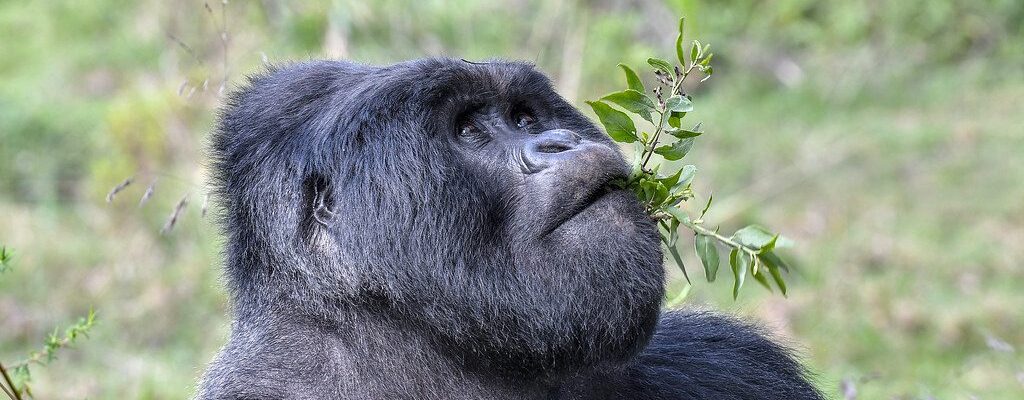
Protecting What You Came to See: Gorilla Conservation & Ethics
Protecting What You Came to See: Gorilla Conservation & Ethics
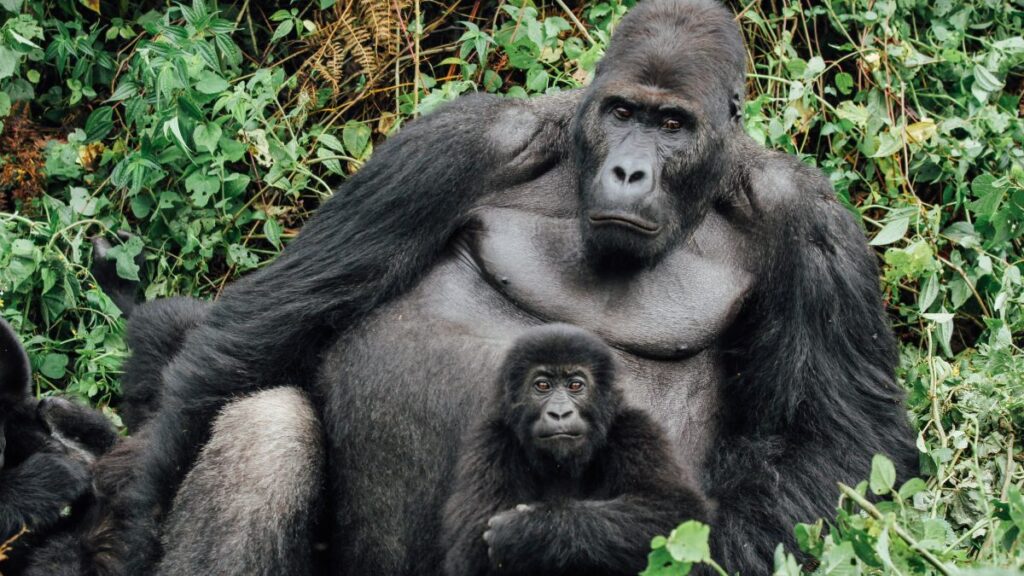
Travel Insurance for Gorilla Treks: Before You Go
Travel Insurance for Gorilla Treks: Before You Go
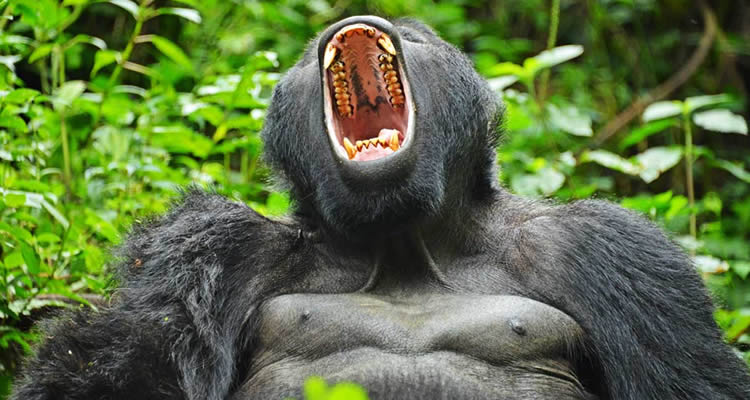
First Time Gorilla Trekking? Here’s Everything I Wish I Knew
First Time Gorilla Trekking? Here’s Everything I Wish I Knew
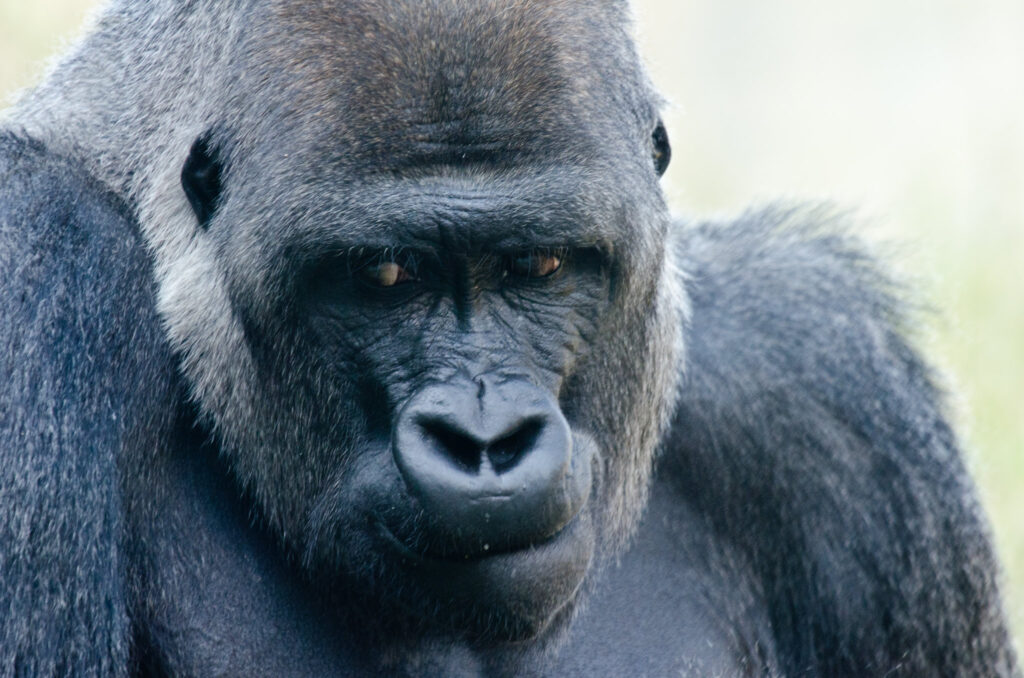
Step by Step: What Happens During a Gorilla Trekking Day
Step by Step: What Happens During a Gorilla Trekking Day
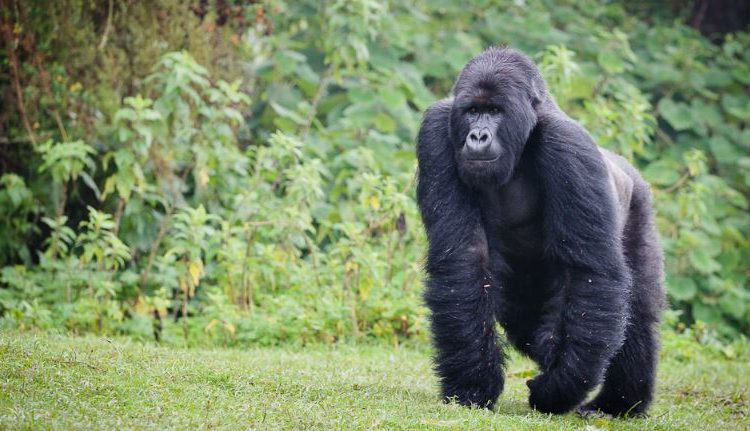
Gorilla Trekking vs. Gorilla Tracking – What’s the Real Difference?
Gorilla Trekking vs. Gorilla Tracking – What’s the Real Difference?
Beyond Gorillas: Other Wildlife You Can See During Your Trek
Beyond Gorillas: Other Wildlife You Can See During Your Trek
In the Realm of Giants – Bwindi & Mgahinga in Frames.
Wander through an elegant gallery capturing Uganda’s most exclusive gorilla sanctuaries, where ancient forests cradle the last mountain gorillas in a world of mist, mystery, and majesty.
Essential Planning Tips for Visiting Uganda’s National Parks.
Get ready for the wild heart of Africa with expert travel tips on when to visit, what to pack, where to go, and how to make the most of your safari across Uganda’s breathtaking national parks.
Why Uganda for Gorilla Trekking?
Uganda is not just a destination — it's the very soul of gorilla trekking. With over half of the world’s remaining mountain gorillas calling its misty forests home, Uganda offers the rarest encounters in their most authentic setting. Here, your journey is not rushed or crowded. Instead, you’re guided by experienced rangers through pristine jungles where gorillas live as they always have — wild, free, and magnificent
From insider travel insights to unforgettable trekking guides, our blog is your trusted path into Uganda’s wild heart — connecting you with mountain gorillas, breathtaking landscapes, and the soul-stirring adventures that make this land unlike any other.