

Where the soul of the forest whispers in the mist
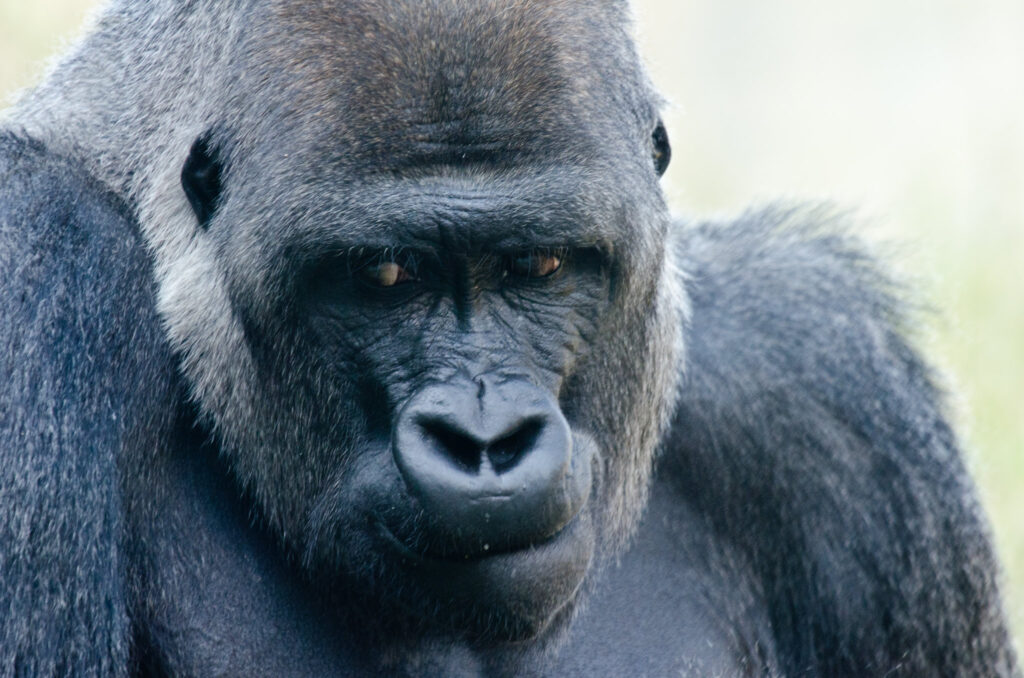
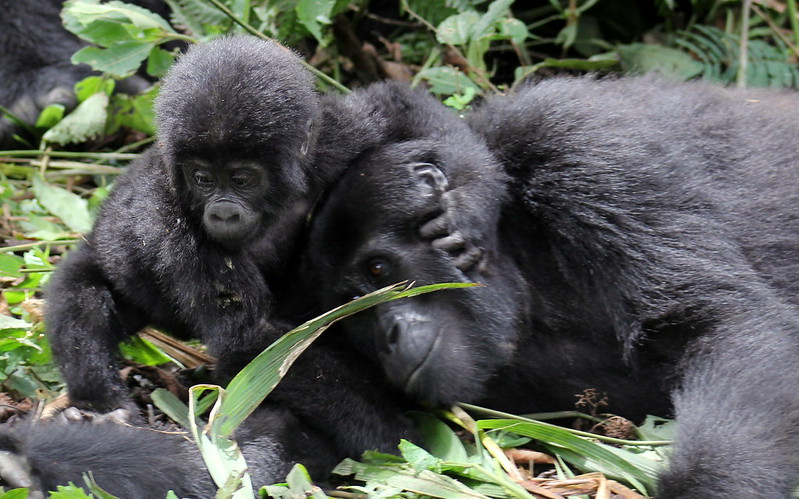
Photography during a gorilla trek is one of the most meaningful ways to preserve the memory of an extraordinary wildlife encounter. Standing only a few meters away from mountain gorillas in their natural habitat offers a rare chance to document intimate scenes of feeding, playful interactions, gentle grooming, and quiet moments of connection within the family group. These images often carry deep emotional weight, capturing expressions and behaviors that feel profoundly human.
Yet because mountain gorillas are endangered and highly sensitive to human presence, photography is strictly regulated within protected areas such as Bwindi Impenetrable National Park and Volcanoes National Park. Guidelines are designed to safeguard the gorillas’ health, minimize stress, and prevent behavioral disruption. Restrictions on flash photography, distance requirements, and time limits are all rooted in decades of conservation research.
Beyond camera settings and composition, gorilla photography is rooted in ethics and responsibility. The objective is not simply to capture a perfect image, but to observe and document mountain gorillas in a way that always places their wellbeing first. These primates are endangered and highly susceptible to human-borne illnesses, which makes respectful distance, calm behavior, and strict adherence to park rules essential throughout the encounter.
In protected areas such as Bwindi Impenetrable National Park and Volcanoes National Park, park authorities, rangers, and guides carefully enforce photography guidelines to minimize stress, prevent disease transmission, and avoid behavioral disruption. Rules such as disabling flash, maintaining the recommended viewing distance, and limiting the duration of visits are grounded in long-term conservation research.
So lace up your boots, grab your camera, and prepare to meet the wild — this is where your gorilla trekking dreams and unforgettable safari adventures truly begin.
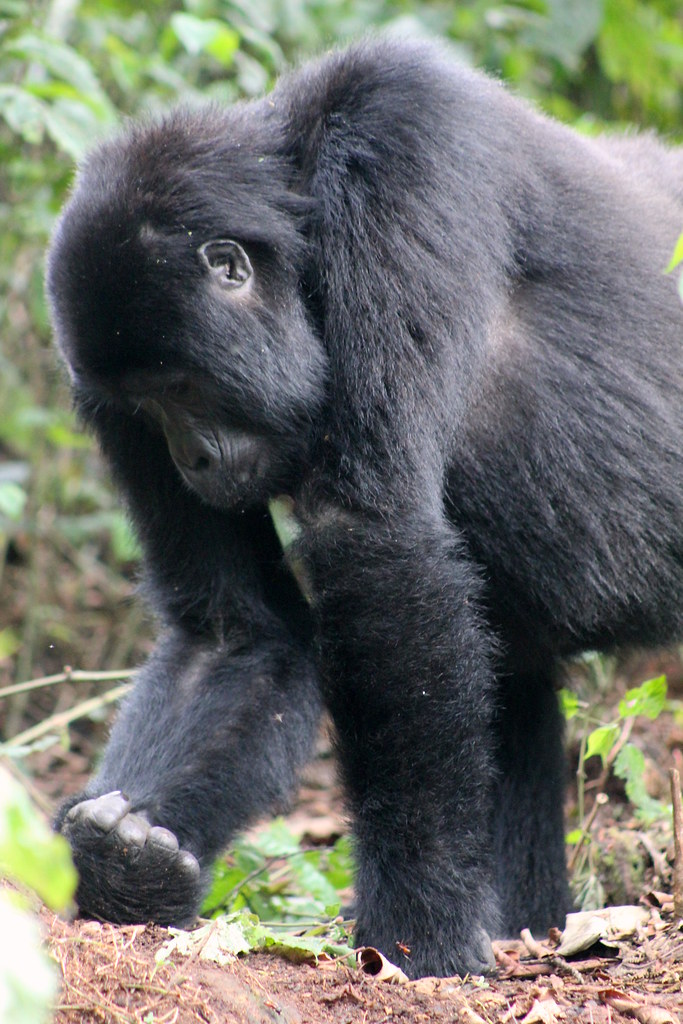
Truly Iconic Highlights in Uganda

Trek through Bwindi’s mystical rainforest and meet the endangered mountain gorillas in their breathtaking natural home.
Encounter mountain gorillas and golden monkeys on Mgahinga’s misty volcanic trails, where culture and alpine wildlife thrive together.
Unwind after your trek with a peaceful canoe ride across Lake Bunyonyi, Uganda’s most tranquil and scenic highland lake.
Enhance your gorilla trekking safari with an optional chimpanzee encounter in Uganda’s lush forests, adding depth and diversity to your primate adventure
Gorilla Trekking Tours in Uganda – Our Most Popular Itineraries.
Explore our gorilla trekking safaris for every traveler—solo, family, budget, or luxury. All tours include permits, transport, accommodation, meals, and park fees. Whether for a quick trip or a deeper adventure, we’ve got you covered.
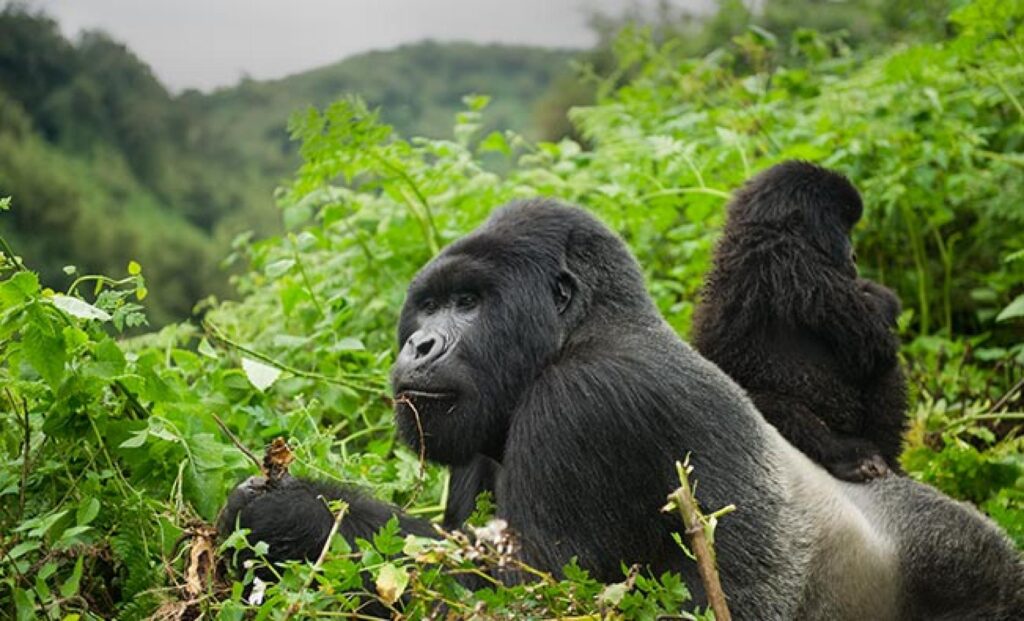
3-Day Bwindi Gorilla Trekking Safari
3-Day Bwindi Gorilla Trekking Safari
4-Day Uganda Gorilla Trekking Safari
4-Day Uganda Gorilla Trekking Safari
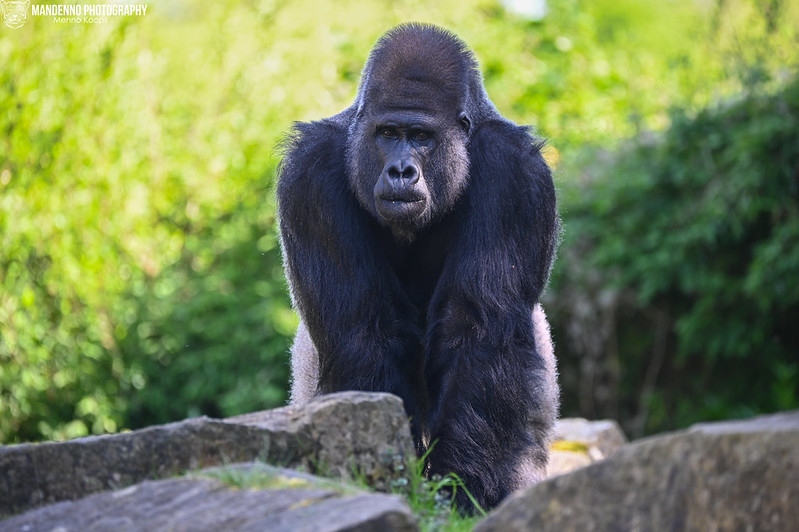
5-Day Gorilla Tracking and Wildlife Safari
5-Day Gorilla Tracking and Wildlife Safari
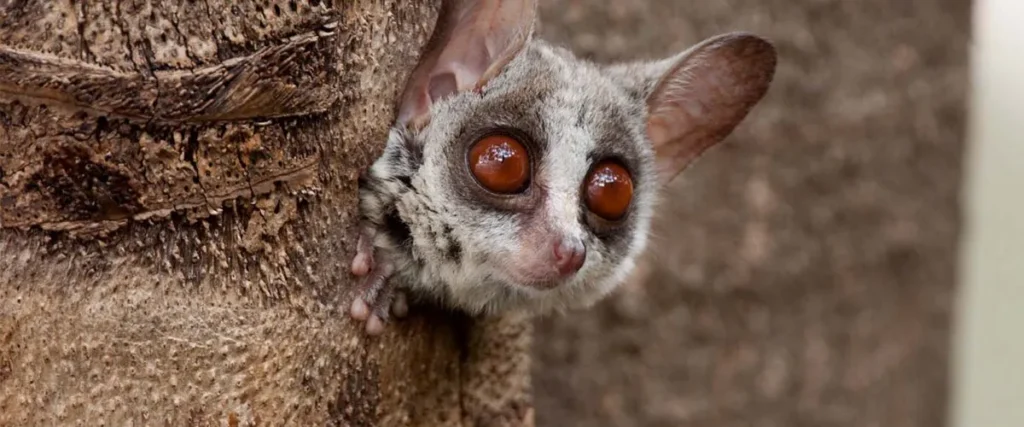
7-Day Uganda Primate Adventure & Wildlife Safari
7-Day Uganda Primate Adventure & Wildlife Safari
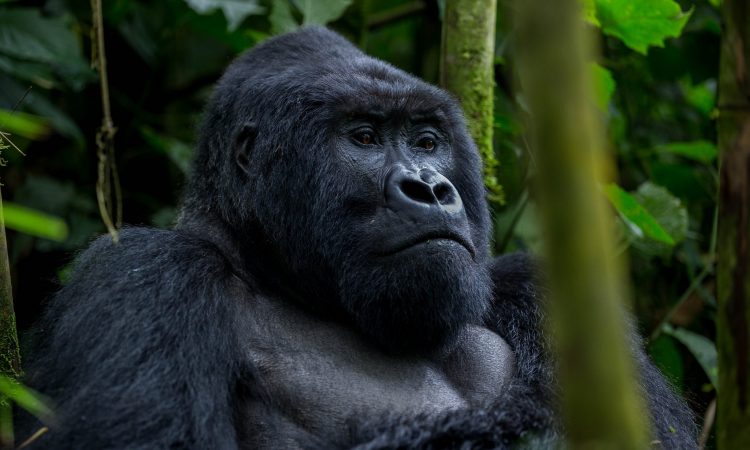
10-Day Gorilla Trekking & Big Five Safari in Uganda
10-Day Gorilla Trekking & Big Five Safari in Uganda
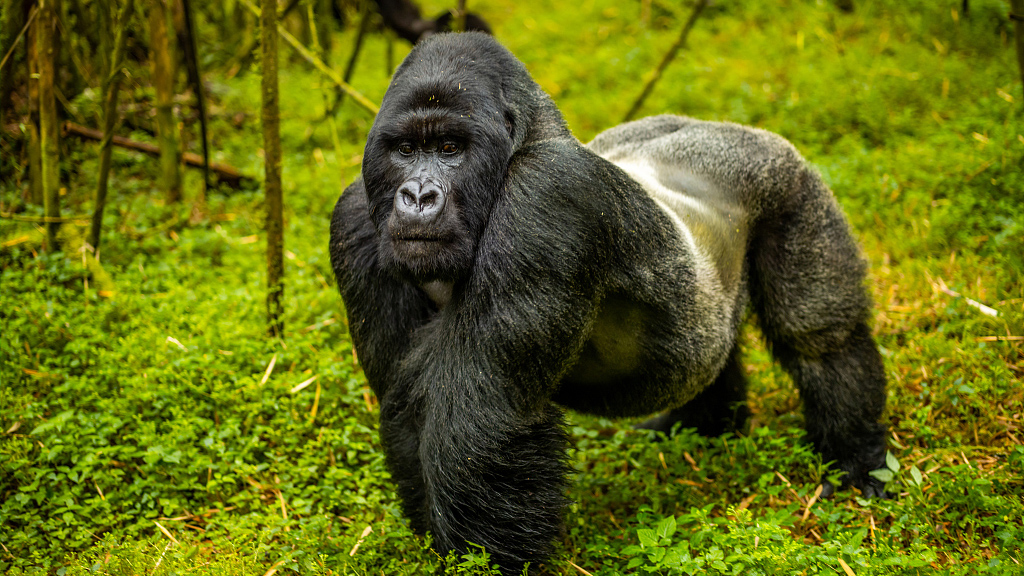
12-Day Uganda Gorilla Trekking, Chimp Tracking & Cultural Safari
12-Day Uganda Gorilla Trekking, Chimp Tracking & Cultural Safari
14-Day Best of Uganda Safari – Gorillas, Wildlife, Cultures
14-Day Best of Uganda Safari – Gorillas, Wildlife, Cultures
Bwindi ImpenetrablGorilla Trek Photography Rules – How to Capture Images Responsiblye National Park – The Crown Jewel of Gorilla Trekking
No Flash Photography
Flash photography is strictly prohibited during gorilla encounters. A sudden burst of artificial light can startle gorillas, interrupt feeding or grooming behavior, and in some cases trigger defensive reactions, particularly from dominant silverbacks who are responsible for protecting the group. Even if no immediate reaction is visible, repeated flashes can create unnecessary stress and alter natural routines.
Before entering the forest, visitors must confirm that all flash settings are disabled on cameras, smartphones, and external lighting equipment. Automatic flash functions should be turned off completely. The rainforest environment, although shaded, often provides soft, diffused natural light that enhances depth, texture, and atmosphere in photographs. Early morning mist and filtered sunlight through the canopy can produce remarkably intimate and dramatic images without artificial lighting.
Maintaining the Required Distance
A minimum distance of seven meters must be maintained between visitors and gorillas at all times. This regulation serves two essential purposes. First, it minimizes the risk of disease transmission, as gorillas are highly susceptible to human illnesses. Second, it prevents behavioral stress that can arise from feeling crowded or threatened.
On occasion, gorillas may move closer out of curiosity. If this occurs, visitors are instructed to remain calm, avoid direct eye contact, and follow the guide’s instructions. Stepping backward slowly if directed is appropriate, but reaching out, leaning in for a close-up, or shifting position aggressively for a better frame is strictly forbidden. Respecting personal space ensures both safety and authenticity in the encounter.
Avoiding Sudden Movements and Chasing Moments
Patience defines successful gorilla photography. Rapid movements, running to reposition, or stepping quickly toward an individual to capture a dramatic shot can be interpreted as threatening behavior. Gorillas are powerful and protective animals, and sudden motion can disrupt the calm dynamic of the group.
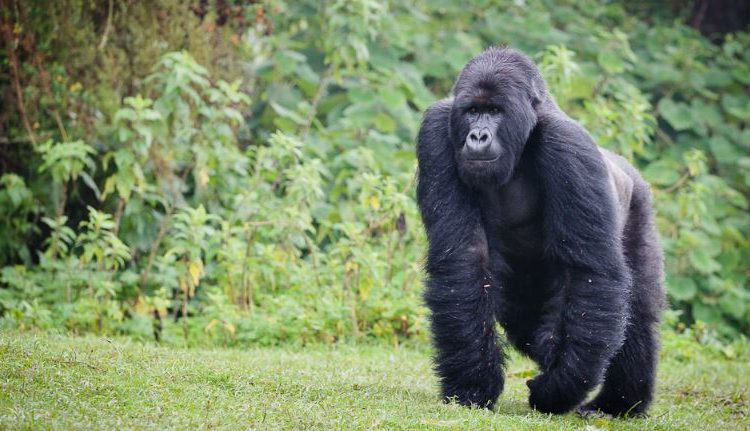
Guides carefully position visitors to maximize safe viewing angles. Often, the most compelling images arise not from chasing action but from remaining still and allowing gorillas to move naturally within the scene. Waiting quietly may reward photographers with spontaneous interactions such as grooming exchanges, playful juveniles tumbling through vegetation, or a silverback pausing thoughtfully in filtered light.
Minimizing Camera Noise and Distractions
Forest silence enhances both wildlife observation and photography. Loud shutter bursts, electronic beeps, and mechanical clicks can disturb gorillas and break the natural rhythm of the encounter. Cameras and phones should be switched to silent mode whenever possible.
Conversation should remain quiet and limited to essential communication. Calling out to companions, laughing loudly, or offering constant commentary can distract both the gorillas and fellow trekkers. A calm atmosphere allows animals to continue their routines undisturbed and gives photographers the opportunity to capture genuine, unforced moments.
Respecting the One Hour Limit
Visitors are permitted one hour with the gorilla family, and this time includes all observation and photography. The limit is carefully enforced to prevent prolonged exposure that could stress the animals or disrupt feeding and resting patterns.
Photographers benefit from pacing themselves. Rather than spending the entire hour continuously shooting, alternating between photographing and simply observing often deepens the experience. Watching expressions, subtle gestures, and social interactions without a lens can inform more meaningful compositions when the camera is raised again.
Restrictions on Equipment and Personal Items
Large photography equipment such as tripods, monopods, drones, and oversized rigs is not permitted during gorilla encounters. These items can obstruct narrow forest paths, create tripping hazards, and appear intimidating to wildlife. Lightweight, handheld cameras with secure straps are most suitable for dense vegetation and uneven terrain.
Food and drinks are also prohibited in the presence of gorillas. This rule prevents littering, reduces the risk of disease transmission, and avoids attracting unwanted attention from wildlife. All belongings should be securely stored in backpacks when not in use.
Following Guide Authority
Rangers and guides hold final authority throughout the trek. They monitor gorilla behavior continuously and may request visitors to lower cameras, adjust positions, or step back if necessary. These decisions prioritize safety and conservation.
Noncompliance can result in removal from the trekking group or penalties imposed by park authorities. Adhering to instructions ensures that the experience remains safe, respectful, and sustainable for future visitors.
Practicing Ethical Wildlife Photography
Ethical gorilla photography centers on respect rather than proximity. The goal is to document authentic behavior without manipulation or interference. Gorillas should never be surrounded, pressured into movement, or treated as subjects for staged images.
Images captured responsibly contribute to conservation awareness by portraying gorillas in their natural environment, engaged in genuine social interactions. Photographs taken with patience and respect not only preserve the integrity of the moment but also help ensure that gorilla trekking remains a carefully managed and sustainable wildlife experience for generations to come.
More Gorilla Trekking Information to Know.
Gorilla trekking goes far beyond just the hike — it’s a deep, emotional journey into the heart of Africa’s last wild rainforests. Knowing the right timing, permits, fitness tips, and park details can turn your experience from good to unforgettable.
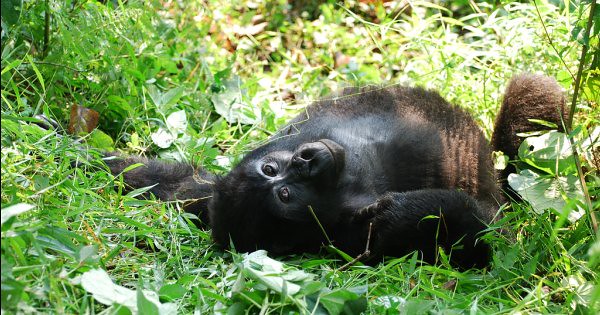
Gorilla Trekking in Bwindi Impenetrable Forest
Gorilla Trekking in Bwindi Impenetrable Forest
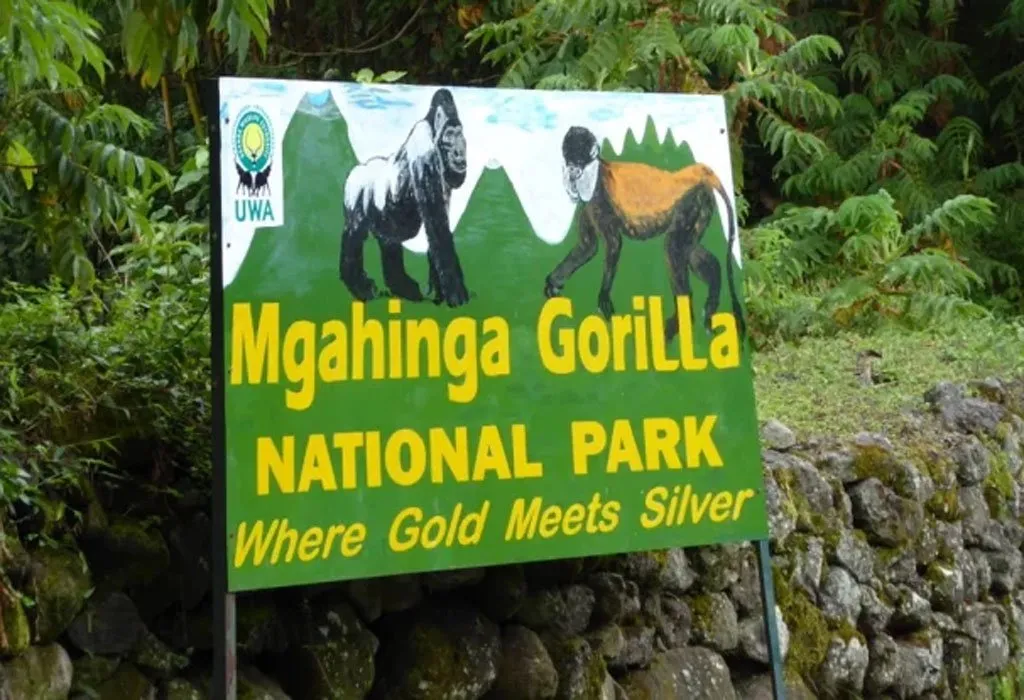
Trekking Gorillas in Mgahinga National Park
Trekking Gorillas in Mgahinga National Park
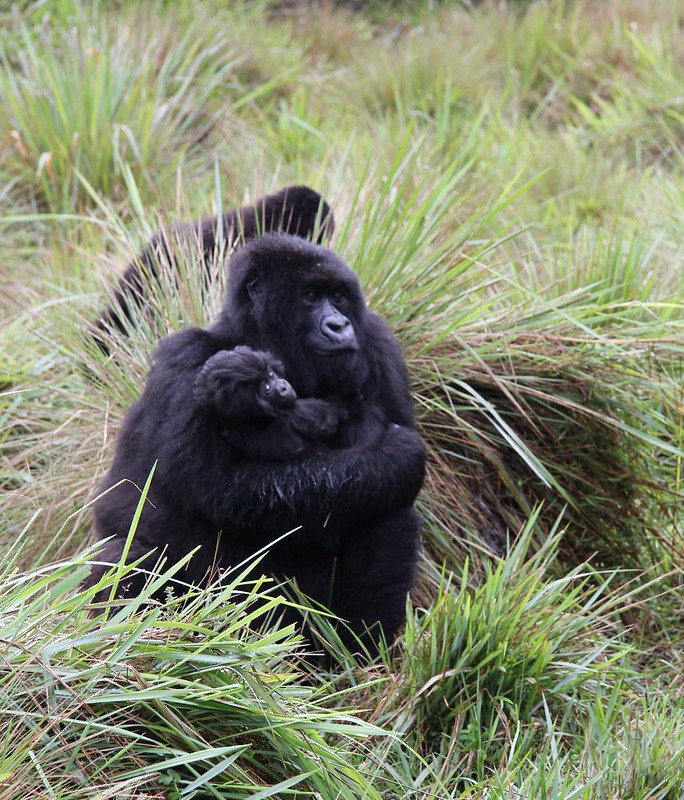
Uganda Gorilla Trekking Permits – Prices, Booking, & Travel Tips
Uganda Gorilla Trekking Permits – Prices, Booking, & Travel Tips
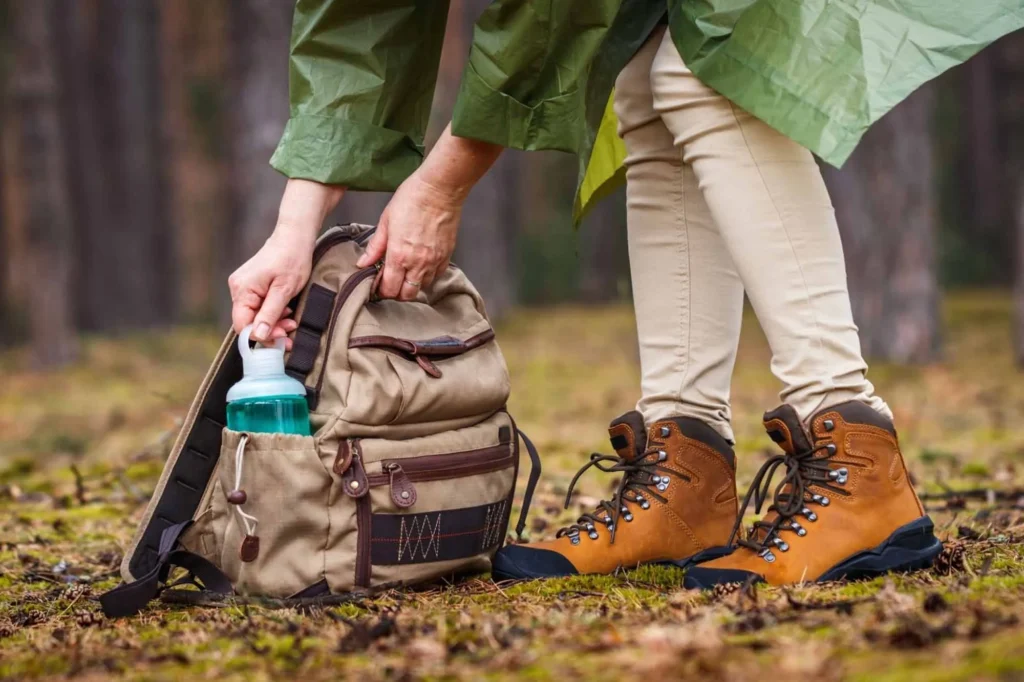
What to Pack for Gorilla Trekking in Uganda – Expert Checklist
What to Pack for Gorilla Trekking in Uganda – Expert Checklist
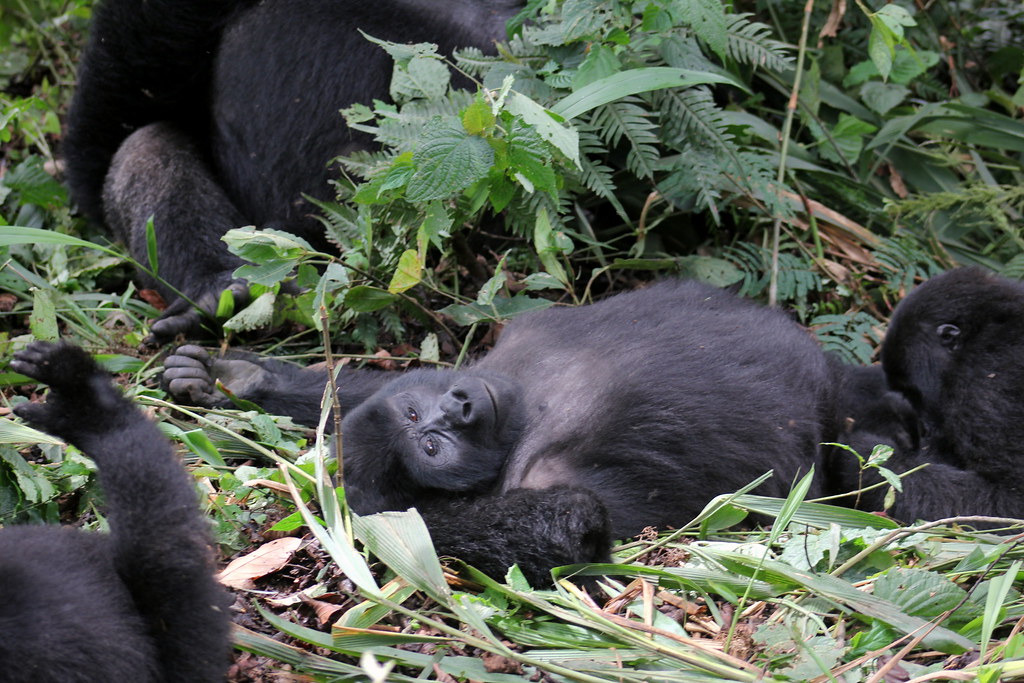
Best Time to Go Gorilla Trekking in Uganda – Weather & Seasons
Best Time to Go Gorilla Trekking in Uganda – Weather & Seasons
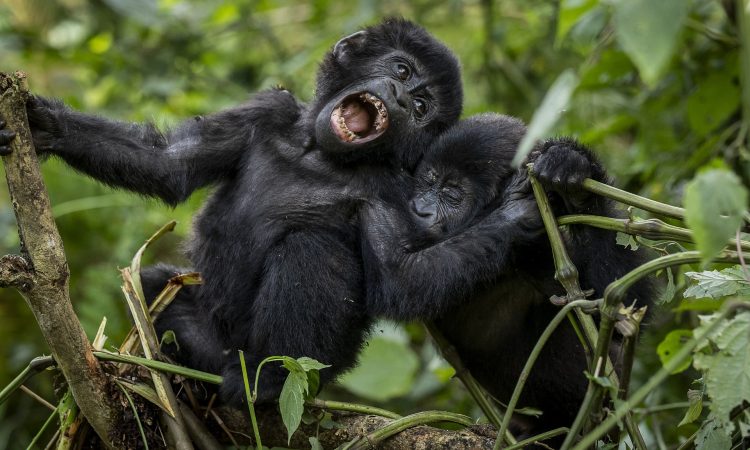
Gorilla Trekking Difficulty in Uganda – Fitness & Trail Guide
Gorilla Trekking Difficulty in Uganda – Fitness & Trail Guide
Gorilla Trekking Rules in Uganda – Safety, Respect & Ethics
Gorilla Trekking Rules in Uganda – Safety, Respect & Ethics
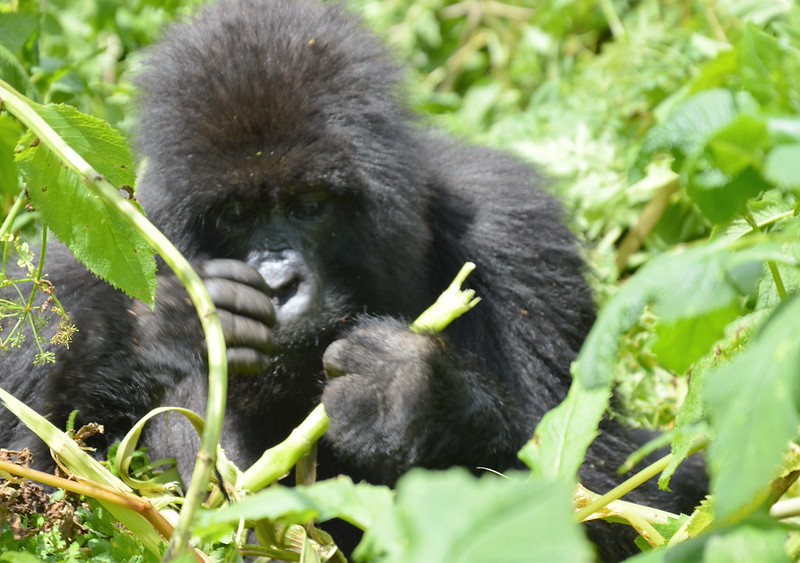
Gorilla Conservation in Uganda – Protecting the Mountain Giants
Gorilla Conservation in Uganda – Protecting the Mountain Giants
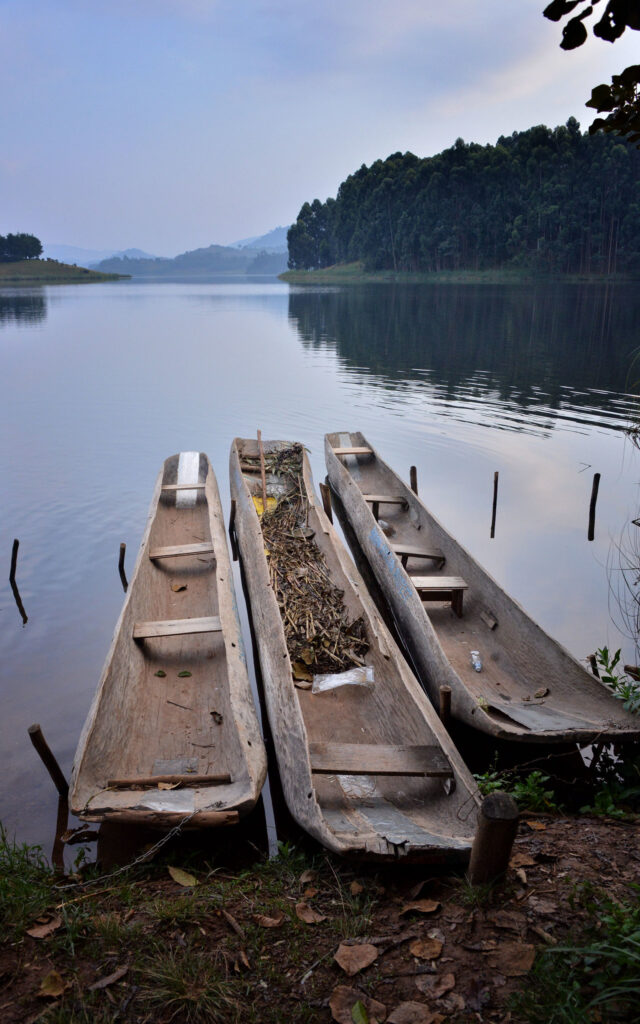
Bwindi vs. Mgahinga – Which One to Choose For Gorilla Trekking?
Bwindi vs. Mgahinga – Which One to Choose For Gorilla Trekking?
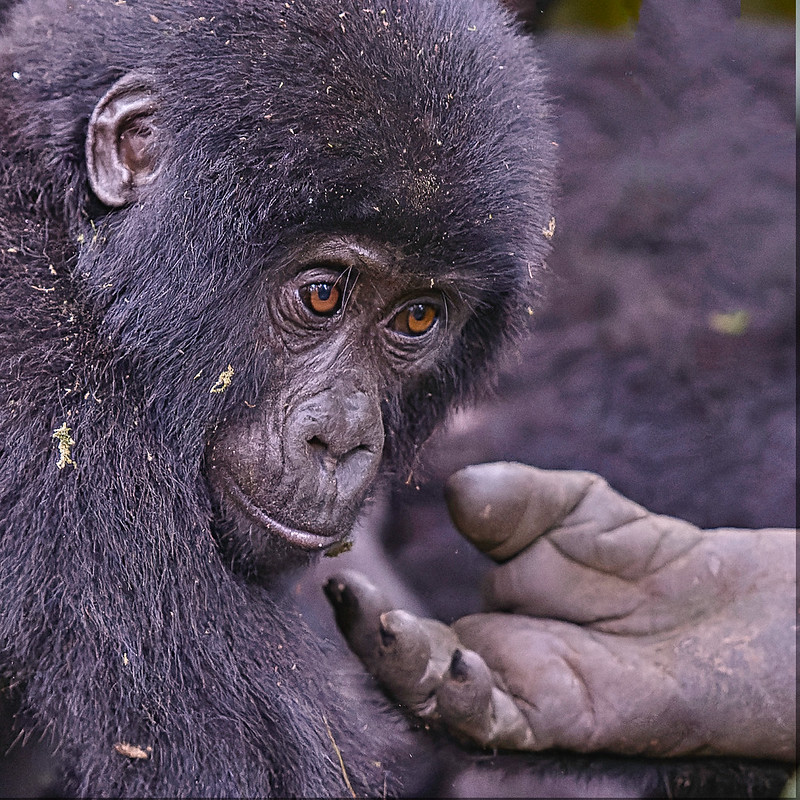
How to Stay Safe and Healthy While Traveling in Uganda
How to Stay Safe and Healthy While Traveling in Uganda
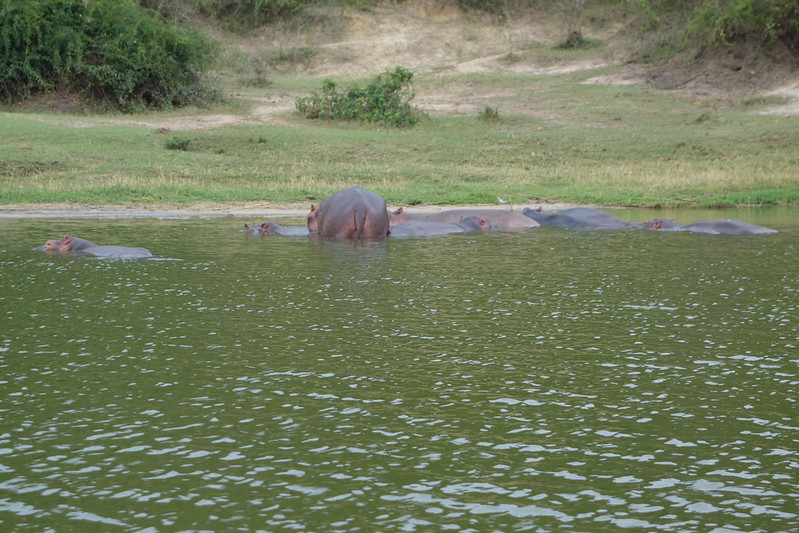
Routes, Tips & Travel Wisdom for Getting to Bwindi or Mgahinga
Routes, Tips & Travel Wisdom for Getting to Bwindi or Mgahinga
Accommodation Options: Lodges & Camps in Bwindi and Mgahinga
Accommodation Options: Lodges & Camps in Bwindi and Mgahinga
Protecting What You Came to See: Gorilla Conservation & Ethics
Protecting What You Came to See: Gorilla Conservation & Ethics
Travel Insurance for Gorilla Treks: Before You Go
Travel Insurance for Gorilla Treks: Before You Go
First Time Gorilla Trekking? Here’s Everything I Wish I Knew
First Time Gorilla Trekking? Here’s Everything I Wish I Knew
Step by Step: What Happens During a Gorilla Trekking Day
Step by Step: What Happens During a Gorilla Trekking Day
Gorilla Trekking vs. Gorilla Tracking – What’s the Real Difference?
Gorilla Trekking vs. Gorilla Tracking – What’s the Real Difference?
Beyond Gorillas: Other Wildlife You Can See During Your Trek
Beyond Gorillas: Other Wildlife You Can See During Your Trek
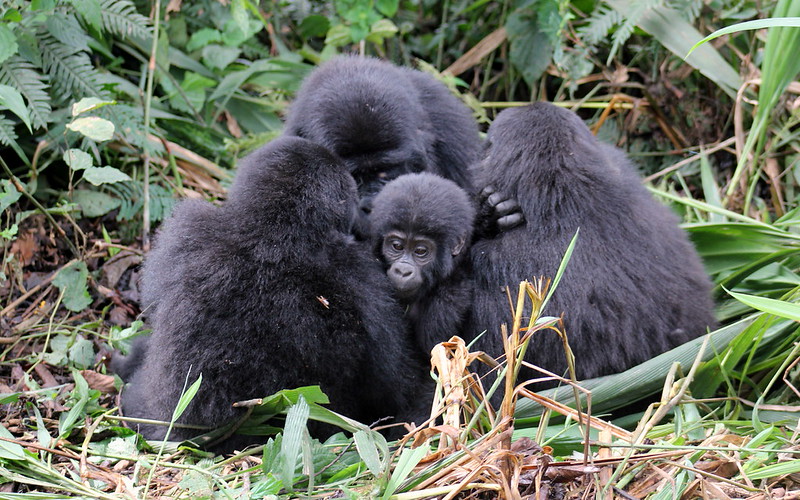
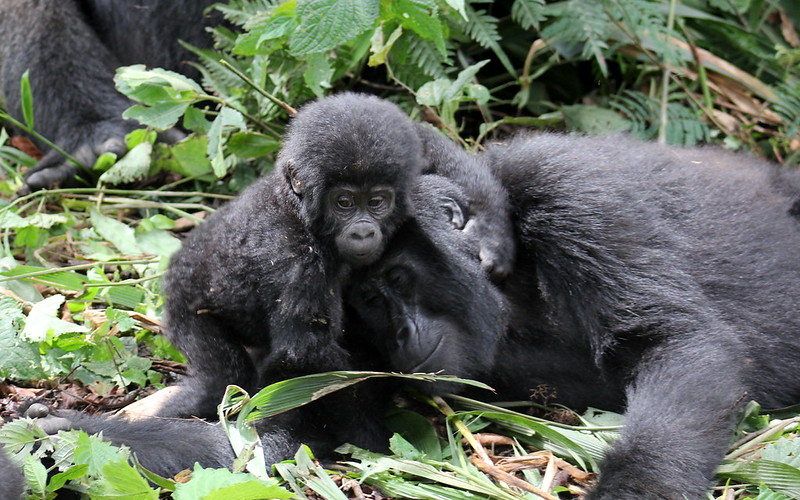
In the Realm of Giants – Bwindi & Mgahinga in Frames.
Wander through an elegant gallery capturing Uganda’s most exclusive gorilla sanctuaries, where ancient forests cradle the last mountain gorillas in a world of mist, mystery, and majesty.
Essential Planning Tips for Visiting Uganda’s National Parks.
Get ready for the wild heart of Africa with expert travel tips on when to visit, what to pack, where to go, and how to make the most of your safari across Uganda’s breathtaking national parks.
Why Uganda for Gorilla Trekking?
Uganda is not just a destination — it's the very soul of gorilla trekking. With over half of the world’s remaining mountain gorillas calling its misty forests home, Uganda offers the rarest encounters in their most authentic setting. Here, your journey is not rushed or crowded. Instead, you’re guided by experienced rangers through pristine jungles where gorillas live as they always have — wild, free, and magnificent
From insider travel insights to unforgettable trekking guides, our blog is your trusted path into Uganda’s wild heart — connecting you with mountain gorillas, breathtaking landscapes, and the soul-stirring adventures that make this land unlike any other.