

Where the soul of the forest whispers in the mist
A common and important question for travelers planning gorilla trekking in Uganda is: “Is it safe to drink water in Bwindi or Mgahinga?” These parks are remote, densely forested, and largely untouched, which contributes to their breathtaking beauty but also raises concerns about water safety. Natural water sources, such as streams, rivers, and springs, may look pristine but can harbor bacteria, parasites, or other contaminants that pose health risks. Understanding which water sources are safe and how to protect your health is therefore essential for ensuring a comfortable and worry-free trekking experience.
Most visitors are advised to rely on bottled or treated water during their stay, particularly while on the trails, to prevent waterborne illnesses. Boiling water or using reliable purification methods, such as filters or disinfectant tablets, can also provide safe alternatives when bottled water is unavailable. Being proactive about water safety not only safeguards your health but also allows you to fully enjoy the demanding yet rewarding experience of trekking through these magnificent forests without unnecessary disruptions or illness.
While Bwindi Impenetrable National Park and Mgahinga Gorilla National Park are carefully managed and protected conservation areas, their natural water sources are untreated and not guaranteed safe for human consumption. Streams, springs, and forest pools may contain bacteria, parasites, or other contaminants that can cause illness if ingested. Being aware of these risks, knowing the available safe options, and following best practices are essential steps for maintaining health during your visit.
Most travelers rely on bottled or properly treated water while in the parks, and methods such as boiling, filtering, or using purification tablets offer additional safety when bottled water is not accessible. By taking these precautions, visitors can focus fully on the unique wildlife experiences, breathtaking scenery, and challenging treks that define these parks, without the distraction or discomfort of preventable health issues. Proper preparation ensures a safer, more enjoyable, and truly memorable encounter with one of Africa’s most extraordinary natural landscapes.
So lace up your boots, grab your camera, and prepare to meet the wild — this is where your gorilla trekking dreams and unforgettable safari adventures truly begin.
Truly Iconic Highlights in Uganda

Trek through Bwindi’s mystical rainforest and meet the endangered mountain gorillas in their breathtaking natural home.
Encounter mountain gorillas and golden monkeys on Mgahinga’s misty volcanic trails, where culture and alpine wildlife thrive together.
Unwind after your trek with a peaceful canoe ride across Lake Bunyonyi, Uganda’s most tranquil and scenic highland lake.
Enhance your gorilla trekking safari with an optional chimpanzee encounter in Uganda’s lush forests, adding depth and diversity to your primate adventure
Gorilla Trekking Tours in Uganda – Our Most Popular Itineraries.
Explore our gorilla trekking safaris for every traveler—solo, family, budget, or luxury. All tours include permits, transport, accommodation, meals, and park fees. Whether for a quick trip or a deeper adventure, we’ve got you covered.
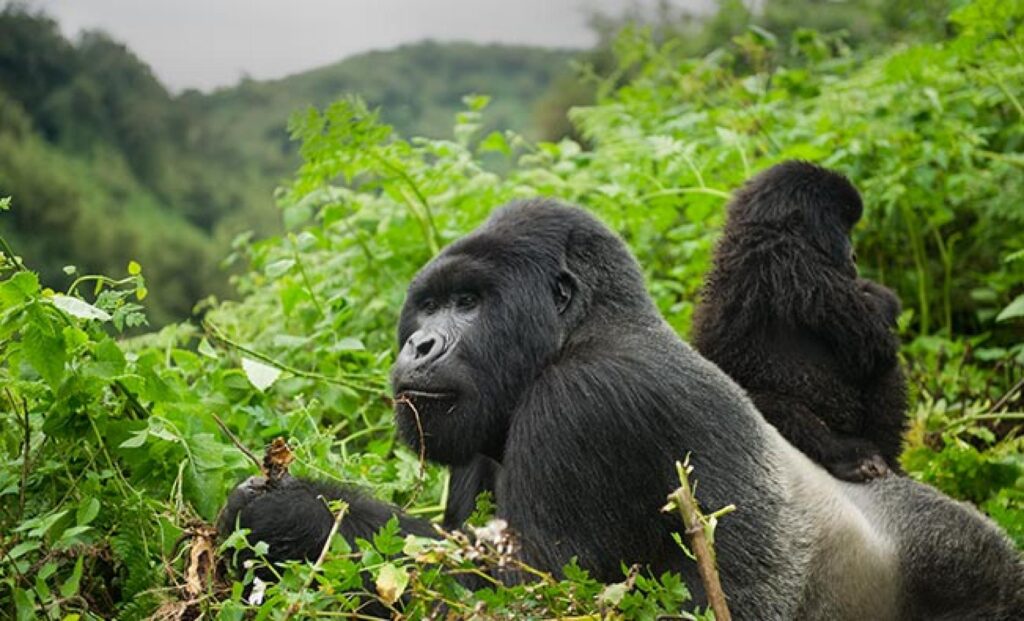
3-Day Bwindi Gorilla Trekking Safari
3-Day Bwindi Gorilla Trekking Safari
4-Day Uganda Gorilla Trekking Safari
4-Day Uganda Gorilla Trekking Safari
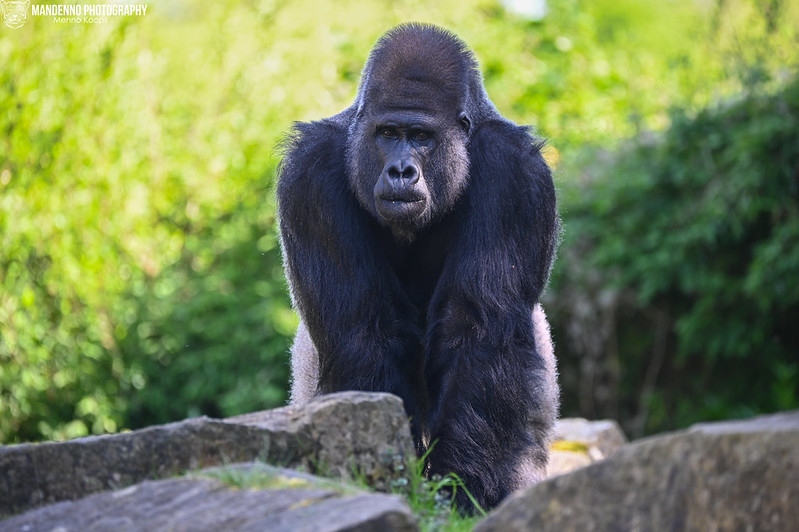
5-Day Gorilla Tracking and Wildlife Safari
5-Day Gorilla Tracking and Wildlife Safari
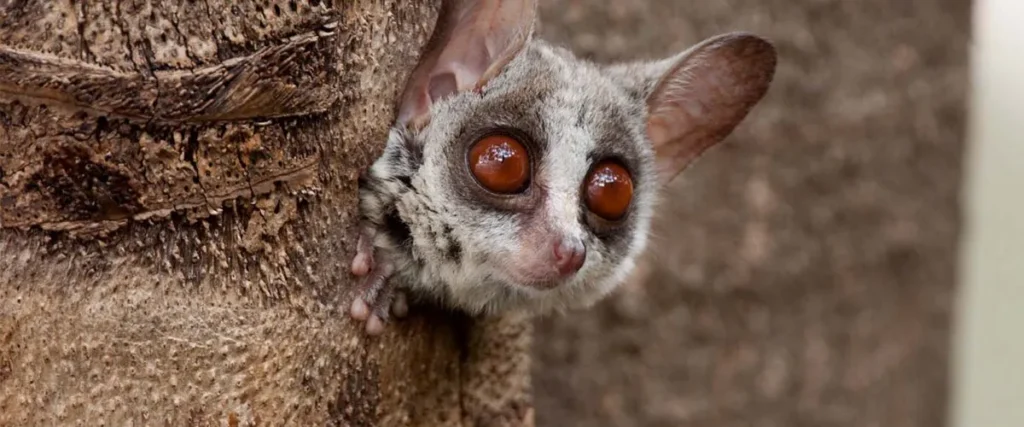
7-Day Uganda Primate Adventure & Wildlife Safari
7-Day Uganda Primate Adventure & Wildlife Safari
10-Day Gorilla Trekking & Big Five Safari in Uganda
10-Day Gorilla Trekking & Big Five Safari in Uganda
12-Day Uganda Gorilla Trekking, Chimp Tracking & Cultural Safari
12-Day Uganda Gorilla Trekking, Chimp Tracking & Cultural Safari
14-Day Best of Uganda Safari – Gorillas, Wildlife, Cultures
14-Day Best of Uganda Safari – Gorillas, Wildlife, Cultures
Understanding Drinking Water Safety in Gorilla Trekking Parks
Drinking Water Sources in Bwindi and Mgahinga
Bwindi Impenetrable National Park and Mgahinga Gorilla National Park are situated in some of East Africa’s most breathtaking rainforest landscapes. These parks are characterized by steep mountains, dense forests, and meandering streams and rivers that flow naturally through the terrain. At first glance, the waters here may seem pristine—clear streams rushing over rocks, springs bubbling from the forest floor—but appearances can be deceiving. Natural water in these regions often contains bacteria, protozoa, parasites, or other microorganisms that can cause gastrointestinal illnesses. Factors such as wildlife activity upstream, soil erosion, and occasional contamination from human settlements make untreated water risky for consumption. Even seemingly safe spring water may harbor invisible pathogens, so caution is essential for all visitors.
Many trekkers ask, “Is it safe to drink water in Bwindi or Mgahinga?” The answer is that natural, untreated water is generally not safe for drinking. Relying on streams, rivers, or rain-fed sources without proper treatment can result in diarrhea, stomach cramps, dehydration, and other health issues that could severely disrupt trekking plans. Considering that gorilla trekking is physically demanding, maintaining safe hydration is vital to ensure stamina, focus, and overall safety.
Safe Water Sources for Visitors
Fortunately, accommodations and eco-lodges within and around both parks are well prepared to address these challenges. Most provide treated, filtered, or bottled water suitable for drinking, brushing teeth, and taking medications. High-quality filtration, ultraviolet sterilization, and boiling are common practices used by lodges to ensure water safety. Some lodges even have refill stations where visitors can fill reusable bottles with purified water, reducing plastic waste while maintaining health standards.
During trekking excursions, guides usually instruct visitors to carry enough treated water to last the duration of the trek. Considering that some gorilla treks can take anywhere from two to six hours, especially in remote sectors such as Rushaga or Buhoma, it is essential to plan water needs carefully. Being without safe drinking water in humid, physically demanding conditions can lead to dehydration, heat exhaustion, or low energy levels, which can compromise both safety and enjoyment.
Portable Filtration and Emergency Options
For added security, trekkers may bring portable water treatment solutions. These include:
Water purification tablets – effective against bacteria and protozoa.
Portable filtration bottles – which allow water to be filtered on-the-go from streams.
UV water purifiers – using ultraviolet light to neutralize pathogens.
Boiling water – the most reliable method if a heat source is available.
These options provide peace of mind, especially for longer treks or multi-day expeditions, ensuring that visitors never need to rely on unsafe natural sources. Guides are often familiar with safe local water collection points, and combining lodge-provided water with portable purification measures is a prudent strategy.
Health Risks of Drinking Untreated Water
Drinking untreated water in Bwindi or Mgahinga carries significant health risks. Common consequences include gastrointestinal infections, dehydration, nausea, and stomach cramps. Even mild stomach discomfort can make gorilla trekking extremely challenging, as trekkers are required to navigate steep inclines, muddy trails, and dense forest undergrowth. For longer treks, even a temporary illness can reduce stamina, increase fatigue, and compromise overall safety.
Water-borne illnesses can also affect medication schedules, complicate recovery from altitude or exertion, and increase the risk of accidents while navigating slippery terrain. Prevention is far more effective than treatment once symptoms begin, which is why park authorities and guides strongly advise against drinking directly from streams or springs in either park.
Practical Tips for Staying Hydrated Safely
Staying hydrated is critical in humid rainforest conditions, and it requires planning, consistency, and proper gear. Consider these practical tips:
Start fully hydrated – drink plenty of treated water before beginning the trek.
Sip consistently – small, frequent sips are better than consuming large quantities at once.
Carry enough water – estimate your needs based on trek length, weather, and personal hydration requirements.
Use reusable bottles – eco-friendly and convenient for topping up at lodge refill stations.
Bring emergency purification – tablets, portable filters, or UV devices offer additional security.
Avoid untreated sources – streams, rivers, and springs may be visually clean but carry hidden pathogens.
Monitor your body – watch for early signs of dehydration, such as dry mouth, dizziness, or fatigue, and respond promptly.
Proper hydration practices allow trekkers to maintain energy, focus, and comfort, ensuring they can fully enjoy gorilla encounters without distraction. Being prepared with safe drinking water also aligns with sustainable tourism practices, as visitors reduce environmental impact by avoiding single-use plastic bottles where possible.
Additional Considerations for Health and Safety
Temperature and humidity: Rainforest conditions can cause rapid fluid loss through sweat. Hydration needs can increase significantly in humid areas.
Altitude: Some sectors of Bwindi and Mgahinga are at high elevations, where physical exertion may be more taxing, making safe water intake even more important.
Long treks: Multi-hour expeditions demand careful planning to avoid dehydration, especially when combined with physical challenges like steep slopes, slippery surfaces, and dense vegetation.
Visitors should treat hydration as a critical component of trek preparation, on par with appropriate clothing, footwear, and health precautions. By prioritizing safe drinking water, trekkers can focus entirely on the immersive experience of the forest, the thrill of wildlife encounters, and the unique opportunity to observe gorillas in their natural habitat.
More Gorilla Trekking Information to Know.
Gorilla trekking goes far beyond just the hike — it’s a deep, emotional journey into the heart of Africa’s last wild rainforests. Knowing the right timing, permits, fitness tips, and park details can turn your experience from good to unforgettable.
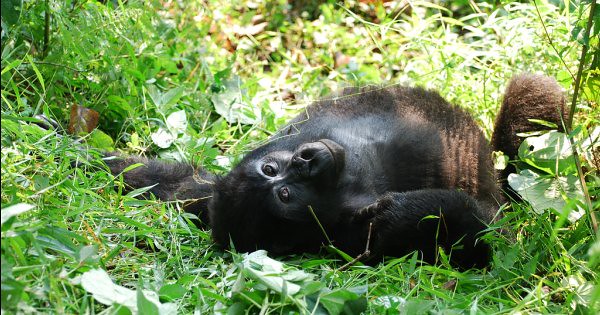
Gorilla Trekking in Bwindi Impenetrable Forest
Gorilla Trekking in Bwindi Impenetrable Forest
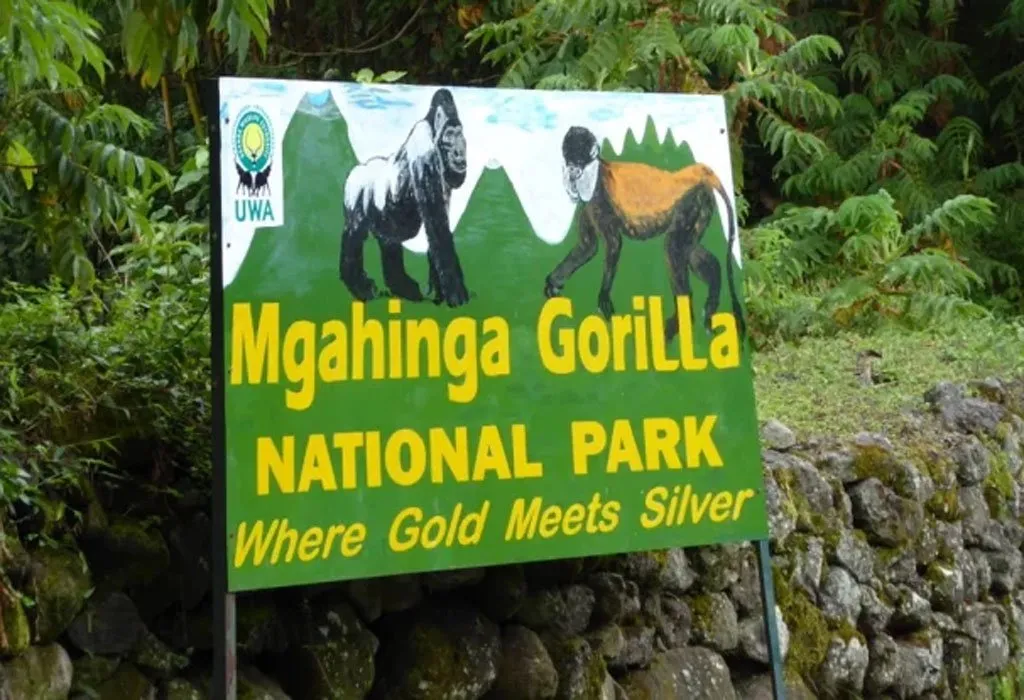
Trekking Gorillas in Mgahinga National Park
Trekking Gorillas in Mgahinga National Park
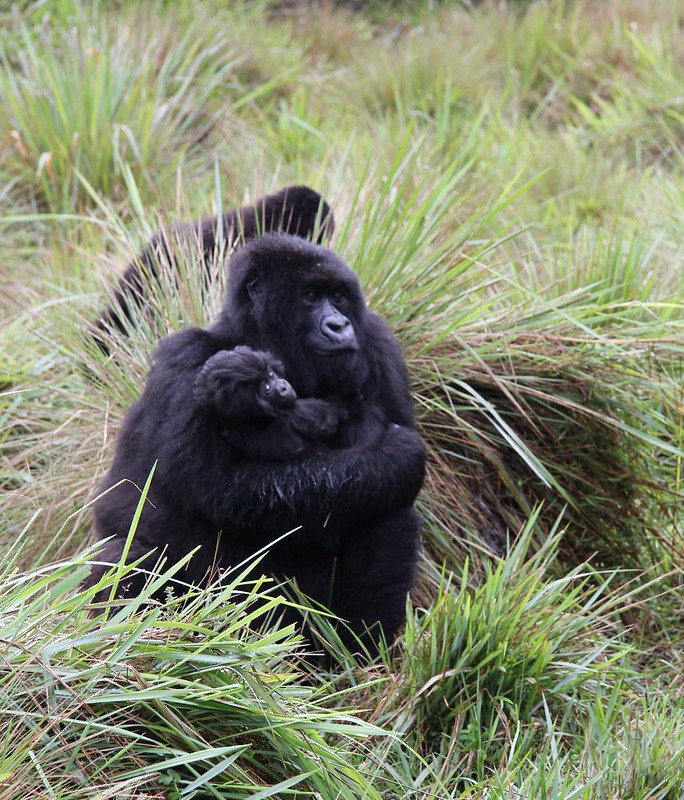
Uganda Gorilla Trekking Permits – Prices, Booking, & Travel Tips
Uganda Gorilla Trekking Permits – Prices, Booking, & Travel Tips
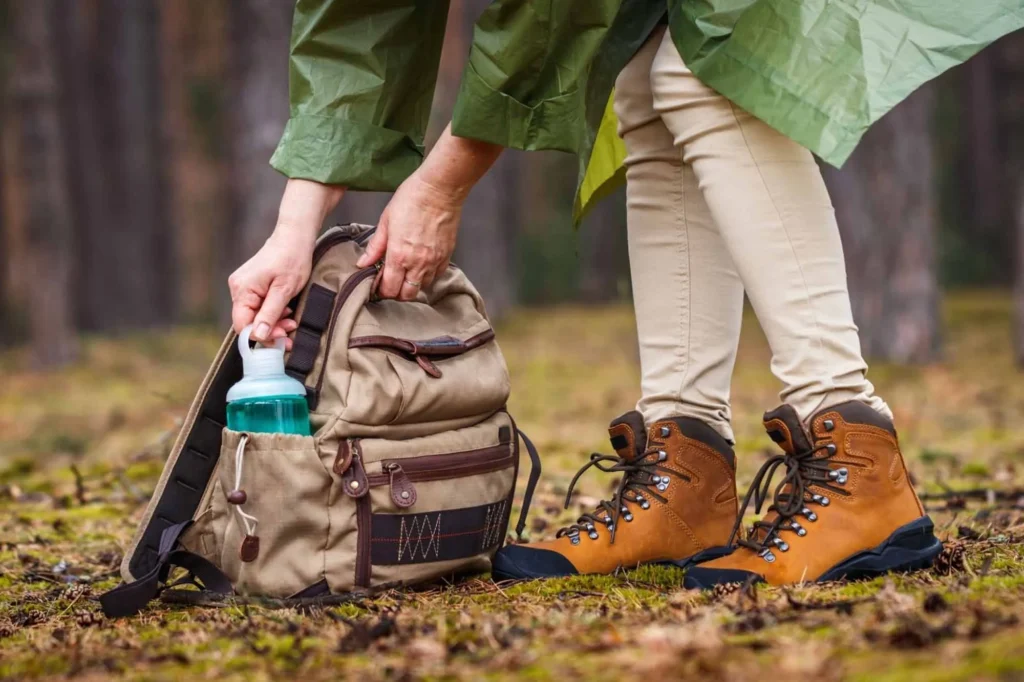
What to Pack for Gorilla Trekking in Uganda – Expert Checklist
What to Pack for Gorilla Trekking in Uganda – Expert Checklist
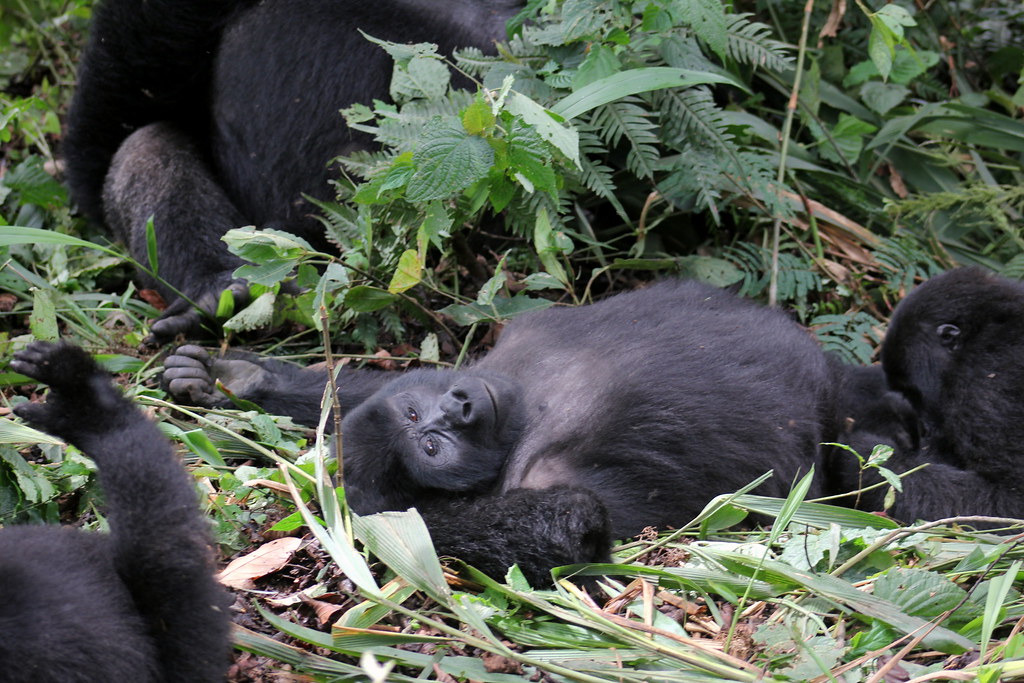
Best Time to Go Gorilla Trekking in Uganda – Weather & Seasons
Best Time to Go Gorilla Trekking in Uganda – Weather & Seasons
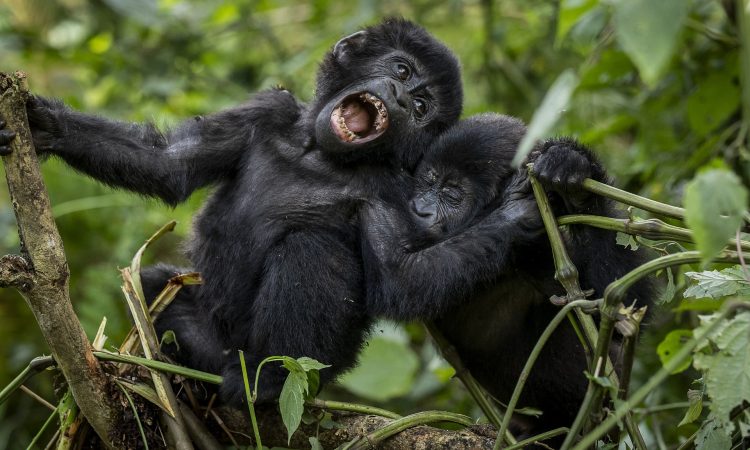
Gorilla Trekking Difficulty in Uganda – Fitness & Trail Guide
Gorilla Trekking Difficulty in Uganda – Fitness & Trail Guide
Gorilla Trekking Rules in Uganda – Safety, Respect & Ethics
Gorilla Trekking Rules in Uganda – Safety, Respect & Ethics
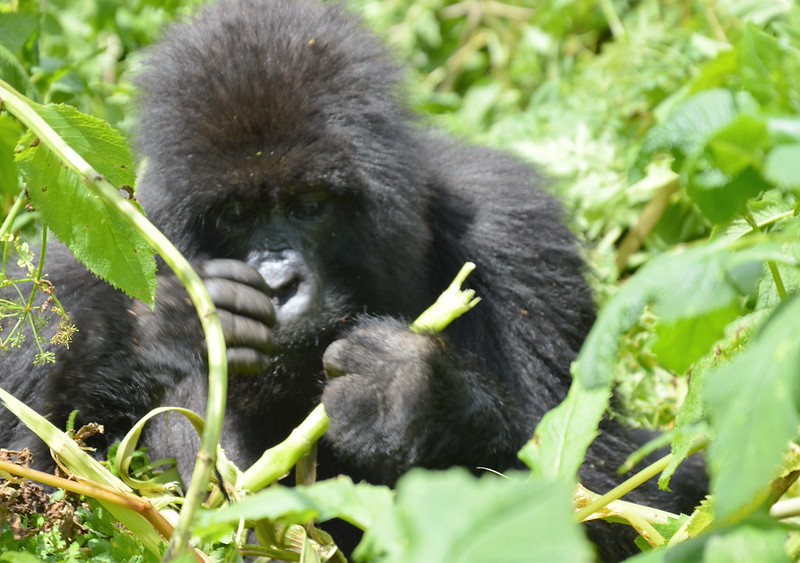
Gorilla Conservation in Uganda – Protecting the Mountain Giants
Gorilla Conservation in Uganda – Protecting the Mountain Giants
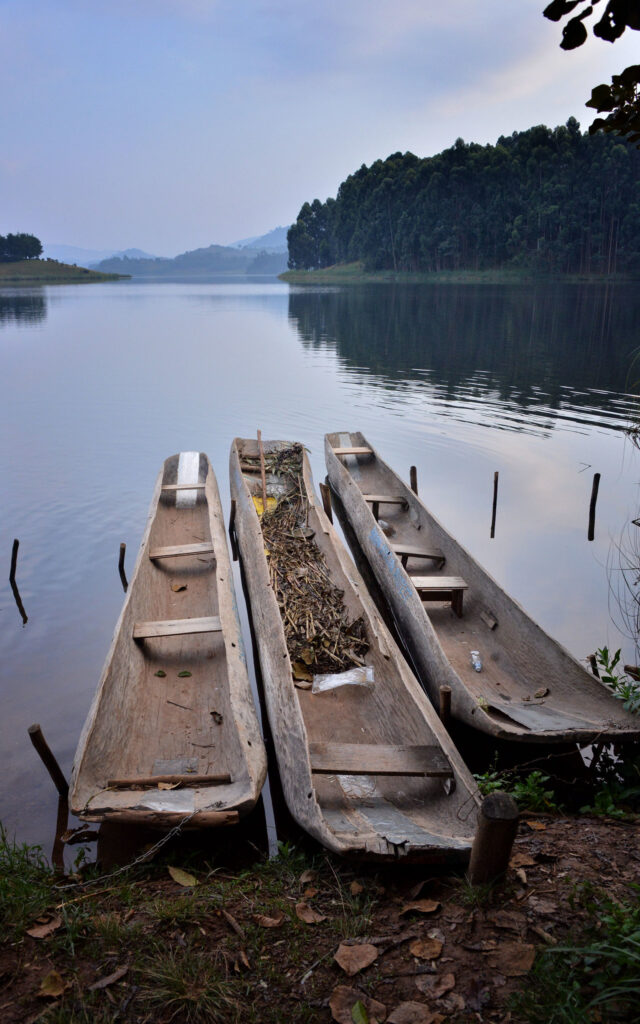
Bwindi vs. Mgahinga – Which One to Choose For Gorilla Trekking?
Bwindi vs. Mgahinga – Which One to Choose For Gorilla Trekking?
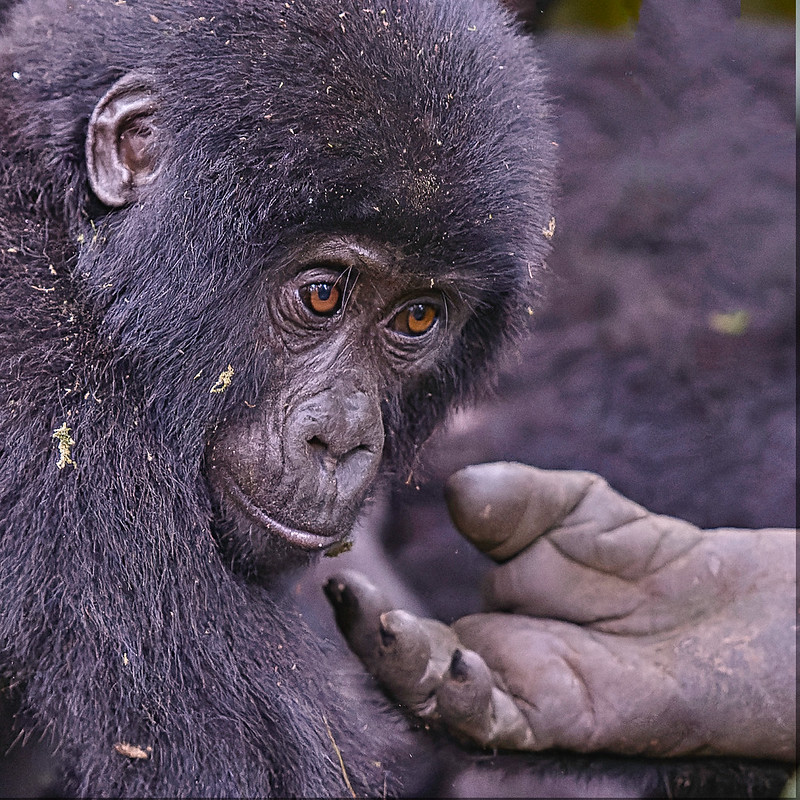
How to Stay Safe and Healthy While Traveling in Uganda
How to Stay Safe and Healthy While Traveling in Uganda
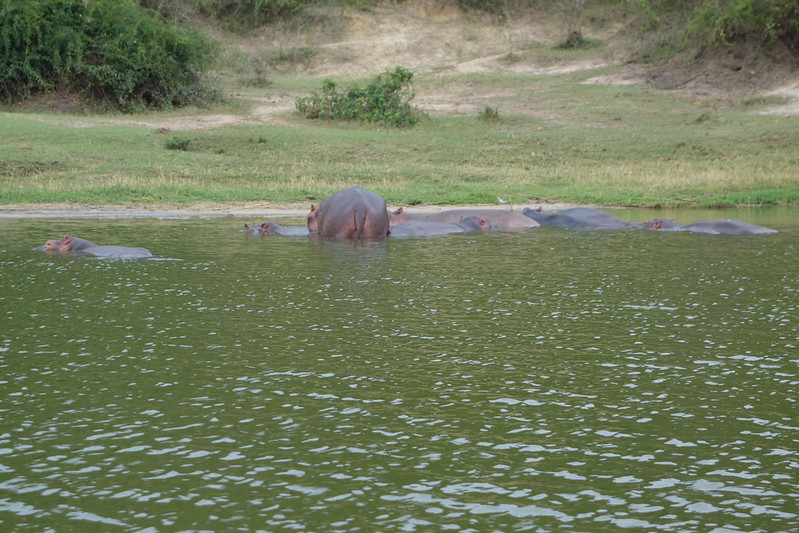
Routes, Tips & Travel Wisdom for Getting to Bwindi or Mgahinga
Routes, Tips & Travel Wisdom for Getting to Bwindi or Mgahinga
Accommodation Options: Lodges & Camps in Bwindi and Mgahinga
Accommodation Options: Lodges & Camps in Bwindi and Mgahinga
Protecting What You Came to See: Gorilla Conservation & Ethics
Protecting What You Came to See: Gorilla Conservation & Ethics
Travel Insurance for Gorilla Treks: Before You Go
Travel Insurance for Gorilla Treks: Before You Go
First Time Gorilla Trekking? Here’s Everything I Wish I Knew
First Time Gorilla Trekking? Here’s Everything I Wish I Knew
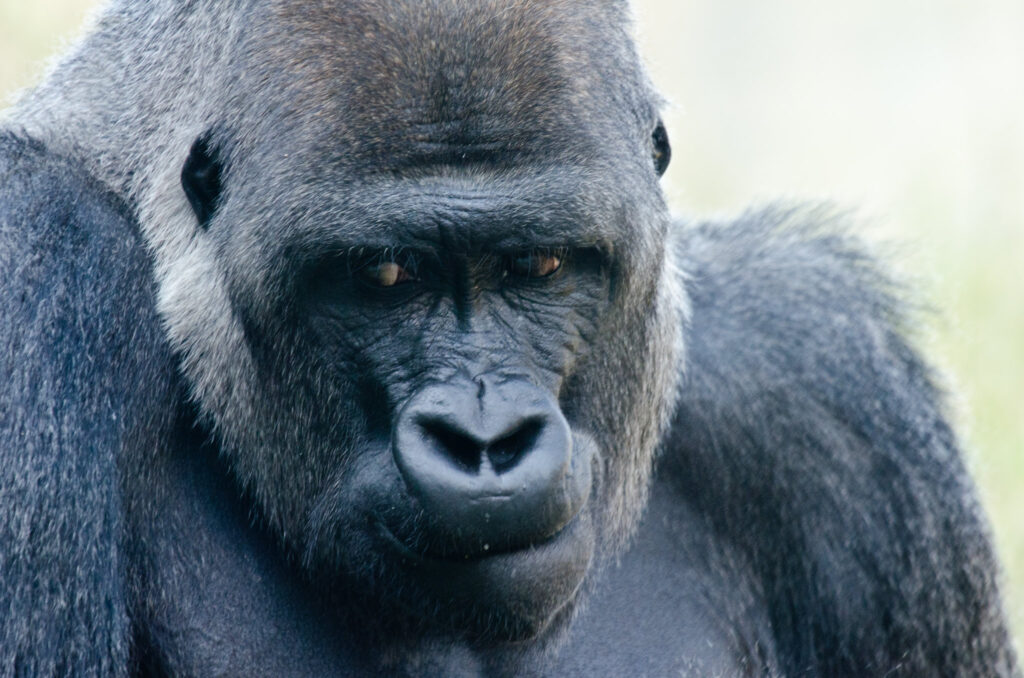
Step by Step: What Happens During a Gorilla Trekking Day
Step by Step: What Happens During a Gorilla Trekking Day
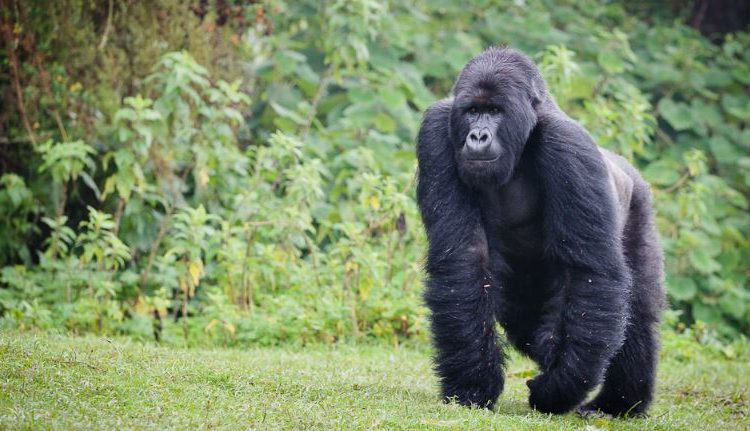
Gorilla Trekking vs. Gorilla Tracking – What’s the Real Difference?
Gorilla Trekking vs. Gorilla Tracking – What’s the Real Difference?
Beyond Gorillas: Other Wildlife You Can See During Your Trek
Beyond Gorillas: Other Wildlife You Can See During Your Trek
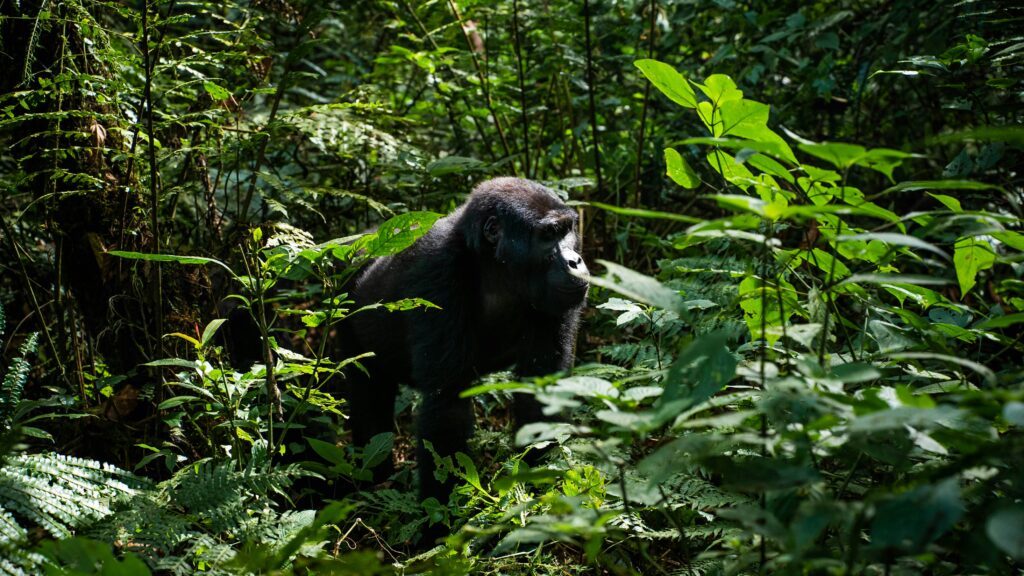
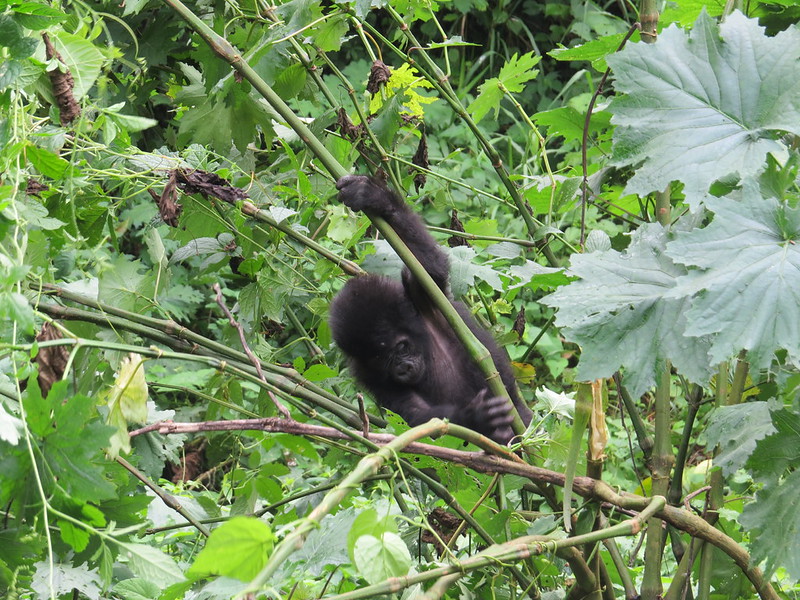
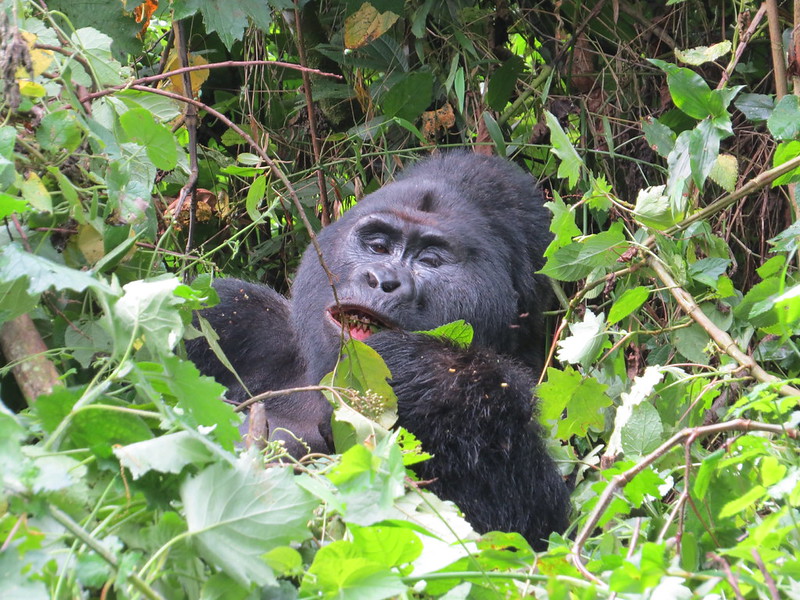
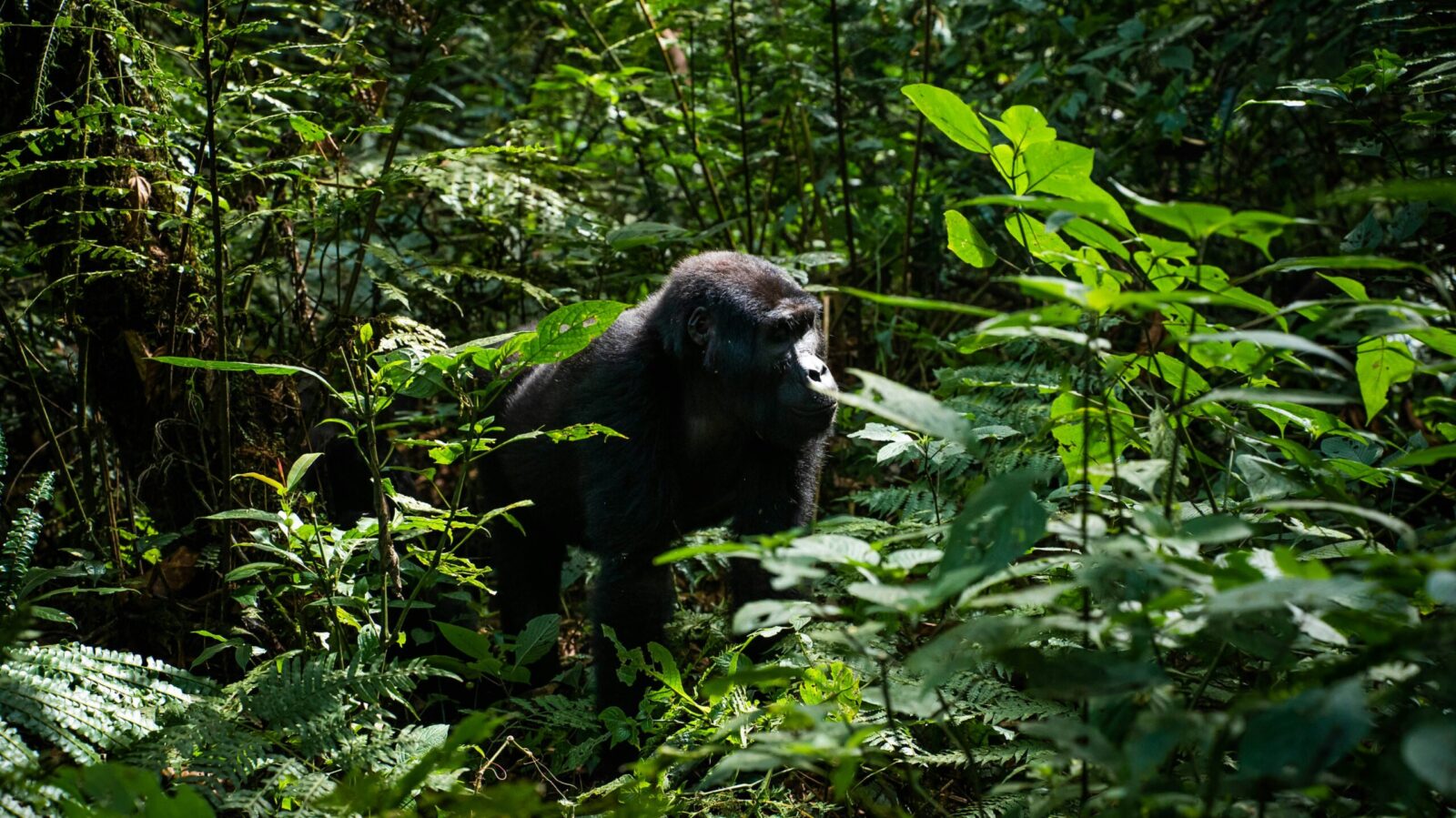
In the Realm of Giants – Bwindi & Mgahinga in Frames.
Wander through an elegant gallery capturing Uganda’s most exclusive gorilla sanctuaries, where ancient forests cradle the last mountain gorillas in a world of mist, mystery, and majesty.
Essential Planning Tips for Visiting Uganda’s National Parks.
Get ready for the wild heart of Africa with expert travel tips on when to visit, what to pack, where to go, and how to make the most of your safari across Uganda’s breathtaking national parks.
Why Uganda for Gorilla Trekking?
Uganda is not just a destination — it's the very soul of gorilla trekking. With over half of the world’s remaining mountain gorillas calling its misty forests home, Uganda offers the rarest encounters in their most authentic setting. Here, your journey is not rushed or crowded. Instead, you’re guided by experienced rangers through pristine jungles where gorillas live as they always have — wild, free, and magnificent
From insider travel insights to unforgettable trekking guides, our blog is your trusted path into Uganda’s wild heart — connecting you with mountain gorillas, breathtaking landscapes, and the soul-stirring adventures that make this land unlike any other.