

Where the soul of the forest whispers in the mist
Gorilla trekking in Uganda is a truly once-in-a-lifetime experience, providing an extraordinary chance to observe mountain gorillas up close in the misty, verdant forests they call home. The encounter is both awe inspiring and deeply humbling, as visitors witness the gentle strength, social bonds, and intelligence of these magnificent primates. Yet, this adventure is not without its unique challenges. Trekking through dense rainforest terrain demands physical endurance, mental focus, and the ability to adapt to rapidly changing conditions, from steep, muddy slopes to sudden rain showers and thick undergrowth.
Understanding the difficulty of gorilla trekking in Uganda is crucial for visitors who wish to make the most of their journey. Proper preparation, including fitness conditioning, suitable clothing, appropriate gear, and mental readiness, ensures that trekkers can navigate the trails safely and comfortably while remaining fully present for the extraordinary wildlife encounter.
The difficulty of gorilla trekking in Uganda can vary widely depending on factors such as the location of the gorilla family, the condition of the trails, and prevailing weather. Some treks are relatively short and gentle, winding through moderate forest paths that allow for leisurely observation of the surrounding flora and fauna. Others, however, demand greater physical effort, navigating steep inclines, slippery mud, and dense, tangled vegetation that can slow progress and test endurance.
Being properly prepared for these varying challenges greatly enhances the overall experience. With appropriate clothing, sturdy footwear, and a readiness for changing weather conditions, trekkers can move confidently along the trails, conserving energy and focus for the moment they encounter the gorillas. Preparation allows visitors to fully immerse themselves in the sights and sounds of the forest, appreciating the remarkable wildlife and the intricate social behaviors of the gorillas without being distracted or overwhelmed by the physical demands of the journey.
So lace up your boots, grab your camera, and prepare to meet the wild — this is where your gorilla trekking dreams and unforgettable safari adventures truly begin.
Truly Iconic Highlights in Uganda

Trek through Bwindi’s mystical rainforest and meet the endangered mountain gorillas in their breathtaking natural home.
Encounter mountain gorillas and golden monkeys on Mgahinga’s misty volcanic trails, where culture and alpine wildlife thrive together.
Unwind after your trek with a peaceful canoe ride across Lake Bunyonyi, Uganda’s most tranquil and scenic highland lake.
Enhance your gorilla trekking safari with an optional chimpanzee encounter in Uganda’s lush forests, adding depth and diversity to your primate adventure
Gorilla Trekking Tours in Uganda – Our Most Popular Itineraries.
Explore our gorilla trekking safaris for every traveler—solo, family, budget, or luxury. All tours include permits, transport, accommodation, meals, and park fees. Whether for a quick trip or a deeper adventure, we’ve got you covered.
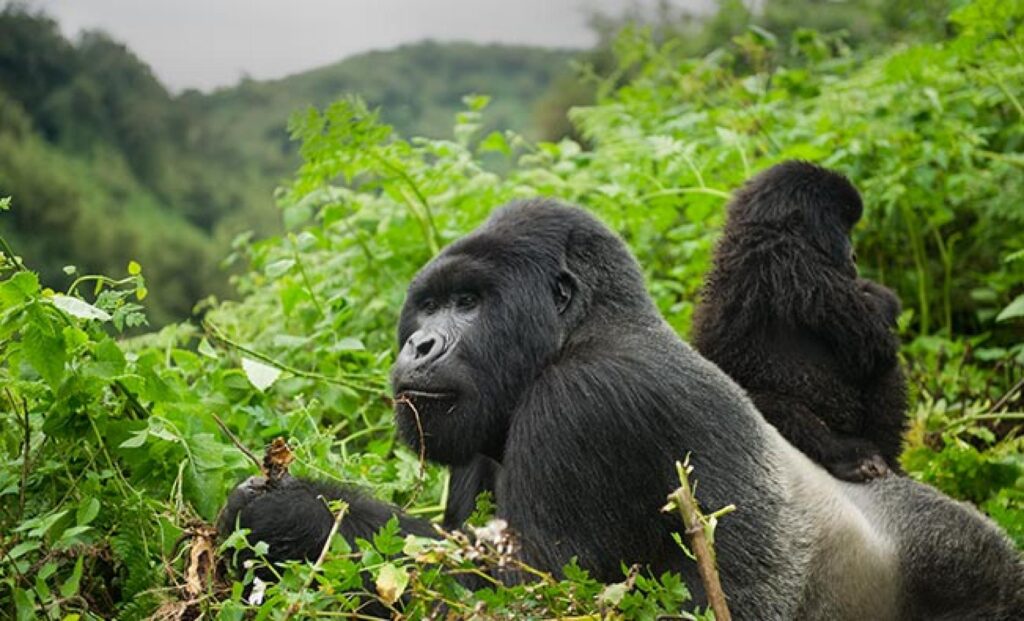
3-Day Bwindi Gorilla Trekking Safari
3-Day Bwindi Gorilla Trekking Safari
4-Day Uganda Gorilla Trekking Safari
4-Day Uganda Gorilla Trekking Safari
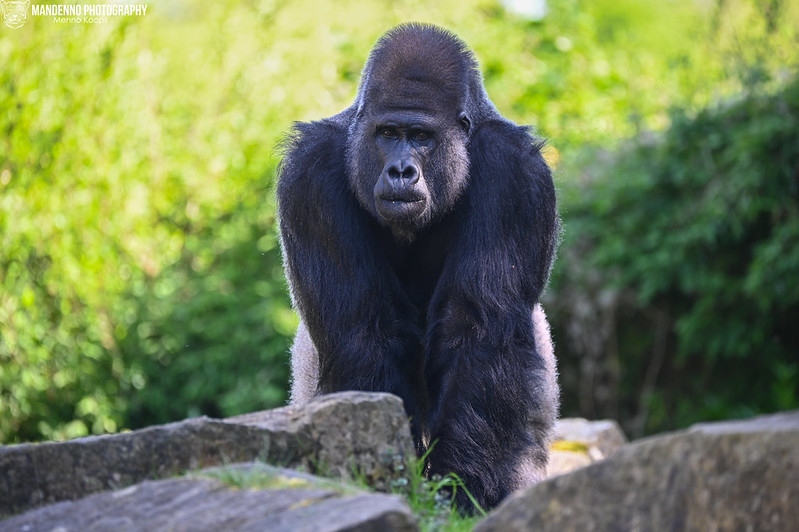
5-Day Gorilla Tracking and Wildlife Safari
5-Day Gorilla Tracking and Wildlife Safari
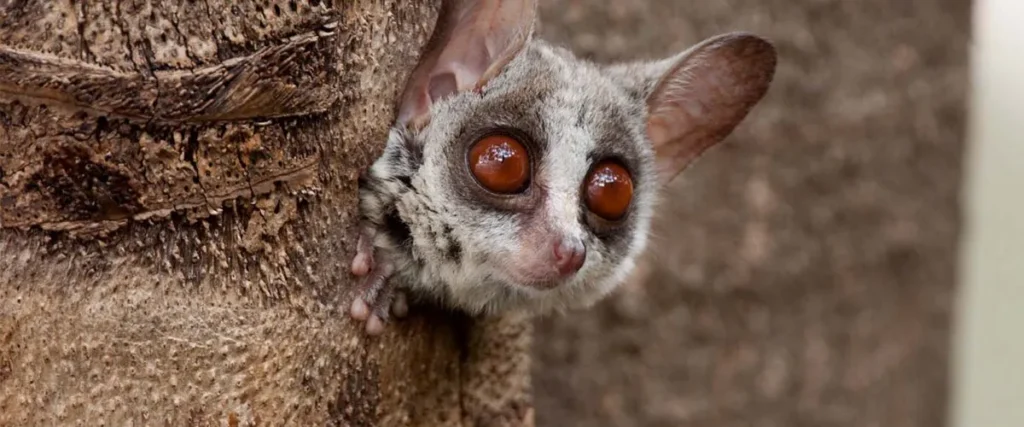
7-Day Uganda Primate Adventure & Wildlife Safari
7-Day Uganda Primate Adventure & Wildlife Safari
10-Day Gorilla Trekking & Big Five Safari in Uganda
10-Day Gorilla Trekking & Big Five Safari in Uganda
12-Day Uganda Gorilla Trekking, Chimp Tracking & Cultural Safari
12-Day Uganda Gorilla Trekking, Chimp Tracking & Cultural Safari
14-Day Best of Uganda Safari – Gorillas, Wildlife, Cultures
14-Day Best of Uganda Safari – Gorillas, Wildlife, Cultures
Understanding the Challenges of Gorilla Trekking in Uganda
Factors Affecting Gorilla Trekking Difficulty in Uganda
The level of difficulty for gorilla trekking in Uganda varies widely depending on multiple intertwined factors. Terrain is perhaps the most immediate consideration. Trails wind through Bwindi Impenetrable National Park and Mgahinga Gorilla National Park, navigating steep inclines, narrow ridges, dense undergrowth, and occasional river crossings. Elevation changes can be abrupt, requiring strength and balance, while the thick rainforest canopy often keeps the trails shaded and humid, increasing physical exertion. During rainy months, from March to May and October to November, trails can become slippery and muddy, making even short distances more strenuous.
Distance also plays a role in trekking difficulty. Some gorilla families are relatively close to entry points, leading to two- to three-hour treks, while others may be deep in the forest, requiring five to six hours of steady walking. The unpredictability of gorilla movement means that trekkers must be prepared for sudden shifts in direction, occasional backtracking, and periods of waiting as trackers locate the family.
Individual fitness and previous hiking experience significantly affect how challenging a trek feels. Moderate physical fitness is usually sufficient, but those who are used to regular hiking, stair climbing, or walking on uneven terrain often find the trek more manageable. Even so, the mental challenge of staying alert, patient, and silent throughout the journey can be as demanding as the physical effort, particularly when the anticipation of encountering a gorilla builds.
Physical and Mental Preparation
Proper preparation extends beyond conditioning muscles. Mental readiness is essential, as gorilla trekking requires patience, adaptability, and respect for wildlife. Trekkers must remain quiet and deliberate in their movements, both for safety and to avoid disturbing the gorillas. Sustaining energy and focus during long hikes necessitates careful attention to nutrition, hydration, and rest before the trek.
Clothing and gear play a major role in comfort and safety. Trekking boots with solid ankle support and deep treads prevent slips on muddy paths, while long sleeves and layered clothing protect against scratches, insect bites, and sudden changes in weather. Lightweight rain jackets, gloves, and hats offer additional protection. Trekking poles can alleviate strain on knees and legs during steep ascents or descents, providing stability on uneven surfaces.
The Role of Guides and Trackers
Experienced guides and trackers dramatically reduce perceived difficulty and enhance safety. Their knowledge of gorilla behavior, forest terrain, and trail conditions allows them to anticipate obstacles, manage group movement, and identify the most efficient paths to gorilla families. Guides instruct trekkers on how to observe gorillas safely, maintain the proper distance, and move silently, ensuring both a respectful encounter and a more manageable hike. Trackers often navigate the densest parts of the forest ahead of the group, making it easier for visitors to follow while avoiding unnecessary strain.
Tips for Managing Trekking Challenges
While physical effort is unavoidable, several strategies can help minimize difficulty:
Maintain a steady, sustainable pace, pausing when needed to catch your breath or admire the surroundings.
Follow the guide’s instructions closely, particularly regarding movement, positioning, and safety protocols.
Keep hands and feet protected from sharp vegetation, roots, and slippery sections.
Use trekking poles or sticks for balance on tricky terrain.
Respect all park rules, including remaining silent near gorillas and keeping a safe observation distance.
Even with challenging conditions, preparation and mindfulness allow trekkers to focus on the immersive experience rather than fatigue. By approaching the trek physically and mentally ready, visitors can enjoy the rare privilege of observing mountain gorillas in Uganda’s forests while maintaining personal safety and respecting conservation priorities.
More Gorilla Trekking Information to Know.
Gorilla trekking goes far beyond just the hike — it’s a deep, emotional journey into the heart of Africa’s last wild rainforests. Knowing the right timing, permits, fitness tips, and park details can turn your experience from good to unforgettable.
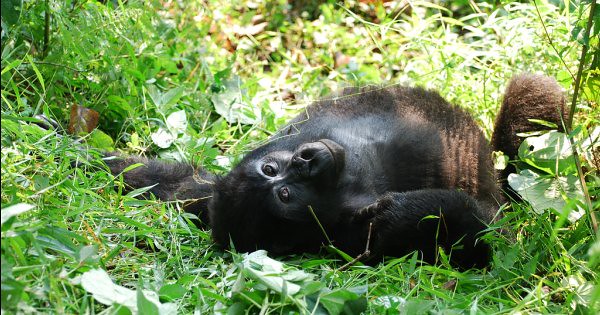
Gorilla Trekking in Bwindi Impenetrable Forest
Gorilla Trekking in Bwindi Impenetrable Forest
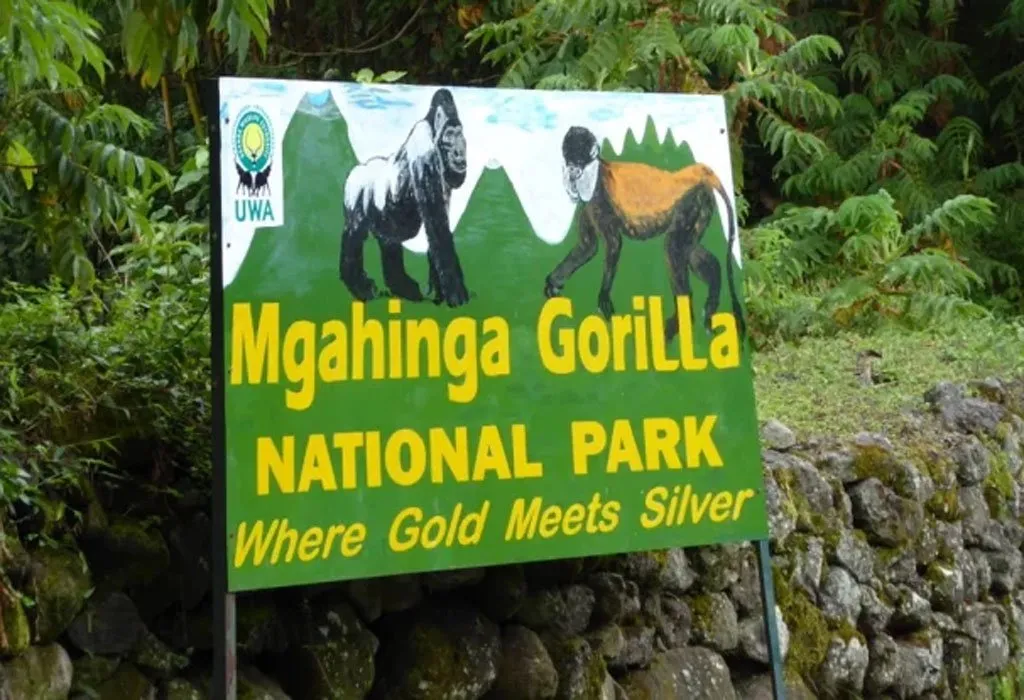
Trekking Gorillas in Mgahinga National Park
Trekking Gorillas in Mgahinga National Park
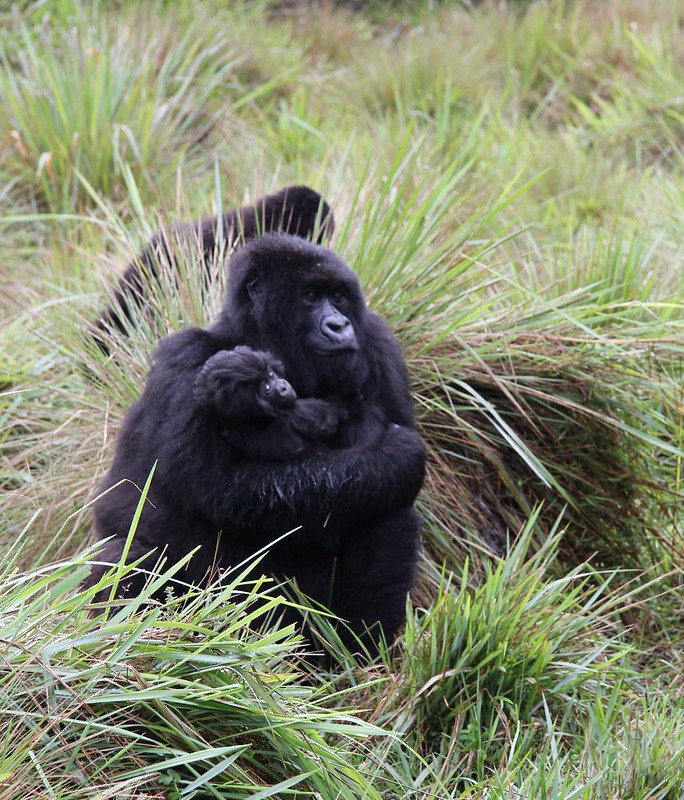
Uganda Gorilla Trekking Permits – Prices, Booking, & Travel Tips
Uganda Gorilla Trekking Permits – Prices, Booking, & Travel Tips
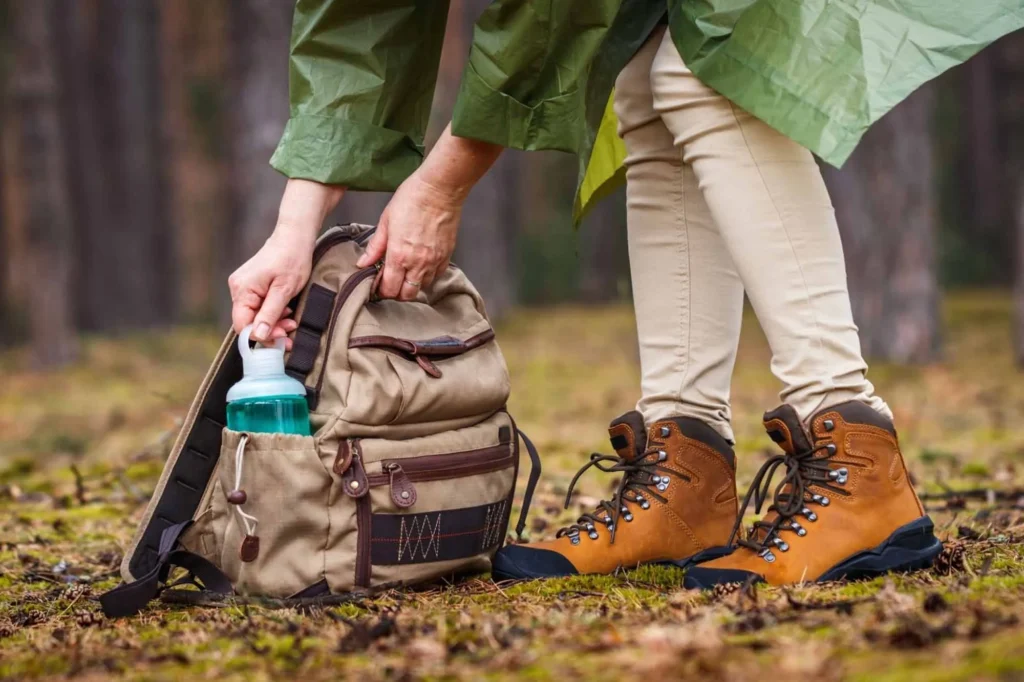
What to Pack for Gorilla Trekking in Uganda – Expert Checklist
What to Pack for Gorilla Trekking in Uganda – Expert Checklist
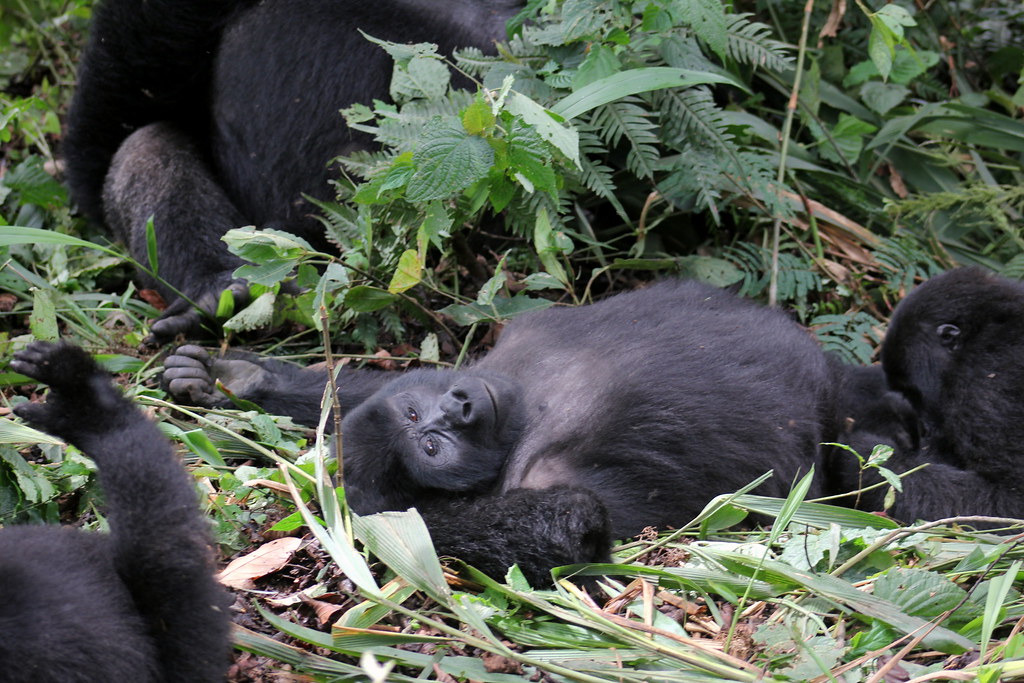
Best Time to Go Gorilla Trekking in Uganda – Weather & Seasons
Best Time to Go Gorilla Trekking in Uganda – Weather & Seasons
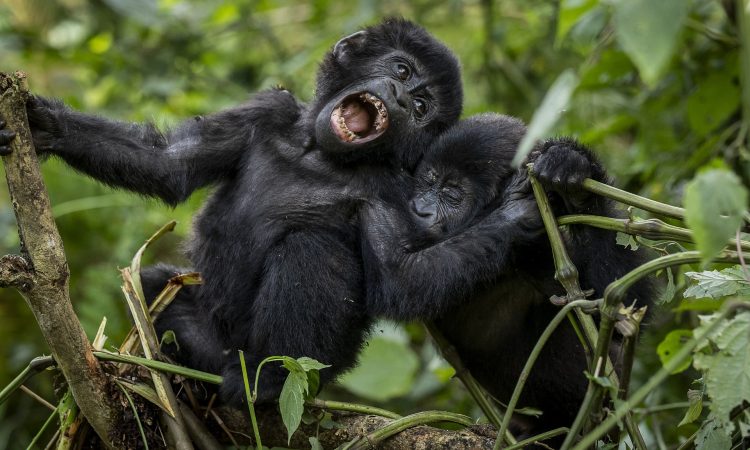
Gorilla Trekking Difficulty in Uganda – Fitness & Trail Guide
Gorilla Trekking Difficulty in Uganda – Fitness & Trail Guide
Gorilla Trekking Rules in Uganda – Safety, Respect & Ethics
Gorilla Trekking Rules in Uganda – Safety, Respect & Ethics
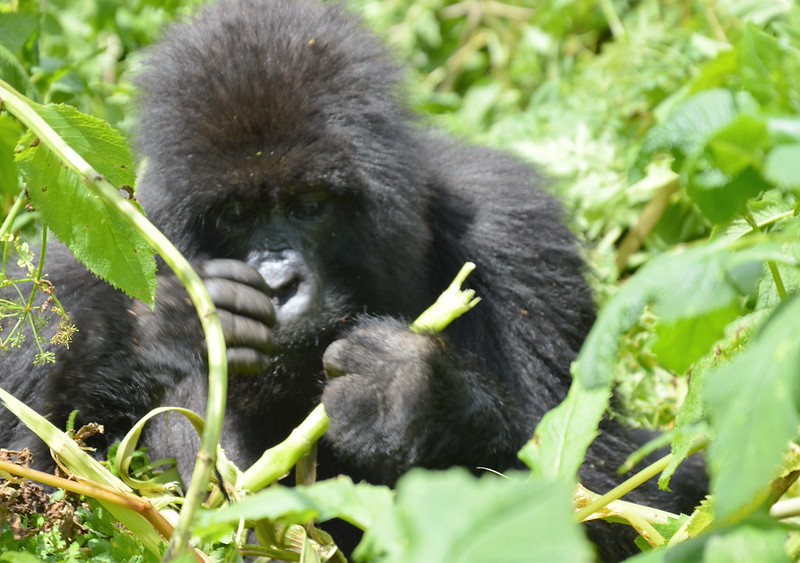
Gorilla Conservation in Uganda – Protecting the Mountain Giants
Gorilla Conservation in Uganda – Protecting the Mountain Giants
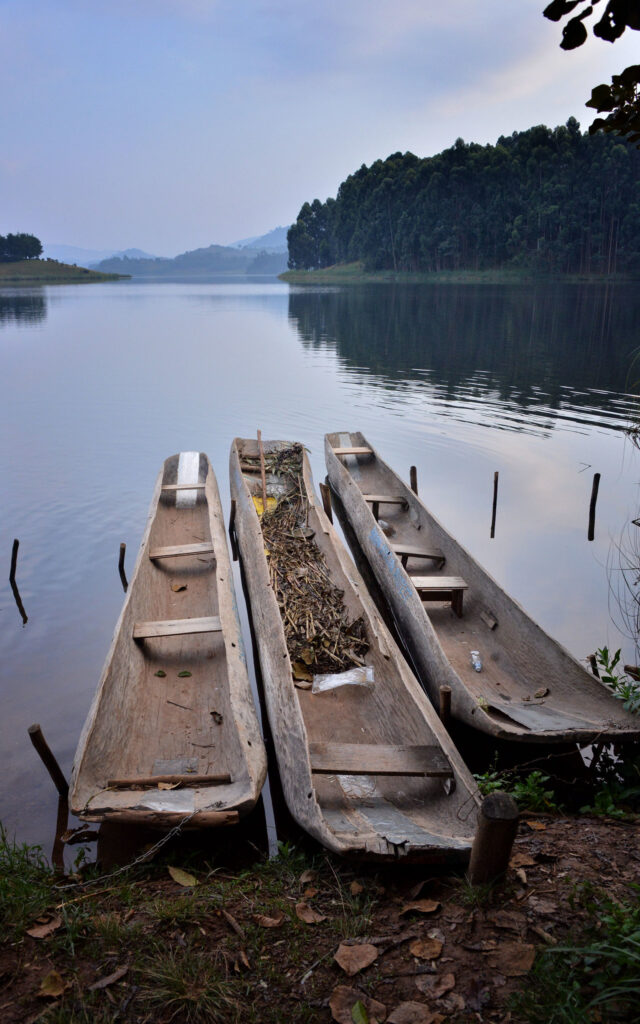
Bwindi vs. Mgahinga – Which One to Choose For Gorilla Trekking?
Bwindi vs. Mgahinga – Which One to Choose For Gorilla Trekking?
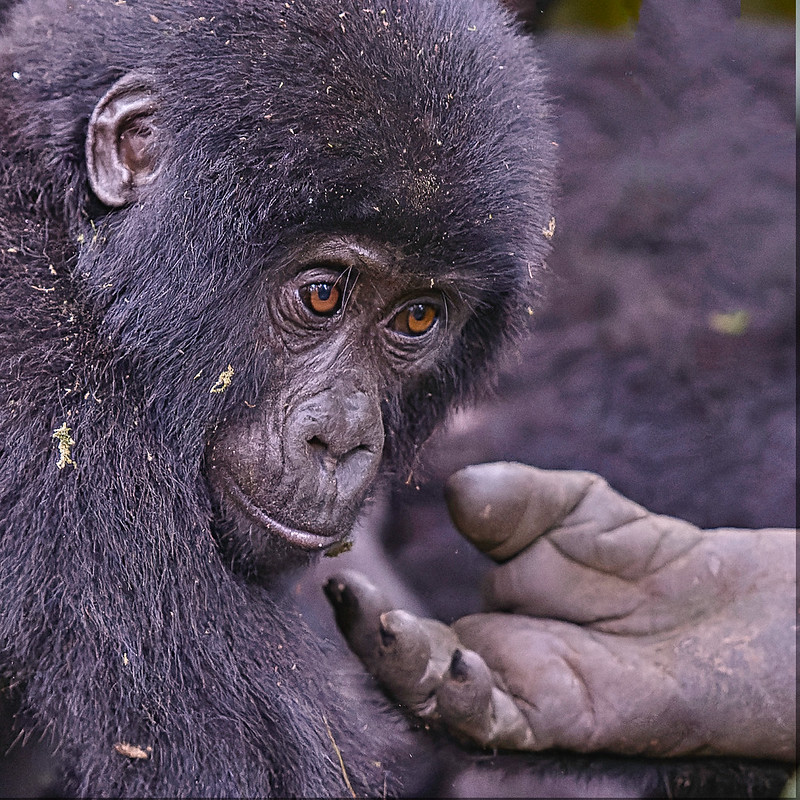
How to Stay Safe and Healthy While Traveling in Uganda
How to Stay Safe and Healthy While Traveling in Uganda
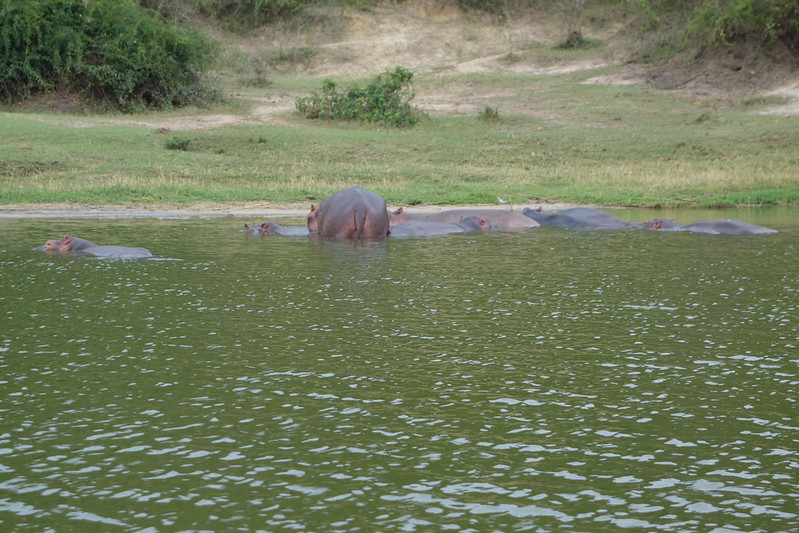
Routes, Tips & Travel Wisdom for Getting to Bwindi or Mgahinga
Routes, Tips & Travel Wisdom for Getting to Bwindi or Mgahinga
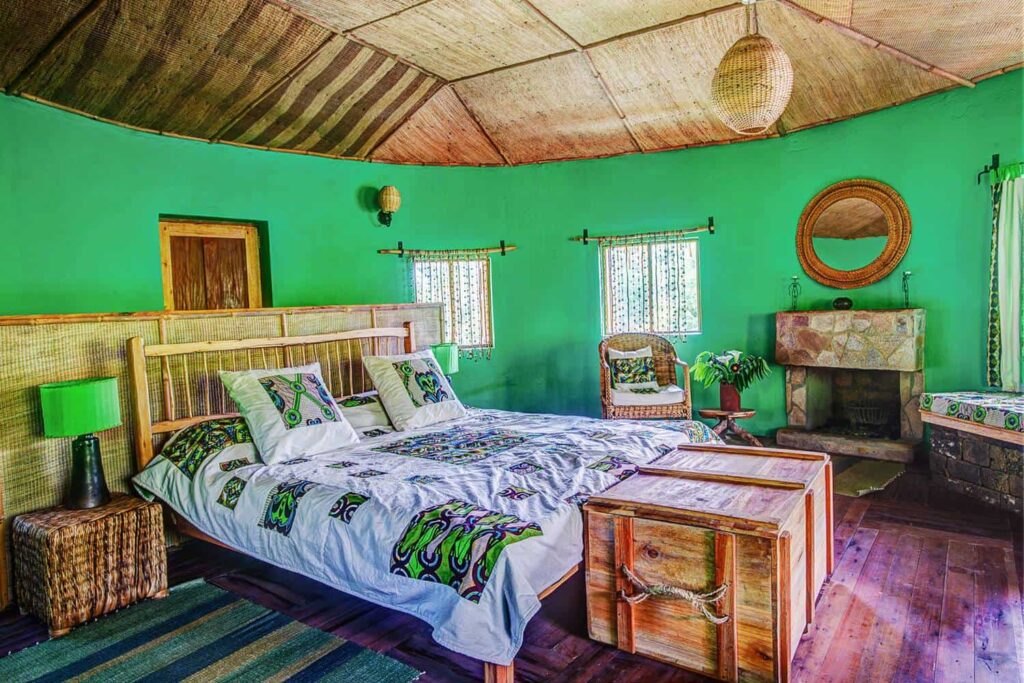
Accommodation Options: Lodges & Camps in Bwindi and Mgahinga
Accommodation Options: Lodges & Camps in Bwindi and Mgahinga
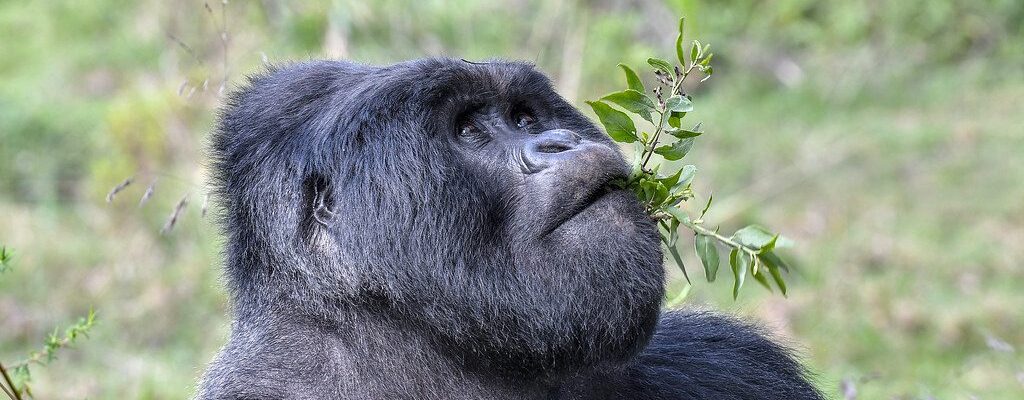
Protecting What You Came to See: Gorilla Conservation & Ethics
Protecting What You Came to See: Gorilla Conservation & Ethics
Travel Insurance for Gorilla Treks: Before You Go
Travel Insurance for Gorilla Treks: Before You Go
First Time Gorilla Trekking? Here’s Everything I Wish I Knew
First Time Gorilla Trekking? Here’s Everything I Wish I Knew
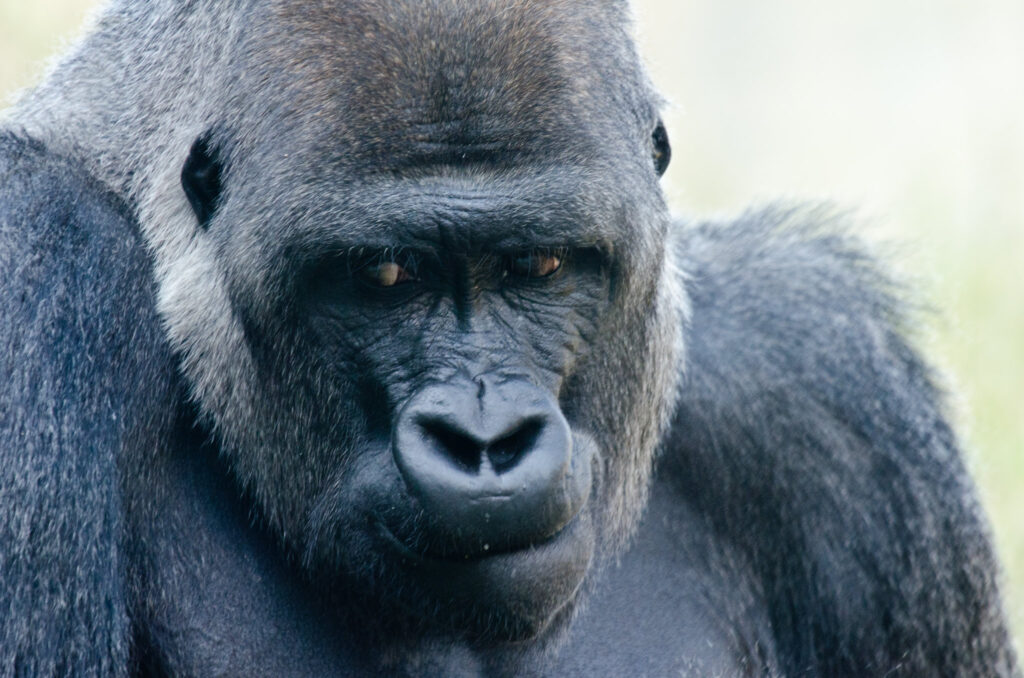
Step by Step: What Happens During a Gorilla Trekking Day
Step by Step: What Happens During a Gorilla Trekking Day
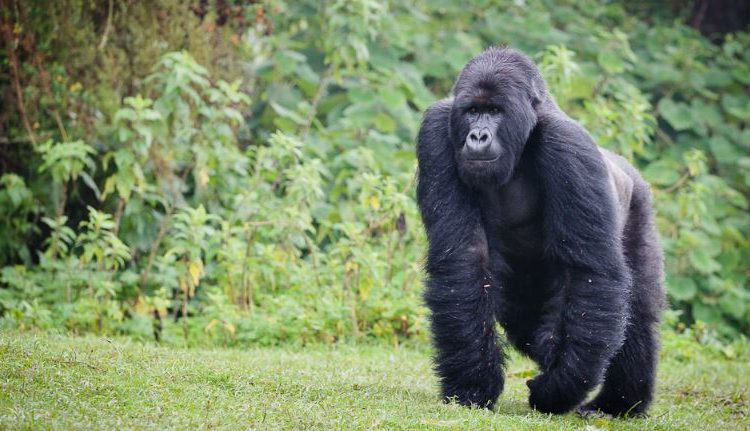
Gorilla Trekking vs. Gorilla Tracking – What’s the Real Difference?
Gorilla Trekking vs. Gorilla Tracking – What’s the Real Difference?
Beyond Gorillas: Other Wildlife You Can See During Your Trek
Beyond Gorillas: Other Wildlife You Can See During Your Trek
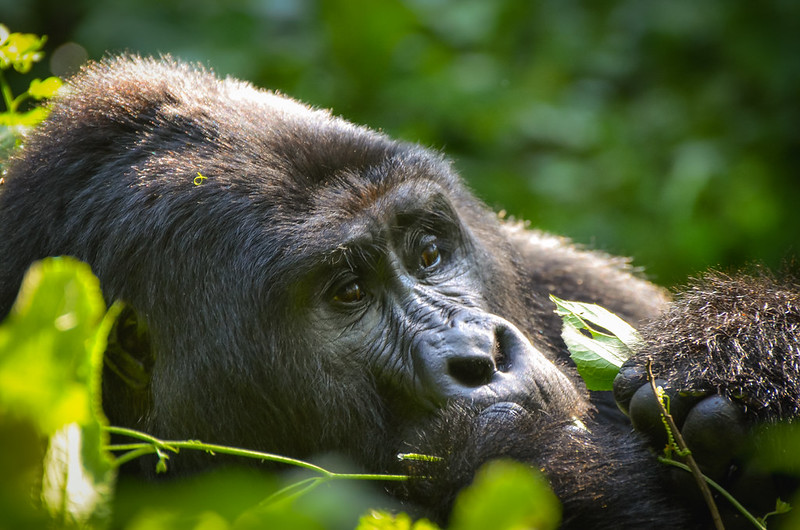
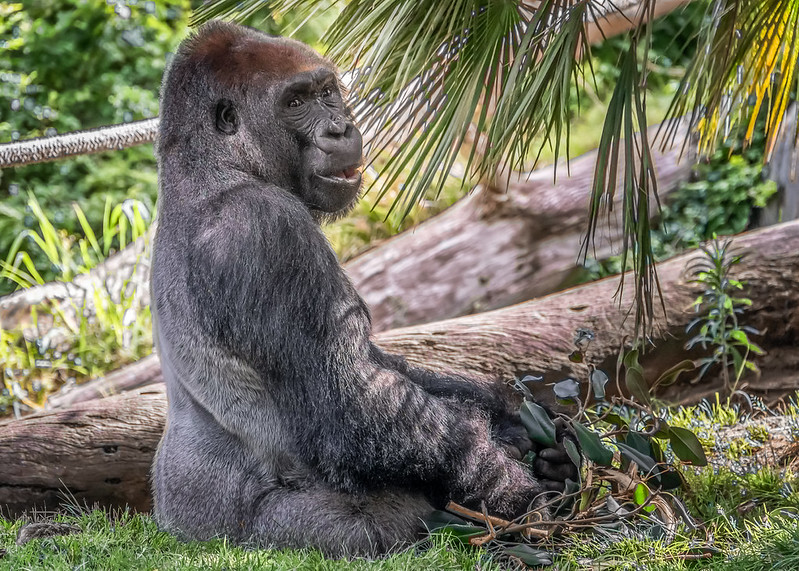
In the Realm of Giants – Bwindi & Mgahinga in Frames.
Wander through an elegant gallery capturing Uganda’s most exclusive gorilla sanctuaries, where ancient forests cradle the last mountain gorillas in a world of mist, mystery, and majesty.
Essential Planning Tips for Visiting Uganda’s National Parks.
Get ready for the wild heart of Africa with expert travel tips on when to visit, what to pack, where to go, and how to make the most of your safari across Uganda’s breathtaking national parks.
Why Uganda for Gorilla Trekking?
Uganda is not just a destination — it's the very soul of gorilla trekking. With over half of the world’s remaining mountain gorillas calling its misty forests home, Uganda offers the rarest encounters in their most authentic setting. Here, your journey is not rushed or crowded. Instead, you’re guided by experienced rangers through pristine jungles where gorillas live as they always have — wild, free, and magnificent
From insider travel insights to unforgettable trekking guides, our blog is your trusted path into Uganda’s wild heart — connecting you with mountain gorillas, breathtaking landscapes, and the soul-stirring adventures that make this land unlike any other.