

Where the soul of the forest whispers in the mist
Gorilla trekking is often regarded as physically challenging, yet it is far more inclusive than many travelers initially assume. Individuals living with medical conditions or disabilities regularly embark on gorilla treks in Uganda and Rwanda, made possible by flexible trekking arrangements, experienced park teams, and adaptive support options. The success of these treks depends on careful planning, open communication about needs, and selecting the most suitable trekking sector and gorilla family for each visitor.
Far from being excluded, travelers with special requirements are increasingly supported to experience this life-changing adventure safely and comfortably. From tailored trail guidance to the presence of trained porters and rangers ready to assist, every effort is made to ensure dignity, accessibility, and enjoyment. This inclusivity underscores the growing commitment within conservation tourism to provide transformative wildlife experiences to a diverse range of visitors, allowing more people to witness the majesty of mountain gorillas while respecting both their own limitations and the wellbeing of the animals.
Beyond the physical demands, gorilla trekking is ultimately about connection, conservation, and profound personal fulfillment. Park authorities understand that mobility challenges, chronic health conditions, or age-related limitations should not bar anyone from experiencing the magic of these gentle giants. With proper medical clearance, tailored support such as porters, adaptive equipment, or even sedan chairs, and realistic planning, many travelers with disabilities or health concerns have successfully navigated the trails and shared unforgettable moments with mountain gorillas.
The experience is carefully adapted rather than denied, allowing each visitor to engage safely and meaningfully according to their abilities. This approach highlights not only the inclusivity of modern wildlife tourism but also reinforces the idea that conservation and personal engagement can go hand in hand, ensuring that everyone has the opportunity to connect with one of the planet’s most remarkable species while respecting both their own needs and the wellbeing of the gorillas.
So lace up your boots, grab your camera, and prepare to meet the wild — this is where your gorilla trekking dreams and unforgettable safari adventures truly begin.
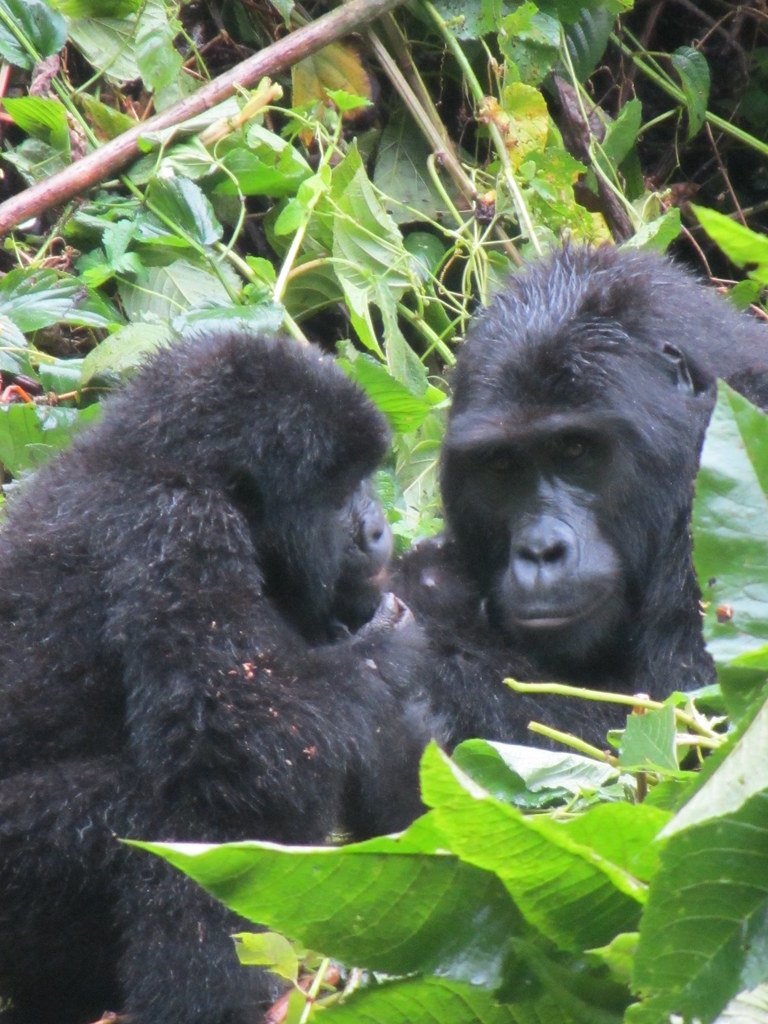
Truly Iconic Highlights in Uganda

Trek through Bwindi’s mystical rainforest and meet the endangered mountain gorillas in their breathtaking natural home.
Encounter mountain gorillas and golden monkeys on Mgahinga’s misty volcanic trails, where culture and alpine wildlife thrive together.
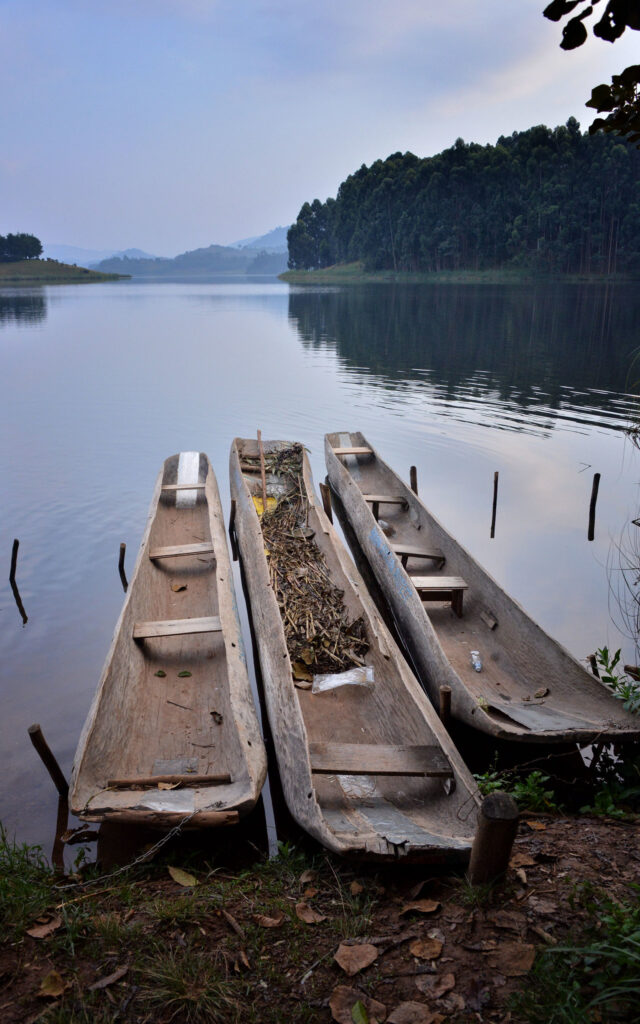
Unwind after your trek with a peaceful canoe ride across Lake Bunyonyi, Uganda’s most tranquil and scenic highland lake.
Enhance your gorilla trekking safari with an optional chimpanzee encounter in Uganda’s lush forests, adding depth and diversity to your primate adventure
Gorilla Trekking Tours in Uganda – Our Most Popular Itineraries.
Explore our gorilla trekking safaris for every traveler—solo, family, budget, or luxury. All tours include permits, transport, accommodation, meals, and park fees. Whether for a quick trip or a deeper adventure, we’ve got you covered.
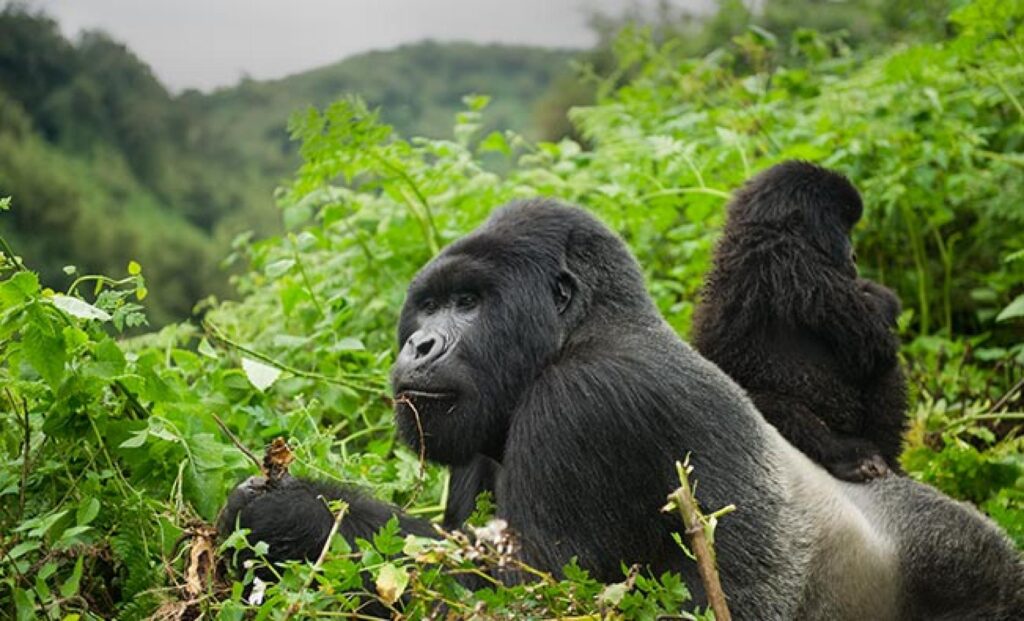
3-Day Bwindi Gorilla Trekking Safari
3-Day Bwindi Gorilla Trekking Safari
4-Day Uganda Gorilla Trekking Safari
4-Day Uganda Gorilla Trekking Safari
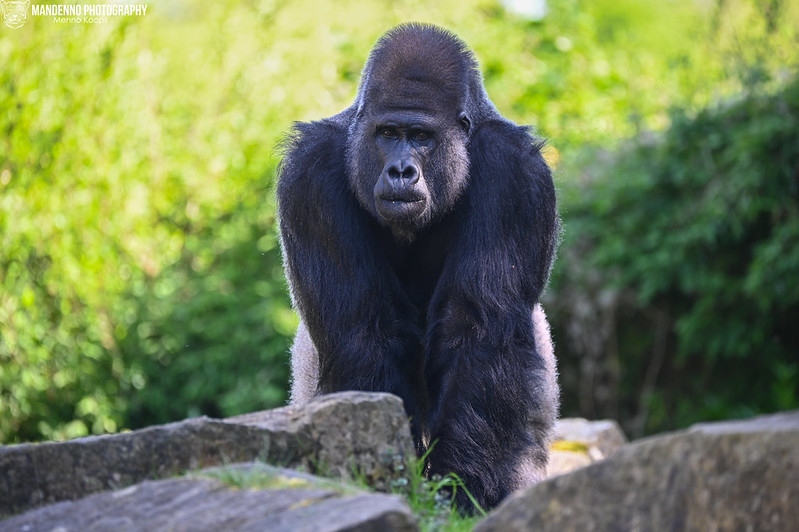
5-Day Gorilla Tracking and Wildlife Safari
5-Day Gorilla Tracking and Wildlife Safari
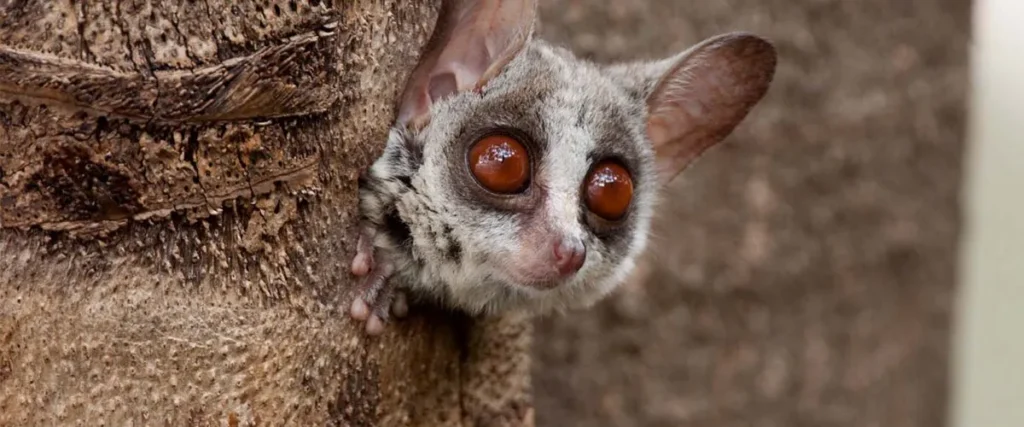
7-Day Uganda Primate Adventure & Wildlife Safari
7-Day Uganda Primate Adventure & Wildlife Safari
10-Day Gorilla Trekking & Big Five Safari in Uganda
10-Day Gorilla Trekking & Big Five Safari in Uganda
12-Day Uganda Gorilla Trekking, Chimp Tracking & Cultural Safari
12-Day Uganda Gorilla Trekking, Chimp Tracking & Cultural Safari
14-Day Best of Uganda Safari – Gorillas, Wildlife, Cultures
14-Day Best of Uganda Safari – Gorillas, Wildlife, Cultures
Gorilla Trekking with Medical Conditions or Disabilities – What You Need to Know
Medical Conditions and Gorilla Trekking
Gorilla trekking is physically demanding, but having a medical condition does not automatically preclude participation. Travelers with asthma, heart conditions, diabetes, arthritis, or joint issues can still enjoy the experience, provided their condition is well-managed. Trek difficulty varies by terrain, altitude, and the distance to gorilla families. Some groups inhabit areas closer to park entrances or along gentler trails, allowing individuals with moderate limitations to participate without undue strain.
Prior medical consultation is strongly recommended. Visitors should carry all necessary medications, inhalers, or monitoring devices during the trek. Informing both the tour operator and park authorities ahead of time enables guides to pace the trek appropriately, schedule rest breaks, and monitor health closely throughout the journey.
Accessibility for Travelers with Physical Disabilities
For travelers with limited mobility or more severe physical disabilities, gorilla trekking can be made accessible through sedan chairs, also known as gorilla stretchers. These specially designed chairs are carried by trained local porters, providing safe transport across rugged forest terrain.
This service has allowed travelers with spinal injuries, limb amputations, or mobility impairments to experience gorillas up close. While additional fees apply to cover porter support, the full one-hour encounter with the gorillas remains intact once the destination is reached. Booking in advance is essential, as it allows park authorities to allocate resources and porters efficiently.
Even with assistance, the experience retains the thrill and intimacy of a traditional trek, as visitors are immersed in the sights, sounds, and rhythms of the forest while safely observing gorilla behavior.
The Critical Role of Porters and Ranger Support
Porters and rangers are indispensable for ensuring a safe and rewarding experience for all trekkers. Beyond carrying equipment, porters provide stability on steep or slippery trails, assist with sudden obstacles, and support those with medical or mobility challenges.
Rangers are trained to evaluate conditions in real time, adjusting trekking routes, pacing, and rest periods to suit the group’s needs. Even visitors without disabilities benefit greatly from porter assistance, as it reduces fatigue, allows better focus on wildlife observation, and enhances overall enjoyment. For trekkers with medical concerns, having porters and attentive rangers adds an extra layer of safety and reassurance.
Choosing the Right Trekking Sector
Not all sectors are equally demanding. Some regions are more accessible, with shorter trails and gentler inclines. In Uganda, Buhoma and Rushaga sectors offer such flexibility, often making them the preferred choice for travelers with health or mobility considerations. In Rwanda, Volcanoes National Park is known for well-maintained trails and relatively short trekking distances.
Park authorities determine which gorilla families are assigned to each group on the morning of the trek. Providing accurate information about fitness levels, medical conditions, and mobility restrictions beforehand ensures visitors are matched with families in suitable locations, maximizing safety and enjoyment.
Health Precautions and Safety Guidelines
Gorillas are highly susceptible to human diseases due to their close genetic relation to humans. Visitors with contagious illnesses—including flu, respiratory infections, or gastrointestinal symptoms—are not allowed to trek. This rule applies irrespective of physical fitness or disability and protects both the gorillas and fellow trekkers.
Comprehensive travel insurance with medical and emergency evacuation coverage is highly recommended. In remote forest locations, access to medical facilities is limited, and evacuation may require air or ground transport. Insurance ensures travelers can receive timely care should unexpected complications arise.
Preparation Tips for Special-Needs Trekkers
Proper preparation significantly enhances the experience. Travelers should wear sturdy, supportive footwear and comfortable clothing suitable for variable weather and forest conditions. Carrying sufficient water, snacks, and any personal medical supplies is essential, as trekking can last several hours.
Pacing oneself is critical. The trek should never feel rushed, and guides emphasize moving at a speed that suits each individual’s needs. Mental preparedness is equally important; gorilla trekking is inherently unpredictable, and the forest environment may present challenges such as slippery trails, mud, or uneven ground.
With careful planning, open communication with guides, and adequate support, gorilla trekking remains a profoundly rewarding and transformative experience. Even travelers with medical limitations or physical disabilities can witness the intimate behaviors of gorillas, gaining insights into their intelligence, social interactions, and gentle nature while contributing to conservation efforts.
More Gorilla Trekking Information to Know.
Gorilla trekking goes far beyond just the hike — it’s a deep, emotional journey into the heart of Africa’s last wild rainforests. Knowing the right timing, permits, fitness tips, and park details can turn your experience from good to unforgettable.
Gorilla Trekking in Bwindi Impenetrable Forest
Gorilla Trekking in Bwindi Impenetrable Forest
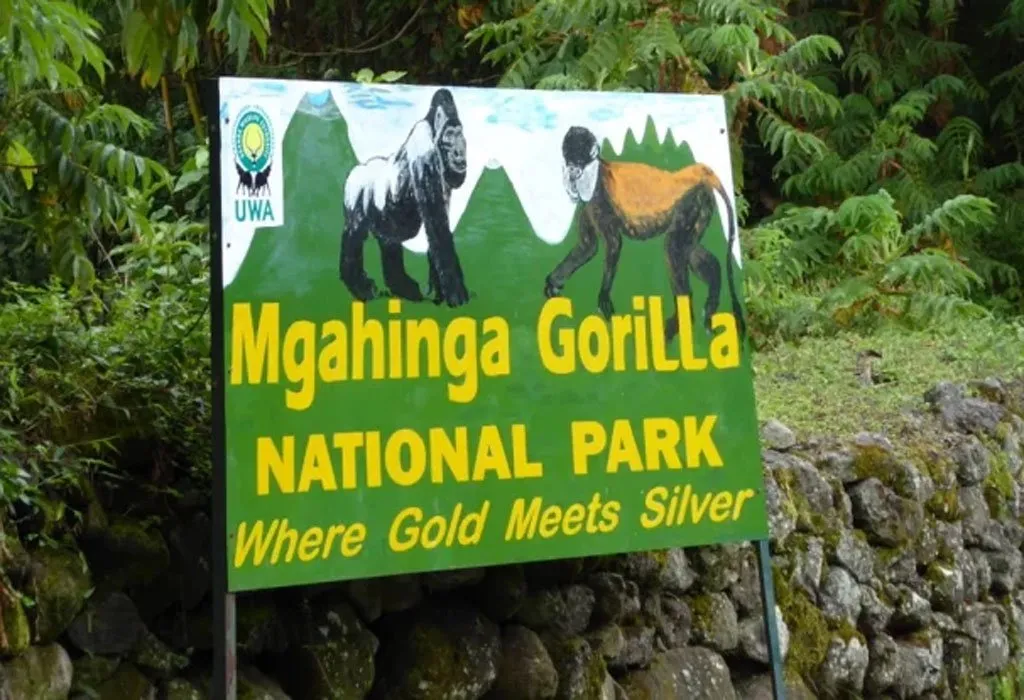
Trekking Gorillas in Mgahinga National Park
Trekking Gorillas in Mgahinga National Park
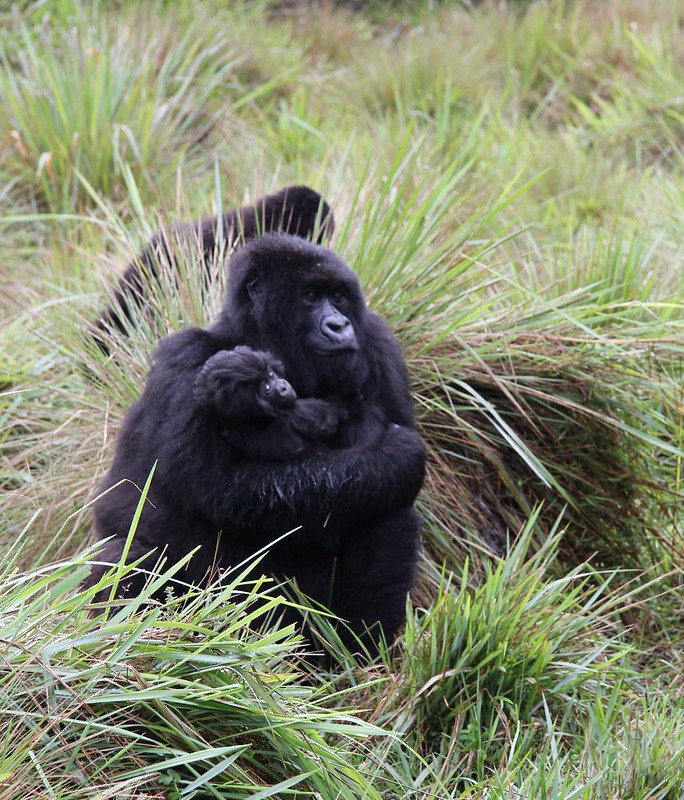
Uganda Gorilla Trekking Permits – Prices, Booking, & Travel Tips
Uganda Gorilla Trekking Permits – Prices, Booking, & Travel Tips
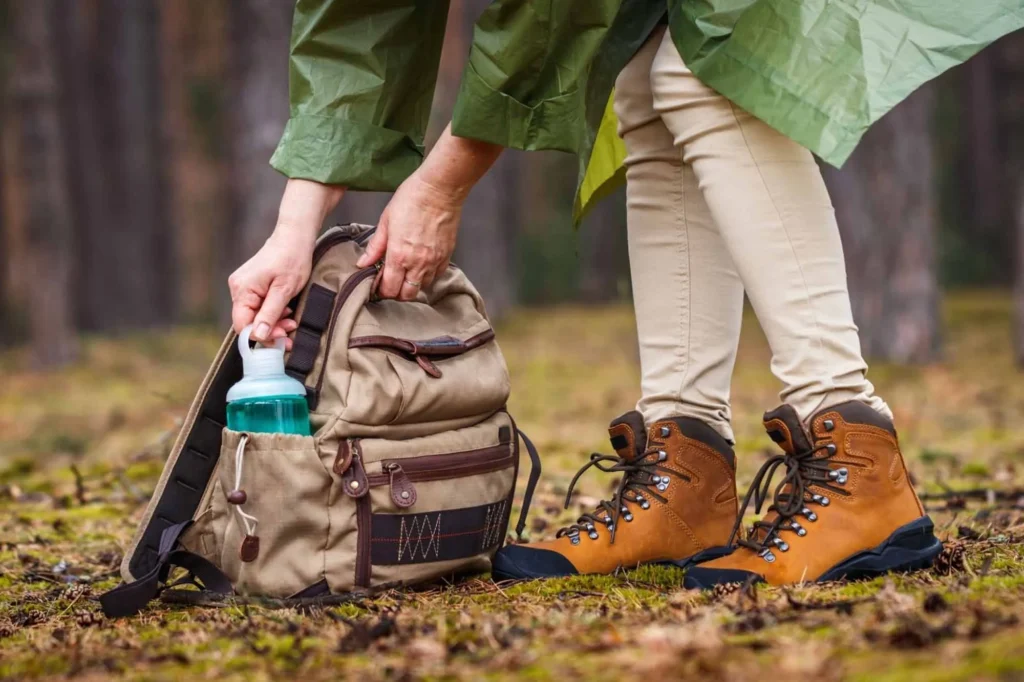
What to Pack for Gorilla Trekking in Uganda – Expert Checklist
What to Pack for Gorilla Trekking in Uganda – Expert Checklist
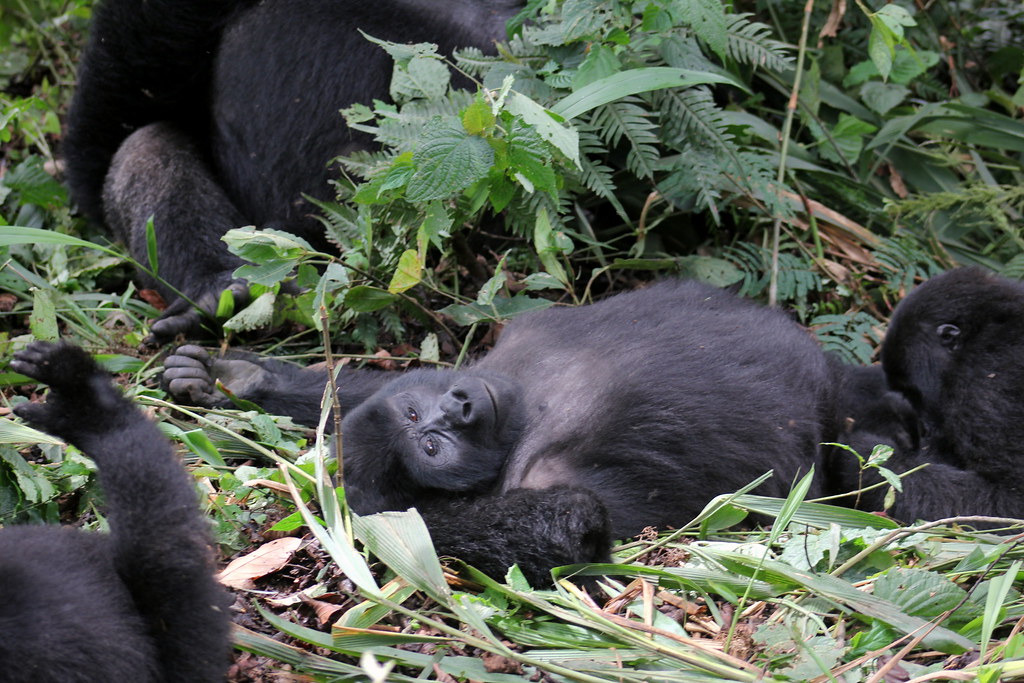
Best Time to Go Gorilla Trekking in Uganda – Weather & Seasons
Best Time to Go Gorilla Trekking in Uganda – Weather & Seasons
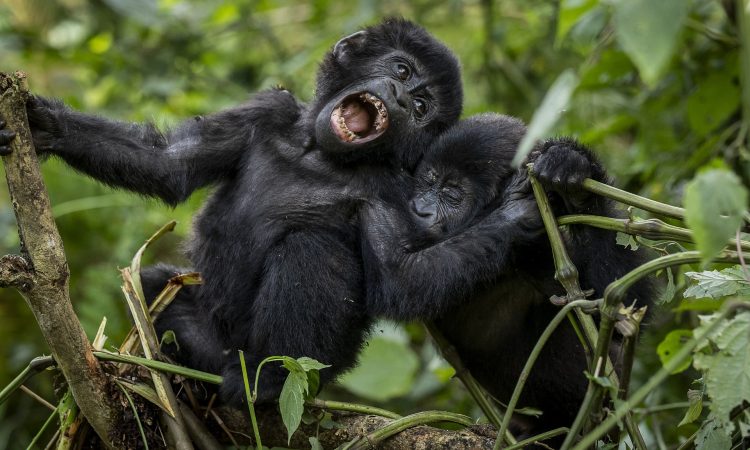
Gorilla Trekking Difficulty in Uganda – Fitness & Trail Guide
Gorilla Trekking Difficulty in Uganda – Fitness & Trail Guide
Gorilla Trekking Rules in Uganda – Safety, Respect & Ethics
Gorilla Trekking Rules in Uganda – Safety, Respect & Ethics
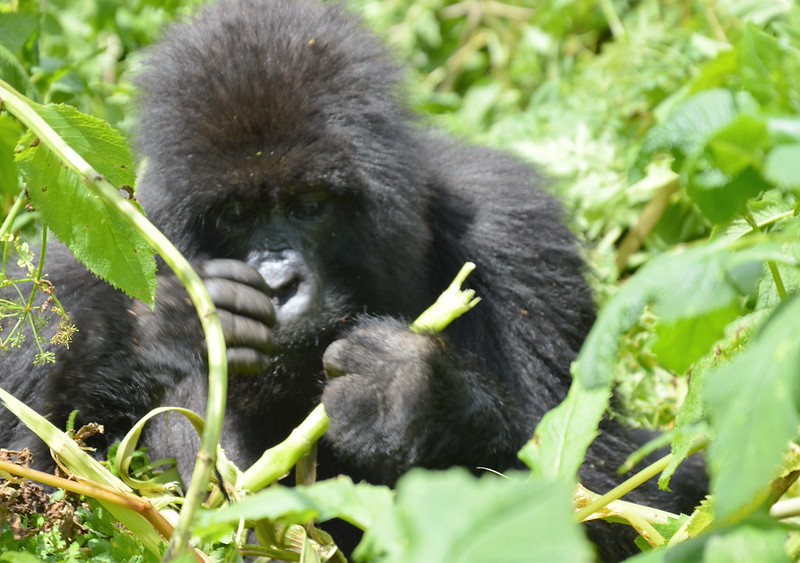
Gorilla Conservation in Uganda – Protecting the Mountain Giants
Gorilla Conservation in Uganda – Protecting the Mountain Giants
Bwindi vs. Mgahinga – Which One to Choose For Gorilla Trekking?
Bwindi vs. Mgahinga – Which One to Choose For Gorilla Trekking?
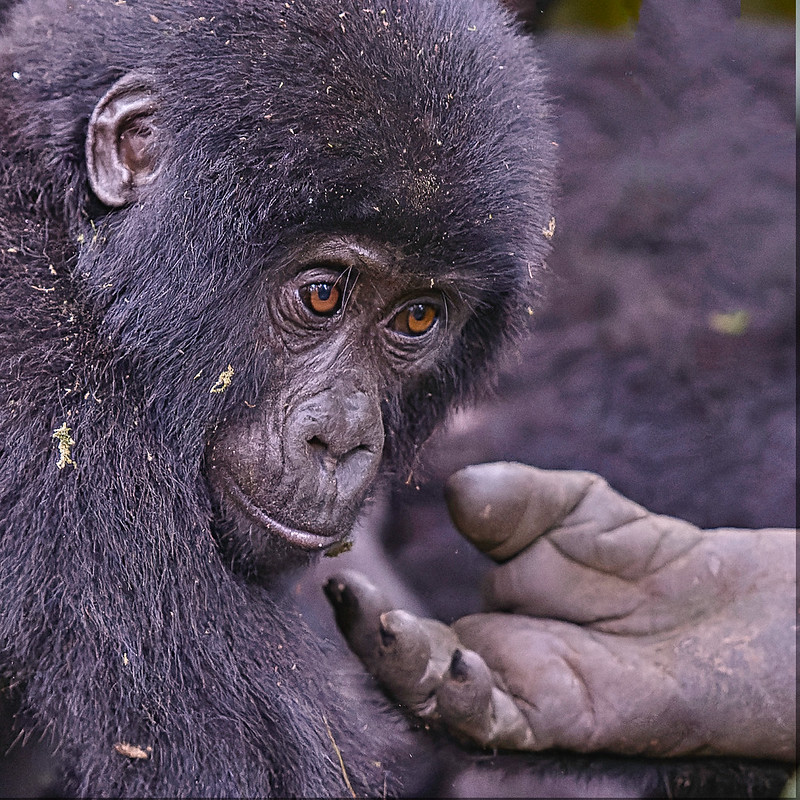
How to Stay Safe and Healthy While Traveling in Uganda
How to Stay Safe and Healthy While Traveling in Uganda
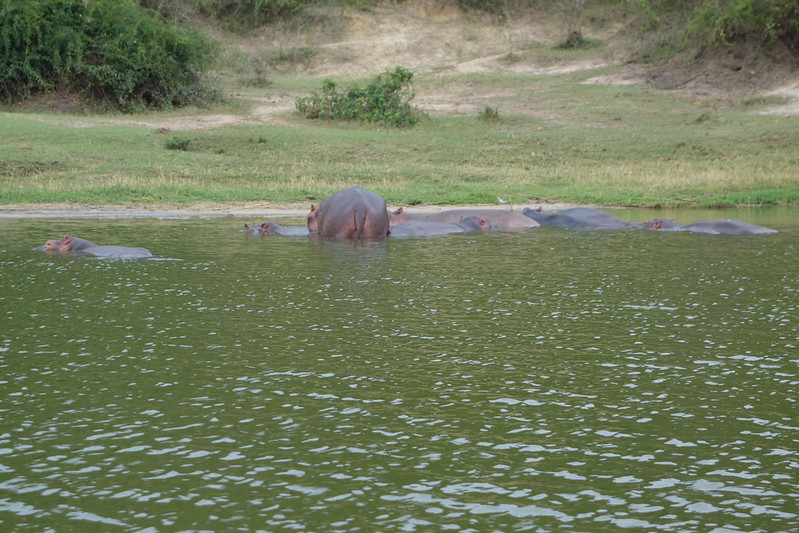
Routes, Tips & Travel Wisdom for Getting to Bwindi or Mgahinga
Routes, Tips & Travel Wisdom for Getting to Bwindi or Mgahinga
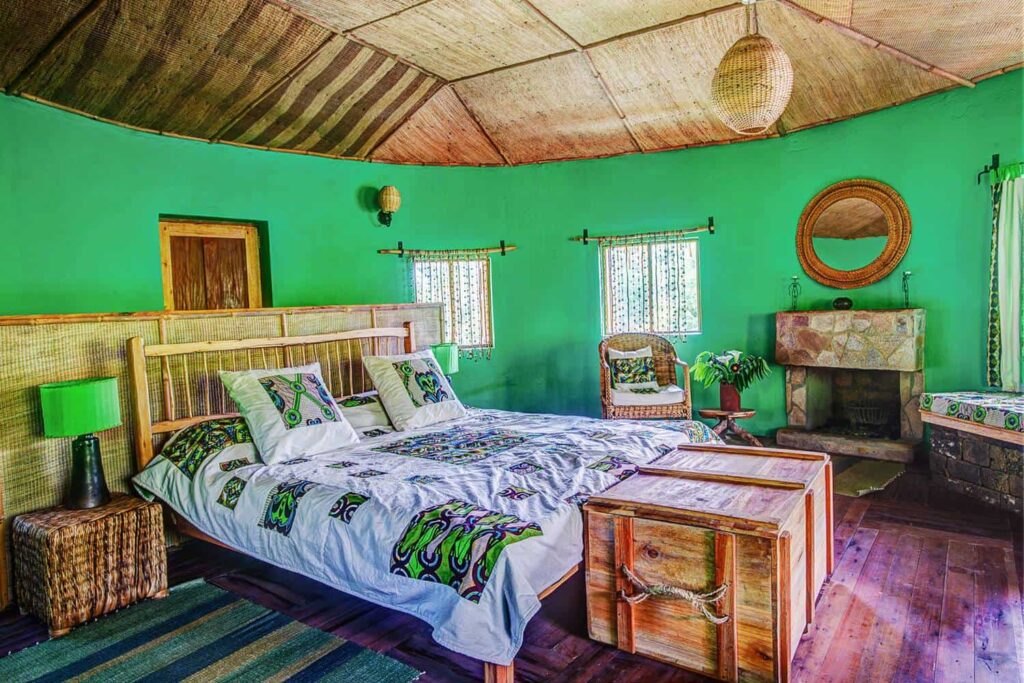
Accommodation Options: Lodges & Camps in Bwindi and Mgahinga
Accommodation Options: Lodges & Camps in Bwindi and Mgahinga
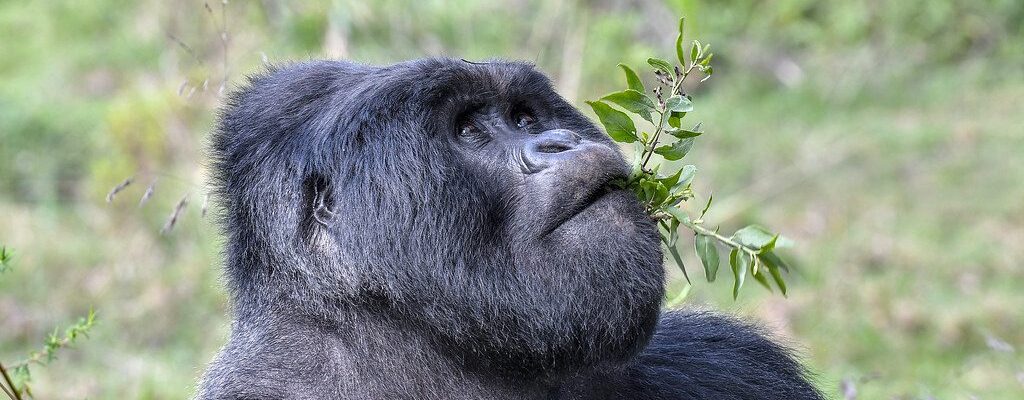
Protecting What You Came to See: Gorilla Conservation & Ethics
Protecting What You Came to See: Gorilla Conservation & Ethics
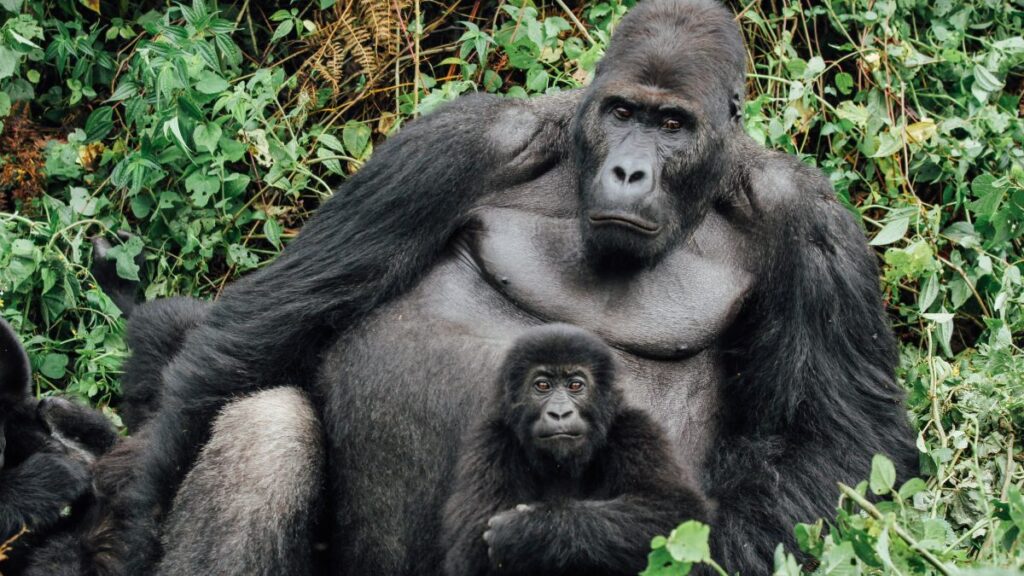
Travel Insurance for Gorilla Treks: Before You Go
Travel Insurance for Gorilla Treks: Before You Go
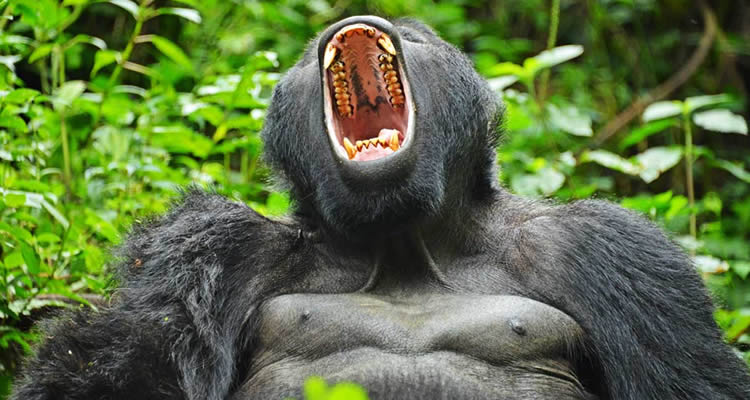
First Time Gorilla Trekking? Here’s Everything I Wish I Knew
First Time Gorilla Trekking? Here’s Everything I Wish I Knew
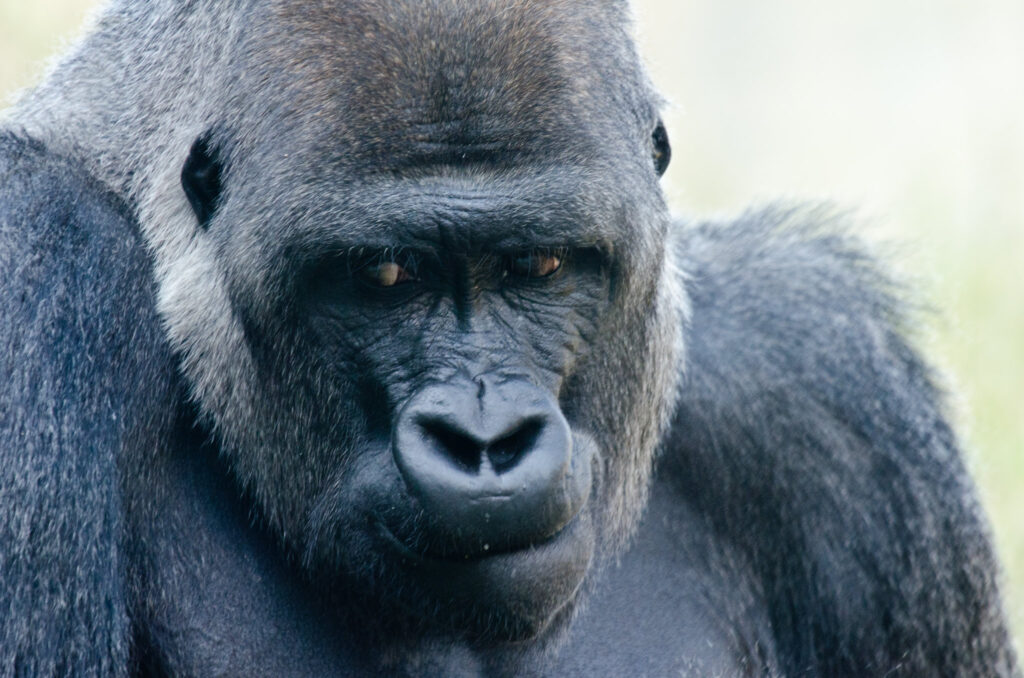
Step by Step: What Happens During a Gorilla Trekking Day
Step by Step: What Happens During a Gorilla Trekking Day
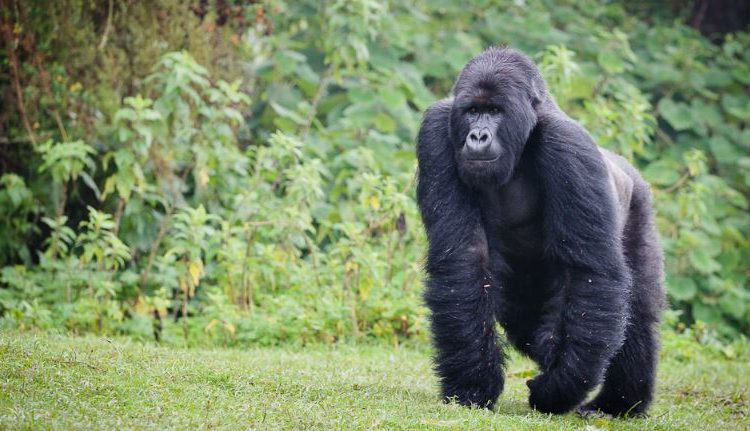
Gorilla Trekking vs. Gorilla Tracking – What’s the Real Difference?
Gorilla Trekking vs. Gorilla Tracking – What’s the Real Difference?
Beyond Gorillas: Other Wildlife You Can See During Your Trek
Beyond Gorillas: Other Wildlife You Can See During Your Trek
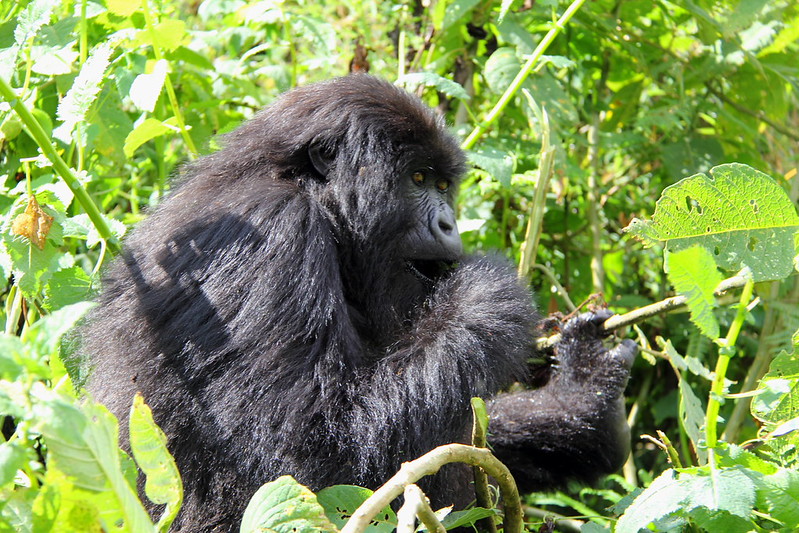
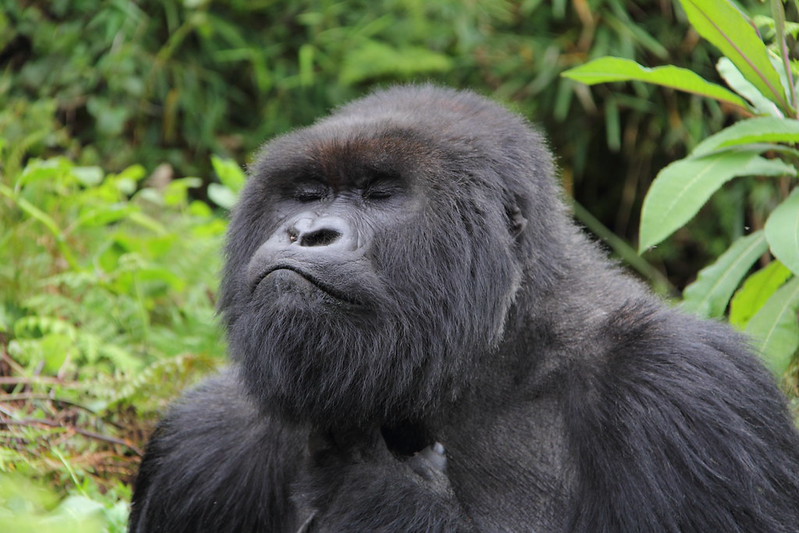
In the Realm of Giants – Bwindi & Mgahinga in Frames.
Wander through an elegant gallery capturing Uganda’s most exclusive gorilla sanctuaries, where ancient forests cradle the last mountain gorillas in a world of mist, mystery, and majesty.
Essential Planning Tips for Visiting Uganda’s National Parks.
Get ready for the wild heart of Africa with expert travel tips on when to visit, what to pack, where to go, and how to make the most of your safari across Uganda’s breathtaking national parks.
Why Uganda for Gorilla Trekking?
Uganda is not just a destination — it's the very soul of gorilla trekking. With over half of the world’s remaining mountain gorillas calling its misty forests home, Uganda offers the rarest encounters in their most authentic setting. Here, your journey is not rushed or crowded. Instead, you’re guided by experienced rangers through pristine jungles where gorillas live as they always have — wild, free, and magnificent
From insider travel insights to unforgettable trekking guides, our blog is your trusted path into Uganda’s wild heart — connecting you with mountain gorillas, breathtaking landscapes, and the soul-stirring adventures that make this land unlike any other.