Updated
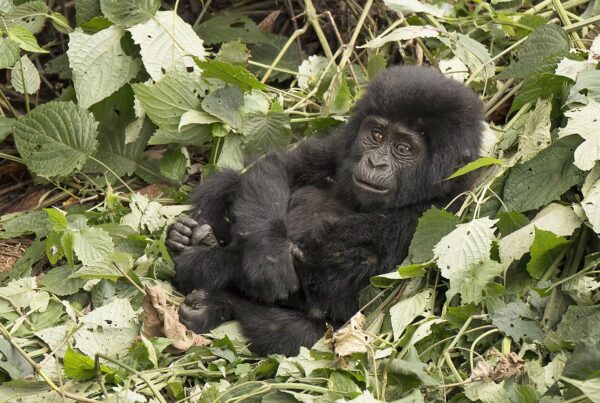
gorilla trekking long rains March April Uganda is one of Africa’s most extraordinary wildlife experiences, connecting travellers with mountain gorillas in their natural forest habitat. March and April occupy an ambiguous position in the calendar of Uganda gorilla trekking. These are the months of the long rains — Uganda’s most sustained wet season, when afternoon downpours are frequent, forest trails become deeply muddy, and the mist-wreathed ridges of Bwindi Impenetrable Forest take on a quality that can only be described as primordially green. The conventional safari wisdom is to avoid the rains and book during the dry season. That wisdom serves many travellers well. But a growing number of experienced visitors specifically target the long rains for their gorilla trek, and their reasons are worth understanding before you automatically default to July or August.
Gorilla trekking in March and April: the long rains and why some visitors prefer them
Understanding Uganda’s long rains
Uganda straddles the equator and experiences a bimodal rainfall pattern. The long rains run from approximately March through May, with peak intensity in April. The short rains occur from October through November. Between these rainy seasons are two drier periods: December through February, and June through September. The altitude of Bwindi — between 1,160 and 2,607 metres — moderates temperatures and influences local rainfall patterns, meaning the park receives more rainfall than lower-elevation Uganda and can receive rain even during the nominal dry seasons.
During the long rains, rainfall typically falls in afternoon or evening downpours rather than continuous all-day rain. Morning hours are often clear. Since gorilla treks begin at 07:30 and the hour with the gorilla family typically falls mid-morning to early afternoon, there is a reasonable probability of completing the trek before the heaviest afternoon rain. This is not a guarantee — Bwindi can receive rain at any hour — but it is the characteristic pattern.
The case for trekking in the long rains
Fewer visitors. This is the primary reason experienced gorilla trekkers actively choose the wet season. In March and April, Bwindi operates at a fraction of its peak-season capacity. The briefing point at Buhoma might gather twelve people rather than the eighty who crowd it in August. You will not share the forest with multiple simultaneous trekking groups. The atmosphere at lodges is more intimate, guides have more time for conversation and explanation, and the entire experience feels closer to what gorilla research expeditions were like before tourism scaled up.
Lower permit availability pressure. During peak season, permits book out months or years in advance. In March and April, permits are available with relatively short notice — sometimes within weeks of your target date. This makes the long rains an excellent option for travellers who cannot commit to a fixed date a year in advance, or who have a last-minute opportunity to visit Uganda.
Extraordinary greenness. The forest in the wet season is at its most visually spectacular. Every surface is coated in moss. The canopy is saturated with rain-refreshed foliage. Waterfalls run at full volume. The light — diffused through cloud and mist — has a quality that renders the forest in extraordinary detail. Photographers who have shot in Bwindi in both dry and wet seasons often prefer the wet-season light for its softness and the depth it gives to forest images.
Bird activity. Many forest birds are more actively vocalising and displaying in the wet season. For birders combining a gorilla trek with serious birding in Bwindi — which has over 350 bird species including 23 Albertine Rift endemics — the long rains can produce excellent sightings of species that are secretive and quiet in the dry months.
Gorilla behaviour. Mountain gorillas do not have a wet season preference in the way that some species do. They move through the forest year-round and their behaviour does not change dramatically with rainfall. However, in the wet season, gorillas often spend more time in the lower-altitude sections of their range where vegetation is denser and food is more easily accessible — which can actually mean shorter treks to find them. Rangers who track the Bwindi families confirm that wet season treks are not systematically longer or shorter than dry season treks; it depends entirely on where the family moved overnight.
The genuine challenges of wet season trekking
The trail conditions in March and April can be demanding. Clay-rich forest soils become extremely slippery when wet, and steep sections of trail require careful footing. Falls are more frequent in wet conditions, and a tumble on a muddy slope can result in clothing covered in red Ugandan mud that will not entirely wash out. Waterproof boots and gaiters are not optional in the wet season — they are essential. Walking sticks are even more important than usual and should be used by everyone regardless of fitness level.
Rain gear must be functional. A lightweight packable rain jacket is insufficient — you need a waterproof jacket that will keep you genuinely dry during a sustained forest downpour. Waterproof trousers or over-trousers are worth bringing if you have them. A dry bag or waterproof cover for your camera bag is essential.
Road access can be affected by heavy rain. The approach roads to several Bwindi sectors, particularly Nkuringo, are steep unpaved mountain roads that can become very difficult in sustained heavy rain. Check with your operator about road conditions in the week before your visit and ensure your vehicle has appropriate clearance and tyres. In exceptionally heavy rain events, roads occasionally become impassable for a day or two — build flexibility into your itinerary if travelling in March or April.
Some lodges offer reduced services in the low season. Check what is open before booking — a handful of the smaller budget guesthouses near Bwindi close or run on skeleton staff in the low season months. Mid-range and luxury lodges remain fully operational and often offer their best rates.
What to wear and pack for wet season trekking
The wet season packing list has some specific additions beyond the standard gorilla trek kit. Waterproof hiking boots rated for sustained rain exposure — not merely water-resistant trail shoes. Gaiters to keep mud out of boot tops. A waterproof jacket with sealed seams, not a water-resistant softshell. A dry bag (8–10 litres) for camera gear and valuables. A change of clothes sealed in a waterproof bag for the return to your lodge — your trek clothes will be wet and muddy. Quick-dry synthetic base layers rather than cotton, which stays wet and cold. An extra pair of socks. Light gloves are worth having for cool, rainy mornings at higher altitude.
The investment in proper wet-weather gear is returned many times over in comfort. Visitors who arrive at Bwindi in March with inappropriate footwear or rain gear typically have a significantly harder experience than those who have prepared for the conditions. This is one area where skimping on gear has direct consequences.
Pricing in the low season
Gorilla permits are priced at $800 per person regardless of season — UWA does not offer wet season discounts on permits. However, lodge accommodation prices are substantially lower in March and April, with many properties offering 20 to 40 percent reductions on rack rates. Combined with the absence of permit availability pressure, the long rains present a significantly more accessible price point for the overall trip without any reduction in the quality of the gorilla encounter itself.
For budget-conscious travellers who have flexibility in their scheduling, the long rains represent the best value window for Uganda gorilla trekking. The permit cost is the same, the gorillas are the same, the forest is extraordinary, and the crowds are gone. The only honest downside is the mud and the rain, which, with the right preparation, become part of what makes the experience distinctive rather than a reason to avoid it.
- Uganda’s long rains: trekking in April and May
- Gorilla Trekking Uganda Spring Break 2027: March and April Availability
- Uganda’s long rains and short rains: planning a gorilla trek around rainfall patterns
- Why Would My Soul Long for a 9-Day Uganda Gorilla Trekking and Wildlife Safari?
- Uganda Primate Safaris: Journey Into the Forests Where We First Belonged
- Silverback Gorilla Habitat: Where the Kings of the Forest Truly Belong
- Uganda Travel Tips for First-Time Visitors: What You Need to Know Before You Go
- Gorilla Trekking in March
- Gorilla Trekking in April
- The 10 Longest Rivers in the World