Updated
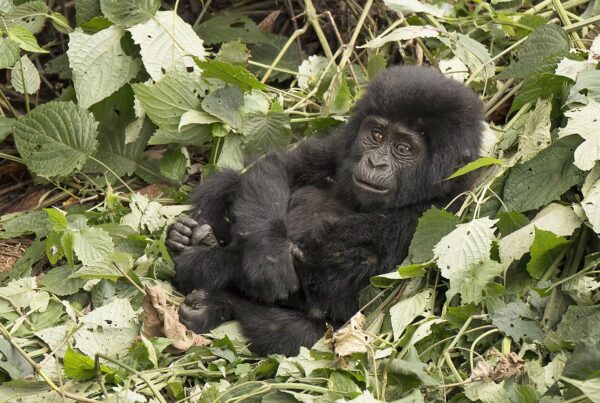
gorilla trekking December Uganda dry season is one of Africa’s most extraordinary wildlife experiences, connecting travellers with mountain gorillas in their natural forest habitat. December sits in one of Uganda’s two dry seasons — the short dry season that runs from approximately late November through early February. For visitors planning a gorilla trekking trip with a December window, understanding what the season actually delivers in terms of weather, trail conditions, permit availability, and the specific character of the forest and its wildlife helps set realistic expectations and take advantage of what this period specifically offers. December is a good time to trek — with some important qualifications.
Gorilla trekking in December: what to expect during the short dry season
December weather at Bwindi
December in Bwindi Impenetrable National Park falls in the transition from the short rains (October–November) to the short dry season. In practice, December weather at Bwindi is variable: the early part of the month may still see occasional significant rain from the trailing end of the short rainy season, while the latter part of December and the period around Christmas typically settles into drier, clearer conditions. The characteristic “dry season” weather — clear mornings, possible afternoon cloud build-up, minimal rainfall — is more reliably established by mid-to-late December than in early December.
Average temperatures in December at Bwindi range from approximately 13°C at night (in the upper zones near Ruhija) to around 22°C during warm midday periods. The drier conditions mean less mud on trails compared to the wet season, better visibility through the forest understorey, and a generally more comfortable walking environment. However, Bwindi’s status as a highland tropical forest means it is never entirely dry — morning dew, occasional mist, and residual moisture from the preceding rainy season keep the forest humid and the vegetation green even during dry seasons.
Permit availability in December
December is a high-demand period for gorilla trekking, particularly in the Christmas and New Year weeks (December 22 – January 3). Families and couples planning holiday travel that includes gorilla trekking book these dates well in advance, and permits for the most popular sectors — particularly Buhoma — fill 6–9 months ahead for the Christmas week. If you are planning a Christmas gorilla trekking trip, permits should be booked no later than March or April of the same year, and ideally earlier.
Outside the Christmas and New Year peak, early and mid-December (before approximately December 20) has more available inventory. Early December is actually a relatively underbooked period compared to the Christmas week and the June–August peak season — visitors who have flexibility within December and can avoid the Christmas holiday compression will find better permit availability and likely less competition for lodge accommodation.
Operators catering specifically to the luxury market tend to fill their December slots earlier than budget or mid-range options, because their clients plan further ahead and the premium lodge inventory is limited. For visitors with flexibility in accommodation category, the December landscape of permits and lodges is navigable even on 3–4 months’ notice, outside the Christmas week.
Wildlife in December
December marks the transition into the dry season, and the forest wildlife responds to this transition. The short rains have produced new vegetation growth, so the forest is at its most lush and green — a visual quality that can rival the classic “green season” appeal of the wet season. Gorilla families are often more concentrated in areas of new growth and high food availability, which can mean slightly more predictable locations for trackers to find them.
Bird activity in December includes the arrival of some Palearctic migrant species — birds from Europe and Central Asia that winter in East Africa. These migrants add species diversity to the forest edge and open habitats around Bwindi, and for birders, December’s combination of resident species and winter migrants is one of the most diverse periods of the year in terms of species richness.
The Kazinga Channel boat trip at Queen Elizabeth National Park — often combined with Bwindi gorilla trekking on a western Uganda circuit — is excellent in December. The dry season concentrates hippos and crocodiles at the channel’s water, elephants drink regularly at the banks, and the bird activity at the channel is high. Combining a Bwindi gorilla trek with a Queen Elizabeth game drive and boat trip in December produces a well-rounded wildlife experience in good conditions.
Practical considerations for December travel
International flights to Entebbe in December — particularly the Christmas and New Year period — are more expensive than at other times of year, reflecting global demand for holiday travel to warm destinations. Booking flights 3–6 months ahead can reduce costs meaningfully. Return flights particularly on the January 2–5 dates, when holiday travelers return from East Africa, are often fully booked at standard fares well ahead of the date.
Lodge pricing in the Christmas and New Year period typically reflects the seasonal demand, with many properties charging peak-season premiums. Luxury lodges in the Bwindi area sometimes have a “festive season” surcharge or a mandatory holiday package covering Christmas dinners and other seasonal additions. Reading the fine print of your accommodation booking for December 24–January 2 is important — some properties have minimum stay requirements during this period.
The holiday atmosphere at lodges during the Christmas period is itself a consideration for some visitors. Those who want a quiet, contemplative forest experience may find the Christmas week at a popular Bwindi lodge livelier than expected — fellow guests in festive mode, Christmas-themed dinners, and a social atmosphere that is very pleasant but different from the meditative forest immersion available at less popular times. Visitors who specifically want quiet time in the forest are better served by early December or late January.
Summary: is December a good time to trek?
Yes, with booking lead time proportional to your target dates. The short dry season’s drier trails and clearer skies are genuinely positive factors. The Christmas week requires very early booking and carries premium costs. Early December and the transition into January after the holiday peak offer excellent conditions with manageable advance planning. The gorillas themselves are present, active, and as accessible as at any other time of year — which is to say, extraordinarily.
- Gorilla trekking in December and January: the short dry season and its advantages
- Gorilla Trekking Uganda Festive Season December 2027: Remaining Permits
- Gorilla trekking in September: what to expect from Uganda’s shoulder season
- Gorilla trekking in August and September: the dry season peak and what to expect
- Uganda Safari in December: What to Expect for Wildlife and Gorillas
- Best Time for Gorilla Trekking in Uganda – Monthly Guide to 2025 Seasons
- What to Expect on a Gorilla Trek in Uganda – Full 2025 Experience Guide
- What a 3-Day Uganda Wildlife and Cycling Safari Did to My Family Was Beyond Anything We Expected
- What I Expected vs What I Got on a 3-Day Gorilla Trekking and Cultural Safari in Uganda
- Wildlife Safaris: What to See, Expect, Prepare & Plan — Plus Where to Go in Africa