TALK TO AN EXPERT +256 716 068 279 WHATSAPP OPEN NOW.
Climate, Weather & Seasons

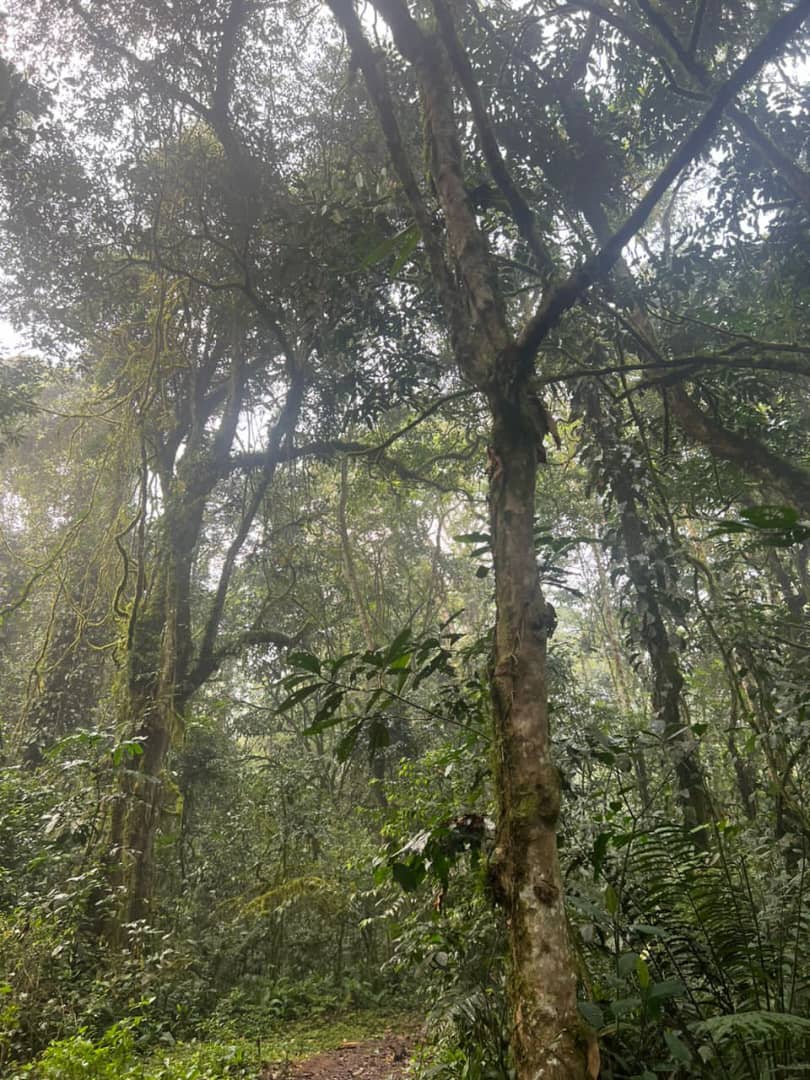
Bwindi at dawn: what happens in the forest before the trekking groups arrive

Home / Travel News, Stories & Tips / Climate, Weather & Seasons / Bwindi at dawn: what happens in the forest before the trekking groups arrive

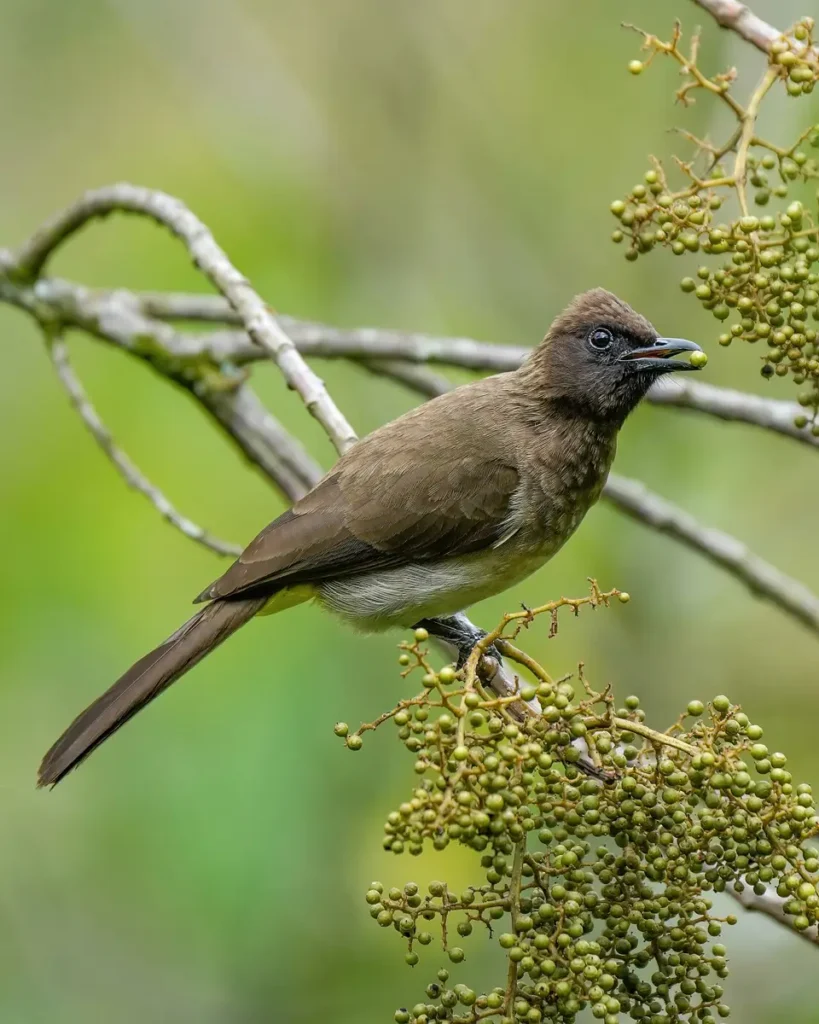
The gorilla trekking day at Bwindi begins formally at the 7am briefing. But the forest has been working since before sunrise — a period of activity invisible to all but the rangers who begin their monitoring duties at first light, the trackers already moving through the undergrowth toward the last known nest sites of their assigned family and the birds whose dawn chorus peaks in the thirty minutes before the sun reaches the valley floor. Understanding what the forest does before visitors arrive provides context that deepens the encounter itself and suggests a particular kind of attention that the early-morning trekker can bring to the approach.

The gorillas’ morning routine

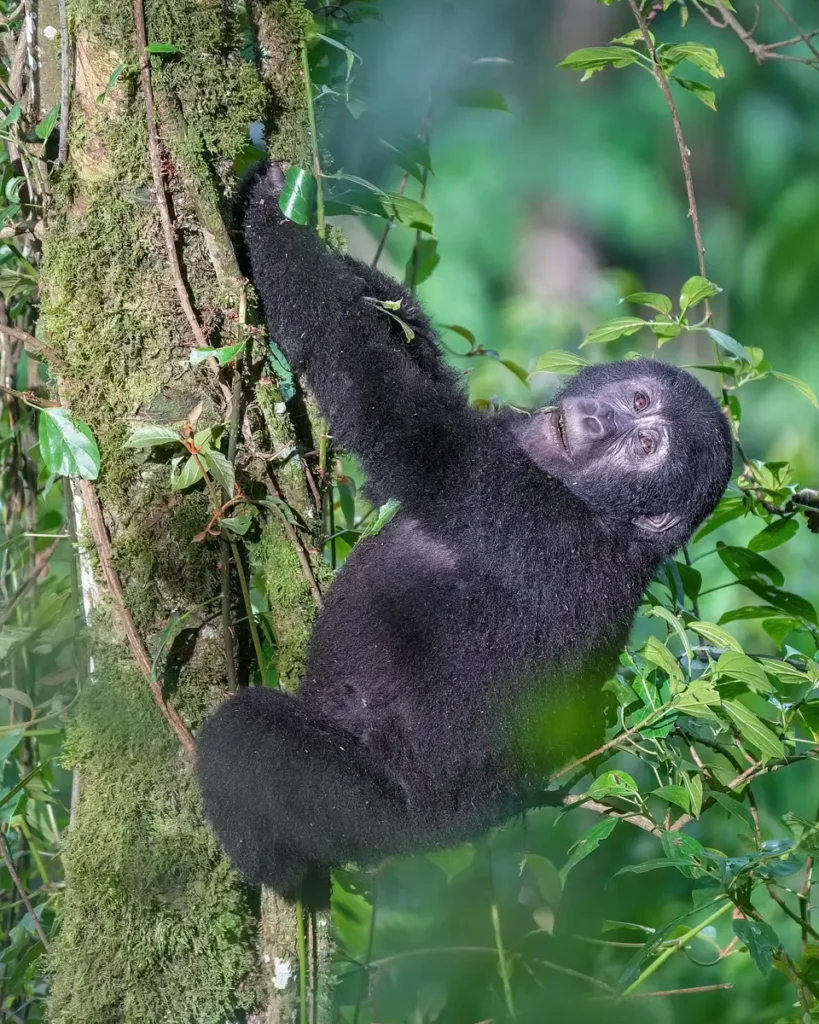
Mountain gorillas wake at first light — typically 6am in Bwindi’s equatorial position — and begin the day with a period of social activity in and around the night nest cluster. Grooming between adults, play by juveniles who have been constrained by darkness for twelve hours and the slow process of infants nursing and being carried through the first morning movements characterise the first hour after waking. The group does not typically begin purposeful foraging movement immediately; there is a morning assembly period during which the silverback’s position and early movements set the day’s initial direction. By 7am, when trackers have located the group and are guiding the visitor group toward them, the gorillas are often beginning their first feeding session of the day — a good sign for encounter quality.

The trackers: what they do before you start walking

The tracking team for each habituated family leaves the briefing area before the visitor group, typically at dawn or shortly after, to locate the gorillas from their previous evening’s nest site. The nest site is known from the previous day’s monitoring — the team knows the general area but must find the specific overnight location and then follow the gorillas’ morning movement. By the time the visitor group departs the briefing at 7am, the trackers have typically already found the gorillas, assessed the approach route and radioed the approximate location to the coordinating ranger. The visitor group’s time in the forest is therefore structured around information already gathered — the trackers’ work before the briefing is the invisible foundation of every successful encounter.

The dawn patrol: rangers at first light

Anti-poaching rangers begin early morning patrols at first light to cover the forest sections most used by snare setters — typically the park boundary zones and the river valleys that provide easy access routes into the forest from adjacent communities. The period between midnight and 7am is when most snare-setting activity occurs; the dawn patrol aims to detect and remove fresh snares before they are operational through the day. Rangers returning from dawn patrol cross paths with the first tracking teams; the exchange of information about anything unusual encountered overnight — new snare evidence, signs of large mammal presence near the boundary, unusual gorilla-related sounds — is an informal intelligence briefing that improves both the tracking team’s situational awareness and the anti-poaching team’s patrol targeting for the following day.

Arriving early as a visitor: the pre-trek value

Visitors who arrive at the briefing area thirty minutes before the official start time — settling quietly rather than socialising loudly — have access to a quality of forest atmosphere that the briefing itself disrupts. The birds are at maximum vocal activity; the forest edge is alive with movement; the quality of the light and air at this hour in Bwindi is distinct from the mid-morning environment that most visitors encounter during the trek’s middle section. A patient half-hour of quiet observation at the forest edge before the briefing begins — watching whatever presents itself, listening to the full complexity of the dawn chorus, adjusting the eyes and ears to the forest’s register — is a free upgrade to the trekking experience that most visitors do not claim, simply because arriving a little early requires planning that is easy to execute and rarely occurs to anyone to attempt.

Ready to experience Uganda’s mountain gorillas in 2026? Secure your gorilla permits early and let us craft a seamless safari tailored to your travel style, preferred trekking sector, and accommodation level. From luxury lodges to well-designed midrange journeys, every detail is handled for you. Every itinerary is carefully planned to maximize your time in the forest while ensuring comfort, safety, and unforgettable encounters.

Have questions about gorilla permits, travel dates, or the best itinerary for you? Speak with a safari expert and get clear, honest guidance to plan your trip with confidence.

When is the last time you had an adventure? African Gorillas!!! Up Close With Uganda’s Wild Gorillas Touched by a Wild Gorilla: An Unforgettable Encounter Inside Gorilla Families: Bonds, Hierarchies & Jungle Life Face to Face With a Silverback: The Wild Encounter You’ll Never Forget