

Where the soul of the forest whispers in the mist
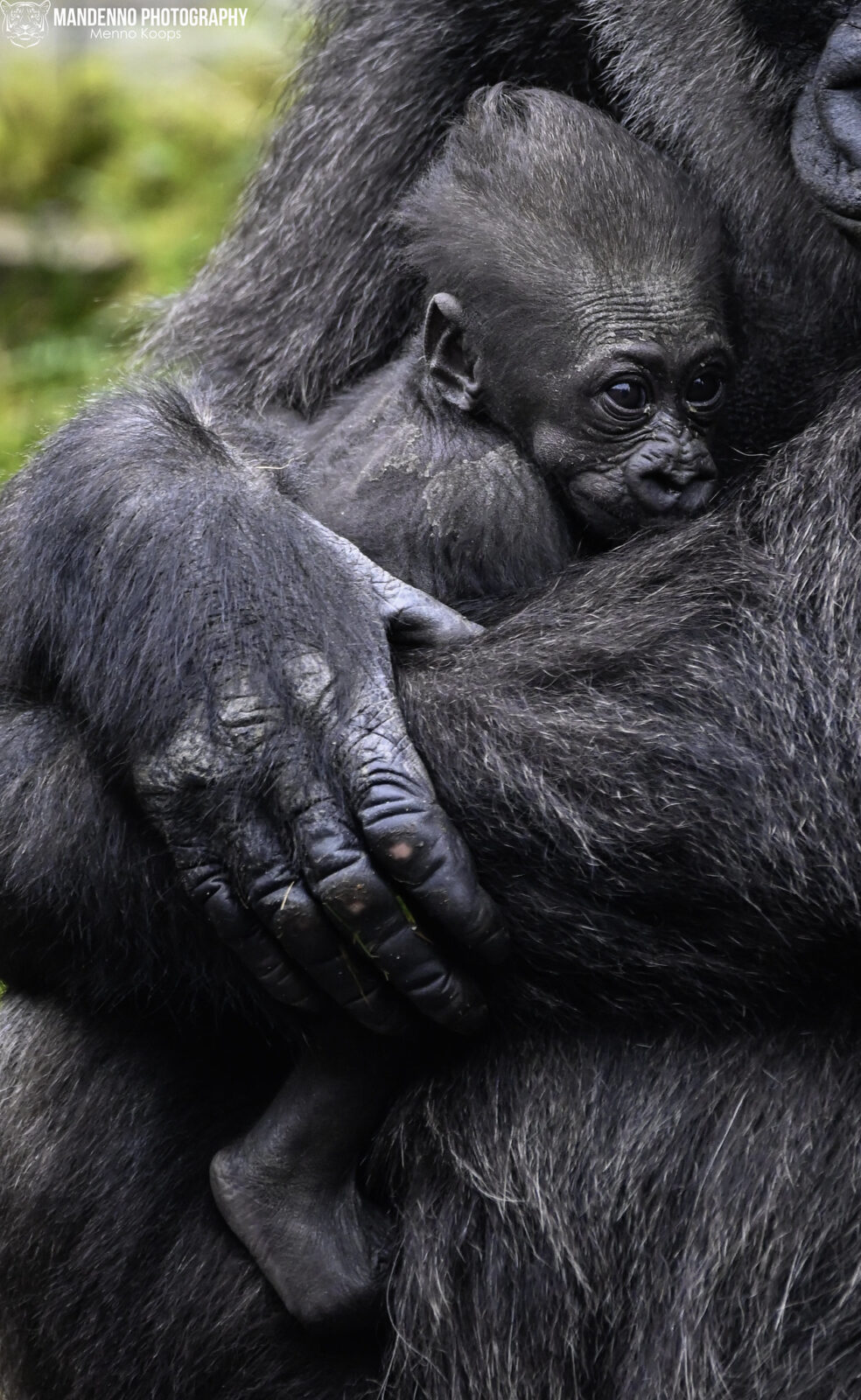
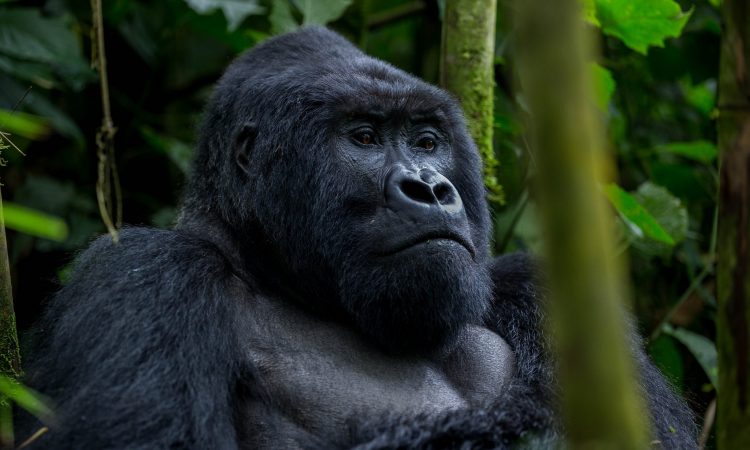
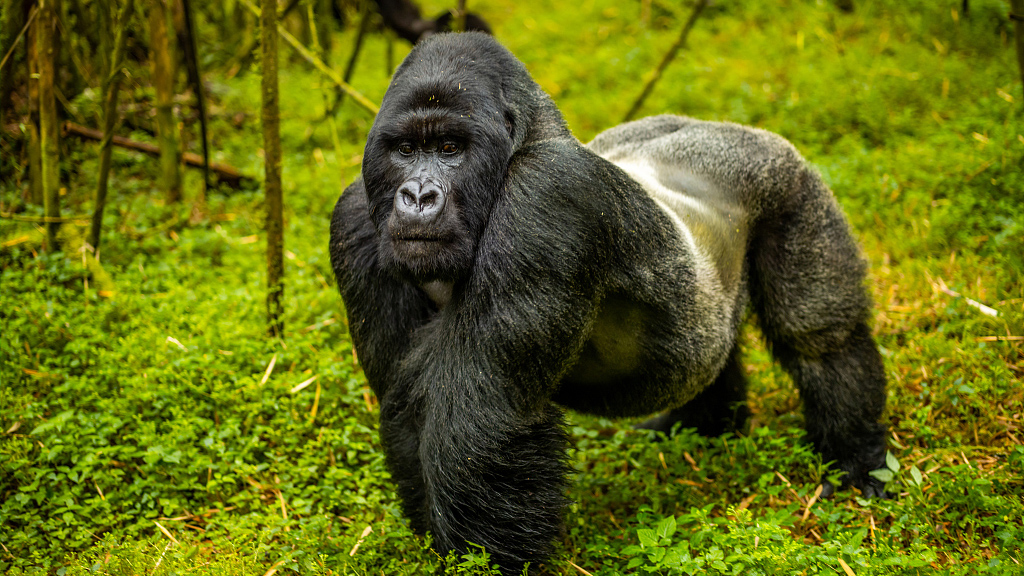
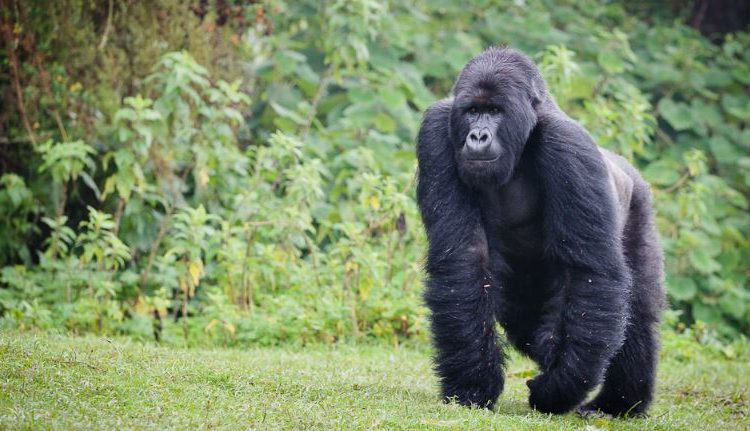
Lowland gorillas (Gorilla gorilla gorilla) are the most widely distributed subspecies of gorilla, occupying the dense tropical forests of central and western Africa, including nations such as Cameroon, Gabon, the Republic of Congo, Equatorial Guinea, and the Central African Republic. Primarily terrestrial, these gorillas move gracefully through undergrowth and along forest trails, exhibiting complex social behaviors within cohesive family groups. Despite their formidable size, they are typically gentle and highly intelligent, displaying nurturing care, play, and intricate communication that highlight their cognitive sophistication.
Ecologically, lowland gorillas serve as keystone species, dispersing seeds through their feeding habits and contributing to the regeneration and diversity of forest ecosystems. Their presence supports the intricate balance of flora and fauna in these habitats, making them vital indicators of forest health.
Although classified as Critically Endangered by the IUCN, lowland gorillas are remarkable for their intelligence, nuanced social structures, and remarkable adaptability to diverse forest habitats, from swampy lowlands to dense montane regions. They live in cohesive family groups led by dominant silverbacks, exhibiting behaviors such as nurturing of young, cooperative foraging, and intricate social communication that reveal their cognitive complexity and emotional depth.
Conservation efforts prioritize habitat protection, anti-poaching measures, and disease prevention, while also integrating community-based initiatives that educate and empower local populations. By fostering sustainable coexistence, these programs aim to reduce human-wildlife conflict, promote forest stewardship, and ensure that lowland gorillas continue to thrive as vital contributors to their ecosystems.
So lace up your boots, grab your camera, and prepare to meet the wild — this is where your gorilla trekking dreams and unforgettable safari adventures truly begin.
Truly Iconic Highlights in Uganda

Trek through Bwindi’s mystical rainforest and meet the endangered mountain gorillas in their breathtaking natural home.
Encounter mountain gorillas and golden monkeys on Mgahinga’s misty volcanic trails, where culture and alpine wildlife thrive together.
Unwind after your trek with a peaceful canoe ride across Lake Bunyonyi, Uganda’s most tranquil and scenic highland lake.
Enhance your gorilla trekking safari with an optional chimpanzee encounter in Uganda’s lush forests, adding depth and diversity to your primate adventure
Gorilla Trekking Tours in Uganda – Our Most Popular Itineraries.
Explore our gorilla trekking safaris for every traveler—solo, family, budget, or luxury. All tours include permits, transport, accommodation, meals, and park fees. Whether for a quick trip or a deeper adventure, we’ve got you covered.
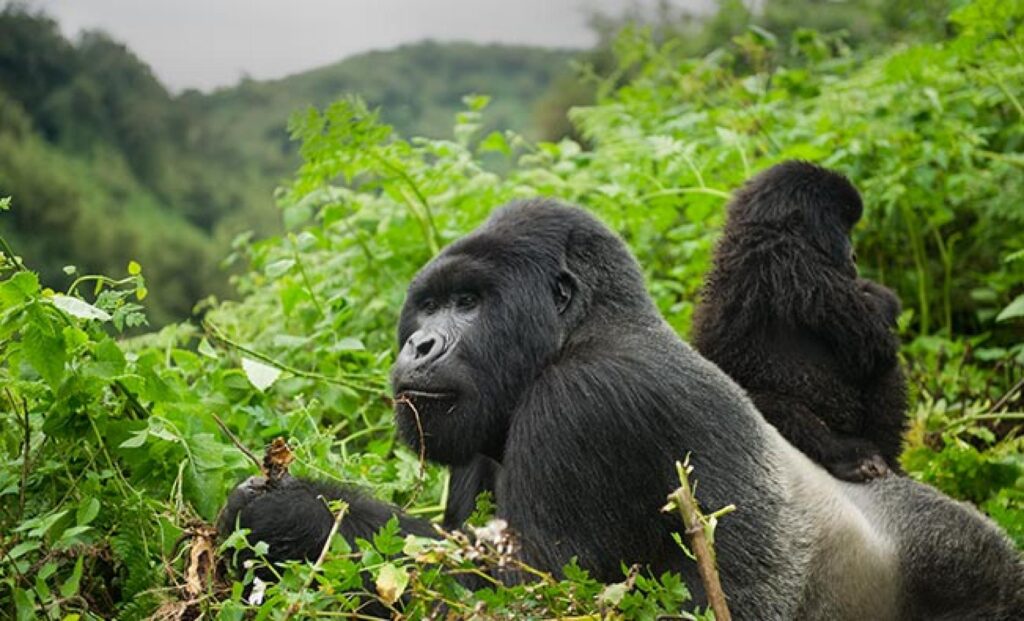
3-Day Bwindi Gorilla Trekking Safari
3-Day Bwindi Gorilla Trekking Safari
4-Day Uganda Gorilla Trekking Safari
4-Day Uganda Gorilla Trekking Safari
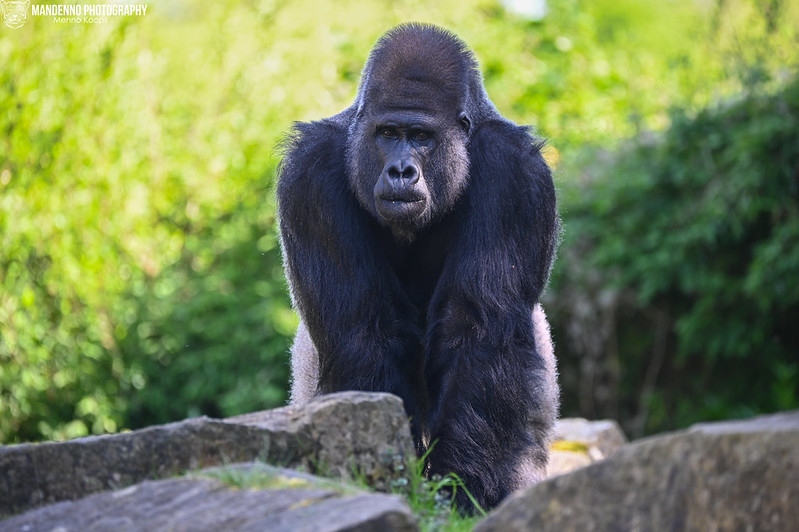
5-Day Gorilla Tracking and Wildlife Safari
5-Day Gorilla Tracking and Wildlife Safari
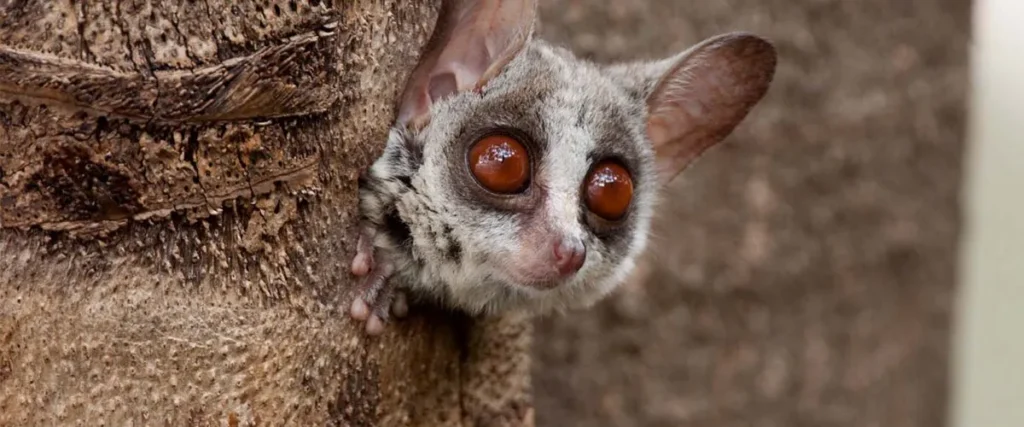
7-Day Uganda Primate Adventure & Wildlife Safari
7-Day Uganda Primate Adventure & Wildlife Safari
10-Day Gorilla Trekking & Big Five Safari in Uganda
10-Day Gorilla Trekking & Big Five Safari in Uganda
12-Day Uganda Gorilla Trekking, Chimp Tracking & Cultural Safari
12-Day Uganda Gorilla Trekking, Chimp Tracking & Cultural Safari
14-Day Best of Uganda Safari – Gorillas, Wildlife, Cultures
14-Day Best of Uganda Safari – Gorillas, Wildlife, Cultures
Habitat, Behavior, and Conservation of Lowland Gorillas
Distribution and Habitat
Lowland gorillas inhabit the dense tropical forests of central Africa, with populations primarily spread across Gabon, Cameroon, Equatorial Guinea, and the Republic of Congo. Unlike their mountain-dwelling relatives, these gorillas thrive in both lowland and gently undulating forest landscapes, ranging from swampy lowlands to hilly, fruit-rich regions. Their preferred habitats are characterized by dense undergrowth, abundant fruiting trees, and patches of bamboo or herbaceous vegetation, providing both sustenance and cover from predators.
These forests offer a complex mosaic of microhabitats, where lowland gorillas can exploit seasonal changes in fruiting patterns, migrate between feeding areas, and build nests in safer or more resource-rich sites. Despite their adaptability, human activities such as logging, agriculture, and infrastructure development have increasingly fragmented these forests, forcing gorillas into isolated patches and heightening the importance of protected reserves and national parks for their long-term survival.
Physical Characteristics and Social Behavior
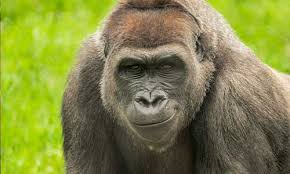
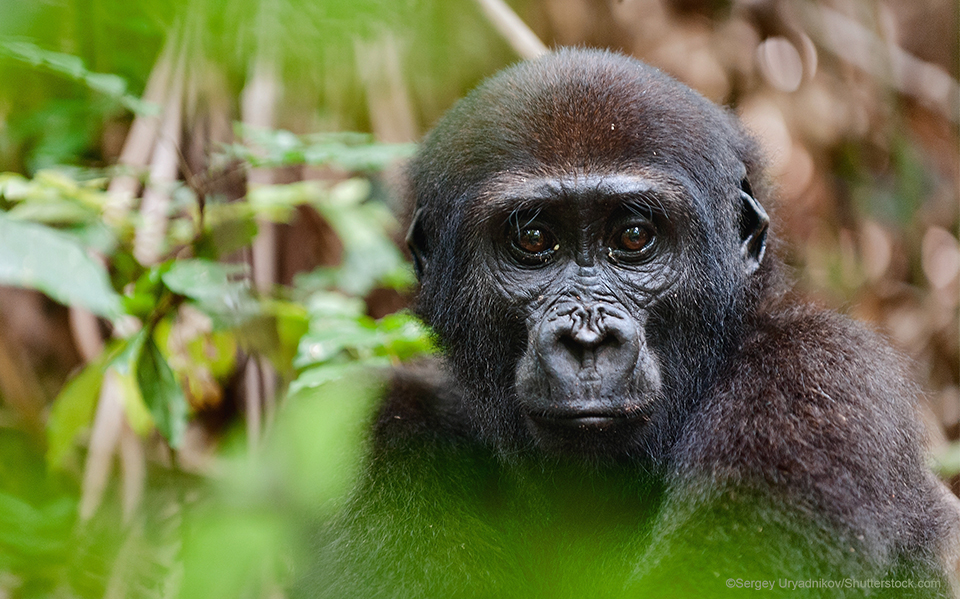
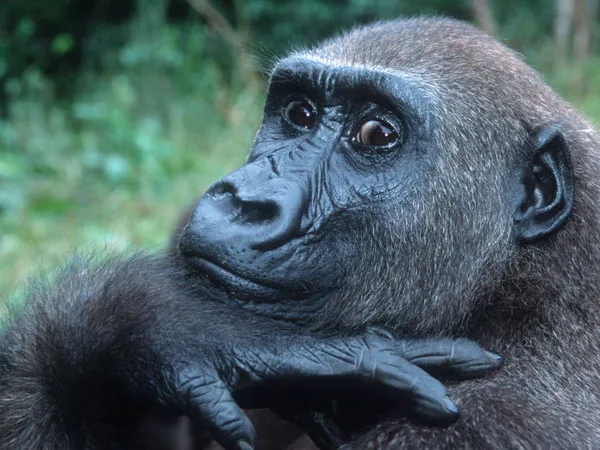
Lowland gorillas are formidable yet graceful in their appearance, slightly smaller than mountain gorillas but still impressively powerful. Adult males typically weigh up to 200 kg, with females around 90 kg, giving them a robust and stocky build suited to their arboreal and terrestrial lifestyle. Their thick, dark fur, pronounced brow ridges, and expressive faces reflect both strength and intelligence. Large hands and feet adapted for knuckle-walking allow them to navigate both the forest floor and low branches, while muscular limbs facilitate climbing, foraging, and occasional displays of dominance.
Socially, lowland gorillas live in cohesive groups led by a dominant silverback, whose role is to protect the group, mediate conflicts, and make decisions regarding movement, foraging, and nesting. Each group typically includes multiple adult females and their offspring, fostering a network of strong social bonds. Infants and juveniles engage in playful interactions, learning essential survival skills while strengthening group cohesion. Vocalizations, gestures, and body language facilitate complex communication, allowing gorillas to convey everything from alert signals to bonding behaviors.
Diet and Daily Life
Lowland gorillas are primarily herbivorous, with a diet that emphasizes fruits, leaves, stems, bark, and occasionally seeds or insects. Their foraging behavior reflects remarkable adaptability, as individuals and groups adjust their movements based on seasonal fruit availability or changing forest conditions. A typical day is structured around foraging, resting, social interactions, and nest building.
Nesting is particularly noteworthy: gorillas construct sleeping platforms on the ground or in trees each evening, often using fresh vegetation to create comfortable and secure sites. This demonstrates both problem-solving skills and environmental awareness. Rest periods are interspersed with social grooming, play, and protective watchfulness, highlighting the balance between physical needs and complex social behavior.
Conservation Status and Threats
Lowland gorillas are classified as Critically Endangered due to a combination of habitat destruction, hunting, and disease. Deforestation for logging, agriculture, and infrastructure fragments their habitat, reducing food sources and isolating populations. Bushmeat hunting has historically decimated numbers, while emerging threats such as disease outbreaks, including Ebola, further imperil survival.
Conservation efforts focus on a multifaceted approach. Protected areas and national parks, including Nouabalé-Ndoki, Odzala-Kokoua, and Lopé, serve as critical refuges. Anti-poaching patrols and law enforcement reduce illegal hunting, while eco-tourism initiatives provide sustainable funding and economic incentives for local communities to protect gorillas and their forests. Research programs monitor populations, track health, and study behavior to inform management strategies. Education and community engagement ensure that local people benefit directly from conservation, creating a long-term commitment to safeguarding these iconic primates.
Despite these challenges, lowland gorillas remain a symbol of Africa’s rich biodiversity. With continued protection and responsible conservation practices, these majestic animals can persist in their forested habitats, offering invaluable opportunities for scientific study, ecotourism, and wildlife appreciation.
More Gorilla Trekking Information to Know.
Gorilla trekking goes far beyond just the hike — it’s a deep, emotional journey into the heart of Africa’s last wild rainforests. Knowing the right timing, permits, fitness tips, and park details can turn your experience from good to unforgettable.
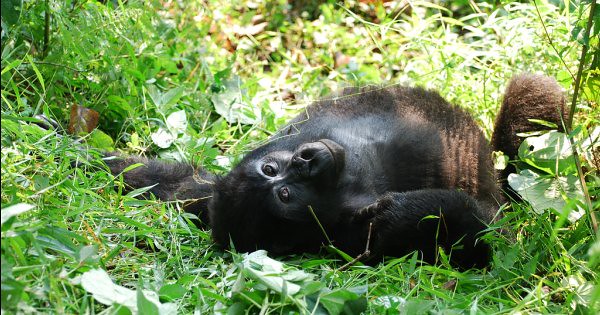
Gorilla Trekking in Bwindi Impenetrable Forest
Gorilla Trekking in Bwindi Impenetrable Forest
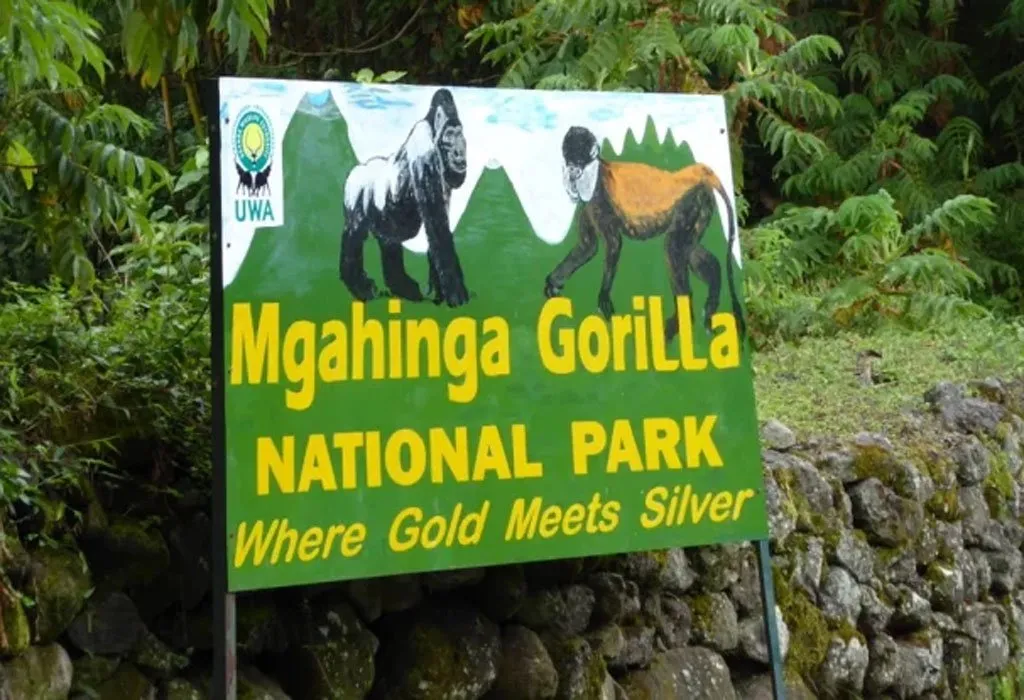
Trekking Gorillas in Mgahinga National Park
Trekking Gorillas in Mgahinga National Park
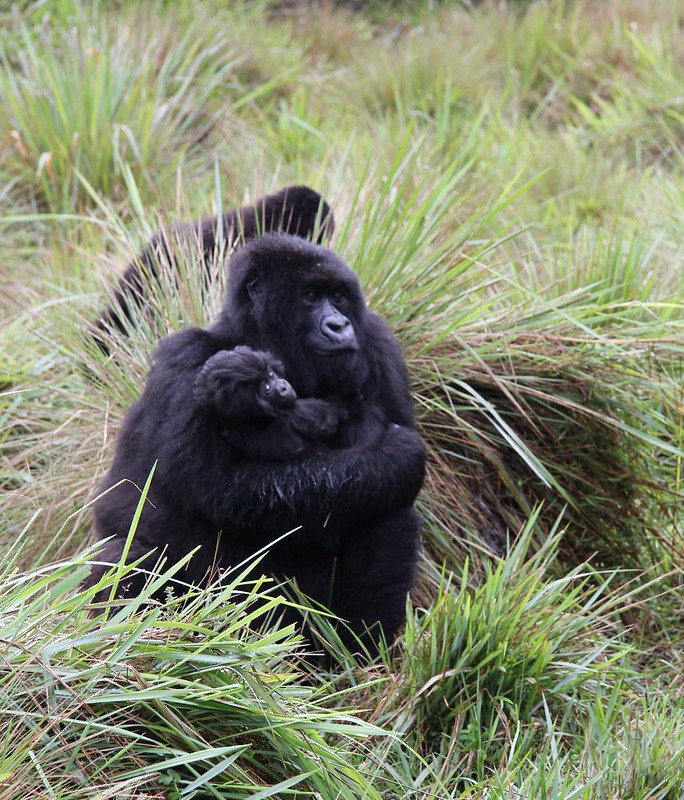
Uganda Gorilla Trekking Permits – Prices, Booking, & Travel Tips
Uganda Gorilla Trekking Permits – Prices, Booking, & Travel Tips

What to Pack for Gorilla Trekking in Uganda – Expert Checklist
What to Pack for Gorilla Trekking in Uganda – Expert Checklist
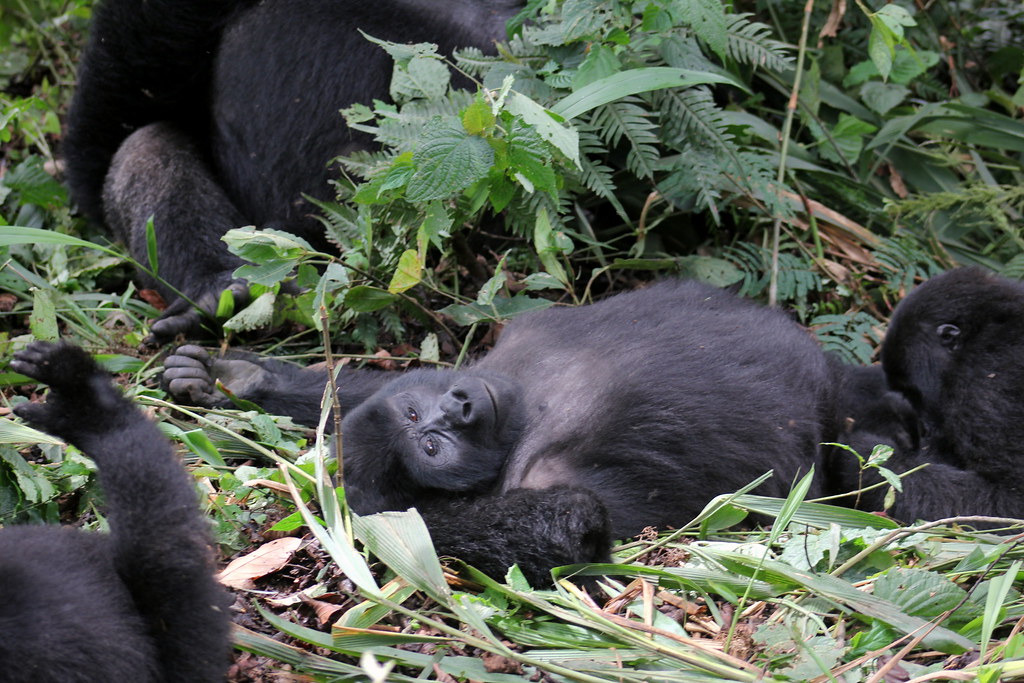
Best Time to Go Gorilla Trekking in Uganda – Weather & Seasons
Best Time to Go Gorilla Trekking in Uganda – Weather & Seasons
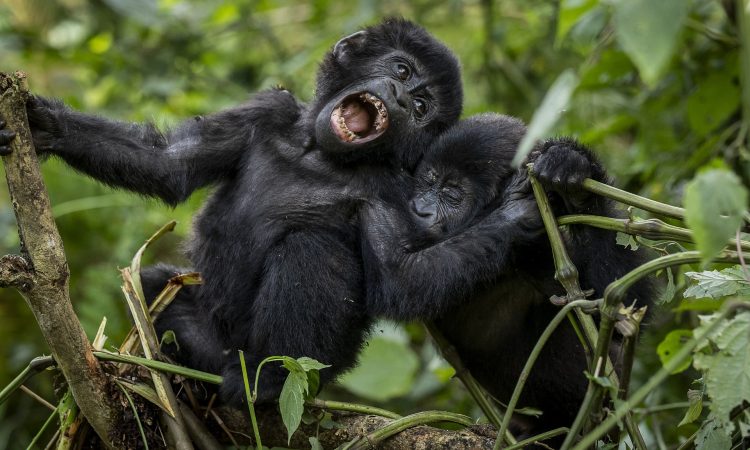
Gorilla Trekking Difficulty in Uganda – Fitness & Trail Guide
Gorilla Trekking Difficulty in Uganda – Fitness & Trail Guide
Gorilla Trekking Rules in Uganda – Safety, Respect & Ethics
Gorilla Trekking Rules in Uganda – Safety, Respect & Ethics
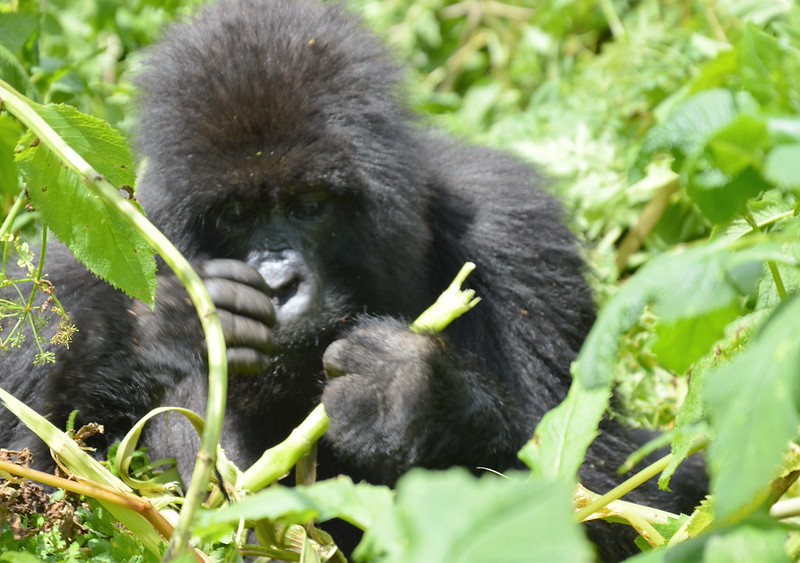
Gorilla Conservation in Uganda – Protecting the Mountain Giants
Gorilla Conservation in Uganda – Protecting the Mountain Giants
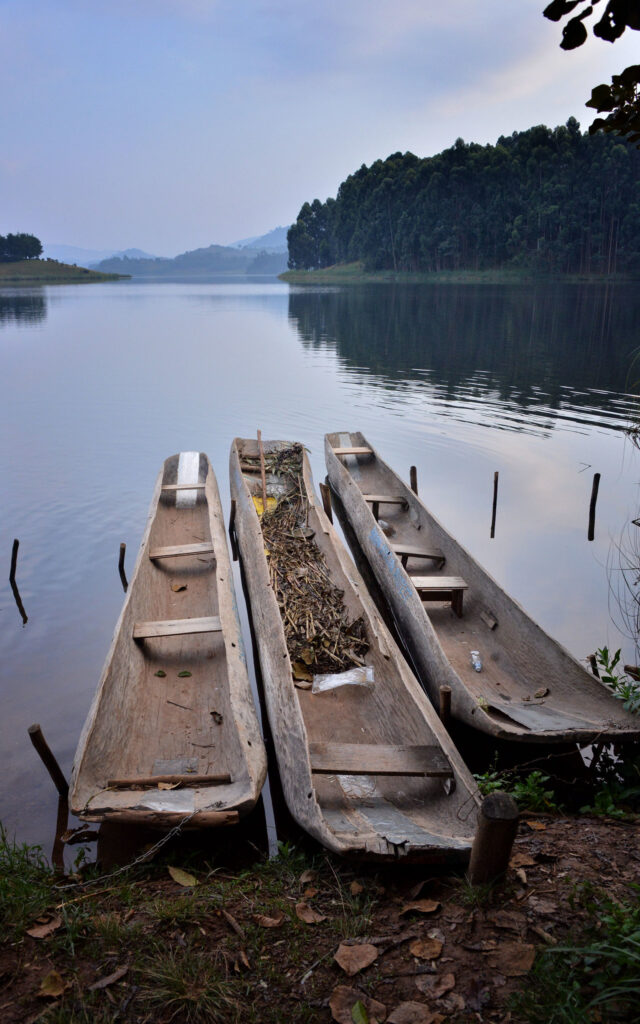
Bwindi vs. Mgahinga – Which One to Choose For Gorilla Trekking?
Bwindi vs. Mgahinga – Which One to Choose For Gorilla Trekking?
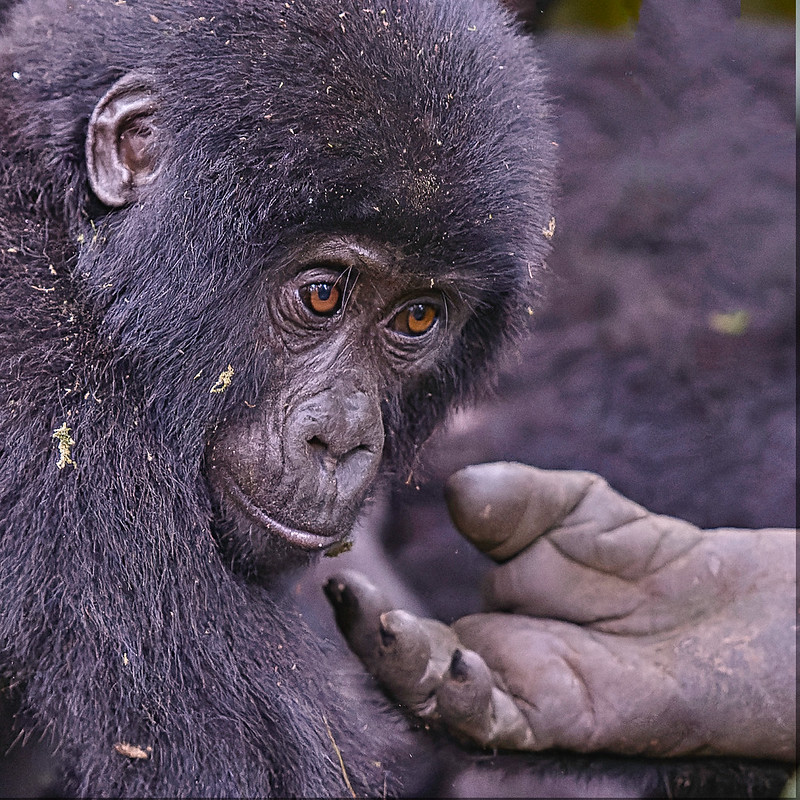
How to Stay Safe and Healthy While Traveling in Uganda
How to Stay Safe and Healthy While Traveling in Uganda
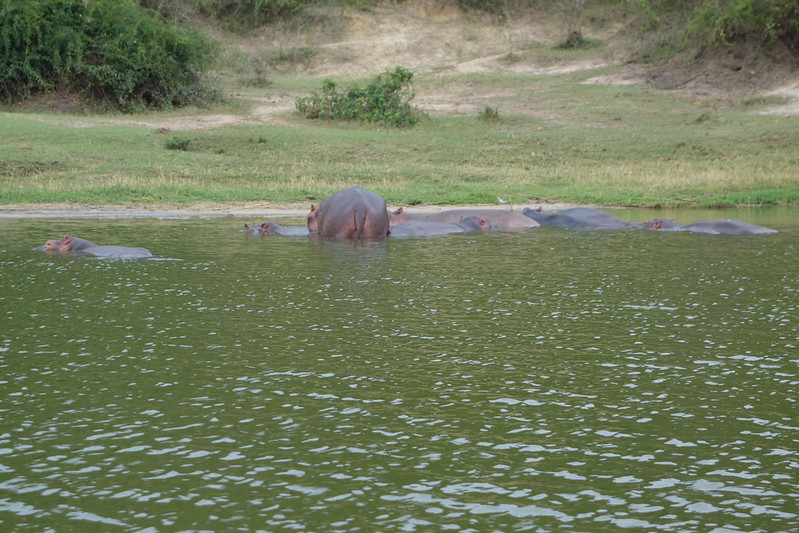
Routes, Tips & Travel Wisdom for Getting to Bwindi or Mgahinga
Routes, Tips & Travel Wisdom for Getting to Bwindi or Mgahinga
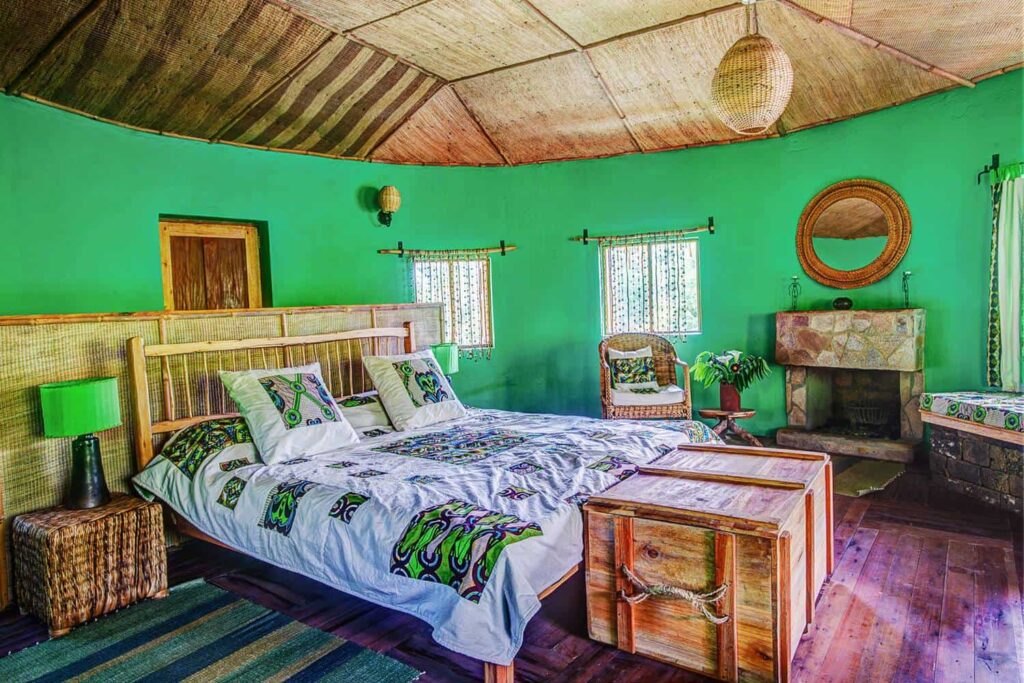
Accommodation Options: Lodges & Camps in Bwindi and Mgahinga
Accommodation Options: Lodges & Camps in Bwindi and Mgahinga
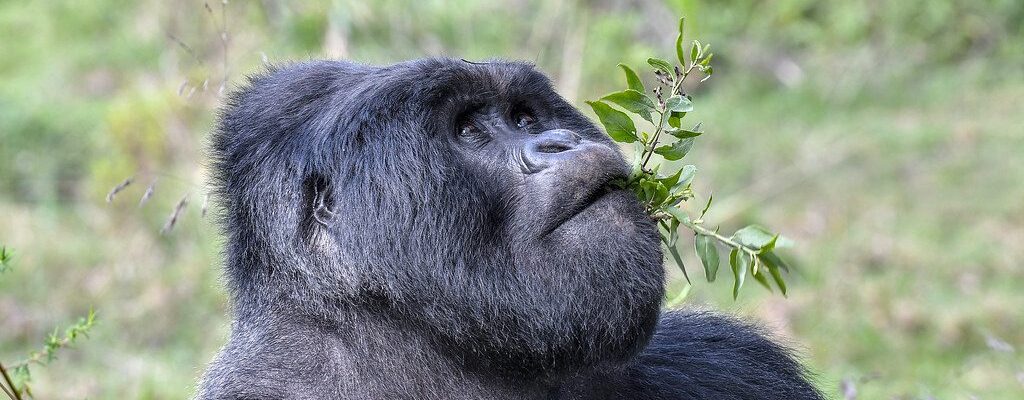
Protecting What You Came to See: Gorilla Conservation & Ethics
Protecting What You Came to See: Gorilla Conservation & Ethics
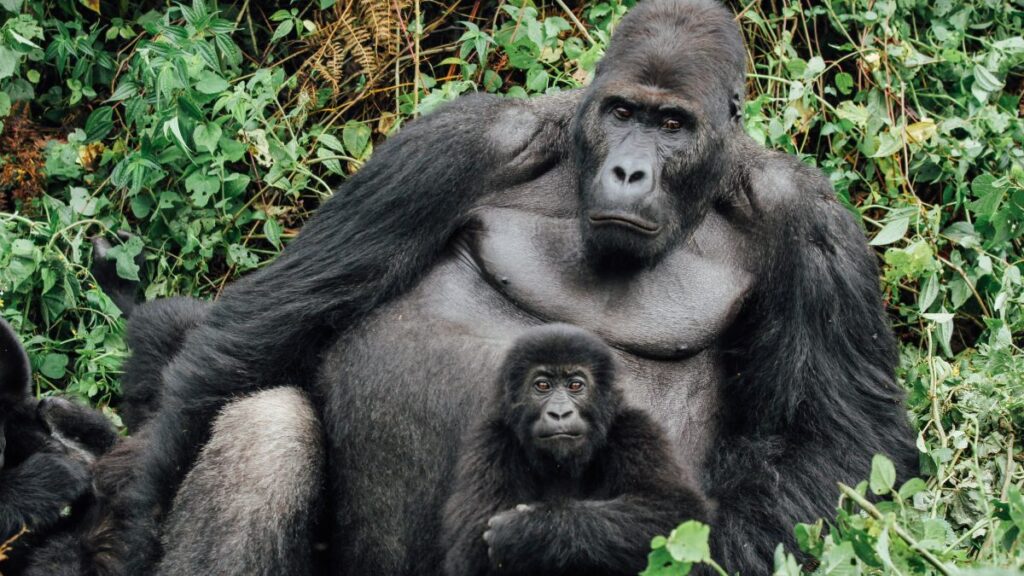
Travel Insurance for Gorilla Treks: Before You Go
Travel Insurance for Gorilla Treks: Before You Go
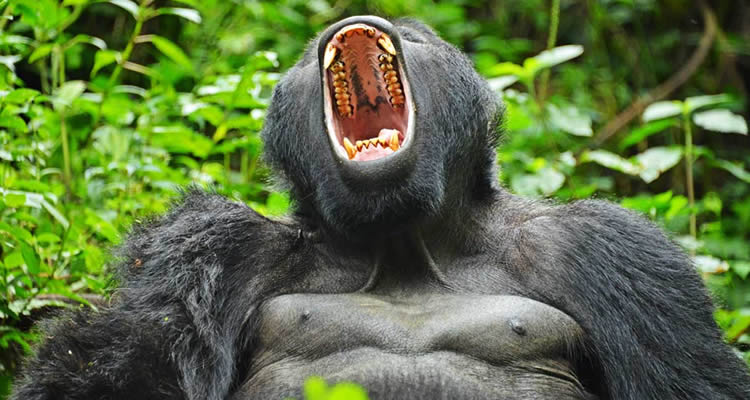
First Time Gorilla Trekking? Here’s Everything I Wish I Knew
First Time Gorilla Trekking? Here’s Everything I Wish I Knew
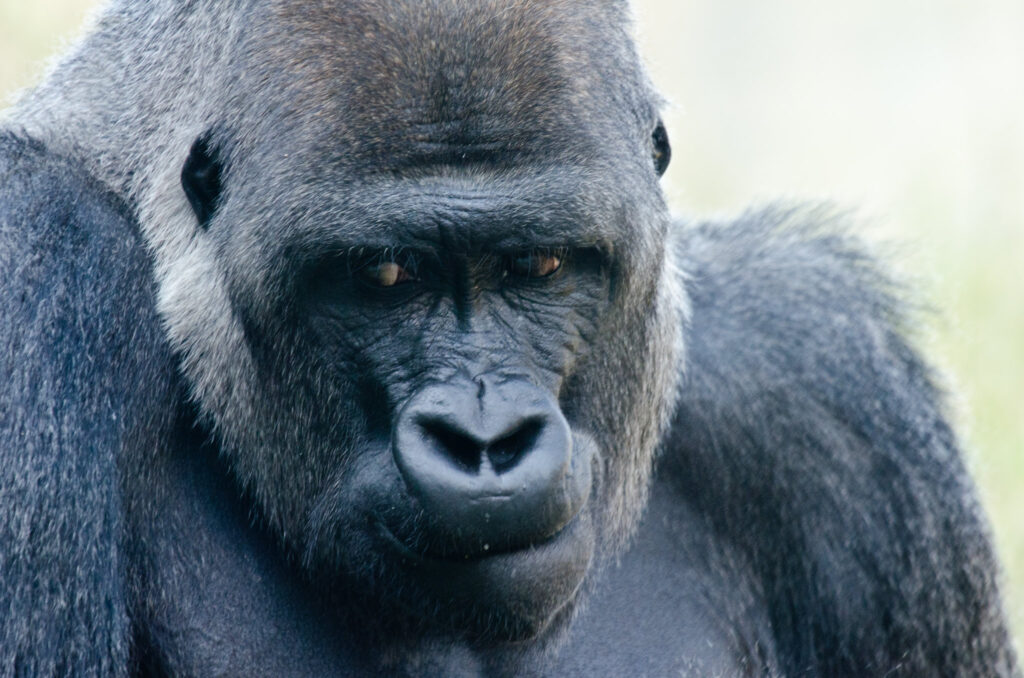
Step by Step: What Happens During a Gorilla Trekking Day
Step by Step: What Happens During a Gorilla Trekking Day
Gorilla Trekking vs. Gorilla Tracking – What’s the Real Difference?
Gorilla Trekking vs. Gorilla Tracking – What’s the Real Difference?
Beyond Gorillas: Other Wildlife You Can See During Your Trek
Beyond Gorillas: Other Wildlife You Can See During Your Trek
In the Realm of Giants – Bwindi & Mgahinga in Frames.
Wander through an elegant gallery capturing Uganda’s most exclusive gorilla sanctuaries, where ancient forests cradle the last mountain gorillas in a world of mist, mystery, and majesty.
Essential Planning Tips for Visiting Uganda’s National Parks.
Get ready for the wild heart of Africa with expert travel tips on when to visit, what to pack, where to go, and how to make the most of your safari across Uganda’s breathtaking national parks.
Why Uganda for Gorilla Trekking?
Uganda is not just a destination — it's the very soul of gorilla trekking. With over half of the world’s remaining mountain gorillas calling its misty forests home, Uganda offers the rarest encounters in their most authentic setting. Here, your journey is not rushed or crowded. Instead, you’re guided by experienced rangers through pristine jungles where gorillas live as they always have — wild, free, and magnificent
From insider travel insights to unforgettable trekking guides, our blog is your trusted path into Uganda’s wild heart — connecting you with mountain gorillas, breathtaking landscapes, and the soul-stirring adventures that make this land unlike any other.