

Where the soul of the forest whispers in the mist
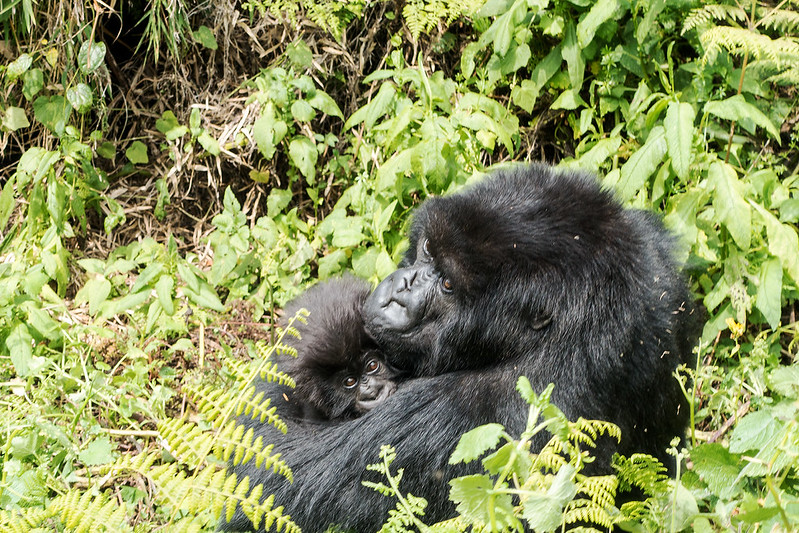
Gorilla trekking in Congo provides one of the most adventurous and untamed wildlife experiences on the African continent. Set within the vast expanse of Virunga National Park, this trek takes visitors deep into dense tropical forests, across rugged volcanic slopes, and through remote wilderness areas where endangered mountain gorillas move freely in their natural habitat. The experience is strikingly raw and immersive, offering close and intimate encounters with these gentle giants, often accompanied by the sounds of the forest and the mist-shrouded peaks of the Virunga volcanoes. Unlike more developed and highly managed gorilla trekking destinations, Congo emphasizes authenticity and adventure, challenging visitors physically and mentally while rewarding them with unparalleled opportunities for wildlife observation and photography. For serious wildlife enthusiasts, conservation supporters, and travelers seeking a profound connection with nature, Gorilla Trekking in Congo represents a singular journey into one of Africa’s most pristine and ecologically important landscapes.
Virunga National Park, Africa’s oldest protected area and a UNESCO World Heritage Site, is celebrated for its remarkable ecological diversity and its historical significance in wildlife research. Trekking within this vast park offers visitors the rare opportunity to observe mountain gorillas up close in their natural habitat, experiencing their social behaviors and interactions amidst the dense tropical forests and volcanic slopes. Beyond wildlife encounters, visitors also gain insight into the tireless work of rangers and conservationists, who operate under challenging conditions to safeguard one of the world’s most iconic and endangered species. This combination of breathtaking natural beauty, intimate wildlife observation, and an appreciation for dedicated conservation efforts makes Virunga National Park not only a prime destination for gorilla trekking in Congo but also a living testament to the global importance of protecting Africa’s fragile ecosystems.
So lace up your boots, grab your camera, and prepare to meet the wild — this is where your gorilla trekking dreams and unforgettable safari adventures truly begin.
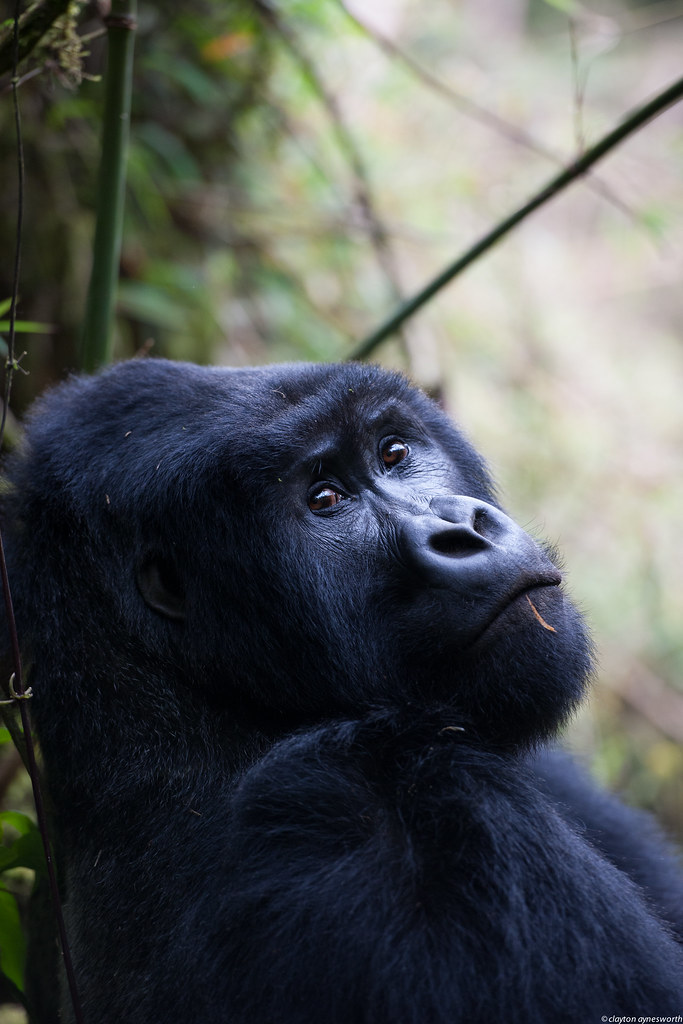
Truly Iconic Highlights in Uganda

Trek through Bwindi’s mystical rainforest and meet the endangered mountain gorillas in their breathtaking natural home.
Encounter mountain gorillas and golden monkeys on Mgahinga’s misty volcanic trails, where culture and alpine wildlife thrive together.
Unwind after your trek with a peaceful canoe ride across Lake Bunyonyi, Uganda’s most tranquil and scenic highland lake.
Enhance your gorilla trekking safari with an optional chimpanzee encounter in Uganda’s lush forests, adding depth and diversity to your primate adventure
Virunga National Park Gorilla Trekking – Congo’s Ultimate Wild Safari Adventure
Gorilla Trekking in Congo
Gorilla trekking in Congo offers a rare and profoundly moving wildlife experience, taking visitors deep into the dense forests and volcanic landscapes of Virunga National Park. This adventure begins early in the morning at the park headquarters in Rumangabo, where visitors receive a thorough briefing from trained rangers. They explain forest etiquette, gorilla behavior, and safety measures to ensure a secure and respectful encounter. Groups are kept small, usually between four to eight trekkers per ranger, which allows for an intimate and minimally invasive experience with the gorillas.
The trek itself can last anywhere from one to five hours, depending on the location and movement of the gorilla family being tracked. Trails wind through steep slopes, moss-covered trees, and thick undergrowth, often becoming muddy or slippery during rainy periods. The physical challenge is part of the allure, but trekkers are rewarded with breathtaking scenery — misty valleys, volcanic peaks, and vibrant tropical forests. Once the gorilla family is located, visitors spend an hour observing them in their natural environment, watching as they feed, play, groom, and interact within their social group. The experience is emotionally powerful, often described as life-changing by those who have walked these trails.
Encountering Mountain Gorilla Families
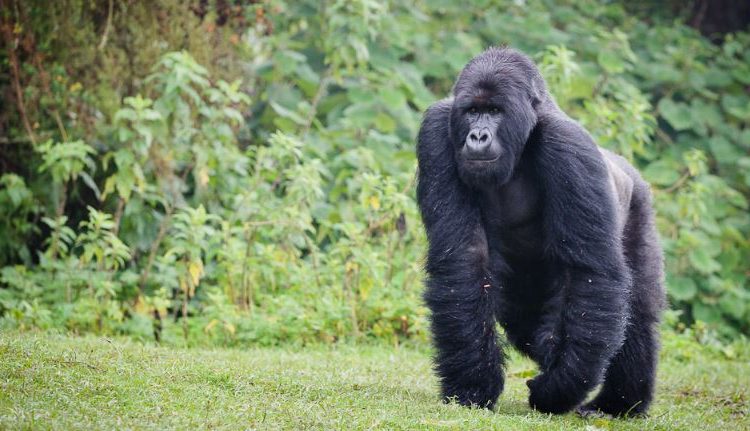
Virunga National Park is home to several habituated mountain gorilla families, each with distinctive behaviors and personalities. The Kwitonda family, one of the oldest habituated groups, often showcases the authority and protective nature of its silverbacks. The Sabyinyo family, named after the nearby volcano, is highly active and social, frequently moving through the forest and engaging with each other. In addition, the Karisoke families inhabit the area near the original research station established by Dian Fossey, connecting modern trekkers to decades of scientific study. Rangers closely monitor each group, ensuring their health and minimizing stress from human contact. Observing these families allows visitors to gain deep insight into gorilla social structures, communication patterns, and family dynamics, providing an unmatched educational and emotional experience.
Climate and Trekking Conditions
The weather and climate of Virunga National Park play a major role in shaping the gorilla trekking in DR Congo experience. The dry seasons, which run from June to September and December to February, offer the most comfortable trekking conditions. Trails are firmer, visibility is higher, and the likelihood of safely navigating steep or muddy areas is greater. In contrast, the rainy seasons between March and May and October to November create lush green landscapes, abundant water sources, and higher wildlife activity. While treks during these months can be more physically demanding due to slippery paths, the vibrant scenery and mist-filled valleys create dramatic photographic opportunities and a truly immersive forest atmosphere.
Gorilla Trekking Permits
Participating in congo gorilla trekking requires a permit issued by the Virunga National Park authorities. These permits are essential to regulate human activity and ensure minimal impact on the gorillas and their habitat. The cost of permits is generally lower than in neighboring Rwanda, but each purchase contributes significantly to conservation efforts. Fees cover park entry, guided ranger assistance, and conservation initiatives aimed at protecting mountain gorillas. They also support community development programs, demonstrating how responsible tourism directly benefits both wildlife and local populations. Booking permits well in advance is highly recommended due to limited numbers, which helps preserve the quality and integrity of the trekking experience.
Conservation and Community Benefits
Gorilla trekking in Congo directly supports one of the most challenging and inspiring conservation efforts in Africa. Revenues generated from trekking contribute to anti-poaching patrols, ranger training, and the monitoring of gorilla health and populations. Communities surrounding Virunga National Park benefit through the establishment of schools, health centers, and sustainable energy projects, creating incentives to protect rather than exploit forest resources. This symbiotic relationship between tourism, conservation, and community development ensures that gorillas continue to thrive while local populations gain sustainable livelihoods.
Accommodation and Visitor Experience
Visitors to Virunga National Park have access to a range of lodging options that enhance the gorilla trekking in DR Congo experience. Eco-lodges offer panoramic views of volcanic peaks and the misty forest canopy, mid-range hotels provide convenience and comfort close to trekking trailheads, and simple guesthouses allow adventurous travelers to stay immersed in nature. Many accommodations focus on sustainability, using eco-friendly designs, locally sourced materials, and community involvement, reinforcing the conservation ethos central to every gorilla trek in Congo.
The Unique Appeal of Gorilla Trekking in Congo
What sets gorilla trekking in Congo apart is its raw, adventurous appeal. The dramatic volcanic landscapes, rugged terrain, and relatively low tourist traffic create an intimate and profound connection with nature. Trekkers experience mountain gorillas thriving in a wild, untamed environment, where each encounter offers a glimpse into the intelligence, social complexity, and emotional depth of these magnificent primates. The combination of challenging trails, misty forests, and breathtaking views ensures that every gorilla trek in Congo is not just a journey through a forest, but a transformative encounter with one of the planet’s most endangered species.
More Gorilla Trekking Information to Know.
Gorilla trekking goes far beyond just the hike — it’s a deep, emotional journey into the heart of Africa’s last wild rainforests. Knowing the right timing, permits, fitness tips, and park details can turn your experience from good to unforgettable.
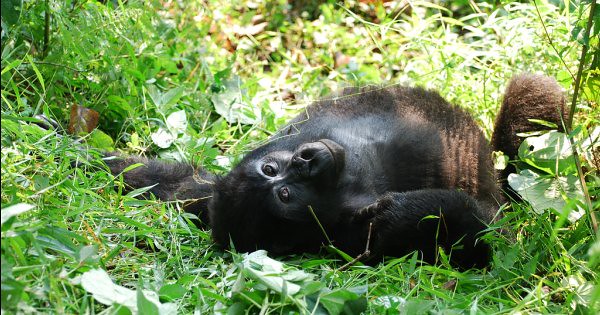
Gorilla Trekking in Bwindi Impenetrable Forest
Gorilla Trekking in Bwindi Impenetrable Forest
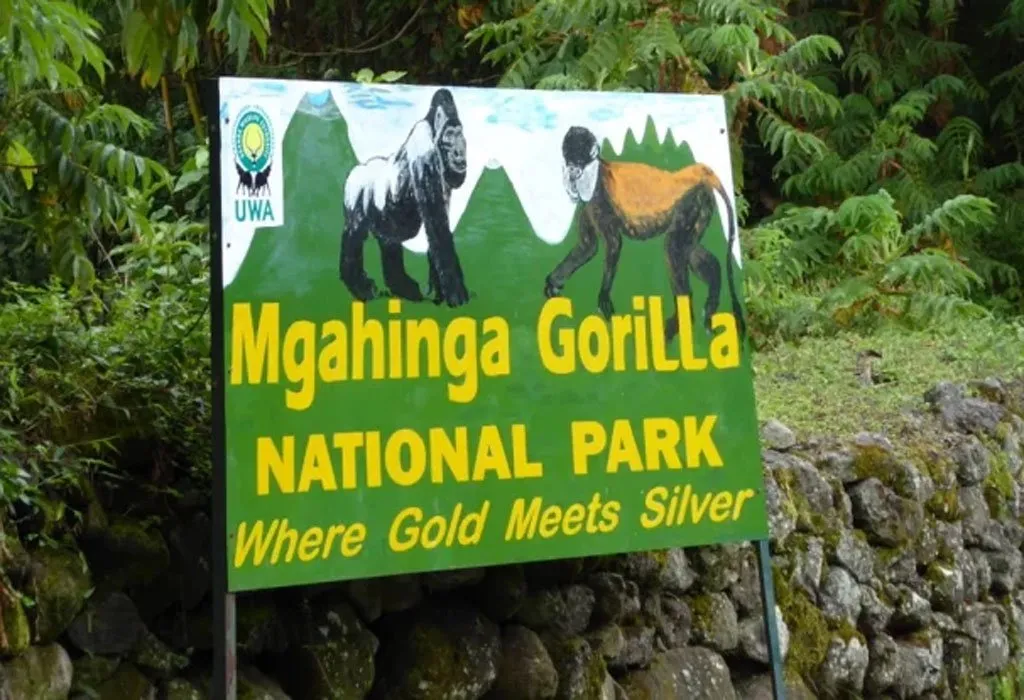
Trekking Gorillas in Mgahinga National Park
Trekking Gorillas in Mgahinga National Park
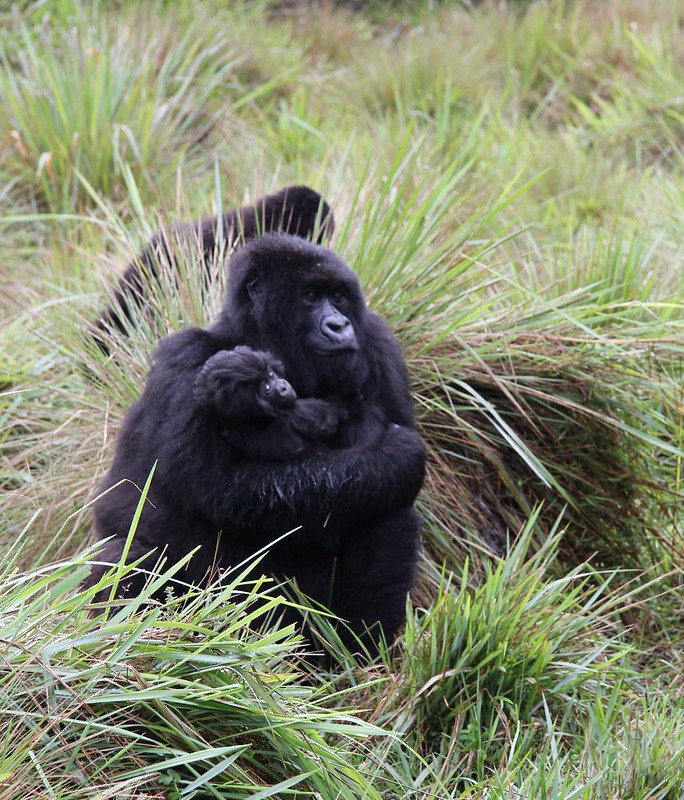
Uganda Gorilla Trekking Permits – Prices, Booking, & Travel Tips
Uganda Gorilla Trekking Permits – Prices, Booking, & Travel Tips
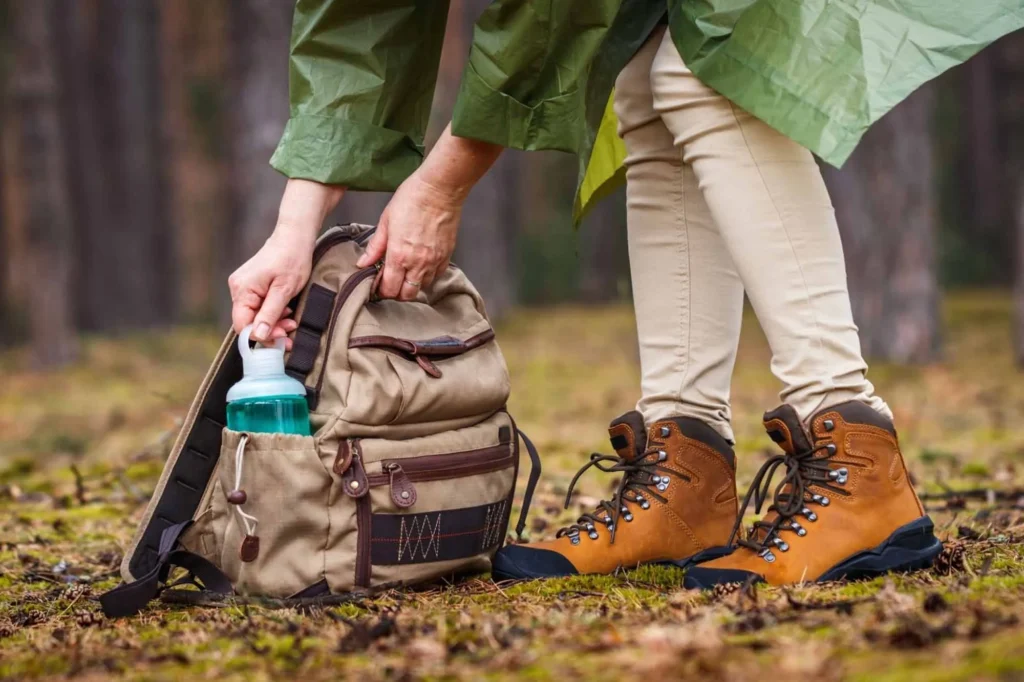
What to Pack for Gorilla Trekking in Uganda – Expert Checklist
What to Pack for Gorilla Trekking in Uganda – Expert Checklist
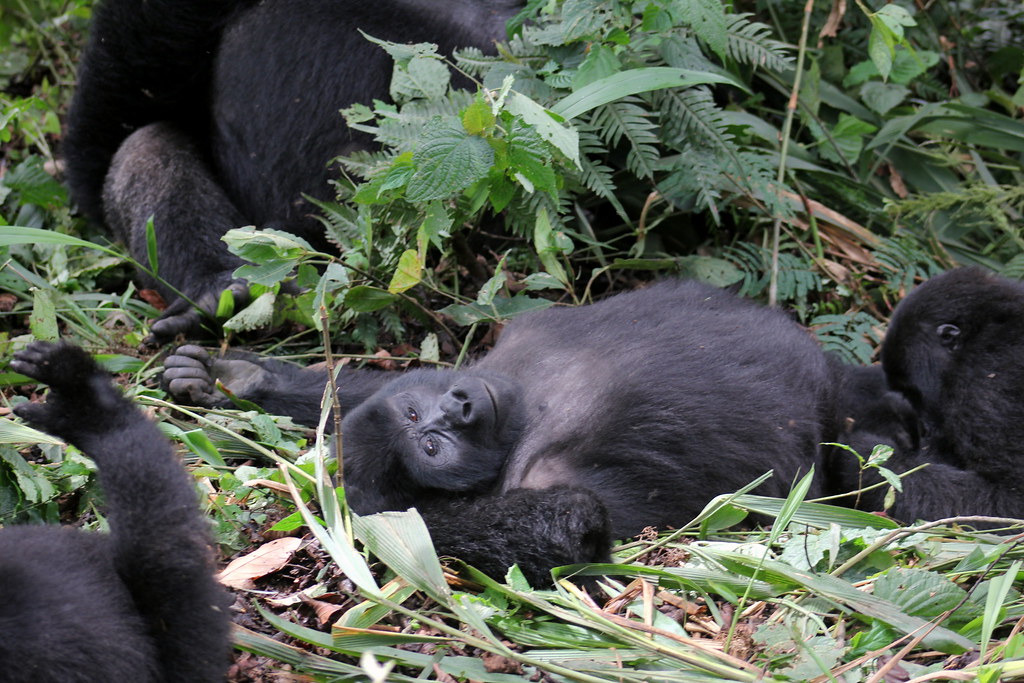
Best Time to Go Gorilla Trekking in Uganda – Weather & Seasons
Best Time to Go Gorilla Trekking in Uganda – Weather & Seasons
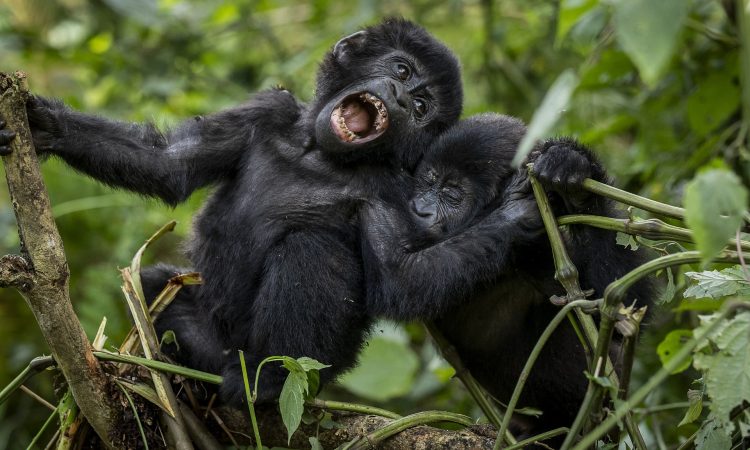
Gorilla Trekking Difficulty in Uganda – Fitness & Trail Guide
Gorilla Trekking Difficulty in Uganda – Fitness & Trail Guide
Gorilla Trekking Rules in Uganda – Safety, Respect & Ethics
Gorilla Trekking Rules in Uganda – Safety, Respect & Ethics
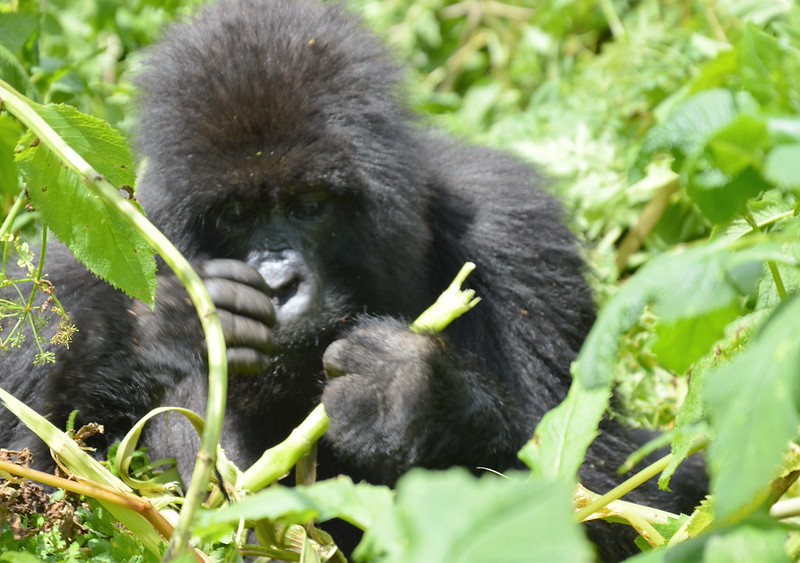
Gorilla Conservation in Uganda – Protecting the Mountain Giants
Gorilla Conservation in Uganda – Protecting the Mountain Giants
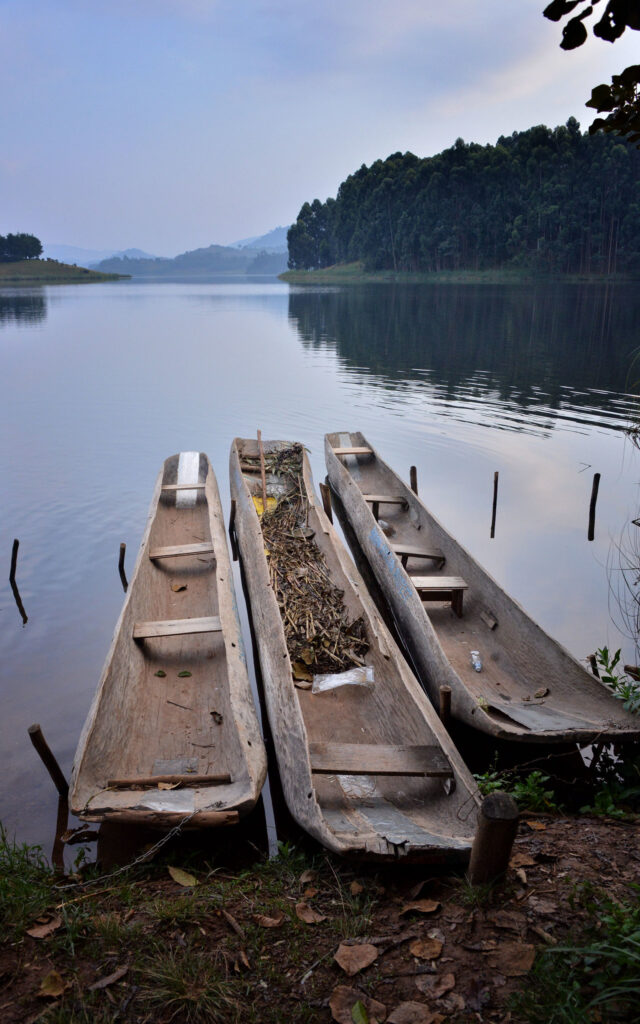
Bwindi vs. Mgahinga – Which One to Choose For Gorilla Trekking?
Bwindi vs. Mgahinga – Which One to Choose For Gorilla Trekking?
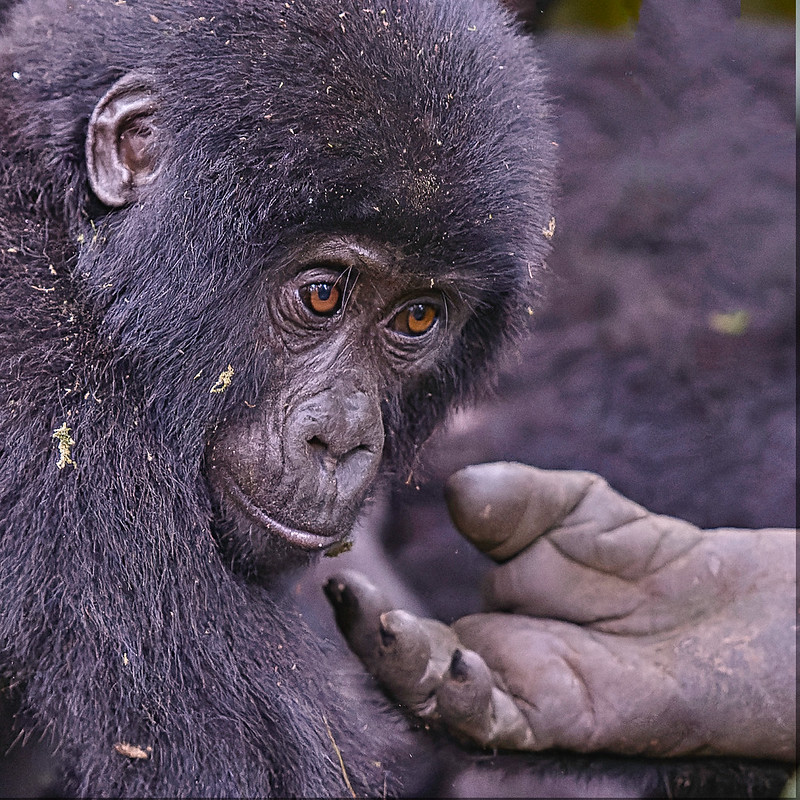
How to Stay Safe and Healthy While Traveling in Uganda
How to Stay Safe and Healthy While Traveling in Uganda
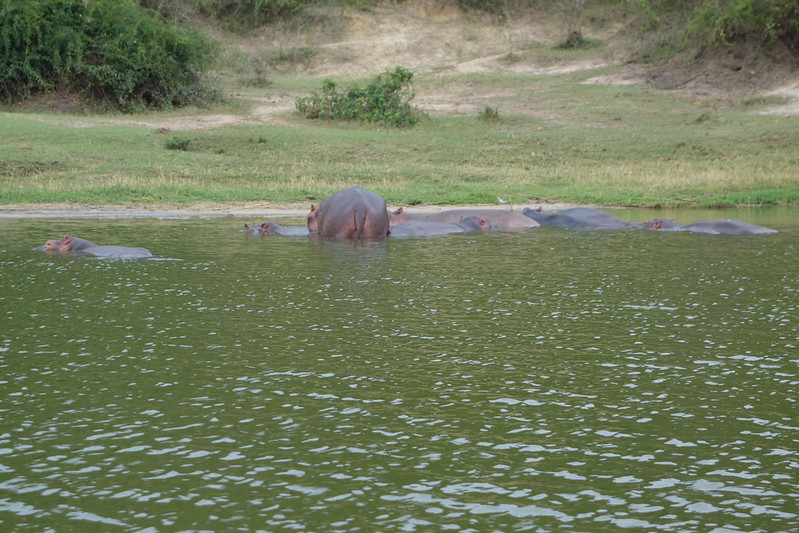
Routes, Tips & Travel Wisdom for Getting to Bwindi or Mgahinga
Routes, Tips & Travel Wisdom for Getting to Bwindi or Mgahinga
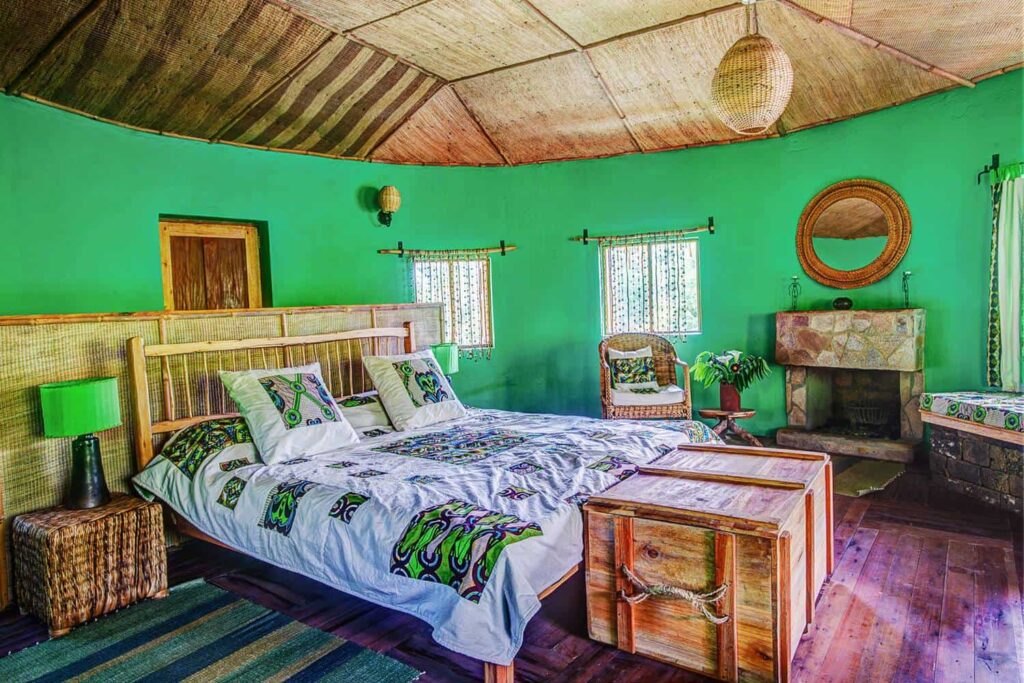
Accommodation Options: Lodges & Camps in Bwindi and Mgahinga
Accommodation Options: Lodges & Camps in Bwindi and Mgahinga
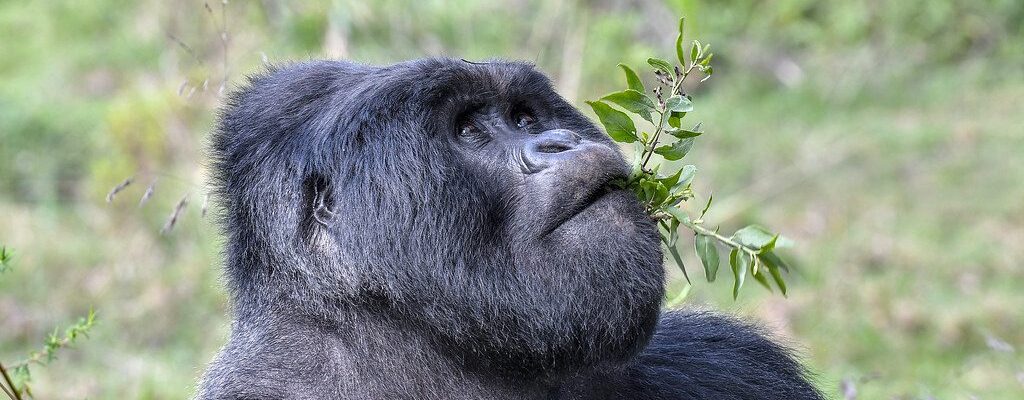
Protecting What You Came to See: Gorilla Conservation & Ethics
Protecting What You Came to See: Gorilla Conservation & Ethics
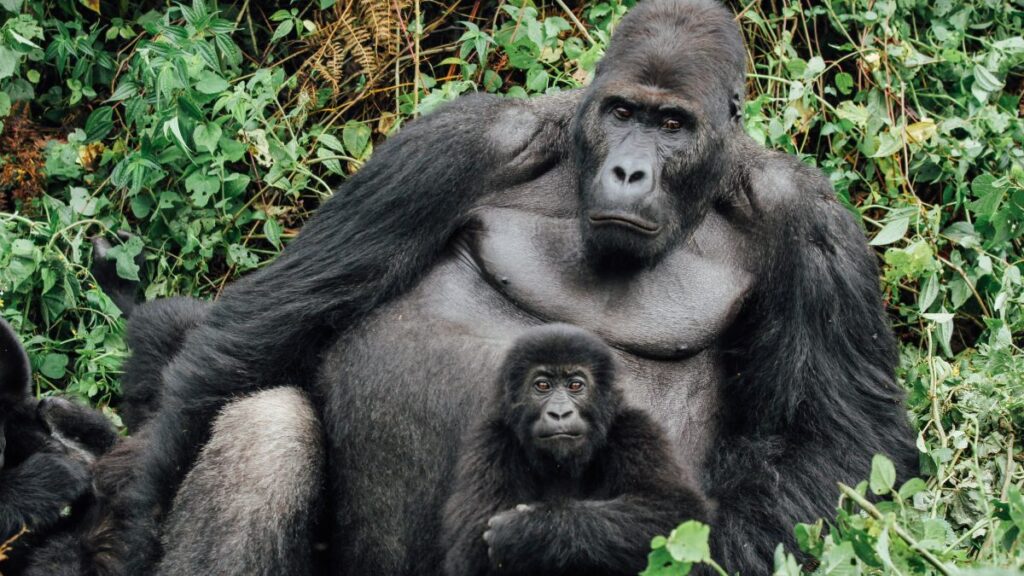
Travel Insurance for Gorilla Treks: Before You Go
Travel Insurance for Gorilla Treks: Before You Go
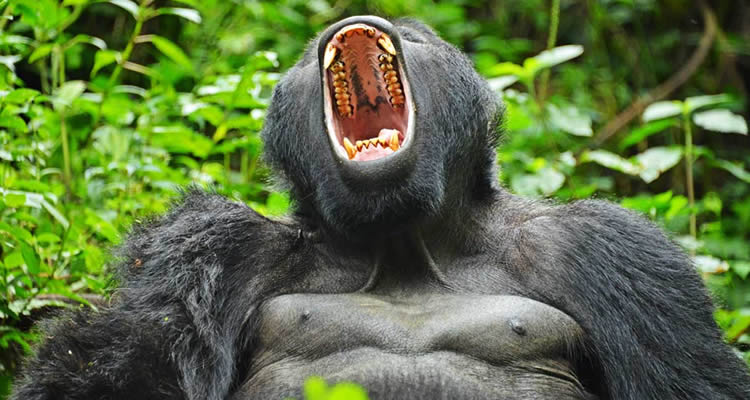
First Time Gorilla Trekking? Here’s Everything I Wish I Knew
First Time Gorilla Trekking? Here’s Everything I Wish I Knew
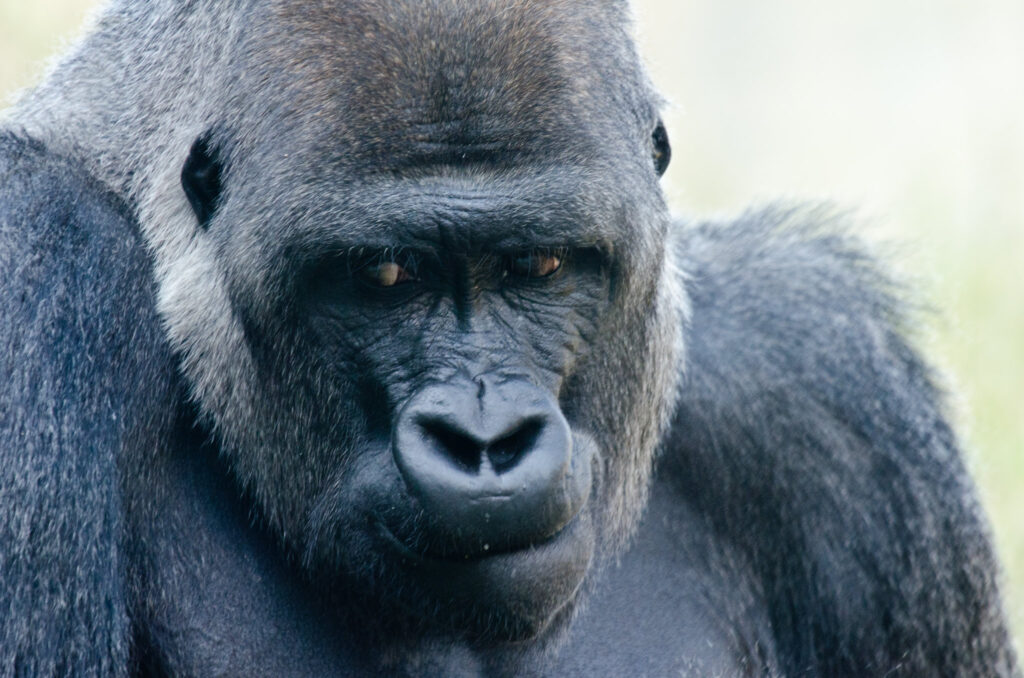
Step by Step: What Happens During a Gorilla Trekking Day
Step by Step: What Happens During a Gorilla Trekking Day
Gorilla Trekking vs. Gorilla Tracking – What’s the Real Difference?
Gorilla Trekking vs. Gorilla Tracking – What’s the Real Difference?
Beyond Gorillas: Other Wildlife You Can See During Your Trek
Beyond Gorillas: Other Wildlife You Can See During Your Trek
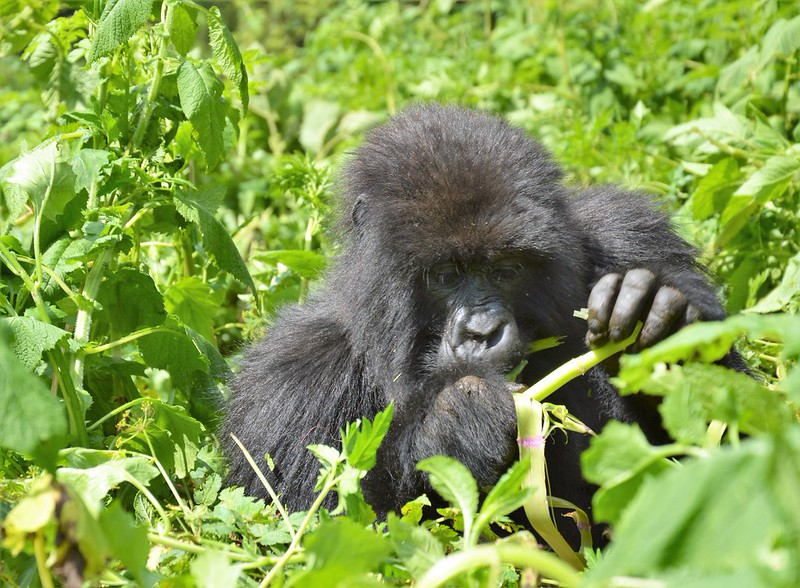
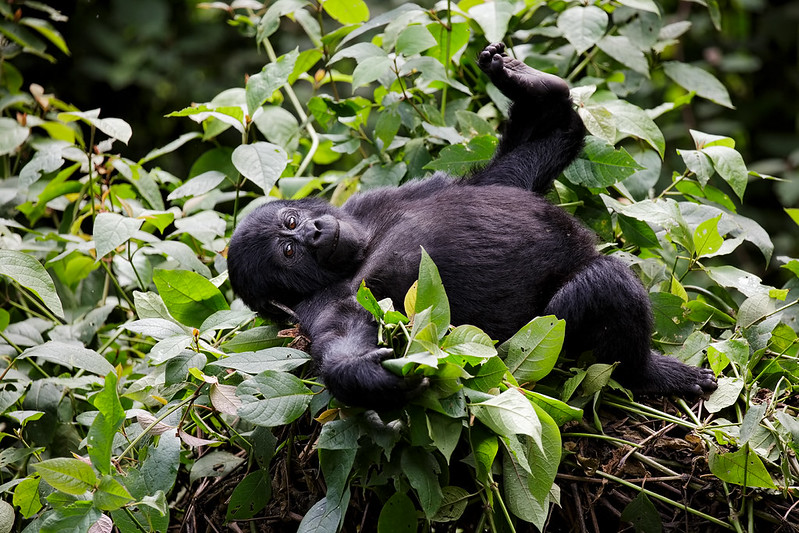
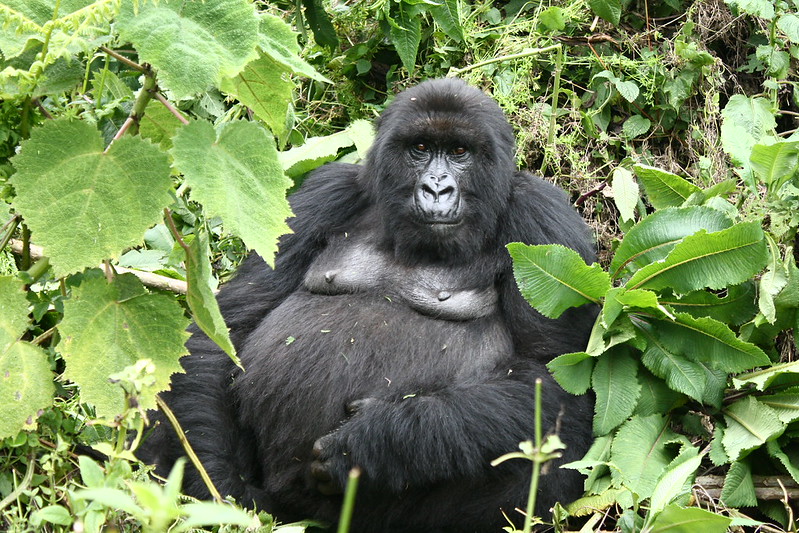
In the Realm of Giants – Bwindi & Mgahinga in Frames.
Wander through an elegant gallery capturing Uganda’s most exclusive gorilla sanctuaries, where ancient forests cradle the last mountain gorillas in a world of mist, mystery, and majesty.
Essential Planning Tips for Visiting Uganda’s National Parks.
Get ready for the wild heart of Africa with expert travel tips on when to visit, what to pack, where to go, and how to make the most of your safari across Uganda’s breathtaking national parks.
Why Uganda for Gorilla Trekking?
Uganda is not just a destination — it's the very soul of gorilla trekking. With over half of the world’s remaining mountain gorillas calling its misty forests home, Uganda offers the rarest encounters in their most authentic setting. Here, your journey is not rushed or crowded. Instead, you’re guided by experienced rangers through pristine jungles where gorillas live as they always have — wild, free, and magnificent
From insider travel insights to unforgettable trekking guides, our blog is your trusted path into Uganda’s wild heart — connecting you with mountain gorillas, breathtaking landscapes, and the soul-stirring adventures that make this land unlike any other.