The Ultimate Guide to Uganda Gorilla Trekking in 2026
Uganda gorilla trekking in 2026 stands among the most profound wildlife experiences on Earth. Deep within ancient rainforests, travelers come face to face with endangered mountain gorillas—watching them feed, groom, play, and interact in their natural habitat. This is not a zoo encounter or a distant safari sighting. It is raw, close, and deeply human.
Uganda holds more than half of the world’s remaining mountain gorillas, making it one of the most important conservation destinations globally. The country offers diverse trekking sectors, relatively accessible permit pricing compared to neighboring destinations, and a wide range of accommodation options that suit both midrange and luxury travelers.
This guide explores every essential detail you need to plan a successful and rewarding gorilla trekking safari in Uganda in 2026.
Gorilla Trekking in Uganda: What It Really Means
Gorilla trekking involves hiking through dense tropical rainforest under the guidance of experienced rangers to locate a habituated gorilla family. These families have undergone a careful process of human familiarization, allowing visitors to observe them safely at a controlled distance.
Uganda offers gorilla trekking in two protected areas, each with a distinct character.
Bwindi Impenetrable National Park
Bwindi is the heart of Uganda gorilla trekking. It is a UNESCO World Heritage Site known for its dense vegetation, steep valleys, and exceptional biodiversity. The park hosts over 20 habituated gorilla families spread across four sectors:
- Buhoma – the most accessible and historically established sector
- Ruhija – quieter, elevated, and ideal for birding
- Rushaga – highest number of gorilla families and habituation experiences
- Nkuringo – physically demanding but scenically rewarding
Each sector offers a different trekking experience, terrain difficulty, and lodge selection.
Mgahinga Gorilla National Park
Mgahinga is smaller but incredibly scenic, located within the Virunga Mountain range. It offers a more exclusive experience with fewer visitors. The Nyakagezi gorilla family, known for its mobility in the past, now tends to remain within the park, making sightings more consistent.
Gorilla Trekking Permits in 2026
A gorilla permit is mandatory for trekking and must be secured in advance. In 2026, the pricing structure remains:
- USD 800 per person (Foreign Non-Residents)
- USD 700 per person (Foreign Residents)
- UGX 300,000 (East African Citizens)
The permit includes park entry, ranger guidance, security, and one hour with a gorilla family.
Availability is limited to a small number of visitors per group per day, ensuring minimal disturbance to the gorillas. Because of this, permits often sell out months in advance, especially during peak travel seasons.
Best Time to Go Gorilla Trekking in Uganda
Gorilla trekking operates year-round, but seasonal differences influence the overall experience.
Dry Seasons (June–September, December–February)
These months offer the best trekking conditions. Trails are less slippery, vegetation is slightly less dense, and photography becomes easier due to clearer light conditions.
This is the peak travel period, so permits and lodges should be booked well in advance.
Wet Seasons (March–May, October–November)
Rainfall increases, making trails muddy and physically more demanding. However, the forest becomes lush and vibrant, and there are fewer visitors.
For travelers who do not mind challenging conditions, this period can offer a more intimate experience.
The Gorilla Trekking Experience: Step by Step
A typical trekking day begins early in the morning at the park headquarters.
Briefing and Group Allocation
Rangers provide a detailed briefing on safety guidelines and assign groups based on fitness levels and gorilla family locations. Each group consists of a small number of trekkers.
The Trek Through the Forest
Treks can last anywhere from one hour to over six hours. The duration depends on the movement of the gorillas, terrain, and weather conditions.
The forest environment is thick, humid, and alive with sounds—birds, insects, and distant primate calls. Rangers and trackers move ahead to locate the gorillas and communicate their position.
The One-Hour Encounter
Once the gorillas are found, the group is allowed exactly one hour with them.
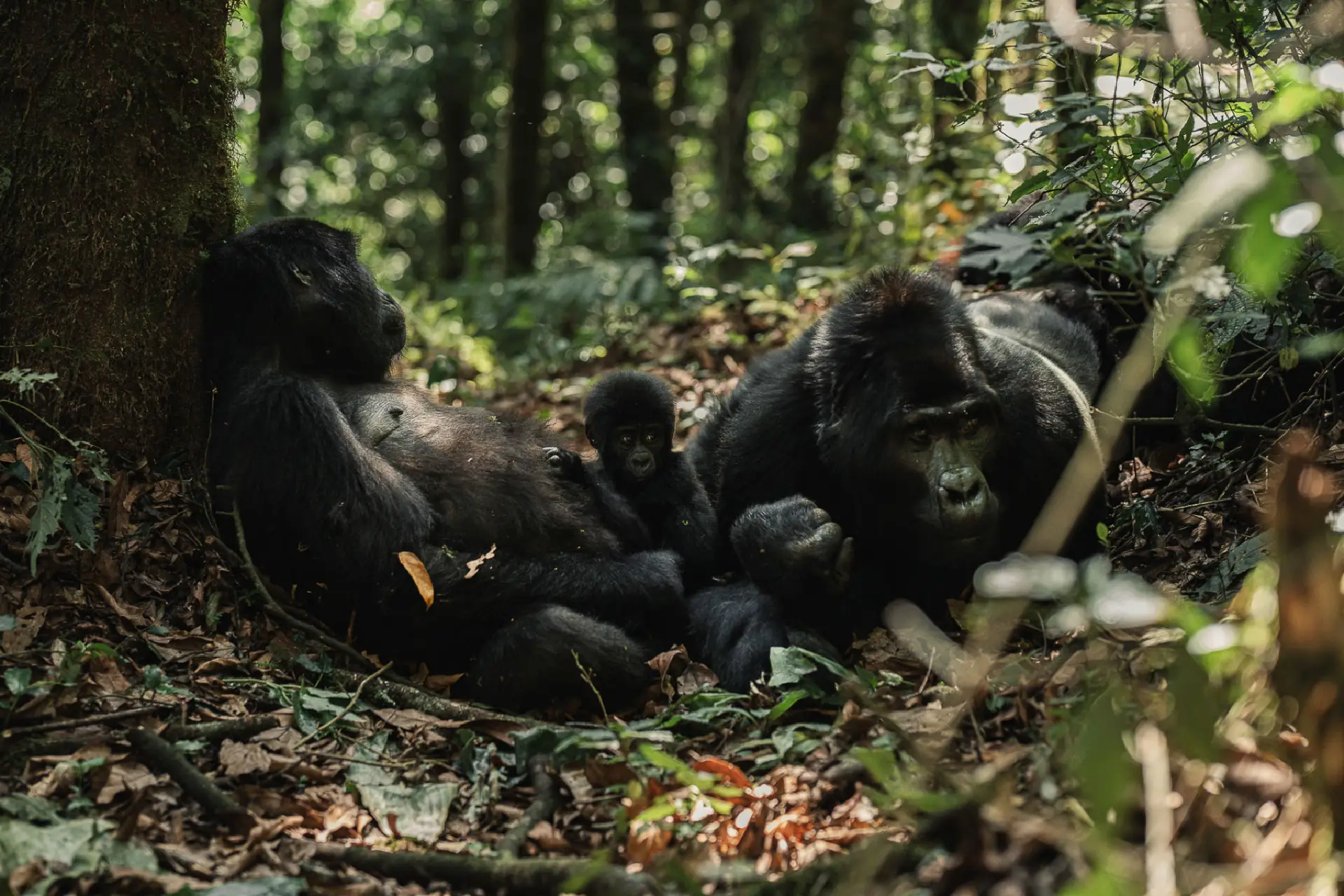
This moment is intense and unforgettable. You may observe a dominant silverback watching over the group, juveniles playing, mothers nursing infants, or the entire family feeding quietly.
The proximity is remarkable, often within a few meters, yet governed by strict rules to protect both humans and gorillas.
Physical Fitness and Trek Difficulty
Gorilla trekking requires moderate physical fitness. The terrain includes:
- Steep slopes
- Uneven forest floors
- Thick vegetation
- High humidity
Altitude ranges between 1,160 and 2,600 meters, which can affect breathing for some travelers.
Preparation improves the experience. Light cardio, walking, and hiking before travel help build endurance.
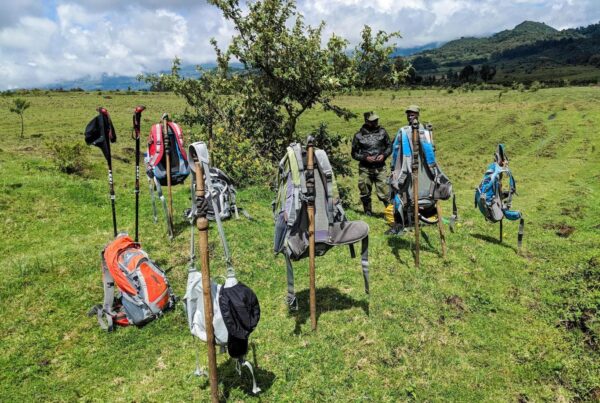
Porters are available at the park headquarters and are highly recommended. They assist with carrying bags and provide physical support during difficult sections of the trek.
Gorilla Habituation Experience
Uganda offers a unique extended experience known as gorilla habituation. This takes place in the Rushaga sector of Bwindi.
Instead of one hour, visitors spend up to four hours with a semi-habituated gorilla group alongside researchers and rangers.
Permit cost in 2026:
USD 1,500 per person
This experience allows deeper observation of behavior and is especially valuable for photographers and wildlife enthusiasts seeking more time in the forest.
Accommodation Options Near Gorilla Trekking Areas
Accommodation plays a key role in the overall experience. Staying within your assigned trekking sector reduces travel time and improves comfort.
Luxury Lodges
Luxury properties offer spacious cottages, forest views, fine dining, and personalized service. Many are located on ridges overlooking the forest, providing dramatic scenery and privacy.
Midrange Lodges
Midrange options provide excellent comfort, good food, and convenient access to trekking points. These lodges balance affordability with quality service.
Most lodges arrange transfers to the park headquarters and provide packed lunches for trekking days.
How to Get There
By Air
Domestic flights connect Entebbe to Kihihi (for Buhoma and Ruhija) and Kisoro (for Rushaga, Nkuringo, and Mgahinga). Flights significantly reduce travel time and offer scenic aerial views.
By Road
Driving from Kampala or Entebbe takes approximately 8–10 hours. The journey passes through rural landscapes, tea plantations, and small towns, offering insight into Uganda’s countryside.
Cost of Gorilla Trekking Safaris in 2026
The overall cost depends on travel style, accommodation level, and itinerary length.
- Midrange (3 Days): USD 1,500 – 2,500 per person
- Luxury (3 Days): USD 3,000 – 6,000+ per person
Costs usually include permits, accommodation, meals, transport, and guiding services.
Additional experiences such as chimpanzee trekking or game drives increase the overall cost but enhance the safari.
Packing for Gorilla Trekking
Proper gear ensures comfort and safety during the trek.
Essential items include:
- Waterproof hiking boots with good grip
- Long trousers and long-sleeved shirts
- Rain jacket or poncho
- Gardening gloves for handling vegetation
- Insect repellent
- Sunscreen
- Reusable water bottle
- Energy snacks
Clothing should be in neutral colors such as green, brown, or khaki.
Health and Safety Guidelines
Gorilla trekking follows strict rules to protect both visitors and wildlife.
- Maintain a minimum distance of 7 meters
- Do not trek if you are sick
- Avoid direct eye contact with gorillas
- Follow all ranger instructions
- Do not use flash photography
- These measures help prevent disease transmission and ensure a safe experience.
- Conservation Impact of Gorilla Trekking
- Gorilla trekking plays a direct role in conservation success.
Revenue from permits supports:
- Anti-poaching patrols
- Habitat protection
- Veterinary care for gorillas
- Community development projects
Local communities benefit through employment, tourism revenue, and infrastructure development. This creates a strong incentive to protect wildlife.
Uganda’s mountain gorilla population has steadily increased, showing that conservation tourism works when managed responsibly.
Combining Gorilla Trekking with Other Experiences
Uganda offers a complete safari beyond gorillas.
Travelers often combine trekking with:
- Chimpanzee tracking in Kibale Forest
- Wildlife safaris in Queen Elizabeth National Park
- Boat cruises along the Kazinga Channel
- Game drives in Murchison Falls National Park
- Cultural encounters with local communities
These additions create a diverse and well-rounded itinerary.
Who Should Consider Gorilla Trekking?
Gorilla trekking suits travelers seeking meaningful wildlife encounters. It appeals to those interested in conservation, photography, and immersive travel experiences.
The minimum age is 15 years. Good health and moderate fitness are required.